
Reviewed · BAMBOO GROVE TOURS
Kyoto: Arashiyama Bamboo, Togetsukyo bridge, Sanso, and more
Arashiyama packs a remarkable amount into a small corner of Kyoto, and this three-hour walking tour gives you a sensible path through its best-known sights. You move from the tall bamboo of Sagano to a Zen garden, a mountain-framed bridge, a villa garden, and glowing kimono-patterned pillars.
I like two things right away: the group is limited to nine people, and the guide handles the confusing lanes between sights. I also like the mix of famous places and quieter garden time at Okochi Sanso. The catch is that this is a real walking tour with some rocky uphill and downhill paths, and entrance fees are not included.
Key points to know before you book
- The route covers five distinct Arashiyama sights in one compact morning or afternoon.
- Small groups of up to nine make it easier to hear the English-speaking guide and ask questions.
- Alex, Yuko, Vincent, Gus, and others have led this experience, with strong praise for clear explanations and helpful pacing.
- Tenryuji and Okochi Sanso cost extra, so the $26 price is not the full cost of the outing.
- The route includes uneven ground and slopes, so comfortable shoes are essential.
- Kimono Forest provides a modern finish after the temples, gardens, and bamboo.
Why this short Arashiyama walk works
Arashiyama is easy to misunderstand from a map. The major sights appear close together, yet the best route is not always obvious. Small lanes, temple entrances, garden paths, and crowded approach roads can make a simple point-to-point walk less simple than expected.
That is where the guide adds real value. You are not paying only for someone to point at bamboo. You are getting a person who can connect the stops, explain what you are seeing, and keep the group moving without wasting time on wrong turns. Alex, Yuko, Vincent, Gus, Boris, Mya, Micah, Ai, and Damien have all led versions of this walk, and the repeated praise centers on clear explanations, friendly manner, and practical help.
The price is low for a guided Kyoto activity, but remember the fine print: admission to Tenryuji and Okochi Sanso is extra, as are drinks, meals, and personal purchases. At $26 per person, I see this as a good orientation tour rather than an all-inclusive sightseeing package.
It suits you best if you have only part of a day in Kyoto, are visiting Arashiyama for the first time, or want someone else to organize the route. If you prefer long, quiet visits at each temple, three hours may feel brisk.
More Arashiyama and bamboo walks:
- Kyoto: Fushimi Inari, Kinkakuji, Bamboo Grove 1 Day Bus Tour
★ 4.8 · 4,316 reviews - Osaka/Kyoto:Kinkakuji,Arashiyama,FushimiInariShrine,NaraPark
★ 4.1 · 1,596 reviews - Kyoto/Osaka: Nara, Fushimi Inari Taisha, Arashiyama Bus Tour
★ 4.7 · 1,275 reviews
Meeting at Randen Arashiyama Station
The tour begins at Tully’s Coffee at Randen Arashiyama Station. Your guide waits there wearing a shirt with the local partner’s name, which gives you a clear way to identify the right person.
Arrive at least 10 minutes early. The guide waits only 10 minutes after the stated start time, so a late arrival can mean missing the walk entirely. This is especially important in Arashiyama, where train stations, bus stops, and temple approaches can make last-minute navigation slow.
The tour returns to the same Tully’s Coffee meeting point. That makes the experience simple to fit into a larger day, since you do not need to arrange a separate ride back from another part of Kyoto.
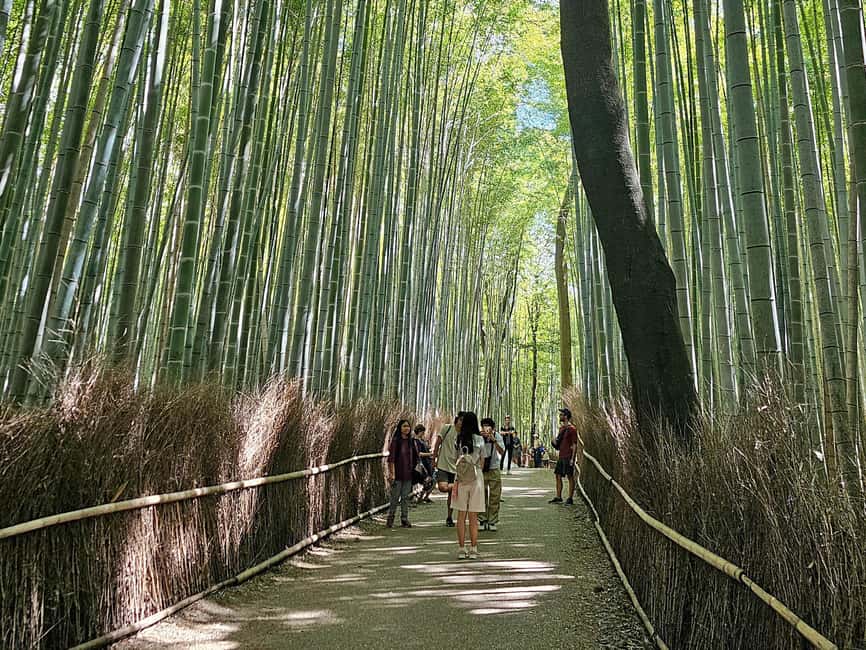
Walking beneath the Sagano Bamboo
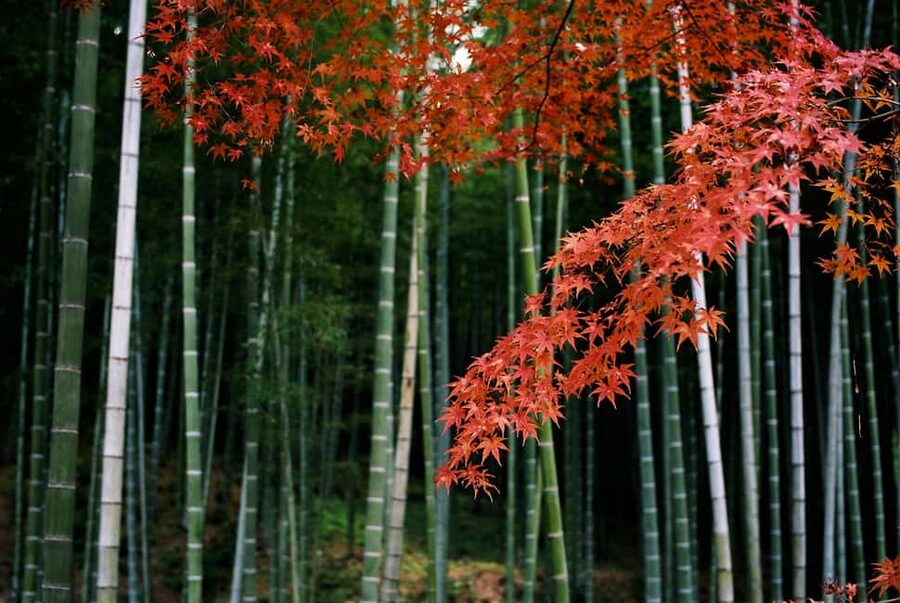
The bamboo forest is the main event, and it earns its fame. Tall green stalks rise on both sides of the path, filtering the light and making the short walk feel removed from the streets nearby.
Expect this to be a shared public setting, not a private wilderness walk. The grove is one of Kyoto’s most popular sights, so the path can feel busy. Your guide helps you make better use of the visit by explaining the area and leading you along the route instead of leaving you to wander without context.
Bring a camera, but keep your attention on the bamboo itself. The most memorable part is not simply taking the standard photograph. It is the change in scale as the narrow path rises between the stalks, with the sound and color of the city falling away for a few minutes.
The walk is not designed for people with mobility impairments. One detailed account describes rocky uphill and downhill sections, and that is useful information for anyone managing weight, balance, heart concerns, or breathing problems. Wear shoes with a firm sole, and do not treat this as a flat stroll through a park.
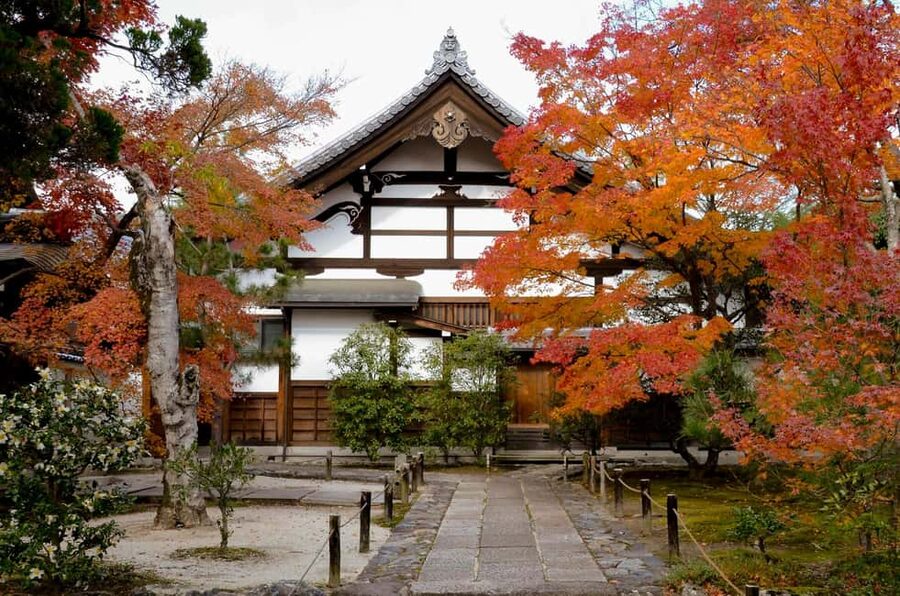
Tenryuji Temple and its Zen garden
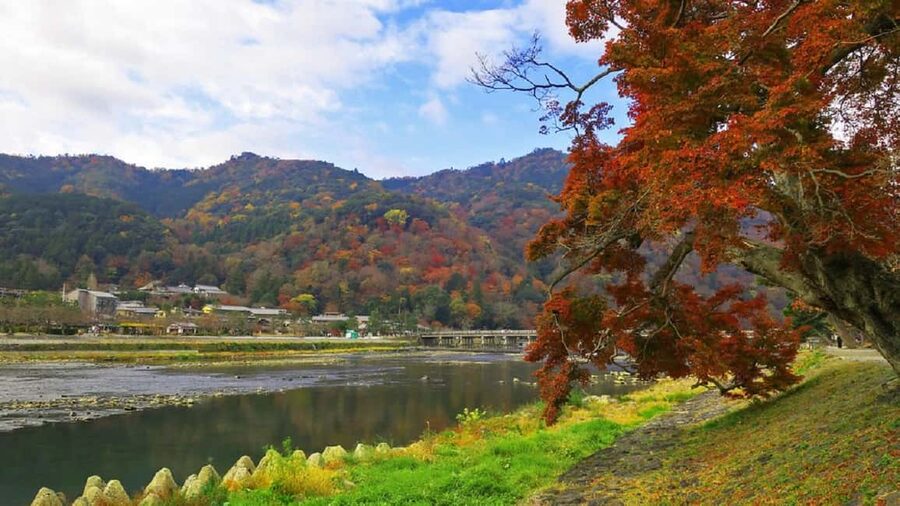
Tenryuji adds the cultural center of the walk. It is a UNESCO-listed temple, and its garden gives you a calmer counterpoint to the bamboo grove.
The appeal here is the balance between built space and nature. Instead of looking only at a temple hall, you get time around a carefully arranged garden, where ponds, trees, paths, and mountain views work together. Your guide can help you notice why the garden feels composed rather than random.
Admission is not included, so carry cash. The tour data does not give a separate entrance price, and it can change, so check the current fee before you go if you are keeping a tight budget.
Dress modestly and respectfully for the temple grounds. Shorts or tank tops are specifically discouraged. You do not need formal clothing, but a simple, covered outfit is the safer choice and keeps your visit comfortable.
Three hours covers several stops, so do not expect an extended meditation session at Tenryuji. The benefit is that you see the temple as part of a larger Arashiyama route. The drawback is that you may wish for more time if gardens are your main reason for visiting Kyoto.
A few more Kyoto half-days to weigh up
- PERFECT KYOTO 1-Day Bus Tour
★ 5.0 · 13,518 reviews - Kyoto: Tea Ceremony in a Traditional Tea House in Kiyomizu
★ 4.9 · 3,519 reviews - Kyoto Geisha Walking Tour: Gion District & Hidden Gems
★ 4.7 · 3,273 reviews - Kyoto: Tea Ceremony Ju-An at Jotokuji Temple
★ 4.9 · 3,207 reviews
Okochi Sanso Villa and the optional tea stop
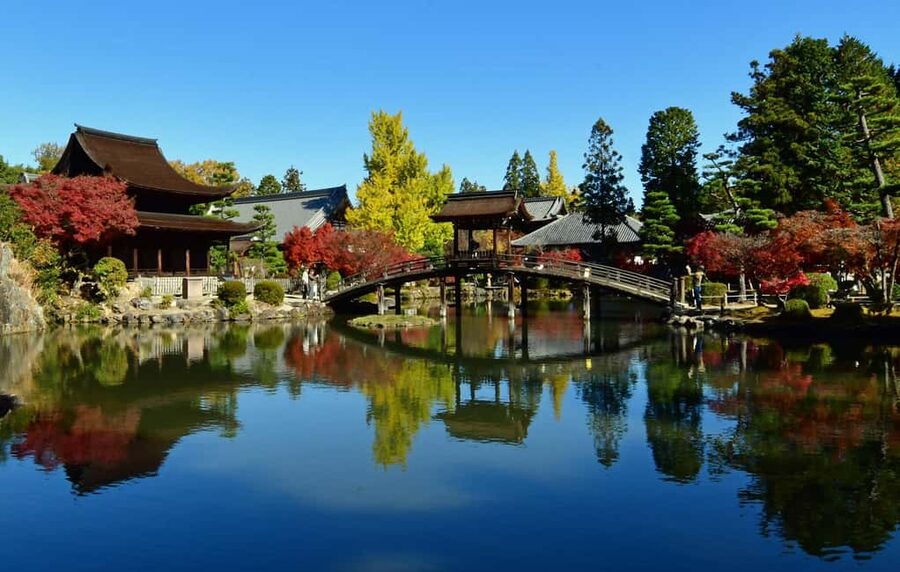
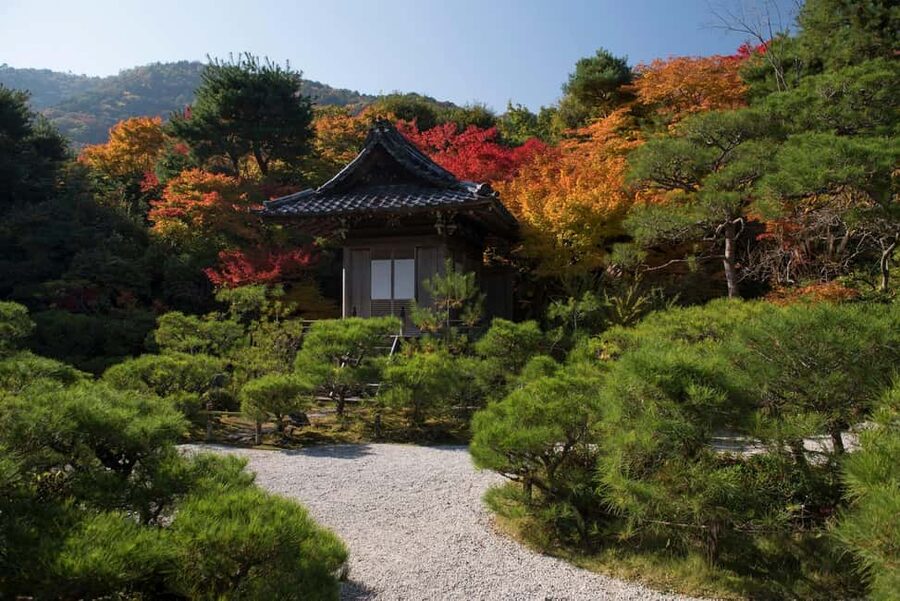
Okochi Sanso Villa is one of the quieter parts of the outing. The property is known here for its elegant garden walk, and it gives you a chance to slow down after the bamboo and temple sections.
I like this stop because it changes the mood. The route is not simply a sequence of major photo spots. You move into a more private-feeling garden setting, with carefully maintained paths and views shaped by the villa grounds.
Entry is extra, so keep some cash available. You also have the option to buy traditional matcha tea and a sweet at the villa’s tea house. That purchase is not included, but it can be a pleasant pause if you want a taste of a classic Japanese tea custom without committing to a separate tea ceremony.
The tea stop is optional, which is useful. You can choose to spend the time walking or looking at the gardens instead. Since the tour has several places to cover, ask your guide how the timing works if tea is important to you.
The garden paths also contribute to the physical demands of the tour. Uneven ground and slopes may be tiring, especially in hot weather or if you have heart or respiratory problems. The activity information specifically says it is not suitable for people with those conditions.
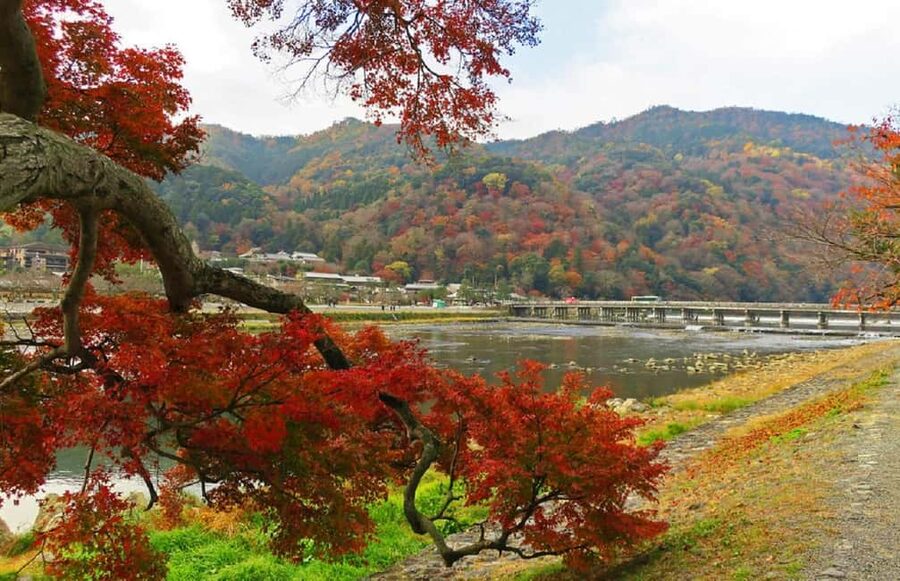
Togetsukyo Bridge and mountain views
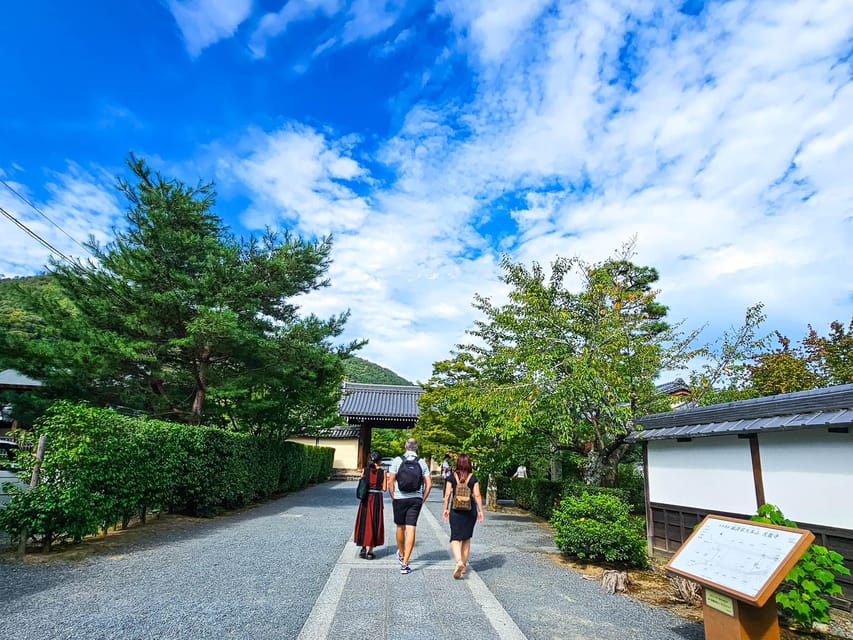
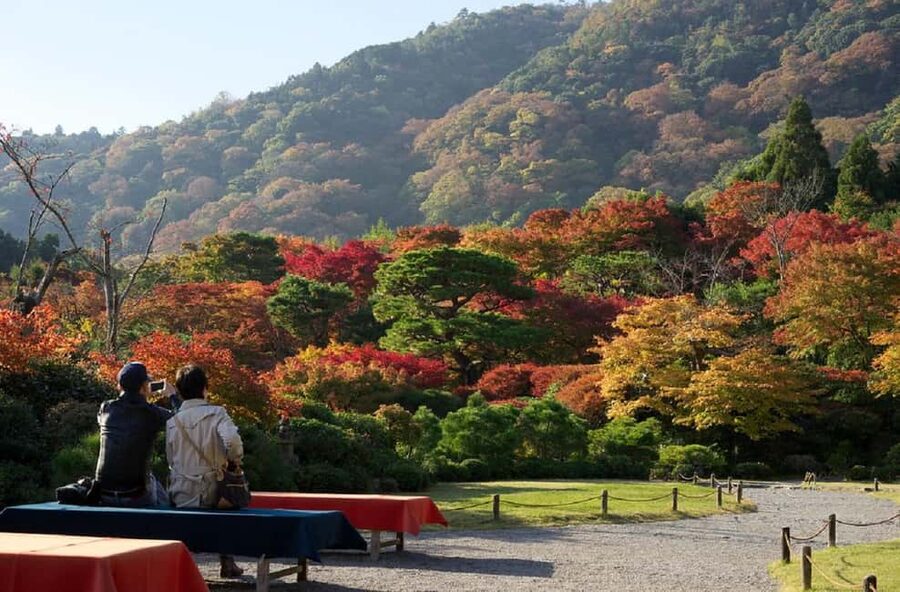
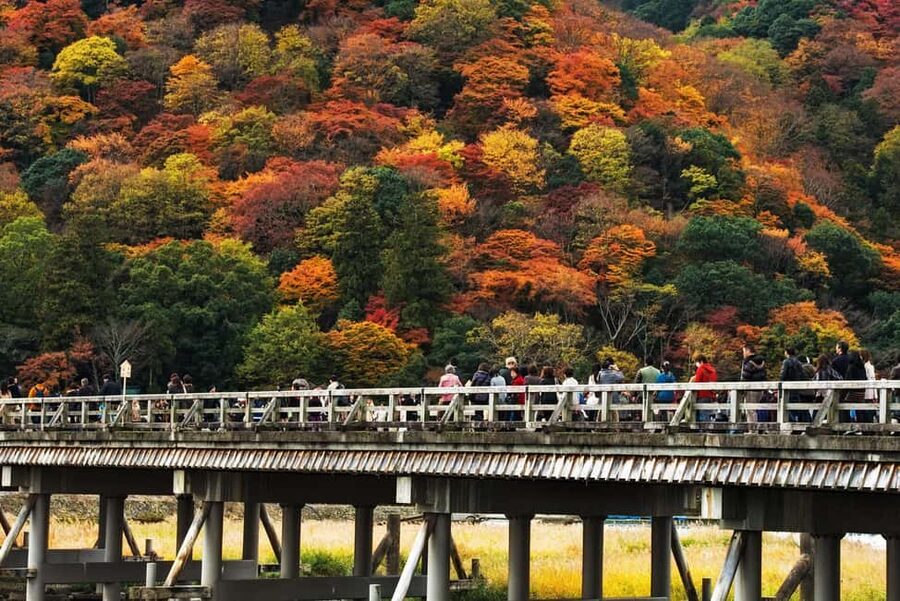
Togetsukyo Bridge offers a broad change of scene. After the enclosed feeling of the bamboo grove and the composed spaces of the temple gardens, you reach an open view framed by Arashiyama’s mountains.
This is the place for a wider photograph. The bridge gives you a simple, recognizable Kyoto image, with the river and wooded slopes providing the setting. The view changes with the season and weather, so do not judge it only by whether your visit is sunny.
The bridge is also a useful reminder that Arashiyama is more than a bamboo path. The district’s appeal comes from the way water, hills, temples, gardens, and urban streets meet in a small area. A guide can help you understand how the stops fit together rather than treating each one as an isolated attraction.
Timing matters here. The tour does not promise a long bridge-side break or a meal. If you want a full riverside lunch, plan that after the activity, once you return to the station meeting point.
Kimono Forest, where old Kyoto meets modern art
The final highlight is Kimono Forest, a colorful installation at Randen Arashiyama Station. It is made from illuminated pillars decorated with kimono fabric patterns, creating a bright modern contrast to the bamboo, temple, and garden scenes earlier in the walk.
This is a smart ending. You finish with something graphic and contemporary rather than another traditional building. The installation is especially suited to photographs, and its location near the station makes it easy to see before or after your train connection.
Kimono Forest also helps round out the idea of Kyoto. The city is not preserved in one frozen style. Historic religious sites share space with modern design, transit, shops, and everyday life. This last stop is brief, but it gives the tour a more varied finish.
What the guide adds to the route
The strongest reason to book this walk is the guide. The experience is conducted in English, and the small group limit of nine means you should be able to hear explanations and ask questions without competing with a large crowd.
Guide names connected with this experience include Alex, Yuko, Vincent, Gus, Boris, Mya, Micah, Ai, and Damien. Their styles will naturally differ, but the useful pattern is clear: expect explanations about the temples, gardens, culture, language, and local area, along with help finding the right lanes.
One guide adjusted the schedule for a solo participant and took photographs. Another helped an overweight senior manage rocky uphill and downhill sections. Those details matter because they show where a guide can make a practical difference, not just provide background information.
At times, the group may be smaller than the maximum. One participant happened to have a solo outing, but you should not book expecting a private tour. The advertised format is a small group, limited to nine people.
How much walking should you expect?
The activity lasts three hours and takes place on foot. You will move through bamboo paths, temple grounds, gardens, streets, and station areas. The route is compact, but compact does not mean effortless.
Wear comfortable shoes. Sandals with poor support are a weak choice for rocky or sloped sections. Bring water, though drinks are not supplied, and carry cash for admission, tea, or other personal purchases.
The activity is not suitable for people with mobility impairments, heart problems, or respiratory issues. That restriction should be taken seriously. If you are uncertain about your ability to manage uneven paths, ask before booking rather than relying on the short duration.
The guide may help with pacing, but this is still an active sightseeing walk. You should be comfortable standing and walking for much of the three hours.
Season, clothing, and timing
Arashiyama changes character with the season. A cold, cloudy day can still make a fine outing, and the bamboo and gardens do not depend on bright sunshine. In spring, trees and gardens may be especially appealing, while autumn can bring stronger seasonal color, but no exact bloom or foliage condition is guaranteed.
Wear modest clothing for Tenryuji. Avoid revealing tops and very short shorts, and choose layers if the forecast is uncertain. You will be outside for most of the activity, so practical clothing matters more than dressing for a photograph.
Check available start times when booking. The tour is three hours, but the precise schedule is not fixed in the supplied details. I would place it early in your Arashiyama day if you want time afterward for lunch or independent visits.
What the $26 price really gives you
At $26 per person, the tour offers an inexpensive way to get a route, an English-speaking guide, and cultural context across several major Arashiyama sights. The small group size makes the cost more attractive than a large coach-style outing, especially if you value questions and personal attention.
Still, $26 is only the starting cost. Tenryuji and Okochi Sanso entrance fees are not included. Meals, drinks, hotel pickup, hotel drop-off, and personal expenses are also your responsibility.
There is no hotel transportation, so you must reach Tully’s Coffee at Randen Arashiyama Station yourself. That is not a major problem if you are already visiting the district, but it is worth building into your schedule.
Free cancellation is available up to 24 hours before the activity for a full refund, and you can reserve now and pay later. Those terms give you some flexibility, but they do not remove the need to arrive early.
Who should book this Arashiyama tour?
I would choose this for a first visit to Arashiyama, a short Kyoto stay, or a traveler who wants the area’s major sights organized into one route. It is also a good fit if you enjoy asking questions and want more than a self-guided walk through the bamboo.
It works well for solo visitors and couples who want company without joining a huge group. It may also help families with older children who can manage the walking, though the activity is not suitable for people with the listed health or mobility concerns.
I would skip it if your priority is shopping, a long meal, or slow photography at one location. The schedule covers a lot, and each stop receives only part of the three hours. You may prefer visiting independently if you already know Arashiyama and want to set your own pace.
Should you book it?
Book this tour if you want efficient sightseeing with a real human guide, especially if Arashiyama is unfamiliar to you. The bamboo grove, Tenryuji, Okochi Sanso, Togetsukyo Bridge, and Kimono Forest make a varied half-day route, and the guide can save you time on confusing paths.
Before booking, budget for the two separate entrance fees, tea if you want it, and your own transportation to the station. If you can handle uneven ground and accept a brisk three-hour schedule, $26 is a fair price for a well-organized introduction to one of Kyoto’s most scenic districts.
FAQ
Where does the tour begin?
The tour begins at Tully’s Coffee at Randen Arashiyama Station.
Where does the tour end?
The tour returns to Tully’s Coffee at Randen Arashiyama Station.
How long does the tour last?
The walking tour lasts three hours.
Is the tour conducted in English?
Yes. The tour includes a live English-speaking guide.
How large is the group?
The group is limited to nine participants.
Are Tenryuji and Okochi Sanso entrance fees included?
No. Entrance fees for Tenryuji and Okochi Sanso are not included in the tour price.
Is matcha tea included?
No. You may choose to buy traditional matcha tea and a sweet at Okochi Sanso’s tea house, but this is at your own expense.
Does the tour include hotel pickup and drop-off?
No. You must make your own way to the meeting point, and hotel pickup and drop-off are not provided.
What should I bring?
Bring comfortable shoes, a camera, and cash. Drinks and meals are not included.
How early should I arrive?
Arrive at least 10 minutes before the stated meeting time. Guides wait a maximum of 10 minutes.
Is the tour suitable for people with mobility or health concerns?
The tour is not suitable for people with mobility impairments, heart problems, or respiratory issues. The route includes rocky uphill and downhill paths.
Just added around Kyoto
- Kyoto: Zen Meditation at a Private Temple with a Monk★ 5.0 · 25 reviews
- Kyoto: Gion Geisha District & Sake-in-Hand Walking Tour★ 5.0 · 37 reviews
- Private Pewter Sake Cup Experience with a Kyoto Artisan★ 5.0 · 31 reviews
- Your Private Vacation Photography Session In Kyoto★ 5.0 · 110 reviews
- Private Guided Traditional Buddhist Cooking in Japan★ 5.0 · 16 reviews
- Kyoto Wagashi(Japanese sweets) Cooking Class near Fushimiinari★ 5.0 · 60 reviews
- Traditional Japanese Music show & Experience Tour in Kyoto★ 5.0 · 57 reviews
- Kyoto:Family-Friendly Kimono & Yukata Experience at WARGO★ 5.0 · 147 reviews
Bamboo Grove Tours, compared.

Fushimi Inari, Kinkakuji, Bamboo Grove 1 Day Bus Tour
Read our review →
Osaka/Kyoto:Kinkakuji,Arashiyama,FushimiInariShrine,NaraPark
Read our review →
Kyoto/Osaka: Nara, Fushimi Inari Taisha, Arashiyama Bus Tour
Read our review →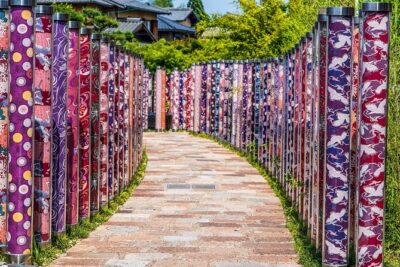
Kyoto Arashiyama Walking Tour: Bamboo, Monkeys, Gardens & Secrets
Read our review →
Arashiyama Bamboo, Temple, Monkeys, or Secret Sake Brewery
Read our review →
Arashiyama Bamboo Forest, Monkeys, Matcha & Temple Tour
Read our review →
Osaka/Kyoto: Arashiyama, Nara & Fushimi Inari Shrine w/Lunch
Read our review →
Nijo, Kinkaku-ji, Arashiyama, Kiyomizu & Fushimi Inari
Read our review →Browse the lists this tour appears in