
Reviewed · BAMBOO GROVE TOURS
Kyoto: Arashiyama Guided Tour, Bamboo, Monkey, Zen Temple
Arashiyama’s most unusual pairing is its appeal: you begin beneath towering bamboo and finish high above Kyoto with wild macaques nearby. The Bamboo Forest Path is calm and striking, while Iwatayama Monkey Park adds a lively, less polished encounter with nature.
I like the way this tour links Arashiyama’s main sights without making you plan each turn yourself. I also like the historical context at Tenryu-ji Temple, where the gardens give the bamboo walk a quieter, more thoughtful counterpoint. The main caution is the climb to the monkey park, which can be tiring in hot weather or with poor footwear.
Key points to know before booking
- Three major Arashiyama sights in three hours: The route covers the bamboo grove, Tenryu-ji Temple, Togetsukyo Bridge, and Iwatayama Monkey Park.
- A real uphill walk to the monkeys: The park sits on Iwatayama Mountain, and the climb is challenging for some people.
- Strong guide-led history: Guides including Kanako, Hiro, Nabet, and Hiraki have been praised for clear explanations and flexible help.
- Good for families: Children can enjoy the macaques, while adults get history, gardens, river views, and Kyoto panoramas.
- Meeting point near the railway: You meet in front of the ticket gate at JR Saga-Arashiyama Station, then finish at Arashiyama Park’s Nakanoshima area.
- Useful booking flexibility: You can cancel up to 24 hours ahead for a full refund and reserve without paying immediately.
Why this Arashiyama route works
Arashiyama is easy to admire and easy to mishandle. The bamboo grove, temple, bridge, and monkey park sit close enough to visit in one outing, but the area can feel confusing if you are trying to judge walking times, choose an order, and find the right paths on your own.
This three-hour tour gives you a sensible route from JR Saga-Arashiyama Station through the area’s best-known sights. You are not simply being led from photo stop to photo stop. The guide adds the cultural background that helps you understand why Tenryu-ji matters and what makes the bamboo grove more than a pretty backdrop.
The tour is offered in English or Japanese, with private and small-group options available. That matters here. Arashiyama rewards a little flexibility, especially if you are traveling with children, moving at a slower pace, or hoping to stop for photographs.
The price is $74 per person. I consider that fair if you want a guide, temple admission included, and a fixed route through four headline sights. It is less compelling if you are comfortable finding the grove and bridge yourself and prefer to spend a full morning at your own pace. The value comes mainly from the guide’s explanations and the convenience, not from transportation or meals, since hotel pickup, food, drinks, and personal expenses are not included.
More Arashiyama and bamboo walks:
- Kyoto: Fushimi Inari, Kinkakuji, Bamboo Grove 1 Day Bus Tour
★ 4.8 · 4,316 reviews - Osaka/Kyoto:Kinkakuji,Arashiyama,FushimiInariShrine,NaraPark
★ 4.1 · 1,596 reviews - Kyoto/Osaka: Nara, Fushimi Inari Taisha, Arashiyama Bus Tour
★ 4.7 · 1,275 reviews
Starting at JR Saga-Arashiyama Station
The meeting point is in front of the ticket gate at JR Saga-Arashiyama Station. Look for the guide holding the yellow DeepExperience sign. This clear station meeting point is useful because Arashiyama has several railway and tram stops, and arriving at the wrong one can waste part of a short tour.
From the station, the tour moves on foot. Wear shoes with good support. You will cover several stops and later face the uphill path to Iwatayama Monkey Park, so sandals or stiff new shoes are a poor choice.
Your guide may be Kanako, Hiro, Nabet, Hiraki, or another English- or Japanese-speaking guide. The individual style can vary, but the strongest part of the experience is the local explanation. Kanako has been especially good with families, adjusting the pace and keeping children interested. Hiro has also shown flexibility, arranging an alternate cultural activity for a participant who did not have suitable shoes for the mountain climb.
That sort of flexibility is worth asking about at the start. If the monkey park climb is not right for you, tell the guide early. The planned route includes the park, but one past private tour changed course and visited the Water Dragon ceiling painting instead.
Walking beneath Arashiyama’s bamboo
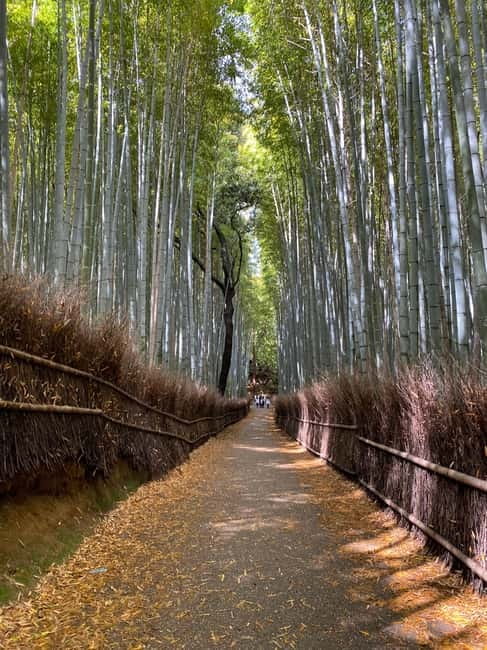
The Bamboo Forest Path receives about 40 minutes of guided time. This is enough to walk through the famous grove, hear about its place in Arashiyama, and stop for photographs without treating the visit as a rushed dash.
The bamboo is impressive because of its scale. Tall green stalks rise close together, filtering the view and making the path feel removed from the nearby streets. Wind moving through the leaves adds to the mood, though the grove is not guaranteed to be silent. Your guide helps you focus on the details and history instead of only searching for the perfect photograph.
Take the photo stops seriously, but do not expect the guide to clear the path for you. This is one of Kyoto’s best-known sights, and other people will be present. A guide can help with timing and framing, but the charm is in walking through the grove rather than collecting one empty-path picture.
The 40-minute block also sets the pace for the rest of the tour. You get enough time to appreciate the bamboo, but not enough for a long unplanned wander. If you want quiet contemplation, detailed plant photography, or repeated visits at different times of day, visit independently as well.
Tenryu-ji Temple and its garden design
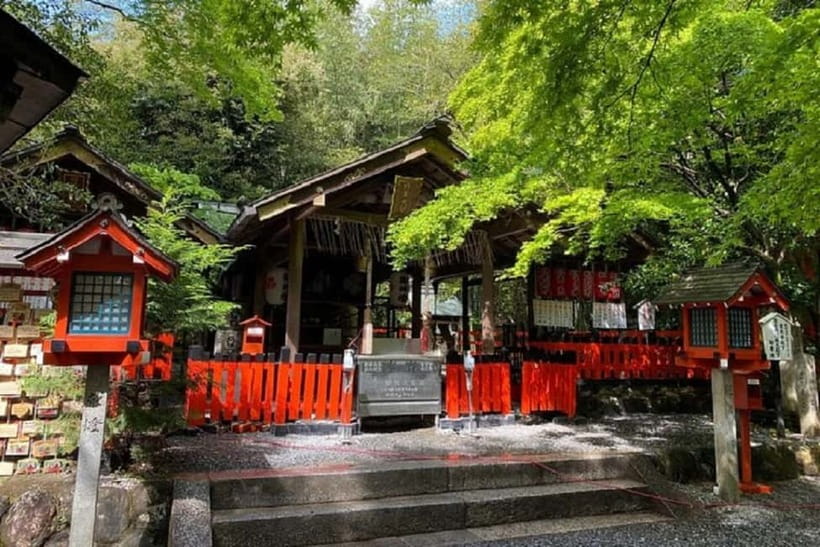
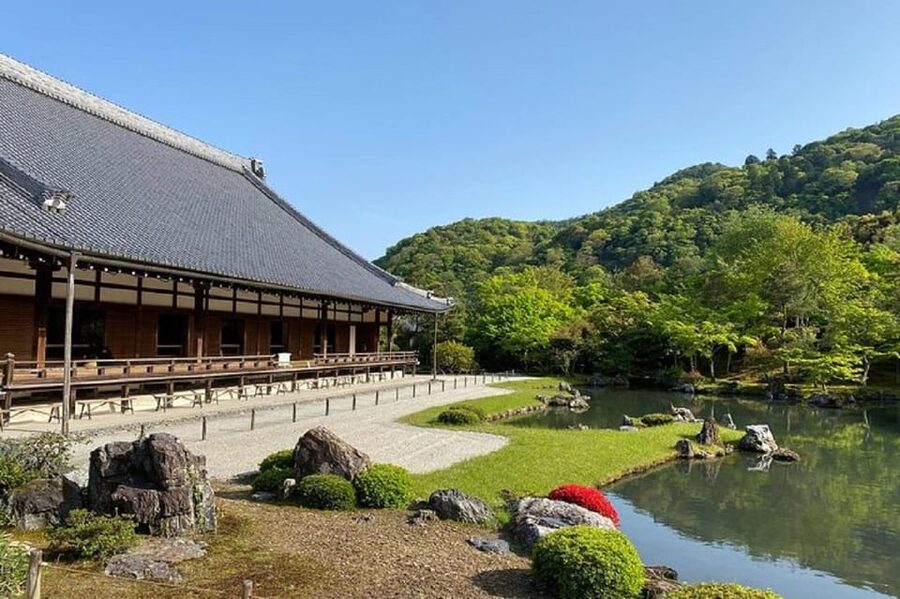
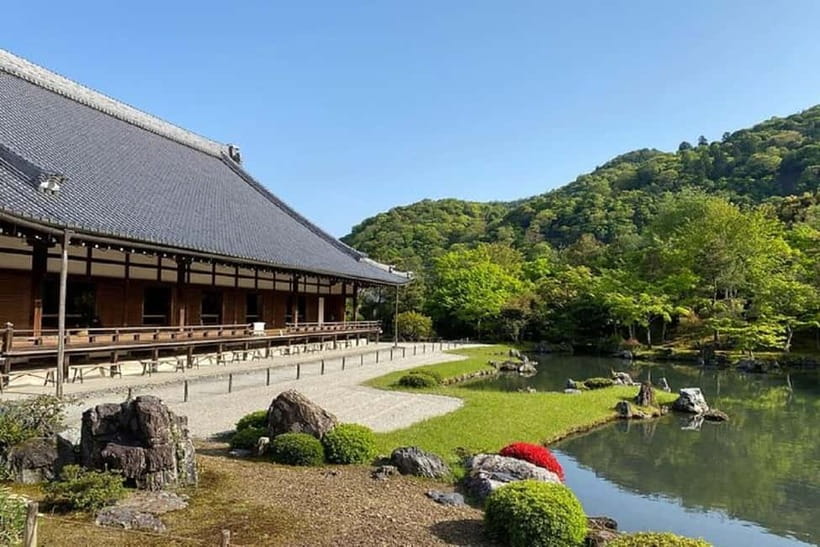
Tenryu-ji receives about 40 minutes. This is the cultural center of the route, and I would pay close attention here. The temple is a UNESCO World Heritage site, and its gardens give you a chance to slow down after the bamboo path.
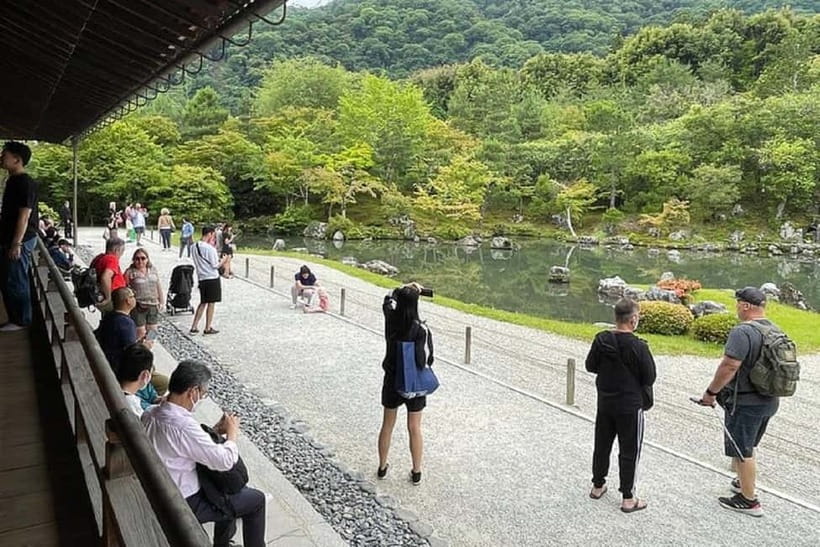
The appeal is not just the buildings. The garden is carefully designed, with views that connect the temple grounds to the hills beyond. A guide can point out meanings and design choices that are easy to miss when you are taking pictures. The historical explanation is particularly useful if Japanese temples are new to you.
Several guides have been praised for explaining the temple and its ideas in a way that works for both adults and children. Hiraki, for example, has provided especially detailed explanations of the Zen temple. That does not mean every guide will offer the same lecture, but the tour is built around interpretation rather than a silent walk.
Forty minutes is a useful middle ground. You can see the main grounds and gardens without letting one site consume your entire Arashiyama visit. The tradeoff is that serious temple enthusiasts may want longer for architecture, garden viewing, and quiet sitting.
A few more Kyoto half-days to weigh up
- PERFECT KYOTO 1-Day Bus Tour
★ 5.0 · 13,518 reviews - Kyoto: Tea Ceremony in a Traditional Tea House in Kiyomizu
★ 4.9 · 3,519 reviews - Kyoto Geisha Walking Tour: Gion District & Hidden Gems
★ 4.7 · 3,273 reviews - Kyoto: Tea Ceremony Ju-An at Jotokuji Temple
★ 4.9 · 3,207 reviews
Togetsukyo Bridge and the Katsura River
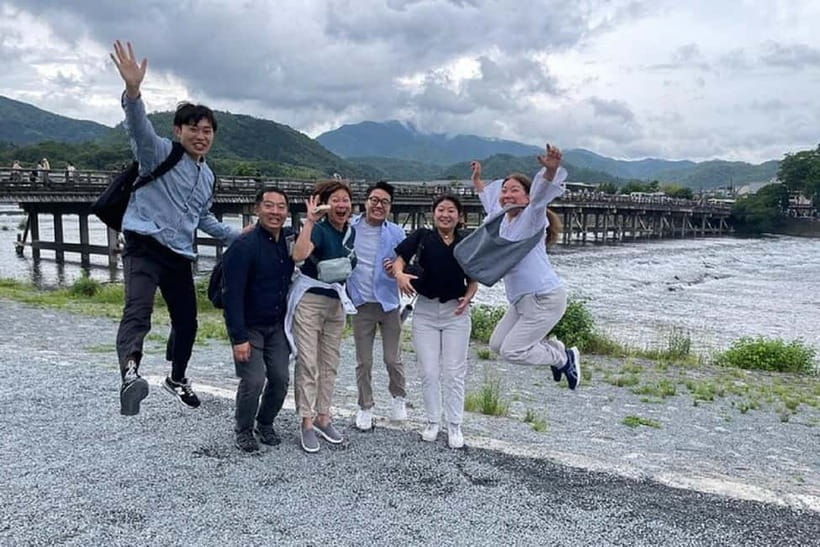
The stop at Togetsukyo Bridge lasts about 20 minutes and is mainly for photographs. The bridge crosses the Katsura River, with mountains and water providing one of Arashiyama’s most recognizable views.
This is a welcome change of pace after the temple. You are no longer looking upward through bamboo or across a garden. Instead, you get open views and a clear sense of why Arashiyama has long been a place for scenic outings.
The bridge stop is short, so use the time well. Listen to the guide’s explanation, then take a few photographs from the most useful viewpoints. If you want to linger by the river, watch the water, or explore both sides of the bridge, you will need to return on your own after the tour.
The route finishes nearby at Arashiyama Park’s Nakanoshima area. That is a handy ending point if you want to remain in Arashiyama for lunch or continue exploring, though no food or drinks are included in the tour.
Iwatayama Monkey Park and the uphill climb
The monkey park gets about 40 minutes, but the physical effort begins before you reach the macaques. Iwatayama Monkey Park sits on the mountain, so expect a moderate amount of walking and a challenging uphill climb.
This is the part of the outing that needs the clearest warning. One participant described the climb as difficult but worth it. Another chose not to go higher because they had not brought proper walking shoes. In warm weather, carry water and dress for the conditions.
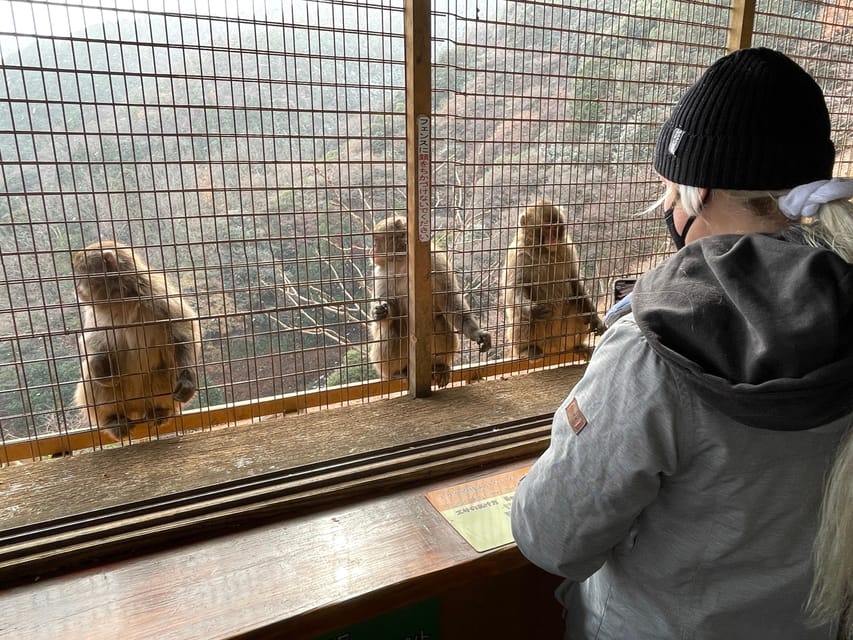
At the top, you can observe wild macaques in their natural setting and, as part of the park experience, feed them at close range. The appeal is different from a zoo visit. The animals are not performing tricks, and their behavior can feel unpredictable, so listen carefully to the guide and follow the park’s instructions.
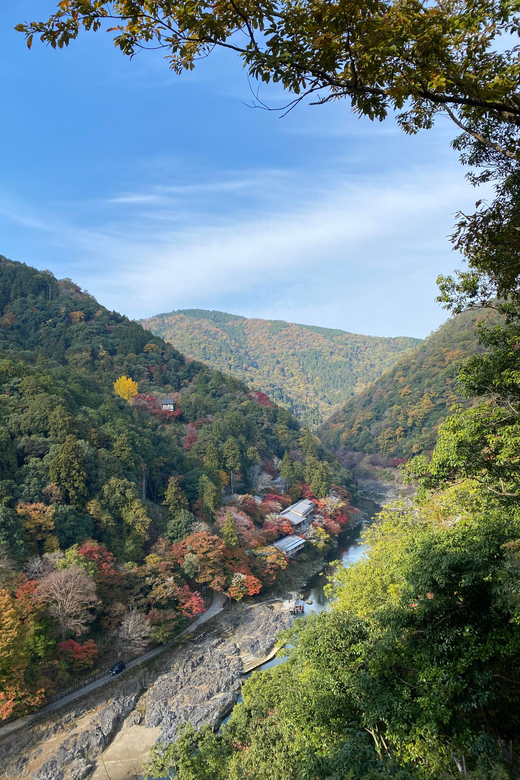
For children, this is likely to be the most memorable stop. The chance to see and feed the monkeys gives the tour a clear sense of adventure. Adults may appreciate the high viewpoint just as much, since the park offers broad views over Kyoto from above.
The 40-minute visit is enough for a first look, feeding, photographs, and the main view. It is not a long wildlife outing. If you want to sit quietly and observe animal behavior for an extended time, you may want a separate visit.
The park also changes the rhythm of the day. The bamboo grove and temple are composed and quiet. The macaques bring movement, noise, and a little unpredictability. That contrast makes the full route more memorable than a tour focused only on temples and gardens.
What the guides add
The guide is the main reason to choose this experience instead of visiting independently. The sights themselves are free to recognize on a map. The explanations, route planning, and help with pacing are what you are paying for.
Kanako has been especially adaptable with families and has taken photographs for visitors. Nabet has led a clear route through the bamboo, temple, and monkey park while explaining the history along the way. Hiro has been friendly and flexible, including changing the plan when a participant could not manage the mountain walk.
A guide can also help you connect the stops. Without context, the morning may feel like four attractive locations placed side by side. With context, the bamboo, Zen temple, river, and mountain park become different sides of Arashiyama: cultivated nature, religious space, scenic pleasure, and wild animal life.
Private and small-group formats are available. A private tour gives you the best chance of adjusting the pace, spending more time on photographs, or discussing an alternate plan. A small group may cost less overall, but you will have less control over pauses and walking speed.
The tour is conducted in English or Japanese. When booking, confirm the language and starting time that suit you.
Is $74 a fair price?
At $74 per person, this is not the cheapest way to see Arashiyama. You can walk to the bamboo grove, bridge, and many public areas without a guide. But the tour includes three hours with a live guide, a visit to Tenryu-ji, and the planned monkey park stop.
I see good value for a first visit to Kyoto, especially if you have limited time. You get a direct introduction to four major sights without spending part of the morning checking maps or wondering which path leads to the park.
The price also makes more sense for families. Children may lose interest during a temple visit, then become excited at the monkey park. A guide who can explain the cultural stops and adjust the pace helps hold the day together.
The value is weaker for independent walkers who already know Arashiyama, want long stretches of quiet, or dislike fixed schedules. Since hotel transport, meals, drinks, and personal purchases are extra, add those costs to your day.
You can reserve now and pay later, and cancellation is free up to 24 hours before the tour for a full refund. Those terms help if your Kyoto schedule is still shifting.
Who should take this tour?
I would recommend it to first-time Kyoto visitors who want Arashiyama’s main sights in one organized outing. It suits couples, families, and small groups who want cultural background rather than a self-guided checklist.
It is also a good fit if you want photographs but do not want to spend your morning finding the best route between the station, bamboo, temple, bridge, and mountain. The guide can take photos for you, and the short stops keep the outing moving.
Think carefully if you have trouble with hills, heat, or extended walking. The monkey park is not an optional detail in the planned route, and the climb can be demanding. Comfortable shoes, water, and weather-appropriate clothing are essential.
I would not choose this as my only Arashiyama visit if I wanted a slow garden morning or a long temple study. Three hours gives you an excellent first look, but it does not leave room for every lane, shop, river path, or quiet corner.
Should you book it?
Book this tour if you want Arashiyama’s essential sights with useful local explanation, especially on a first Kyoto visit or with children. The combination of bamboo, Zen garden, river bridge, and wild macaques gives you a broad introduction to the district in a short time.
Skip it if you prefer to explore slowly, already understand Kyoto’s temples, or are not prepared for the uphill walk to Iwatayama. For everyone else, $74 buys a well-planned route, a live English- or Japanese-speaking guide, and a memorable final view over Kyoto.
FAQ
How long is the Arashiyama tour?
The tour lasts three hours, including the bamboo grove, Tenryu-ji Temple, Togetsukyo Bridge, and Iwatayama Monkey Park.
Where does the tour meet?
Meet in front of the ticket gate at JR Saga-Arashiyama Station. The guide will hold a yellow sign with the DeepExperience logo.
Where does the tour finish?
The tour finishes at Arashiyama Park’s Nakanoshima area.
What language is the tour offered in?
Live guiding is available in English and Japanese.
Is Tenryu-ji Temple included?
Yes. The tour includes a visit to Tenryu-ji Temple and its gardens.
Does the tour include the monkey park?
Yes. Iwatayama Monkey Park is included, along with guided time at the park.
How difficult is the walking?
You should expect a moderate amount of walking. The climb to Iwatayama Monkey Park can be challenging, so comfortable shoes are important.
Can I cancel the booking?
Yes. You can cancel up to 24 hours in advance for a full refund. You can also reserve now and pay later.
Just added around Kyoto
- Kyoto: Zen Meditation at a Private Temple with a Monk★ 5.0 · 25 reviews
- Kyoto: Gion Geisha District & Sake-in-Hand Walking Tour★ 5.0 · 37 reviews
- Private Pewter Sake Cup Experience with a Kyoto Artisan★ 5.0 · 31 reviews
- Your Private Vacation Photography Session In Kyoto★ 5.0 · 110 reviews
- Private Guided Traditional Buddhist Cooking in Japan★ 5.0 · 16 reviews
- Kyoto Wagashi(Japanese sweets) Cooking Class near Fushimiinari★ 5.0 · 60 reviews
- Traditional Japanese Music show & Experience Tour in Kyoto★ 5.0 · 57 reviews
- Kyoto:Family-Friendly Kimono & Yukata Experience at WARGO★ 5.0 · 147 reviews
Bamboo Grove Tours, compared.

Fushimi Inari, Kinkakuji, Bamboo Grove 1 Day Bus Tour
Read our review →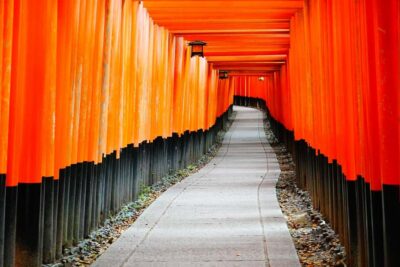
Osaka/Kyoto:Kinkakuji,Arashiyama,FushimiInariShrine,NaraPark
Read our review →
Kyoto/Osaka: Nara, Fushimi Inari Taisha, Arashiyama Bus Tour
Read our review →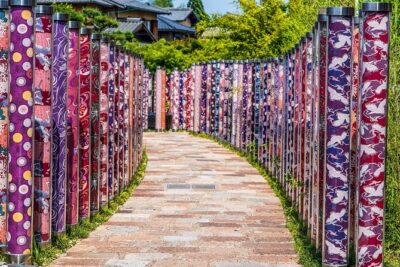
Kyoto Arashiyama Walking Tour: Bamboo, Monkeys, Gardens & Secrets
Read our review →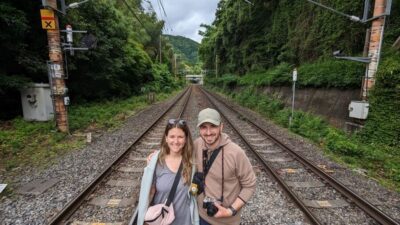
Arashiyama Bamboo, Temple, Monkeys, or Secret Sake Brewery
Read our review →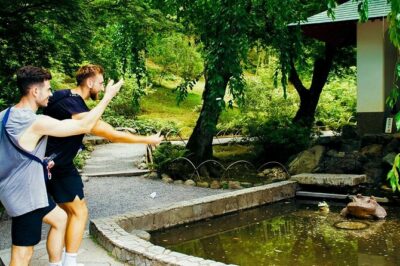
Arashiyama Bamboo Forest, Monkeys, Matcha & Temple Tour
Read our review →
Osaka/Kyoto: Arashiyama, Nara & Fushimi Inari Shrine w/Lunch
Read our review →
Nijo, Kinkaku-ji, Arashiyama, Kiyomizu & Fushimi Inari
Read our review →Browse the lists this tour appears in