
Reviewed · KYOTO TOURS
Kyoto: Tea Ceremony with Kimono and Photoshoot
Kyoto’s tea ceremony is much easier to appreciate when you are dressed for the part. This 90-minute experience combines kimono dressing, matcha preparation, and a formal tea demonstration without demanding prior knowledge of Japanese customs.
I like the friendly English instruction and the chance to make your own tea rather than simply watch. I also like the three professional photos, which give you a proper keepsake instead of leaving you with only hurried snapshots from your phone.
The main thing to watch is timing. One booking included a wait of about an hour before the ceremony began, so do not schedule a tight connection afterward. You must also choose the correct shop, Nishiki Market or Gion, since arriving at the wrong location means you cannot join.
Key points to know before booking
- Choose between Nishiki Market and Gion: The meeting point depends on your selected option, and the two shops have different kimono return times.
- Expect a real demonstration in English: The tea master explains the ceremony, including cleansing and blessing steps, before you prepare matcha yourself.
- Pick your kimono details: You can choose the kimono color, and one guest specifically noted being able to select hair accessories.
- Receive three professional photos: The photographer captures your time in costume, with images sent later by email according to the booking information.
- Small groups keep the lesson personal: The activity is limited to 10 participants, and guides such as Mami help explain the customs in a friendly way.
- You may stroll afterward: You can wear the kimono outside after the ceremony, but you must return it by 6 PM at Nishiki Market or 5 PM in Gion.
What this Kyoto tea ceremony actually offers
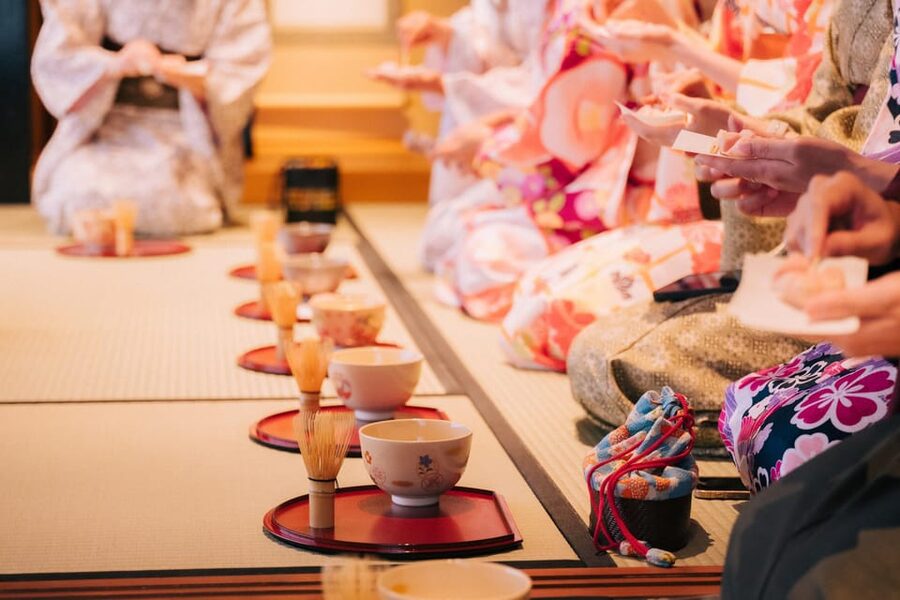
This is not just a kimono rental with a few decorative props. The heart of the experience is a guided introduction to Japanese tea ceremony, presented in English and paired with the clothing, sweets, and photographs that help make the customs easier to remember.
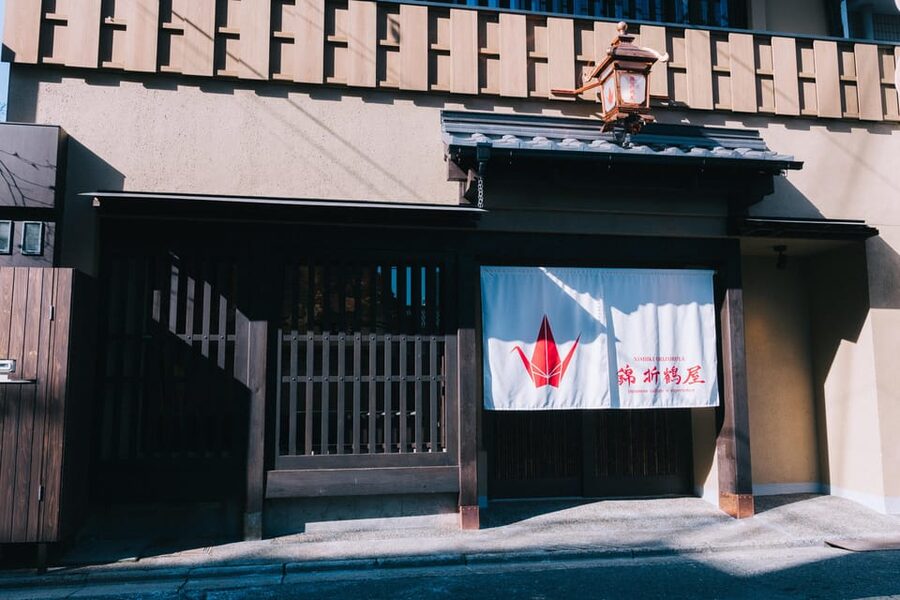
You begin by meeting at the shop named in your booking. Staff prepare a kimono based on each participant’s height and gender, so those details must be supplied ahead of time. You then change into the clothing with assistance rather than trying to manage the layers yourself.
The activity is designed for people who want several parts of a traditional experience in one appointment. It is not available as tea ceremony only or kimono dressing only. That is useful to know if you are comparing this with a simple rental shop.
The total scheduled time is 90 minutes. Since dressing, the tea lesson, matcha preparation, and photographs all fit into that window, this is a compact introduction rather than an exhaustive study of tea culture. I see that as a strength for a first visit to Kyoto, especially if you want cultural context without giving up half a day.
More Kimono Experiences in Kyoto
- Kimono Tea Ceremony at Kyoto Maikoya, NISHIKI
★ 5.0 · 911 reviews - Kyoto: Kimono Rental with Hairstyling and Accessories
★ 4.8 · 653 reviews - Kyoto: Kimono Tea Ceremony at Orizuruya Gion
★ 4.9 · 618 reviews
Choosing the Nishiki Market or Gion location
You have two location choices: Nishiki Market and Gion. Your meeting point changes with the option you select, so check the shop address carefully before setting out. This is not a minor detail. The activity provider says you cannot join if you arrive at the wrong shop.
The return deadlines differ too. At the Nishiki Market location, the kimono must be returned by 6 PM. At the Gion location, the deadline is 5 PM. That gives the Nishiki option a little more flexibility for a short walk afterward, while the Gion option calls for closer attention to the clock.
The provided information does not say that the tea ceremony itself differs between the two shops. I would choose based on your Kyoto plans, not on the expectation of a different lesson. If you are already spending time near Nishiki Market, that option may make the day simpler. If your route centers on Gion, select the Gion location and allow enough time to return the clothing before the earlier deadline.
Do not treat the address as something to confirm at the last minute. Save the exact meeting point and plan your route before the appointment. Being 10 minutes late means you may be refused entry with no refund.
Kimono dressing and choosing your look
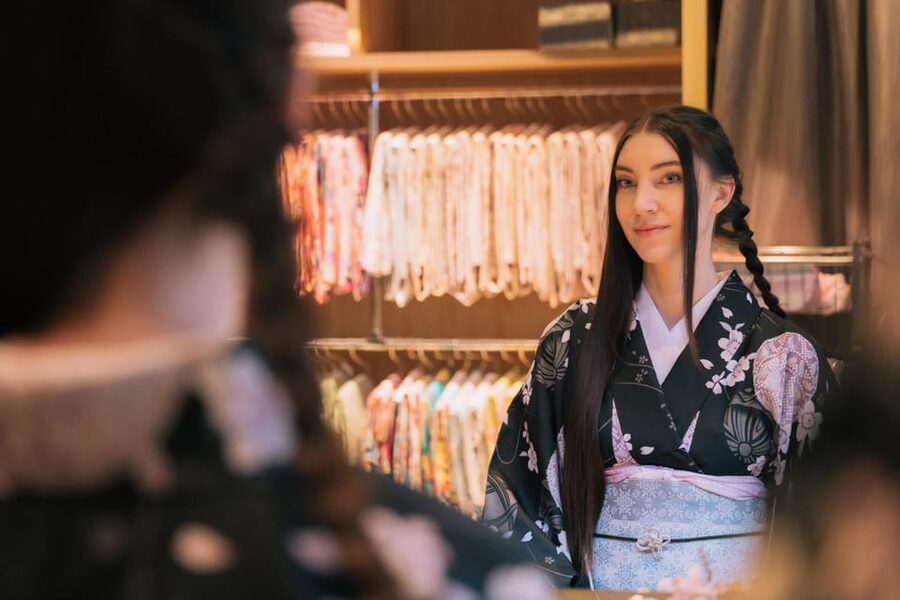
The dressing stage is one of the most appealing parts of the activity. Staff help you put on the kimono, then add the finishing details. You are not simply handed a costume and left to figure it out.
A guest described choosing the color of the fabric and hair accessories. That choice gives the experience a personal touch, although the available selection may depend on what is in the shop that day. If you care about a particular color, arrive ready to choose from the options provided rather than expecting a specific shade.
The clothing also changes how you move through the rest of the appointment. You will need to remove your shoes indoors, and shoes are not allowed inside the tea room. Wear something that makes changing straightforward, and expect the formal clothing to feel different from ordinary sightseeing clothes.
This part is especially good for couples, friends, and families with older children who want photographs together. Children under 5 cannot take part, and the activity is not suitable for wheelchair users. Those restrictions are important because kimono dressing involves changing and movement through the venue.
After you are dressed, there may be time to take your own photos in the waiting area. That gives you a chance to get comfortable in the clothing before the formal lesson begins.
The English tea ceremony demonstration
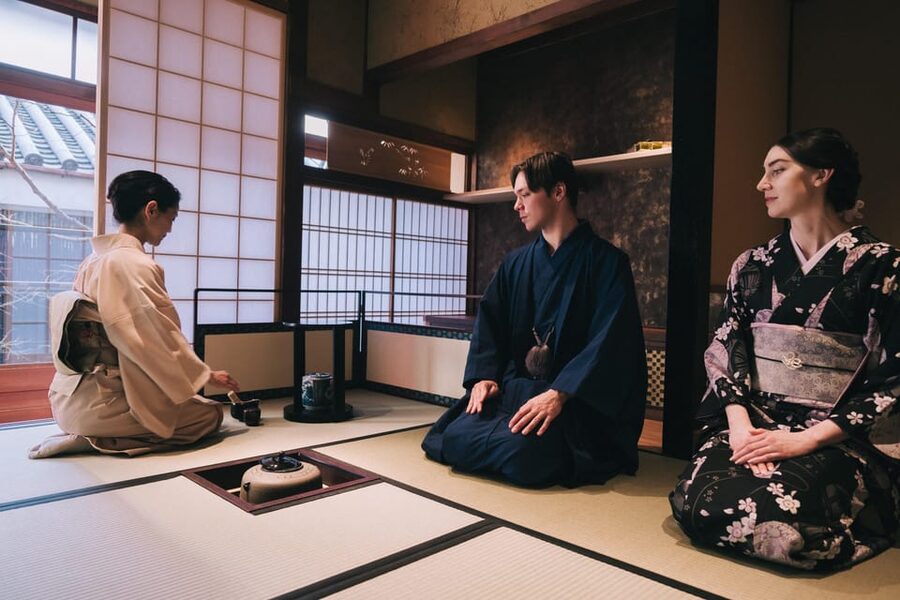
Once everyone is dressed, you enter the tea room for a demonstration in English. The instructor explains what is happening instead of asking you to sit quietly and guess.
The lesson covers the meaning behind the ceremony and the actions connected with preparing tea. One detailed account noted explanations of cleansing and blessing the tea, which gives you a sense of the focus: this is about conduct and intention, not simply mixing green powder with water.
The best part for me is that the demonstration provides a reason for each movement. Japanese tea ceremony can look slow and exact when you first see it. A clear explanation helps you notice the care in the gestures, the order of the steps, and the respect shown to the person receiving the tea.
The tone is intended to be relaxed. Several booking comments describe the staff as kind, polite, and professional, while Mami was singled out for her clear explanations and gentle manner. The English instruction matters here. Without it, the ceremony would still be attractive, but much of the meaning behind the actions could pass you by.
This is a cultural lesson, not a performance designed to rush you through a checklist. At the same time, the 90-minute format means the introduction stays approachable. If you already study tea ceremony in depth, you may want something more specialized. For most first-time visitors, the balance should work well.
More Tea Ceremonies in Kyoto
- Kyoto: Tea Ceremony in a Traditional Tea House in Kiyomizu
★ 4.9 · 3,519 reviews - Kyoto: Tea Ceremony Ju-An at Jotokuji Temple
★ 4.9 · 3,207 reviews - Kyoto: 45-Minute Tea Ceremony Lesson Experience
★ 4.3 · 2,378 reviews - Kyoto: Table-Style Tea Ceremony at a Kyo-Machiya
★ 4.9 · 1,211 reviews
Making matcha and eating Japanese sweets
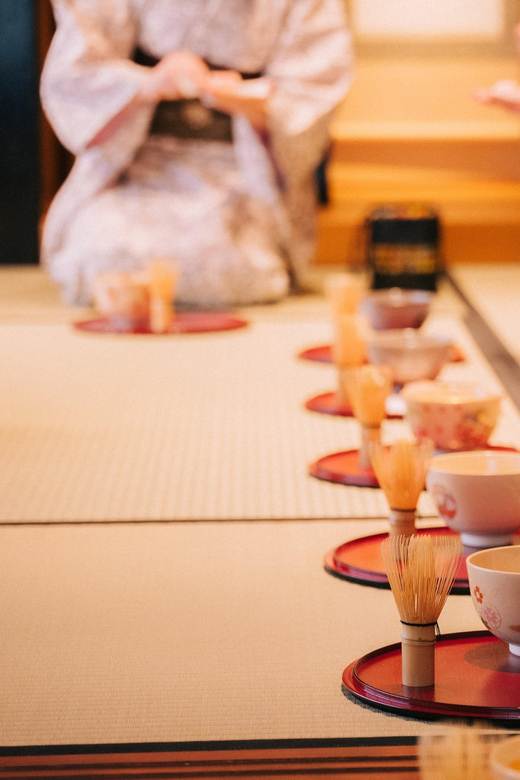
After watching the demonstration, you get to prepare your own matcha. This hands-on step turns the ceremony from something you observe into something you help create.
You also enjoy the tea with Japanese sweets. The sweet provides a useful contrast to matcha’s grassy, slightly bitter taste, and it gives the ceremony a simple pleasure beyond the instruction itself. Food allergies should be reported in advance so the staff can prepare appropriately.
Do not expect this to function as a full cooking class. The supplied details describe the opportunity to make matcha, not a long workshop on tea-growing, grinding, or whisk production. The value is in taking part in the ritual and understanding the basic process.
I would pay attention during the demonstration before your turn. The tea master sets out the proper sequence, so watching first makes your own preparation less awkward. You do not need prior experience, and the English-speaking instructor guides you through the activity.
This is also where the relaxed format helps. You can ask questions and connect the physical action with the explanation you have just heard. That combination is more useful than a photograph alone.
The professional photoshoot and three-photo keepsake
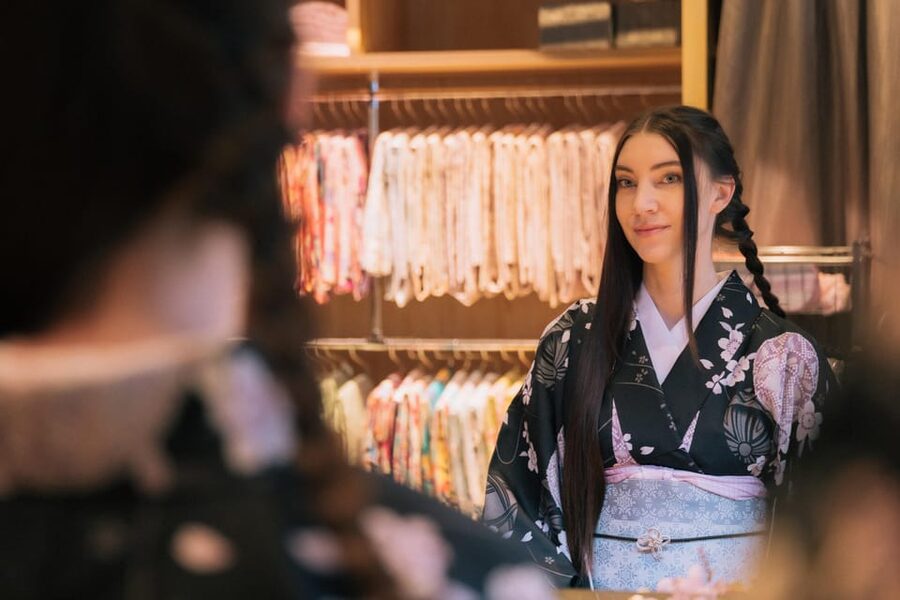
The photoshoot adds real value to the price. A professional photographer takes pictures while you are dressed in the kimono, and you receive three photos as a memento.
The exact poses and background are not specified, so I would not book this expecting a full studio session with dozens of edited images. Think of it as a short portrait element built into the cultural activity. You also have time to take your own photos, particularly around the waiting area and during the period after dressing.
One guest praised the quality of the pictures, while another noted that the images arrived by email a couple of hours later. Delivery timing can vary, but you should expect digital photographs rather than a printed album.
Three images may sound modest, but they are enough to preserve the key moment without turning the appointment into a long fashion shoot. The photos also show you in proper kimono rather than in a rushed rental-shop snapshot.
If photographs are a major reason for booking, check the selected option carefully to ensure the professional photos are included. The activity details list three professional photographs as part of the experience, but meeting points and options can vary.
Can you wear the kimono outside afterward?
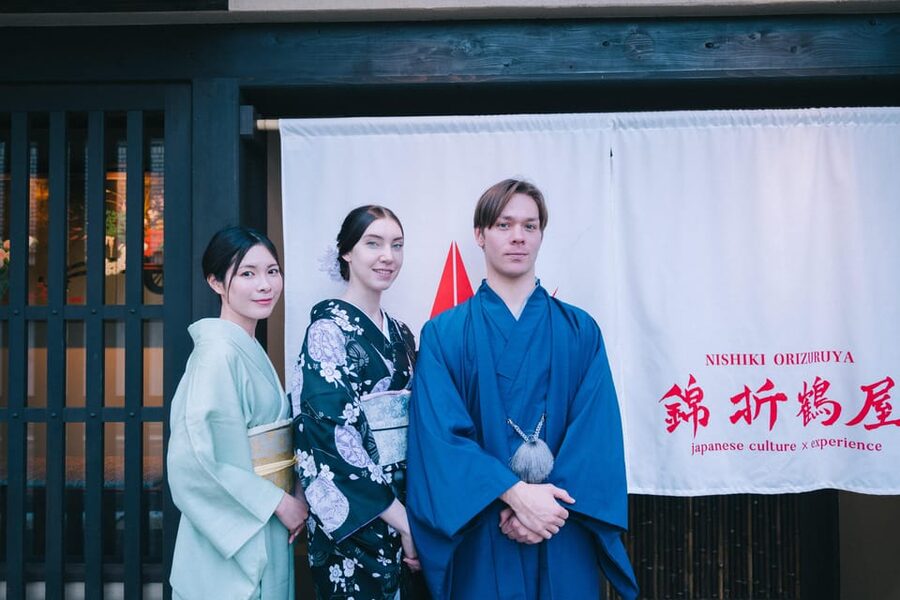
Yes. After the ceremony and photos, you may stroll outside in the kimono and enjoy Kyoto’s streets before returning it to the shop.
This is one of the more useful features of the experience. You get a little time to carry the mood of the tea room into the city, and your own photos can look more natural than pictures taken only inside the venue. The amount of time available depends on when your appointment ends and how close you are to the return deadline.
At Nishiki Market, return the kimono by 6 PM. At Gion, return it by 5 PM. I would plan a short walk rather than a distant excursion. You do not want to spend your final minutes crossing Kyoto in formal clothing while watching the clock.
Remember that the kimono is rented for the day, not kept overnight. Keep the route easy and respect the return time. The provider does not state that you can extend the rental beyond the listed deadline.
Group size, pace, and possible waiting
The group is limited to 10 people, which is small enough for the instructor to keep the lesson manageable. It also means the experience can feel more personal than a large cultural show.
Still, kimono dressing takes time when several people arrive together. One booking described a 2 PM arrival followed by a ceremony that began at 3 PM. That may not happen on every visit, but it is a useful warning: the scheduled 90 minutes describes the activity itself, not necessarily every minute you will spend at the venue.
I would leave a buffer before dinner, a train, or a timed attraction. The strict late-arrival rule works both ways. You should arrive early because being more than 10 minutes late can mean no entry and no refund, yet you should also avoid booking a tight follow-up plan in case the group takes longer to organize.
The staff’s role helps keep the process orderly. They guide participants to the appropriate changing rooms, assist with dressing, and move the group into the tea room. The experience is structured, but it is not described as hurried.
Is the $127 price good value?
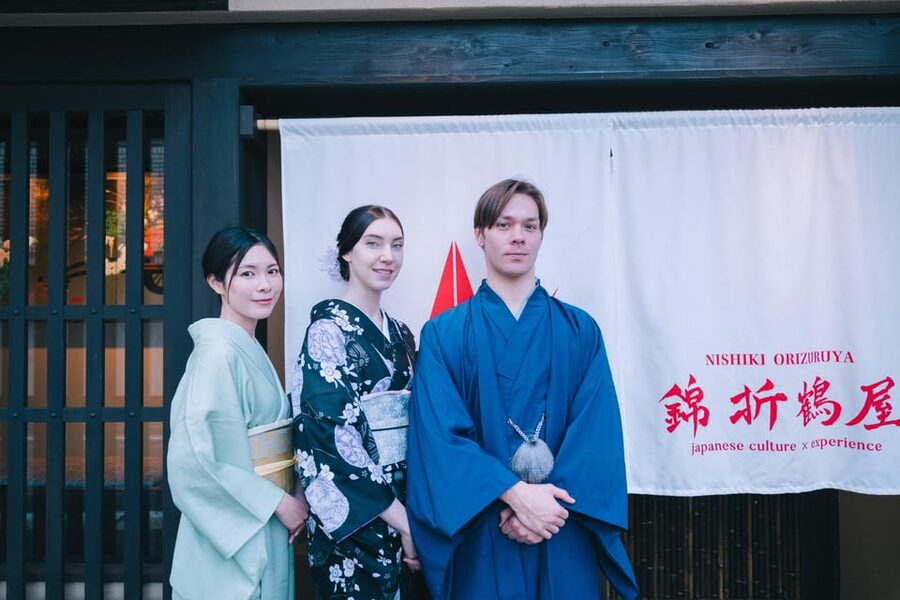
At $127 per person, this is not the cheapest way to put on a kimono in Kyoto. Simple rental shops may cost less if all you want is clothing and a walk around town.
The comparison changes when you count what is included here: kimono dressing, an English tea ceremony demonstration, matcha and sweets, professional photography, and three finished photos. You are paying for instruction, staff assistance, and a planned cultural activity, not just the garment.
I think the price is reasonable for a visitor who wants a polished introduction and a reliable souvenir. It is particularly good value if you would otherwise pay separately for a kimono rental and a portrait session. The small group and English guidance also reduce the uncertainty that can come with trying to arrange each part yourself.
The value is weaker if you dislike dressing up, have little interest in tea ceremony, or mainly want to wander Kyoto in a rented kimono. In that case, a simple rental may suit you better.
With a listed rating of 4.9 from 90 reviews, the experience has a strong record, and the praise is consistent around staff courtesy, organization, cultural explanation, and photo quality. I would still judge it by your priorities. A high rating cannot remove the need to choose the right location or plan around the return time.
Who should book this experience?
I would recommend it to first-time Kyoto visitors who want an easy introduction to Japanese customs. It also suits couples, friends, and solo visitors who want professional photos without arranging a separate photographer.
It is a good choice if you value explanation as much as appearance. The ceremony gives meaning to the clothing, while the kimono makes the photos and lesson feel special.
You may want to skip it if you need wheelchair access, are traveling with a child under 5, or cannot provide participant heights and genders in advance. It is also a poor fit for anyone who is likely to arrive late or needs a guaranteed start and finish time.
Food allergies should be reported before the appointment. Smoking is not allowed, and shoes must be removed indoors.
Should you book the Kyoto kimono tea ceremony?
Book it if you want more than a dress-up session. The best feature is the combination of clear English teaching and hands-on matcha preparation, followed by three professional photos that preserve the occasion.
Choose your location with care, arrive early, and leave room in your schedule for possible waiting. If you can do that, the $127 fee buys a tidy, friendly introduction to tea ceremony, a kimono experience, sweets, and a little time to walk through Kyoto dressed for the setting.
FAQ
How long does the Kyoto tea ceremony and kimono experience last?
The scheduled duration is 90 minutes. You should still allow extra time around the appointment because dressing and group preparation may take longer than expected.
Are the tea ceremony and instructions provided in English?
Yes. The tea ceremony demonstration is conducted in English, and the listed instructor language is English.
Can I choose the kimono color?
The supplied details indicate that participants can choose the kimono color. Hair accessories may also be selectable, particularly for female participants, depending on the available options.
How many professional photos are included?
You receive three photos taken by a professional photographer. The images are provided as a memento of the experience.
Can I wear the kimono outside after the ceremony?
Yes. You may stroll outside in the kimono after the ceremony, but you must return it to the shop by 6 PM at Nishiki Market or 5 PM at Gion.
What happens if I arrive late?
If you are more than 10 minutes late, you are not allowed to join and no refund is available. Arrive early, and confirm the exact shop location before leaving.
Is the activity suitable for young children or wheelchair users?
Children under 5 cannot take part, and the activity is not suitable for wheelchair users. Height and gender information for all participants is also required in advance so the kimono sets can be prepared.
More Photo Shoots in Kyoto
- Kyoto: Maiko Makeover and Photoshoot Experience
★ 4.7 · 239 reviews - Kyoto: Private Photoshoot Service
★ 5.0 · 158 reviews - Your Private Vacation Photography Session In Kyoto
★ 5.0 · 110 reviews - Kyoto: Private Gion District Photoshoot Experience
★ 5.0 · 79 reviews
Just added around Kyoto
- Kyoto: Zen Meditation at a Private Temple with a Monk★ 5.0 · 25 reviews
- Kyoto: Gion Geisha District & Sake-in-Hand Walking Tour★ 5.0 · 37 reviews
- Private Pewter Sake Cup Experience with a Kyoto Artisan★ 5.0 · 31 reviews
- Your Private Vacation Photography Session In Kyoto★ 5.0 · 110 reviews
- Private Guided Traditional Buddhist Cooking in Japan★ 5.0 · 16 reviews
- Kyoto Wagashi(Japanese sweets) Cooking Class near Fushimiinari★ 5.0 · 60 reviews
- Kyoto:Family-Friendly Kimono & Yukata Experience at WARGO★ 5.0 · 147 reviews
- Private Cooking Class Udon in Kyoto Japan★ 5.0 · 23 reviews
Kyoto Tours, compared.


Fushimi Inari, Kinkakuji, Bamboo Grove 1 Day Bus Tour
Read our review →
Tea Ceremony in a Traditional Tea House in Kiyomizu
Read our review →
Kyoto Geisha Walking Tour: Gion District & Hidden Gems
Read our review →

Gion Magical Night Walking Tour with Geisha Trivia
Read our review →

Gion Geisha District Walking Tour – Stories of Geisha
Read our review →Browse the lists this tour appears in