
Reviewed · KYOTO TOURS
Kyoto: Private 2.5 Hour Historical Walking Tour
Kyoto’s best lessons often come while walking between famous sights. This private tour links Yasaka Shrine and Kiyomizu Temple through old lanes, a Zen temple, a colorful little shrine, and one of the city’s most photographed pagodas. The guide explains not just what you are seeing, but how Shinto and Buddhism differ and why both matter in Kyoto.
I like the personal scale, with one group of up to five people, and I like the guide’s teaching style. Guides such as Hisako, Hiroko, and Takayuki Ishii have used hand-drawn maps, pictures, and notes to make difficult subjects easier to follow. The main drawback is that temple admission, transport, food, and drinks cost extra, and the route includes steps and a fair amount of walking.
Key points to know before booking
- Yasaka Shrine begins the lesson: Learn how to worship at a Shinto shrine before setting off.
- Entokuin offers quiet Zen: See dry gardens, traditional rooms, and painted sliding doors.
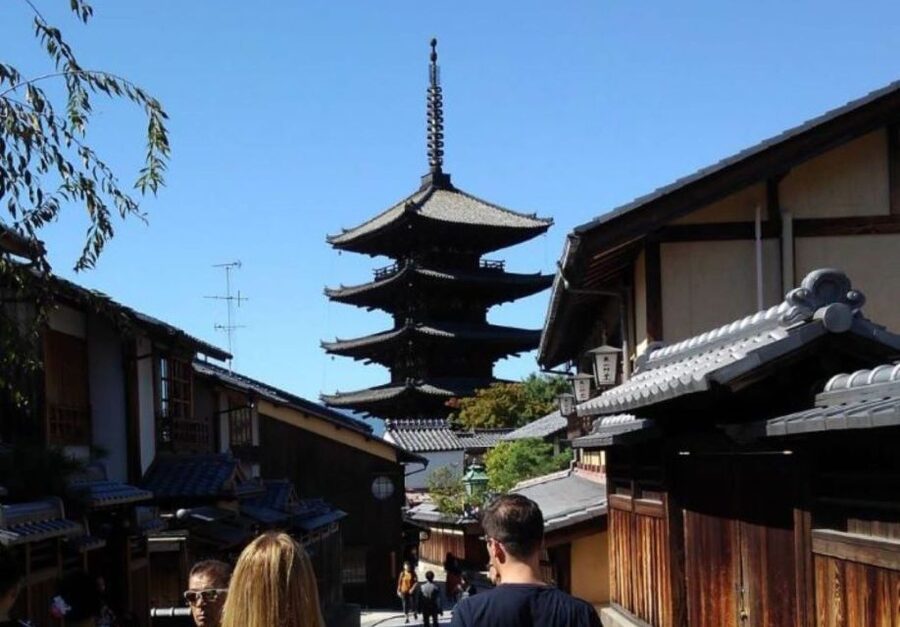
- The pagoda stop is outdoors: Yasaka-no-to makes a fine photo stop, but you do not go inside.
- Kiyomizu-dera supplies the big finish: Its wooden stage gives you a broad view across the temple grounds.
- The guide is the main value: Hand-drawn illustrations and patient answers add context you would likely miss alone.
- The private price works best for a small group: At $80 for up to five people, the cost per person drops sharply when shared.
A thoughtful route through southern Gion
This is a compact historical walk, not a race to collect temple entrances. The advertised duration is about two and a half hours, while the activity information also lists two hours. The planned stops and walking time add up to roughly two hours and fifteen minutes before allowing for introductions, questions, photographs, and the pace of your group.
That variation is worth keeping in mind. Some groups finish close to the stated time, while a private walk can run longer when conversation takes off. One booking lasted more than three hours, and other visitors found the guide happy to pause for photos, questions, or a short rest.
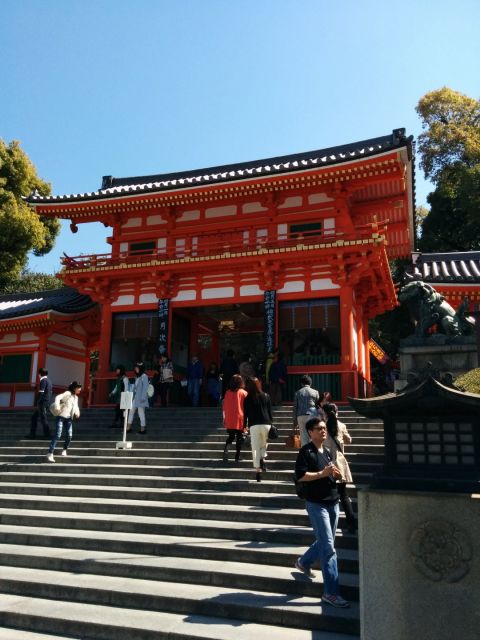
You meet at the west gate of Yasaka Shrine, the large red gate on the shrine’s western side. From Gion-Shijo Station on the Keihan Line, or Kawaramachi Station on the Hankyu Line, walk east along Shijo Street until it ends at the stone steps. By bus, get off at Gion and look for the steps before the red gate.
The meeting point is easy to recognize, but Kyoto’s lanes can still confuse first-time visitors. Give yourself time to find the gate. Comfortable shoes are essential, especially because the route includes stone steps and uneven streets.
More history-led days in Kyoto:
- Kyoto Gion: 2-Hour Geisha Culture & History Walking Tour
★ 5.0 · 1,186 reviews - Kyoto Gion Historical Walking Tour
★ 5.0 · 188 reviews - Historical Kyoto E-Bike Tour
★ 5.0 · 181 reviews
Yasaka Shrine and the basics of Shinto worship
The guide starts with a map of Kyoto and a broad explanation of the city’s past. That opening matters. Kyoto can feel like a series of beautiful but disconnected places, and a map helps you see how the old capital fits together before you begin walking.
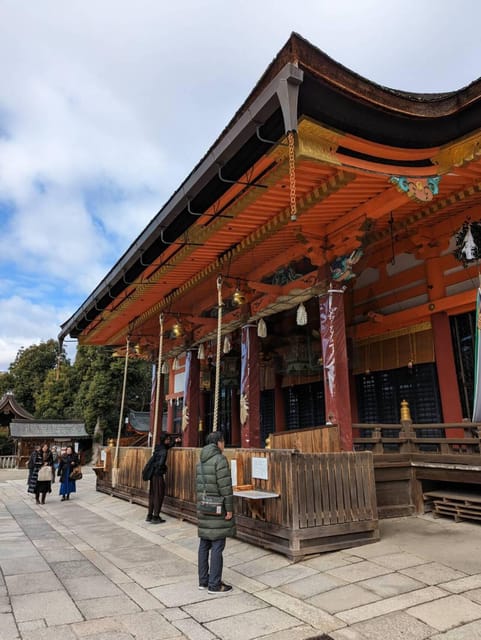
At Yasaka Shrine, you learn how to worship at a Shinto shrine. The guide explains the customs rather than assuming you already know them. This is useful if you have been visiting Japanese shrines on your own and have wondered about the order of gestures, the cleansing ritual, or the difference between a shrine and a Buddhist temple.
Yasaka Shrine is also a good place to begin a conversation about Kyoto’s religious life. The route later visits Buddhist temples, so you can compare the two traditions as you go. The value here is not simply seeing a red gate or taking a photograph. It is learning how to read the place.
This stop can be busy, particularly because Yasaka is one of Kyoto’s better-known religious sites. The guide helps you focus on the details, but you should not expect a silent first stop. If you prefer a calmer feel, an early start may be more comfortable, though starting times depend on availability.
Maruyama Park and Nene-no-michi
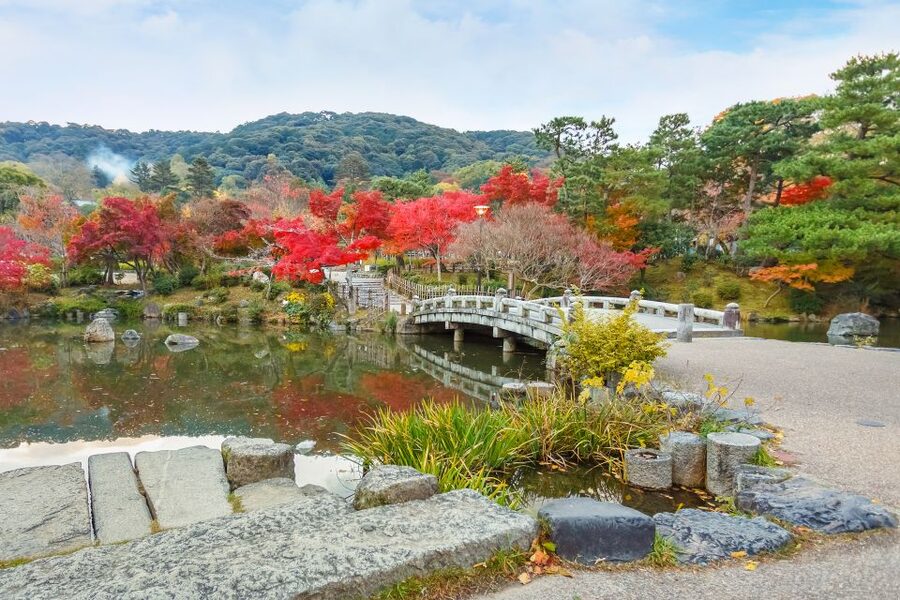
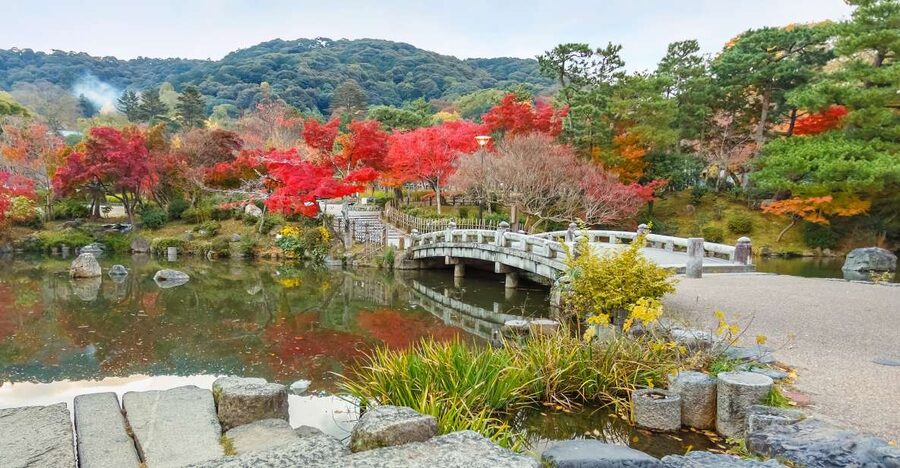
From Yasaka Shrine, you walk through Maruyama Park, which sits next to the shrine. The route then reaches Nene-no-michi, a well-known street named for Nene, the wife of Toyotomi Hideyoshi, a major political leader of late sixteenth-century Japan.
This short walk connects Kyoto’s religious sights with its political past. You are not simply moving from one ticket booth to the next. The guide uses the streets to explain people and events that shaped the area.
Nene-no-michi is a busy route, but it also has the old-town atmosphere many people hope to find in Gion. Take your time with photographs, but stay aware of other people using the narrow street. The private format helps here because your guide can adjust the pace instead of keeping you tied to a large group.
Entokuin’s dry Zen gardens and painted rooms
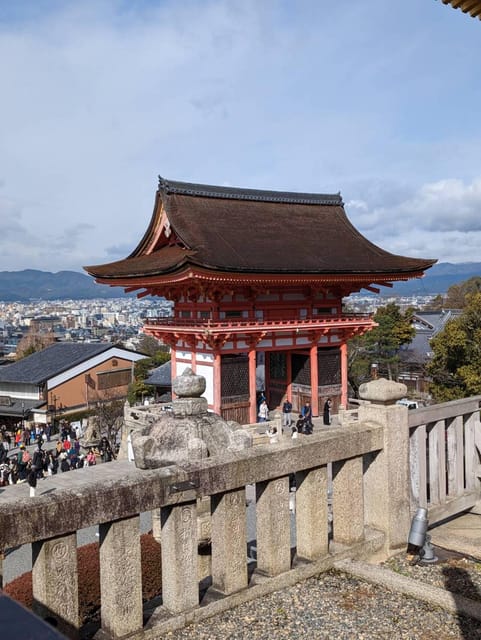
Entokuin is the quiet center of the walk. This Zen temple is associated with Nene and is known for its dry gardens, traditional Japanese rooms, and painted images on sliding doors.
The garden is not a place to rush through. Dry Zen gardens use stones, gravel, and carefully arranged spaces rather than ponds or masses of flowers. Your guide can help you notice how the composition works and explain the ideas connected with Zen practice.
You also enter traditional rooms, where the architecture is part of the experience. The simple proportions, sliding doors, and restrained decoration give you a better sense of Japanese interiors than a quick look from a temple path. One family also enjoyed a calligraphy experience during the Zen temple visit, but calligraphy is not listed as a guaranteed part of every tour, so ask when booking if it matters to you.
Entokuin is one of the strongest reasons to choose this walk. It gives you a quieter pause after the shrine and before the crowds around Kiyomizu-dera. The stop is scheduled for about 40 minutes, enough time to listen, look around, and take photographs without feeling hurried.
Admission is not included. The exact entry cost is not provided, so budget separately for the temple tickets. This is a small but important detail when comparing the $80 group price with a self-guided walk.
More walking tours in Kyoto:
- Kyoto Geisha Walking Tour: Gion District & Hidden Gems
★ 4.7 · 3,273 reviews - Kyoto: Gion Magical Night Walking Tour with Geisha Trivia
★ 4.9 · 2,393 reviews - Kyoto: Gion Geisha District Walking Tour – Stories of Geisha
★ 4.7 · 2,187 reviews - Night Walk in Gion: Kyoto’s Geisha District
★ 4.5 · 2,003 reviews
Yasaka Koshin-do and the colorful side of Kyoto
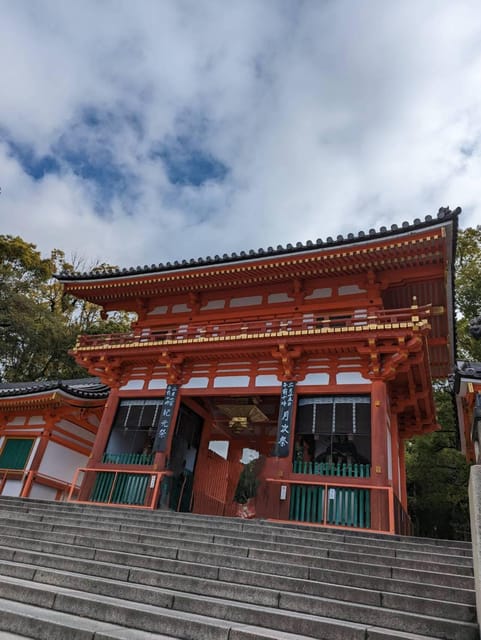
The next stop is Yasaka Koshin-do, a small temple close to the five-storied pagoda. The visit is planned for about 15 minutes.
Koshin-do is a useful contrast to Entokuin. After the stillness of the Zen garden, you see a more colorful and visually playful religious site. The guide explains the meaning of the place and helps you understand why it matters, rather than treating it as a quick photo stop.
The route does not give a long visit here, so keep your expectations realistic. This is a short stop with a focused explanation, not a full temple tour. Still, it adds variety and gives you another chance to compare Japanese religious spaces.
Yasaka-no-to, the pagoda photo stop
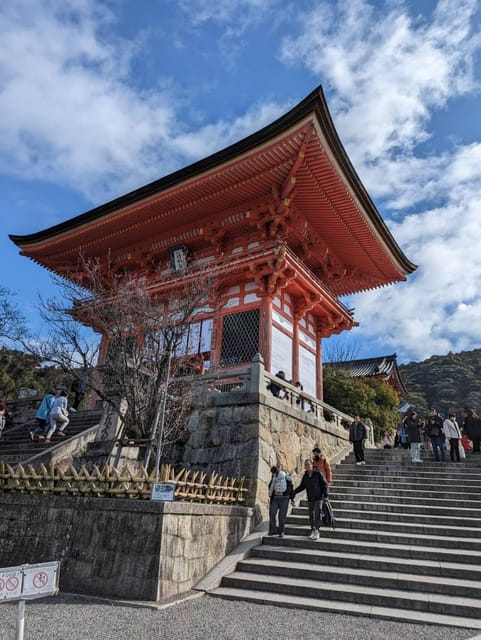
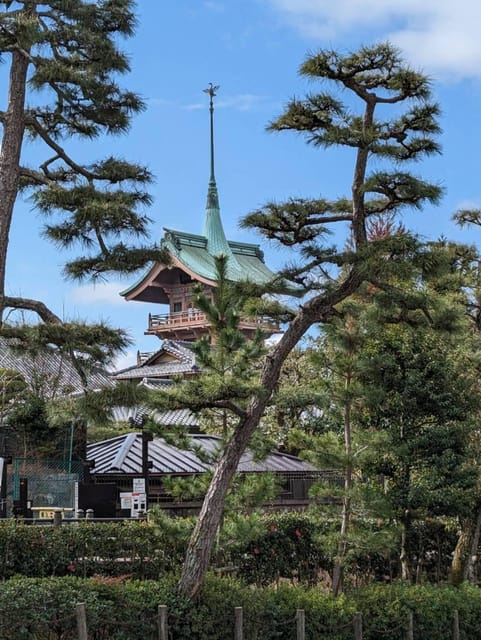
The five-storied pagoda commonly called Yasaka-no-to rises near Koshin-do. You see it from outside, with a photo stop on the nearby street.
This is one of the prettiest moments on the route. The pagoda gives the narrow old street a strong vertical landmark, and the setting lets you photograph it in relation to the surrounding neighborhood. Your guide can also explain what you are looking at, which is more useful than snapping the standard picture and moving on.
Do not expect an interior visit. The pagoda is an exterior sight on this tour. That limitation is clear, but it may disappoint you if you hoped to climb or enter it. For most people, the view from the street is the point.
The planned stop lasts about 10 minutes. Use it well, but do not linger so long that you lose time at Kiyomizu-dera, the final and largest stop.
Kiyomizu-dera and the famous wooden stage
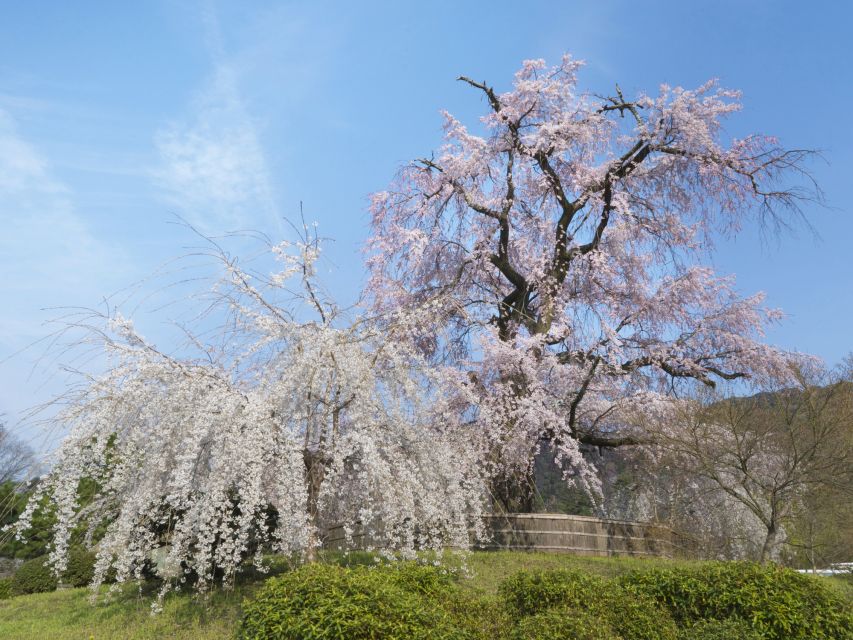
The walk to Kiyomizu-dera takes about 15 minutes. The temple visit itself is scheduled for around 35 minutes, making it the grand finale.
Kiyomizu-dera was originally built in the eighth century and is among Kyoto’s most visited temples. Its main object of worship is Kannon Bodhisattva, and the guide points out Buddhist statues, including Kannon.
The main hall’s wooden stage is the visual highlight. It is built without nails and projects from the hillside, giving you a broad view over the temple grounds and toward Koyasu Pagoda, the three-storied pagoda visible from the stage. Koyasu Pagoda is associated with prayers for an easy birth.
The view is impressive, but the temple can be crowded. You may need patience around the main hall and popular viewpoints. A private guide cannot remove the crowds, but can explain what you are seeing while helping you use your limited time sensibly.
Kiyomizu means pure water. A stream from the mountain behind the temple has continued flowing, and many people line up to drink from it. The tour also points out an iron stick and iron clogs donated to the temple. The stick is very heavy, and you can try to lift it.
The final explanation concerns Jishu Shrine, associated with matchmaking. The tour ends after you leave the main hall, not back at Yasaka Shrine. Plan your next activity from Kiyomizu-dera, and remember that you will need to arrange your own way onward.
Why the guide makes the difference
This walk is strongest when the guide teaches rather than simply recites dates. Hisako is repeatedly praised for clear explanations, patience, and thoughtful answers. Hiroko and other guides have also brought folders filled with their own drawings, maps, and short notes.
Those visual aids are especially helpful with Japanese history. The story involves emperors, nobles, shoguns, samurai, Buddhism, Shinto, and political changes over many centuries. A hand-drawn diagram can make those connections easier to follow than a long spoken lecture.
You can ask about religion, philosophy, aesthetics, language, gender, imperial history, and modern Japan. The experience works best if you arrive curious and willing to talk. It is less suited to someone who wants only a fast list of the most photogenic sights.
The English is described as very good, and the guide can adapt explanations to the group. One family with children found the history difficult for younger members, but the guide adjusted languages and presentation to help them understand. For children, the visual materials may help, though the subject remains fairly demanding.
Several guides have also offered suggestions for later sightseeing. Hisako has written out ideas for places to see and things to eat in other Japanese cities when visitors continued their trip. That kind of personal advice can be useful, but it depends on the individual guide and should not be treated as a formal part of the route.
Price, group size, and what you really pay for
The price is $80 per private group of up to five people. That is a fair deal for a family or group of friends. At five people, it works out to $16 each before temple admission. For one person, it is a much higher personal cost, though the private attention may still appeal to you.
The fee covers the guide only. You pay separately for admission to the temples, and you also handle transport to Yasaka Shrine, food, drinks, and insurance. The walk itself uses no included vehicle. One group chose to take a taxi during its outing and paid extra, so keep some flexibility in your transport budget if walking conditions or weather become difficult.
The private format is the key value. You can ask questions, slow down for photographs, and spend more time on the subjects that interest you. A large group tour may cost less per person, but it is less likely to offer this level of conversation.
Free cancellation is available up to 24 hours before the activity for a full refund, and you can reserve now and pay later. Starting times vary, so check availability before building the rest of your day around it.
Who should book this Kyoto walk?
I would choose this tour near the start of a Kyoto visit. The explanations about shrine and temple customs help you make sense of later visits, and the route gives you a useful first look at Gion, southern Higashiyama, and Kiyomizu-dera.
It suits:
- First-time visitors who want cultural context
- Couples and families who prefer a private guide
- Small groups sharing the $80 fee
- History-minded visitors who enjoy questions and discussion
- People who want Entokuin and Koshin-do included alongside famous sights
- Visitors who like a gentle walking pace with time for photographs
It may not suit you if you want a completely quiet route, an all-inclusive price, or a simple sightseeing checklist. Kiyomizu-dera and parts of the route are popular, and the temple tickets are extra. The history can also be dense for young children unless the guide adapts the presentation.
Should you book it?
Book this tour if you want Kyoto’s shrines and temples to make sense, not just appear in your camera roll. The combination of Yasaka Shrine customs, Entokuin’s calm rooms and gardens, the pagoda street, and Kiyomizu-dera gives you a strong two to two and a half hour introduction.
The best reason to book is the guide. Hisako, Hiroko, and Takayuki Ishii have been praised for clear English, patience, hand-drawn teaching materials, and a warm personal approach. If that sounds more useful to you than rushing through a list of famous sights, the $80 private-group fee is good value.
FAQ
Where does the tour begin?
It begins at the west gate, also called the red gate, of Yasaka Shrine.
Where does the tour finish?
The tour ends at Kiyomizu-dera, after the visit to the main hall.
How long does the walking tour last?
The activity is described as lasting two hours, while the title and tour details describe about two and a half hours. The planned route includes walking and visits, and private groups may take longer if they ask questions or stop for photographs.
What language is the tour offered in?
The live guide speaks English.
Is this a private tour?
Yes. It is for a private group of up to five people.
What is included in the price?
The guide is included.
Are temple admission fees included?
No. Admission fees to the temples are not included.
Is transportation included?
No. You arrange and pay for transportation to the meeting point and after the tour. The walking route itself does not include transport.
What should I bring?
Bring comfortable shoes for the walking route and stone steps.
Can I cancel for a refund?
You can cancel up to 24 hours in advance for a full refund. The activity also allows you to reserve now and pay later.
Just added around Kyoto
- Kyoto: Zen Meditation at a Private Temple with a Monk★ 5.0 · 25 reviews
- Kyoto: Gion Geisha District & Sake-in-Hand Walking Tour★ 5.0 · 37 reviews
- Private Pewter Sake Cup Experience with a Kyoto Artisan★ 5.0 · 31 reviews
- Your Private Vacation Photography Session In Kyoto★ 5.0 · 110 reviews
- Private Guided Traditional Buddhist Cooking in Japan★ 5.0 · 16 reviews
- Kyoto Wagashi(Japanese sweets) Cooking Class near Fushimiinari★ 5.0 · 60 reviews
- Traditional Japanese Music show & Experience Tour in Kyoto★ 5.0 · 57 reviews
- Kyoto:Family-Friendly Kimono & Yukata Experience at WARGO★ 5.0 · 147 reviews
Kyoto Tours, compared.


Fushimi Inari, Kinkakuji, Bamboo Grove 1 Day Bus Tour
Read our review →
Tea Ceremony in a Traditional Tea House in Kiyomizu
Read our review →
Kyoto Geisha Walking Tour: Gion District & Hidden Gems
Read our review →

Gion Magical Night Walking Tour with Geisha Trivia
Read our review →

Gion Geisha District Walking Tour – Stories of Geisha
Read our review →Browse the lists this tour appears in