
Reviewed · BAMBOO GROVE TOURS
Arashiyama & Nara Highlights: One-Day Private Tour Adventure
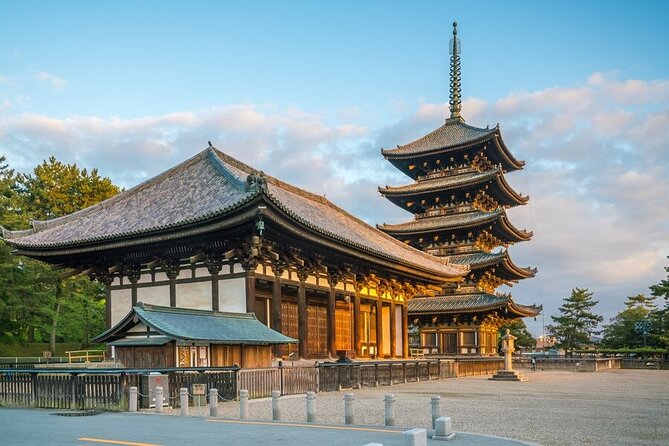
Arashiyama and Nara make an ambitious pair for one day: Kyoto’s bamboo groves and Zen garden in the morning, then Nara’s free-roaming deer, giant Buddha, and lantern-lined shrine. The appeal is simple: you see several of Japan’s essential sights without changing hotels or working out a complicated rail connection.
I like the private format, since your group can adjust the order and ask for more time at a favorite stop. I also like the human touch provided by guides such as Ahmed, Kingo, Moto, and Miyako, who have been praised for clear English, thoughtful help, cultural insight, and taking family photos. The main concern is the extra transportation charge, which can make the real price much higher than the advertised group rate.
Key points to know before booking
- Two major day trips in one: Combine Arashiyama and Nara, two of the most requested side trips from Kyoto, in about eight hours.
- Private group of up to eight: You travel only with your own party, with room to adjust the order of the stops.
- The vehicle costs extra: A van or car for up to five people costs ¥110,000, paid in cash to the driver on the day.
- Admission is also separate: Budget ¥4,800 per person for entry fees, in addition to the vehicle charge.
- Strong guide feedback: Ahmed, Kingo, Moto, and Miyako are named as especially helpful guides in the available feedback.
- Fast-paced by design: You can see the highlights, but this is not a slow, lingering temple tour.
Why this Kyoto and Nara pairing works
Arashiyama and Nara are both easy to reach from Kyoto, yet they offer very different moods. Arashiyama gives you bamboo, a Zen garden, a river, and one of Kyoto’s best-known scenic districts. Nara brings sacred deer, a huge Buddhist temple, and a Shinto shrine reached through wooded paths and lanterns.
The day starts at 9:00 a.m. at your Kyoto hotel and finishes around 7:00 p.m. That long window matters. Public transport can handle either Arashiyama or Nara well, but combining both requires careful timing, transfers, and a willingness to keep moving. A private vehicle removes much of that planning.
You should still think of this as a highlights tour, not a relaxed study of either place. The schedule allows roughly three hours in Arashiyama, about an hour for the drive toward Nara, and three hours among Nara’s main sights. That is enough for a first look, family photos, and the major monuments. It is not enough for every temple, garden, shop, or museum.
More Arashiyama and bamboo walks:
- Kyoto: Fushimi Inari, Kinkakuji, Bamboo Grove 1 Day Bus Tour
★ 4.8 · 4,316 reviews - Osaka/Kyoto:Kinkakuji,Arashiyama,FushimiInariShrine,NaraPark
★ 4.1 · 1,596 reviews - Kyoto/Osaka: Nara, Fushimi Inari Taisha, Arashiyama Bus Tour
★ 4.7 · 1,275 reviews
9:00 a.m. hotel pickup and the value of a private guide
The meeting point is your hotel in Kyoto, and the tour returns you there. That is more comfortable than finding a station before breakfast and navigating a full day with several transfers.
The private setup is particularly useful for families and small groups. You can ask the guide to change the order of stops, and the plan can be adjusted to suit your interests. A family with children might want more time with the deer, while a group focused on architecture may prefer extra attention at Todaiji or Tenryu-ji.
The guide is a major part of the experience. Past guide assignments have included Ahmed, praised for fluent English and a strong grasp of the region, as well as Kingo, Moto, and Miyako. The feedback also points to guides who were attentive, friendly, and willing to take photos. Since the operator arranges the guide and driver separately, confirm the guide’s name and language before the day begins.
One practical warning is important here. A short-notice booking caused a guide availability problem for one party, followed by confusion about the vehicle fee. If you are booking close to your desired date, confirm the pickup time, guide, vehicle, and full cost in writing. The tour is often booked about 51 days ahead, so advance planning is sensible.
Arashiyama bamboo forest and Nonomiya Shrine
The first major stop is Bamboo Forest Street, reached around 10:00 a.m. The tall bamboo creates the famous green corridor that appears in so many Kyoto photographs. It is a brief walk, but the setting is unusual enough to justify the visit even if you have seen countless pictures.
Keep your expectations measured. The bamboo section is not a long wilderness walk. The visit is scheduled for about 30 minutes, so you will have time for photographs and a short stroll, but not an extended ramble through every path in Arashiyama.
The route also includes Nonomiya Shrine. This small Shinto site adds cultural context to the bamboo visit. Instead of treating the grove as scenery alone, you get a glimpse of the religious traditions that shape this part of Kyoto.
Your guide can help explain the meaning of the shrine and the customs connected with it. That makes a difference, especially if this is your first visit to Japan. The bamboo is visually striking, but the shrine helps turn a quick photo stop into a more rounded cultural visit.
Tenryu-ji’s Sogenchi Garden
Next comes Tenryu-ji Temple and its Sogenchi Garden. The garden is one of the strongest parts of the Arashiyama schedule because it offers a quieter contrast to the bamboo path.
Tenryu-ji is a UNESCO World Heritage site, and its garden is designed around ponds, rocks, trees, and views toward the surrounding hills. The appeal is not a single grand object. It is the careful balance of water, plants, temple buildings, and open space.
The planned visit lasts about 30 minutes, with admission charged separately. That is enough for a focused walk through the garden, but you may find yourself wishing for more time if you enjoy Japanese garden design. Ask the guide to explain what you are seeing rather than rushing straight through for photographs.
Tenryu-ji is also where the tour’s pace becomes clear. You are seeing several important places in one day, so each stop has a firm time limit. I like the efficiency for a first visit, but I would not choose this tour if your main goal is quiet contemplation or detailed temple study.
A few more Kyoto half-days to weigh up
- PERFECT KYOTO 1-Day Bus Tour
★ 5.0 · 13,518 reviews - Kyoto: Tea Ceremony in a Traditional Tea House in Kiyomizu
★ 4.9 · 3,519 reviews - Kyoto Geisha Walking Tour: Gion District & Hidden Gems
★ 4.7 · 3,273 reviews - Kyoto: Tea Ceremony Ju-An at Jotokuji Temple
★ 4.9 · 3,207 reviews
Togetsu Bridge and the Hozu River
Around 11:00 a.m., the route reaches the Hozu River and Togetsu Bridge. The bridge is one of Arashiyama’s familiar sights, with open views along the river and toward the wooded hills.
This stop gives you a break from enclosed temple grounds and narrow bamboo paths. It also helps you understand why Arashiyama became such a popular scenic retreat. The river, bridge, and hills create a broad view after the close walls of the bamboo grove.
The stop is short, so you should expect a look and photographs rather than a river cruise or long riverside walk. No boat ride is included in the stated plan. If Togetsu Bridge matters to you, tell the guide early that you want enough time there before leaving for Nara.
The drive from Arashiyama to Nara
The schedule calls for leaving Arashiyama around 1:00 p.m. and reaching Nara at about 2:30 p.m. The private vehicle is most useful during this transition. You avoid piecing together rail routes and can keep your group together after a busy morning.
The transport cost, however, deserves close attention. The stated price is $490 per group of up to eight, but transportation is not included. For up to five passengers, the vehicle charge is ¥110,000 per booking, paid in cash to the driver on the tour day. Groups larger than five must contact the operator in advance.
That fee can change the value calculation completely. For a full group of eight, the cost can be shared among more people. For one or two people, the vehicle charge is much harder to justify. Add the listed ¥4,800 per-person admission cost, and you should calculate the complete amount before paying a deposit.
This is the biggest weakness of the experience. The transport arrangement is stated, but the headline price can still be easy to misunderstand. I would ask for a written total covering the tour, vehicle, admissions, and any other expected payment.
Nara Park and the famous deer
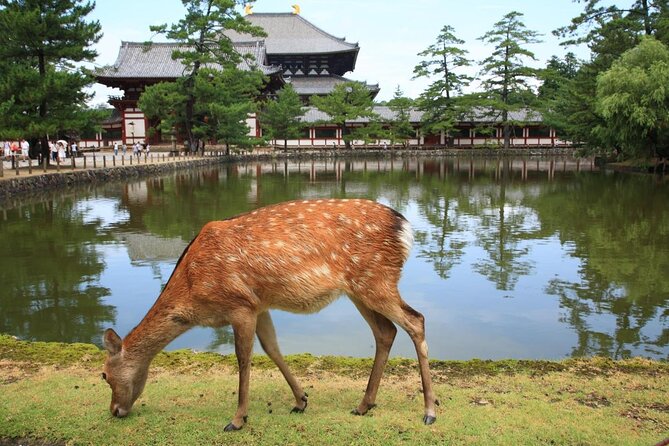
The Nara portion begins around 2:30 p.m. at Nara Park. The deer roam freely through the park, which makes this stop feel different from a standard zoo visit. You see them around paths and open spaces, and you can observe their calm behavior at close range.
The deer are a major reason families choose this tour. Children get an immediate connection with the place, and adults have plenty of chances for photographs. The park admission is free, though any food or items purchased for the deer are not specified in the tour cost.
Use common sense around the animals. Keep food controlled, pay attention to your belongings, and follow the guide’s instructions. The deer are accustomed to people, but they are still animals, not props.
The scheduled time is one hour. That gives you enough time to meet the deer and walk through part of the park, but Nara Park is large. You will not cover every corner. If deer are your top priority, tell the guide so the stop does not get shortened by earlier delays.
Todaiji and the Great Buddha Hall
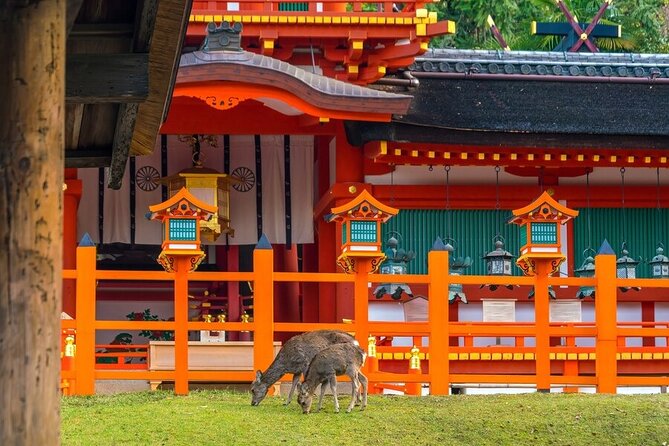
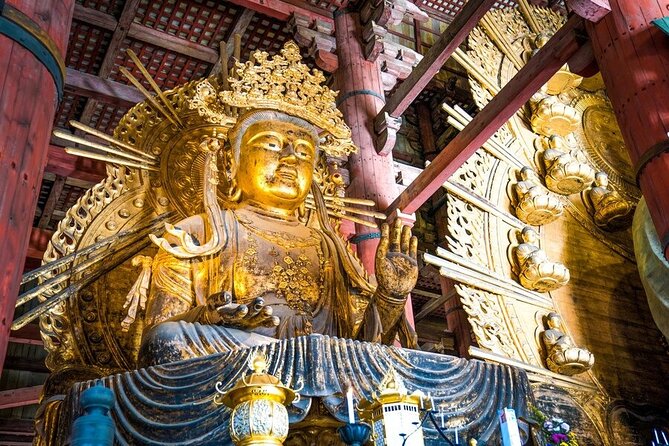
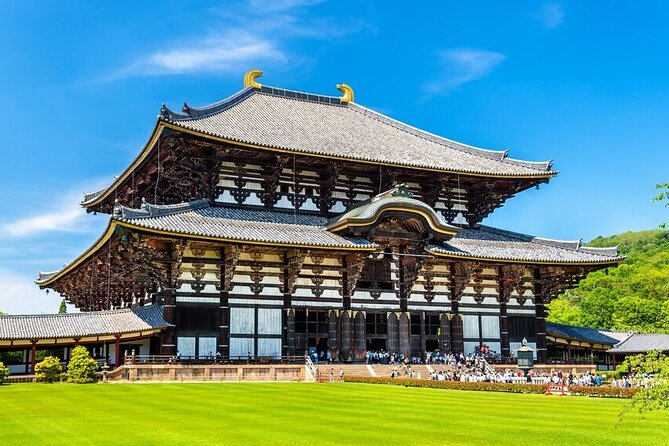
Todaiji Temple follows at about 3:30 p.m. This is the architectural centerpiece of the Nara section and one of Japan’s most impressive Buddhist monuments.
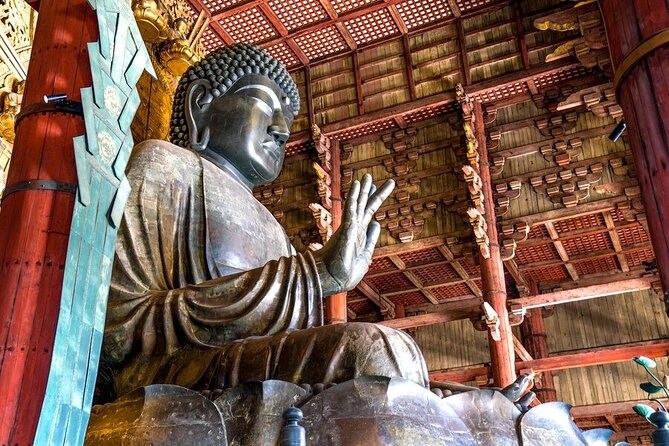
The Great Buddha Hall contains one of the world’s largest bronze Buddha statues. The scale is the point. Even with crowds around you, the hall’s size and the statue’s presence create a powerful first impression.
Admission is not included, and the stated total for entry fees is ¥4,800 per person. The guide can add meaning by explaining the temple’s Buddhist role and the significance of the Great Buddha rather than leaving you to take in the size without context.
Plan on about one hour here. That is enough to enter the hall, see the statue, and walk through the main area. It is not enough for a slow architectural inspection or a full exploration of the surrounding temple grounds.
For many people, Todaiji will be the emotional high point of the day. Arashiyama is beautiful, but Todaiji has sheer physical impact. If you have limited time in Japan, this is one of the stops that makes the long day worthwhile.
Kasuga Grand Shrine and its lanterns
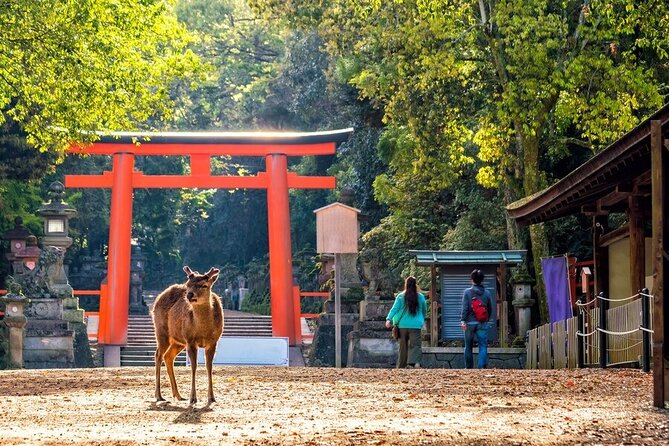
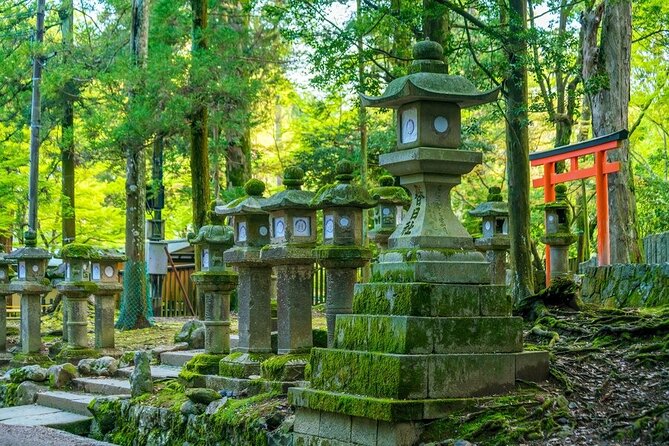
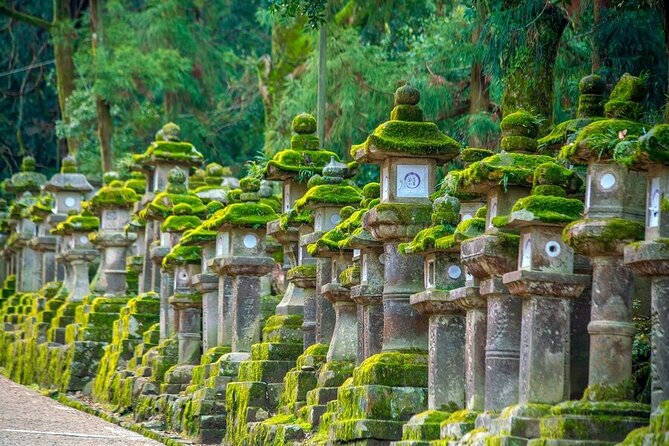
The final major sight is Kasuga Grand Shrine, scheduled for about 4:30 p.m. This Shinto shrine is known for its bronze and stone lanterns, which line the approaches and create a distinctive atmosphere.
The visit lasts about 30 minutes, so you should expect a focused introduction rather than a full walk through every path. The shrine is a useful counterpart to Todaiji. After a major Buddhist temple, you see a significant Shinto site with a different visual language and set of customs.
Kasuga is especially appealing if you enjoy details: lanterns, shrine architecture, wooded routes, and small moments of ritual. A guide can explain the difference between the Buddhist and Shinto sites, helping you see that Nara is not simply a collection of old buildings.
The tour plans to leave Nara around 5:30 p.m. and return to Kyoto by approximately 7:00 p.m. Traffic and timing can affect that estimate, so avoid scheduling a fixed evening activity immediately afterward.
What the $490 price really means
At $490 per group, the base rate can look attractive for a larger party. Eight people sharing the guiding and management fee get much better value than a couple traveling alone.
But you must add the ¥110,000 vehicle fee for up to five people, paid in cash, plus ¥4,800 per person for admissions. The vehicle charge is the key figure. It is not a minor add-on, and it should be included in your budget from the start.
The value is strongest when:
- You have a larger private group.
- You want a driver for the long Arashiyama to Nara transfer.
- You value a guide who can explain customs and history in English.
- You have only one full day for both areas.
- You prefer hotel pickup and return over public transport.
The value is weaker when you have plenty of time in Kyoto, are comfortable using trains, or want to spend half a day in one district. In that case, visiting Arashiyama and Nara separately may give you more time and lower transport costs.
Who should book this full-day route
I would recommend it most strongly to families, first-time visitors, and groups of friends with a short stay. The deer, bamboo grove, Great Buddha, and shrine give you a broad first taste of the Kyoto and Nara area, and private guiding makes the day easier to manage.
It also suits people who prefer explanations in English. The guide can connect the sights to Japanese religious life and culture, rather than leaving you with a string of photographs and place names.
You should think twice if you dislike early starts, long transfers, or fixed time blocks. The day lasts roughly eight hours and covers a lot of ground. You will see the highlights, but you will not linger everywhere.
The tour is private, and most people can participate. Service animals are allowed, and the route is near public transportation, though the experience itself is built around a hired car or van. Ask specific mobility questions before booking if anyone in your group has access needs, since the supplied details do not describe vehicle type or step-free access.
Booking details and cancellation terms
Confirmation is provided at booking, and a mobile ticket is available. The tour starts and ends in Kyoto, with hotel pickup listed for 9:00 a.m. and the return planned for around 7:00 p.m.
Free cancellation is available if you cancel at least 24 hours before the local start time. Changes or cancellations made within 24 hours are not accepted for a refund. The experience requires good weather, and a weather cancellation offers either another date or a full refund.
The experience has a 4.8 rating from 16 reviews, with 94 percent recommending it. That is encouraging, especially given the repeated praise for guides who were kind, attentive, and strong communicators. Still, the small number of ratings and the one serious complaint about guide availability and unexpected cost make advance confirmation important.
Should you book it?
Book this tour if you want to fit Arashiyama and Nara into one carefully managed day, especially with children or a group of up to eight. Todaiji, Nara Park, Kasuga Shrine, the bamboo forest, Tenryu-ji, and Togetsu Bridge give you a strong list of major sights, while guides such as Ahmed, Kingo, Moto, and Miyako have added warmth and useful cultural explanation.
Before committing, get the full price in writing. The ¥110,000 vehicle fee and ¥4,800 per-person admission cost are not included in the $490 group rate. If that total works for your group, the convenience and private attention may be worth it. If not, split the two areas across separate days and use Kyoto’s public transport.
FAQ
How long does the tour last?
The experience lasts approximately eight hours, beginning at 9:00 a.m. and finishing around 7:00 p.m.
Where does the tour start and end?
It starts at your hotel in Kyoto and returns to Kyoto at the end of the day.
How many people can join the private tour?
The advertised rate is for a private group of up to eight people. Groups larger than five must contact the operator in advance because of the vehicle arrangement.
Is transportation included in the $490 price?
No. Transportation is separate. For up to five passengers, the car or van costs ¥110,000 per booking, paid in cash to the driver on the day.
Are admission fees included?
No. Entry fees are listed separately at ¥4,800 per person.
Can the schedule be customized?
Yes. The order and sightseeing plan can be adjusted in consultation with the guide.
Is cancellation free?
You can receive a full refund if you cancel at least 24 hours before the experience start time. Cancellations within 24 hours are not refunded.
What happens if the weather is poor?
If poor weather causes the experience to be canceled, you will be offered another date or a full refund.
Just added around Kyoto
- Kyoto: Zen Meditation at a Private Temple with a Monk★ 5.0 · 25 reviews
- Kyoto: Gion Geisha District & Sake-in-Hand Walking Tour★ 5.0 · 37 reviews
- Private Pewter Sake Cup Experience with a Kyoto Artisan★ 5.0 · 31 reviews
- Your Private Vacation Photography Session In Kyoto★ 5.0 · 110 reviews
- Private Guided Traditional Buddhist Cooking in Japan★ 5.0 · 16 reviews
- Kyoto Wagashi(Japanese sweets) Cooking Class near Fushimiinari★ 5.0 · 60 reviews
- Traditional Japanese Music show & Experience Tour in Kyoto★ 5.0 · 57 reviews
- Kyoto:Family-Friendly Kimono & Yukata Experience at WARGO★ 5.0 · 147 reviews
Bamboo Grove Tours, compared.

Fushimi Inari, Kinkakuji, Bamboo Grove 1 Day Bus Tour
Read our review →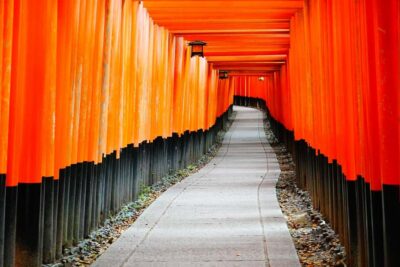
Osaka/Kyoto:Kinkakuji,Arashiyama,FushimiInariShrine,NaraPark
Read our review →
Kyoto/Osaka: Nara, Fushimi Inari Taisha, Arashiyama Bus Tour
Read our review →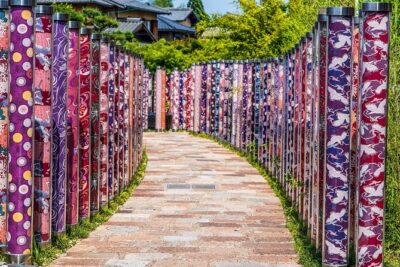
Kyoto Arashiyama Walking Tour: Bamboo, Monkeys, Gardens & Secrets
Read our review →
Arashiyama Bamboo, Temple, Monkeys, or Secret Sake Brewery
Read our review →
Arashiyama Bamboo Forest, Monkeys, Matcha & Temple Tour
Read our review →
Osaka/Kyoto: Arashiyama, Nara & Fushimi Inari Shrine w/Lunch
Read our review →
Nijo, Kinkaku-ji, Arashiyama, Kiyomizu & Fushimi Inari
Read our review →Browse the lists this tour appears in