
Reviewed · KYOTO TOURS
Elegant Tea Ceremony While Wearing Kimono Experience in Kyoto
Kyoto’s tea ceremony feels more meaningful when you take part in it yourself. At Nishiki Orizuruya, you first choose a kimono, get dressed with help from the staff, and then learn to whisk your own matcha in a quiet tea room. The setting is traditional, but the instruction is welcoming rather than stiff.
I especially like the hands-on matcha preparation and the chance to select your own kimono and accessories. The free hair styling for women, photo time, and the option to keep the kimono on while walking around the area until 6 p.m. add real value. The main consideration is that one visitor found the ceremony light on background explanation, so this suits you best if you want to participate, not attend a long lecture.
Key points at a glance
- Kimono dressing comes first: Staff help you choose and put on traditional clothing, with free hair styling for women.
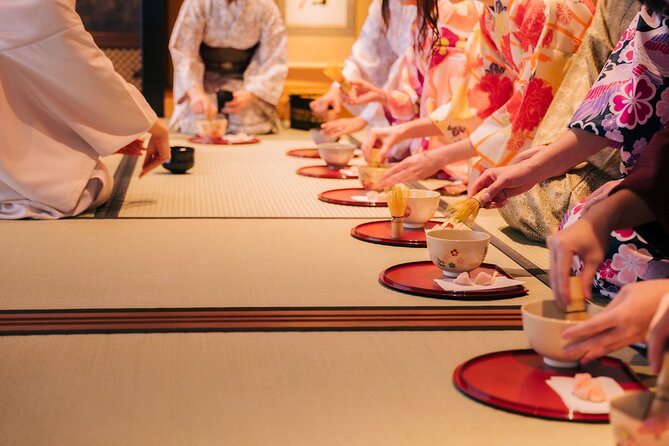
- You make your own matcha: A tea master demonstrates the method before you use a bamboo whisk yourself.
- Seasonal wagashi are included: Traditional sweets from a 100-year-old confectionery accompany the tea.
- Three add-ons change the experience: Choose calligraphy, gold leaf art, or an English-guided walk around Nishiki Market.
- Small groups keep it personal: The activity accepts a maximum of 10 people.
- You are close to Kyoto’s food quarter: Nishiki Orizuruya is about a minute from Nishiki Market.
Starting with a kimono near Nishiki Market
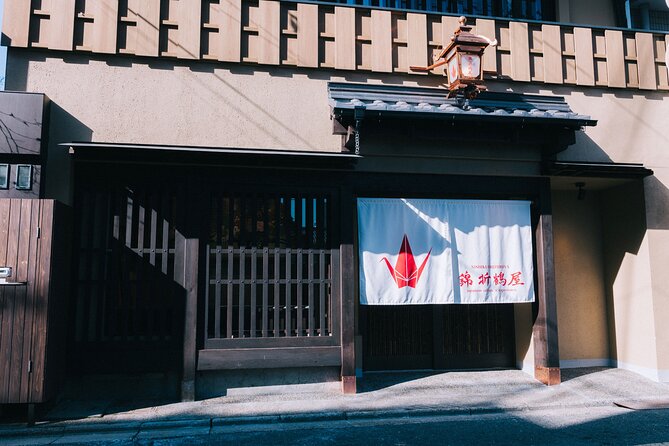
The experience begins at Nishiki Orizuruya, at 452 Jūmonjichō in central Kyoto. It is about a minute on foot from Nishiki Market, making this a handy choice if you already plan to visit Kyoto’s famous food street.
Arrive at least 10 minutes before your scheduled time. You will choose from the available kimonos and accessories, then staff will help dress you. The process is part of the experience, not a quick costume change. The careful fitting and small finishing touches help the clothing feel special in photographs.
Women receive free hair styling. The hair decorations add to the formal look, and several parts of the activity allow time for pictures. If you are booking for children, ages five and above can join, but there is no child discount.
The choice is more extensive for women than for men, according to one useful piece of feedback. That does not make the men’s experience unworthy, but couples and families should expect the selection process to feel more varied for female participants.
You may be able to keep the kimono on after the formal activity and walk around the nearby streets until 6 p.m. This is one of the best practical extras, since you are not limited to taking pictures inside the tea house. Confirm the exact arrangement when you arrive, but the opportunity can turn a two-hour activity into a broader Kyoto memory.
More Kimono Experiences in Kyoto
- Kimono Tea Ceremony at Kyoto Maikoya, NISHIKI
★ 5.0 · 911 reviews - Kyoto: Kimono Rental with Hairstyling and Accessories
★ 4.8 · 653 reviews - Kyoto: Kimono Tea Ceremony at Orizuruya Gion
★ 4.9 · 618 reviews
What the 90-minute tea ceremony includes
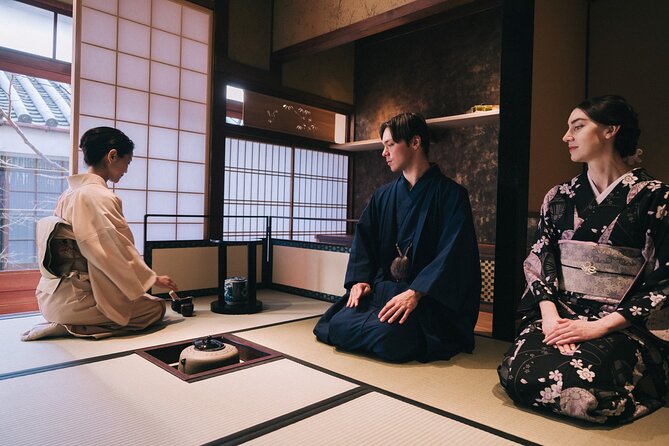
Once dressed, you enter the tea room for the main ceremony. A professional tea master demonstrates the careful movements involved in preparing matcha, including the quiet rhythm and respectful handling of the utensils.
The point is not simply to drink green tea. You are shown how the ceremony creates a pause, with attention given to the preparation, the bowl, the sweets, and the people sharing the room. The English guidance helps you follow along, and the hosts aim to explain the customs as you go.
You then prepare your own matcha with a bamboo whisk. This is the most engaging part for many people because you move from watching to doing. The tea can taste stronger and more grassy than the sweetened green tea drinks served elsewhere, so the wagashi matters. These seasonal Japanese sweets balance the tea and add another small lesson in Japanese food culture.
The sweets come from a confectionery with 100 years of history. That detail gives the tasting a useful connection to Kyoto’s long-established craft traditions without turning the session into a formal food tour.
The ceremony lasts about 90 minutes in its basic form. That includes the demonstration, your own tea preparation, sweets, and time in the kimono. The atmosphere is meant to be calm and intimate, though weekend, holiday, and event crowds can make the venue feel busier.
How much explanation should you expect?
The English instruction is a strong part of the experience. Ruriko has been singled out for explaining the meaning behind the ceremony, and Lina has led the Nishiki Market walk. The tea host is described as speaking very good English and making the customs easy to follow.
Still, the level of detail may depend on the individual session. One person felt there was not much explanation of the background or meaning behind every step. I would set your expectations accordingly: this is a practical cultural introduction, not a scholarly lesson in tea history.
That balance may actually suit families and first-time visitors. You get enough context to understand what you are doing, then plenty of time to participate and take pictures. If you want a detailed account of every utensil, school of tea, and historical rule, this may feel brief.
The staff’s manner is one of the strongest reasons to choose this activity. Families with children have found the dressing process friendly and patient. Staff have also helped accommodate different body sizes, allergies involving the tea or sweets, and a participant who could not sit on the floor by providing a chair.
You should still state any food concerns when booking or on arrival. The supplied details show that accommodations have been made, but they do not promise every dietary request.
Choosing calligraphy after the tea
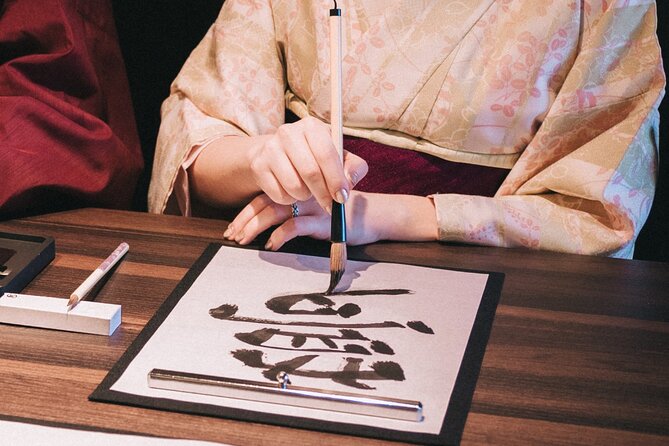
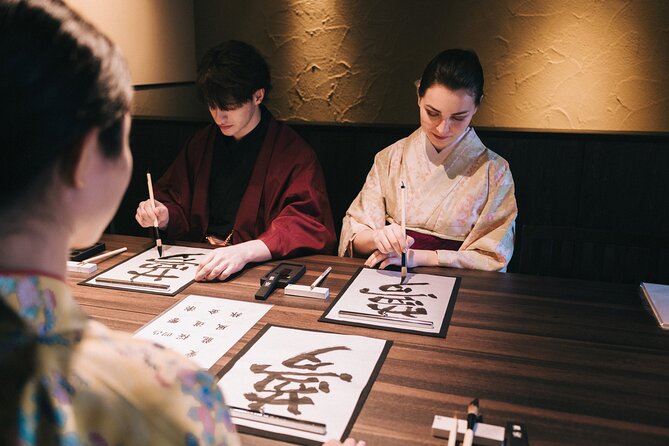
The calligraphy option adds a creative finish to the ceremony. After drinking matcha and eating sweets, you learn to use brush and ink to write a favorite kanji on washi paper.
This is a good choice if you want a keepsake that feels connected to Japanese art rather than a standard souvenir. You do not just buy a finished object. You make something yourself, with all the uneven brush marks and personal character that implies.
The activity is especially suited to families, couples, and anyone who likes a quiet craft. It also gives children a second focus after the more formal tea ceremony. The available information does not specify how many characters you can write or how much practice time you receive, so choose your preferred kanji before arriving if you already have one in mind.
Calligraphy also makes the overall timing longer than the basic 90-minute ceremony. Check the exact plan when booking, since the total duration depends on your selected option.
More Tea Ceremonies in Kyoto
- Kyoto: Tea Ceremony in a Traditional Tea House in Kiyomizu
★ 4.9 · 3,519 reviews - Kyoto: Tea Ceremony Ju-An at Jotokuji Temple
★ 4.9 · 3,207 reviews - Kyoto: 45-Minute Tea Ceremony Lesson Experience
★ 4.3 · 2,378 reviews - Kyoto: Table-Style Tea Ceremony at a Kyo-Machiya
★ 4.9 · 1,211 reviews
Gold leaf art and the small plate souvenir
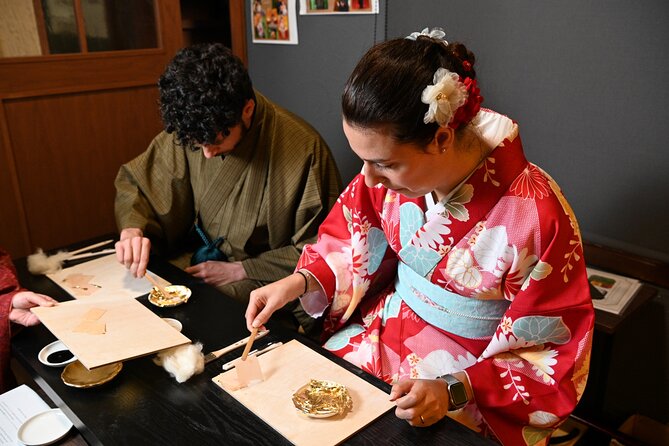
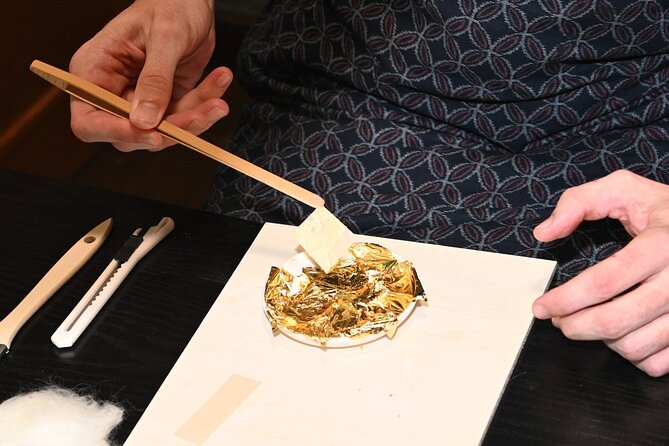
The gold leaf option lasts about 130 minutes. After the tea ceremony, you decorate a small plate using high-purity gold leaf, then take your finished piece home.
This add-on gives you a more tangible souvenir than a paper keepsake. It also introduces a delicate Japanese decorative technique in a simple, hands-on format. You should not expect a long professional workshop at this price, but you do get to handle the material and leave with something you made.
The gold leaf plan works well if shopping is not your main goal and you prefer an activity with a clear finished result. It may also be a good fit for a birthday or family occasion, since each person can create a personal design.
The basic tea ceremony costs $50.58 per person, according to the supplied price. That is a fair price when you consider the kimono rental, women’s hair styling, English guidance, matcha, traditional sweets, and the tea-making lesson. The value becomes stronger if you use the chance to take pictures and walk around in the kimono afterward.
The price comparison changes if you choose a longer add-on. Calligraphy and gold leaf include extra instruction and materials, while the Nishiki walk adds a guide and local sightseeing. Look at the package details before paying so you know which activity and total duration you are selecting.
Taking the Nishiki Market walk
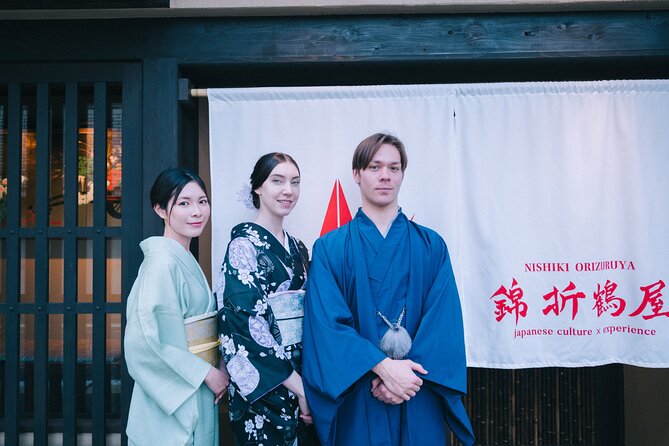
The longest choice lasts about 150 minutes and follows the tea ceremony with an English-guided walk around Nishiki Market and the nearby area.
Nishiki Market is known as Kyoto’s Kitchen. The walk connects the market’s food culture with local shrines, historic shops, shopping streets, and the surrounding neighborhood. That makes this option less focused on craft and more useful for getting your bearings in central Kyoto.
Lina has received particular praise for leading the market tour. A guided walk can help you notice details you might pass on your own, especially when the market is crowded or when unfamiliar foods and shop displays compete for your attention.
This option is a practical choice if you want the tea ceremony to lead into the rest of your day. You may combine traditional clothing, Japanese sweets, market food, shrines, and shopping without arranging separate activities.
The drawback is timing. Nishiki Market can be crowded on weekends, holidays, and during special events. Walking in a kimono through a packed market may be slower and less comfortable than walking in ordinary clothes. If you want a quiet, reflective afternoon, choose calligraphy or gold leaf instead.
Group size, comfort, and practical details
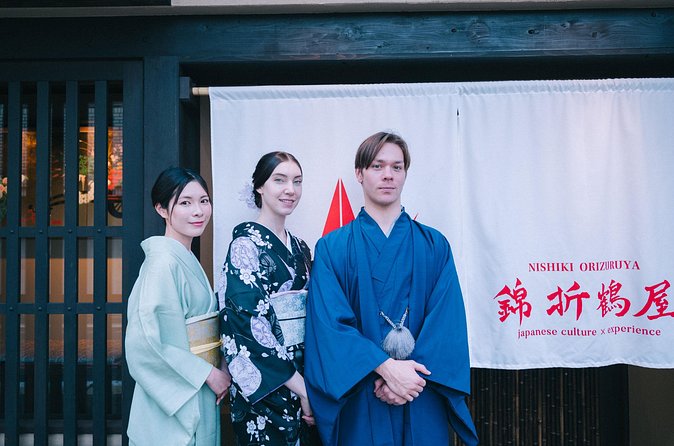
The activity has a maximum of 10 people. That is small enough for the tea room to feel personal, while still large enough that the room may not be completely private. The staff have shown flexibility with seating, but you should mention mobility needs in advance rather than waiting until the ceremony begins.
The meeting point and ending point are the same, Nishiki Orizuruya. The location is near public transportation and close to Nishiki Market, so it fits neatly into a central Kyoto day.
Plan on about two and a half hours for the longest version. The tea-only session is about 90 minutes, the gold leaf plan about 130 minutes, and the Nishiki walk about 150 minutes. Add a little extra time for arrival, dressing, photos, and returning the kimono or confirming the walk-around arrangement.
The activity is offered in English, which matters during a ceremony where small instructions affect what you do next. You will still need to pay attention to the demonstration, since the format depends on following the tea master’s movements.
Keep your valuables with you. You are responsible for your own belongings during the activity. Confirmation is sent within 48 hours of booking, subject to availability, so do not assume your place is final until that confirmation arrives.
The booking is non-refundable and cannot be changed for any reason. Severe weather or a natural disaster such as a typhoon is an exception: the activity may be canceled and fully refunded. This firm policy makes travel insurance or careful date selection worth considering.
Who will get the most from this Kyoto experience?
I would choose this for a first visit to Kyoto when you want a clear introduction to several traditional customs in one place. You get clothing, hair styling for women, tea, sweets, matcha preparation, and a choice of calligraphy, gold leaf, or a market walk.
Families are well suited to it. Children aged five and above can join, and the staff have been patient with young participants. The dressing, photos, and hands-on options give children more to do than simply sit through a formal demonstration.
It also works well for a birthday, anniversary, or multigenerational outing. The setting is intimate, and the staff can help with different sizes and seating needs. For couples, the kimono photos and shared tea preparation create a strong central memory without requiring a full day.
I would be more cautious if you dislike structured activities, floor seating, dressing assistance, or green tea. The ceremony asks you to follow a set process. Also, the English explanation may be informative but not equally detailed in every session.
Should you book the Nishiki Orizuruya tea ceremony?
Book it if you want to do more than look at Kyoto’s traditions from the outside. The kimono fitting, hair styling, matcha preparation, and seasonal wagashi give you several meaningful activities for $50.58, while the add-ons let you shape the experience around your interests.
Choose calligraphy for a personal paper keepsake, gold leaf for a decorated plate, or the Nishiki walk if you want food culture and nearby sights. Choose the basic ceremony if you prefer a shorter, calmer session.
The strongest reasons to book are the kind staff, small group limit, English instruction, and the option to continue wearing the kimono around the area. Just allow for a possible lack of detailed historical explanation, arrive early, and remember that the booking cannot be canceled or changed. For a compact Kyoto cultural experience close to Nishiki Market, this is a sensible and well-priced choice.
FAQ
Where does the tea ceremony take place?
The activity takes place at Nishiki Orizuruya, 452 Jūmonjichō, Nakagyo Ward, Kyoto, 604-8121, Japan. It is about a minute’s walk from Nishiki Market.
How long does the experience last?
The tea ceremony plan lasts about 90 minutes. The gold leaf plan takes about 130 minutes, and the Nishiki Market walking option takes about 150 minutes. The overall activity is listed as approximately two and a half hours.
Is the activity offered in English?
Yes. All plans include English guidance.
Is kimono rental included?
Yes. All plans include kimono rental. Women also receive free hair styling.
Can children join the activity?
Children aged five and above may participate. There is no child discount.
What happens during the tea ceremony?
You watch a professional tea master demonstrate the ceremony, prepare your own matcha with a bamboo whisk, and enjoy seasonal wagashi with the tea.
What extra activities can I choose?
You can choose Japanese calligraphy, a gold leaf workshop, or an English-guided walk around Nishiki Market and the nearby area.
Can I keep wearing the kimono after the activity?
The experience allows you to keep the kimono on while walking around the streets of Kyoto until 6 p.m. Confirm the exact return instructions at the venue.
Can I cancel or change my booking?
No. The activity is non-refundable and cannot be changed for any reason. If severe weather or a natural disaster causes the activity to be canceled, it will be fully refunded.
Just added around Kyoto
- Kyoto: Zen Meditation at a Private Temple with a Monk★ 5.0 · 25 reviews
- Kyoto: Gion Geisha District & Sake-in-Hand Walking Tour★ 5.0 · 37 reviews
- Private Pewter Sake Cup Experience with a Kyoto Artisan★ 5.0 · 31 reviews
- Your Private Vacation Photography Session In Kyoto★ 5.0 · 110 reviews
- Private Guided Traditional Buddhist Cooking in Japan★ 5.0 · 16 reviews
- Kyoto Wagashi(Japanese sweets) Cooking Class near Fushimiinari★ 5.0 · 60 reviews
- Traditional Japanese Music show & Experience Tour in Kyoto★ 5.0 · 57 reviews
- Kyoto:Family-Friendly Kimono & Yukata Experience at WARGO★ 5.0 · 147 reviews
Kyoto Tours, compared.


Fushimi Inari, Kinkakuji, Bamboo Grove 1 Day Bus Tour
Read our review →
Tea Ceremony in a Traditional Tea House in Kiyomizu
Read our review →
Kyoto Geisha Walking Tour: Gion District & Hidden Gems
Read our review →

Gion Magical Night Walking Tour with Geisha Trivia
Read our review →

Gion Geisha District Walking Tour – Stories of Geisha
Read our review →Browse the lists this tour appears in