
Reviewed · FUSHIMI INARI TOURS
From Osaka: Nara, Kiyomizu-dera & Fushimi Inari Trip
Nara’s deer, Kyoto’s temple views, and Fushimi Inari’s red torii gates make this $49 day trip a strong first look at Japan beyond Osaka. I like the easy three-stop design, and I especially like that guides such as Angeles and Alejandro explain religion, building styles, and local customs instead of simply pointing at monuments.
I also like the included transport and Kiyomizu-dera access, which remove some planning work. The catch is time: roads can be slow, the distances are long, and one reported schedule gave Nara only 1.5 hours while allowing 2.5 hours at Kiyomizu-dera. This is a sightseeing sampler, not a slow Kyoto day.
Key points at a glance
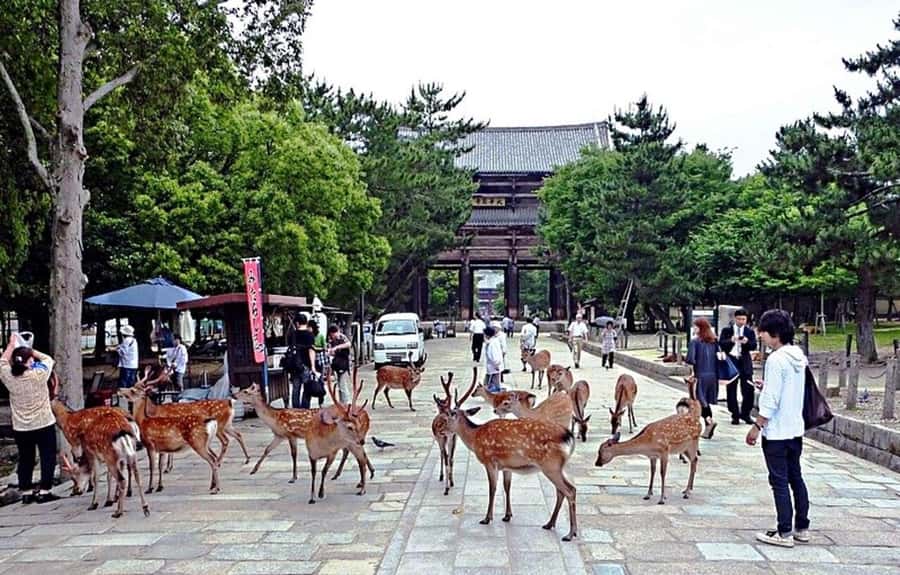
- Nara Park deer: Feed hundreds of free-roaming deer and enjoy an open, peaceful setting.
- Kiyomizu-dera views: See one of Kyoto’s best-known temples, its wooden stage, and Otowa Waterfall.
- Sannenzaka walk: Pass narrow, cobbled streets, wooden houses, tea shops, and preserved old Kyoto architecture.
- Fushimi Inari finish: Walk among the shrine’s famous red torii gates on the lower paths of Mount Inari.
- Bilingual guidance: The tour operates in English and Spanish, with guides such as Angeles and Alejandro assigned on some departures.
- Simple Osaka return: Meet near Osaka Mode Gakuen, ride between the major sights, and finish back at the same meeting point.
Why this Osaka day trip works
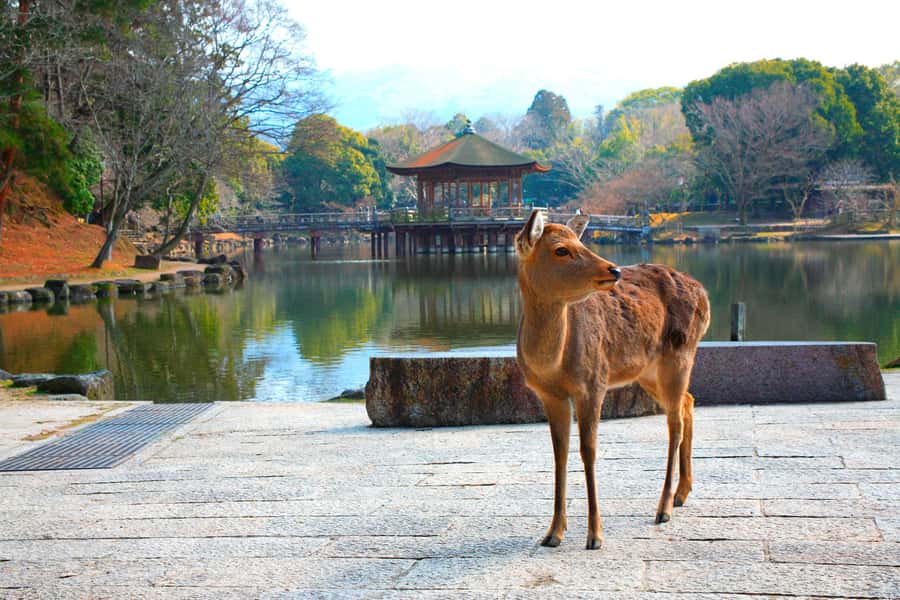
This outing packs three very different Japanese sights into one day. Nara gives you open parkland and deer, Kiyomizu-dera brings temple architecture and city views, and Fushimi Inari offers a quiet, symbolic walk beneath rows of red torii gates.
I like that contrast. You are not seeing three versions of the same shrine or museum. Each stop has a different mood, so the day keeps moving even when the schedule feels full.
The price is $49 per person, which is appealing for a guided day out that includes transportation from the meeting point and access to Kiyomizu-dera. Food, drinks, and hotel pickup are not included, so you should bring water and budget for meals or snacks along the way.
The main tradeoff is time on the road. Osaka, Nara, and Kyoto are separate destinations, and traffic can affect the order and length of each stop. If you want long meals, quiet temple time, or a thorough visit to each place, use public transport and plan separate days. If you want to cover the headline sights in one outing, this format makes good sense.
More ways to walk Fushimi Inari:
- Kyoto: Immersive Arashiyama & Fushimi Inari by Private Car
★ 5.0 · 35 reviews - From Osaka: Kyoto, Nara, Fushimi Inari & Arashiyama Day Tour
★ 4.4 · 19 reviews - Kyoto: Fushimi Inari, Kinkakuji, Bamboo Grove 1 Day Bus Tour
★ 4.8 · 4,316 reviews
Starting near Osaka Mode Gakuen
Your day begins at the corner of the building Osaka Mode Gakuen. Look for the guide holding an Amigo Tours sign, and arrive at least 10 minutes before departure for check-in.
Hotel pickup and drop-off are not included. That matters in Osaka, where a short-looking journey can take time if you start from the wrong side of the city. Give yourself a little breathing room before meeting the group, particularly if you are unfamiliar with the area.
The transport between stops is useful because it saves you from arranging separate train journeys and working out connections during a busy day. Still, this is not a private car tour, and you should expect a shared schedule with other people.
English and Spanish guidance is available. On one departure, Angeles and Alejandro led the group, giving detailed explanations of religious traditions, architecture, and construction methods. That sort of commentary can turn a quick visit into something more meaningful, especially at Kiyomizu-dera and Fushimi Inari, where the symbols are easy to miss if you only take photographs.
Meeting Nara’s free-roaming deer

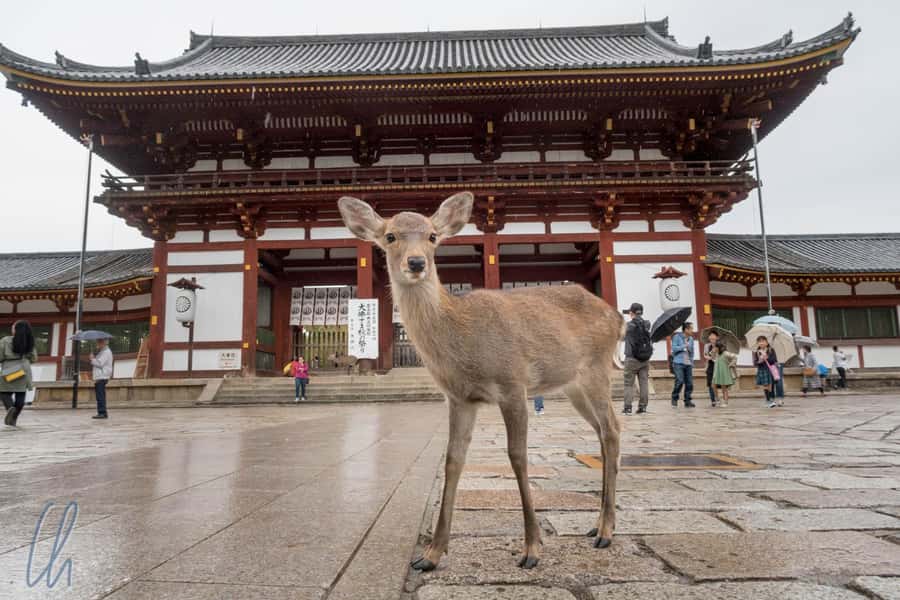
Nara Park is the most relaxed stop of the day. The park is home to hundreds of deer that move freely through the grounds, and you can feed and interact with them while walking through the surrounding greenery.
The deer are the big draw, but the setting matters too. Nara gives you space to breathe after leaving Osaka, with a less urban feel than the Kyoto stops later in the day. You can watch the animals, take photographs, and enjoy the old Japanese setting without needing to enter a building at every turn.
You should keep your expectations practical. The tour does not give you unlimited time here, and one altered schedule left only about 1.5 hours in Nara. That is enough for a close look at the deer and a walk through part of the park, but not enough for an unhurried exploration of every corner.
If feeding the deer is important to you, keep your attention on the animals and follow the guide’s instructions. Free-roaming animals are still animals, so your visit is better when you treat them calmly and respectfully.
Nara is also a good place to use your camera, but do not spend the entire stop looking through it. The appeal is the meeting of nature, public space, and Japanese tradition. You get a more memorable visit by watching how the park feels, not just collecting deer pictures.
Kiyomizu-dera and the wooden stage
Kiyomizu-dera is the visual centerpiece of the Kyoto portion. This UNESCO-listed temple is known for its wooden stage and wide views over Kyoto, giving you a chance to see the city from above rather than only from street level.
The temple’s architecture is the reason to slow down. The wooden construction, broad platform, and hillside setting create a strong sense of place. A guide can add useful context here, especially around the temple’s religious purpose and the way its buildings were made.
Access to Kiyomizu-dera is included, which improves the value of the $49 price. You are not paying only for a ride and a quick photo stop. You have entry to one of Kyoto’s key cultural sites, plus guided explanations in English or Spanish.
The amount of time here may vary. One schedule change gave the group 2.5 hours at Kiyomizu-dera in the morning. That can feel generous if you are ready to move on or if it is too early for lunch, but it also gives you time to see the temple without racing through it.
I would use this stop in layers. First, visit the main temple area and take in the view. Next, look at the structure itself. Then allow time for the surrounding streets and Otowa Waterfall. That approach keeps you from spending the whole visit in a queue or at one photo point.
A few more Osaka half-days to weigh up
- Osaka Go Karting Tour with Funny Costume
★ 5.0 · 2,658 reviews - Osaka Castle: Museum and Tower Entry Ticket
★ 4.5 · 2,380 reviews - Osaka: Shinsekai Food Tour with 13-15 Dishes at 5 Eateries
★ 4.8 · 2,204 reviews - Osaka Food Tour: 13 Dishes at 5 Local Eateries
★ 5.0 · 2,149 reviews
Otowa Waterfall and its sacred waters
Otowa Waterfall is one of the temple area’s most distinctive features. Its waters are regarded as sacred and are associated with wishes, giving this small stop a personal element beyond the architecture.
You can pause here to see how religious practice and everyday sightseeing overlap. The waterfall is not simply a scenic feature. It is part of the meaning of the temple visit, and your guide can explain the customs connected with it.
The area can be busy, and the schedule may not allow a long, private moment. Still, it is worth including because it gives you a more direct connection to the temple’s spiritual side. Kiyomizu-dera is not just an old building with a nice view.
Sannenzaka’s old Kyoto streets
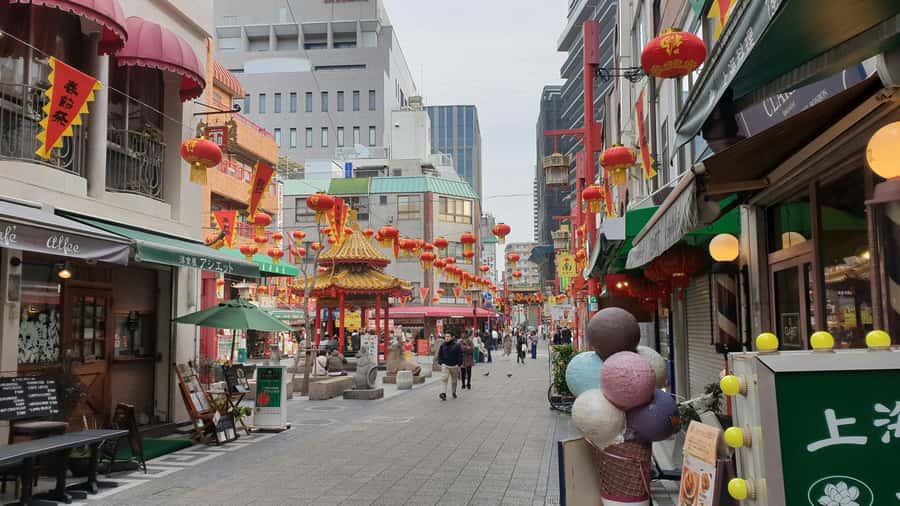
After the temple, you walk through Sannenzaka and nearby historic streets. This section is made up of narrow, cobbled lanes, traditional wooden houses, small shops, and tea houses.
For me, this is where the Kyoto visit becomes more grounded. The large temple gives you the famous image, but Sannenzaka shows how the surrounding district preserves an older style of urban life. You can browse, take in the architecture, and see how the streets frame the approach to Kiyomizu-dera.
Keep your shoes comfortable. The route includes walking on cobbled streets and moving between several sights, and the tour information specifically warns that distances are long. Sunscreen and water are also sensible, particularly in warm weather.
Do not expect a leisurely shopping afternoon here. The group must keep to its schedule, and the streets may feel crowded. Treat Sannenzaka as a scenic historic walk with time for a few photographs, not as a chance to visit every shop.
Walking beneath Fushimi Inari’s red torii gates
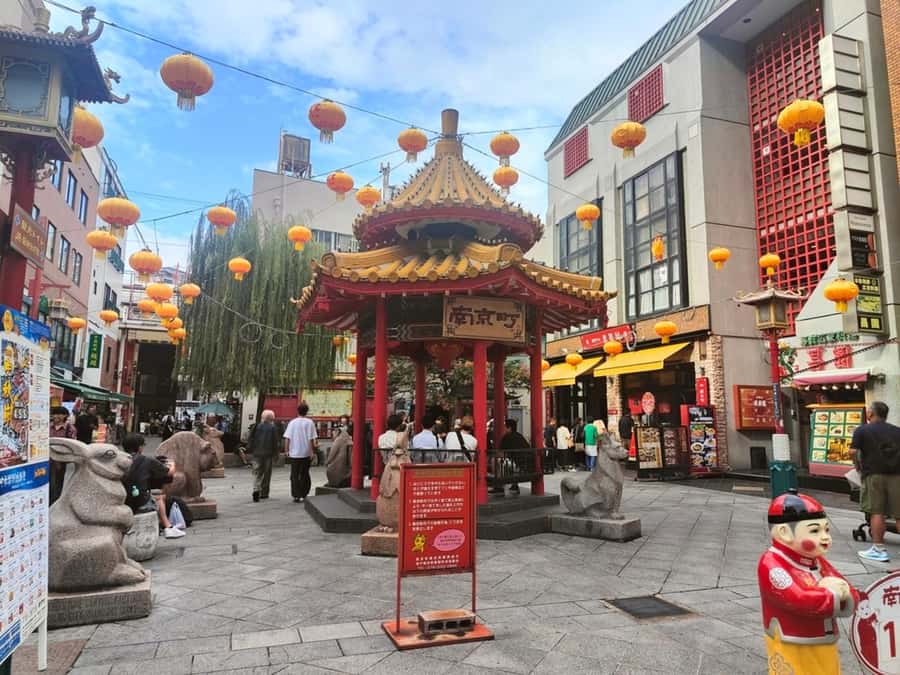
The final major stop is Fushimi Inari Taisha, famous for its long paths of red torii gates climbing Mount Inari. The gates create a striking corridor that changes as you walk, from an open shrine approach to a more enclosed route farther along.
You do not need to complete the entire mountain walk to understand why Fushimi Inari is so famous. The tour is designed as a visit and walk, and the exact amount of time depends on the day’s traffic and schedule. Use your time to get beyond the first few photographs if conditions allow.
Fushimi Inari also changes the mood of the day. Nara feels open and social because of the deer. Kiyomizu-dera combines architecture, worship, and city views. Fushimi Inari feels more focused, with repeated gates leading you forward through the shrine grounds.
The color photographs well, but the experience is better when you notice the repetition and quiet rhythm of the path. The gates are not random decoration. They are part of the shrine’s identity, and a guide can help explain the religious setting rather than leaving you with only a familiar image.
Because this is the last stop, you may be tired by the time you arrive. Comfortable shoes make a real difference. If you prefer slow walks and long pauses, do not assume you will have time to climb far up the mountain.
How the schedule can change
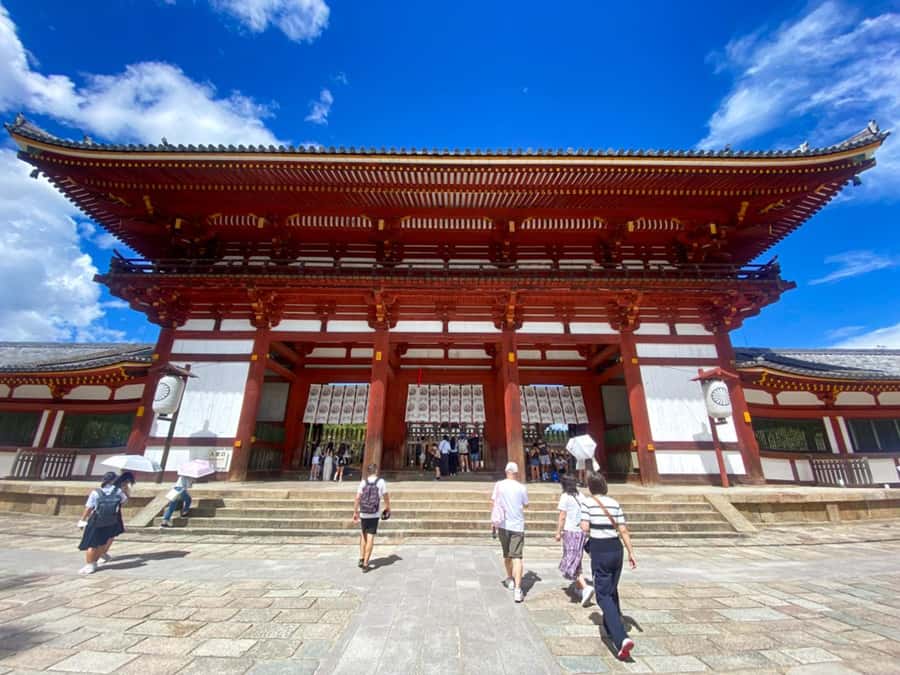
The planned order is not guaranteed. Traffic, weather, local events, and other operating conditions can change the sequence or timing, although the tour aims to complete the full program when possible.
That flexibility is practical, but it can affect your experience. A morning visit to Kiyomizu-dera may give you more time there than expected, while a traffic delay could shorten Nara or Fushimi Inari. One reported day had 2.5 hours at Kiyomizu-dera and only 1.5 hours in Nara, a mismatch that made the deer park feel rushed.
I would book this tour with the right mindset: you are buying access to three major places in one day, not control over every minute. A strong guide can make a revised plan work well, and Angeles and Alejandro were praised for giving clear explanations across religion, architecture, and construction.
Still, if your top priority is Nara, check the day’s timing as soon as the guide explains the schedule. If your main goal is Kiyomizu-dera, the possible longer stop may suit you perfectly.
What the $49 price includes
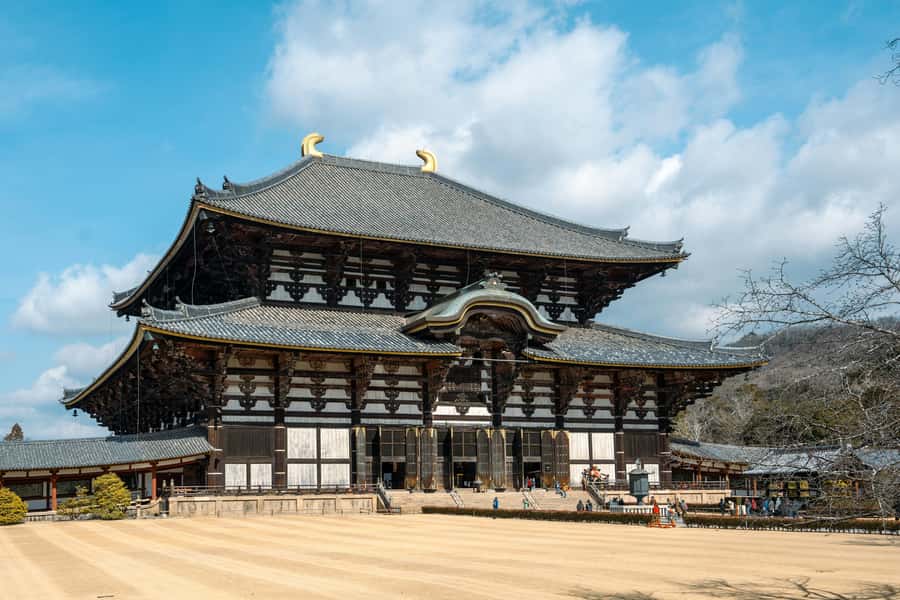
At $49, the tour offers a useful bundle:
- Transport from the stated Osaka meeting point
- English or Spanish guidance
- Access to Kiyomizu-dera
- Visits to Nara Park, Sannenzaka, and Fushimi Inari Taisha
- Return to the original meeting point
Food and drinks are extra, and there is no hotel pickup or drop-off. You should carry water and plan for your own meals rather than expecting a scheduled food experience.
The value is strongest for someone who wants a low-planning introduction to Nara and Kyoto. You can see the major sights without researching separate train routes, temple admission, and daily timing. The value is weaker for someone who already knows the area and wants to choose exactly how long to stay at each location.
A full refund is available when you cancel at least 24 hours in advance, and you can reserve now and pay later. Those terms help if your Osaka plans are still shifting.
Who should book this experience
I would choose this tour if you have a limited stay in Osaka and want to add two nearby cultural destinations without arranging everything yourself. It suits first-time visitors who want a guide to explain what they are seeing and a vehicle to connect the stops.
It is also a good match for people who enjoy variety. You get animals, temple architecture, historic streets, a waterfall tied to sacred practice, and a famous shrine walk in one day.
Families may appreciate the deer and the clear variety, though the long distances and walking can be tiring. Anyone using a wheelchair should note that the tour is not suitable for wheelchair users.
I would be more cautious if you dislike fixed schedules, long bus periods, or crowded landmark areas. You might prefer a private plan with one destination per day, especially if you want extended time at Nara Park or a longer walk up Mount Inari.
Pack comfortable shoes, water, sunscreen, and a camera. Bring enough patience for traffic, and keep your lunch plans flexible because the order and timing can change.
Should you book the Nara and Kyoto day trip?
Book it if you want a practical, affordable overview of three major sights and value clear explanations from an English or Spanish-speaking guide. The combination of Nara’s deer, Kiyomizu-dera’s wooden stage, Sannenzaka’s old streets, and Fushimi Inari’s torii gates gives you a broad introduction to the area in one day.
Do not book it expecting deep time at every stop. The roads are long, the itinerary can shift, and Nara may feel short if traffic cuts into the schedule. At $49, though, this is a sensible choice for a first visit from Osaka, provided you accept that convenience comes with a brisk pace.
FAQ
How much does the tour cost?
The tour costs $49 per person.
Where does the tour start?
Meet at the corner of the building Osaka Mode Gakuen in Osaka. The guide will hold an Amigo Tours sign.
How early should I arrive?
Arrive at least 10 minutes before the departure time for check-in.
Where does the tour end?
The activity ends back at the original meeting point.
Is hotel pickup included?
No. Pickup and drop-off at your hotel are not included.
Which languages are available?
The tour is offered with a bilingual English and Spanish guide.
Are meals and drinks included?
No. Food and drinks are not included, so bring water and plan to pay for your own meals.
Is entry to Kiyomizu-dera included?
Yes. Access to Kiyomizu-dera is included.
Is the tour suitable for wheelchair users?
No. The tour is not suitable for wheelchair users.
Can I cancel for a full refund?
Yes. You can cancel up to 24 hours in advance for a full refund.
Just added around Osaka
- Discover Real Osaka: A Cultural Walk with Food & Drink★ 5.0 · 13 reviews
- From Osaka/Kyoto: Kyoto & Nara Day Trip with Optional Lunch★ 4.5 · 79 reviews
- Osaka 6hr Private Walking Tour with Government Licensed Guide★ 5.0 · 174 reviews
- Private Airport transfer Kansai Intl. Airport(KIX) to OSAKA CITY★ 4.5 · 12 reviews
- Osaka: Namba Local Food Walking Tour (Taste 15 Dishes)★ 5.0 · 20 reviews
- Osaka Delights: Traditional Japanese Food Tour★ 4.5 · 33 reviews
- Badminton in Osaka & Kyoto with Locals!★ 5.0 · 15 reviews
- From Osaka or Kyoto: Kyoto and Nara 1-Day Bus Tour★ 3.5 · 141 reviews
Fushimi Inari Tours, compared.

Fushimi Inari, Kinkakuji, Bamboo Grove 1 Day Bus Tour
Read our review →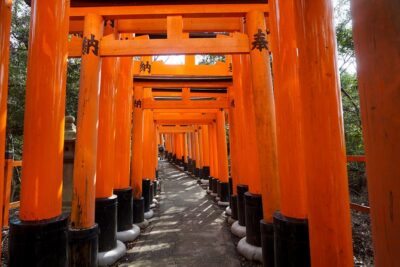
Fushimi Inari Hidden Hiking Tour (Private Option Available)
Read our review →
Kyoto/Osaka: Nara, Fushimi Inari Taisha, Arashiyama Bus Tour
Read our review →
Osaka/Kyoto: Arashiyama, Nara & Fushimi Inari Shrine w/Lunch
Read our review →
Nijo Castle, Kiyomizu & Fushimi Inari Guided Tour
Read our review →
Nijo, Kinkaku-ji, Arashiyama, Kiyomizu & Fushimi Inari
Read our review →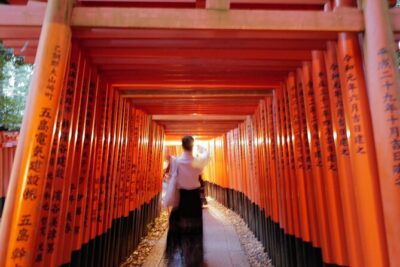
Browse the lists this tour appears in