
Reviewed · KYOTO TOURS
Gion Walking Tour by Night
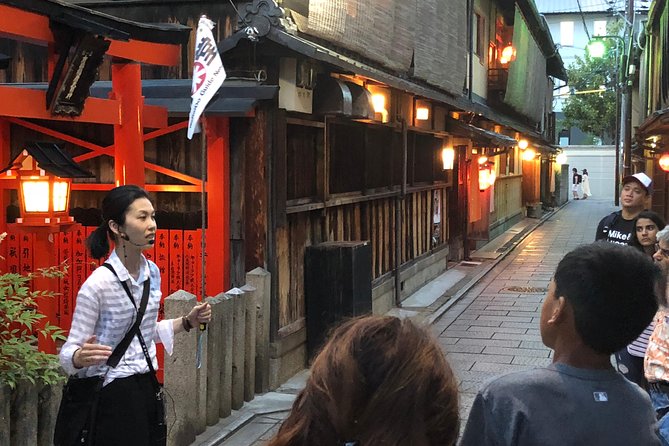
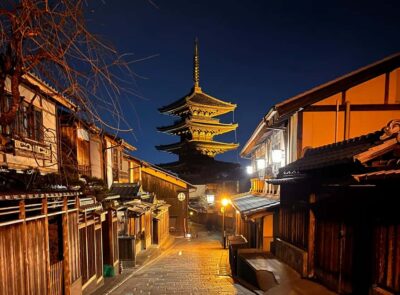
Gion changes character after sunset. Lanterns glow, the narrow lanes grow quieter, and the Shirakawa stream reflects one of Kyoto’s prettiest scenes. This two-hour evening walk gives you a guide to lead through streets that are easy to miss and harder to understand on your own.
I like two things here: the cultural explanation of geiko and maiko, and the chance to see Gion respectfully rather than simply hunt for photographs. I also like the reasonable price, $19.82 per person, which makes this an easy first-night activity in Kyoto.
The main caution is group size. The standard booking may include up to 20 people, and one account describes a group larger than expected. If you want more room for questions, choose the smaller-group option or upgrade to a private tour.
Key details of the Gion night walk
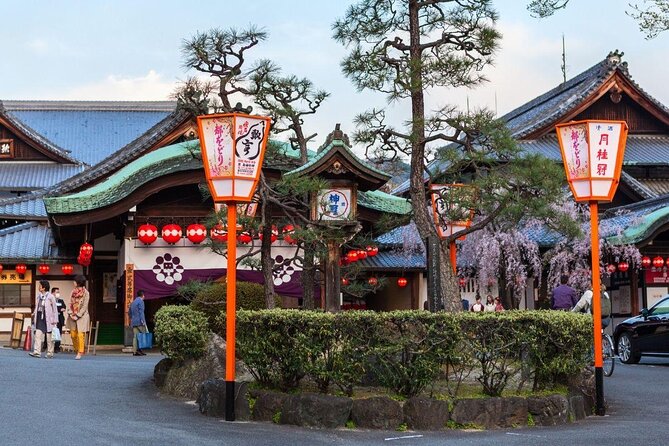
- Shirakawa after dark: Follow the cobbled streets beside the stream, a setting associated with Memoirs of a Geisha.
- Geiko and maiko explained: Learn the difference between Kyoto’s geiko and maiko, including clothing, hairstyles, makeup, training, and daily routines.
- A guide through narrow lanes: Let a local English-speaking guide handle the route through Gion’s unmarked streets.
- A two-hour introduction: The tour begins at 5:30pm and returns to the meeting point at about 7:30pm.
- Possible sightings: You may see geiko or maiko traveling to evening appointments, but no sighting is guaranteed.
- Several group choices: The regular tour has a maximum of 20 participants, while a smaller group of fewer than 12 and a private option can be selected for a different price.
Why Gion works best after sunset
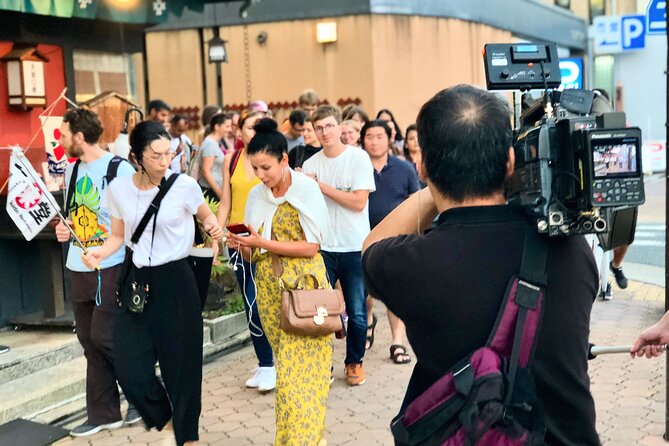
Gion is Kyoto’s traditional entertainment district, but it is not a theme park. Its appeal lies in small details: a wooden façade, a stone lane, a curtained doorway, or the quick movement of a maiko heading to an appointment.
At night, the district feels more atmospheric, and the 5:30pm start catches the change from late afternoon into evening. That timing also matters because the tour may pass through areas connected with geiko and maiko evening work. You are not simply looking at old buildings. You are learning how this part of Kyoto still functions.
The guide also helps with manners. Gion is a working neighborhood, and geiko and maiko are professionals going about their jobs. A good explanation can keep the experience from becoming a noisy photo chase. The strongest guiding on this walk appears to combine local knowledge with a light sense of humor, which makes two hours of standing and walking easier.
You should still keep expectations sensible. Gion is not a stage show, and a geiko sighting depends entirely on timing and chance. The walk is valuable even if you see none, since the main focus is the district, its customs, and the people who work there.
More geisha-district evenings:
- Kyoto Geisha Walking Tour: Gion District & Hidden Gems
★ 4.7 · 3,273 reviews - Kyoto: Gion Magical Night Walking Tour with Geisha Trivia
★ 4.9 · 2,393 reviews - Kyoto: Gion Geisha District Walking Tour – Stories of Geisha
★ 4.7 · 2,187 reviews
Meeting at 178 Tokiwacho at 5:30pm
The starting point is 178 Tokiwacho in Higashiyama Ward. The tour is near public transportation, but transportation to and from the attraction is not included, and hotel pickup is not offered.
Reception begins at 5:00pm, with the walk starting at 5:30pm. This is one detail you should take seriously. The operator says the group cannot wait for late arrivals, and one missed booking resulted from confusion over the start time. Check your final booking messages carefully, arrive early, and allow time to find the meeting point.
The tour ends where it begins. That is handy for planning dinner afterward, especially since Gion has plenty of restaurants nearby, though this experience does not include a meal or a geiko performance.
Your guide will be a professional English speaker. Several guides associated with this tour have received especially warm praise, including Mia, Mai, Cheko, and Mae. You cannot choose a particular guide unless the booking system permits it, but the recurring strength of the experience is the guide’s ability to explain Japanese terms and customs in clear English.
Following Shirakawa’s cobbled stream
The first major setting is the Shirakawa area, where a narrow stream runs beside classic cobblestone streets. It is one of the most attractive parts of Gion, particularly as evening light fades and traditional buildings line the route.
This is also the area associated with scenes from the novel and film Memoirs of a Geisha. The connection adds interest, but the film reference should not become the whole point of the walk. The district is more than a movie backdrop. Your guide places the scenery within Gion’s wider story and points out streets you might walk past without realizing their importance.
The route also includes lesser-known lanes in the geisha district. That is where a guide earns the fee. Gion’s streets can be narrow, unmarked, and confusing, especially after dark. You can walk through the area independently, but you may not know which lane has cultural importance or how to behave near private entrances.
The pace is intended for a moderate level of physical fitness. You will be walking for about two hours, often on cobblestones, so comfortable shoes are a wise choice. The route is not described as strenuous, but tired feet can spoil even the prettiest Kyoto evening.
Learning what geiko and maiko really mean
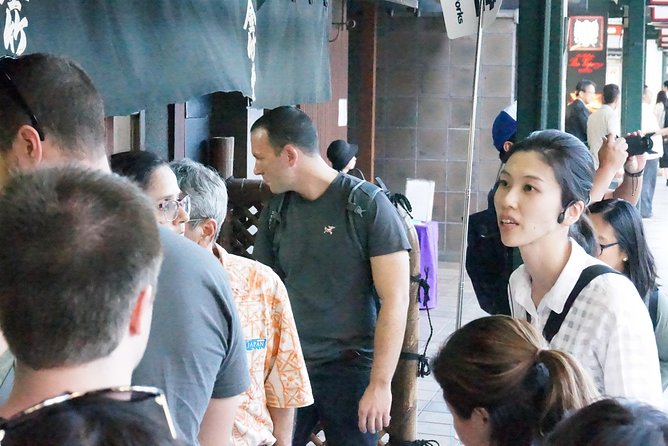
The cultural lesson is the heart of this activity. In Kyoto, geiko is the local term for a professional entertainer often called a geisha elsewhere in Japan. Maiko are younger apprentices in training. Your guide explains the difference and shows how clothing, hairstyles, makeup, and rules reflect each stage.
That detail matters because many visitors see a kimono and assume they have seen a geisha. The guide helps you notice the distinctions instead of treating every traditionally dressed woman as part of the same category.
You also learn about the training and daily life connected with Gion’s traditional entertainment houses. The discussion can include house mothers, education, tea houses, formal rules, and the way a working evening is organized. These details give you a more grounded picture than a short photo stop would.
I particularly value the translation help. Japanese words such as geiko, maiko, and related terms can be confusing when you first encounter them. An English-speaking guide can explain not just the direct translation, but also how each word fits into Kyoto culture.
The best guides make room for questions. Mia, Mai, Cheko, and Mae have each been singled out for clear explanations, humor, and a friendly manner. One especially memorable account describes a guide who recognized several geiko and maiko by name. That does not mean your guide will know everyone you see, but it shows the sort of local familiarity that can bring the district to life.
More walking tours in Kyoto:
- Night Walk in Gion: Kyoto’s Geisha District
★ 4.5 · 2,003 reviews - Kyoto Gion Geisha District Walking Tour – The Stories of Geisha
★ 5.0 · 1,441 reviews - Nishiki Market Brunch Walking Tour (7 Tastings + Brunch)
★ 5.0 · 1,355 reviews - Kyoto Arashiyama Walking Tour: Bamboo, Monkeys, Gardens & Secrets
★ 5.0 · 1,216 reviews
What happens if you see a geiko or maiko
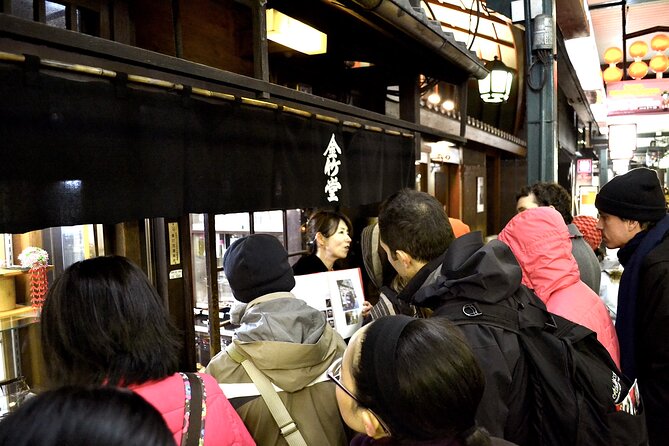
The possibility of seeing a geiko or maiko is one of the tour’s biggest draws. Evening is a sensible time for that chance, since some are traveling to appointments, but there is no guarantee.
If you do see one, your guide can help you understand what is happening and how to respond politely. The right approach is to watch quietly, avoid blocking the lane, and follow the guide’s instructions. A geiko or maiko is not a costumed performer waiting for tourists. She may be on her way to work.
Several accounts describe sightings of both geiko and maiko, including women heading to evening parties. Those moments can be memorable, but the tour should not be judged only by whether you get a photograph. If you go expecting a guaranteed encounter, you may be disappointed. If you go to learn about the district and happen to see one, the evening can feel wonderfully lucky.
This is also why a walking tour is better than wandering with a camera and a checklist. You receive context before and after a possible sighting. The people you see become part of a working culture, not just an attraction.
Group size, pace, and the private upgrade
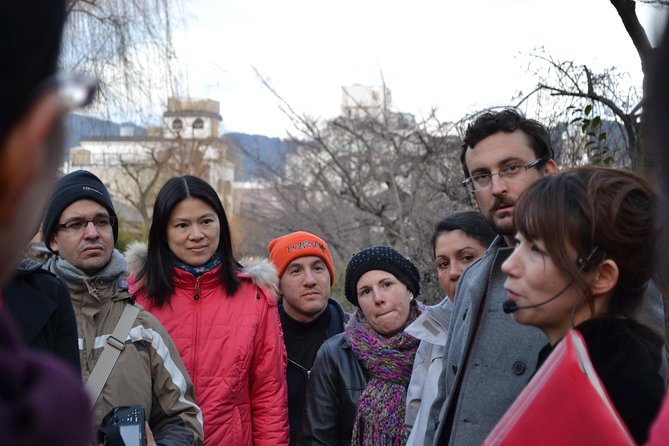
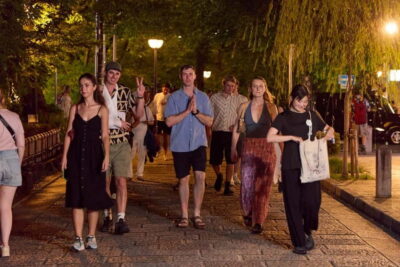
The standard tour is described as a group walk with a maximum of 20 participants. Another booking limit says no more than 15 people can be placed on a single booking, and a smaller-group option guarantees fewer than 12. These figures are not perfectly consistent, so you should treat the regular experience as potentially crowded.
A larger group is not automatically a problem. One account says the guide kept people close and spoke clearly enough for everyone to hear. Still, narrow lanes make large groups harder to manage, and you will have fewer chances to ask individual questions.
Choose the smaller group if you care about photography, want to hear every explanation, or are traveling with people who prefer a quieter pace. The private upgrade makes more sense if Gion is a major interest, if you want detailed cultural discussion, or if your schedule calls for personal attention.
The two-hour length is well judged for a first look. It gives you enough time to cover the district without turning the evening into a long march. One criticism was that the tour felt too fast and too general, and that Gion could be explored independently. That is a fair point. The value depends on how much you want interpretation. Independent walkers get freedom and a personal pace. This tour gives you direction, language help, and cultural background.
Is $19.82 good value?
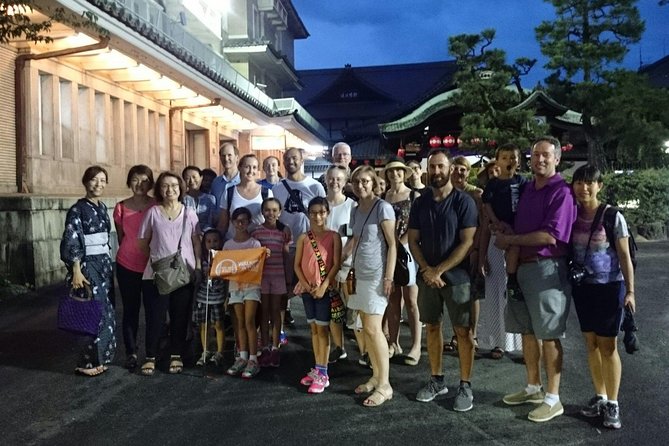
At $19.82 per person, the tour is priced as an accessible introduction rather than a luxury cultural event. You receive an English-speaking professional guide, but not transportation, food, admission tickets, or hotel pickup. The walking route itself has no separate admission charge.
I think the price works best for three types of visitors:
- First-time Kyoto visitors who want an easy orientation to Gion.
- Culture-focused visitors who want to understand geiko and maiko rather than simply photograph traditional streets.
- Short-stay visitors who need a compact evening activity near central Kyoto.
The value is less obvious if you already know Gion well or prefer to wander alone. You can walk through the district without paying, and one critical assessment felt the route could be done independently. That does not make the tour poor value. It means you are paying for interpretation and navigation, not access to a locked attraction.
The low price also lets you try a guided experience without committing to an expensive private evening. If the subject captures your interest, you can later consider a private tour or a dinner experience with a maiko, as one enthusiastic participant did after the walk. That follow-up experience is not included here, so do not confuse the walking tour with a dinner or performance.
Practical advice before you book
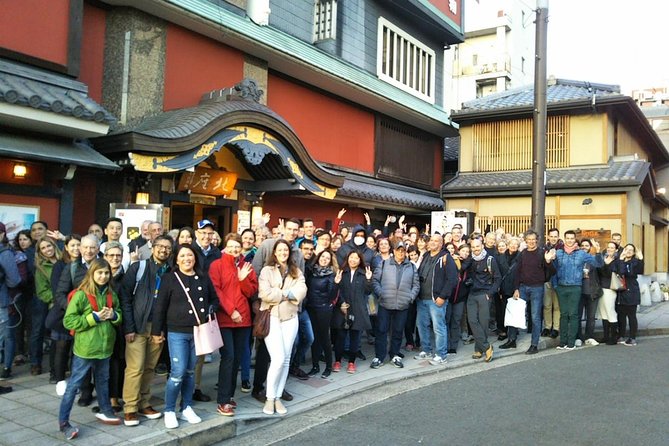
Arrive at the meeting point before 5:00pm if possible. Reception starts then, and the 5:30pm departure is firm. Save the meeting address, check the local start time, and read any updated message from the operator.
Wear comfortable shoes. Cobblestones and narrow lanes are part of the charm, but they are not ideal for thin sandals or uncomfortable dress shoes. You should also be prepared to walk for the full two hours without hotel breaks.
Children must be accompanied by an adult. The activity is not recommended for people with serious medical conditions, and a moderate level of physical fitness is expected. The supplied details do not describe wheelchair access or specific accommodations, so contact the provider before booking if you need those arrangements.
Weather can affect the tour. If poor weather forces cancellation, you will be offered another date or a full refund. You can cancel for a full refund up to 24 hours before the local start time. Cancellations or changes inside that window are not refunded or accepted.
Who should book the Gion night tour?
Book it if you want a clear introduction to Gion, prefer an English explanation, and like the idea of seeing the district at the moment it begins its evening routine. The route is especially useful early in a Kyoto stay, when you are still learning the difference between geiko and maiko and finding your way around Higashiyama.
Choose the smaller group if the price difference is manageable. The standard group can work well, but the conflicting size information means you should not assume it will feel intimate. Pick the private option if detailed questions and a flexible pace matter more than saving money.
Skip it if your ideal evening means wandering alone, stopping whenever you like, and avoiding any fixed schedule. Also skip it if your only goal is a guaranteed geiko sighting. No walking tour can promise that.
For most first-time visitors, I would book the regular tour at $19.82, arrive early, wear good shoes, and treat any geiko or maiko sighting as a bonus. The strongest reason to go is not the promise of a photograph. It is the chance to understand what you are seeing.
FAQ
How long is the Gion Walking Tour by Night?
The tour lasts approximately two hours, beginning at 5:30pm and ending back at the meeting point.
Where does the tour start?
It starts at 178 Tokiwacho, Higashiyama Ward, Kyoto, 605-0079, Japan.
Where does the tour end?
The activity ends back at the meeting point.
What time should I arrive?
Reception starts at 5:00pm, and the walking tour begins at 5:30pm. The group cannot wait for late arrivals.
Is the tour conducted in English?
Yes. A professional, English-speaking guide leads the experience and explains Japanese terms and geiko and maiko culture.
What will I learn about geiko and maiko?
The guide explains their differences, traditional kimono, hairstyles, makeup, rules, training, tea houses, and daily life.
Will I definitely see a geiko or maiko?
No. Sightings are possible but are not guaranteed.
How large is the tour group?
The activity can have up to 20 participants. A smaller-group option with fewer than 12 people is available for a different price.
Is transportation included?
No. Transportation to and from the attractions, as well as hotel pickup and drop-off, is not included.
Can I cancel for a full refund?
Yes. You can cancel at least 24 hours before the local start time for a full refund. Cancellations or changes made less than 24 hours before the start are not refunded or accepted.
More Evenings Out in Kyoto
- Kyoto Night Foodie Tour in Gion (9+ dishes + 6 Sake tastings)
★ 5.0 · 1,762 reviews - Kyoto Gion Night Walk & Geisha District Guided Tour
★ 5.0 · 786 reviews - Kyoto Ghost Tour: Dark Tales, Urban Legends, Bamboo Forest Night
★ 5.0 · 625 reviews - Kyoto Bar Hopping Night Tour
★ 5.0 · 613 reviews
Just added around Kyoto
- Kyoto: Zen Meditation at a Private Temple with a Monk★ 5.0 · 25 reviews
- Kyoto: Gion Geisha District & Sake-in-Hand Walking Tour★ 5.0 · 37 reviews
- Private Pewter Sake Cup Experience with a Kyoto Artisan★ 5.0 · 31 reviews
- Your Private Vacation Photography Session In Kyoto★ 5.0 · 110 reviews
- Private Guided Traditional Buddhist Cooking in Japan★ 5.0 · 16 reviews
- Kyoto Wagashi(Japanese sweets) Cooking Class near Fushimiinari★ 5.0 · 60 reviews
- Traditional Japanese Music show & Experience Tour in Kyoto★ 5.0 · 57 reviews
- Kyoto:Family-Friendly Kimono & Yukata Experience at WARGO★ 5.0 · 147 reviews
Kyoto Tours, compared.
Fushimi Inari, Kinkakuji, Bamboo Grove 1 Day Bus Tour
Read our review →
Tea Ceremony in a Traditional Tea House in Kiyomizu
Read our review →
Kyoto Geisha Walking Tour: Gion District & Hidden Gems
Read our review →
Gion Magical Night Walking Tour with Geisha Trivia
Read our review →
Gion Geisha District Walking Tour – Stories of Geisha
Read our review →Browse the lists this tour appears in