
Reviewed · KYOTO TOURS
Kimono Tea Ceremony Experience at Kyoto Oritzuruya, Nishiki
Kyoto’s tea ceremony can look formal enough to scare off a first-timer. This experience makes the customs approachable: you choose a kimono, receive help dressing, sit in an elegant tea room, and learn to whisk matcha with a bamboo chasen. I especially like the 200-plus kimono designs and the small group, capped at 10 people.
I also like that you do more than pose for pictures. You taste matcha with wagashi sweets from a century-old confectioner, learn the purpose of the cleansing ritual, and can add a private calligraphy lesson. The main consideration is focus: the kimono dressing takes a large share of the 90 minutes, so anyone seeking a long, highly academic tea lesson may find the ceremony brief.
Key points to know before booking
- Choose from more than 200 kimono designs, with staff helping you select the robe, obi, cords, sandals, and hair accessories.
- Simple hairstyling is included for women, along with a choice of hair sticks, flowers, or other adornments.
- The tea lesson is hands-on in one important way: you whisk and prepare your own bowl of matcha, though the instructor performs much of the formal ceremony.
- Wagashi sweets and matcha are included, giving the ceremony a proper pairing rather than just a quick cup of tea.
- The small group is limited to 10 people, which keeps the presentation more manageable than a large cultural show.
- Optional calligraphy makes a useful souvenir, especially if you want something more personal than photographs.
What the 90-minute Kyoto experience is really about
At $50.87 per person, this is best understood as a combined kimono, hairstyling, matcha, and cultural demonstration rather than a lengthy tea-school lesson. That distinction matters. You are paying for several connected experiences in a short block of time, and the costume preparation is part of the attraction, not just a warm-up.
The setting is Nishiki Orizuruya at 452 Jūmonjichō, Nakagyo Ward, close to Nishiki Market and public transportation. That location makes the activity easy to fit into a day of central Kyoto sightseeing. You can visit the market before or after, though you should leave enough time to arrive at the stated meeting point rather than trying to squeeze in one last snack.
The group limit of 10 is a useful feature. The dressing process involves individual attention, and a crowded room would make the experience feel like a costume queue. With a smaller group, staff can help with clothing choices and the instructor can demonstrate the tea ritual without trying to compete with a large audience.
Still, small-group does not mean private. The experience may feel commercial, especially during the clothing and photo portions. That is not automatically a flaw. It simply tells you what kind of cultural outing this is: friendly, polished, and designed to give first-time visitors a clear introduction.
More Kimono Experiences in Kyoto
- Kimono Tea Ceremony at Kyoto Maikoya, NISHIKI
★ 5.0 · 911 reviews - Kyoto: Kimono Rental with Hairstyling and Accessories
★ 4.8 · 653 reviews - Kyoto: Kimono Tea Ceremony at Orizuruya Gion
★ 4.9 · 618 reviews
Choosing a kimono from more than 200 designs
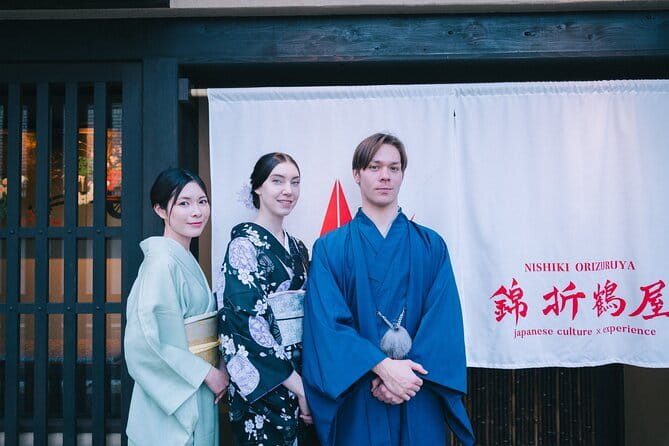
The clothing selection is one of the strongest parts of the visit. You choose your preferred pattern from a very broad range of colors and designs, then select coordinating pieces such as the obi sash, obijime cord, sandals, and hair ornaments.
I like this arrangement because it gives you a small creative decision instead of handing you a random costume. The staff help match the pieces and handle the technical work. You are not expected to know how a kimono should fit or how its layers should be arranged.
For women, simple hairstyling is included. You can choose adornments such as hair sticks, flowers, or pins, and the staff create a traditional look before you enter the tea room. The styling is not described as a full makeup or salon service, so set your expectations accordingly. A few people may wish makeup were included, but the included hair arrangement still adds a great deal to the finished appearance.
The dressing itself takes time because a kimono is not simply a robe tied around the waist. Staff arrange the layers, secure the sash, and adjust the outfit so it looks correct. That careful process is part of the lesson, but it also explains why some of the tea instruction can feel short.
The clothing selection includes a wide range of sizes. Plus-size participants have been able to choose from several suitable options rather than being limited to one plain design. Staff have also worked thoughtfully with different hair types, including styling textured hair. If fit is a concern, this broad selection is reassuring, though the supplied information does not provide exact size limits.
You may also receive a light, moisture-wicking underlayer beneath the kimono. That is a practical touch, particularly if you are visiting Kyoto during warmer weather.
Entering the tea room and learning the cleansing ritual
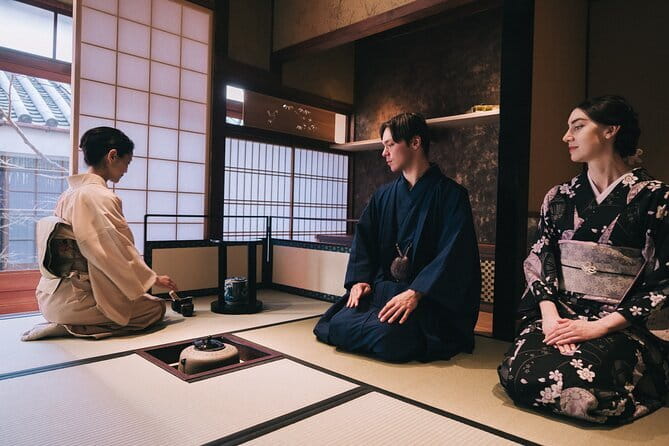
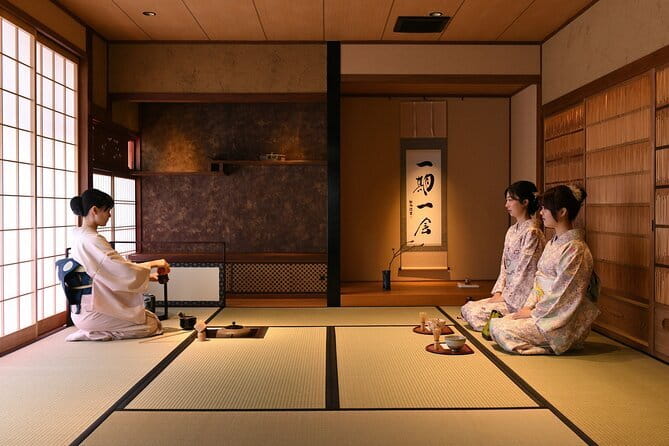
Once dressed, you move into the tea room and begin the formal portion. The instructor explains the sequence of the ceremony, including the purification or cleansing steps that take place before the tea is prepared and served.
This is where the experience offers more than a dress-up session. Japanese tea ceremony is built around deliberate actions: preparing the space, welcoming the people present, handling the utensils, and making the tea with care. Even a short explanation helps you understand that the ceremony is not simply about drinking powdered green tea.
The atmosphere is designed to be calm. The slow movements and quiet setting offer a welcome change from Kyoto’s busy shopping streets. You learn how each motion has a purpose, though the amount of historical and spiritual explanation can depend on the instructor and the pace of the group.
The formal demonstration is largely performed by the tea instructor. You watch the ceremony and follow the etiquette, but you do not conduct every stage yourself. This is an important point for anyone booking specifically to participate in a full tea ceremony. Your hands-on role centers on preparing your own matcha rather than leading the formal service from start to finish.
The presentation includes time for questions, but it is not a long seminar. If you want detailed instruction on tea schools, philosophy, or the fine differences between ceremonial movements, a specialist workshop would likely be a better fit. For a first encounter during a busy Kyoto itinerary, the shorter format can be just right.
Whisking your own matcha with a bamboo chasen
The most practical skill you take away is matcha preparation. You receive the traditional bamboo whisk, called a chasen, and learn how to turn powdered tea and hot water into a smooth, foamy bowl.
The instructor guides you through the basic technique, then gives you a chance to make your own drink. This is a simple but satisfying part of the activity because it changes you from a spectator into a participant. You can see how much movement is needed, how the whisk feels in your hand, and why the tea needs to be mixed carefully.
Your bowl is served with wagashi, a Japanese sweet from a century-old confectionery. The pairing is not incidental. Traditional sweets balance matcha’s strong, grassy bitterness, and the contrast makes the tea easier to appreciate if you usually prefer sweet drinks.
The tea itself may be an acquired taste. Matcha is concentrated, earthy, and more assertive than ordinary green tea. The lesson gives you a better sense of how it is meant to be enjoyed, rather than treating it as a novelty drink.
Because the formal service is performed by the instructor, the whisking activity is the clearest moment of direct participation. If you book expecting to recreate every ceremonial movement, you may feel shortchanged. If you want to learn the basic method and understand the rhythm of the ceremony, it works well.
More Tea Ceremonies in Kyoto
- Kyoto: Tea Ceremony in a Traditional Tea House in Kiyomizu
★ 4.9 · 3,519 reviews - Kyoto: Tea Ceremony Ju-An at Jotokuji Temple
★ 4.9 · 3,207 reviews - Kyoto: 45-Minute Tea Ceremony Lesson Experience
★ 4.3 · 2,378 reviews - Kyoto: Table-Style Tea Ceremony at a Kyo-Machiya
★ 4.9 · 1,211 reviews
Adding calligraphy for a keepsake
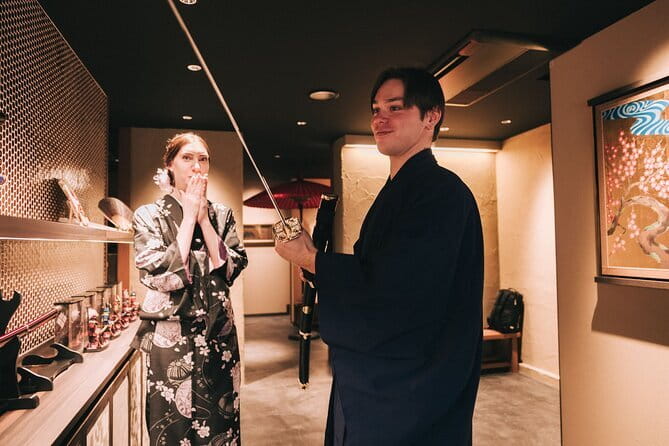
Calligraphy is an optional add-on, not part of the standard package. It gives you a chance to learn the basics of Japanese brush writing and produce a piece to take home.
I see this as a strong addition for people who want a physical reminder of Kyoto beyond digital photographs. A calligraphy sheet has a personal quality, especially when you choose the character or word you wish to write. One participant created the kanji for Beautiful, which makes a fitting souvenir from a kimono and tea morning.
The calligraphy session can also balance the costume focus. The kimono provides the visual memory, while calligraphy gives you a small skill and a handmade object. Since it costs extra, check the booking options and allow enough time if you want both activities.
The supplied details do not state the add-on price or exact length, so you should confirm those points before paying. The lesson has been offered privately, which can make it more useful than a quick group demonstration.
Photos, walking outside, and the practical timing
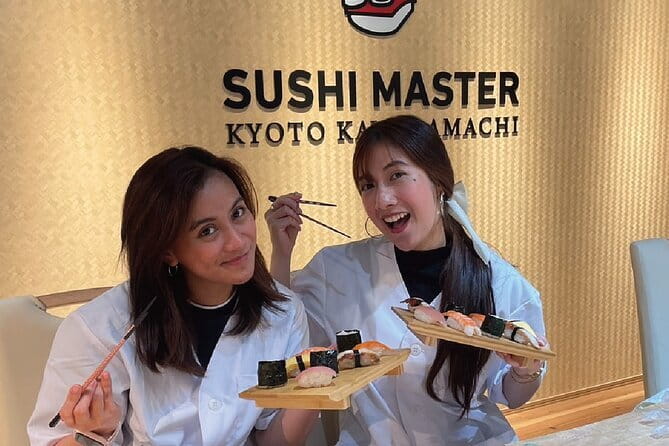
The activity includes time for photographs in your finished kimono. Staff may take a few pictures, and you can also use the nearby streets and shops for your own photos.
A particularly nice feature is the option to continue wearing the kimono outside afterward until the venue closes at 18:00. This gives you more value than a costume worn only for the ceremony. You can walk around the Nishiki area and take pictures, though you remain responsible for returning on time and for your own transportation.
The outfit is beautiful but not designed for a long-distance hike. Kyoto’s central streets can be uneven, and a kimono restricts your stride. Keep your outing nearby and relaxed rather than planning a full afternoon of temples on foot.
The tea room may require sitting on the floor, but a chair and small table can be provided for someone who cannot sit comfortably that way. That flexibility is helpful for older participants or anyone with knee problems. You should mention your needs to staff rather than waiting until the ceremony begins.
The entire experience lasts about 1 hour and 30 minutes. Allow extra time before the start for finding Nishiki Orizuruya and checking in. You will need to show the live voucher page on your smartphone by opening the link sent after booking and pressing the Use button. Screenshots and printed tickets are not accepted, and your phone must have an internet connection.
What is included, and what is not
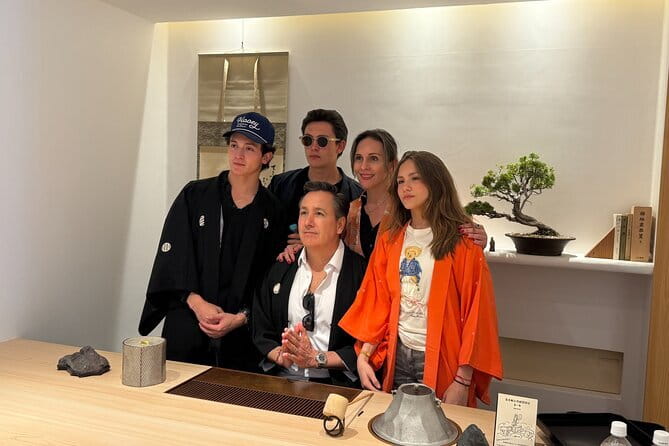
The $50.87 price includes the kimono, simple hairstyling for women, tea utensils, matcha, wagashi sweets, a licensed guide, and all listed taxes and fees. Transportation to and from the venue is not included, and there is no hotel pickup or drop-off.
That package offers solid value if you want several Kyoto activities in one compact visit. Kimono rental alone can take up much of a day, while this experience combines dressing, hair, ceremony, matcha preparation, and photographs in a single appointment.
The value is weaker if your only goal is serious tea study. Much of the appointment goes toward selecting clothing, dressing, styling, and taking pictures. The tea ceremony itself is meaningful but relatively short, and your role is mainly to watch the formal service and prepare your own bowl.
At 97 percent recommended and a 4.9 rating from 116 reviews, the experience has a strong record overall. The most consistent strengths are the kind staff, the quality and range of the kimono choices, the hair styling, and the pleasant tone of the ceremony. The main criticism is also clear: some people find it staged or too focused on costumes and photos.
That split makes the buying decision easy. You should book it for an accessible cultural introduction with a strong visual element. You should look elsewhere if you want an advanced study of tea ceremony etiquette, philosophy, and lineage.
Who will enjoy this most
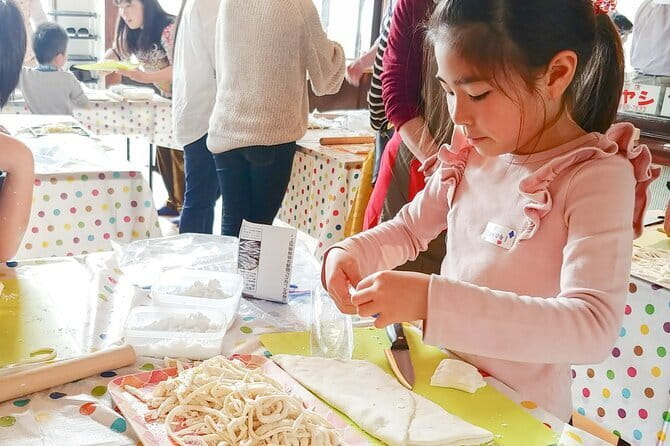
I would recommend this experience to first-time visitors who want a gentle introduction to Japanese customs without worrying about making an etiquette mistake. The instructor gives you a structure to follow, while staff handle the difficult parts of dressing.
It is especially well suited to couples, families, honeymooners, and friends who enjoy photographs and hands-on activities. The calligraphy option makes it even better for anyone who wants a lasting souvenir.
It can also work well in a packed Kyoto schedule. The activity takes roughly 90 minutes, is near central sightseeing, and provides several distinct experiences without requiring a full day.
You may want to skip it if you dislike staged cultural activities, feel uncomfortable wearing traditional clothing, or want to spend most of your time studying tea preparation. The experience is polished and tourist-friendly, not an austere tea-school apprenticeship.
Booking, cancellation, and weather details
Free cancellation is available if you cancel at least 24 hours before the local start time. Changes made within 24 hours are not accepted, and late cancellations are not refunded.
If you need a different date or time, you must cancel the original booking and make a new one. The activity also requires good weather, and if poor weather causes cancellation, you will be offered another date or a full refund.
The experience is capped at 10 people. Since the staff need time to dress and style each participant, arriving promptly is important. Bring the smartphone used for the booking, make sure it has an internet connection, and open the voucher page before you reach the desk.
Should you book the Kyoto kimono tea ceremony?
Book it if you want to wear a well-chosen kimono, have your hair styled, learn the basic matcha technique, and experience a formal Kyoto tea setting without a large commitment of time. The staff attention, broad clothing selection, sweets, and optional calligraphy give the morning plenty to do for the price.
Go in with the right expectations. You watch much of the formal tea service, and the ceremony may feel brief beside the dressing and photo session. But for a friendly introduction to Japanese culture near Nishiki Market, this is a sensible choice, especially if you value participation, keepsakes, and good photographs as much as scholarly detail.
FAQ
Where does the tea ceremony take place?
The experience begins and ends at Nishiki Orizuruya, 452 Jūmonjichō, Nakagyo Ward, Kyoto, 604-8121, Japan. It is near public transportation and close to Nishiki Market.
How long does the experience last?
The activity lasts approximately 1 hour and 30 minutes.
What is included in the price?
The price includes wagashi sweets and matcha, a kimono costume, tea utensils, simple hairstyling for women, all fees and taxes, and a licensed guide.
Is transportation included?
No. You are responsible for your own transportation to and from the meeting point. Hotel pickup and drop-off are not included.
Can I choose my own kimono?
Yes. You can select from more than 200 kimono designs, with staff helping you choose the clothing and accessories.
Is calligraphy included?
Calligraphy is an optional add-on and is not part of the standard inclusions.
What happens if I need to cancel?
You can receive a full refund if you cancel at least 24 hours before the experience start time. Cancellations or changes made less than 24 hours in advance are not accepted for a refund.
Just added around Kyoto
- Kyoto: Zen Meditation at a Private Temple with a Monk★ 5.0 · 25 reviews
- Kyoto: Gion Geisha District & Sake-in-Hand Walking Tour★ 5.0 · 37 reviews
- Private Pewter Sake Cup Experience with a Kyoto Artisan★ 5.0 · 31 reviews
- Your Private Vacation Photography Session In Kyoto★ 5.0 · 110 reviews
- Private Guided Traditional Buddhist Cooking in Japan★ 5.0 · 16 reviews
- Kyoto Wagashi(Japanese sweets) Cooking Class near Fushimiinari★ 5.0 · 60 reviews
- Traditional Japanese Music show & Experience Tour in Kyoto★ 5.0 · 57 reviews
- Kyoto:Family-Friendly Kimono & Yukata Experience at WARGO★ 5.0 · 147 reviews
Kyoto Tours, compared.


Fushimi Inari, Kinkakuji, Bamboo Grove 1 Day Bus Tour
Read our review →
Tea Ceremony in a Traditional Tea House in Kiyomizu
Read our review →
Kyoto Geisha Walking Tour: Gion District & Hidden Gems
Read our review →

Gion Magical Night Walking Tour with Geisha Trivia
Read our review →

Gion Geisha District Walking Tour – Stories of Geisha
Read our review →Browse the lists this tour appears in