
Reviewed · BAMBOO GROVE TOURS
Kyoto Arashiyama Bamboo Forest & Scenery Customized Private Tour
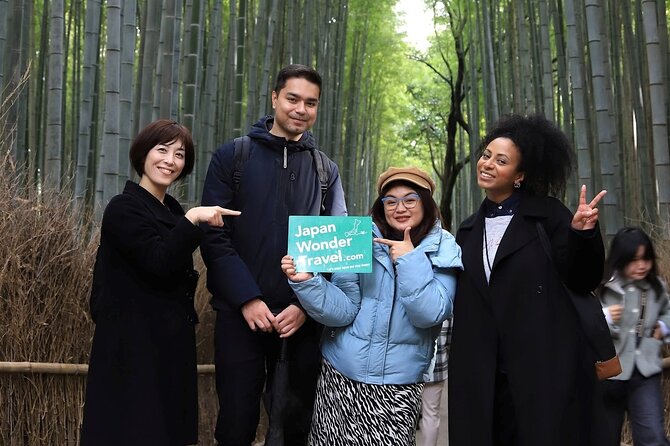
Arashiyama’s bamboo path is Kyoto’s great photographic magnet, but the best part of this private walk is the chance to move beyond it. With a guide, you can pair the famous grove with a Zen garden, a quiet hillside temple, or the old buildings of Saga Toriimoto instead of simply joining the crowd, taking a few photos, and leaving.
I like the freedom to choose two or three stops. I also like the personal attention. Guides such as Fuji, Kazu, Takuma, Yasuna, and Osamu have been praised for clear English, patient pacing, strong local knowledge, and adjusting the walk to each group.
The main consideration is cost and logistics. At $132.14 per person, this is not a cheap sightseeing walk, and entrance fees, trains, buses, taxis, and any private vehicle cost extra. You also meet at JR Saga-Arashiyama Station and return there, so hotel pickup is not part of the deal.
Key points to know before booking
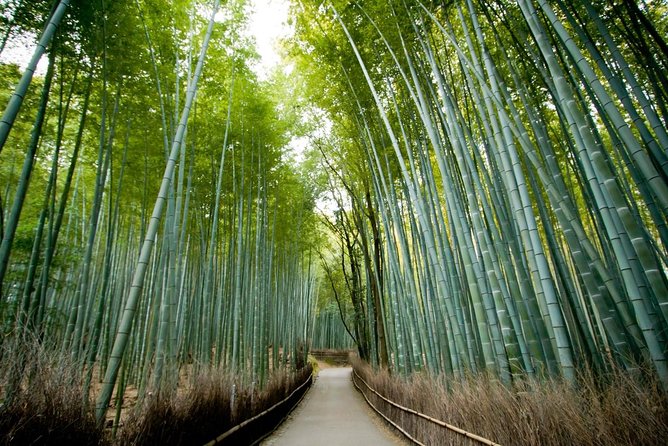
- The bamboo grove is only one part of the day: You can combine it with Tenryu-ji, Okochi Sanso Garden, Jojakko-ji, or quieter Sagano sights.
- Your group gets a private guide: Only your own party participates, which makes questions, photo stops, and changes to the route much easier.
- You choose the focus: The tour can lean toward temples, gardens, scenery, traditional streets, or a mixture of the area’s main sights.
- You will walk a fair amount: Comfortable shoes matter, and a moderate level of fitness is expected.
- Admission and transport are extra: This keeps the route flexible, but your final cost depends on the places you select.
- The experience runs in most conditions: It operates rain or shine, so check the forecast and bring suitable clothing.
Starting at JR Saga-Arashiyama Station
Your meeting point is in front of a ticket gate at JR Saga-Arashiyama Station. This is practical if you are coming from central Kyoto by train, but it is not the same as being collected at your hotel. You need to reach western Kyoto on your own and arrive ready to start walking.
For many people, this is a simple arrangement. The station is near public transportation, and one detailed account described the journey from Kyoto Station as straightforward, taking about 30 minutes and being covered by a JR Pass. Your exact route and fare depend on where you begin and what rail pass, if any, you use.
I would allow extra time for the first journey. Kyoto’s rail network is manageable, but stations can be busy and signs may take a moment to decode. The operator has provided meeting instructions with station details, and the guide waits at the stated gate rather than at a hotel lobby.
Once you meet, use the first few minutes well. Tell the guide what matters most to you: bamboo photographs, Zen temples, autumn leaves, traditional architecture, mountain views, or a gentler route. Since the tour is private, this conversation is more useful than it would be on a fixed group excursion.
More Arashiyama and bamboo walks:
- Kyoto: Fushimi Inari, Kinkakuji, Bamboo Grove 1 Day Bus Tour
★ 4.8 · 4,316 reviews - Osaka/Kyoto:Kinkakuji,Arashiyama,FushimiInariShrine,NaraPark
★ 4.1 · 1,596 reviews - Kyoto/Osaka: Nara, Fushimi Inari Taisha, Arashiyama Bus Tour
★ 4.7 · 1,275 reviews
Togetsukyo Bridge and the first Arashiyama views
Togetsukyo Bridge is one of Arashiyama’s signature sights. The 155-meter bridge crosses the Katsura River, with the Arashiyama mountains behind it. It is an easy place to begin because it gives you an immediate sense of the district’s setting before you enter the temple lanes and bamboo paths.
The bridge itself does not require an admission ticket. It is best treated as a viewpoint and orientation stop rather than a long attraction. Your guide can explain how the river, hills, temples, and former villa grounds fit together, giving the rest of the walk a clearer shape.
Expect this area to be popular, especially during the spring blossom period and autumn color season. A private guide cannot remove the crowds, but can help you spend less time wandering without a plan. If the bridge is packed, your guide can adjust the timing or move you toward a quieter nearby stop.
Tenryu-ji’s Zen garden and mountain backdrop
Tenryu-ji is the major temple choice on this route and one of Kyoto’s most important Zen temples. It is a UNESCO World Heritage Site, but the designation is not the main reason to visit. The temple’s garden is the real draw, with carefully arranged plants, water, stones, and views toward the surrounding mountains.
Admission is not included for you or your guide. That extra charge is worth considering when you choose your two or three sites. If you want one substantial temple experience rather than several quick exterior views, Tenryu-ji is a sensible pick.
The garden changes with the seasons. Spring brings blossoms, summer has full plant growth, autumn is known for color, and winter offers a quieter, more restrained look. Your guide can help you read the garden rather than treating it as a backdrop for photographs.
I would not try to fit every possible temple into four hours. Tenryu-ji, the bamboo grove, and one additional stop already create a satisfying half-day. Adding too many ticketed sites can turn the outing into a race, especially when walking time and transport are included.
The bamboo forest, beautiful but busy
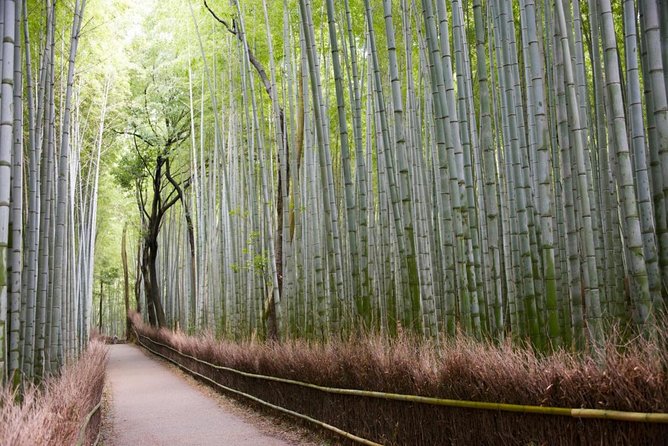
The Bamboo Forest Street is the tour’s headline stop. Tall bamboo rises on both sides of the path, creating a narrow green corridor and a striking change from the open views near the river. It is easy to understand why this is one of Kyoto’s most photographed places.
It is also the part most likely to feel crowded. You may need patience for photographs, and the path can be less peaceful than promotional images suggest. A guide helps by giving the stop context and showing you what else to see in Arashiyama, so the outing does not depend on one famous lane meeting impossible expectations.
The bamboo path is free to enter. Still, free does not mean quick or private. Give yourself time to walk at the pace of the group, listen to the guide, and take photographs without blocking the narrow route.
This is where the private format earns its keep. You can ask for a slower pace, pause for pictures, or move on when you have had enough. In a large group, those small decisions are harder to make.
A few more Kyoto half-days to weigh up
- PERFECT KYOTO 1-Day Bus Tour
★ 5.0 · 13,518 reviews - Kyoto: Tea Ceremony in a Traditional Tea House in Kiyomizu
★ 4.9 · 3,519 reviews - Kyoto Geisha Walking Tour: Gion District & Hidden Gems
★ 4.7 · 3,273 reviews - Kyoto: Tea Ceremony Ju-An at Jotokuji Temple
★ 4.9 · 3,207 reviews
Okochi Sanso Garden for a quieter garden visit
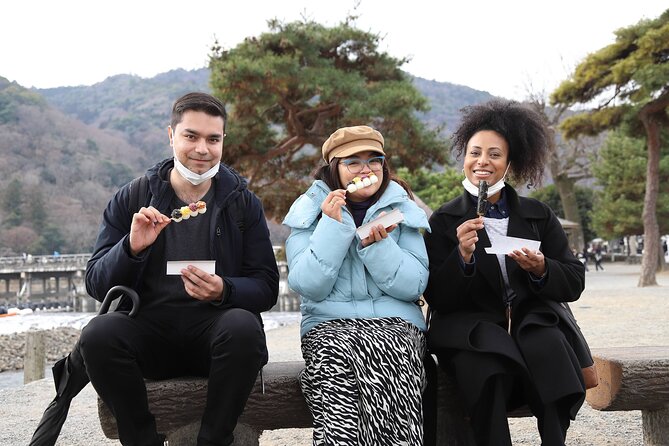
Okochi Sanso Garden was developed over about 30 years by Denjiro Okochi, a well-known actor in samurai films. The villa grounds cover roughly 19,800 square meters and include garden scenery with seasonal interest.
Admission is extra, and this is another reason to discuss priorities before setting out. If you want gardens and views, Okochi Sanso may be a better match than adding several smaller temples. If your main goal is religious architecture, you may prefer to spend your budget elsewhere.
The garden is particularly appealing during cherry blossom season and in autumn. Because it is a villa garden rather than simply a temple precinct, it adds a different tone to the day. You get cultivated grounds, open views, and a sense of the private retreat once created here.
Jojakko-ji and Nison-in on Mt Ogura
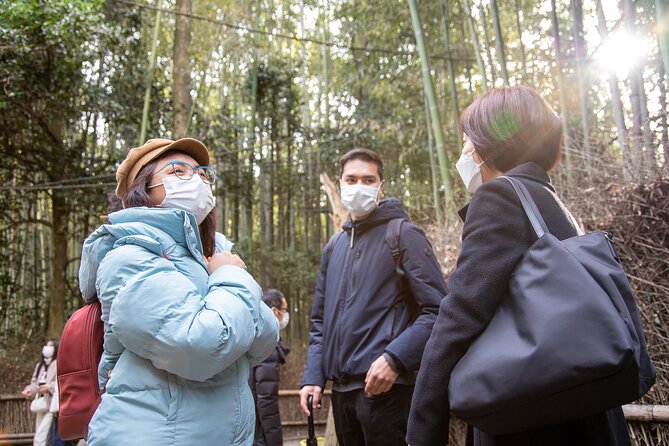
Jojakko-ji sits on the hillside of Mt Ogura, an area associated with autumn foliage since the late Heian period. About 200 old maple trees add seasonal color, and the hillside setting gives the temple a more wooded feel than the broad garden at Tenryu-ji.
Nison-in is another quiet temple in the area. Its name comes from the two principal Buddhist images enshrined there, and the grounds are known for scenery and autumn leaves. Both temples are useful choices if you want to spend more time away from Arashiyama’s busiest core.
Each has an admission fee, and visiting both may use a large part of your four-hour schedule. The route also involves walking on slopes and through temple grounds, so these are not the best choices if you want a completely flat outing.
For an autumn visit, I would ask your guide which hillside temple best suits the day. For a first visit in another season, Tenryu-ji may provide a stronger all-around introduction, while Jojakko-ji or Nison-in can be chosen for a quieter mood.
Giōji and Adashino Nembutsu-ji
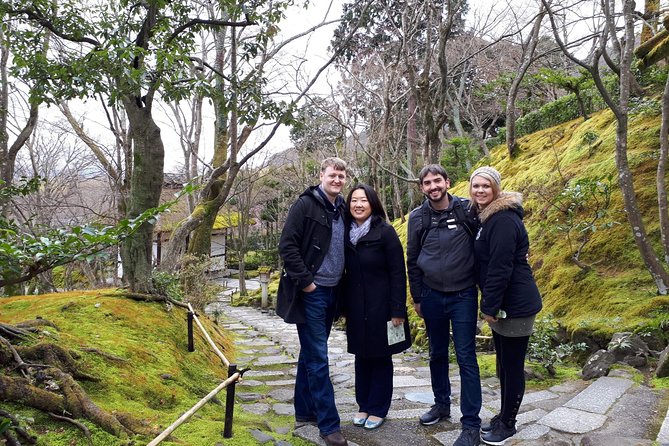
Giōji is tied to a tragic love story involving a dancer who became a nun after losing the favor of a powerful figure. The temple is known for its mossy setting and intimate scale, making it a reflective stop rather than a grand monument.
Adashino Nembutsu-ji has a more solemn purpose. The area has served as a burial ground since ancient times, and stone Buddhas were dedicated to mourn the dead. The approach and grounds invite a slower, more respectful visit.
These sites show why a customized tour can be more rewarding than a checklist route. You are not limited to the most famous attractions. If you care about local stories, religious traditions, or quieter spaces, tell your guide early and ask to include one of these temples.
Admission is not included. You should also remember that the more distant Sagano stops take time to reach. A route built around Giōji and Adashino Nembutsu-ji will feel different from a compact walk centered on the bridge, Tenryu-ji, and bamboo.
Otagi Nenbutsu-ji and Saga Toriimoto
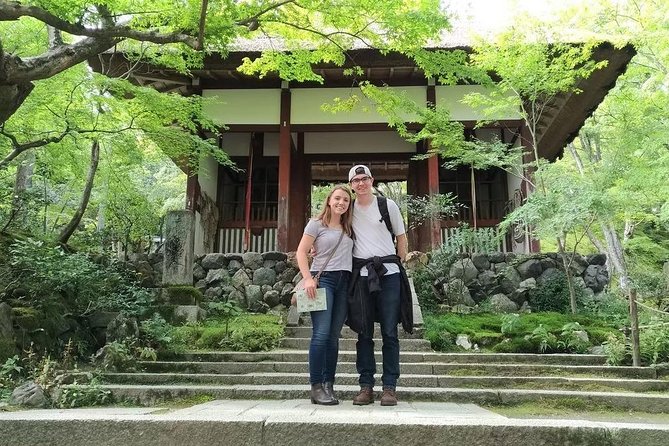
Otagi Nenbutsu-ji has origins reaching back to the eighth century. It later suffered abandonment, including damage from a 1950 typhoon, before being restored as a temple site. Its distance from the main Arashiyama sights makes it appealing for people who want to see more of Sagano.
Saga Toriimoto Traditional Buildings Preservation Area lies near the far end of Sagano along the road leading toward Atago Shrine. The roughly 600-meter conservation area includes farmhouse-style buildings and thatched roofs, offering a look at older rural architecture.
Saga Toriimoto is free to visit. Otagi Nenbutsu-ji charges admission. Including both creates a longer, more outlying route, so you should not pair them with every other stop on the list.
I would choose this direction if you have already seen central Arashiyama or if traditional streets matter more to you than ticking off the famous bamboo photograph. It is also a good way to make the private format feel genuinely personal rather than simply hiring a guide for the standard route.
Monkey Park Iwatayama for animal lovers
Monkey Park Iwatayama is home to about 120 Japanese macaques living in the wild. It offers a nature-focused change from temples and preserved buildings.
The park requires an admission fee and adds physical effort to the day. Since the tour already includes moderate walking, ask about the route before choosing it. If you are traveling with children or especially enjoy wildlife, it may be worth giving the park priority. If you prefer gardens and cultural sites, another stop will probably suit you better.
The important point is that you cannot realistically see every listed attraction during a four-hour private walk. The stop list is a menu, not a promise that all twelve places will fit.
How the private guide changes the experience
A private guide is most useful here for interpretation and route choices, not simply for leading you from one gate to another. The district contains famous sights, small temples, old roads, gardens, and transport decisions. A local guide helps you connect them and decide what deserves your limited time.
The guide names associated with highly praised outings include Takuma Goda, Osamu, Fuji, Yasuna, Kazu, Naomi, Yumiko, Koji, Akiko, and Risako. You cannot assume a particular person will be assigned, but the strongest pattern is clear: the best guides adjust the pace, answer questions, explain local customs, and make the walk feel personal.
One useful detail is the flexibility around timing. Groups have been able to pause often for photographs, ask many questions, and, in some cases, extend beyond the planned duration when the guide’s schedule allowed. Do not count on an extension, but do tell your guide if you prefer a relaxed walk over a tightly packed program.
The experience is conducted in English by a licensed local guide. Public transportation or local taxis may be used between selected places, but those fares are not included. A private van is also not included, so this is best understood as a guided walking tour with possible short transfers, not a chauffeured sightseeing trip.
Is $132.14 per person good value?
The price makes the most sense for a small party that values a private guide. If you are traveling alone or as a couple, the per-person cost is significant. For a family or group, the private format can offer better value because everyone follows one route and receives direct attention.
You must add entrance fees for the selected temples and gardens. You also pay for trains, buses, or taxis used during the route, and the amount varies with your choices. That makes the advertised price a starting point rather than the final cost.
I would compare this with the cost of hiring a guide for a fixed route, but the key benefit here is flexibility. You are paying to shape the four hours around your interests and to avoid losing time figuring out the district on your own.
Group discounts are available, and the ticket is mobile. Free cancellation is available if you cancel at least 24 hours before the start time. Changes or cancellations inside that window are not accepted for a refund.
Who should book this Arashiyama walk?
I would recommend it to first-time Kyoto visitors who want more than a quick bamboo stop, families who need a flexible pace, and anyone interested in combining major sights with quieter Sagano locations. It also suits solo visitors who want conversation and local context without joining a large group.
It is less suitable if you want a luxury vehicle, hotel pickup, or a fully fixed sightseeing schedule. It is also a poor fit if four hours of walking and some hills sound tiring.
Wear comfortable shoes. Bring rain protection because the tour operates in wet weather, and remember that a rainy day may change how long you want to spend at outdoor viewpoints. The route can be adapted, but the ground and weather cannot.
My verdict: book it for choice, not just bamboo
You should book this tour if you want a guide to help you choose between Arashiyama’s many temples, gardens, old lanes, and viewpoints. The bamboo grove is worthwhile, but the real value comes from building a sensible route around it.
For the strongest four-hour plan, I would consider Togetsukyo Bridge, Tenryu-ji, the Bamboo Forest Street, and one quieter stop such as Jojakko-ji, Giōji, or Saga Toriimoto. If you have already seen the central sights, point the guide toward Otagi Nenbutsu-ji and the farther Sagano area.
The price is fair for a genuinely private experience, but only if you are comfortable paying extra for admissions and transport. If that works for your budget, this is a practical way to see Arashiyama with more context, less guesswork, and a route shaped around what you actually want to remember.
FAQ
How long does the Kyoto Arashiyama private tour last?
The tour lasts approximately four hours.
Where does the tour begin and end?
It begins at JR Saga-Arashiyama Station, in front of a ticket gate, and ends back at the same meeting point.
Is hotel pickup included?
No. Hotel pickup and drop-off are not included. You must reach Saga-Arashiyama Station on your own.
Is transportation included during the tour?
No. Public transportation or local taxis may be used, but transportation fees are not included. A private van is also not included.
Are temple and garden admission fees included?
No. Entrance fees for you and the guide are optional extra costs and depend on the places selected.
Is this a private tour, and can the itinerary be customized?
Yes. Only your own group participates, and you can choose two or three places to visit from the suggested Arashiyama and Sagano stops.
Just added around Kyoto
- Kyoto: Zen Meditation at a Private Temple with a Monk★ 5.0 · 25 reviews
- Kyoto: Gion Geisha District & Sake-in-Hand Walking Tour★ 5.0 · 37 reviews
- Private Pewter Sake Cup Experience with a Kyoto Artisan★ 5.0 · 31 reviews
- Your Private Vacation Photography Session In Kyoto★ 5.0 · 110 reviews
- Private Guided Traditional Buddhist Cooking in Japan★ 5.0 · 16 reviews
- Kyoto Wagashi(Japanese sweets) Cooking Class near Fushimiinari★ 5.0 · 60 reviews
- Traditional Japanese Music show & Experience Tour in Kyoto★ 5.0 · 57 reviews
- Kyoto:Family-Friendly Kimono & Yukata Experience at WARGO★ 5.0 · 147 reviews
Bamboo Grove Tours, compared.

Fushimi Inari, Kinkakuji, Bamboo Grove 1 Day Bus Tour
Read our review →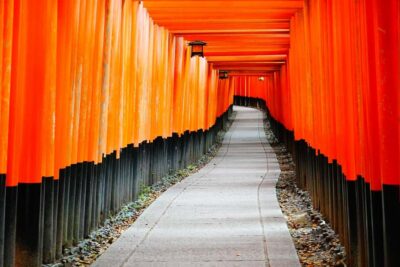
Osaka/Kyoto:Kinkakuji,Arashiyama,FushimiInariShrine,NaraPark
Read our review →
Kyoto/Osaka: Nara, Fushimi Inari Taisha, Arashiyama Bus Tour
Read our review →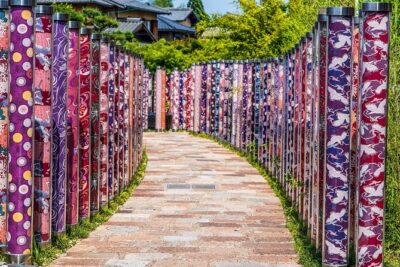
Kyoto Arashiyama Walking Tour: Bamboo, Monkeys, Gardens & Secrets
Read our review →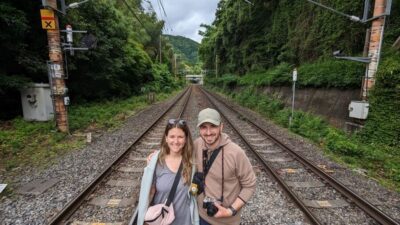
Arashiyama Bamboo, Temple, Monkeys, or Secret Sake Brewery
Read our review →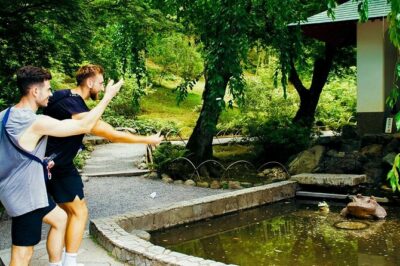
Arashiyama Bamboo Forest, Monkeys, Matcha & Temple Tour
Read our review →
Osaka/Kyoto: Arashiyama, Nara & Fushimi Inari Shrine w/Lunch
Read our review →
Nijo, Kinkaku-ji, Arashiyama, Kiyomizu & Fushimi Inari
Read our review →Browse the lists this tour appears in