
Reviewed · BAMBOO GROVE TOURS
Kyoto: Arashiyama Bamboo, Temple, Matcha, Monkeys & secret spots
Arashiyama is much more than its famous bamboo grove, and this walking tour makes that point early. You move from bamboo paths to a quiet private garden, a major Zen temple, the shopping street, Togetsukyo Bridge, and finally the hilltop monkey park. I like that the route gives you both Kyoto’s polished sights and peaceful corners that are easy to miss on your own.
I also like the small-group limit of 12, which leaves room for questions and a more relaxed pace. Guides including Toru, Karim, Tom, and Francis have been praised for their stories, local advice, and attention to families and older walkers. The tradeoff is simple: this is a long walking tour, and the climb to the monkeys can be hard in hot weather.
Key points to know before booking
- A full Arashiyama sampler: Bamboo, Okochi Sanso Garden, Tenryu-ji, the shopping street, Togetsukyo Bridge, and Monkey Park Iwatayama all fit into one outing.
- Matcha in a private garden: Your Okochi Sanso admission includes access to the garden and a drink in a former tea house.
- Small group, not private: The group can have up to 12 people, so you get personal guidance without booking an exclusive tour.
- The monkey park requires effort: The final route includes a steep 15 to 20 minute uphill walk.
- Admissions are covered: The price includes Okochi Sanso, Tenryu-ji, and Monkey Park Iwatayama tickets.
- The tour ends before the monkey hike is complete: Your guide gives you the ticket and directions, then you continue up at your own pace.
Why this Arashiyama route works
Many people arrive in Arashiyama, take a few pictures among the bamboo, and leave with only a postcard-sized idea of the district. This route gives you a fuller afternoon. It connects the main sights in a sensible walking sequence and adds context along the way.
The tour lasts about five hours, though the timing can run roughly 30 minutes shorter or longer. That matters in Kyoto, where a temple garden can hold your attention longer than planned and a crowded path can slow the group.
You are not riding between stops. This is a walking tour from beginning to end, with plenty of time on your feet. I would choose it early in your Kyoto visit if you want a clear introduction to Arashiyama, or later in your trip if you want a guide to fill in the cultural details behind places you have already seen.
The group size is capped at 12. That is small enough for a guide to answer individual questions, help with translation, and adjust the pace within reason. It is still a shared tour, though, so you should not expect the complete freedom of a private guide.
More Arashiyama and bamboo walks:
- Kyoto: Fushimi Inari, Kinkakuji, Bamboo Grove 1 Day Bus Tour
★ 4.8 · 4,316 reviews - Osaka/Kyoto:Kinkakuji,Arashiyama,FushimiInariShrine,NaraPark
★ 4.1 · 1,596 reviews - Kyoto/Osaka: Nara, Fushimi Inari Taisha, Arashiyama Bus Tour
★ 4.7 · 1,275 reviews
Bamboo paths and the Kameyama rise
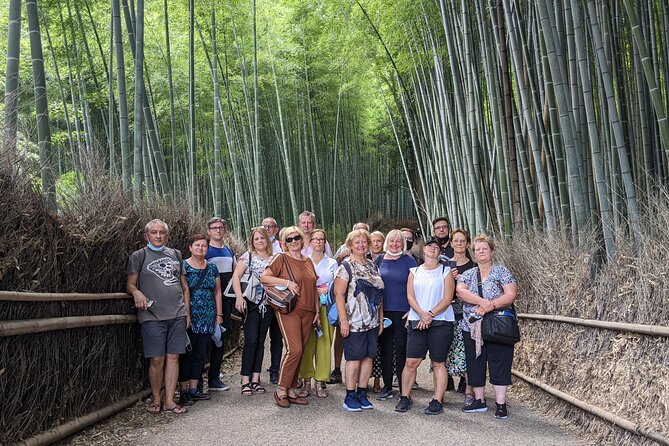
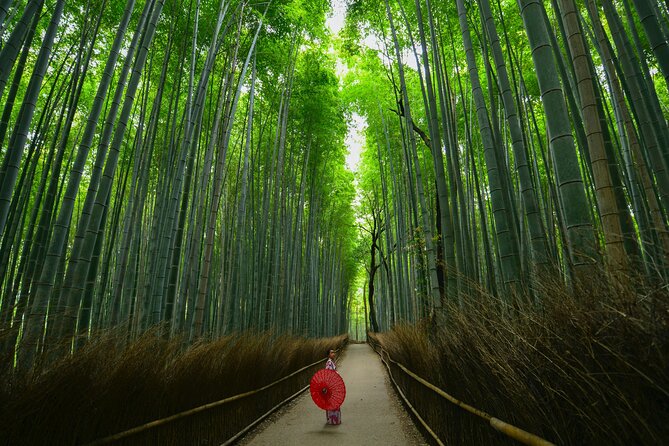
The first stop is Arashiyama Park in the Kameyama area. The route takes you through the bamboo grove and toward the higher part of the park, with about an hour set aside for this section.
The bamboo is photogenic, but its appeal is stronger when you understand how it fits into local life. One guide, Francis, explained how bamboo grows and what happens to it after it is cut. That sort of practical detail turns a quick photo stop into a better understanding of the material and the place.
Your guide may also point out quieter paths rather than keeping you on the most obvious route. This is one reason the tour can feel different from simply following a map pin to the famous grove. Do not expect solitude, especially at popular times, but a guide who knows the area can help you get oriented before the crowds become the whole experience.
The phrase reach the top of Arashiyama Park should not be confused with the monkey park hike later in the day. The route through the park includes uphill walking, but the more demanding climb comes at the end.
Wear shoes with good grip. Comfortable footwear will make a bigger difference here than any extra sightseeing plan, especially if the ground is damp.
A quiet pause at Okochi Sanso Garden
Okochi Sanso is one of the strongest parts of the tour. This private garden is reached from the bamboo area and gives you 45 minutes to slow down, look around, and sit with a drink.
Admission is included, which is important because this is not simply a public path that you can wander through without a ticket. The garden adds a more controlled, reflective setting after the busy bamboo grove. You get time to notice the planting, views, and design rather than rushing from one photo point to the next.
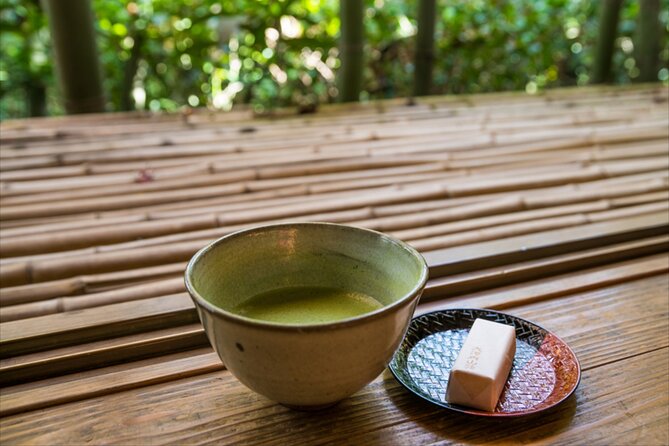
The included beverage is served in a former tea house used as a rest area. The tour description presents it as a warming bowl of matcha, while the stop details refer to a beverage. Either way, the value is in the pause: you can sit, breathe, and take in the garden with something warm in hand.
I would not treat this as a formal tea ceremony. The information provided describes a drink served during your visit, not a lesson in tea preparation. If you want a carefully staged tea ritual, you will need a different activity.
The 45-minute visit is also a good buffer in the schedule. You have enough time to appreciate the garden without turning the entire stop into a lecture. Guides such as Tom have focused on gardens, architecture, and Kyoto culture, and this is the place where that kind of explanation is most useful.
Tenryu-ji, koi, and Kyoto’s spiritual side
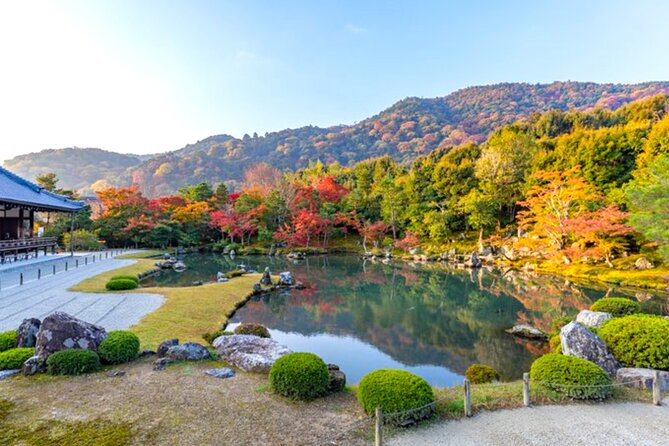
Next comes Tenryu-ji, one of Kyoto’s best-known temples. The tour includes entrance to both indoor and outdoor areas, with about 45 minutes to explore.
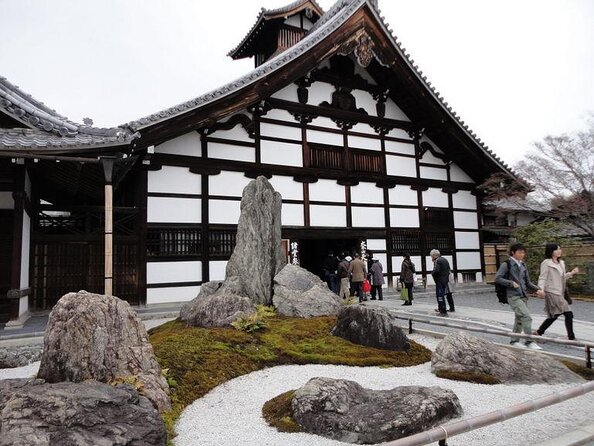
Tenryu-ji works well in this route because it shows a different side of Arashiyama. The bamboo grove is about scale and atmosphere. Okochi Sanso is about a private garden setting. Tenryu-ji brings in temple buildings, religious tradition, carefully arranged grounds, and the pond with its koi.
Your guide provides the background that can be hard to pick up from signs alone. Reviews of the experience repeatedly praise guides for explaining Japanese history, customs, gardens, and architecture in clear terms. Toru, Karim, Tom, and Francis are among the guides singled out by name, though you should not assume one particular guide will lead your date.
Allow yourself a little quiet time here. One of the better features of the route is that it does not treat every stop as a race to the next attraction. You can ask questions, observe the pond, and pay attention to the relationship between the temple buildings and the garden.
The limitation is time. Forty-five minutes is enough for an introduction, but not enough for a detailed study of every building and garden corner. If Tenryu-ji is your main reason for visiting Arashiyama, return independently for a longer visit.
A few more Kyoto half-days to weigh up
- PERFECT KYOTO 1-Day Bus Tour
★ 5.0 · 13,518 reviews - Kyoto: Tea Ceremony in a Traditional Tea House in Kiyomizu
★ 4.9 · 3,519 reviews - Kyoto Geisha Walking Tour: Gion District & Hidden Gems
★ 4.7 · 3,273 reviews - Kyoto: Tea Ceremony Ju-An at Jotokuji Temple
★ 4.9 · 3,207 reviews
Arashiyama’s shopping street and local help
The shopping portion lasts about an hour, making it one of the most flexible parts of the day. You can stop at shops that interest you, ask your guide for help, and request translation assistance when needed.
This is more useful than it may sound. A guide can help explain unfamiliar foods, point out items connected to local culture, and offer practical suggestions. Karim was praised for recommending restaurants and helping with specific purchases after the formal tour. Another guide helped a participant work out the route back to the station.
Shopping itself is not included in the price. You pay for souvenirs, snacks, and other purchases separately, so keep some yen available if you plan to browse seriously.
The street can also be a pleasant place to sample something small. One group enjoyed a custard-filled fish-shaped snack after a guide suggested it. The specific food advice will depend on your guide and the shops open that day, but this kind of informal help is one of the tour’s more personal touches.
Do not expect an hour-long shopping spree with every purchase built into the plan. The group must stay together, and the guide cannot spend unlimited time at one shop. Think of this as guided free time with translation support, not a dedicated shopping tour.
Togetsukyo Bridge and the Katsura River
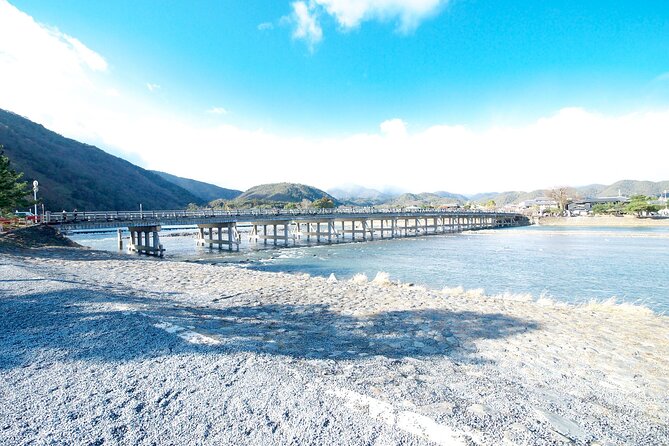
Togetsukyo Bridge gets about 15 minutes, which is short but sensible. The bridge is one of Arashiyama’s classic photo locations, with the Katsura River and surrounding hills creating the broad view that contrasts with the enclosed bamboo paths.
You will have time for photographs and a quick look around, but not an extended riverside break. If you want a longer stay by the water, note where the tour ends and return later on your own.
This stop also helps you understand Arashiyama as a district rather than a string of isolated attractions. The bridge connects the shopping area with the approach to the monkey park, and it gives the walking route a clear visual center.
The Monkey Park climb and the tour’s unusual ending
The final stop is Monkey Park Iwatayama. The entrance ticket is included, but the tour officially ends at the park entrance. Your guide gives you the ticket and instructions, then you make the uphill walk to the monkeys without the group guide.
The climb takes about 15 to 20 minutes along a steep path. Several people found the effort worthwhile for the view over Kyoto, but the ascent can be a serious workout in summer heat. One person described it as especially demanding in temperatures around 33 C, while another found the climb rewarding once at the top.
This arrangement has both advantages and drawbacks. You are free to take the climb at your own pace, stay as long as you like, and leave the park whenever you want. You are not tied to the group after the official end time.
On the other hand, anyone expecting a guide-led visit all the way to the monkeys should understand the plan before booking. The tour does not promise to escort you through the entire park. You receive access and directions, then continue independently.
The park is particularly appealing for families and children, though adults who dislike steep paths may find it less enjoyable. The monkeys are an added attraction, but the view from the hill is a major part of the reward.
If feeding is available under the park’s rules, follow the staff instructions carefully. One guide correctly advised a group that the monkeys preferred apples over peanuts that afternoon, but food options and park rules can vary. Do not treat feeding as guaranteed or as the main reason to book.
Guides who add value between the stops
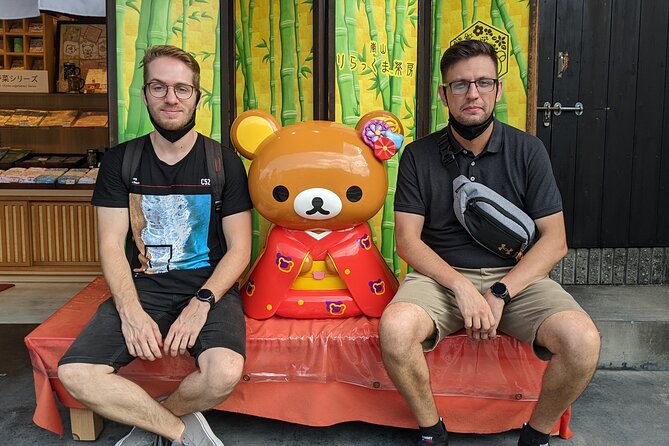
The strongest part of this experience is not only the number of sights. It is the information shared while walking between them.
Toru has been described as funny, warm, and full of stories. Karim has been praised for historical detail, patience, and care with older participants. Tom has focused on Japanese history, culture, gardens, and architecture, while Francis has explained bamboo and local details in an approachable way.
These examples suggest a guide team with a personal style rather than a single scripted performance. Your guide may offer restaurant advice, help with translation, take group photos, or point out small bits of wildlife and local practice. One guide even helped a participant navigate back to the station after the tour.
Photo help has also been part of some outings. Toru took group pictures that could later be downloaded from a website. This is not listed as a guaranteed feature, so consider it a pleasant possibility rather than something included in the formal package.
The language policy is important. English is the guaranteed language on the shared tour. Some guides speak French, German, Spanish, or other languages, but you must contact the operator before booking to ask about availability for your date.
Is $89.54 a fair price?
At $89.54 per person, the tour is not the cheapest way to walk through Arashiyama. Its value comes from what is bundled into the half-day: a guide, three admission tickets, matcha or another included beverage at Okochi Sanso, translation help, and a planned route through several major sights.
Buying the temple and garden admissions separately would still leave you responsible for navigation and the cultural background. If you are already comfortable researching Kyoto and using maps, you may prefer to visit independently and spend less.
I think the price makes better sense for a first visit, a short Kyoto stay, or anyone who wants one organized block of sightseeing without arranging each stop. It also suits families and mixed-age groups that benefit from a guide keeping the day moving and explaining what matters.
Lunch and shopping are not included. Plan to eat before the tour, after it, or during the shopping section if the schedule allows. Since the tour ends at Monkey Park, think ahead about what you want to do next and how you will leave the area.
Who should book this walking tour?
I would recommend it if you want:
- A first look at Arashiyama beyond the bamboo grove
- Temple, garden, river, shopping, and wildlife stops in one outing
- A guide who can explain customs and answer practical questions
- A relaxed shared group rather than a large coach tour
- Help with translation, food suggestions, or local shopping
- A flexible end at the monkey park
I would be more cautious if you have difficulty walking uphill, dislike hot weather, or want a private itinerary. The day covers a lot of ground, and the monkey park climb is not optional if you want to reach the top.
Book shoes, water, sun protection, and enough energy for the final hill. In rainy conditions, the operator may cancel and offer another date or a full refund, but you should still prepare for changing conditions during a walking day.
You must arrive 15 minutes early at the meeting point on Sagatenryuji Kurumamichicho. Late arrivals cannot join and are not refunded. The operator may contact you through WhatsApp at departure time, so download it before the tour.
Should you book the Arashiyama tour?
Book it if you want Arashiyama explained rather than simply photographed. The private garden and Tenryu-ji add substance to the bamboo grove, while the bridge and monkey park give the route variety.
The best reason to choose it is the balance of structure and breathing room. You follow a useful route, but you also get time for matcha, shopping, photos, and questions. Just remember that the tour ends at the monkey park entrance and that the last climb can test your legs.
For fit walkers who want a friendly introduction to western Kyoto, this is a strong-value half-day. For anyone seeking a slow temple study, a formal tea ceremony, or a completely private day, an independent plan may suit you better.
FAQ
How long does the Arashiyama tour last?
The tour lasts approximately five hours. The actual duration can be about 30 minutes shorter or longer.
Is this a private tour?
No. It is a shared walking tour with a maximum of 12 participants.
What sights are included?
The route includes Arashiyama Park and the bamboo grove, Okochi Sanso Garden, Tenryu-ji Temple, Arashiyama’s shopping street, Togetsukyo Bridge, and Monkey Park Iwatayama.
Is the monkey park entrance included?
Yes. The Monkey Park Iwatayama entrance ticket is included in the price.
Does the guide accompany the group to the top of the monkey park?
The tour officially ends at the monkey park. Your guide gives you the ticket and instructions, and you complete the 15 to 20 minute uphill hike independently.
How difficult is the monkey park walk?
The path to the top is steep and takes about 15 to 20 minutes. Comfortable shoes and a reasonable level of physical fitness are recommended.
Is matcha included?
A beverage is served in a former tea house at Okochi Sanso Garden. The tour description refers to a warming bowl of matcha.
Is lunch included?
No. Lunch is not included, and shopping or souvenirs are also paid for separately.
Which languages are available?
English is guaranteed on the shared tour. French, German, and Spanish may be available with certain guides, but you must contact the operator before booking to confirm your preferred language.
Just added around Kyoto
- Kyoto: Zen Meditation at a Private Temple with a Monk★ 5.0 · 25 reviews
- Kyoto: Gion Geisha District & Sake-in-Hand Walking Tour★ 5.0 · 37 reviews
- Private Pewter Sake Cup Experience with a Kyoto Artisan★ 5.0 · 31 reviews
- Your Private Vacation Photography Session In Kyoto★ 5.0 · 110 reviews
- Private Guided Traditional Buddhist Cooking in Japan★ 5.0 · 16 reviews
- Kyoto Wagashi(Japanese sweets) Cooking Class near Fushimiinari★ 5.0 · 60 reviews
- Traditional Japanese Music show & Experience Tour in Kyoto★ 5.0 · 57 reviews
- Kyoto:Family-Friendly Kimono & Yukata Experience at WARGO★ 5.0 · 147 reviews
Bamboo Grove Tours, compared.
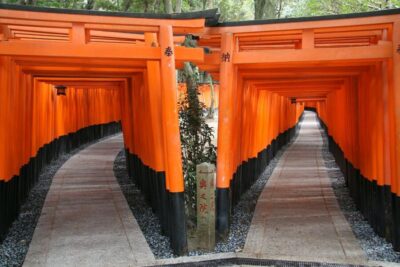
Fushimi Inari, Kinkakuji, Bamboo Grove 1 Day Bus Tour
Read our review →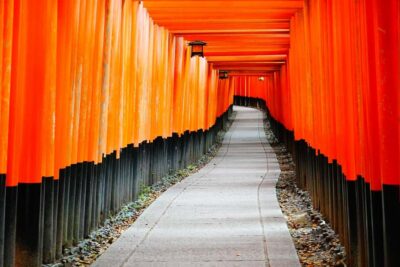
Osaka/Kyoto:Kinkakuji,Arashiyama,FushimiInariShrine,NaraPark
Read our review →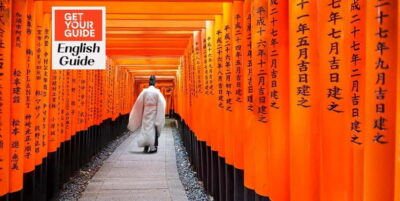
Kyoto/Osaka: Nara, Fushimi Inari Taisha, Arashiyama Bus Tour
Read our review →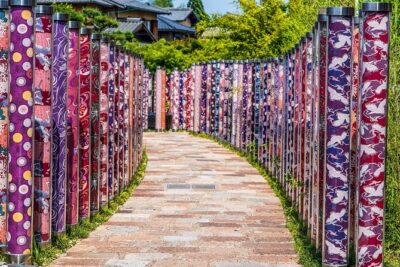
Kyoto Arashiyama Walking Tour: Bamboo, Monkeys, Gardens & Secrets
Read our review →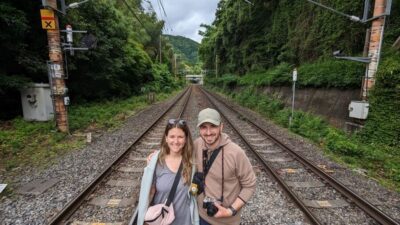
Arashiyama Bamboo, Temple, Monkeys, or Secret Sake Brewery
Read our review →
Arashiyama Bamboo Forest, Monkeys, Matcha & Temple Tour
Read our review →
Osaka/Kyoto: Arashiyama, Nara & Fushimi Inari Shrine w/Lunch
Read our review →
Nijo, Kinkaku-ji, Arashiyama, Kiyomizu & Fushimi Inari
Read our review →Browse the lists this tour appears in