
Reviewed · KYOTO TOURS
Kyoto: Kimono Tea Ceremony with Matcha and Sweet
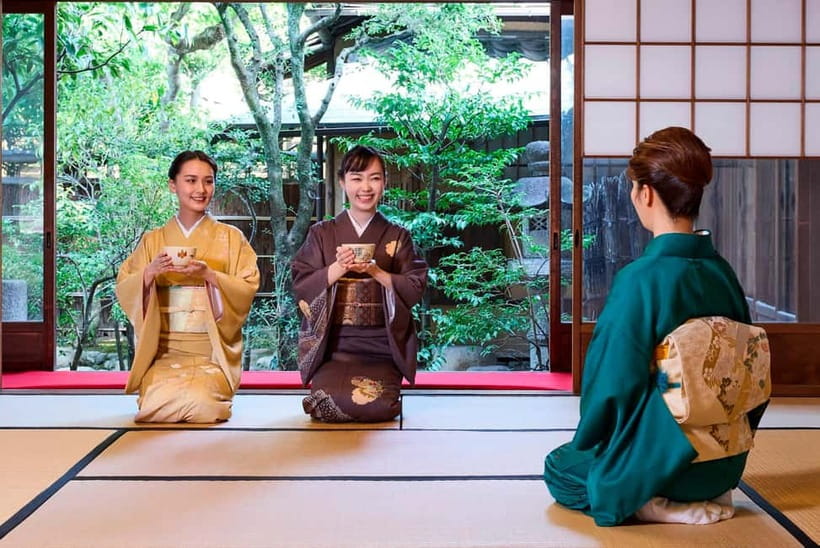
Kyoto’s tea ceremony is less about drinking tea than learning how harmony, respect, purity, and tranquility shape a carefully ordered moment. This 90-minute experience adds the fun of choosing a kimono, having it fitted, and preparing your own bowl of matcha in a traditional tea room.
I like the clear English guidance and the chance to handle the tea tools yourself. I also like the seasonal wagashi, since the sweets change in taste, color, and design as the year moves on. The main consideration is that you prepare your own tea rather than simply watching a tea master serve every bowl, and the shared session usually has about 12 to 14 participants.
What makes this Kyoto tea ceremony worth your time
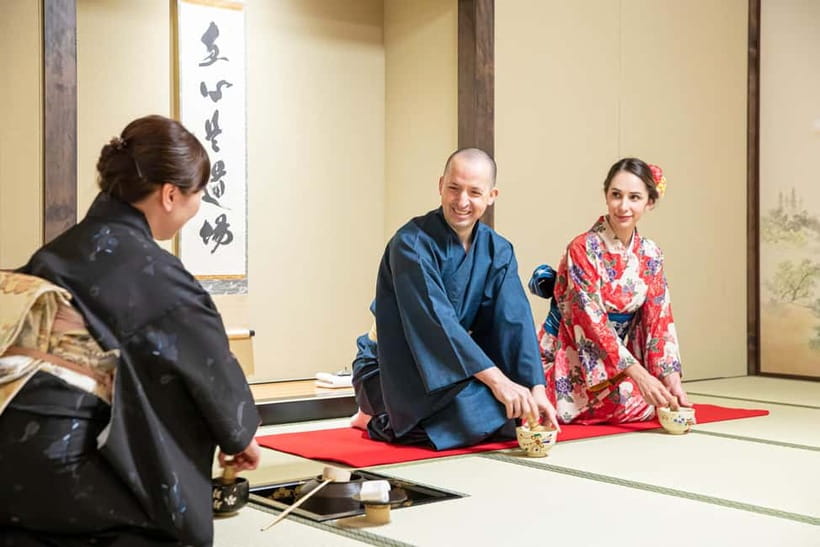
- Choose your own kimono: Pick from a range of colors, patterns, sizes, and obi belts before the ceremony begins.
- Learn the meaning behind the ritual: Your English-speaking tea master explains the history, tools, movements, and etiquette.
- Make premium matcha yourself: You will see the proper method, then whisk your own bowl and create the froth.
- Try seasonal wagashi: The small Japanese sweets change with the season and are served alongside the tea.
- Stay comfortable on tatami: Wooden bamboo chairs can be requested in advance if floor sitting is difficult.
- Allow up to two hours: The advertised duration is 90 minutes, though dressing and the ceremony can take approximately 90 to 120 minutes.
Choosing a kimono before the tea room
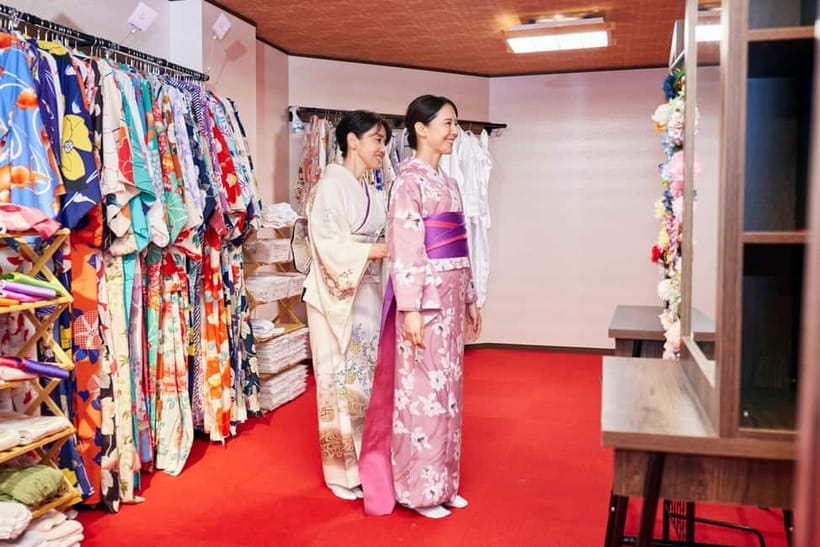
Your visit starts with the kimono, not the tea. Staff help you select an outfit and then dress you for the ceremony, including the obi sash and the white tabi-style socks provided as part of the experience.
This is one of the most enjoyable parts for many people because you are not handed a standard costume. You get to choose the kimono and, for women with long hair, receive hair styling as well. The hair arrangement can include decorative flowers, which gives you a chance to shape the final look.
The fitting is intended to be quick and orderly, so do not expect a long salon appointment. If you want photographs with makeup already done, arrive prepared. One participant found the dressing process moved too fast to allow time for makeup, a useful warning if pictures are a major reason for booking.
The kimono is more than a photo prop. Once the obi is tied and the sleeves are arranged, you become more aware of posture, movement, and the formality of the tea room. You will probably move more carefully, which helps you understand why Japanese dress and tea etiquette are so closely linked.
Some people have also used the kimono time for photographs before or after the ceremony. The experience includes the outfit for the session, and one account says the kimono could be worn for up to two hours afterward. Confirm the exact return arrangement when you arrive, since the supplied details do not promise a separate walking rental for every booking.
More Kimono Experiences in Kyoto
- Kimono Tea Ceremony at Kyoto Maikoya, NISHIKI
★ 5.0 · 911 reviews - Kyoto: Kimono Rental with Hairstyling and Accessories
★ 4.8 · 653 reviews - Kyoto: Kimono Tea Ceremony at Orizuruya Gion
★ 4.9 · 618 reviews
Entering the tatami tea room
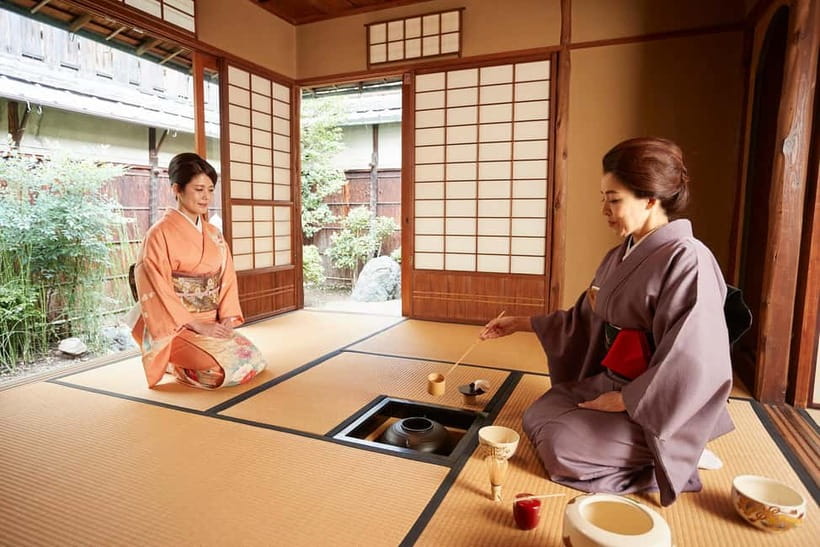
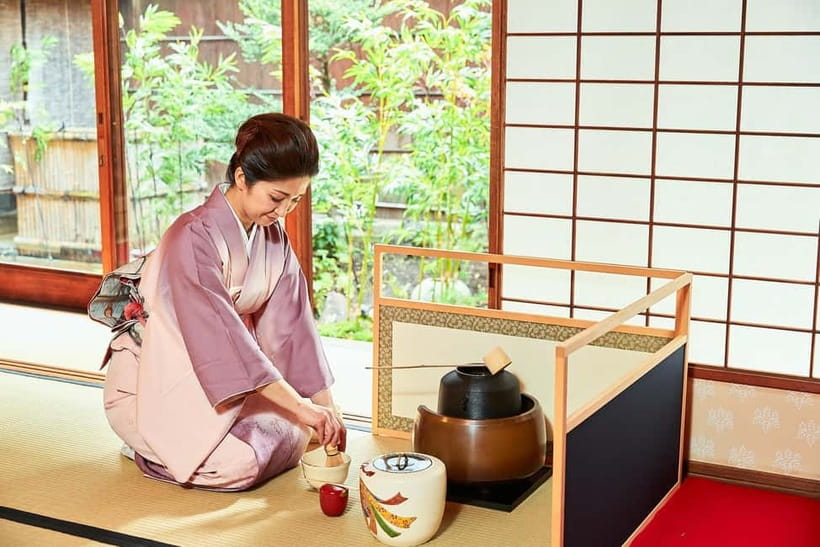
After dressing, you move into a traditional tea room where the utensils are placed with care. The layout is part of the lesson. The bowl, whisk, scoop, tea container, and other tools are not random tableware. Their placement helps show the order and precision that define the ceremony.
Sitting on tatami mats is customary, but you do not have to force yourself into a painful position. Bamboo chairs are available with advance notice. This matters for anyone with knee, hip, or back trouble, and it is also worth considering if you simply dislike sitting on the floor for an extended period.
The room is designed for attention rather than speed. You will watch the tea master clean and arrange the tools, prepare the matcha, and explain the gestures. The ceremony lasts about 90 minutes in the standard description, but the full visit may run from 90 to 120 minutes because it begins with dressing.
I would leave a little space in your schedule afterward. The experience does not include transportation, and you will need to make your own way to and from the venue. Check the meeting details carefully when booking, especially if you have a timed temple visit or restaurant reservation afterward.
Learning the four Zen ideas behind the ceremony
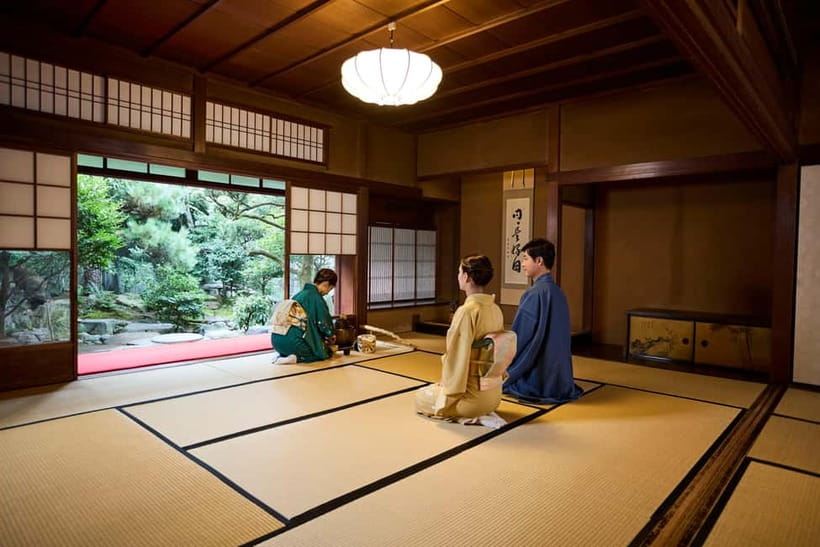
The English explanation gives this activity more weight than a simple costume photo stop. Your tea master introduces four ideas that guide the ritual:
- Wa, or harmony: The host, participants, room, tools, and season should work together.
- Kei, or respect: Every person and object receives careful attention.
- Sei, or purity: Cleaning the tools and preparing the space helps clear the mind.
- Jaku, or tranquility: The finished ceremony creates a calm pause away from ordinary hurry.
You also learn basic tea etiquette and the purpose of the utensils. The explanations are designed for an English-speaking audience, and the staff provide bilingual assistance. Past sessions have included hosts named Maki and Megumi, both praised for speaking clearly, encouraging participation, and explaining the customs in a relaxed way. Host assignments can change, so do not book on the assumption that a particular tea master will lead your session.
The teaching is practical rather than academic. You are shown what to do, then given a chance to try it. That makes the ceremony easy to follow even if you know nothing about matcha beforehand.
Whisking your own bowl of matcha
The hands-on tea preparation is the central activity. After watching the tea master, you use high-quality matcha powder and the traditional whisking method to prepare your own bowl.
Matcha is made from powdered green tea, so you drink the whole leaf rather than steeping and removing it. The texture can be thick, and the flavor may be more intense and grassy than visitors expect. The whisking process helps soften that edge by adding air and producing a fine froth.
This is also where the experience differs from a formal tea service in which the host prepares the tea entirely for you. Here, you are learning by doing. That makes the session more active and approachable, but it means the ceremony may feel more like a cultural workshop than a fully formal performance.
I like this tradeoff for first-time visitors. You leave knowing how matcha is made rather than only knowing how it tastes. Still, if your main goal is to sit quietly while an expert performs every step, this format may not be your ideal choice.
Do not worry about producing a perfect bowl on your first attempt. The point is to follow the method, notice the small movements, and understand the care behind the drink. The tea master guides you through the process and invites participation rather than expecting professional technique.
More Tea Ceremonies in Kyoto
- Kyoto: Tea Ceremony in a Traditional Tea House in Kiyomizu
★ 4.9 · 3,519 reviews - Kyoto: Tea Ceremony Ju-An at Jotokuji Temple
★ 4.9 · 3,207 reviews - Kyoto: 45-Minute Tea Ceremony Lesson Experience
★ 4.3 · 2,378 reviews - Kyoto: Table-Style Tea Ceremony at a Kyo-Machiya
★ 4.9 · 1,211 reviews
Seasonal wagashi and the taste of the calendar
Your matcha comes with wagashi, traditional Japanese sweets that are selected according to the season. Their flavor, color, and design change during the year, so the small sweet on your plate will not necessarily be the same on a later visit.
Wagashi are not simply sugary snacks. They balance the bitterness of matcha and add a visual link to the season. The careful shape and color give you another way to see how Japanese hospitality pays attention to timing, presentation, and setting.
The food portion is modest. This is a tea ceremony, not a dessert class or a meal, so you should eat beforehand if you need substantial food. The activity includes Japanese sweets but does not advertise additional dishes.
How large is the group?
The ideal group size can vary. The standard information says your session will include about 12 to 14 participants because bookings from several sales channels may be combined. Some time slots can be smaller, and one session had only four people.
A smaller group gives you more room for questions and usually makes the setting feel quieter. A group of 12 to 14 is still manageable, but the room will feel less private and you may spend more time watching others take their turn.
This is worth keeping in mind for couples and families. The activity works well for two people, and one family account found it a fun shared outing. Children under seven are not allowed, so families with very young children will need another Kyoto activity.
The kimono portion can also create a little waiting as staff dress each person. Patience helps, particularly when several participants choose outfits at once. The process is part of the experience, but it is not a fast in-and-out photo package.
What the $66 price includes
At $66 per person, the value depends on how much you want from each part of the visit. The price includes kimono dressing, long-hair styling for women, the tea ceremony, English guidance, hands-on matcha preparation, and Japanese sweets.
That is a fair package if you want several cultural elements in one booking. Separate kimono rental, hair styling, and a tea lesson could take more planning, while this activity puts them together in a single visit.
The strongest value comes from the instruction and the time in traditional dress. If you only want to wear a kimono for a few photographs, you may find the tea lesson more than you need. If you want context, etiquette, and a chance to make matcha, the combined format makes better sense.
The activity offers free cancellation up to 24 hours before the start time and allows you to reserve now and pay later. Those terms help if your Kyoto schedule is still changing, but remember that transportation is not included.
Who should book this experience?
I would recommend it to first-time visitors who want a friendly introduction to Japanese customs without committing to a long formal lesson. The English instruction makes the ceremony accessible, and the staff help with the parts that would be difficult to manage alone, especially dressing and hair styling.
It also suits couples, families with children aged seven and older, and anyone who enjoys photographs with a clear cultural setting. The kimono choice, flowers in the hair, tea room, and seasonal sweets provide plenty of visual detail.
You should think twice if you dislike floor seating and have not requested a chair, or if you want a private ceremony. The usual shared group may have 12 to 14 people. You should also choose another activity if you want a full meal, a long kimono walk through Kyoto, or an advanced study of tea ceremony schools.
People who prefer watching rather than performing may find the hands-on matcha section less formal than expected. That is not a flaw, but it is an important distinction. This is an educational cultural experience with dressing and participation, not a silent ceremony reserved for close observation.
Practical tips for a smoother visit
Arrive ready for the kimono fitting. If you want photographs with makeup, do that before you arrive, since the dressing stage may move quickly.
Request a bamboo chair in advance if you do not want to sit on tatami. Do not wait until you are in the tea room, since chair availability is specifically handled by advance request.
Leave 90 to 120 minutes for the full experience. The tea ceremony itself may be described as 90 minutes, but the visit begins with dressing and can run longer.
Plan your transport separately. No pickup or return transfer is included, and the exact venue information should be checked carefully before you set out.
Keep your expectations clear. You will wear a kimono, learn the tools and etiquette, make matcha, and eat wagashi. You are not booking a full-day cultural course or a guaranteed private tea service.
The activity has a 4.9 rating from 249 reviews, with especially strong praise for the friendly staff, careful kimono fitting, clear explanations, and calm atmosphere. The most useful criticism is also clear: dressing can feel rushed, and some people may prefer a tea master to prepare the tea rather than asking them to make it themselves.
Should you book the Kyoto kimono tea ceremony?
Book it if you want a practical first lesson in Japanese tea culture combined with the pleasure of wearing traditional dress. The seasonal wagashi, English instruction, patient staff, and chance to whisk premium matcha give the 90-minute visit real substance beyond taking pictures.
Skip it if you want a private, highly formal ceremony or a longer kimono rental for independent sightseeing. For most visitors, though, the $66 cost is reasonable because it combines several separate Kyoto experiences in one well-organized session. Request a chair early, allow extra time, and arrive ready to enjoy the quiet details.
FAQ
How long does the Kyoto kimono tea ceremony last?
The experience is advertised as 90 minutes, but the full visit can take approximately 90 to 120 minutes because it begins with kimono dressing.
Is the tea ceremony conducted in English?
Yes. The instructor provides English guidance, and bilingual staff assist with the kimono fitting and activity.
What is included in the price?
The price includes kimono dressing, a traditional tea ceremony led by a tea master, hands-on matcha preparation, Japanese sweets, bilingual staff assistance, and hair styling for women with long hair.
Can I choose the kimono?
Yes. You begin by choosing a kimono, and staff assist with dressing and the obi sash. The available selection includes different sizes and styles.
Can I sit on a chair instead of the tatami floor?
Yes. Bamboo chairs are available by advance request for people who prefer not to sit on tatami mats.
Are children allowed to join?
Children under seven are not allowed to participate. Children aged seven and older are not excluded by the stated rules.
Is transportation included?
No. You are responsible for transportation to and from the venue.
Can I cancel for a full refund?
Yes. You can cancel up to 24 hours in advance for a full refund. The activity also offers a reserve-now, pay-later option.
Just added around Kyoto
- Kyoto: Zen Meditation at a Private Temple with a Monk★ 5.0 · 25 reviews
- Kyoto: Gion Geisha District & Sake-in-Hand Walking Tour★ 5.0 · 37 reviews
- Private Pewter Sake Cup Experience with a Kyoto Artisan★ 5.0 · 31 reviews
- Your Private Vacation Photography Session In Kyoto★ 5.0 · 110 reviews
- Private Guided Traditional Buddhist Cooking in Japan★ 5.0 · 16 reviews
- Kyoto Wagashi(Japanese sweets) Cooking Class near Fushimiinari★ 5.0 · 60 reviews
- Traditional Japanese Music show & Experience Tour in Kyoto★ 5.0 · 57 reviews
- Kyoto:Family-Friendly Kimono & Yukata Experience at WARGO★ 5.0 · 147 reviews
Kyoto Tours, compared.
Fushimi Inari, Kinkakuji, Bamboo Grove 1 Day Bus Tour
Read our review →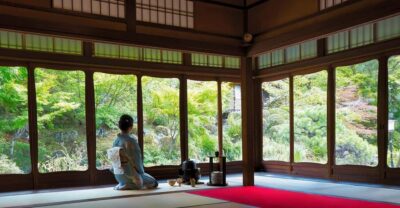
Tea Ceremony in a Traditional Tea House in Kiyomizu
Read our review →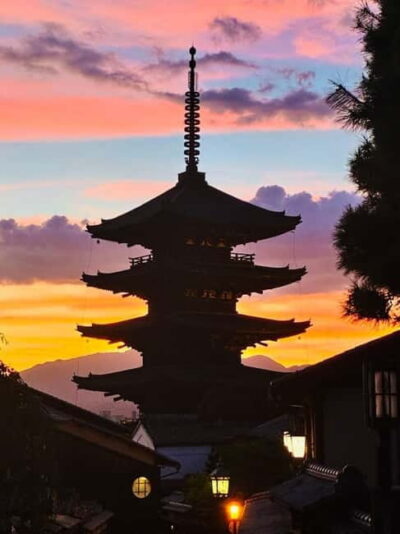
Kyoto Geisha Walking Tour: Gion District & Hidden Gems
Read our review →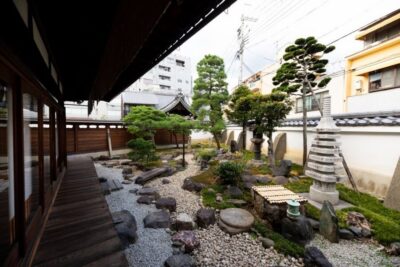
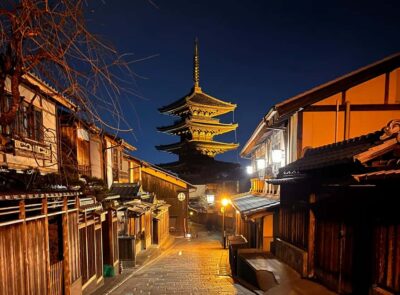
Gion Magical Night Walking Tour with Geisha Trivia
Read our review →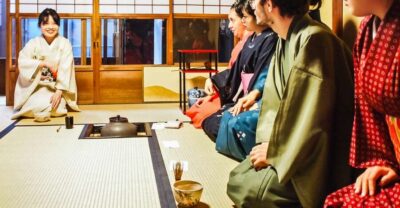
Gion Geisha District Walking Tour – Stories of Geisha
Read our review →Browse the lists this tour appears in