
Reviewed · KYOTO TOURS
Kyoto: Wazuma Magic Show & Tea Ceremony
Kyoto has plenty of grand temples, but few experiences bring you this close to an old Japanese art. In a quiet Gion tea room, a small private group watches Wazuma, a thousand-year-old form of magic performed by fewer than ten masters. The gestures happen just inches away, yet the tricks remain stubbornly hard to explain.
I like the six-seat limit, which makes the show feel more like a private salon than a theater performance. I also like the clean two-part design: 30 minutes of lively magic, followed by 30 minutes with fragrant Uji matcha and English guidance.
The main consideration is the price. At $77 per person for one hour, this is not a bargain attraction. You are paying for rarity, privacy, and a carefully controlled setting, so it suits you best if you want a special cultural moment rather than a long sightseeing activity.
Key points to know before booking
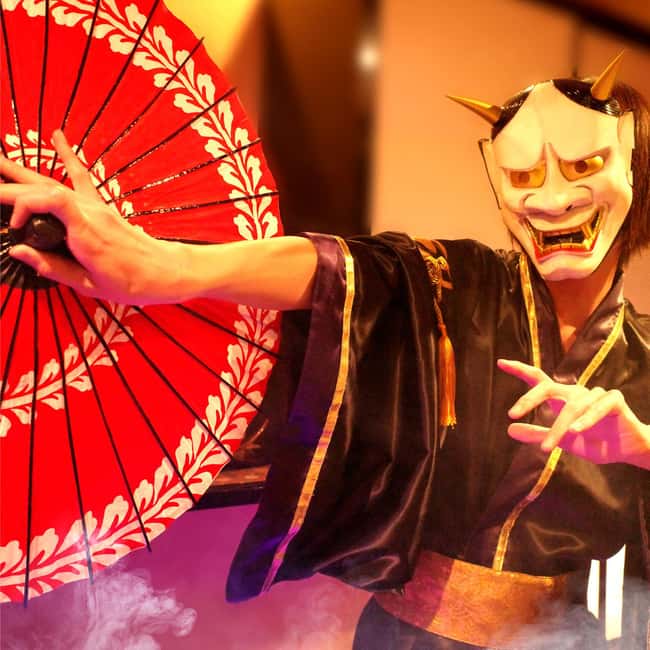
- Wazuma is a rare Japanese magic tradition: This thousand-year-old art is officially recognized as intangible cultural heritage and is said to have fewer than ten remaining masters.
- The show is private: Only your group attends, with a maximum of six seats in the traditional Gion tea room.
- The magic is very close up: The performance takes place only a short distance from you, with interactive and theatrical elements.
- Masaya and Tamaki are connected with the performance: Their names appear in the experience feedback, with Masaya specifically praised for the up-close magic.
- The second half is calm and hands-on: You receive English guidance while enjoying a bowl of hand-whisked Uji matcha.
- The whole program lasts one hour: It is easy to fit before dinner, between major sights, or into a quieter evening in Gion.
A rare art in a six-seat Gion tea room
The unusual part of this activity is not simply that it includes magic. Kyoto has plenty of performances and cultural demonstrations. The special feature here is Wazuma, a traditional Japanese illusion art with a very small number of practitioners left.
The art is described as roughly 1,000 years old and officially recognized by Japan as intangible cultural heritage. That gives the performance more weight than a standard stage magic act. You are seeing a living tradition with a long connection to Japanese performance culture, not just a modern show dressed up with local decoration.
The room is in Gion, Kyoto’s famous geisha district, but the activity itself takes place away from the noise of the main streets. A staff member meets you in front of the building five minutes before the scheduled start. That small meeting detail matters in Gion, where quiet lanes and traditional buildings can make a first visit slightly confusing.
Only six seats are available. If you are booking as a couple, family, or small group of friends, you can have the room to yourselves. This changes the mood completely. You are not watching from the back of a crowded theater. You are sitting close enough to follow the performer’s hands, facial expressions, and small movements.
That closeness also creates the show’s central joke: you can see everything, yet still cannot work out how the tricks happen. Several performances are described as interactive, and some people are brought into the action. The setting gives the magician room to work directly with the audience rather than relying on a distant stage.
More Tea Ceremonies in Kyoto
- Kyoto: Tea Ceremony in a Traditional Tea House in Kiyomizu
★ 4.9 · 3,519 reviews - Kyoto: Tea Ceremony Ju-An at Jotokuji Temple
★ 4.9 · 3,207 reviews - Kyoto: 45-Minute Tea Ceremony Lesson Experience
★ 4.3 · 2,378 reviews
The 30-minute Wazuma performance
The first half lasts about 30 minutes. You can expect a traditional Japanese magic show with a strong theatrical quality and a personal, close-up feel. The material is presented as Wazuma, and the atmosphere is designed around precision, quiet gestures, and the sense that an old art is being passed on.
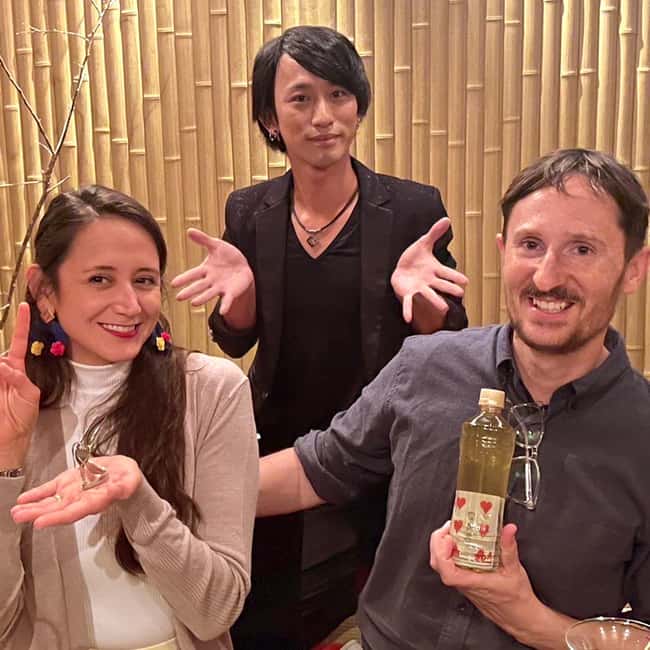
The performance is associated with Masaya and Tamaki. Masaya receives particular praise for his personality and for magic performed directly in front of the audience. If you enjoy trying to catch a sleight of hand, this format gives you a fair chance to watch closely, though the point is that the method remains hidden.
Several details make the show work for different kinds of visitors. You do not need to be a serious fan of magic to appreciate it, since the performance also carries a clear Japanese cultural setting. At the same time, people who already enjoy sleight of hand should appreciate the close distance and the chance to take part in some acts.
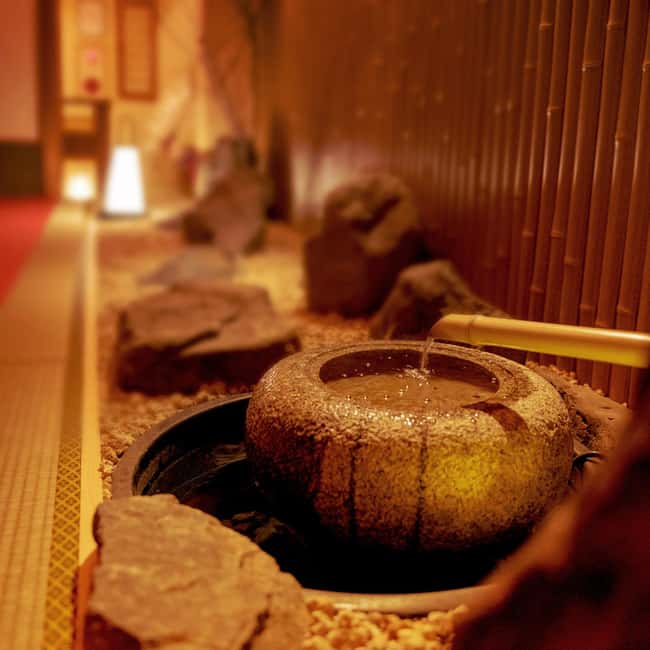
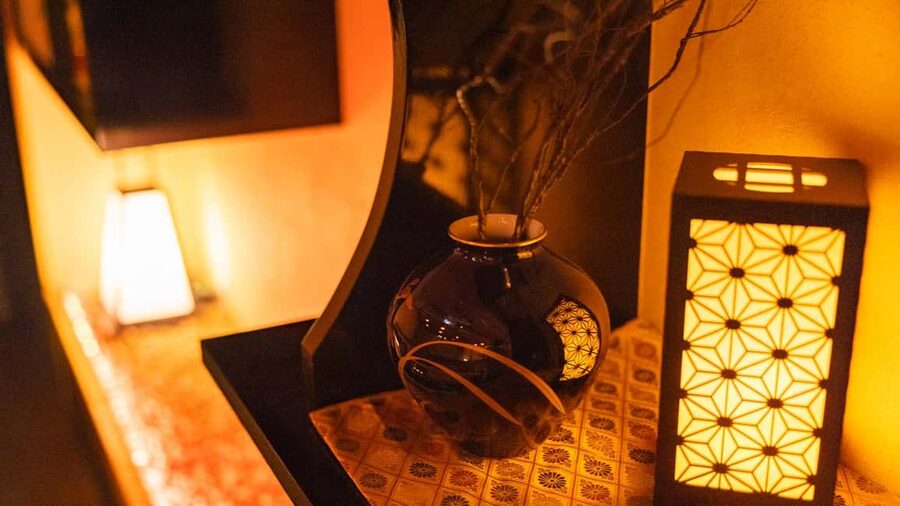
The room itself is part of the presentation. It is described as beautiful, traditional, and carefully arranged for a private show. Do not expect a large stage, dramatic lighting, or a long theatrical production. This is a small-room performance, and its strength is intimacy rather than scale.
The short running time is another advantage. Kyoto sightseeing can fill a day quickly, and a one-hour activity is easier to place in your schedule than a half-day show. You could plan it around an evening in Gion without giving up a major temple visit or a long meal.
There are two practical limits. First, the show is reservation only, so you cannot treat it as a spontaneous walk-in attraction. Second, flash photography is not allowed during the performance. That rule protects the mood and prevents bright flashes from disrupting the close-up work.
The 30-minute Uji matcha tea time
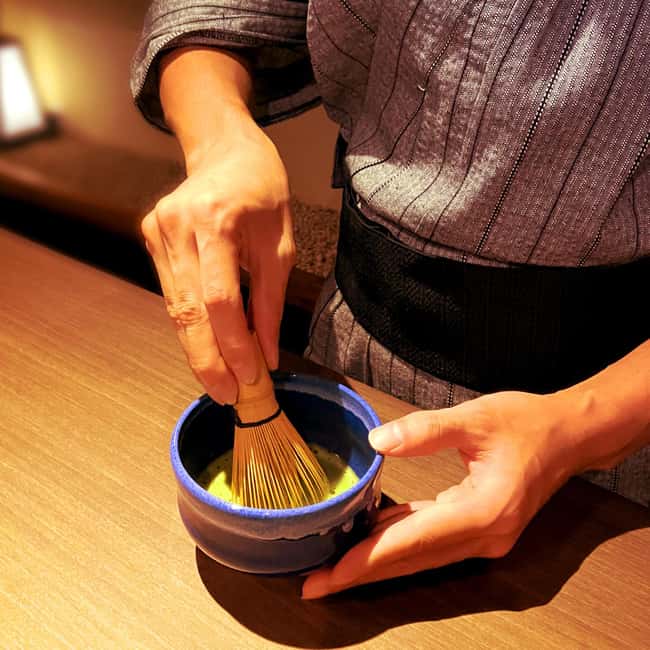
After the magic, the room shifts into a quieter mode. The second half is a 30-minute tea time centered on Uji matcha. The tea is hand-whisked and served with English guidance, so you are not left to guess what is happening.
This is not presented as a full-length formal tea ceremony. It is a shorter matcha experience that follows the performance. That distinction helps set expectations. You receive a calm cultural finish rather than another large program, and the change of pace gives the hour a satisfying shape.
Uji, near Kyoto, is one of Japan’s best-known tea-producing areas. Here, the matcha provides a direct taste of a product strongly associated with the region. The tea is described as fragrant and high quality, and the English guidance makes the moment accessible even if you have never taken part in a Japanese tea ritual.
I like the pairing. The magic requires attention and invites you to question what you see. Matcha asks you to slow down and notice taste, texture, and preparation. In a single hour, you get a lively performance and a quiet cultural custom without having to cross the city between activities.
The tea portion may be especially welcome if you prefer cultural activities with a gentle finish. The show has personality and surprise, while the matcha provides a pause. If you are looking for an extensive tea ceremony with many formal stages, this shorter format may feel limited. If you want an easy introduction, it is a practical choice.
A small souvenir is also provided at the end. The exact item is not specified, but several people specifically appreciated receiving a momento. Consider it a pleasant extra rather than the reason to book.
Why the private format matters
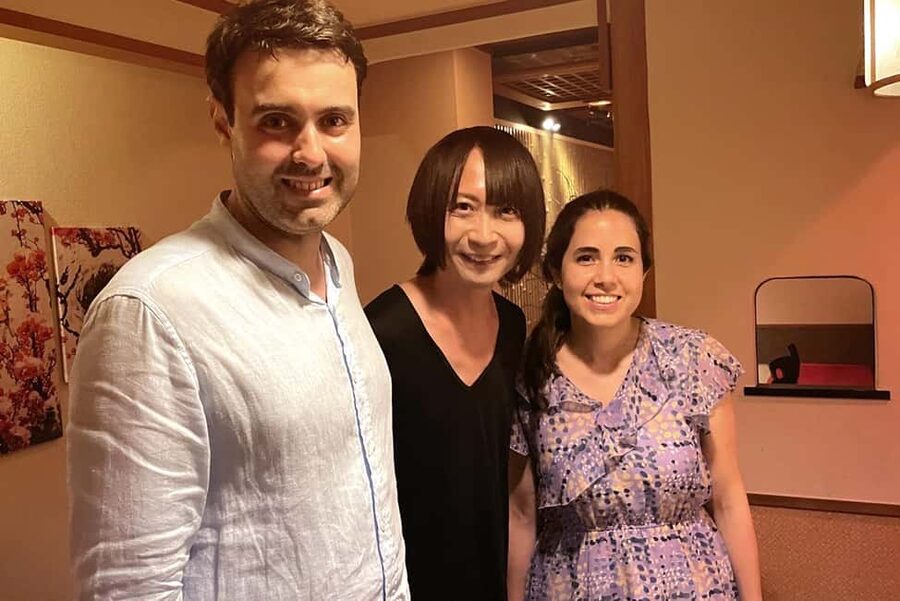
Privacy is the clearest difference between this activity and a standard Kyoto attraction. A large performance can offer spectacle, but a six-seat room gives you access to details that would be easy to miss from a distance.
You can watch the performer’s hands closely. You can see the expression and timing behind each trick. If your group is small, the performer can respond more directly to you, and the show can feel personal rather than mass-produced.
There is also a practical comfort to knowing that only your own group will attend. You do not have to worry about strangers talking through the performance or competing for the best view. The private format is particularly appealing for a special date, a family outing, or a small group that wants something unusual in Kyoto.
The tradeoff is cost. At $77 per person, the activity costs more than a simple cup of matcha or a short public demonstration. Yet the comparison should not be based on tea alone. The fee covers a private room, a rare traditional performance, English support, the tea service, and a full hour reserved for your group.
For someone who values privacy and cultural detail, that can be fair value. For someone counting every yen or looking for a full afternoon of sightseeing, it may not be the best use of the budget. I would think of this as a special-event purchase, not a basic Kyoto sightseeing ticket.
Same base, a completely different sort of day:
- PERFECT KYOTO 1-Day Bus Tour
★ 5.0 · 13,518 reviews - Kyoto: Fushimi Inari, Kinkakuji, Bamboo Grove 1 Day Bus Tour
★ 4.8 · 4,316 reviews - Kyoto Geisha Walking Tour: Gion District & Hidden Gems
★ 4.7 · 3,273 reviews - Kyoto: Gion Magical Night Walking Tour with Geisha Trivia
★ 4.9 · 2,393 reviews
How to fit it into a Kyoto day
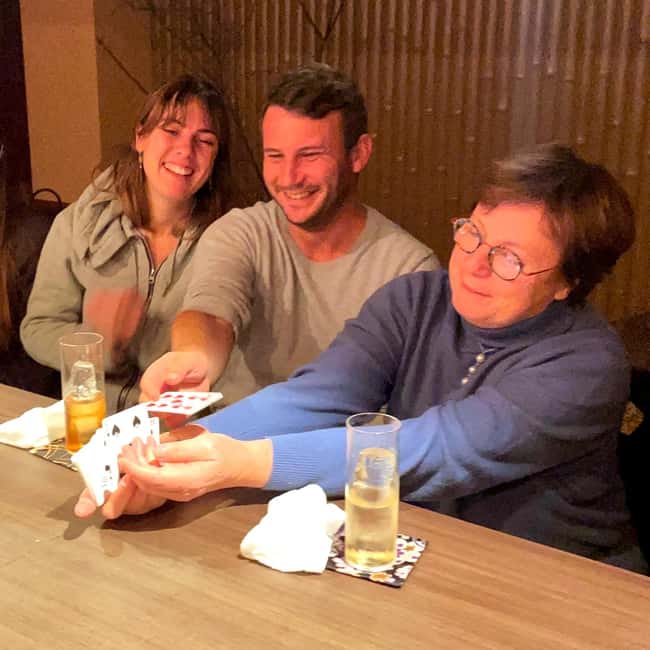
The one-hour duration makes planning easy, but you still need to allow time to reach the Gion meeting point. Transportation to and from the venue is not included, and the activity does not provide a transfer. You arrange your own way to the building and meet the staff member outside five minutes before the start.
Do not arrive at the last second. The venue is in a traditional tea room in Gion, and the show is reservation only. The five-minute early arrival request is modest, but it gives you time to find the entrance and settle in before the performance begins.
The activity can work well as a break from temple visits. Gion is known for traditional streets and cultural sights, but walking there for hours can become tiring. A reserved indoor hour gives you a change of pace without taking over the day.
It also works well before dinner. Since the exact start times depend on availability, check the schedule before building your plans around it. Leave enough time afterward if you have a fixed restaurant reservation, since the listed duration is one hour and you still need to exit the venue and continue through Gion.
If you are traveling with a larger party, note the six-seat limit. The group is private, but the room cannot accommodate an unlimited number of people. A larger family or tour party may need to split into separate bookings, and the available seating should be checked before paying.
Who will enjoy this most
I would recommend this experience to you if you want a small, unusual Kyoto activity with a clear cultural connection. It suits couples, close friends, and families who enjoy being part of a show rather than simply watching from a distance.
It is also a good choice for repeat visitors to Kyoto. If you have already seen several temples and shrines, Wazuma offers a different view of Japanese tradition. The experience is short, indoor, and focused, so it can add variety to a packed sightseeing plan.
Magic fans should pay special attention to the close-up format. You are not watching a distant illusionist with a large production team. The challenge is to observe every movement from a few feet away and still leave without knowing how the trick worked.
The activity may be less suitable for you if you dislike performance-based experiences, want a long formal tea ceremony, or need wheelchair access. Wheelchair users cannot take part according to the activity information.
English speakers should find the format straightforward. The host or greeter language is English, and the matcha portion includes English guidance. The listed language information does not promise a full multilingual presentation, so you should plan on English being the main support language.
Booking, cancellation, and small practical details
The experience is offered at $77 per person. You can reserve now and pay later, which helps if your Kyoto schedule is still changing. Free cancellation is available up to 24 hours before the activity for a full refund.
The activity has a rating of 4.8 from 29 reviews, with especially strong praise for the magic, the beautiful room, the private atmosphere, and the matcha afterward. The repeated reaction is not just that the tricks are good. It is that the magic happens so close to the audience and still remains impossible to explain.
One person noted that the staff adjusted when the group arrived late. I would not use that as permission to cut it close. The show is reservation only, and arriving five minutes early is the sensible plan, especially in Gion.
Flash photography is prohibited during the show. Bring your camera for the setting if permitted, but keep it away during the performance unless staff gives different instructions. The quiet atmosphere is part of what makes the room work.
Should you book the Wazuma and matcha experience?
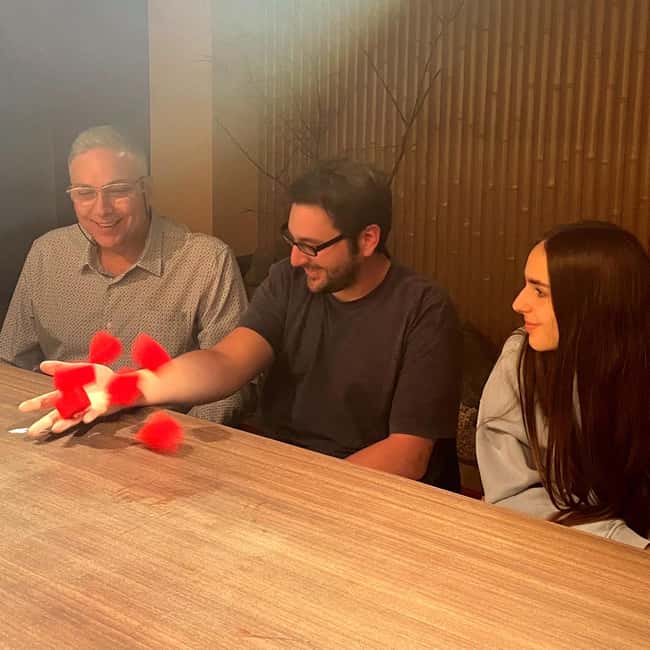
Book it if you want rare Japanese performance art, a private room, and a short activity that feels different from the usual Kyoto checklist. The combination of close-up Wazuma magic and Uji matcha is unusual, and the six-seat format gives the hour a personal feel.
Skip it if $77 feels high for a one-hour activity, if you are seeking a full formal tea ceremony, or if accessibility is a concern. The value is in the privacy and rarity, not in the length.
For the right visitor, this is a smart splurge. You leave with a taste of matcha, a small souvenir, and the lingering irritation of having watched a trick from inches away without discovering the secret.
FAQ
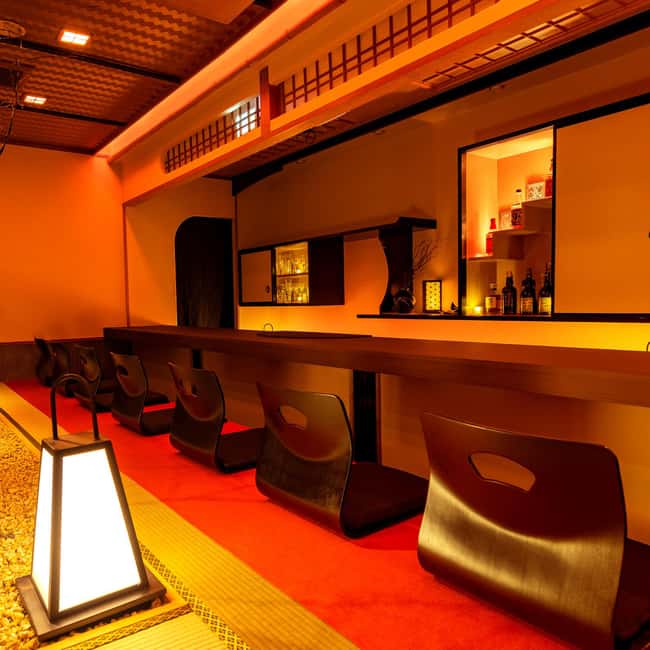
Where does the Wazuma magic show take place?
The show takes place in a traditional tea room in Kyoto’s Gion area.
How long does the activity last?
The full experience lasts one hour, with 30 minutes of magic followed by 30 minutes of Uji matcha tea time.
How many people can attend?
The tea room has only six seats available, and the activity is offered as a private group experience.
Is the show available without a reservation?
No. The show is by reservation only.
Is English guidance provided?
Yes. The host or greeter language is English, and the matcha tea time includes English guidance.
Is transportation included?
No. Transportation to and from the activity location is not included.
Can I take photographs during the show?
Flash photography is not allowed during the performance.
Is the activity suitable for wheelchair users?
No. The activity is listed as unsuitable for wheelchair users.
Can I cancel for a refund?
Yes. You can cancel up to 24 hours in advance for a full refund. You can also reserve now and pay later.
More Shows in Kyoto
- Kyoto Gion Cultural Walk & Geisha Show with Dining Options
★ 5.0 · 518 reviews - Kyoto Gion Cultural Walk & Geisha Show with Dining Options
★ 5.0 · 483 reviews - 1 Hour Geisha Show in Kyoto
★ 5.0 · 452 reviews - Kyoto: Samurai Kenbu Traditional Sword Dancing Show
★ 4.5 · 426 reviews
Just added around Kyoto
- Kyoto: Zen Meditation at a Private Temple with a Monk★ 5.0 · 25 reviews
- Kyoto: Gion Geisha District & Sake-in-Hand Walking Tour★ 5.0 · 37 reviews
- Private Pewter Sake Cup Experience with a Kyoto Artisan★ 5.0 · 31 reviews
- Your Private Vacation Photography Session In Kyoto★ 5.0 · 110 reviews
- Private Guided Traditional Buddhist Cooking in Japan★ 5.0 · 16 reviews
- Kyoto Wagashi(Japanese sweets) Cooking Class near Fushimiinari★ 5.0 · 60 reviews
- Traditional Japanese Music show & Experience Tour in Kyoto★ 5.0 · 57 reviews
- Kyoto:Family-Friendly Kimono & Yukata Experience at WARGO★ 5.0 · 147 reviews
Kyoto Tours, compared.


Fushimi Inari, Kinkakuji, Bamboo Grove 1 Day Bus Tour
Read our review →
Tea Ceremony in a Traditional Tea House in Kiyomizu
Read our review →
Kyoto Geisha Walking Tour: Gion District & Hidden Gems
Read our review →

Gion Magical Night Walking Tour with Geisha Trivia
Read our review →

Gion Geisha District Walking Tour – Stories of Geisha
Read our review →Browse the lists this tour appears in