
Reviewed · BAMBOO GROVE TOURS
Private Walking Tour in Bamboo Forest & Hidden Spots in Arashiyama
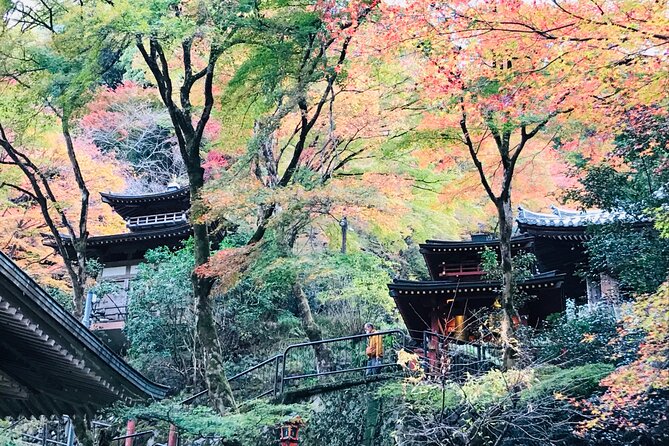
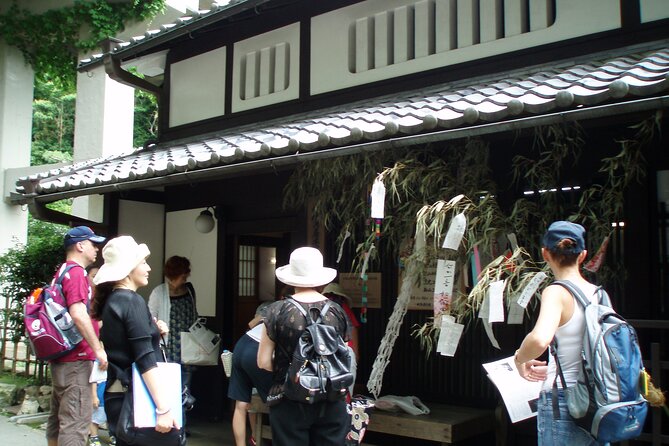
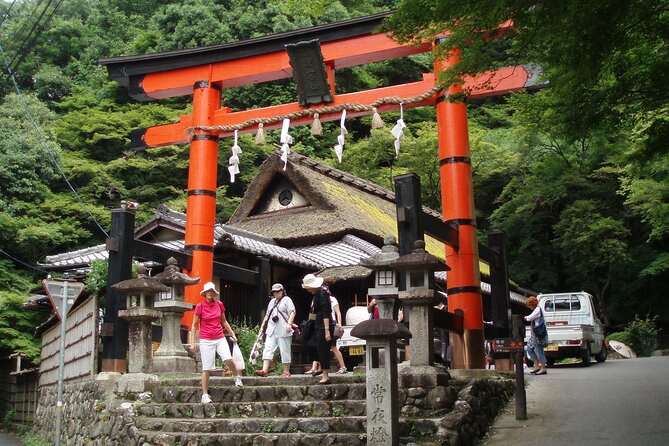
Arashiyama’s famous bamboo grove is beautiful, but it is only one piece of the story. This four-hour private walk begins in the older Sagano district, where temples, preserved houses, stone Buddhist figures, and quiet lanes give you a better sense of Kyoto beyond the standard photo stop.
I like the route for two clear reasons: you get the attention of your own guide, and the walk connects the bamboo grove with places many short Arashiyama visits skip. The early 9 a.m. start is another plus. The main drawback is that the bamboo path can become very crowded, while temple entrance fees and transportation are not included in the $85.87 price.
Key points to know before booking
- The route begins in historic Sagano: You start at Saga-Arashiyama Station and walk through an area once favored as a country retreat by Kyoto’s aristocracy.
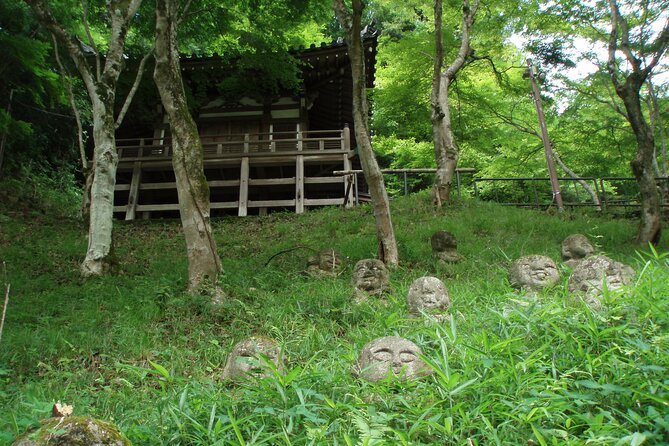
- Otagi Nenbutsu-ji is the unusual stop: Its 1,200 hand-carved Rakan statues are more distinctive than the usual temple courtyard.
- The 9 a.m. start helps with crowds: It gives you a better chance at a calmer bamboo walk, though it cannot guarantee an empty path.
- This is a private tour: Only your group takes part, so you can ask questions and set the pace more easily than on a large group outing.
- The walk ends at Togetsukyo Bridge: You are well placed to continue toward Monkey Park or explore more of Arashiyama afterward.
- The price is guide-focused: At $85.87 per person, the value depends on how much you want local explanation and personal attention, since meals, transport, and temple tickets cost extra.
Starting at Saga-Arashiyama Station
The meeting point is Saga-Arashiyama Station, at 11-1 Sagatenryūji Kurumamichichō. The tour starts at 9 a.m., a useful time in a district that fills quickly later in the morning.
You should arrive with comfortable shoes, water, and a little cash for temple admissions. The walk is described as gentle rather than strenuous, but it lasts about four hours and includes several temple grounds, streets, and the bamboo path. There is no hotel pickup, so you need to reach the station on your own.
The private format matters here. Arashiyama is easy to visit independently, but it is also easy to follow the crowd from the station straight to the bamboo grove. A guide can give the area a proper sequence, explain what you are seeing, and point out why Sagano developed as a retreat for Kyoto’s upper classes.
That personal attention is the main reason to choose this experience instead of simply walking the same roads alone. If you already know Kyoto well and prefer to wander without a schedule, the added cost may be harder to justify.
More Arashiyama and bamboo walks:
- Kyoto: Fushimi Inari, Kinkakuji, Bamboo Grove 1 Day Bus Tour
★ 4.8 · 4,316 reviews - Osaka/Kyoto:Kinkakuji,Arashiyama,FushimiInariShrine,NaraPark
★ 4.1 · 1,596 reviews - Kyoto/Osaka: Nara, Fushimi Inari Taisha, Arashiyama Bus Tour
★ 4.7 · 1,275 reviews
Seiryōji and the first glimpse of old Sagano
The first stop is Seiryōji, also called Saga Shakadō. The temple began as the villa of an aristocrat in the ninth century, giving the opening part of the walk a useful sense of age and place.
The visit here is scheduled for about 10 minutes, with no admission charge listed. That is enough for an introduction and a look around, not a long temple visit. I see this stop as a scene-setter. It helps you understand that Sagano is not simply a modern tourist district built around bamboo photographs.
The short timing also keeps the tour moving. You will not spend half the morning inside one temple before reaching the more unusual sights farther along the route. Ask your guide about the temple’s earlier life as a private villa and how that fits into Sagano’s role as an aristocratic escape from central Kyoto.
Traditional houses along Saga Toriimoto
Next comes the Saga Toriimoto Traditional Buildings Preservation Area. This section follows the old Atago highway, once the road toward Mount Atago and its Shinto connection with protection from fire.
You spend about 10 minutes here, again without an entrance fee. The appeal is the street itself: preserved traditional buildings create a sharp contrast with the station area and the commercial roads around central Arashiyama.
This is one of the route’s better choices because it gives you more than a single famous sight. The bamboo grove is memorable, but it tells you little about how people lived and moved through the district. Traditional houses and an old road provide that missing everyday context.
The stop is brief, so do not expect a long architectural tour. You will get a compact look at the preserved street and a guide’s explanation before continuing uphill or onward toward Otagi Nenbutsu-ji.
Otagi Nenbutsu-ji and its 1,200 stone figures
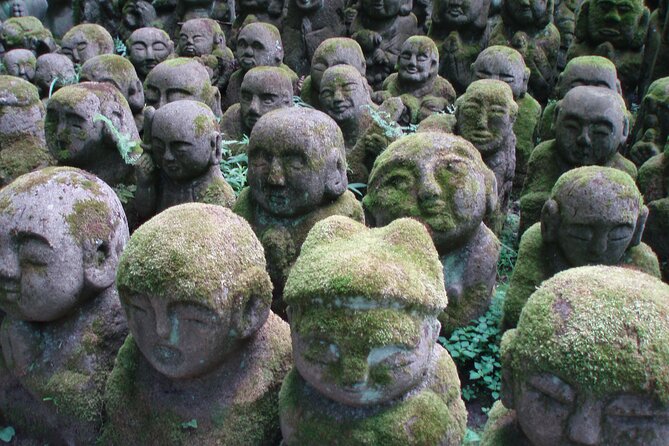
Otagi Nenbutsu-ji is the tour’s most distinctive stop. The temple is known for 1,200 stone Rakan figures, each representing a disciple of Buddha. The statues were hand-carved by 1,200 different people who visited the temple.
You have about 20 minutes here, and admission is not included. Set aside extra money for the ticket. The figures are not identical, formal statues lined up in perfect rows. Their faces and expressions are playful, gentle, and often a little odd. That gives the visit a warmer, more human feel than a quick pass through a grand temple hall.
I would not skip this stop simply because the bamboo grove is the headline attraction. Otagi Nenbutsu-ji supplies the kind of detail that makes a walking tour worthwhile. You see how religious art can be personal and informal, not only solemn and monumental.
Twenty minutes is enough to take in the main collection, though anyone who loves sculpture or photography may want more time. Since this is a private tour, you can ask the guide to focus on the figures that catch your eye, but the overall schedule still has to reach the later stops.
More walking tours in Kyoto:
- Kyoto Geisha Walking Tour: Gion District & Hidden Gems
★ 4.7 · 3,273 reviews - Kyoto: Gion Magical Night Walking Tour with Geisha Trivia
★ 4.9 · 2,393 reviews - Kyoto: Gion Geisha District Walking Tour – Stories of Geisha
★ 4.7 · 2,187 reviews - Night Walk in Gion: Kyoto’s Geisha District
★ 4.5 · 2,003 reviews
Walking through Arashiyama’s bamboo grove
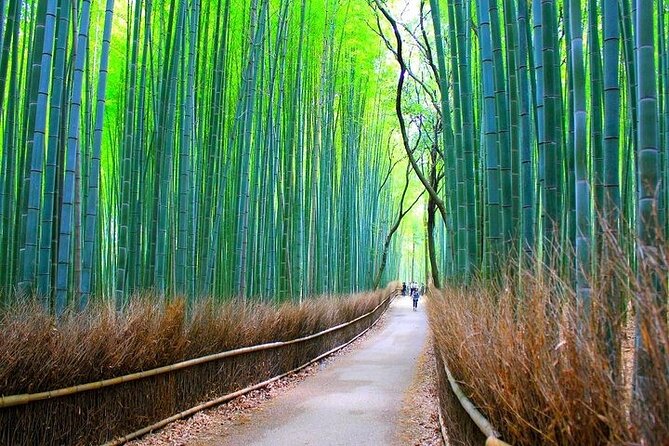
The Bamboo Forest Street is the most recognizable part of the experience. You walk beneath tall bamboo on a broad, well-known path while the guide explains how bamboo has been valued and used in Japan.
The grove is free to enter, and the walk through this section takes about 10 minutes on the official schedule. In practice, you should think of it as a short portion of a longer morning, not a private hour inside a silent forest.
The bamboo itself is striking. Tall green stalks rise on both sides of the path, creating strong vertical lines and excellent photographs. In good conditions, the grove feels almost unreal. The visual effect is the reason this area became one of Kyoto’s most photographed sights.
The catch is the crowd. By late morning, the path can be packed with people taking selfies and posing in rented kimono. That can reduce the quiet, airy feeling you may have seen in photographs. The early start is therefore one of the tour’s practical advantages, although even at 9 a.m. you should not expect complete solitude.
Some visitors find the grove too busy and too short for the amount of attention it receives. I think the fair way to see it is this: the bamboo is worth seeing, but it should not be the only reason you book the tour. Its value improves when paired with Sagano’s temples, preserved streets, and the guide’s explanation of bamboo’s place in Japanese life.
There are gardens and paid areas near the bamboo route that can add another layer to the visit. One garden experience is described as costing about 500 yen and including tea and a biscuit. That fee is separate, and you should treat it as an optional extra rather than part of the tour price.
Bring insect repellent if you are prone to bites. The grove is shaded and green, and one visitor had trouble with insects. That is a small matter, but it is the sort of practical detail that can affect your comfort.
Tenryu-ji’s Zen garden
Tenryu-ji is a major Zen temple founded in the 14th century and recognized as a UNESCO World Heritage site. The tour allows about 20 minutes here, with admission extra.
This is a short visit to an important place. Tenryu-ji is best known for its garden and its calm, carefully arranged setting. The tour gives you time to feel the change from the crowded bamboo route to a more composed temple environment, while the guide explains the basic ideas behind Zen and the garden’s design.
If gardens are central to your Kyoto plans, 20 minutes may feel tight. You may want to return later on your own for a slower visit. That is easy to do because the tour remains in Arashiyama, and you can decide after the guided walk whether Tenryu-ji deserves more of your day.
The separate admission fee is worth remembering when comparing prices. The advertised $85.87 covers the professional guide, not the paid temple entries. Add those tickets to your budget, along with any food and local transport.
Ending beside the Katsura River
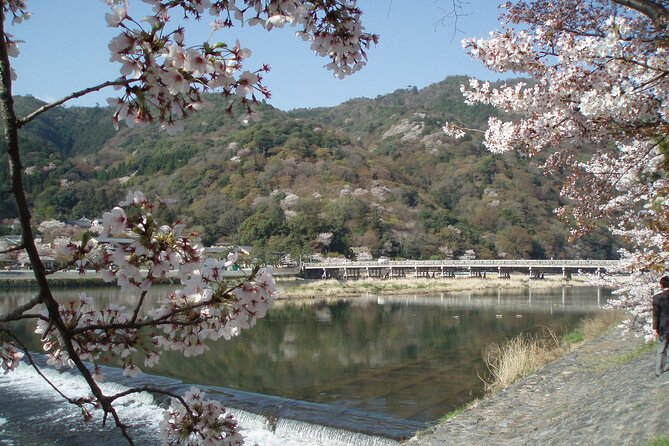
The final stop is Togetsukyo Bridge, the Moon Crossing Bridge. The name comes from an ancient emperor’s image of the moon seeming to cross the bridge.
The scheduled stop lasts about five minutes, but the setting gives you a natural end point. The bridge spans the river near the center of Arashiyama, with open views and easy access to more attractions. The tour ends here, close to Monkey Park, so you can continue exploring instead of retracing the entire route to the station.
This ending is practical. You might visit Monkey Park, look for lunch, browse the area, or simply pause by the river. The tour does not include a return transfer, but it leaves you in a useful part of town rather than at an inconvenient roadside.
The bridge itself is not a major guided visit. It works as a final landmark and a chance to take photographs. If you want to see Monkey Park, remember that it is not included in this tour and requires its own visit.
What the $85.87 price really buys
At $85.87 per person, this is not the cheapest way to see the bamboo grove. The grove itself is free, and you can reach Arashiyama by public transport without joining a tour.
You are paying mainly for a private guide and a planned route. That can be good value if you want historical background, help making sense of the district, and the ability to ask questions along the way. It is also useful for a first visit when you want to combine several sights without working out the order yourself.
The price is less appealing if you only want photographs in the bamboo. You would be paying for far more than that, including the old Sagano roads, Otagi Nenbutsu-ji, Tenryu-ji, and the bridge.
Budget separately for:
- Temple entrance fees
- Lunch
- Transportation to and from the attractions
- Transportation to the starting station
- Any optional paid garden area
There is no lunch stop included, so eat before the 9 a.m. meeting time or plan to find food after the tour. Arashiyama has plenty of places to continue your day, but this experience itself is focused on walking and sightseeing.
Who will enjoy this private walk
I would recommend the tour to first-time Kyoto visitors who want more structure than an independent stroll but do not want to join a large group. The private setup suits couples, families, and small groups who value personal questions and a flexible pace.
It is also a good fit if you have only one morning for Arashiyama. The route links several different types of place: an old temple, preserved buildings, unusual statues, bamboo, a World Heritage temple, and a famous bridge.
You should think twice if you dislike crowds or expect the bamboo grove to be silent. The tour begins early, but the grove remains a popular public path. You should also reconsider it if you want long visits inside each temple. The schedule gives you a useful overview, not an unhurried study of every site.
Most people can take part, and the walk is generally gentle. Still, comfortable footwear is sensible because the experience is built around walking for about four hours. The mobile ticket makes entry simple, and booking confirmation is provided at the time of purchase.
Free cancellation is available if you cancel at least 24 hours before the 9 a.m. start time. Changes or cancellations inside that window are not refunded.
Should you book the Sagano walk?
Book this tour if you want the bamboo grove placed in its proper setting. The best part is not one photograph. It is the progression from old Sagano and its aristocratic past to the stone figures at Otagi Nenbutsu-ji, then through bamboo and into Tenryu-ji’s Zen garden.
I especially like it for people who want a private introduction to Arashiyama without spending the whole day planning routes. The early start, unusual Otagi Nenbutsu-ji stop, and final position near Monkey Park add real practical value.
Skip it if you only want a quick bamboo photograph, need a budget outing, or prefer to spend an hour or more at each temple. For everyone else, $85.87 is a reasonable guide fee, provided you remember that entrance tickets, food, and transport are extra.
FAQ
Where does the tour start?
The tour starts at Saga-Arashiyama Station, at 11-1 Sagatenryūji Kurumamichichō in Kyoto’s Ukyo Ward.
What time does the walking tour begin?
The scheduled start time is 9:00 a.m.
How long does the tour last?
The experience lasts approximately four hours.
Is this a private tour?
Yes. Only your group participates in the activity.
Does the price include temple entrance fees?
No. Temple admission fees are not included, so you should budget for them separately.
Is transportation included?
No. Transportation to and from the attractions, as well as hotel pickup and drop-off, is not included.
Where does the tour end?
The tour ends at Togetsukyo Bridge, close to Monkey Park, where you can continue exploring Arashiyama.
Just added around Kyoto
- Kyoto: Zen Meditation at a Private Temple with a Monk★ 5.0 · 25 reviews
- Your Private Vacation Photography Session In Kyoto★ 5.0 · 110 reviews
- Kyoto: Gion Geisha District & Sake-in-Hand Walking Tour★ 5.0 · 37 reviews
- Private Pewter Sake Cup Experience with a Kyoto Artisan★ 5.0 · 31 reviews
- Private Guided Traditional Buddhist Cooking in Japan★ 5.0 · 16 reviews
- Kyoto Wagashi(Japanese sweets) Cooking Class near Fushimiinari★ 5.0 · 60 reviews
- Traditional Japanese Music show & Experience Tour in Kyoto★ 5.0 · 57 reviews
- Kyoto:Family-Friendly Kimono & Yukata Experience at WARGO★ 5.0 · 147 reviews
Bamboo Grove Tours, compared.

Fushimi Inari, Kinkakuji, Bamboo Grove 1 Day Bus Tour
Read our review →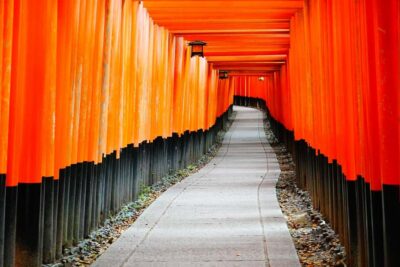
Osaka/Kyoto:Kinkakuji,Arashiyama,FushimiInariShrine,NaraPark
Read our review →
Kyoto/Osaka: Nara, Fushimi Inari Taisha, Arashiyama Bus Tour
Read our review →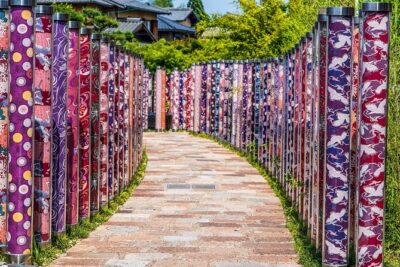
Kyoto Arashiyama Walking Tour: Bamboo, Monkeys, Gardens & Secrets
Read our review →
Arashiyama Bamboo, Temple, Monkeys, or Secret Sake Brewery
Read our review →
Arashiyama Bamboo Forest, Monkeys, Matcha & Temple Tour
Read our review →
Osaka/Kyoto: Arashiyama, Nara & Fushimi Inari Shrine w/Lunch
Read our review →
Nijo, Kinkaku-ji, Arashiyama, Kiyomizu & Fushimi Inari
Read our review →Browse the lists this tour appears in