
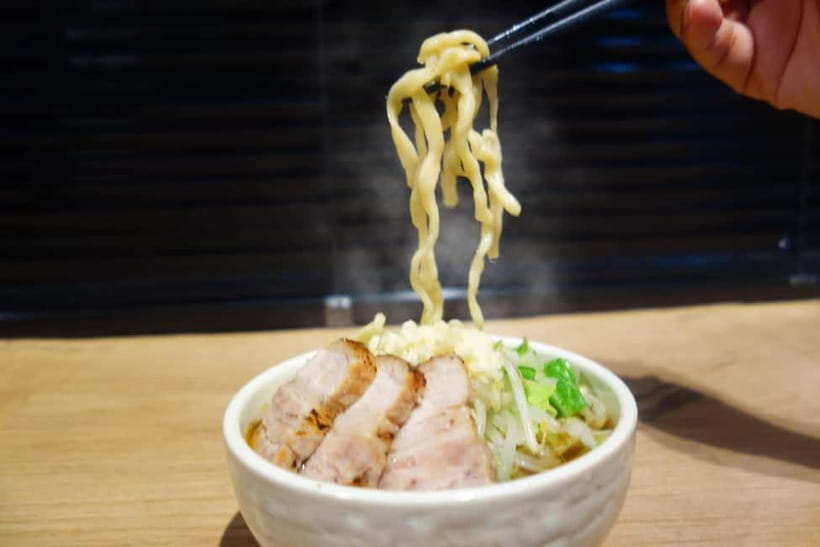
Reviewed · TOKYO TOURS
Ramen Making from Scratch +Akihabara Tour –Cooking Class
The best part of this three-hour experience is that you make the noodles yourself, starting with flour rather than opening a packet. You also get a quick look at Akihabara and a local supermarket before moving into the kitchen, which gives the meal some useful context.
I like the small maximum of six people, since an English-speaking instructor can give you hands-on help. I also like the supermarket stop, where you see the actual ingredients used that day. The main catch is that the class ends at a different place from the meeting point, and the train fare to the studio is not included.
Key Points at a Glance
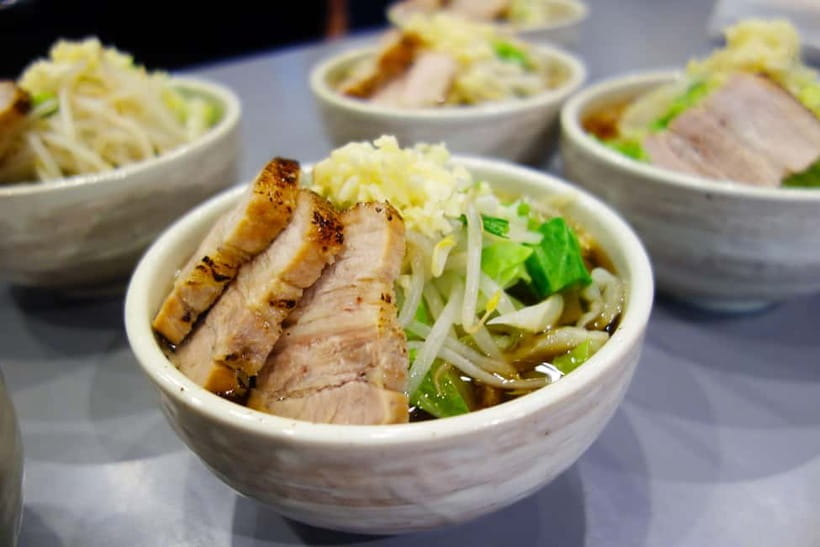
- Fresh noodles from flour: Prepare the noodles, broth, and toppings for a bowl of Jiro-style ramen.
- Akihabara before the kitchen: Walk through electric town, anime shops, gadgets, and pop-culture sights.
- Real supermarket stop: See Japanese cooking ingredients and learn how they fit into the recipe.
- Small English-speaking class: The group is limited to six participants, with a guide and instructor involved.
- $120 value: The price includes the walking tour, cooking class, food, drinks, and downloadable photographs.
- Important limitation: Vegan and vegetarian versions are not available, and pork chashu must be changed to chicken more than 48 hours ahead.
From Akihabara Station to Your Ramen Bowl
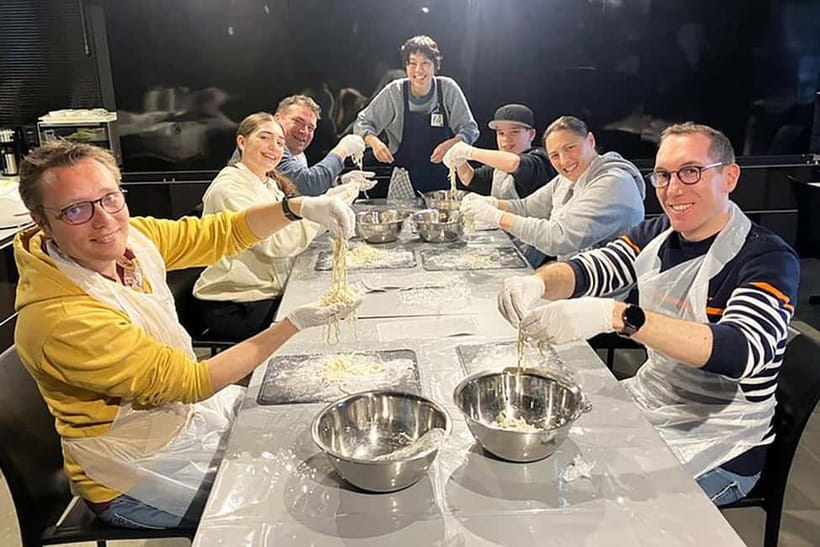
This experience joins two very different sides of Tokyo. It starts in Akihabara, the famous electric town, then shifts to a modern kitchen studio where you work with flour, broth, and toppings.
That combination is more useful than a cooking class alone. You first see the food-buying side of everyday Japanese life, then use those ingredients in a meal you prepare yourself. You also get a quick introduction to one of Tokyo’s most recognizable neighborhoods without spending the whole afternoon on a standard sightseeing walk.
The meeting time is 11 a.m. outside the Central Ticket Gate at JR Akihabara Station. Akihabara has several station exits and connected lines, so read the meeting instructions closely and allow enough time to find the correct gate.
The group leaves if you are more than 10 minutes late. If that happens, you must make your own way to the kitchen studio, and there is no refund for arriving late. This is a good reason to arrive early rather than trying to cut the timing close.
More anime and pop-culture days in Tokyo:
- Official Street Go-Kart Tour – Akihabara
★ 5.0 · 1,578 reviews - Tokyo Go Kart: Asakusa, Skytree, and Akihabara **IDP MUST**
★ 5.0 · 988 reviews - Tokyo Studio Ghibli Museum and Ghibli Film Appreciation Tour
★ 4.5 · 421 reviews
A Short Walk Through Electric Town
The Akihabara walk takes about 20 minutes. It is not a full neighborhood tour, but it gives you a compact look at the streets famous for electronics, anime, gadgets, and Japanese pop culture.
The walk is especially helpful if this is your first time in Akihabara. You can get your bearings, see some of the area’s visual character, and hear how the guide connects the neighborhood to the rest of the outing. The pace is designed to get you from the station to the supermarket, so do not expect long shopping stops or extensive sightseeing.
I like this opening because it avoids treating the cooking class as an isolated indoor activity. You begin in one of Tokyo’s most unusual districts, then move toward a meal that feels more connected to daily life.
Still, keep your expectations in check. If your main goal is Akihabara shopping, 20 minutes will feel short. You will not have much time to browse shops, compare electronics, or visit multiple anime attractions. Think of the walk as an introduction, not a dedicated Akihabara tour.
Seeing the Ingredients at an Akihabara Supermarket
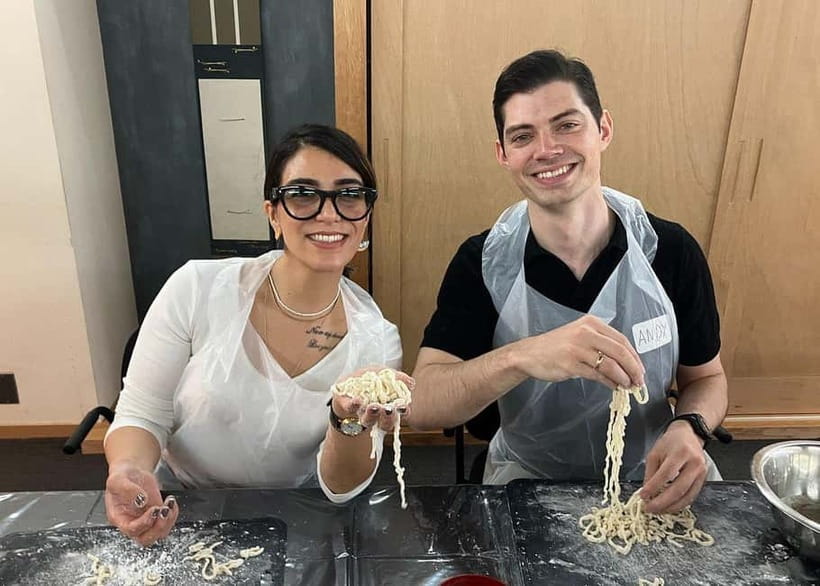
The next stop is a local supermarket, where you spend about 20 minutes looking at the ingredients for the ramen prepared that day.
This is one of the most valuable parts for anyone who wants more than a recipe card. A supermarket shows you how Japanese cooking looks before it reaches the table. Your guide explains the ingredients and how they are used in the ramen, giving you a practical connection between the products on the shelf and the food in your bowl.
The exact ingredients can vary because the class explains what is being used that day. That makes the stop more interesting than a fixed display of ingredients, but it also means you should not expect a guaranteed list of every item before arrival.
You will have only a short time here. It is enough for an introduction and explanation, not a full grocery-shopping lesson. If you see something unfamiliar, this is the moment to ask about it before heading to the kitchen.
The Train Ride to Patia Kitchen Studios
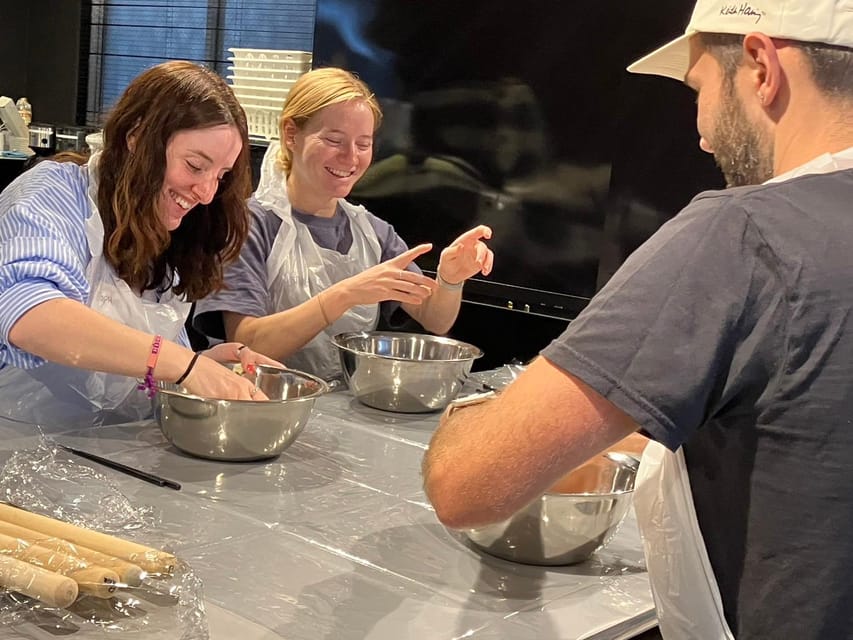
After the supermarket visit, you take a train to the cooking studio. The trip takes about 15 to 30 minutes, depending on the route and conditions.
The train ride is not included in the $120 price. You need to use your own Suica or another IC card. If you do not have one, the guide helps you buy a ticket, so the extra step should be manageable, but you still need to budget for the fare.
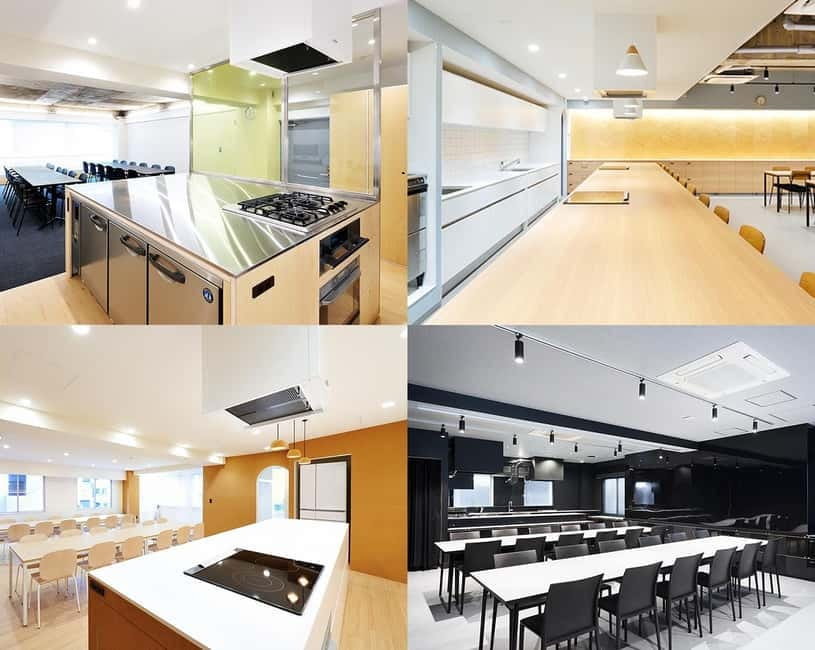
The class takes place at Patia Kitchen Studios, a modern cooking venue in central Tokyo. The studios are described as spacious and relaxed, and they are only a few minutes from the nearest station. The location has also been used for Japanese television programs, which gives it a professional setting without turning the activity into a formal culinary school.
Remember that the studio is where the outing finishes. You do not return to JR Akihabara Station at the end, so check your plans before booking. Ending at the studio can work well if you are continuing elsewhere in Tokyo, but it requires a little route planning.
More cooking classes in Tokyo:
- Ramen & Gyoza Cooking Class in Tokyo with Local Supermarket Visit
★ 5.0 · 823 reviews - Tokyo: Easy Ramen Cooking Experience in Kabukicho, Shinjuku
★ 4.6 · 321 reviews - Ramen and Sushi Cooking Class with Sake Pairing Set in Tokyo
★ 5.0 · 291 reviews - Tokyo: Wagyu and 7 Japanese Dishes Cooking Class
★ 4.9 · 273 reviews
Making Fresh Ramen in About 90 Minutes
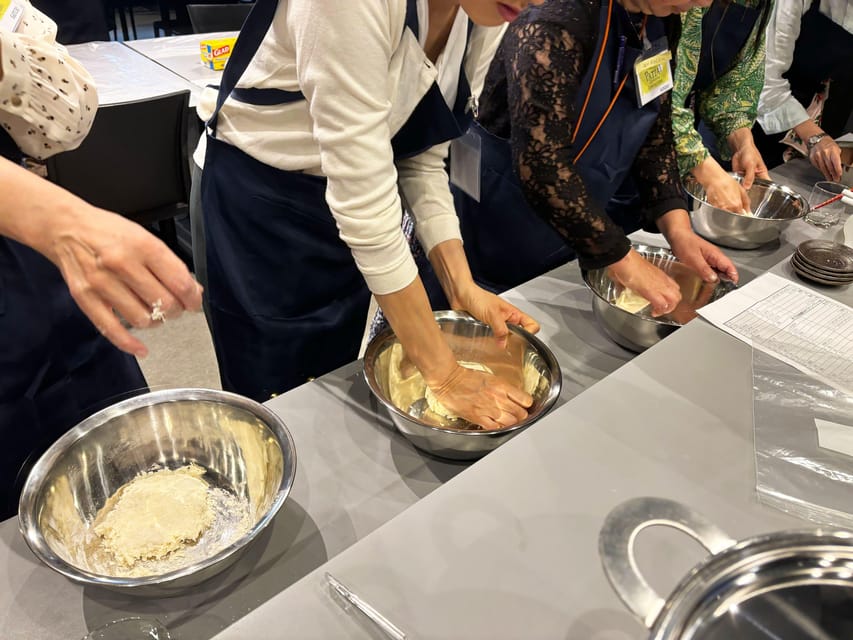
The cooking session lasts about 90 minutes. With an English-speaking instructor guiding you, you prepare the main parts of the meal: fresh noodles, broth, and toppings.
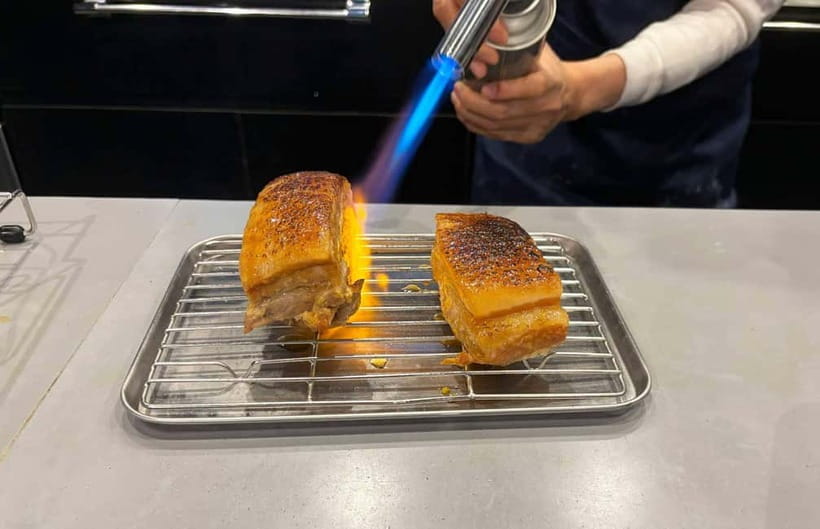
The noodle-making is the central feature. You work from flour and learn how the dough becomes the noodles for your bowl. That hands-on step gives you something a normal ramen meal cannot provide. You are not simply tasting a finished dish. You are seeing how much work goes into the texture and shape of the noodles before they reach the soup.
You also prepare the broth and toppings, then bring everything together as Jiro-style ramen. The class describes this as a special style of ramen, and the experience is presented as the only English-language class where you can learn this particular preparation.
The instructor’s role matters here. Making noodles from scratch can be messy and unfamiliar, so an English-speaking teacher makes it easier to follow instructions and ask questions as you work. The small group, capped at six participants, should also allow more direct help than a large demonstration class.
The class has received its strongest praise for the friendly guide and instructor, along with the flavor of the finished ramen. One especially high rating described the homemade bowl as the best ramen of an entire Japan trip. That is a subjective judgment, of course, but it points to the main appeal: the meal is not just a souvenir activity. The food itself is meant to be a satisfying part of the day.
When the cooking is finished, you eat the bowl you prepared. Food and beverages are included, as are photographs that you can download later.
What Jiro-Style Ramen Means Here
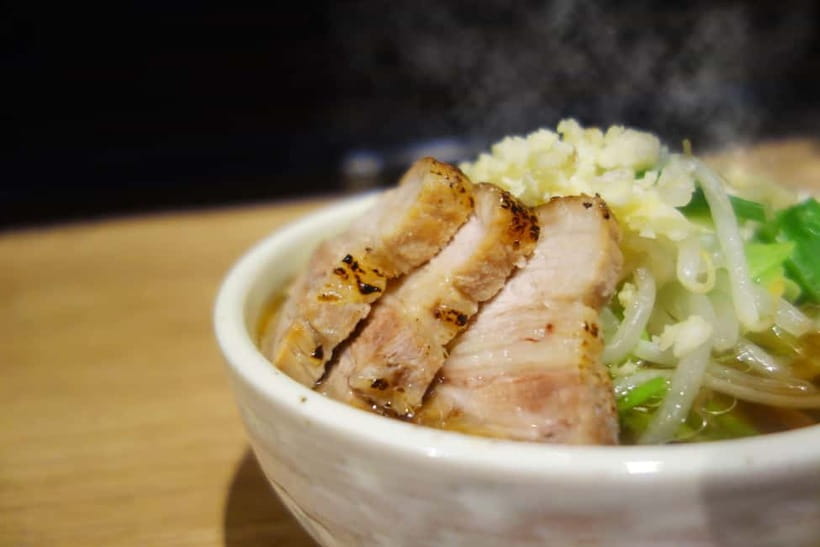
The important point is that this class teaches a Jiro-style ramen preparation from scratch. The cooking includes fresh noodles, broth, toppings, and chashu.
The supplied information does not give a detailed technical explanation of the style, such as the precise broth ingredients, noodle thickness, or topping quantities. Do not book expecting a full restaurant-level formula in advance. Instead, think of it as a guided lesson in one distinctive ramen approach, with the exact ingredients explained during the class.
Pork chashu is part of the standard preparation. If you prefer chicken, you can request the change more than 48 hours before the activity. This is a useful option for people who eat chicken but not pork. It is not a last-minute request, so handle it at booking.
There are no vegan or vegetarian options. This outing is not suitable for vegans or vegetarians, and the available information does not promise substitutions beyond the pork-to-chicken change.
Is $120 a Fair Price?
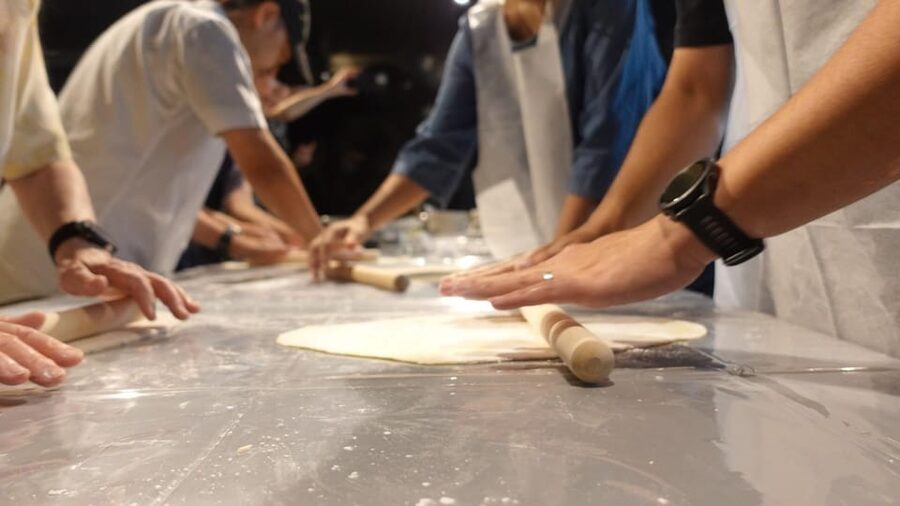
At $120 per person, this is not a cheap bowl of ramen, and you should not judge the price against what you would pay at a restaurant.
The fee covers a three-hour experience with an Akihabara walking segment, a supermarket visit, an English-speaking cooking class, food and drinks, and downloadable photographs. You also get instruction, ingredients, studio use, and the chance to prepare a dish that would be difficult to reproduce confidently during a short Tokyo visit.
I think the price makes the most sense if you value participation. You are paying for the lesson and the setting as much as the meal. The small group is another reason the cost is easier to justify, particularly for people who want to ask questions and receive help instead of watching a chef work from the other side of a crowded room.
You should also allow extra money for the train from Suehirocho Station to the studio. Hotel pickup and drop-off are not included. Since the activity finishes at the studio, you may also need to plan your next train ride afterward.
Free cancellation is available up to 24 hours before the start time, and you can reserve now and pay later. That flexibility helps if your Tokyo schedule is still taking shape, but it does not protect you from the late-arrival rule.
Who Will Enjoy This Most
This is a strong choice for adults and older children who enjoy food, hands-on activities, and small-group instruction. It suits you especially well if you want to understand more about Japanese ingredients rather than simply eat at a famous ramen shop.
It is also a good fit if you have already planned time in Akihabara. The neighborhood walk adds a little local color before the cooking, and the supermarket visit gives you a practical look at Japanese food shopping.
The class is less suitable if you want a relaxed, open-ended morning. The schedule moves from the station to the neighborhood walk, supermarket, train, and kitchen in a set order. A late start can cause real trouble.
Children under five are not allowed. The experience is also not suitable for wheelchair users or people with back problems. Baby strollers and smoking are not allowed.
Practical Tips for a Smooth Morning
Arrive at JR Akihabara Station early and confirm that you are outside the Central Ticket Gate. Akihabara is easy to reach but can be confusing inside, especially if you are changing lines or using a different station entrance.
Wear clothes that are comfortable for cooking. The available information does not specify a dress code, but you will be working with dough, broth, and toppings for roughly 90 minutes.
Keep the class schedule in mind when making dinner plans. The listed duration is three hours, but the train segment can take anywhere from 15 to 30 minutes. The activity ends at the studio rather than the original meeting point.
If you need chicken instead of pork, make the request at least 48 hours ahead. Do not wait until the class begins. Vegetarians and vegans should choose another food activity, since no suitable menu is offered.
The downloadable photographs are a nice extra, but the real keepsake is the process. Pay attention during the supermarket stop and ask about ingredients while you have the guide nearby. Those details are likely to be more useful at home than a list of restaurant recommendations.
Should You Book This Ramen Class?
Book it if you want a hands-on Japanese food lesson with a short Akihabara introduction, a supermarket visit, and a small English-speaking group. The fresh noodle work and the finished Jiro-style bowl give the activity a clear purpose, while the guide and instructor add useful support.
Skip it if you need vegetarian food, step-free access, hotel pickup, or a tour that returns to Akihabara Station. You should also pass if $120 feels high for a meal and you would rather spend that money tasting ramen in several restaurants.
For the right person, this is a well-focused way to spend three hours in Tokyo. You see a famous neighborhood, learn what goes into the dish, make the noodles yourself, and finish with a meal you had a direct hand in creating.
FAQ
Where does the ramen experience meet?
Meet at 11 a.m. outside the Central Ticket Gate at JR Akihabara Station.
How long does the activity last?
The experience lasts about three hours.
Does the experience include an Akihabara tour?
Yes. The Akihabara walking tour lasts about 20 minutes and includes sights connected with electronics, anime, gadgets, and pop culture.
Do you visit a Japanese supermarket?
Yes. You spend about 20 minutes in a supermarket in Akihabara, where the guide explains the ingredients used for that day’s ramen.
Is the train ride to the cooking studio included?
No. Transportation from Suehirocho Station to the studio is not included. You use a Suica, another IC card, or a ticket purchased with help from the guide.
Where does the activity finish?
The class ends at Patia Kitchen Studios, which is different from the Akihabara meeting point.
Is the class taught in English?
Yes. The experience includes an English-speaking guide and instructor.
How many people are in the group?
The group is limited to six participants.
Can the pork chashu be changed to chicken?
Yes, but you must request the change more than 48 hours in advance.
Are vegan or vegetarian options available?
No. Vegan and vegetarian options are not available.
Is hotel pickup included?
No. Hotel pickup and drop-off are not included.
Can children join the class?
Children under five are not allowed to participate.
What does the $120 price include?
The price includes the grocery store tour, cooking experience, food and beverages, and photographs available for later download. The train fare is extra.
What happens if I arrive more than 10 minutes late?
The group may leave without you. You must then go directly to the kitchen studio, and no refund is provided for a late arrival.
Can I cancel for a full refund?
Yes. You can cancel up to 24 hours in advance for a full refund.
More Workshops in Tokyo
- Sushi Making Tokyo Roll and Authentic Japanese Sushi Class
★ 5.0 · 3,971 reviews - Tokyo: Roll and Authentic Sushi Making Class in Asakusa
★ 4.9 · 1,957 reviews - Tokyo Shinjuku Chopsticks Making Class
★ 5.0 · 1,763 reviews - Tokyo: Sushi Making Class in a Happi Coat near a Famous Spot
★ 4.9 · 1,377 reviews
Just added around Tokyo
- Private Arrival Transfer : Narita International Airport to Central Tokyo City★ 4.5 · 12 reviews
- Narita Airport(NRT): Private Transfer to Tokyo/Yokohama 1-9pax★ 5.0 · 47 reviews
- Private Transfer from Narita Airport to Yokohama Port and City★ 4.5 · 17 reviews
- [Narita Airport Terminals 1, 2] 40-60km Sawara Itako Historic Bike Tour★ 5.0 · 13 reviews
- 3 Day Japan Highlights Tour: Tokyo, Mt.Fuji, Nara, Kyoto, Osaka★ 5.0 · 22 reviews
- Small Town in the Big City: Tasting Tokyo’s Kichijoji★ 5.0 · 195 reviews
- Small Town in the Big City: Tasting Tokyo’s Kichijoji★ 5.0 · 16 reviews
- The 10 Tastings of Tokyo With Locals: Private Street Food Tour★ 5.0 · 48 reviews
Tokyo Tours, compared.

Mt Fuji and Hakone 1-Day Bus Tour Return by Bullet Train
Read our review →

teamLab Planets TOKYO Digital Art Museum Entry Ticket
Read our review →
Mt Fuji & Hakone Cruise, Drum Show Bullet Train 1 Day from Tokyo
Read our review →
Sumo Show Experience with Chicken Hot Pot and a Photo
Read our review →
Shinjuku Food Tour (13 Dishes at 4 Local Eateries)
Read our review →
Tokyo Mt Fuji 5th St & Hakone Cruise Bus Tour w/Bullet Train
Read our review →
Flagship 2-Hours Official Street Go-Kart Tour – Tokyo Bay Shop
Read our review →Browse the lists this tour appears in