
Reviewed · KYOTO TOURS
Tea ceremony and kimono experience at Kyoto, Tondaya
Tondaya gives you something many Kyoto sightseeing stops cannot: a chance to enter a 140-year-old machiya and wear a proper silk kimono inside it. You are dressed over your own clothes, shown around the old house, and served matcha and a sweet during a tea ceremony.
I like the hands-on kimono fitting and the chance to photograph the house, gardens, rooms, and traditional objects. I also like that the experience takes place in Nishijin, a quieter part of Kyoto rather than the usual Gion circuit. The main drawback is crowding. In a packed session, the ceremony may be hard to see, hear, or appreciate.
Key points to know before booking
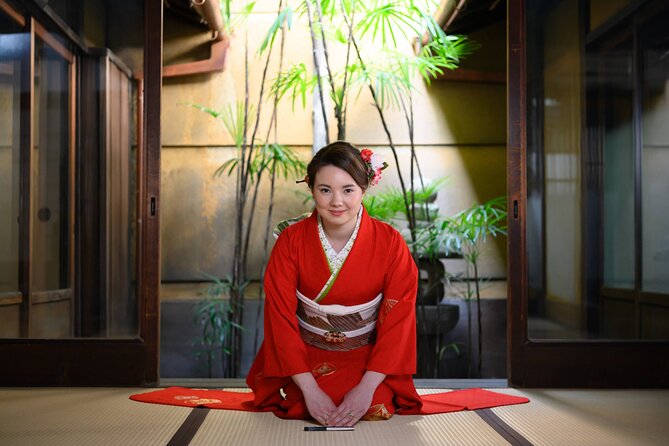
- The Meiji-period machiya is the star: Tondaya is a real traditional townhouse, not a modern cultural center.
- Kimono dressing is included: Staff fit you in an authentic silk kimono over your own clothing.
- The ceremony is fairly short: The full visit lasts about 90 minutes, but the tea preparation itself may take only a few minutes.
- Group size matters: The stated maximum is 20 people, yet some sessions have felt far more crowded in practice.
- Bring socks: You must wear socks to help protect the historic house and its furnishings.
- This is not a full makeover: Makeup, hair styling, and geta sandals cost extra or are not included.
Entering Tondaya in Kyoto’s Nishijin district
Tondaya is at 697 Ishiyakushicho in Kamigyo Ward, in Kyoto’s Nishijin area. The address is near public transportation, but the entrance can be surprisingly easy to miss. It looks like a private Japanese house, not a large museum with bold signs, so arrive with your map open and allow a little time to find the door.
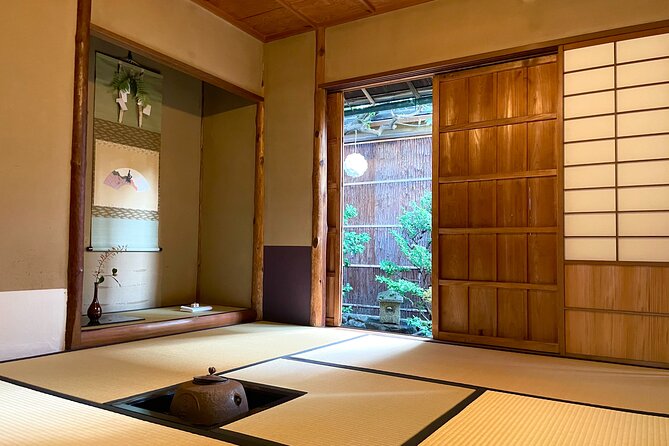
That modest entrance is part of the appeal. You do not begin in a polished attraction built for crowds. You step into a wooden townhouse with narrow rooms, traditional details, and the quiet proportions of an older Kyoto home.
Tondaya is also called the Nishijin Japanese Cultural Experience Museum. The house dates from the Meiji period and is used to explain traditional life, clothing, and tea culture. You will return to this same meeting point at the end, so there is no complicated transfer to manage.
The activity lasts about an hour and a half. Timing can shift when the house is busy, and late arrivals or a slow kimono-fitting process can shorten the time available for the ceremony and house tour.
More Kimono Experiences in Kyoto
- Kimono Tea Ceremony at Kyoto Maikoya, NISHIKI
★ 5.0 · 911 reviews - Kyoto: Kimono Rental with Hairstyling and Accessories
★ 4.8 · 653 reviews - Kyoto: Kimono Tea Ceremony at Orizuruya Gion
★ 4.9 · 618 reviews
Getting dressed in an authentic silk kimono
The kimono fitting is usually the first major part of the visit. Staff help you select from available colors and dress you over your regular clothes. The process is designed to be quick, so it is not the same as a long professional styling appointment, but it gives you the visual and physical experience of wearing traditional clothing.
I like this part because it is more than simply putting on a costume for a photograph. The layers, firm wrapping, and careful fastening show you why kimono dressing is normally a skilled task. Staff assist with patience and respect, and the garments are described as well made and authentic silk.
Do not expect hair styling or makeup. Neither is included. Geta, the wooden sandals often associated with kimono, are also not included. You can take photographs in the house, but wear comfortable clothing underneath because you will be dressed over what you arrive in.
Bring your own socks. This is not just a comfort tip. Tondaya asks you to wear socks to protect the historic floors and cultural objects. You may be able to buy socks at the venue, but bringing them avoids one more purchase and gets you ready immediately.
The fitting area can become hectic when several groups arrive together. If you are hoping for a calm, private dressing ritual, choose the private option rather than the standard group experience.
Photographing the old Kyoto house
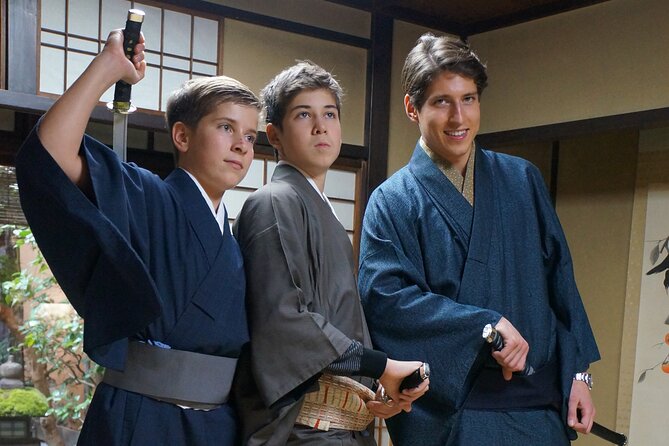
Once dressed, you have time to take photographs around Tondaya. This is one of the strongest parts of the experience for many people, especially if you want portraits in a genuine old house rather than in a studio backdrop.
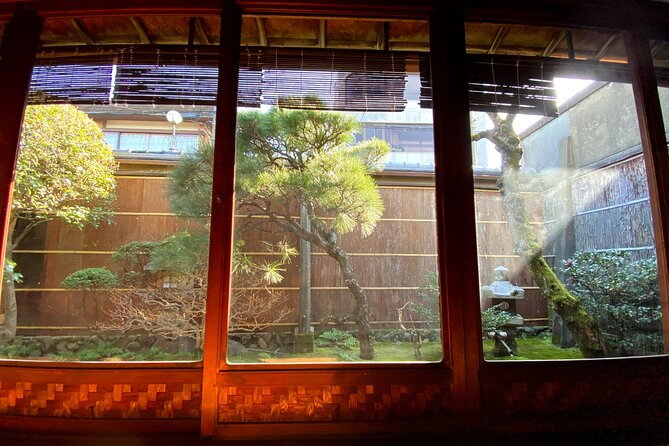
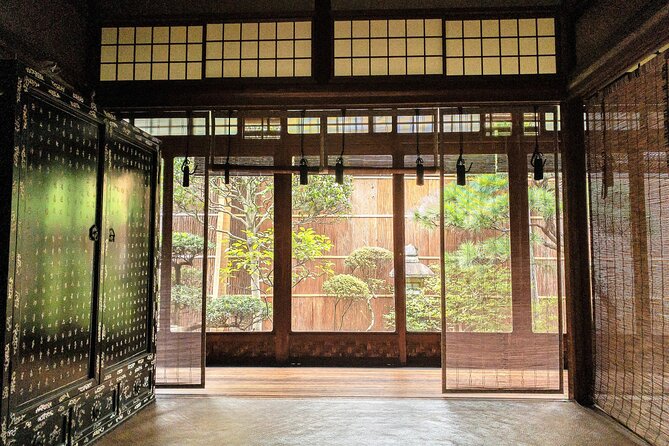
The rooms, wooden structure, gardens, furniture, and decorative objects give your photographs a sense of place. You may also be shown traditional items connected with Japanese domestic life and the tea ceremony. The house lets you see how changing seasons and outdoor air shaped the feel of older Kyoto homes.
The space is not large. That is important. It gives the visit its intimate character, but it also means that several groups can quickly fill the rooms and stairways. Photography works best when the schedule is moving smoothly and you have enough room to pause.
You are welcome to take photographs throughout the visit, including during the tea ceremony and of the tea equipment. Be considerate around the house and follow staff directions, especially near fragile furnishings.
Seeing the tea ceremony in a traditional setting
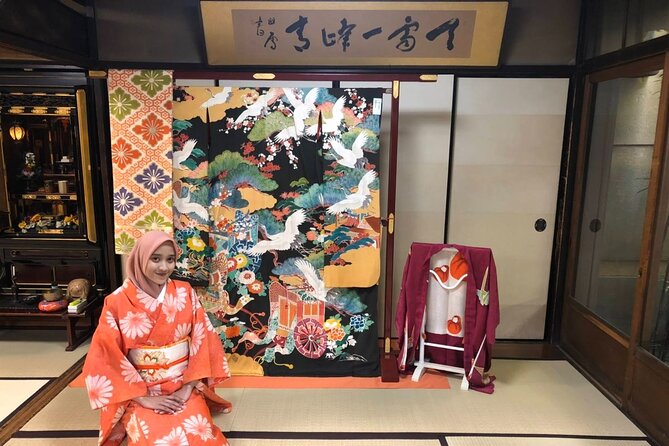
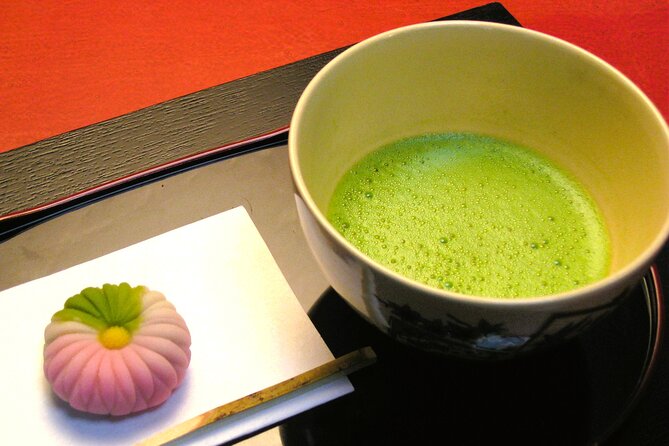
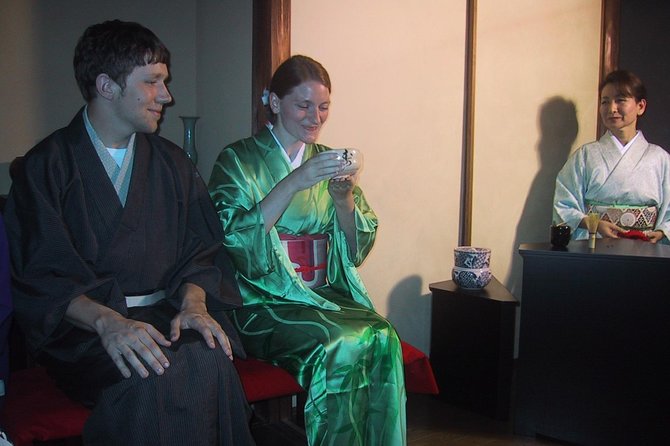
After the kimono fitting and photographs, you are taken to a room for the tea ceremony. You watch matcha being prepared and served, then receive tea and a Japanese sweet. You are taught the proper way to drink it, and the presentation gives you a short introduction to the manners and movements associated with tea.
The ceremony is not presented as a difficult test. You do not need prior knowledge, and staff can guide you through what to do. That makes the activity suitable for a first introduction, especially if you want a cultural experience that does not require Japanese language skills.
Expect a demonstration rather than a long formal tea school lesson. The actual tea preparation may last only a few minutes, with additional time spent explaining the drink, the sweet, the room, or the house. Several people have found the instruction clear and useful, while others wanted more explanation of the history, symbolism, and reasons behind each movement.
That difference often comes down to the guide and the size of the group. One English-speaking guide described as a young woman from Holland was praised for explaining the process well and helping participants feel at ease. Other sessions have had explanations that were difficult to hear or understand.
If you are seated far from the tea preparation, or if other groups are moving through the house, you may see only part of the performance. Ask where to sit and position yourself before the ceremony begins. If the tea ritual itself is your main reason for booking, private participation is the safer choice.
More Tea Ceremonies in Kyoto
- Kyoto: Tea Ceremony in a Traditional Tea House in Kiyomizu
★ 4.9 · 3,519 reviews - Kyoto: Tea Ceremony Ju-An at Jotokuji Temple
★ 4.9 · 3,207 reviews - Kyoto: 45-Minute Tea Ceremony Lesson Experience
★ 4.3 · 2,378 reviews - Kyoto: Table-Style Tea Ceremony at a Kyo-Machiya
★ 4.9 · 1,211 reviews
Why the group size can change the whole visit
The standard activity is conducted with other participants, and the stated maximum is 20 people. That is already a sizeable group for a small townhouse. Accounts of especially crowded sessions describe much larger numbers in the building, with people packed into rooms or arriving while another ceremony is underway.
A group of 10 or 15 may still feel manageable if everyone arrives on time and follows the schedule. A larger or poorly coordinated session can turn the kimono fitting into a rush and make the tea room hot and uncomfortable. It can also make the ceremony feel like a stage show rather than a quiet cultural ritual.
This is the single biggest issue to consider before paying $178.34 per person. The price may feel reasonable if you value the silk kimono, house tour, photographs, and cultural setting as one package. It feels high if your goal is mainly to watch a detailed tea ceremony and learn its formal background.
The private option costs more, but it may provide better value for couples, families, and anyone who cares about seeing and hearing every step. The provider has specifically suggested private booking for people who want the house and ceremony without unrelated participants.
How much Japanese tea ceremony will you learn?
The experience can teach you the basic etiquette of drinking matcha and show you how the tea is whisked and served. You may learn why guests receive a sweet, how to handle the cup, and how the host’s movements fit the ceremony.
The depth varies. A good session can include an explanation of the house, flowers, utensils, clothing, and the cultural meaning of the ceremony. A rushed session may give you a short demonstration, one serving of tea, and only a brief instruction on drinking it.
I would not book this expecting a specialist lecture on tea schools or a complete history of Japanese aesthetics. The information is introductory and practical. You will leave with a better sense of the ceremony’s visual form and basic etiquette, but not necessarily with a detailed account of every gesture.
The tea itself is matcha, served in a small quantity with a sweet. It is strong and bitter by nature, and the sweet balances it. Some people enjoy the contrast; if you are new to matcha, do not expect a mild cup of green tea.
What makes the house worth seeing
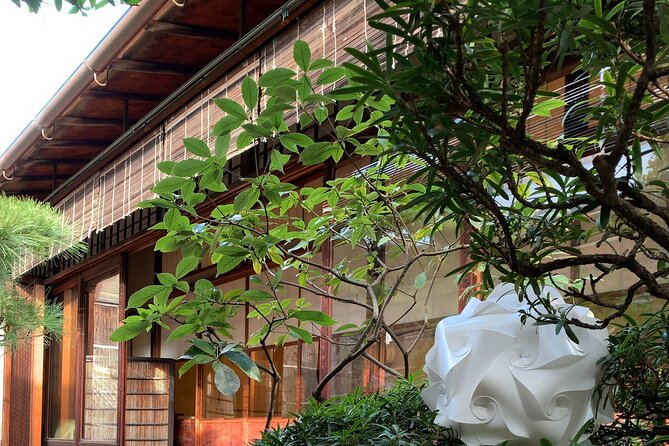
Tondaya’s strongest cultural feature is the building itself. The wooden townhouse, its rooms, garden areas, furnishings, and old-fashioned flow offer a glimpse of Kyoto life that is easy to miss when you stay around major temples and shopping streets.
The house is more than a backdrop for kimono photographs. Its narrow layout and traditional rooms help explain why tea ceremonies value controlled movement, clean lines, seasonal decoration, and careful attention to space. Even a short visit can make those ideas easier to understand.
You may also notice that the house is used as a working cultural venue, not a silent exhibit. Staff prepare clothing, lead visitors through the rooms, and organize the ceremony while other activity may continue nearby. That can feel authentic and a little rough around the edges at the same time.
If you want a perfectly quiet room with only your own group, this may disappoint unless you book privately. If you prefer a real old home with visible daily activity, the setting is more rewarding than a hotel-based ceremony.
Is $178.34 a fair price?
At $178.34 per person, this is one of the more expensive short cultural activities in Kyoto. You are paying for several elements together: admission to the historic house, kimono fitting, time for photographs, a house visit, matcha, a sweet, and the tea demonstration.
The price makes more sense if you have always wanted to wear a kimono and want an old Kyoto setting for photographs. It is also easier to justify if your visit is short and you want one organized introduction to clothing, architecture, and tea culture in a single stop.
The value is weaker if you mainly want a serious tea ceremony. The tea portion may be brief, and the standard group setting can limit the explanation. For that purpose, compare private options carefully before booking.
I would also treat the $178.34 as the cost of a combined cultural photo experience, not the price of 90 minutes of formal tea instruction. That distinction will prevent disappointment.
Who will enjoy Tondaya most?
I would recommend this for you if you want:
- A first taste of Japanese tea culture without needing prior experience
- The chance to wear a genuine silk kimono
- Photographs in a historic Kyoto townhouse
- A traditional setting away from the busiest sightseeing routes
- A short activity that combines clothing, architecture, and tea
Families and couples should decide how much privacy they want. A group booking can be fun and social, but the small house may feel crowded. A private booking is better for anyone who wants personal explanations, a calm atmosphere, or a ceremony that everyone can see.
This is less suitable if you expect elaborate hair and makeup, a long formal ritual, a quiet meditation-style setting, or detailed academic teaching. Those expectations do not match what is included.
Practical tips for a smoother visit
Wear clothes that are easy to dress over and bring clean socks. Keep your arrival punctual because the fitting and ceremony follow a short schedule.
Use GPS, but do not rely on large signs to identify the place. Tondaya can look like an ordinary Japanese home from the street, particularly before opening time.
Ask how the group will be seated before the tea demonstration begins. If you cannot see or hear, a polite request may help, but the room’s size may limit what staff can do.
If the ceremony is the main reason you are paying this much, select the private experience. If the kimono and house are your priorities, the standard option may be enough, provided you are comfortable with some uncertainty about crowd levels.
Free cancellation is available when you cancel at least 24 hours before the start time. Changes or cancellations within 24 hours are not accepted for a refund, and the cut-off follows Kyoto local time.
Should you book the Tondaya tea ceremony?
Book it if you want a kimono, historic house, and introductory tea experience in one package. The old machiya and the clothing are the memorable parts, and the setting gives your photographs genuine Kyoto character.
I would choose the private option if you have room in your budget or if learning about the ceremony matters most. For a standard group booking, go in expecting a short demonstration rather than a full tea-school lesson, and be prepared for crowding.
Tondaya can be a lovely cultural introduction, but its value depends on what you want. For dress-up and an old house, it has plenty to offer. For a quiet, detailed tea ceremony, book with caution and confirm the group arrangement first.
FAQ
Where does the tea ceremony take place?
It takes place at Tondaya, the Nishijin Japanese Cultural Experience Museum, at 697 Ishiyakucho, Kamigyo Ward, Kyoto, Japan.
How long does the activity last?
The maximum scheduled experience time is approximately 1 hour and 30 minutes. The exact timing can change depending on how crowded the visit is.
Is the kimono included?
Yes. The experience includes a kimono fitting and kimono experience. Staff fit an authentic silk kimono over your own clothing.
Are makeup and hair styling included?
No. Makeup and hair styling are not included.
Are geta sandals included?
No. Geta, or traditional Japanese wooden sandals, are not included.
Do I need to bring anything?
Bring socks. They are required to help protect the historic house and its cultural furnishings. Socks may also be available to buy at the venue.
Is the tea ceremony private?
The standard experience is conducted in a group with other participants. A private experience is available as a separate option.
How many people can join the group?
The stated maximum is 20 participants. Some sessions may still feel crowded because the activity takes place inside a small traditional townhouse.
Can I take photographs?
Yes. You can take photographs around the house and during the experience, including photographs of the tea ceremony and its equipment.
What does the price include?
The price includes the tea ceremony, kimono experience, and entrance fee. Lunch is not included.
Is the experience near public transportation?
Yes. The venue is described as being near public transportation, although the entrance can be difficult to spot and signage may be limited.
Can I cancel for a refund?
Yes, if you cancel at least 24 hours before the experience start time. Cancellations or changes made less than 24 hours before the start time are not eligible for a refund.
Just added around Kyoto
- Kyoto: Zen Meditation at a Private Temple with a Monk★ 5.0 · 25 reviews
- Kyoto: Gion Geisha District & Sake-in-Hand Walking Tour★ 5.0 · 37 reviews
- Private Pewter Sake Cup Experience with a Kyoto Artisan★ 5.0 · 31 reviews
- Your Private Vacation Photography Session In Kyoto★ 5.0 · 110 reviews
- Private Guided Traditional Buddhist Cooking in Japan★ 5.0 · 16 reviews
- Kyoto Wagashi(Japanese sweets) Cooking Class near Fushimiinari★ 5.0 · 60 reviews
- Traditional Japanese Music show & Experience Tour in Kyoto★ 5.0 · 57 reviews
- Kyoto:Family-Friendly Kimono & Yukata Experience at WARGO★ 5.0 · 147 reviews
Kyoto Tours, compared.


Fushimi Inari, Kinkakuji, Bamboo Grove 1 Day Bus Tour
Read our review →
Tea Ceremony in a Traditional Tea House in Kiyomizu
Read our review →
Kyoto Geisha Walking Tour: Gion District & Hidden Gems
Read our review →

Gion Magical Night Walking Tour with Geisha Trivia
Read our review →

Gion Geisha District Walking Tour – Stories of Geisha
Read our review →Browse the lists this tour appears in