
Reviewed · TSUKIJI FISH MARKET TOURS
Tokyo: Sushi Making with Pro Chef & Tsukiji Fish Market Tour
Tokyo’s best food lesson may begin not at a restaurant, but at Tsukiji Fish Market, where your guide helps you understand the ingredients before you handle them. You’ll walk through the market, sample foods sold to top restaurants, and see how Tokyo’s food culture works at street level.
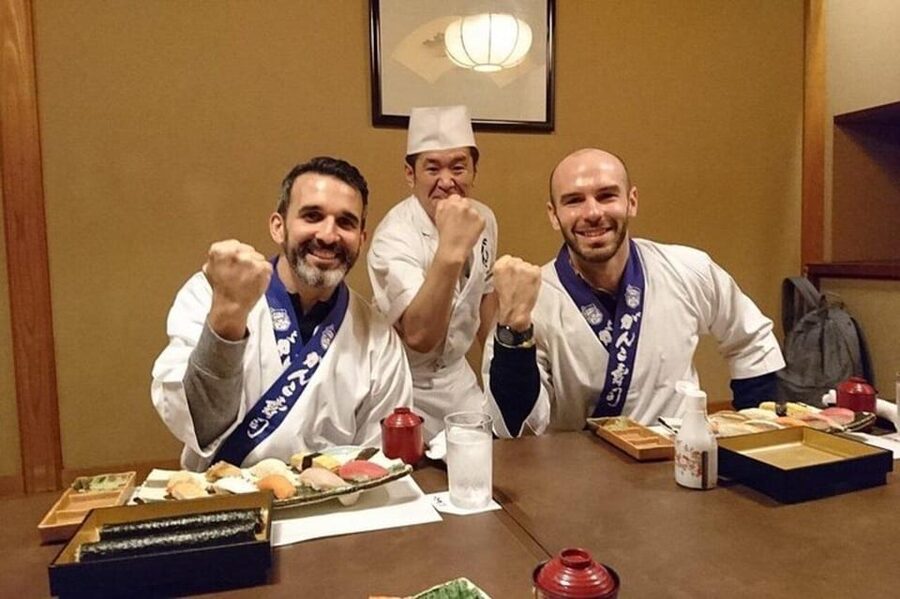
I like the small group, limited to eight people, and the clear split between market walk and hands-on class. I also like that your lunch is the sushi you make yourself, with a professional chef showing you how to prepare several styles. The main catch is the seafood menu: vegetarian, vegan, halal, and gluten-free requests are not accommodated.
Key points to know before booking
- The tour begins at Tsukiji Honganji Temple: Meet at the temple’s front main gate, not the rear entrance shown by some map directions.
- The market walk comes first: Your guide explains Tsukiji’s food culture, vendors, products, and connection to Tokyo’s restaurant trade.
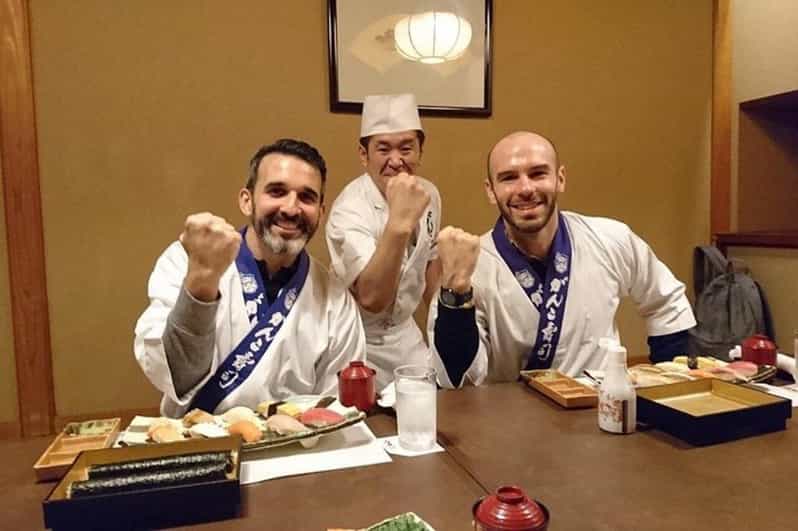
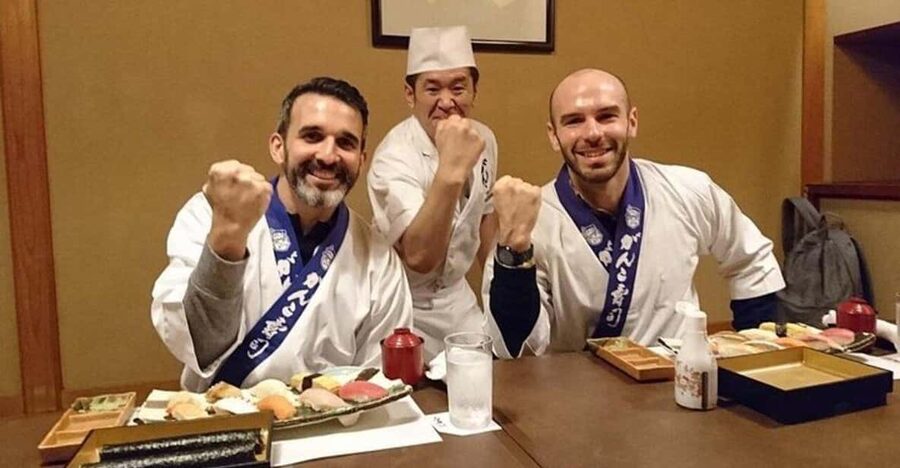
- You make five nigiri and one maki roll: The exact sushi selection can vary, but the class includes hands-on preparation and lunch.
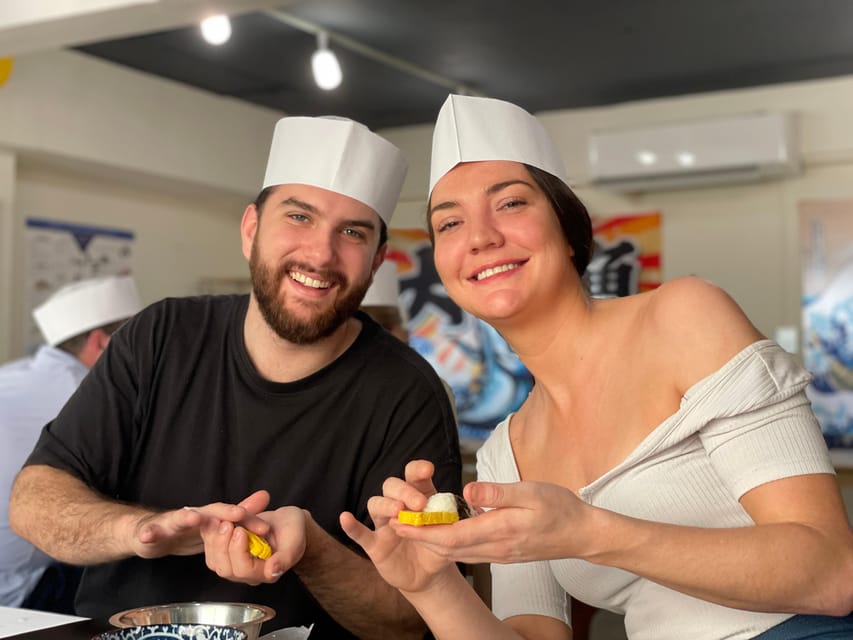
- A real sushi chef teaches the class: You receive step-by-step help with fish, shaping, toppings, and proper sushi etiquette.
- The group stays small: With no more than eight participants, you have a better chance to ask questions and get help.
- Plan around your diet and mobility: The classroom is on the third floor, there are stairs, and toppings cannot be changed on the day.
Why this four-hour food tour works
This experience combines two parts that make sense together. First, you see where seafood and other ingredients enter Tokyo’s food world. Then you sit down and use that knowledge in a sushi workshop.
That order matters. Sushi can look simple on the plate, but the meal depends on fish quality, rice, knife work, temperature, and presentation. The market walk gives you a better feel for the ingredients before the chef asks you to shape them.
The activity costs $101 per person and lasts four hours. That is not a bargain-basement cooking class, but the price includes the market tour, an English-speaking local guide, the professional sushi workshop, and lunch. If you would otherwise pay separately for a market walk and a sushi lesson, the combined format makes the price easier to justify.
I would see this as a practical introduction to Japanese food culture rather than a serious chef-training course. You will learn useful foundations and make your own meal, but the appeal is the full morning or afternoon story: temple, market, fish, technique, and lunch.
More sushi classes in Japan:
- Sushi Making Tokyo Roll and Authentic Japanese Sushi Class
★ 5.0 · 3,971 reviews - Tokyo: Roll and Authentic Sushi Making Class in Asakusa
★ 4.9 · 1,957 reviews - Tokyo: Sushi Making Class in a Happi Coat near a Famous Spot
★ 4.9 · 1,377 reviews
Meeting at Tsukiji Honganji Temple
Your meeting point is the main gate of Tsukiji Honganji Temple, directly in front of the temple. This detail matters because Google Maps may guide you to the back. Ignore that route and go to the front entrance.
The temple gives the tour a useful start. The surrounding area is tied to one of Tokyo’s best-known food districts, and the temple itself offers a quick introduction to the cultural setting before the market portion. One previous route included an explanation of Buddhism at the temple, so allow a few minutes to look around rather than treating the meeting point as a simple curbside pickup.
Arrive early. The tour cannot be extended for late arrivals, and there is no same-day refund for a late arrival or cancellation. Comfortable shoes are a must because you will spend part of the four hours on foot.
Walking through Tsukiji Fish Market
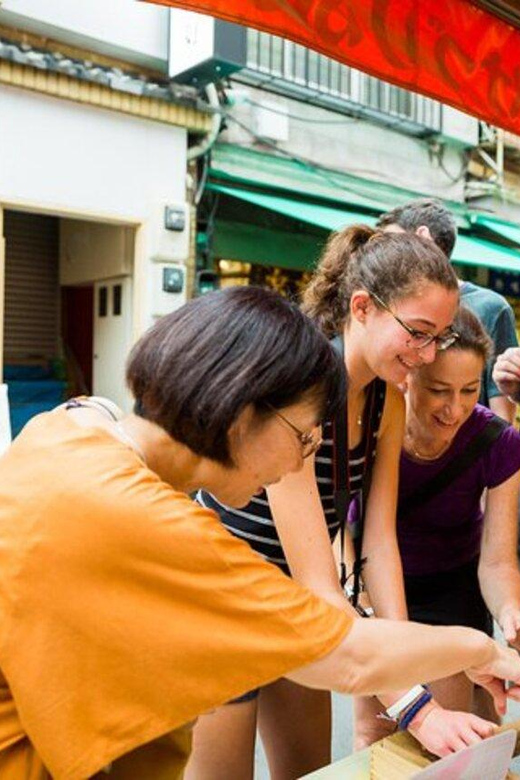
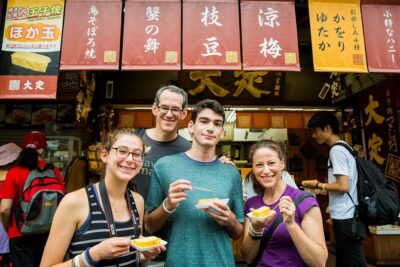
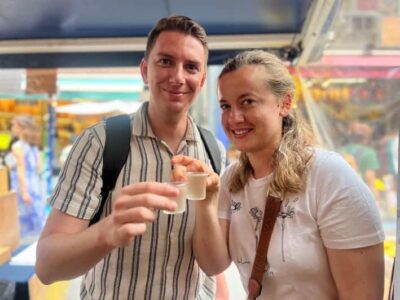
Tsukiji is no longer Tokyo’s main wholesale fish market, but the outer market remains a major place to see food being sold, prepared, and enjoyed. Your guide leads you through the market and explains where ingredients come from, how the area serves restaurants, and which foods local customers seek out.
This is where the guide can make a big difference. Guides such as Tadashi, also called Tad, and Yusei have led routes that included plenty of background about the area and time to stop for food. A good guide will help you avoid simply walking past rows of shops and will point out items you might miss on your own.
You may sample foods associated with high-end Japanese cooking, along with less familiar offerings. One route included whale meat, though you should treat any particular sample as dependent on the shops and conditions that day. The point is not to promise one special bite, but to give you a wider view of Japanese food beyond sushi rolls found outside Japan.
You also get time to look, take photographs, and possibly buy or eat additional food. Those purchases are not listed as included, so bring a little spending money if you want to try something beyond the planned samples and lunch.
The guide also explains how to eat sushi properly. That can include practical matters such as how to use soy sauce and how to handle different pieces, though the exact teaching style depends on the instructor. One useful suggestion from a past participant was that extra green tea and soy sauce would have been welcome, so do not expect unlimited drinks or condiments.
The sushi class with a professional chef
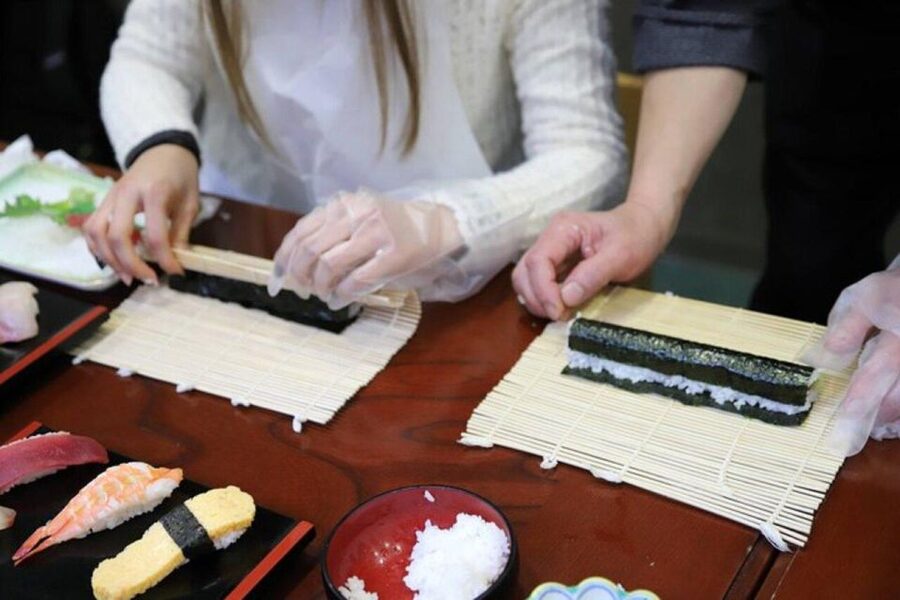
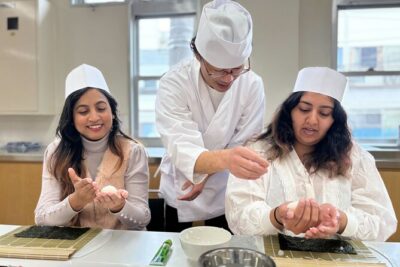
After the market, you move to the classroom for the hands-on part of the tour. The sushi workshop is taught by a professional sushi chef, and the instruction is step by step rather than a quick demonstration followed by guesswork.
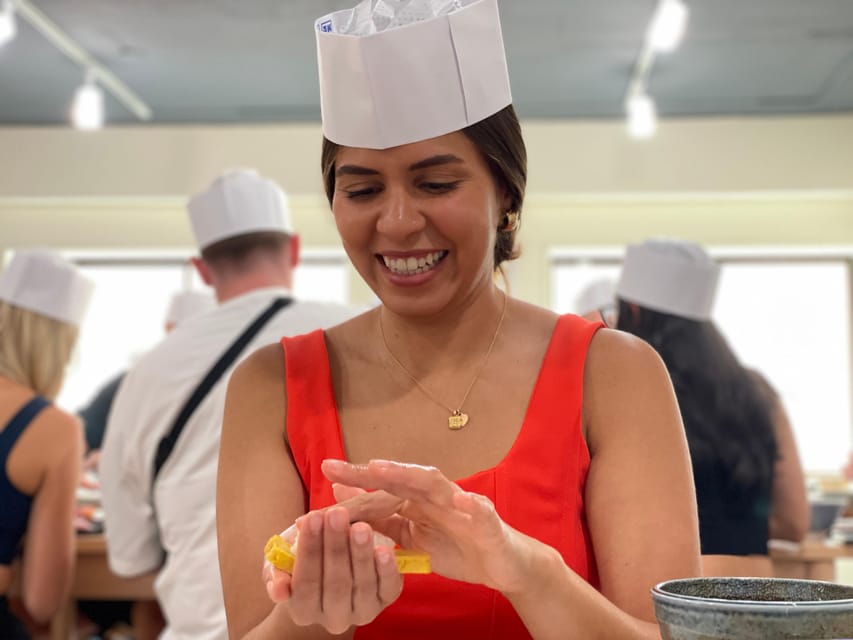
You learn about the fish, watch the chef prepare it, and then try the techniques yourself. The class has included five nigiri and one maki roll, giving you a useful range of forms to practice. Nigiri requires careful shaping of the rice and topping, while a maki roll adds the challenge of filling and rolling.
Do not worry if your sushi looks uneven at first. The instructors are there to correct your grip, explain the process, and help you improve. One participant who felt unsure in the kitchen still left proud of the finished food after receiving plenty of help. That is a good sign for beginners.
The class is not just a rolling exercise. You learn the foundations of sushi, including fish preparation, the role of rice, the differences among sushi styles, and how to eat the finished pieces. The chef’s work also shows why restaurant sushi can command a high price. A small piece depends on careful preparation long before it reaches the plate.
The ingredients are described as fresh fish, but the topping cannot be changed on the day. You must report food restrictions or allergies by 5:00 p.m. Japan time on the day before the tour. Allergy requests may be considered, but they are not guaranteed. Vegetarian, vegan, halal, and gluten-free diets are not accommodated.
More fish market mornings:
- Tokyo Tsukiji Fish Market Food and Culture Walking Tour
★ 5.0 · 3,184 reviews - Tokyo: Tsukiji Fish Market Food and Walking tour
★ 5.0 · 1,724 reviews - Tokyo: Tsukiji Fish Market Guided Walking Tour
★ 4.9 · 1,397 reviews - Tokyo Sushi Making Class in Tsukiji with Professional Chef
★ 5.0 · 1,177 reviews
What lunch is really like
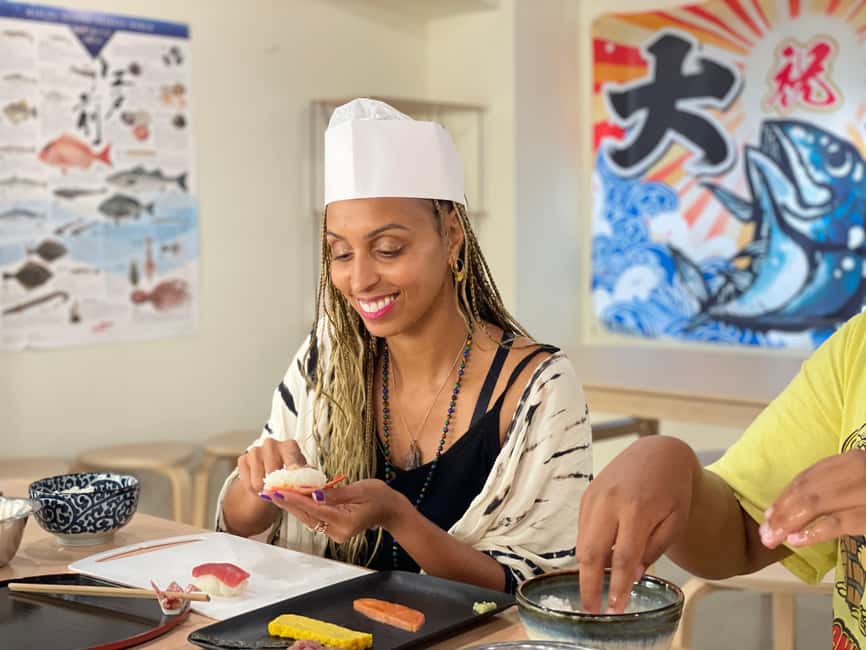
Lunch is the sushi you make during the workshop. That gives the meal a nice sense of purpose: you see the ingredients at the market, learn the technique, and then eat the result.
You should keep your expectations realistic. This is a cooking class with lunch, not a full restaurant meal with a broad menu. The listed sushi selection is the main food provided, and the toppings cannot be altered at the last minute.
For many people, that is exactly the charm. Your sushi may not look perfect, but you will know how it was made and what went into it. The meal also gives you a better appreciation for the chef’s precision. After trying to form a neat piece yourself, you will notice the skill behind a professional sushi counter.
The value of a group limited to eight
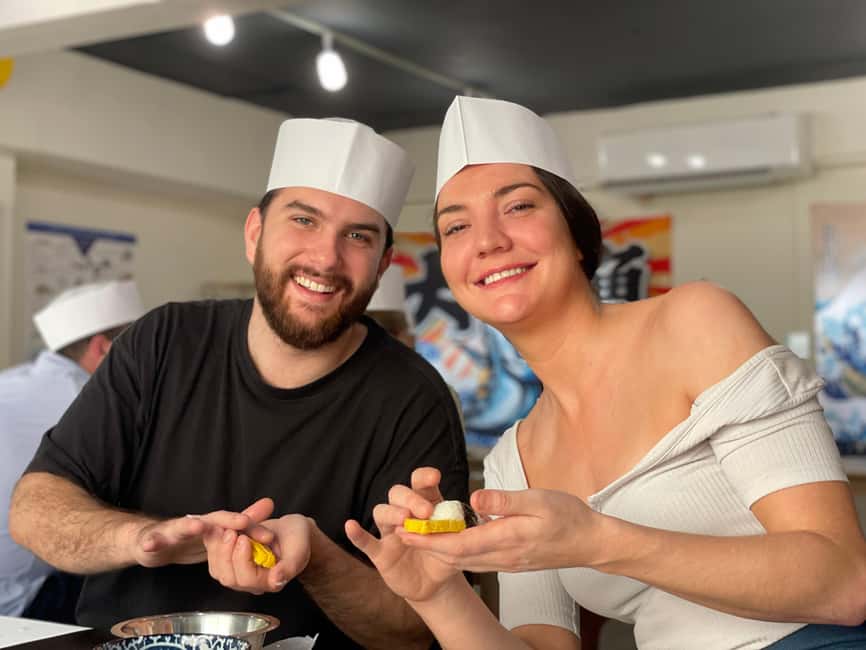
The small group is one of the strongest practical features. With up to eight people, the guide can pause for questions in the market, and the chef or assistants can watch your technique during the class.
This matters more in a cooking lesson than it does on an ordinary sightseeing walk. If the class were large, you might spend more time watching someone else handle the fish. Here, you have a better chance to receive direct help with shaping nigiri and rolling maki.
The group size also helps in the market. Tsukiji’s narrow shopfronts and busy paths are easier to handle in a compact group than with a large crowd. Still, you should expect an active food district, not a quiet museum. Stay close to the guide and wear shoes that can handle several hours of walking.
The English-speaking guides add context throughout the route. Past guides have included Kate, Yuko, Matsayo, Tadashi, Yusei, and Take. Staff names can change with the date, but the repeated strength of the experience is the personal guidance at both the market and the classroom.
Timing, market closures, and comfort
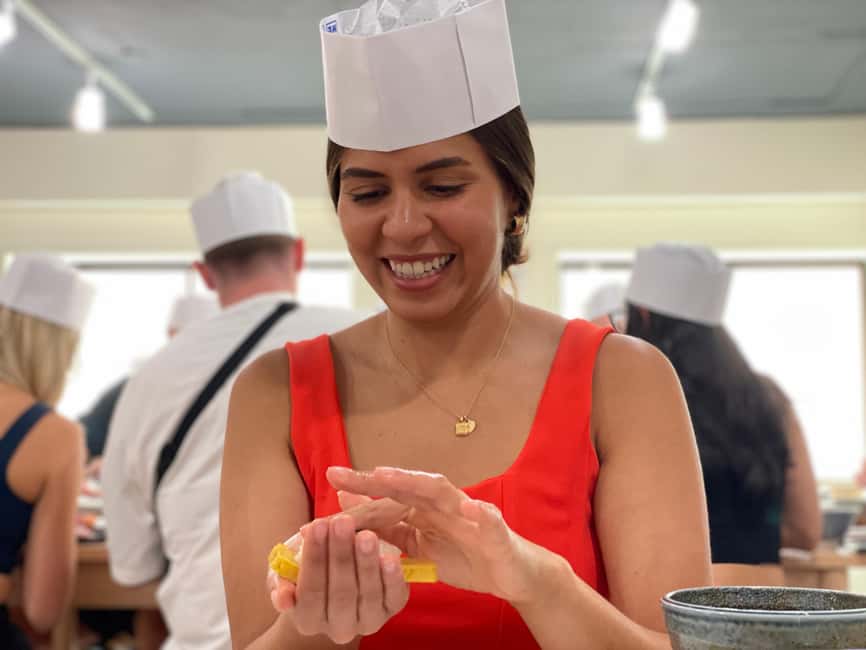
The tour lasts four hours, but the starting time depends on availability when you book. Check the date carefully, especially if your Tokyo schedule is tight.
The fish market wholesale section is closed on Wednesdays, Sundays, and other official market-closure days. Since the market walk is a central part of the activity, do not assume that every day offers the same route or atmosphere. Check the available date before arranging other plans around the tour.
Weather can affect the walking portion. One winter outing took place in snow, making the market walk colder than expected. Comfortable shoes are required, and I would add weather-appropriate clothing, especially if you are visiting during a cold or rainy period.
The classroom is on the third floor and requires stairs. The tour is not suitable for wheelchair users or people with mobility impairments. Children under four cannot join. Infants and toddlers are free, but they will not receive their own sushi kit if they want to make sushi.
Who should book this experience
I would recommend this tour to first-time visitors who want more than a meal and more than a standard market photo stop. It gives you a basic understanding of Japanese food culture while keeping the day active and social.
It also suits families with older children, couples, and adult groups who enjoy trying food together. The hands-on class gives the experience a clear focus, while the market walk keeps it from feeling like four hours indoors.
You should book it if you are curious about seafood, enjoy learning by doing, and want a guide to explain what you are seeing. It is especially useful if Tsukiji feels confusing or overwhelming on your own.
I would not book it if you need a vegetarian or vegan meal, require gluten-free or halal food, use a wheelchair, or dislike walking and stairs. It is also a poor fit for anyone who wants a completely customizable menu, since the sushi toppings are fixed on the day.
Cancellation and booking details
You can cancel up to 24 hours before the tour for a full refund. The reserve-now, pay-later option lets you hold a place without paying immediately, which is useful when your Tokyo schedule is still changing.
Do not treat that flexibility as protection against arriving late. Same-day cancellations and late arrivals are not refunded, and the tour cannot wait or run overtime for you.
FAQ
Where does the Tokyo sushi and Tsukiji tour meet?
Meet at the main gate of Tsukiji Honganji Temple, at the front of the temple. Google Maps may direct you to the back, so use the front main gate instead.
How long does the experience last?
The activity lasts four hours. Starting times vary, so check availability for your chosen date.
Is lunch included?
Yes. Lunch consists of the sushi you prepare during the workshop.
How many people are in the group?
The group is limited to eight participants.
Is the tour offered in English?
Yes. The tour includes a live English-speaking guide.
Can the sushi toppings be changed?
No. Sushi toppings cannot be changed on the day. You must report food restrictions or allergies by 5:00 p.m. Japan time on the day before the tour.
Is the tour suitable for vegetarians, vegans, or wheelchair users?
No. The activity does not accommodate vegetarian, vegan, halal, or gluten-free requests, and it is not suitable for wheelchair users or people with mobility impairments. The classroom also requires stairs to the third floor.
Should you book it?
Book this tour if you want a compact, well-organized introduction to Tokyo’s food culture, with the added reward of eating sushi you made yourself. The strongest reasons are the small group, the market access with a local guide, and the professional chef who helps beginners through the tricky parts.
At $101, the value depends on how much you want both activities. For a simple sushi lunch, it is expensive. For four hours that combine Tsukiji, food samples, cultural explanation, a guided workshop, and lunch, the price is reasonable.
Choose a date when the fish market is operating, arrive at the temple early, wear comfortable shoes, and disclose allergies in advance. If those conditions suit you, this is a tasty and useful way to understand why sushi is much more than raw fish placed on rice.
More Shopping in Japan
- Tsukiji Fish Market Small-Group Food Walking Tour
★ 5.0 · 621 reviews - Kuromon Market Food Walking Tour in Osaka (6 stops, 6 tastes)
★ 5.0 · 550 reviews - Tokyo: Tsukiji Fish Market Sushi Making Class with Pro Chef
★ 4.9 · 506 reviews - Tokyo Food Tour Taste Fresh Delights at Tsukiji Market
★ 5.0 · 429 reviews
More Markets in Japan
- Nishiki Market Brunch Walking Tour (7 Tastings + Brunch)
★ 5.0 · 1,355 reviews - Tsukiji Fish Market Guided Tour and Sushi Making with Pro Chef
★ 5.0 · 775 reviews - Tokyo: Tsukiji Fish Market Food and Culture Walking Tour
★ 4.7 · 757 reviews - Tsukiji Fish Market: Street Food & Culture Walking Tour
★ 5.0 · 669 reviews
Just added around Japan
- Private Arrival Transfer : Narita International Airport to Central Tokyo City★ 4.5 · 12 reviews
- Narita Airport(NRT): Private Transfer to Tokyo/Yokohama 1-9pax★ 5.0 · 47 reviews
- Private Transfer from Narita Airport to Yokohama Port and City★ 4.5 · 17 reviews
- [Narita Airport Terminals 1, 2] 40-60km Sawara Itako Historic Bike Tour★ 5.0 · 13 reviews
- 3 Day Japan Highlights Tour: Tokyo, Mt.Fuji, Nara, Kyoto, Osaka★ 5.0 · 22 reviews
- All must-sees in 3 hours – Nara Park Classic Tour! From JR Nara!★ 5.0 · 108 reviews
- Private Nara Tour and Sake Tasting (Departing from Kyoto/Nara)★ 5.0 · 40 reviews
- Hammer a Pattern on Your Ring Workshop★ 5.0 · 57 reviews
Tsukiji Fish Market Tours, compared.
Tokyo Tsukiji Fish Market Food and Culture Walking Tour
Read our review →
Tokyo Sushi Making Class in Tsukiji with Professional Chef
Read our review →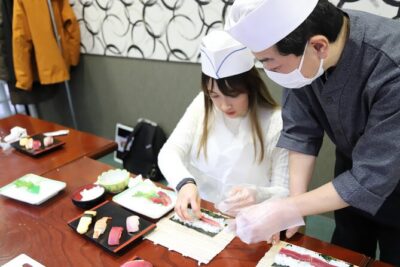
Tsukiji Fish Market Guided Tour and Sushi Making with Pro Chef
Read our review →Tsukiji Fish Market Food and Culture Walking Tour
Read our review →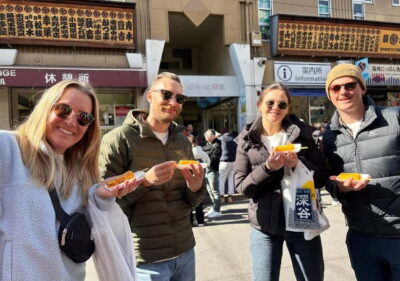
Tsukiji Fish Market: Street Food & Culture Walking Tour
Read our review →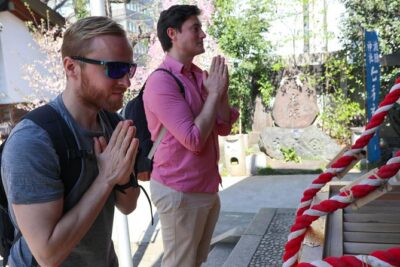
Tsukiji Fish Market Small-Group Food Walking Tour
Read our review →Browse the lists this tour appears in