
Reviewed · TOKYO TOURS
Tokyo: Tea Ceremony & Japanese Traditional Sweets
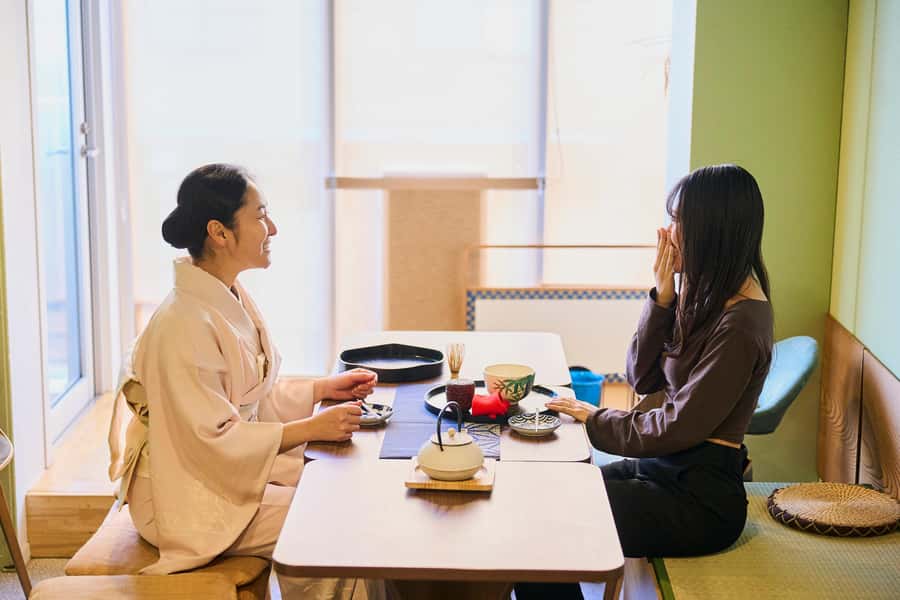
Tokyo’s tea ceremony is not just about drinking tea. It is a careful sequence of gestures, tools, flavors, and seasonal details. In this one-hour experience near Hakusan Station, you watch a licensed tea master perform the formal otemae ceremony, then try the work yourself by whisking matcha and shaping nerikiri sweets.
I like two things here. First, you are not left watching from the sidelines. You prepare your own bowl of tea and make a sweet to eat with it. Second, the English-speaking host keeps a tradition with many small rules understandable for first-time visitors. The main consideration is time: one hour gives you a focused introduction, not a long, leisurely tea-school session.
Key points to know before you book
- Watch the otemae demonstration: See the graceful order of movements before you try making matcha yourself.
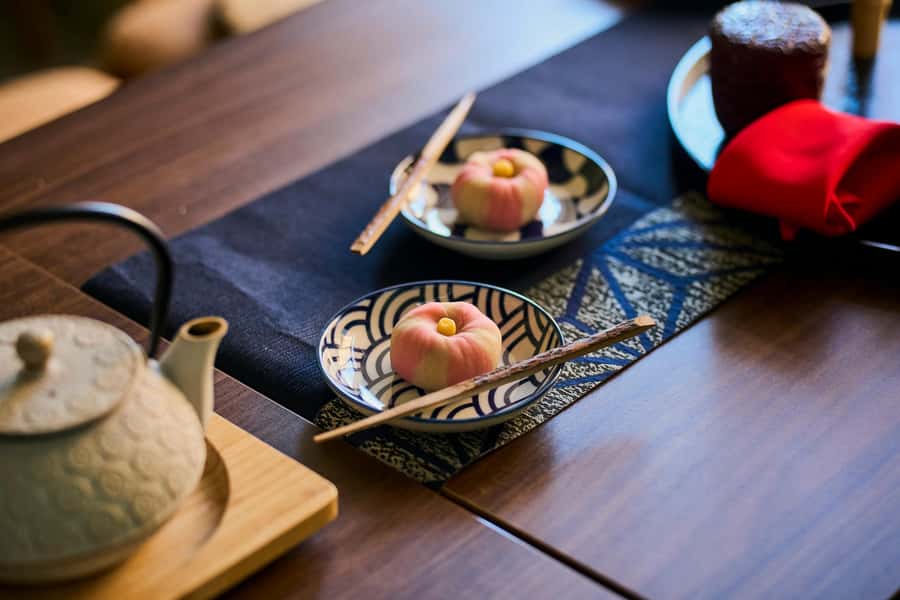
- Make seasonal nerikiri: Shape a traditional Japanese sweet with colors and forms linked to the season.
- Learn from an experienced tea master: The instructor has more than 10 years of experience.
- Keep the group small: A maximum of 10 people allows room for questions and hands-on help.
- Plan around Hakusan Station: The venue is about a five-minute walk from the Toei Mita Line station.
- Budget-friendly cultural stop: At $27 per person, this is an easy activity to add between larger Tokyo sights.
A calm hour with a clear purpose
Tokyo can be loud, fast, and crowded. This activity gives you a quiet hour with a simple rhythm: watch, learn, prepare, taste. That change of pace is part of its appeal. One participant described it as a lovely, calm break from the busy parts of a Tokyo visit, and that is exactly how I would think about fitting it into your day.
The experience is designed for people who have never attended a Japanese tea ceremony. You do not need prior knowledge of matcha, Japanese etiquette, or confectionery. The English-speaking host explains what is happening, while the tea master shows the movements in a way you can follow.
The small group matters. With no more than 10 people, you should have a better chance to see the demonstration and receive help while whisking or shaping the sweet. It also keeps the setting more personal than a large cultural show.
More Tea Ceremonies in Tokyo
- Tokyo: Traditional Tea Ceremony with a Tea Master
★ 5.0 · 528 reviews - Tea Ceremony Workshop in Tokyo by the Experienced Instrucor
★ 5.0 · 189 reviews - Tokyo: Asakusa Kimono Dressing and Matcha Experience
★ 4.9 · 173 reviews
Finding the venue near Hakusan Station
The meeting point is on the second floor of Phil Park Hakusan Hills, at 1-26-17 Hakusan in Bunkyo-ku. It is about a five-minute walk from Hakusan Station on the Toei Mita Line.
I would allow a little extra time to find the correct entrance and reach the second floor. The directions specifically point you to the second floor, so do not stop at street level and assume you have arrived. Checking the map before leaving your hotel will make this small activity feel even easier.
The location is useful if you are already visiting Bunkyo-ku or using the Toei Mita Line. If you are coming from another part of Tokyo, remember that the ceremony itself lasts only one hour. The activity works best as one part of a day, rather than as the sole reason to make a long cross-city trip.
The venue is wheelchair accessible. Comfortable clothing is recommended, which is sensible for an activity involving seated preparation and hand movements.
First watch, then whisk your own matcha
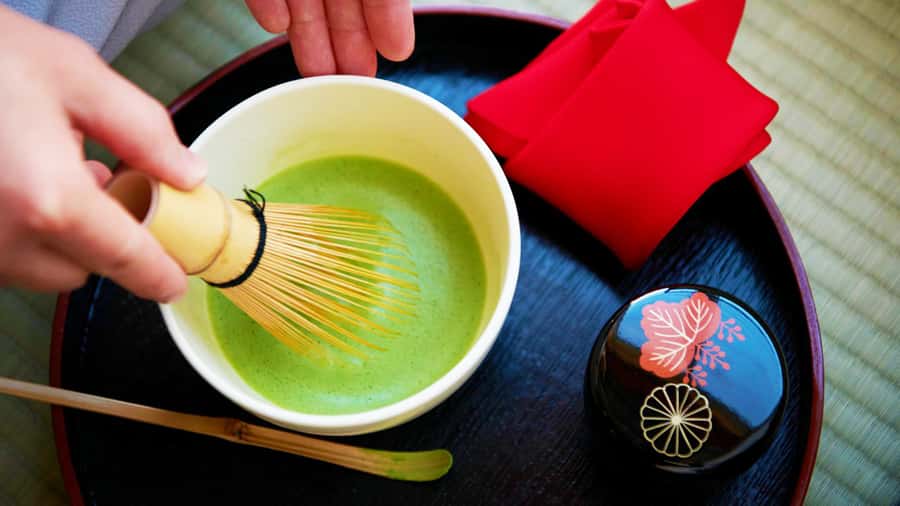
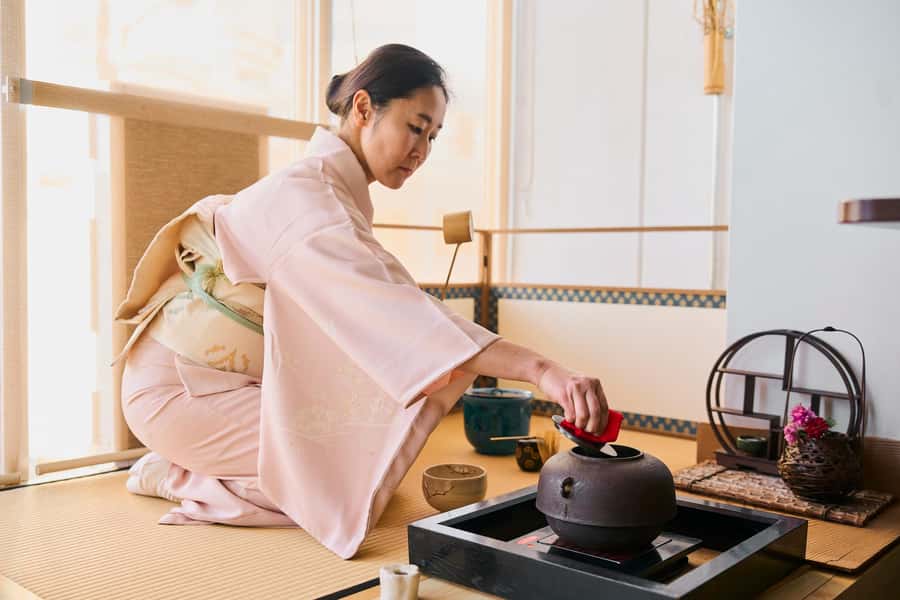
The session begins with instruction about matcha and the basic flow of a tea ceremony. You watch the tea master prepare the tea in the formal otemae style. This demonstration is valuable because the ceremony can look mysterious when you see it without explanation.
The arrangement of the tools, the measured movements, and the way the bowl is handled all have a purpose. You get a chance to see the full sequence before being asked to copy any part of it. That makes the experience less intimidating and helps you notice details that might otherwise pass quickly.
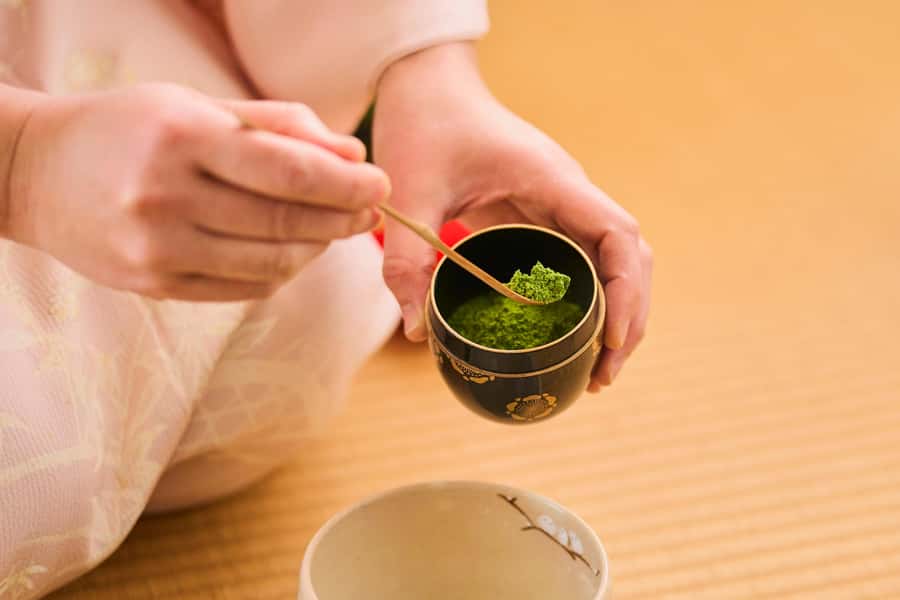
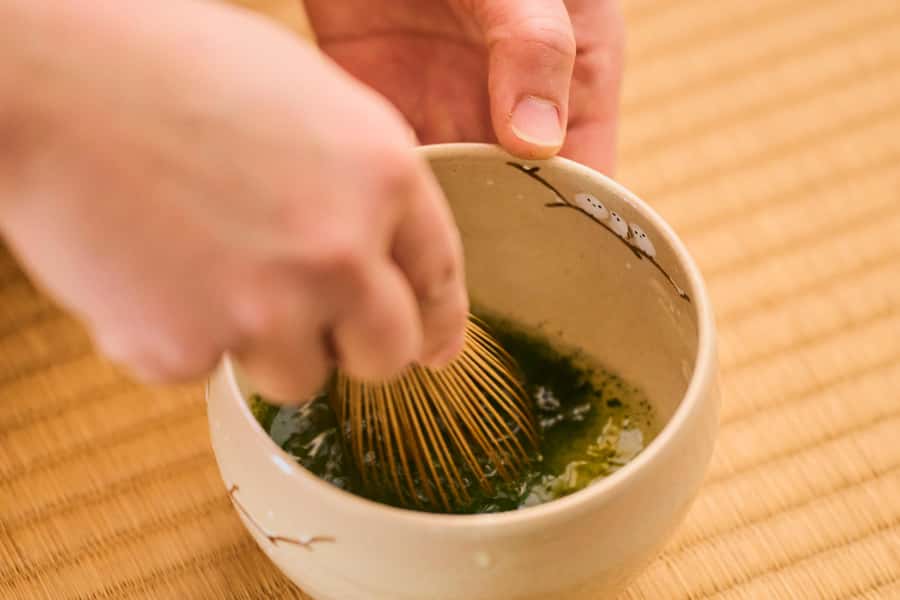
After the demonstration, you prepare your own matcha. You whisk the powdered tea and taste the result, including its strong, distinctive flavor. Matcha is not like a mild cup of green tea. It has a fuller taste and a texture that some people enjoy immediately, while others need a little time to appreciate.
This hands-on section is one of the best reasons to book. A demonstration can be pleasant, but making the tea gives you a physical memory of the process. You will also understand why the whisking motion matters, rather than treating the bamboo whisk as a decorative object.
The host can answer questions in English and help you when needed. That support is especially useful if you are unsure about the order of actions or want to understand the cultural meaning behind a gesture.
Making nerikiri, the sweet side of the ceremony
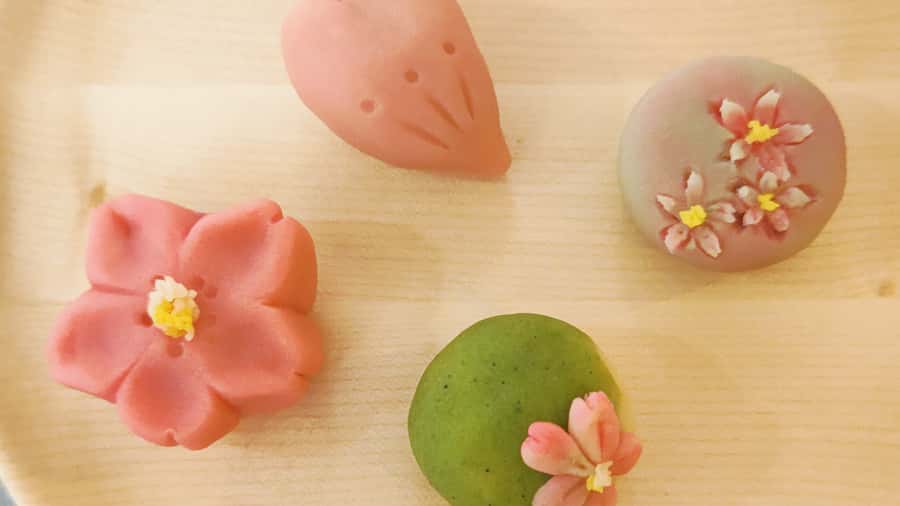
The second hands-on activity is making nerikiri, a traditional Japanese confection. These sweets are made in delicate shapes and seasonal colors, often representing flowers or other motifs connected with the time of year.
The important point is that nerikiri is not simply a snack placed beside your tea. Its appearance is part of the experience. Shape and color carry seasonal meaning, and the sweet shows the care associated with Japanese confectionery.
You make your own piece rather than receiving one that has already been prepared. The exact design changes with the season, so the finished sweet may have a different form or motif depending on when you attend. That changing element gives the activity a sense of place and time without requiring a long lecture.
The process also adds a useful contrast to the tea preparation. Matcha asks you to focus on whisking and balance. Nerikiri asks you to work with shape and detail. You then pair your handmade sweet with freshly prepared matcha, which helps explain why Japanese tea sweets are often served alongside tea. The sweetness softens the tea’s strong flavor.
Do not expect a professional pastry class in this short format. You will be introduced to the craft and guided through making a sweet, but the aim is cultural understanding and participation, not advanced confectionery training.
Same base, a completely different sort of day:
- Mt Fuji and Hakone 1-Day Bus Tour Return by Bullet Train
★ 5.0 · 26,383 reviews - 1-Day Tokyo Bus Tour
★ 5.0 · 14,250 reviews - Tokyo: TOKYO SKYTREE® Admission ticket
★ 4.5 · 11,192 reviews - Tokyo: teamLab Planets TOKYO Digital Art Museum Entry Ticket
★ 4.6 · 9,779 reviews
Why the tea master and English host matter
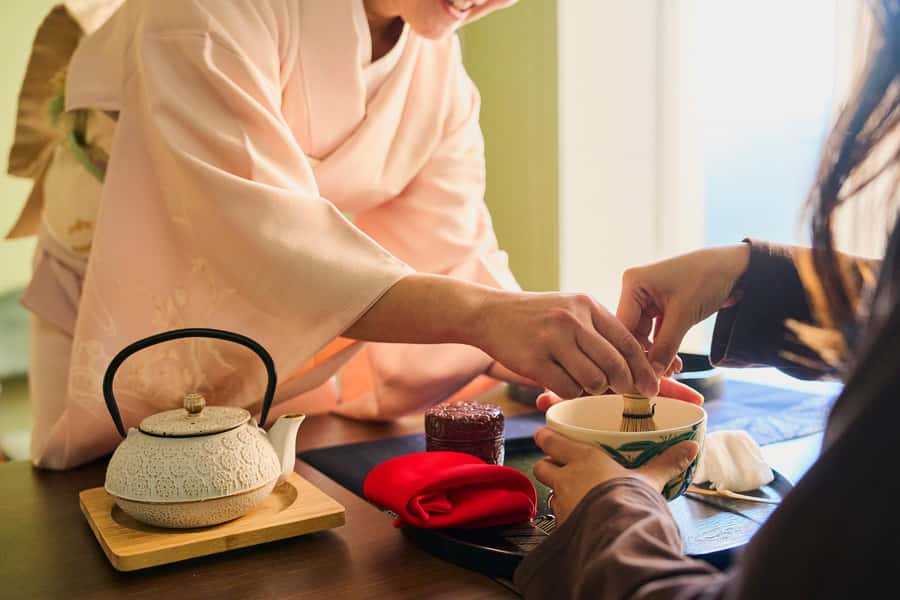
The tea master has more than 10 years of experience, which is important in a ceremony built around precision. A skilled demonstration lets you see the correct pace and handling of the tea tools before you take your turn.
The English-speaking host adds a second layer of help. The tea master can focus on the ceremony and instruction, while the host explains the process clearly and responds to questions. That division is useful for an international audience because you are not forced to guess what each movement means.
One of the strongest points in the available feedback is the instructor’s kind and informative manner. Another participant praised the guide for offering help when needed and answering questions. Those comments point to a session that is not only formal, but also welcoming to beginners.
Japanese language support is not available. The activity is conducted in English only, so you should book it if you can comfortably follow spoken English. If you need Japanese interpretation, this is not the right choice.
A good value at $27 per person
At $27 per person, this is reasonably priced for a small-group cultural activity with an experienced tea master, guided instruction, matcha, and traditional sweets. You are paying for participation, not just a short performance.
The one-hour duration also helps the value. You can fit it into a packed Tokyo schedule without giving up half a day. It could work before lunch, between neighborhood visits, or as a gentle pause after a more active morning.
There are limits. The low price and short duration mean you should not expect an elaborate meal, a private ceremony, or a long explanation of every aspect of Japanese tea culture. You receive a compact introduction with two practical activities.
For many people, that is the right balance. You leave with a basic sense of the ceremony, a taste of matcha, and a sweet you shaped yourself. If you are seeking a formal meditation retreat or an advanced tea lesson, you will need something longer and more specialized.
Who will enjoy this Tokyo activity most
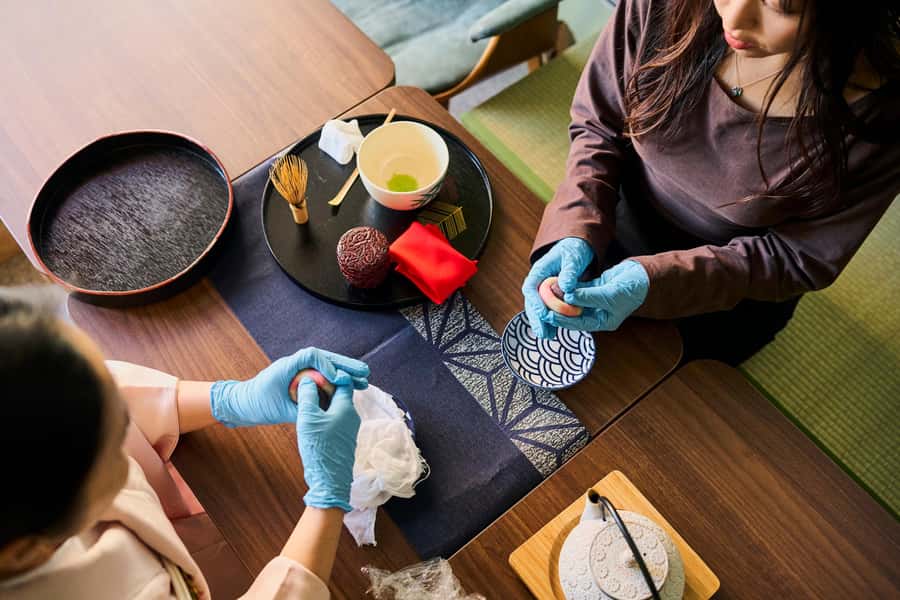
I would recommend this experience to first-time visitors who want a cultural activity that is easy to understand and simple to fit into a busy schedule. The English guidance removes much of the uncertainty, and the hands-on format keeps the hour active.
It is also a good choice for couples, families with older children, and solo visitors who prefer a small group. The limited size should make it easier to ask questions and see what is happening.
You will probably enjoy it if you like food, craft, or the small rituals behind everyday culture. The nerikiri portion is particularly appealing if you enjoy making things with your hands.
This may not suit you if you dislike matcha’s strong taste, want a long ceremony, or prefer a large sightseeing attraction with lots of movement. The tone is quiet and focused. You need to be willing to slow down and pay attention.
Practical planning for your visit
Wear comfortable clothes. The activity involves preparing tea and shaping a sweet, so clothes that allow easy movement are more sensible than formal or restrictive outfits.
Arrive with enough time to locate the building and reach the second floor. The walk from Hakusan Station is short, but Tokyo addresses and building entrances can take a moment to sort out.
The activity is wheelchair accessible, which makes it a useful option for visitors looking for a cultural experience with clear access information. You should still check your personal needs when booking, especially if you require specific assistance beyond general wheelchair access.
The cancellation policy is flexible: you can cancel up to 24 hours in advance for a full refund. You can also reserve now and pay later, which helps if your Tokyo schedule is still changing.
Should you book the tea ceremony?
Book it if you want a short, hands-on introduction to Japanese tea culture rather than a passive show. The combination of otemae, self-prepared matcha, and handmade nerikiri gives the hour a satisfying shape.
I would especially choose it for a first visit to Tokyo, a rainy-day plan, or a quiet break from major sights. The $27 price is fair, the group is limited to 10, and the English guidance makes the process approachable.
Skip it if you are looking for a long, highly formal ceremony or if you cannot follow English instruction. For everyone else, this is a thoughtful way to spend one hour learning, making, and tasting something closely tied to Japanese seasonal culture.
FAQ
How long does the Tokyo tea ceremony experience last?
The experience lasts one hour.
How much does the activity cost?
The price is $27 per person.
Where does the tea ceremony take place?
It takes place on the second floor of Phil Park Hakusan Hills, 1-26-17 Hakusan, Bunkyo-ku, Tokyo.
How do I reach the meeting point?
The venue is about a five-minute walk from Hakusan Station on the Toei Mita Line.
Is the experience conducted in English?
Yes. The instructor and host provide the experience in English. Japanese language support is not available.
What will I do during the ceremony?
You will watch an otemae demonstration, learn how to prepare matcha, whisk your own bowl of tea, and make traditional Japanese nerikiri sweets.
Who leads the experience?
A licensed tea master with more than 10 years of experience leads the tea instruction, with support from an English-speaking host.
How many people can join the group?
The group is limited to 10 participants.
Can I cancel for a refund?
Yes. You can cancel up to 24 hours in advance for a full refund. Reserve now and pay later is also available.
More Dessert Tours in Tokyo
- Matcha Making Class in Tokyo with Authentic Japanese Sweets Set
★ 5.0 · 744 reviews - Tokyo: Matcha Making Experience with Mochi Sweets in Asakusa
★ 4.9 · 388 reviews - Japanese Traditional Sweets making and Tea Ceremony
★ 4.7 · 50 reviews - Tokyo: Two Types of Japanese Sweets Making and Tea Ceremony
★ 4.6 · 26 reviews
Just added around Tokyo
- Private Arrival Transfer : Narita International Airport to Central Tokyo City★ 4.5 · 12 reviews
- Narita Airport(NRT): Private Transfer to Tokyo/Yokohama 1-9pax★ 5.0 · 47 reviews
- Private Transfer from Narita Airport to Yokohama Port and City★ 4.5 · 17 reviews
- [Narita Airport Terminals 1, 2] 40-60km Sawara Itako Historic Bike Tour★ 5.0 · 13 reviews
- 3 Day Japan Highlights Tour: Tokyo, Mt.Fuji, Nara, Kyoto, Osaka★ 5.0 · 22 reviews
- Small Town in the Big City: Tasting Tokyo’s Kichijoji★ 5.0 · 195 reviews
- Small Town in the Big City: Tasting Tokyo’s Kichijoji★ 5.0 · 16 reviews
- The 10 Tastings of Tokyo With Locals: Private Street Food Tour★ 5.0 · 48 reviews
Tokyo Tours, compared.

Mt Fuji and Hakone 1-Day Bus Tour Return by Bullet Train
Read our review →

teamLab Planets TOKYO Digital Art Museum Entry Ticket
Read our review →
Mt Fuji & Hakone Cruise, Drum Show Bullet Train 1 Day from Tokyo
Read our review →
Sumo Show Experience with Chicken Hot Pot and a Photo
Read our review →
Shinjuku Food Tour (13 Dishes at 4 Local Eateries)
Read our review →
Tokyo Mt Fuji 5th St & Hakone Cruise Bus Tour w/Bullet Train
Read our review →
Flagship 2-Hours Official Street Go-Kart Tour – Tokyo Bay Shop
Read our review →Browse the lists this tour appears in