
Reviewed · TSUKIJI FISH MARKET TOURS
Tokyo: Tsukiji Market and Hama-rikyu Gardens Guided Tour
Tsukiji is best understood on foot, with a guide who can explain what you are seeing before you get distracted by grilled scallops, sushi, tamagoyaki, or a wagyu skewer. I like that this tour links three very different Tokyo sights: the striking Tsukiji Hongwanji Temple, the food-filled outer market, and the quiet grounds of Hama-rikyu Gardens.
I also like the sensible pacing. You get about 45 minutes to browse and snack at Tsukiji, then an hour in the garden, with admission included. The main drawback is the amount of walking on narrow market lanes and garden paths, plus food and the optional tea service cost extra.
Key points at a glance
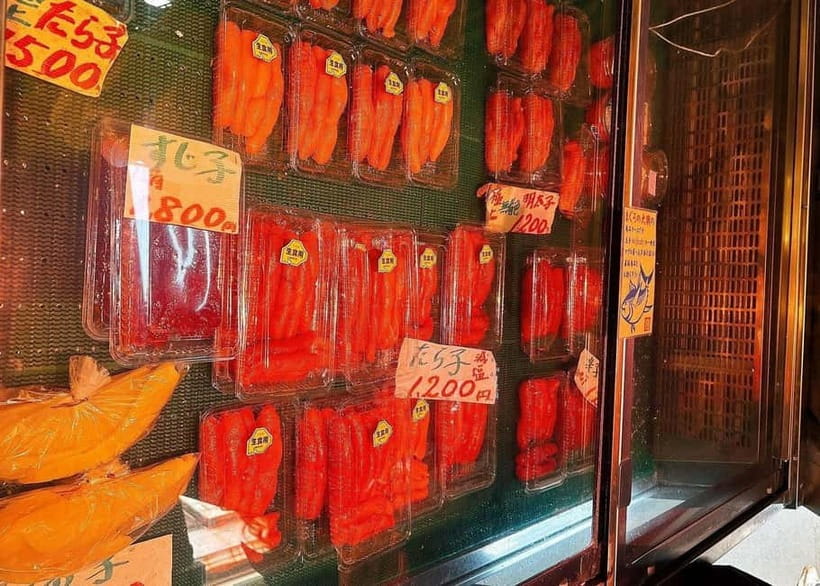
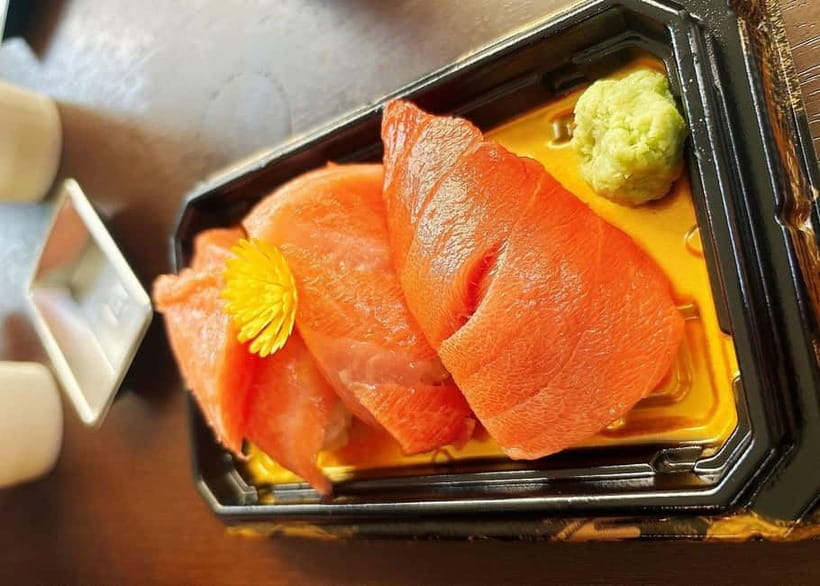
- Tsukiji’s food count is huge: The market handles about 480 types of seafood and 270 types of produce.
- The temple makes a strong opening stop: Tsukiji Hongwanji is known for unusual architecture and a calm interior.
- The market time is short but useful: You have around 45 minutes for a guided introduction, snacks, and shopping.
- Hama-rikyu changes with the season: Flowers are at their best at different times of year, so the garden experience varies.
- The skyline contrast is the point: Edo-period garden design feels especially striking beside modern Tokyo towers.
- The walk ends at the garden: You are responsible for getting to the meeting point, and no return transportation is included.
Why Tsukiji works so well as a first stop
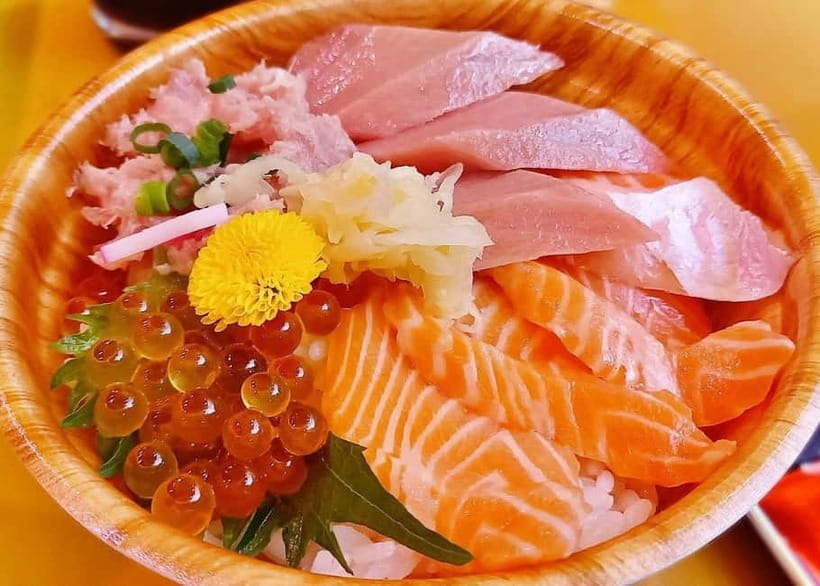
Your meeting point is in front of Starbucks near Tsukiji Station. From there, the guide takes you first to Tsukiji Hongwanji Temple, a practical choice because it gives you a quiet introduction before the market’s noise and food smells take over.
Tsukiji Hongwanji is not a standard-looking Japanese temple. Its architecture is distinctive, and the atmosphere inside is more subdued than the market just outside. You get roughly 15 minutes here, enough for a short explanation, a look at the building, and a peaceful pause.
I like this opening because it gives the neighborhood some shape. Tsukiji is not only a place to eat. It has religious, commercial, and historic layers, and the temple helps you notice that before you head into the narrow lanes.
Do not expect a long temple visit. If you want extended time for quiet reflection or detailed photography, 15 minutes will feel brief. On this tour, the temple is an introduction rather than the main event.
More fish market mornings:
- Tokyo Tsukiji Fish Market Food and Culture Walking Tour
★ 5.0 · 3,184 reviews - Tokyo: Tsukiji Fish Market Food and Walking tour
★ 5.0 · 1,724 reviews - Tokyo: Tsukiji Fish Market Guided Walking Tour
★ 4.9 · 1,397 reviews
Reading Tsukiji through its food stalls
The next stop is Tsukiji Outer Market, where you spend about 45 minutes with a guided walk, free time, and shopping. The market has an 83-year history as one of Tokyo’s central wholesale markets, and the numbers give you a sense of its scale: about 480 kinds of seafood and 270 kinds of produce pass through the market.
That does not mean you will see every item in one visit. The useful part of having a guide is learning how the market works and what deserves your attention. Without help, it is easy to wander through the lanes, photograph signs, and leave without understanding what makes Tsukiji important.
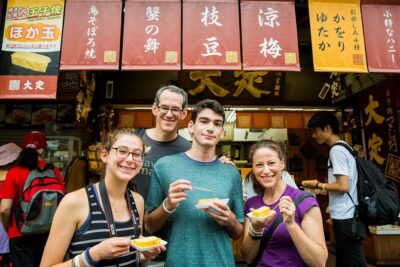
The atmosphere is active and close-up. You move through tight passages lined with food sellers and small shops. Depending on what is available, you may choose grilled scallops, tamagoyaki, sushi, wagyu skewers, or matcha sweets. These purchases are optional and paid directly to the stallholders.
Bring a little cash in yen for snacks and small purchases. The tour price does not include food, and the supplied information does not promise a set tasting menu. Think of the 45 minutes as a guided market visit with time to choose your own bites, not as an all-inclusive food tour.
That distinction matters. If you want to sample several dishes, your final cost will be higher than the advertised $31. If you are content to watch, smell, photograph, and buy one modest snack, the base price remains fairly easy to manage.
Tamagoyaki is a particularly approachable choice if you are new to Japanese market food. It is a Japanese omelette with a soft texture and gentle sweetness. Sushi and seafood provide a more direct taste of Tsukiji, while wagyu skewers and matcha sweets give you alternatives if raw fish is not your preference.
The guide can also help you understand food culture beyond the plate. A stall-lined market is not just a collection of quick meals. It shows how Japanese ingredients are displayed, portioned, prepared, and sold in a compact urban setting.
The short market stop has one clear limitation: you may need to choose between eating, shopping, taking photographs, and listening. You cannot do all four at length in 45 minutes. I would decide before arrival whether food or browsing matters most to you.
The 15-minute walk to Hama-rikyu Gardens

After Tsukiji, the group walks about 15 minutes to Hama-rikyu Gardens. There is no included transportation, and this is a walking tour from start to finish.
The route is not long, but the total amount of time on your feet can add up. You walk through the temple and market, continue along city streets, then spend about an hour inside the gardens. Comfortable shoes are essential, especially if you plan to add your own walking before or after the tour.
This short transfer also helps the experience make sense. You move from a compact food district into a more open setting without taking a train or bus. The contrast begins before you reach the garden entrance.
Hama-rikyu’s Edo-era calm
Hama-rikyu Gardens was created during the Edo period more than 370 years ago. The grounds offer a very different kind of Tokyo experience from Tsukiji. Instead of crowded lanes and food counters, you get designed views, open space, seasonal flowers, and a slower pace.
The garden’s strongest feature on this tour is its setting beside the modern city. You can look across traditional Japanese garden scenery toward Tokyo’s skyline. That pairing is more interesting than either view alone. Old and new Tokyo share the same frame.
The hour here is divided between guided explanation and free time. That gives you enough room to listen, take photographs, and walk at your own pace. The garden is not merely a final stop added to fill out the schedule. It changes the mood of the day.
Flower displays depend on the season. You may see colorful blooms in full flower, but the exact scene cannot be guaranteed year-round. If flowers are your main reason for booking, check the season carefully and keep your expectations flexible.
I would also save some energy for photography here. The market offers close, crowded images, while Hama-rikyu provides wider views and a chance to capture the skyline behind traditional garden features. A camera is specifically recommended, though your phone will do the job.
More market mornings in Tokyo:
- Tsukiji Fish Market Guided Tour and Sushi Making with Pro Chef
★ 5.0 · 775 reviews - Tokyo: Tsukiji Fish Market Food and Culture Walking Tour
★ 4.7 · 757 reviews - Tsukiji Fish Market: Street Food & Culture Walking Tour
★ 5.0 · 669 reviews - Tsukiji Fish Market Small-Group Food Walking Tour
★ 5.0 · 621 reviews
Optional matcha and wagashi
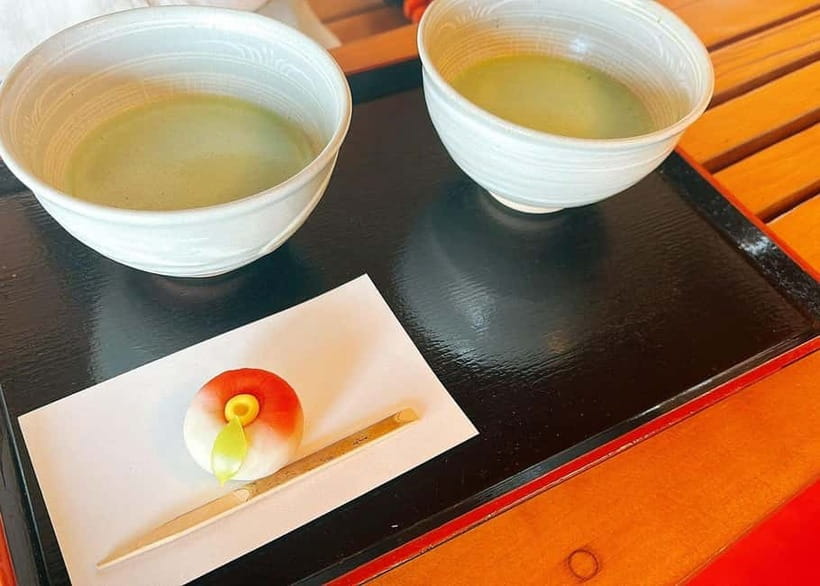
While in Hama-rikyu, you can choose an optional matcha and wagashi tasting. It costs about 1,000 yen and is paid on-site.
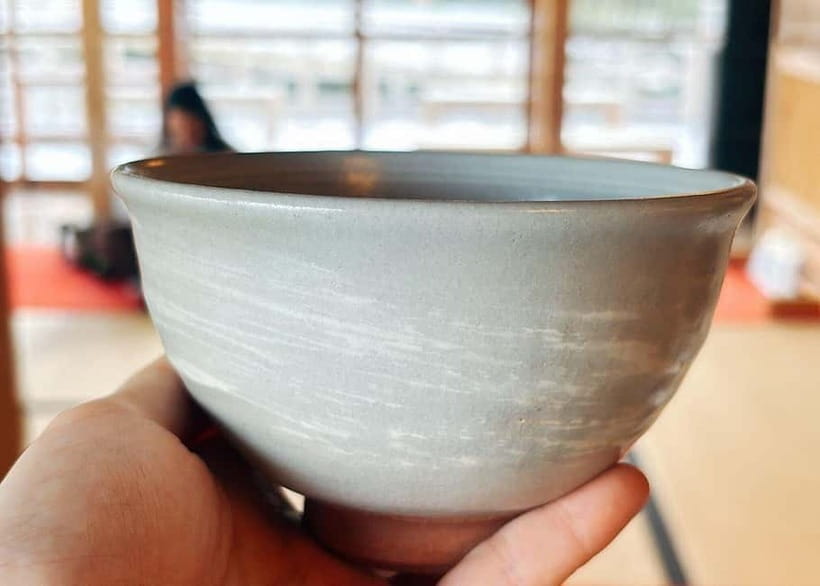
This is a small add-on, but it can make the garden visit feel more connected to Japanese customs. You can learn about basic etiquette while tasting matcha, powdered green tea, with wagashi, traditional Japanese sweets.
Do not treat it as part of the included price. The garden admission is covered, but the tea and sweets are not. You should also allow for the possibility that this option adds time or affects how much free time you have, since the tour duration is listed as roughly 150 minutes to three hours.
If you enjoy cultural explanations and want more than sightseeing photographs, I think the tea stop is worth considering. If your priority is simply to walk the gardens, save money, or keep moving, skip it without feeling that you have missed the central experience.
Is $31 a fair price?
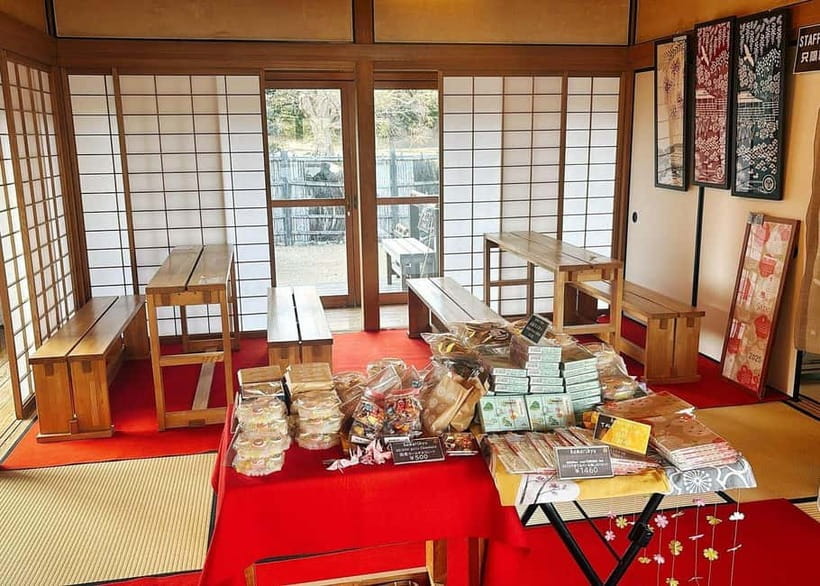
At $31 per person, the tour is priced as an affordable introduction to this part of Tokyo. The value comes from the guide, the structure, and the included admission to Hama-rikyu Gardens. You are not paying for transportation, a full meal, or a long private tour.
The market alone can be visited without a ticket, but a guide can save you from spending your limited time without context. The garden admission adds something concrete to the package, and the three-stop route gives you a fuller picture of the area than a market visit by itself.
Your actual spending depends on how much you eat. Add the cost of market snacks and, if you choose it, about 1,000 yen for matcha and wagashi. For a light outing, the total remains reasonable. For several seafood dishes, sweets, and souvenirs, budget beyond the advertised price.
The duration is flexible in the supplied details, listed as 150 minutes to three hours. The fixed itinerary suggests about 15 minutes at the temple, 45 minutes at the market, 15 minutes walking, and an hour in the garden. The longer end may reflect the pace of the group, shopping, food stops, or the tea option.
Who will enjoy this walking tour
This experience suits you if you want an easy introduction to Japanese food culture without spending a full day on a formal food tour. It also works well for first-time Tokyo visitors who want a clear route and a guide to explain the places along the way.
Food-curious people have plenty to choose from, but you do not need to be an adventurous eater. Tamagoyaki and matcha sweets are approachable choices, while sushi, seafood, and wagyu offer more substantial options.
The tour is also a good fit if you like contrasting experiences. Tsukiji is close, noisy, and focused on ingredients and eating. Hama-rikyu is slower, spacious, and focused on gardens and views. The day has a useful change of pace.
You should think twice if you dislike walking, crowded market lanes, or making your own food choices. This is not a sit-down meal with a fixed menu. You will also need to pay attention to footing and stay with the group in busy areas.
The supplied information gives conflicting accessibility guidance. It says the activity is wheelchair accessible, but it also says it is not suitable for wheelchair users or people with mobility impairments. Because the route includes narrow market lanes, city walking, and garden paths, contact the operator before booking if accessibility matters to you.
Pregnant people are listed as unsuitable for this activity. The tour also asks you to wear comfortable shoes, bring water and a camera, and avoid smoking.
Practical timing and meeting advice
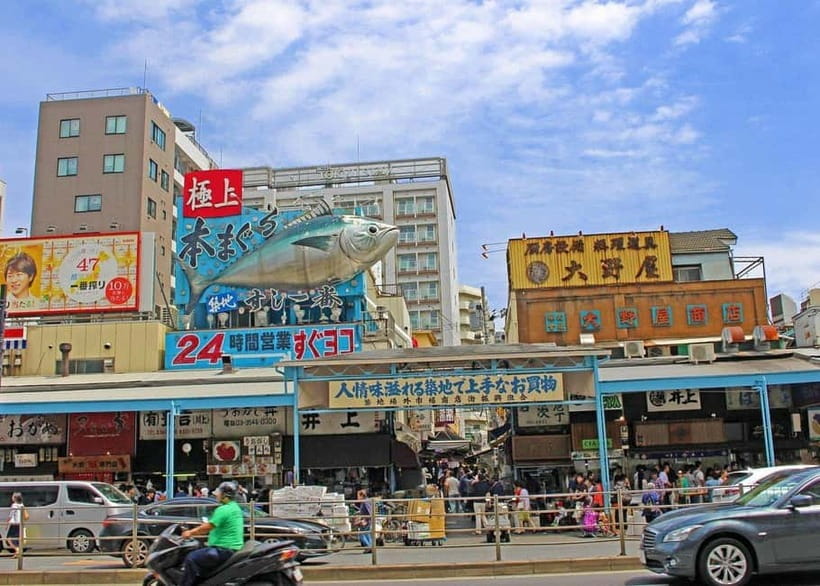
Plan to arrive at Starbucks near Tsukiji Station with enough time to find the guide. The guide waits in front of the coffee shop, so this is not a hotel pickup or a transport-based excursion.
You finish at Hama-rikyu Gardens, not back at the starting point. That is useful if you want to continue sightseeing in the area, but you need to arrange your own onward travel. The tour includes no transportation to or from the attractions.
The guide is available in Chinese, English, French, Korean, and Spanish. If you need English, select that language when booking and confirm the available start time.
Smoking is not allowed. Since you will be outdoors for much of the experience, carry water and dress for the season. A light bag is easier to manage in the market than a large suitcase or bulky backpack.
Free cancellation is available up to 24 hours before the start time for a full refund. You can also reserve now and pay later, which helps if you are still arranging a Tokyo itinerary.
The bottom line: should you book it?
Book this tour if you want a compact, guided introduction to Tsukiji and Hama-rikyu rather than a long food crawl or a full-day sightseeing trip. The temple, market, and garden form a well-chosen sequence, and the included garden admission improves the value.
I would recommend it most strongly for first-time visitors, casual food explorers, and anyone who likes combining local eating with a quiet cultural stop. I would skip it if you want a deep market-shopping session, a guaranteed meal, or a slow garden visit with no schedule.
Arrive hungry enough for a snack, but not expecting lunch to be covered. Wear good shoes, budget extra for food, and check the accessibility details directly if needed. With those expectations in place, $31 buys a practical and well-balanced slice of Tokyo.
FAQ
Where does the tour begin?
The meeting point is in front of Starbucks Coffee near Tsukiji Station.
Where does the tour finish?
The tour finishes at Hama-rikyu Gardens.
How long does the experience last?
The duration is listed as approximately 150 minutes to three hours. The planned stops include 15 minutes at Tsukiji Hongwanji, 45 minutes at Tsukiji Outer Market, a 15-minute walk, and about one hour at Hama-rikyu Gardens.
Is transportation included?
No. This is a walking tour, and transportation to and from the attractions is not included.
Is food included in the price?
No. Food from market stalls is optional and must be paid for separately.
How much does the matcha and wagashi tasting cost?
The optional tasting costs about 1,000 yen and is paid on-site.
Which languages are available?
Guided tours are available in Chinese, English, French, Korean, and Spanish.
What should I bring?
Bring comfortable shoes, water, and a camera.
Can wheelchair users join the tour?
The activity information gives conflicting guidance. It lists the tour as wheelchair accessible but also says it is not suitable for wheelchair users or people with mobility impairments. Contact the provider before booking to confirm whether the current route meets your needs.
More Shopping in Tokyo
- Tokyo: Tsukiji Fish Market Sushi Making Class with Pro Chef
★ 4.9 · 506 reviews - Tokyo Food Tour Taste Fresh Delights at Tsukiji Market
★ 5.0 · 429 reviews - Tokyo Tsukiji Fish Market Tour and Sushi Making Lesson
★ 5.0 · 390 reviews - Tsukiji Fish Market: Street Food & Culture Walking Tour
★ 4.8 · 259 reviews
Just added around Tokyo
- Private Arrival Transfer : Narita International Airport to Central Tokyo City★ 4.5 · 12 reviews
- Narita Airport(NRT): Private Transfer to Tokyo/Yokohama 1-9pax★ 5.0 · 47 reviews
- Private Transfer from Narita Airport to Yokohama Port and City★ 4.5 · 17 reviews
- [Narita Airport Terminals 1, 2] 40-60km Sawara Itako Historic Bike Tour★ 5.0 · 13 reviews
- 3 Day Japan Highlights Tour: Tokyo, Mt.Fuji, Nara, Kyoto, Osaka★ 5.0 · 22 reviews
- Small Town in the Big City: Tasting Tokyo’s Kichijoji★ 5.0 · 195 reviews
- Small Town in the Big City: Tasting Tokyo’s Kichijoji★ 5.0 · 16 reviews
- The 10 Tastings of Tokyo With Locals: Private Street Food Tour★ 5.0 · 48 reviews
Tsukiji Fish Market Tours, compared.
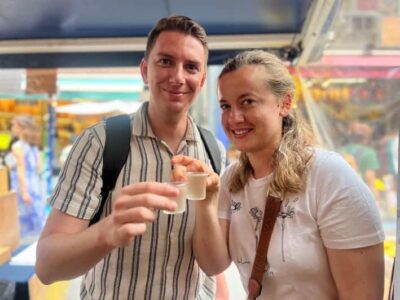
Tokyo Tsukiji Fish Market Food and Culture Walking Tour
Read our review →

Tokyo Sushi Making Class in Tsukiji with Professional Chef
Read our review →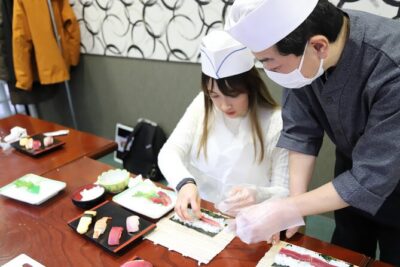
Tsukiji Fish Market Guided Tour and Sushi Making with Pro Chef
Read our review →Tsukiji Fish Market Food and Culture Walking Tour
Read our review →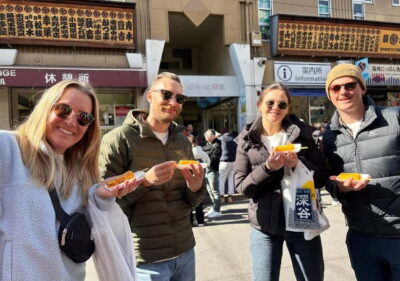
Tsukiji Fish Market: Street Food & Culture Walking Tour
Read our review →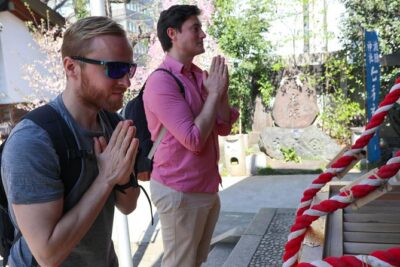
Tsukiji Fish Market Small-Group Food Walking Tour
Read our review →Browse the lists this tour appears in