
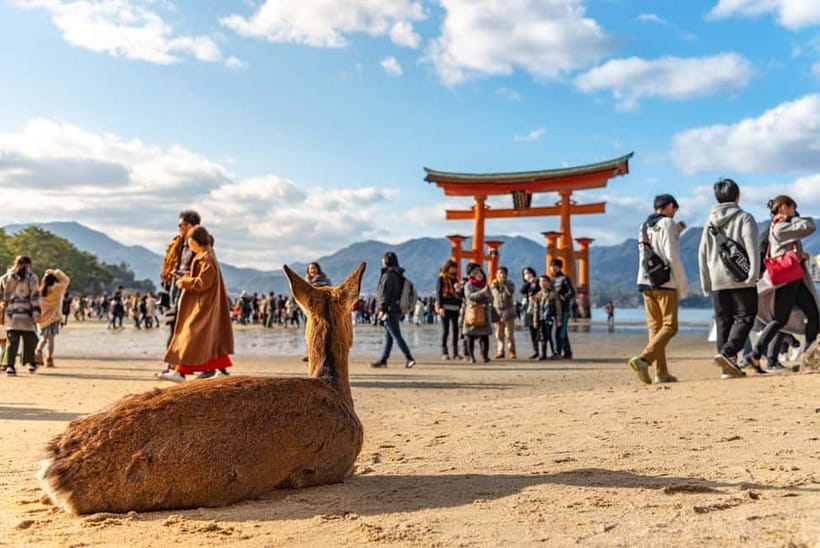
Reviewed · HIROSHIMA TOURS
Day Trip to Hiroshima & Miyajima with Itsukushima Shrine
Miyajima’s floating torii gate and Hiroshima’s Peace Memorial Park make a powerful pair: one offers beauty and old religious traditions, the other asks you to face one of the 20th century’s darkest events. This trip links them by coach and ferry, giving you a broad look at the area in one long day.
I like the easy transport, especially the ferry views and included Itsukushima Shrine admission. I also like the bilingual guiding, with guides such as Alan, Alex, Alejandro, and Pastor praised for clear explanations and warm, attentive help. The main drawback is time: Miyajima can feel rushed, and busy summer days may leave little room at the shrine or museum.
Key points to know before booking
- Miyajima brings the best mix of scenery and culture: See the famous torii, Itsukushima Shrine, old streets, deer, temples, oysters, and momiji manju.
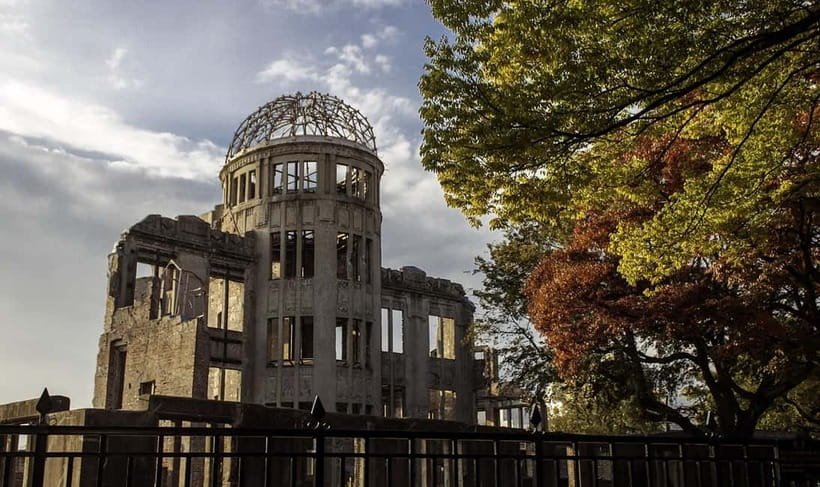
- The Hiroshima option adds a serious second half: Walk through Peace Memorial Park, see the Atomic Bomb Dome, and spend time at the museum.
- The ferry is part of the experience: You get coastal views and a memorable approach to Miyajima from the water.
- Guiding is a major strength: English and Spanish commentary is provided, and guides including Alan and Alex are praised for clear, personal explanations.
- Time is the tradeoff: The schedule gives about 30 minutes at the shrine and 100 minutes for Miyajima, so you need to choose your stops carefully.
- The $39 starting price is good value: Transport, ferry fare, and shrine admission are included, but lunch is not.
Miyajima first: Japan’s famous gate from the water
The trip begins with a coach journey toward the coast, followed by a ferry to Miyajima. Depending on your booking, you either meet at Hiroshima Station’s Shinkansenguchi Hiroba Bus Berth or at Hiroden-Miyajimaguchi Station.
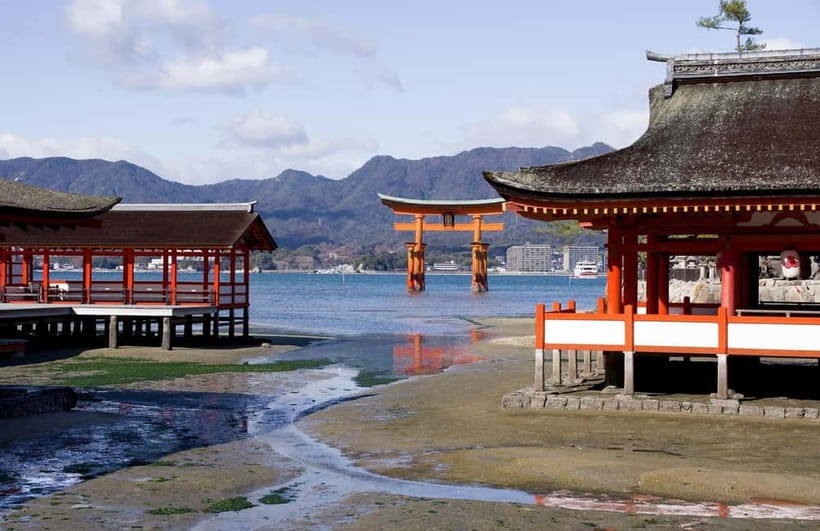
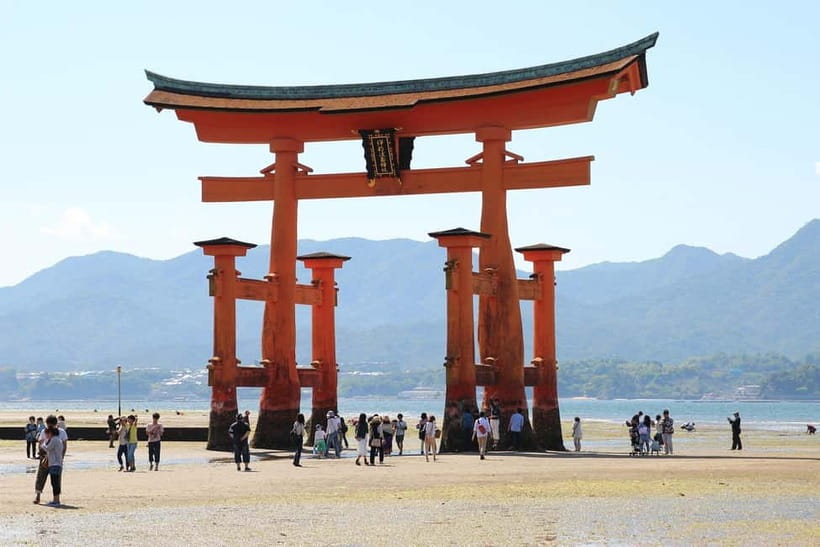
The ferry ride is short but important. Miyajima is best understood from the water, where the island’s wooded slopes, shoreline, shrine buildings, and torii gate come together in one view. At high tide, the gate appears to rise from the sea. Tide levels change, so the exact view depends on the day and time, but the crossing still gives you the classic approach that makes Miyajima feel special.
The scheduled ferry ride to the island lasts about 30 minutes. After your visit, the return ferry is listed at about 10 minutes, which reflects the practical trip back toward the mainland. Keep your camera ready, but do not spend the whole crossing looking through it. The view is one of the easiest ways to appreciate how the shrine was designed around the water.
A few more Hiroshima half-days to weigh up
- Peaceful Hiroshima & Miyajima UNESCO 1 Day Bus Tour
★ 5.0 · 5,309 reviews - Hiroshima: Hiroshima and Miyajima UNESCO Sites 1-Day Tour
★ 4.9 · 2,330 reviews - From Hiroshima: Hiroshima & Miyajima 1 Day Tour with Lunch
★ 4.7 · 395 reviews
Itsukushima Shrine in a short guided visit
Itsukushima Shrine is the main cultural stop on Miyajima. The shrine has roots reaching back to the sixth century, and its position beside the water gives it a look unlike most major religious sites in Japan. Its red buildings and ceremonial setting are closely tied to the tide.
The guided portion is scheduled for about 30 minutes, followed by free time. That is enough for an introduction and a look at the key buildings, but it is not enough for a slow, detailed visit. I would listen carefully to the guide at the start, then use your free time to return to anything you want to see again.
The guide’s explanation matters here. Without context, the torii is simply a beautiful photo stop. With a good explanation, you begin to understand the shrine’s relationship with the sea and why the gate is so closely identified with Miyajima.
This is also the point where crowds can affect the experience. A July visit in about 35°C heat, with high humidity and summer holiday traffic, made the shrine and Hiroshima museum difficult to navigate. If you visit in a busy period, stay close to the guide during the introduction and expect some waiting around popular viewpoints.
Your 100 minutes to explore Miyajima
After the shrine, you have about 100 minutes of free time on the island. This is the part of the day where you need a plan. You can stroll through the charming streets, look for local food, visit another temple, or simply enjoy the coastal setting.
Miyajima’s free-roaming deer are hard to miss and add a playful touch to the walk. You can also look for local specialties, particularly oysters and momiji manju. The oysters connect with the island’s coastal setting, while momiji manju are maple-leaf-shaped cakes that make an easy snack or souvenir.
Some schedules also leave enough time to reach Daishoin Temple, which one guest managed to visit after Itsukushima Shrine. The walk is described as a small hike, so do not count on fitting it in if you want a relaxed meal, extensive shopping, and a careful shrine visit. You will get more from the island if you choose one or two priorities rather than trying to cover everything.
I would use the free time this way:
- First, finish any shrine viewing you missed during the guided portion.
- Next, choose either Daishoin Temple, local food, or a relaxed walk through the streets.
- Leave time to return to the ferry meeting point without rushing.
The tour includes your ferry ticket and shrine admission, but lunch is not included. That gives you control over what you eat, though the limited free time means a full sit-down meal may compete with sightseeing.
Returning to Hiroshima and changing the mood
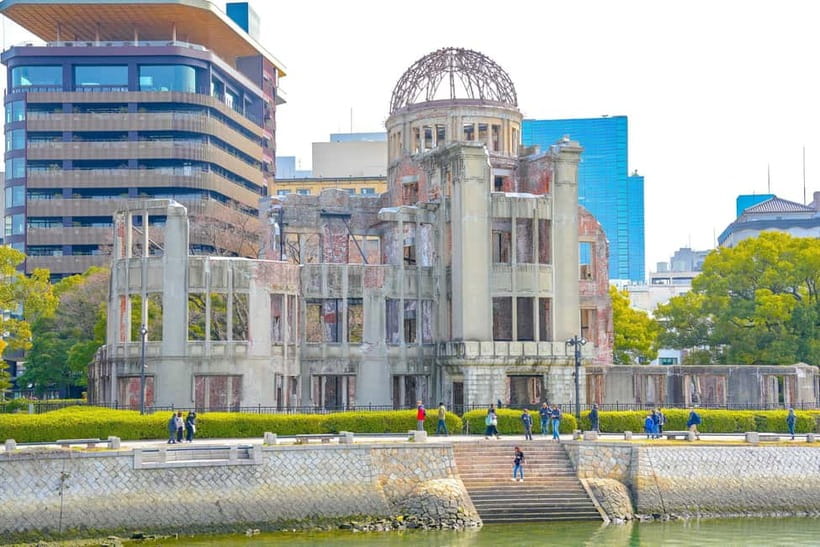
The trip back to Hiroshima shifts the tone. Miyajima is scenic, social, and full of small pleasures. Hiroshima Peace Memorial Park is quiet and serious. If you book the Miyajima-only option, the tour ends after the return journey toward Hiroshima. The combined option continues to the park.
The coach ride from Miyajima toward Hiroshima is listed at about one hour. The exact timing can vary, but the bus saves you from arranging the connections yourself. That is particularly useful if you are trying to see both destinations in one day.
The combined itinerary allows about two hours at Peace Memorial Park. Roughly one hour is guided walking, followed by about one hour for the museum according to the described schedule. The guide may reverse the order, beginning with Miyajima and leaving the Peace Memorial for the end. That sequence works well emotionally. You start with beauty and tradition, then finish with reflection.
Same base, a completely different sort of day:
- Hiroshima / Miyajima Full-day Private Tour with Government Licensed Guide
★ 5.0 · 1,298 reviews - Hiroshima Historical Walking Tour – Why A-Bomb was Dropped
★ 4.8 · 893 reviews - Hiroshima Peace (Heiwa) Walking Tour at World Heritage Sites
★ 5.0 · 872 reviews - Hiroshima in a Nutshell: Morning Bike Adventure
★ 5.0 · 524 reviews
Peace Memorial Park and the Atomic Bomb Dome
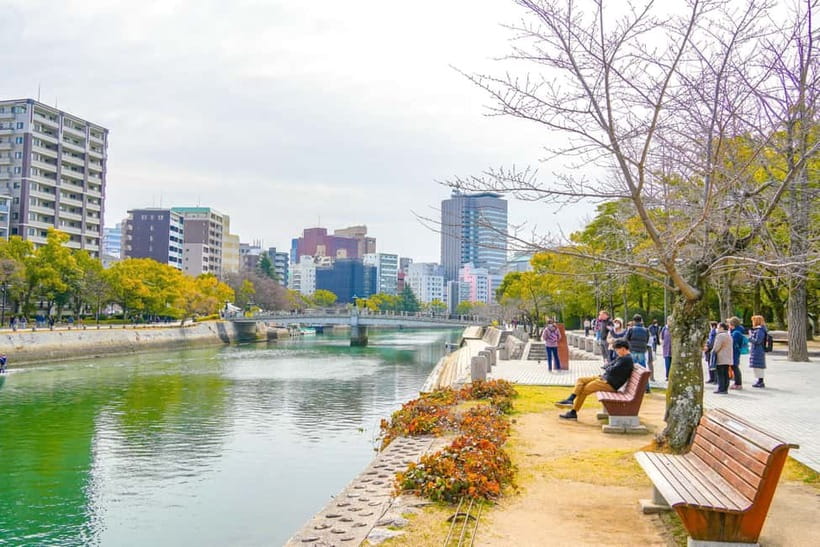
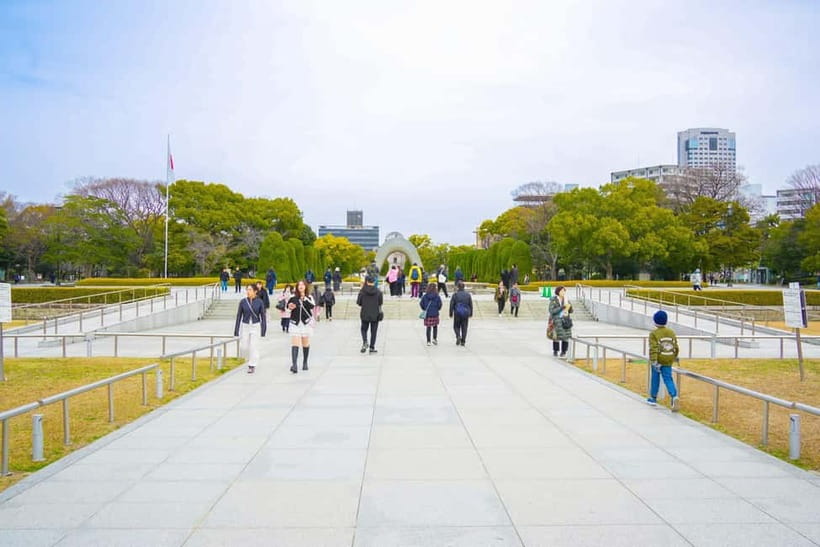
Peace Memorial Park is not a quick photo stop. It is a place for quiet attention, and the tour gives you enough time to understand the main memorials without having to arrange the visit yourself.
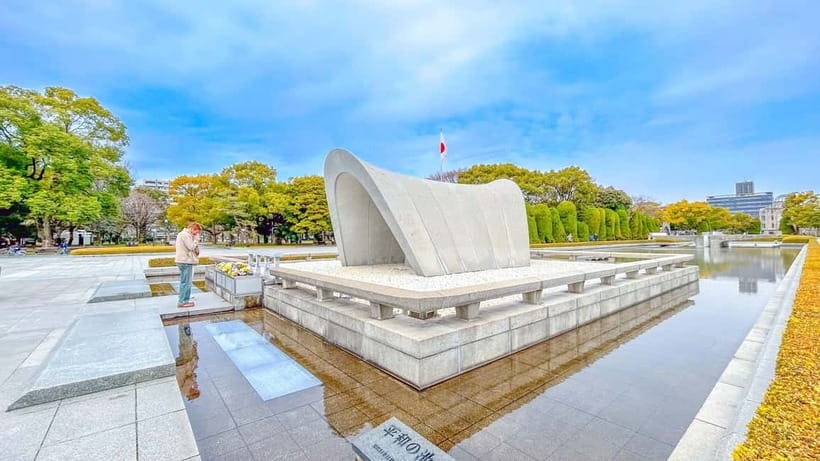
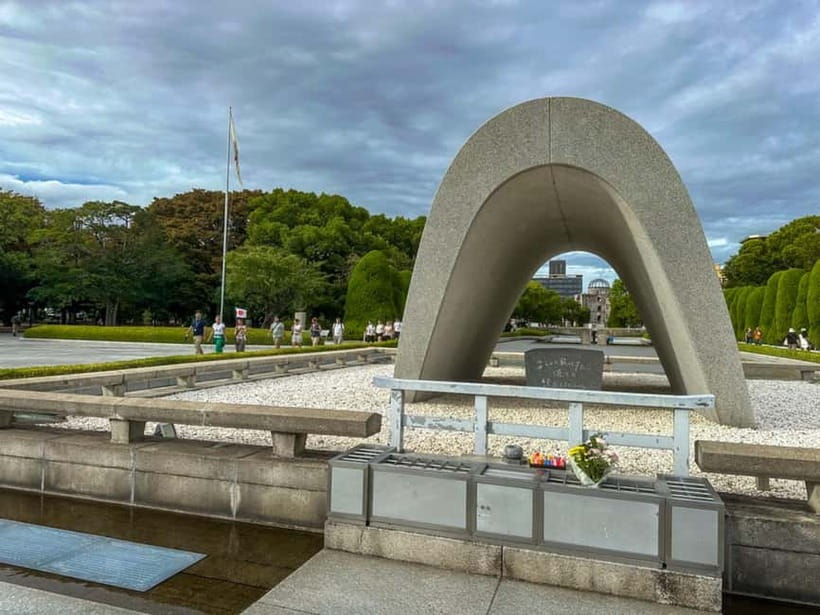
The Atomic Bomb Dome is one of the central sights. Its damaged structure makes the bombing’s impact visible in a way that written history cannot. The Peace Memorial itself and other monuments nearby honor those who died in the 1945 atomic bombing and focus attention on the human cost of war.
The guided walk helps explain what you are seeing. Guides such as Alan have been praised for presenting the subject with feeling and for answering questions carefully. That makes a difference in Hiroshima, where dates and names alone can feel cold. You need clear facts, but you also need room to form your own response.
The museum portion is generally self-guided time. One bilingual tour schedule gave about an hour for the museum after the walking explanation. That is useful, but limited. On a busy day, you may not be able to see every exhibit at your own pace. Treat this as an introduction, not a complete study of Hiroshima’s wartime story.
This part of the trip can be emotional. The experience is worthwhile, but it is not light entertainment. If you know that you need more time at the museum, consider visiting separately on another day instead of trying to fit both Miyajima and Hiroshima into one schedule.
Bilingual guides who make the schedule work
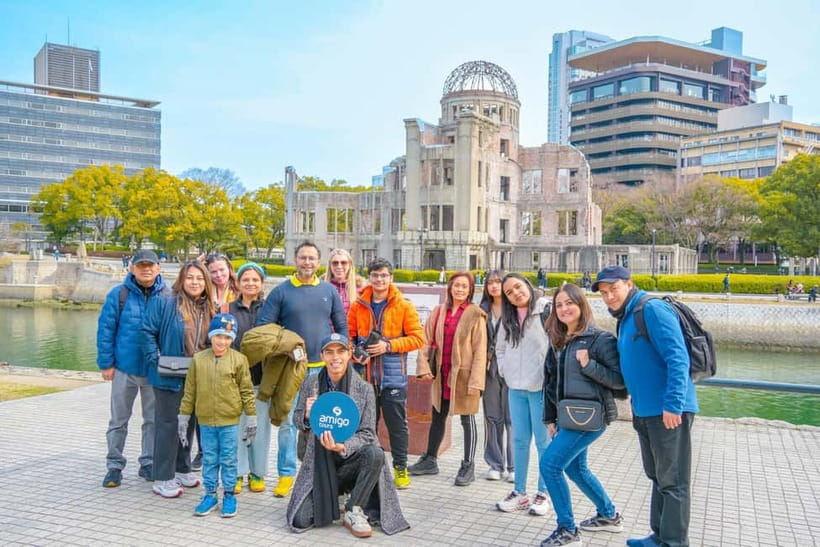
The tour operates in English and Spanish, with live guides rather than recorded commentary. This is especially helpful on a packed itinerary, since the guide provides the background while you move between major stops.
Several guide names appear in the experience, including Alan, Alex, Alejandro, Pastor, Ally, and Anhela. Alan receives particular praise for combining English and Spanish clearly, presenting information with energy, and returning with an answer when a question needed checking. Alex is also singled out for interesting commentary and careful attention to the group.
The guiding style appears to be interactive rather than a one-way lecture. That helps you ask about the shrine, the war, or practical details as you go. The driver also matters on a long day. Moriyama and other drivers are praised for safe, careful driving, which is reassuring when the schedule includes several road and ferry connections.
Because commentary is repeated in two languages, some stops may take longer than they would on an English-only tour. That is the fair tradeoff for a bilingual experience. If you speak English or Spanish, you get context without needing to arrange a separate guide.
What the $39 price really covers
At $39 per person, this is a low-cost way to connect two major destinations. The price includes transport from the meeting point, the coach journeys, the ferry ticket, and admission to Itsukushima Shrine. You are also paying for a live bilingual guide and the convenience of not managing each transfer yourself.
Lunch is extra. Food costs on Miyajima will depend on your choices, and the short free-time window means you should decide early whether you want oysters, momiji manju, or a quick meal.
The value is strongest for you if you are based in Hiroshima and want a ready-made day out. It can also work for a long day trip from Osaka, as one schedule was used by someone taking the Shinkansen there and back. That plan leaves little margin for delays, so you should be comfortable with a tightly timed day.
The price does not buy unlimited time at either major site. You are paying for range and convenience, not depth. A self-planned Miyajima and Hiroshima visit could give you more time, but would require arranging transport, tickets, and timing yourself.
The meeting point and timing details
Read the meeting instructions closely because the starting point changes with the option you choose.
For the combined Hiroshima and Miyajima tour, go to the area outside Hiroshima Station’s Shinkansenguchi Hiroba Bus Berth. From the station, take the North Exit, go down the stairs, and walk to the bus berth between Bus Stops 8 and 9. The guide waits with an Amigo Tours sign.
For the Miyajima-only option, meet outside Hiroshima Station’s Hiroden-Miyajimaguchi Station. Again, look for the guide holding an Amigo Tours sign.
The stated duration ranges from 210 minutes to eight hours, depending on the option and schedule. The full version is a demanding day, with coach rides, ferry crossings, walking, shrine time, island free time, and the Peace Memorial visit. Wear comfortable shoes and bring water. A camera is useful, but hydration matters more in hot, humid weather.
The tour is not suitable for wheelchair users. If mobility is a concern, check the arrangements carefully before paying.
Who will get the most from this day
I would choose this trip if you want to see both Miyajima and Hiroshima without spending time working out the connections. It suits first-time visitors who value explanation, families or couples who prefer a fixed plan, and English or Spanish speakers who want live guidance.
It is also a good fit if you want a first introduction to Hiroshima’s wartime memorials but do not need several hours in the museum. The emotional shift from Miyajima to Peace Memorial Park gives the day a thoughtful shape.
I would hesitate if you dislike group schedules or want to photograph the torii at your own pace. The 30-minute shrine visit and 100-minute island window can feel short, especially when crowds are heavy. I would also think twice if your main goal is a detailed museum visit, a long meal, or a hike beyond the central shrine area.
The strongest praise centers on organization, guide quality, safe driving, and clear explanations. Those strengths are exactly what make a packed day manageable.
Should you book this Hiroshima and Miyajima trip?
Book it if you want maximum coverage with minimum planning. The ferry, shrine entry, coach transport, and bilingual guide make $39 a strong value, particularly when you have only one day for the area.
Choose the Miyajima-only option if you want a lighter outing focused on the shrine, island streets, deer, food, and scenery. Choose the combined option if Hiroshima’s memorial sites are essential and you are prepared for a long, emotionally serious day.
My practical advice is to treat the tour as an excellent overview. Enjoy Miyajima’s water views and local character, listen closely during the Hiroshima walk, and accept that neither destination will receive the time it would get on a separate visit. For many people, that balance is exactly the point.
FAQ
What languages are available on the tour?
The live tour guide speaks English and Spanish. Commentary is bilingual during the experience.
What does the $39 price include?
The price includes transportation from the meeting point, the ferry ticket, admission to Itsukushima Shrine, and a bilingual live guide.
Is lunch included?
No. Lunch is not included, so you should plan to buy food during your free time on Miyajima.
How long does the tour last?
The listed duration ranges from 210 minutes to eight hours, depending on the option and starting time selected. The combined Miyajima and Hiroshima version is the longer itinerary.
Where do I meet the guide for the combined tour?
Meet outside Hiroshima Station’s Shinkansenguchi Hiroba Bus Berth. Take the North Exit, go down the stairs, and look between Bus Stops 8 and 9 for the guide holding an Amigo Tours sign.
Where do I meet the guide for the Miyajima-only option?
Meet outside Hiroshima Station’s Hiroden-Miyajimaguchi Station. The guide will be waiting with an Amigo Tours sign.
Is the Hiroshima Peace Memorial Museum included?
The combined option includes time at Hiroshima Peace Memorial Park, with the walking tour and museum visit described as part of the schedule. Itsukushima Shrine admission is specifically included, while separate museum admission is not clearly stated in the provided details.
Is the tour suitable for wheelchair users?
No. The experience is listed as unsuitable for wheelchair users.
Just added around Hiroshima
- The Peace Memorial to Miyajima : Icons of Peace and Beauty★ 4.5 · 31 reviews
- Shore Excursion from Hiroshima Port : Private Tour in Hiroshima★ 5.0 · 17 reviews
- Hiroshima Saijo Sake Tasting Tour with visit to 7 Breweries★ 5.0 · 104 reviews
- Hiroshima & Miyajima All-Inclusive Tour w/Licensed guide Pancho★ 5.0 · 54 reviews
- Hiroshima Country Cycling: Explore Rural Life 1 HR from City★ 5.0 · 22 reviews
- Okunoshima Rabbit Island Cycling Tour with Local Guide★ 4.5 · 17 reviews
- Private Full Day Hiroshima Tour★ 4.5 · 29 reviews
- Hiroshima Private Tour with a Local – Highlights & Hidden Gems★ 4.5 · 24 reviews
Hiroshima Tours, compared.

Peaceful Hiroshima & Miyajima UNESCO 1 Day Bus Tour
Read our review →
Hiroshima and Miyajima UNESCO Sites 1-Day Tour
Read our review →
Hiroshima Historical Walking Tour – Why A-Bomb was Dropped
Read our review →
Hiroshima Peace (Heiwa) Walking Tour at World Heritage Sites
Read our review →
Hiroshima in a Nutshell: Morning Bike Adventure
Read our review →
Hiroshima City 4hr Private Walking Tour with Licensed Guide
Read our review →

Japanesel Archery Experience HIROSHIMA CASTLE SHARAKU
Read our review →Browse the lists this tour appears in