
Reviewed · KYOTO TOURS
4.5-hr Kyoto Historical Highlights Bike Tour with UNESCO
Kyoto’s best sightseeing moments are often found between the famous stops. This 4.5-hour bike tour links Gion, two Zen temples, Heian Shrine, and the Kamo River, while giving you the freedom to move through quiet city streets instead of spending the morning in buses and queues. The visit to Kennin-ji, with its Japanese rock garden, is a fine introduction to Zen culture.
I like that the bike, helmet, lock, insurance, temple entry, lunch, and tour photos are included. I also like the small group, limited to five people, since it gives your guide room to answer questions and adjust the pace. The main drawback is that cycling takes place on city roads, and one past participant found a soft-spoken guide hard to hear while riding. Comfortable shoes, road awareness, and a willingness to follow cycling rules matter.
Key points at a glance
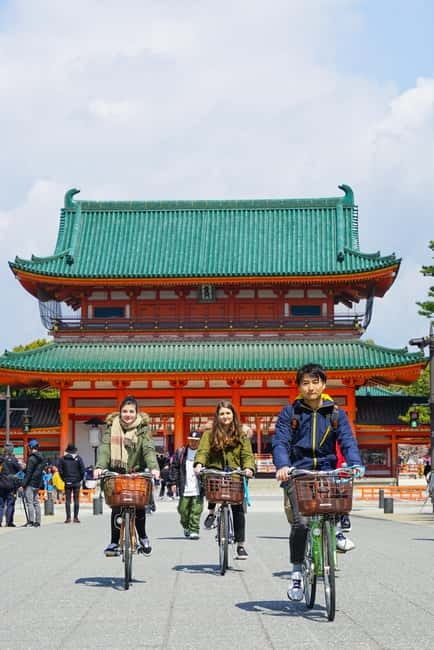
- Ride beside the Kamo River: Begin and end with a calm cycle along one of Kyoto’s most recognizable waterways.
- See Kennin-ji in Gion: Spend about 75 minutes in a working Zen temple with a traditional karesansui rock garden.
- Pair Nanzen-ji with Heian Shrine: The route gives you both temple atmosphere and one of Kyoto’s major Shinto sites.
- Eat lunch in a traditional Japanese house: Expect local dishes including soba, with matcha and mochi desserts.
- Keep the group tiny: A maximum of five participants makes the English-guided tour more personal.
- Bring the right attitude to city cycling: Phones and headphones are not permitted while riding, and traffic instructions are not optional.
Why a bicycle works so well in Kyoto
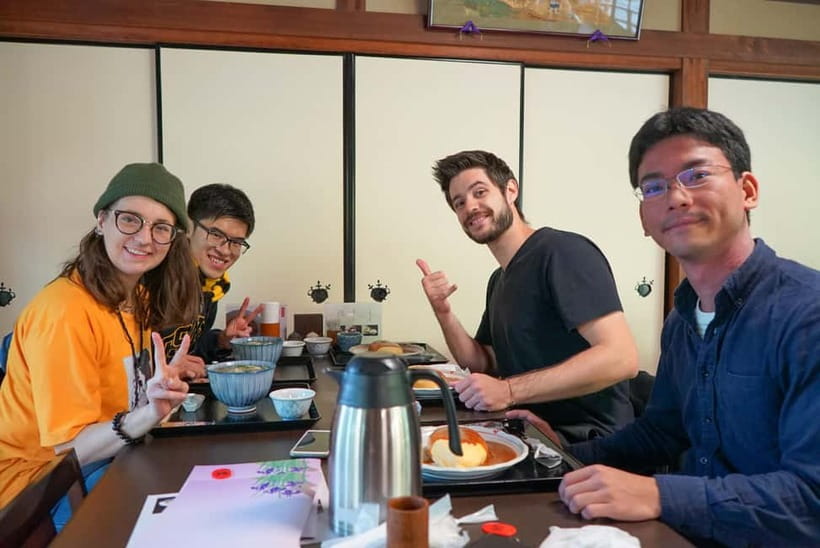
Kyoto covers a wide area, and its most interesting sights are not all packed around one station. On foot, you can spend much of a morning covering ground. Public transport helps, but it can also leave you walking to and from stops. A bicycle gives you a useful middle option.
This route is built for people who want to see several districts without turning the day into a transport exercise. You get a sense of the city between the temples: riverbanks, local streets, traditional neighborhoods, and the changing feel of central Kyoto.
You do not need to arrange a separate rental. The tour supplies the bicycle, helmet, lock, and bodily injury liability insurance. That is a real convenience, especially if you are in Kyoto for only a few days and do not want to spend time comparing rental shops or sorting out a deposit.
The group limit of five is another practical advantage. Your guide can explain a temple detail without shouting to a crowd, and you can ask about other places to visit. Guides named in the feedback include Woohee, Tobu, and Karin. Woohee was praised for explaining cultural ideas clearly, Tobu helped a family enjoy the route in hot weather, and Karin was described as accommodating and well informed.
More bike days around Kyoto:
- Hidden Kyoto E-Biking tour
★ 5.0 · 1,843 reviews - Bike Tour Exploring North Kyoto plus Lunch
★ 5.0 · 1,087 reviews - Arashiyama Bamboo Forest & Hidden Gems Bike Tour (Early Bird)
★ 5.0 · 613 reviews
Starting beside Kyoto Station and the Kamo River
The meeting point is in front of the Seven Eleven outside Kyoto Station’s Hachijo-guchi Exit. It is next to Hotel Via Inn Prime, and your guide will hold a Magical Trip sign.
Allow a little extra time to find the correct side of the station. Kyoto Station is large, and one participant found the meeting point confusing even though she arrived before the start. Once everyone is together, the route heads toward the Kamo River.
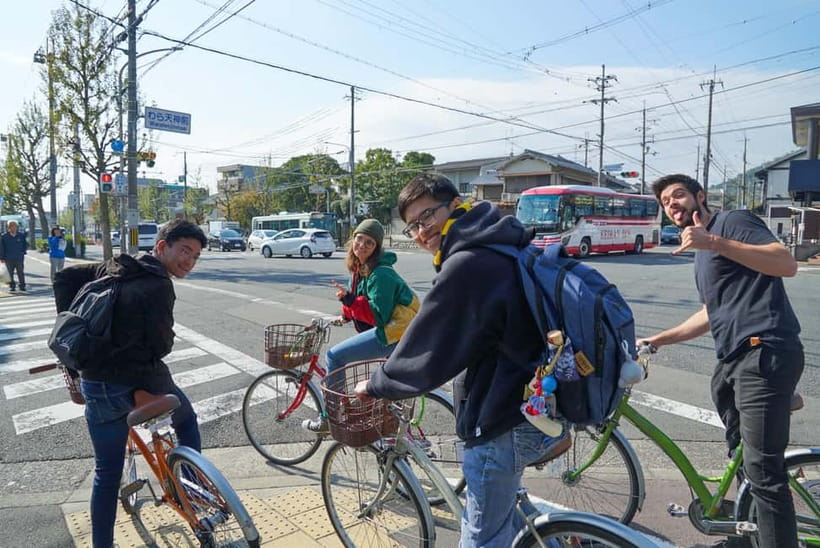
The first river visit lasts about 15 minutes. This is a gentle start rather than a major sightseeing stop. You can settle onto the bicycle, get used to the controls, and begin noticing how quickly Kyoto feels quieter away from the station.
The Kamo River is one of the city’s most pleasant open spaces. Locals use the banks for walks, rest, and sunshine, and the broad river corridor gives you a welcome break from traffic and buildings. The final ride also follows the river, so the tour opens and closes with the same easy Kyoto view.
Gion and the world around Kennin-ji
From the river, you head toward Gion, Kyoto’s best-known traditional entertainment district. Your guide explains the connection between Gion and geisha culture, helping you understand the area as more than a collection of picturesque lanes.
The streets can be busy, so this is a place to ride carefully and respectfully. You may pass traditional wooden buildings, but the important point is that Gion is a living neighborhood, not a stage set. Keep your speed controlled and follow your guide’s directions.
Kennin-ji receives about 75 minutes, making it one of the central stops. It is a Zen temple in the Gion district and offers a quiet change from the streets outside. The Japanese rock garden, known as karesansui, uses carefully arranged stones and gravel rather than plants and water to create a place for stillness and thought.
Your guide introduces Zen culture and explains some of the temple’s place in Kyoto’s religious life. That context makes the visit more useful than simply walking through, taking a photograph, and moving on. If you have never visited a Zen temple, this is a strong first encounter because the tour gives you time to look and listen.
The entrance fee to Kennin-ji is included. Nanzen-ji entry is not listed among the included costs, so you should not assume every temple area on the route carries no extra charge. The supplied details specifically include Kennin-ji admission only.
Nanzen-ji and the quieter side of temple Kyoto
The ride to Nanzen-ji lets you see another side of central Kyoto. The route moves away from the concentrated Gion atmosphere and toward a temple area known for calm surroundings and traditional religious architecture.
You spend about 80 minutes at Nanzen-ji, the longest stop on the tour. Your guide discusses Zen and earlier periods of Kyoto, then points out photogenic parts of the temple grounds. That extra time matters. Nanzen-ji is not a quick photo stop, and rushing through it would miss the point.
I like this pairing of Kennin-ji and Nanzen-ji. Kennin-ji gives you a compact Zen introduction in Gion, while Nanzen-ji lets you consider the same broad tradition in a larger temple setting. You are not just ticking off unrelated sights.
The tour is not designed for a specialist in Buddhist art or architecture. Instead, it gives you a practical introduction to how Zen shaped Japanese culture and Kyoto’s visual character. If you want long periods of silent solo exploration, a guided bike route may feel structured. If you want the sites to make sense, the explanations are a major part of the value.
More history-led days in Kyoto:
- Kyoto Gion: 2-Hour Geisha Culture & History Walking Tour
★ 5.0 · 1,186 reviews - Kyoto Gion Historical Walking Tour
★ 5.0 · 188 reviews - Historical Kyoto E-Bike Tour
★ 5.0 · 181 reviews - Kyoto: Nijo Castle World Heritage Guided Tour with Admission
★ 5.0 · 128 reviews
Heian Shrine and a traditional Kyoto lunch
Heian Shrine is scheduled for about 20 minutes. That is enough for a short visit and an introduction, but not enough for a slow, detailed examination of every part of the complex.
The shrine adds a Shinto dimension after the Zen temples. This contrast is helpful. Kyoto’s cultural identity is not limited to one faith or one style of building, and seeing a Shinto shrine after two Buddhist temple visits gives the morning a broader shape.
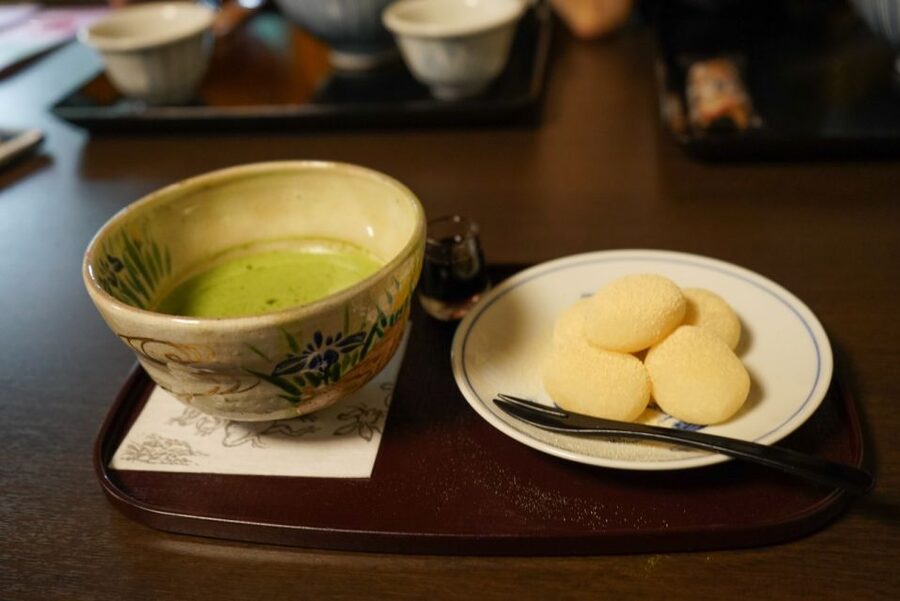
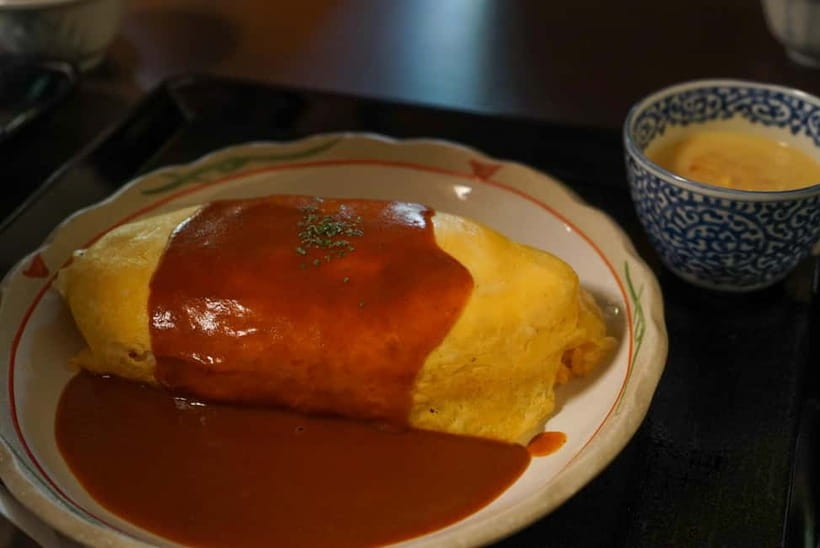
Lunch follows at a local restaurant in a traditional Japanese house and lasts about 45 minutes. The meal includes local cuisine, with several soba dishes and desserts featuring matcha and mochi. A Japanese garden and a souvenir shop are next door, and you can try Yatsuhashi, a Kyoto sweet.
This is one of the tour’s most appealing details. A restaurant meal in a traditional house gives you a more grounded break than grabbing food at a station between attractions. It also creates time to talk with your guide and fellow cyclists. One guide was specifically praised for making lunch an enjoyable shared part of the experience.
Vegetarian and vegan meals are available, but fish stock is still used. Tell the operator about dietary requests or allergies at least one day ahead. Same-day requests cannot be accommodated, and the food is prepared in kitchens outside the tour company’s control, so allergy-free meals and substitutions cannot be guaranteed.
Additional drinks and food are not included. Bring money if you want anything beyond the supplied lunch.
The final river ride and the pace of the day
After lunch, the route returns to the bicycle and finishes at the Kyoto Eco Trip flagship shop. The schedule lists about 30 minutes for the rental shop visit and guided tour, though the full experience lasts 270 minutes.
The closing ride beside the Kamo River is meant to be relaxing. Locals gather along the banks, and you get one last look at the city at a slower pace. This ending works well because the tour has already supplied its major temple visits. You are not finishing with another demanding cultural stop.
At roughly four and a half hours, the experience takes up a substantial part of your day without becoming a full-day commitment. The schedule includes about 15 minutes at the first river stop, 75 minutes at Kennin-ji, 80 minutes at Nanzen-ji, 20 minutes at Heian Shrine, and 45 minutes for lunch. The remaining time covers cycling and the rental shop.
The route is described as suitable for anyone over 150 centimeters tall, not only highly skilled cyclists. Still, you should be comfortable riding a bicycle and sharing roads with other traffic. The tour is not suitable for wheelchair users or people under 150 centimeters.
Heat, sound, and cycling rules
Kyoto can be very hot in summer. One family completed the ride in 30-degree heat and still found the cycling manageable, but you should plan for sun and humidity. Light clothing, water, and comfortable shoes are sensible choices, even though only comfortable shoes are specifically required.
You cannot use headphones during the ride. Smartphone use while cycling is prohibited, though you may use your phone when the bicycle is stopped. Cycling under the influence of alcohol is also illegal, with penalties applying to riders and others involved.
These rules may sound strict, but they protect the group and make it easier to stay together. Listen carefully to your guide’s instructions about traffic, crossings, and stopping points.
One practical concern is hearing the guide while riding. A past participant suggested that a clip-on microphone would help because the guide spoke softly and road noise made conversation difficult. In a group of five, this may be manageable, but stay close during explanations and ask the guide to repeat anything you miss.
The tour can be cancelled if weather conditions make cycling unsafe. That is worth remembering if you are arranging other fixed plans around it.
Is $96 a fair price?
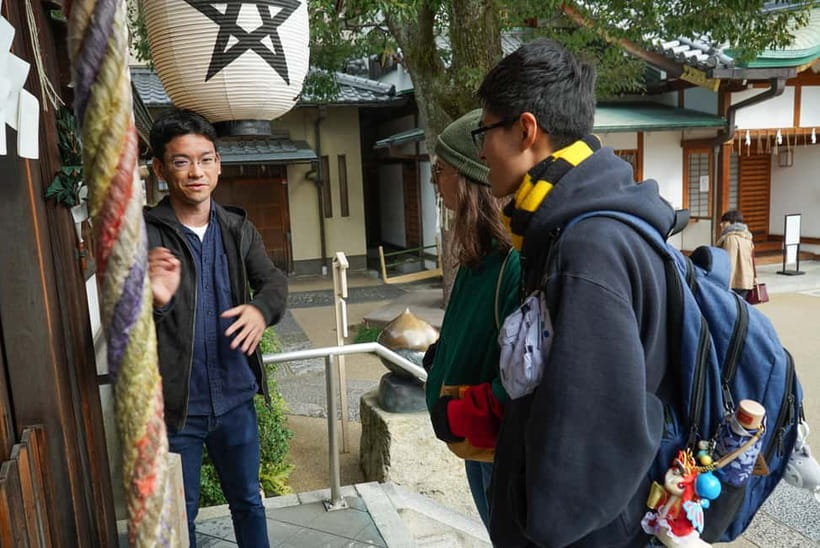
At $96 per person, this is not the cheapest way to see Kyoto. It is also more than a basic bicycle rental, but the comparison is not quite fair. The fee includes the bike, helmet, lock, insurance, guide, Kennin-ji admission, lunch, and photos.
You are also paying for route planning and cultural interpretation. Without a guide, you could cycle along the river and visit temples, but you would need to work out the route, transport or parking arrangements, opening details, and meal stop yourself. The small group improves the value, particularly if you care about questions and personal attention.
The price makes the most sense for a first Kyoto visit, a short stay, or anyone who wants to combine sightseeing with light activity. It is less appealing if you already know the temples well, prefer to move at your own pace, or want a purely independent ride.
Who should book this Kyoto bike tour?
I would recommend it to confident casual cyclists who want to see several important areas in one morning. Families with teenagers may especially like it, since the bicycle ride breaks up temple visits and offers more movement than a standard walking tour.
It also suits visitors who want an English-speaking guide to explain Gion, geisha culture, Zen, Shinto, and Kyoto’s past. The route has enough structure to help first-time visitors get their bearings, while the river rides keep it from feeling like a museum-heavy schedule.
Think twice if you dislike cycling in traffic, have mobility needs, are under 150 centimeters tall, or want a slow private visit at every stop. You should also check the weather forecast and be ready for heat.
Should you book it?
Book this tour if you want active sightseeing with a cultural guide, a small group, and a proper local lunch. The strongest parts are the two Zen temples, the river cycling, and the chance to connect the sights rather than see them as isolated monuments.
Skip it if you want total independence or find city cycling stressful. For most visitors who are comfortable on a bike, $96 is a reasonable package price for four and a half hours of transport, admission, food, equipment, and interpretation.
FAQ
How long is the Kyoto bike tour?
The tour lasts 270 minutes, or 4.5 hours.
What language is the tour conducted in?
The tour has a live English-speaking guide.
How many people can join the tour?
The group is limited to five participants.
Where is the meeting point?
Meet in front of the Seven Eleven outside Exit Hachijo-guchi of Kyoto Station, next to Hotel Via Inn Prime. The guide will hold a Magical Trip sign board.
Is a bicycle included?
Yes. The rental bicycle, helmet, bicycle lock, and bodily injury liability insurance are included.
Is lunch included?
Yes. Lunch at a local restaurant is included. Additional drinks and food are not included.
Are vegetarian and vegan meals available?
Vegetarian and vegan options are available, but fish stock is still used. Dietary requests or allergies must be provided at least one day before the tour.
Which temple admission is included?
Admission to Kennin-ji Temple is included. The supplied tour details do not list admission to other sites as included.
Is the tour suitable for beginner cyclists?
The tour is described as suitable not only for highly skilled cyclists. You must still follow your guide’s traffic instructions and be comfortable riding on city roads.
Can children or shorter participants join?
Anyone over 150 centimeters, or about 4 feet 11 inches, can join. The tour is not suitable for people under that height.
Can I use my phone or headphones while cycling?
Headphones are not allowed. Smartphone use while cycling is prohibited, but you may use your phone when the bicycle is stopped.
What happens if the weather is unsafe?
The tour may be cancelled for safety if weather conditions are unsuitable for cycling.
Can I cancel for a refund?
You can cancel up to 24 hours in advance for a full refund. Reserve now and pay later is also available.
Just added around Kyoto
- Kyoto: Zen Meditation at a Private Temple with a Monk★ 5.0 · 25 reviews
- Kyoto: Gion Geisha District & Sake-in-Hand Walking Tour★ 5.0 · 37 reviews
- Private Pewter Sake Cup Experience with a Kyoto Artisan★ 5.0 · 31 reviews
- Your Private Vacation Photography Session In Kyoto★ 5.0 · 110 reviews
- Private Guided Traditional Buddhist Cooking in Japan★ 5.0 · 16 reviews
- Kyoto Wagashi(Japanese sweets) Cooking Class near Fushimiinari★ 5.0 · 60 reviews
- Traditional Japanese Music show & Experience Tour in Kyoto★ 5.0 · 57 reviews
- Kyoto:Family-Friendly Kimono & Yukata Experience at WARGO★ 5.0 · 147 reviews
Kyoto Tours, compared.
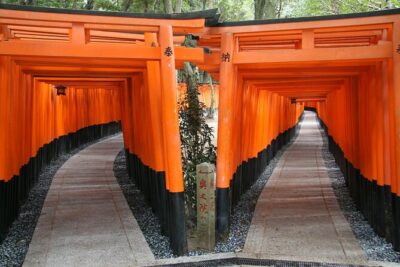
Fushimi Inari, Kinkakuji, Bamboo Grove 1 Day Bus Tour
Read our review →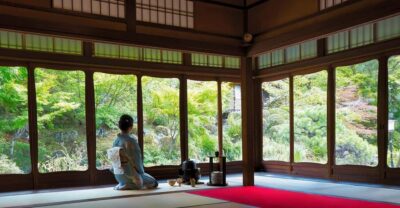
Tea Ceremony in a Traditional Tea House in Kiyomizu
Read our review →
Kyoto Geisha Walking Tour: Gion District & Hidden Gems
Read our review →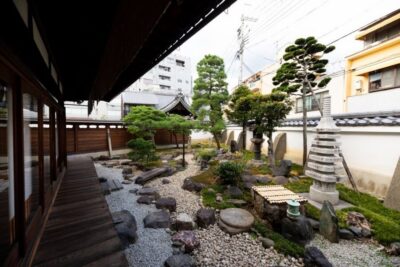
Gion Magical Night Walking Tour with Geisha Trivia
Read our review →
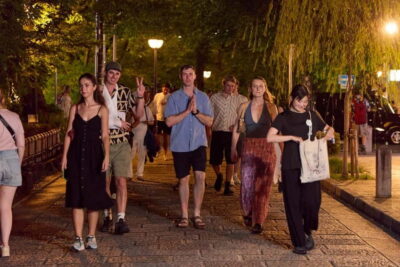
Gion Geisha District Walking Tour – Stories of Geisha
Read our review →Browse the lists this tour appears in