
Reviewed · TSUKIJI FISH MARKET TOURS
Tokyo: Private Tsukiji Fish Market Tour with 3 food stops
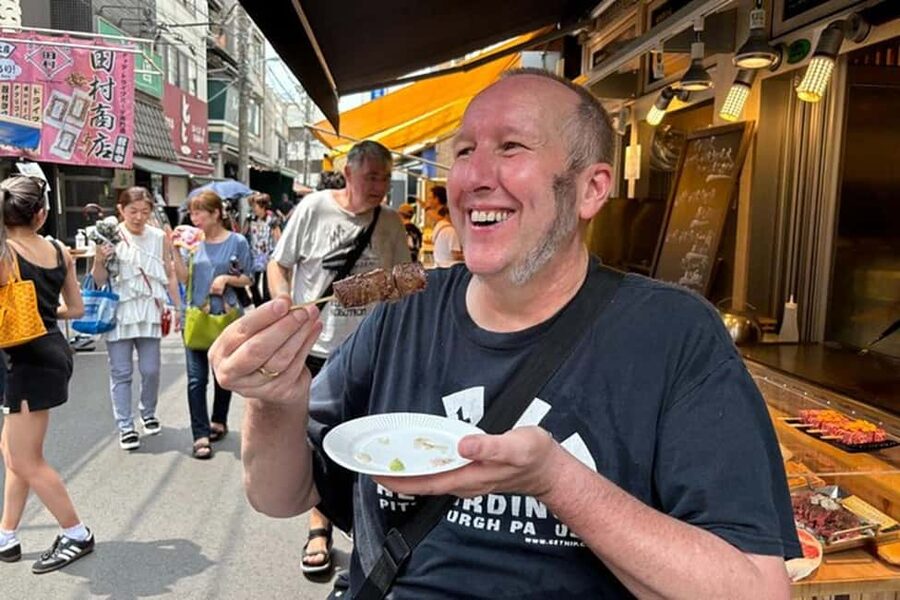
Tsukiji is best understood on foot, with your guide steering you past food stalls, market buildings, a Shinto shrine, and a Buddhist temple. The three included tastings give you an easy way to sample local favorites without guessing what to order.
I like the private format, which lets you set a comfortable pace, and I like the mix of food and faith sites. The main caution is that the quality of the explanation may depend on your guide. Some guests received useful history and prayer instructions, while one found the commentary too thin.
Key points to know before you book
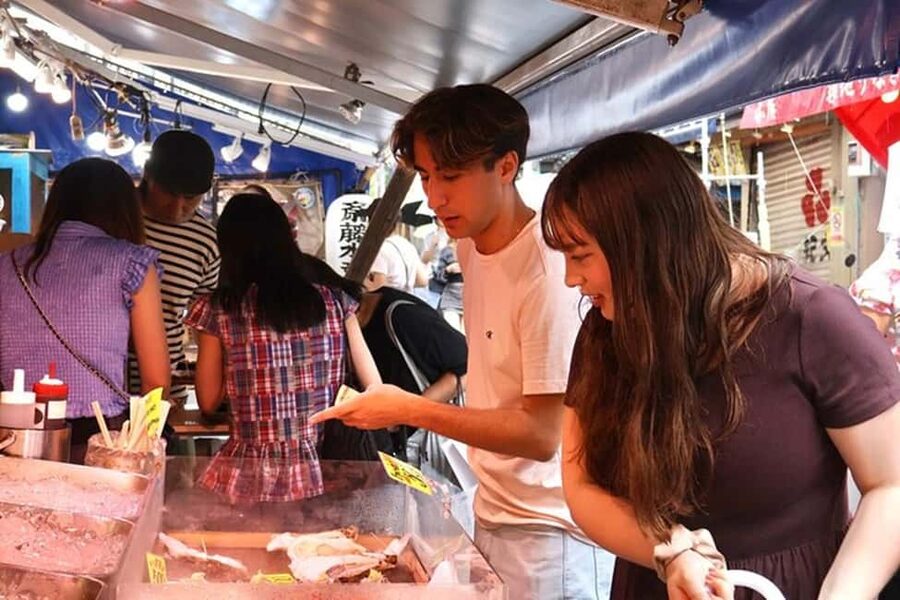
- Three food tastings are included: You can try selected local foods without paying extra for those three stops.
- The tour covers more than snacks: The route includes market halls, Tsukiji Outer Market, Namiyoke Inari Jinja, and Tsukiji Hongan-ji.
- It is a private two-hour walk: You get personal attention and no unrelated group members.
- Guides may adapt the route: Sowar adjusted one early tour for a guest who did not want to eat at that hour.
- The cultural contrast is a highlight: You learn basic customs at both a Shinto shrine and a Buddhist temple.
- Commentary can vary: Shuto was praised for history and prayer guidance, while another guest wanted more market context.
Why Tsukiji works well as a two-hour food walk
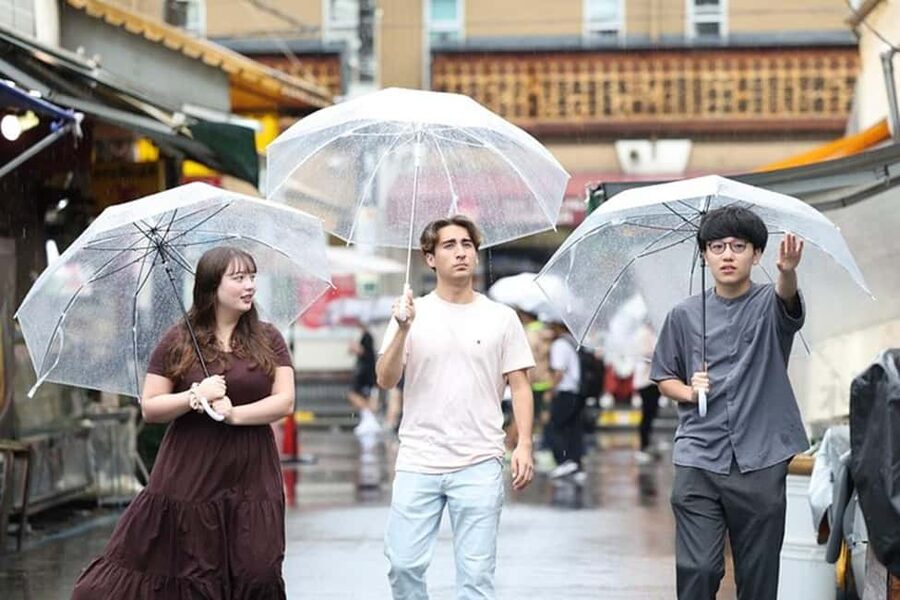
This tour gives you a compact introduction to one of Tokyo’s best-known food districts. You are not simply sent from one snack stall to another. The route links everyday eating with places of worship and market tradition, so you get a broader sense of Tsukiji than a food crawl alone would provide.
Two hours is enough for a first look, but it is not enough for a slow, exhaustive market visit. You will spend about 55 minutes in the Outer Market, with the rest divided among the market building, shrine, temple, and walking time. I see that as a useful orientation, especially if you have limited time in Tokyo.
The private setup makes the short schedule more useful. Your guide can answer your questions, explain what you are seeing, and adjust the pace within the available time. A couple, family, or small party that prefers a quiet walk will likely get more from this than from a large group tour.
The food stops are selected by the guide and included in the $49 price. That matters in an area where it is easy to pause at several counters, spend more than expected, and still wonder what you should have tried. You will not have a fully open-ended food budget, since extra purchases are not included, but the fixed tastings make the cost easier to understand.
More fish market mornings:
- Tokyo Tsukiji Fish Market Food and Culture Walking Tour
★ 5.0 · 3,184 reviews - Tokyo: Tsukiji Fish Market Food and Walking tour
★ 5.0 · 1,724 reviews - Tokyo: Tsukiji Fish Market Guided Walking Tour
★ 4.9 · 1,397 reviews
Meeting your guide near Tsukiji 4 Chome
The tour begins in front of the LAWSON Tsukiji 4 Chome Store. This is a practical meeting point, but you should arrive with enough time to locate the shop and look for your guide before the scheduled start.
The tour is offered in English or Japanese. The guide names that appear in the tour experience include Shuto and Sowar, though you should not assume which person will lead your departure. Shuto was praised for explaining how to pray at both the shrine and temple, while Sowar was described as personable and able to adapt the food portion when an early start did not suit the group.
That difference is worth keeping in mind. The basic route is set, but the tone and amount of storytelling may vary from one guide to another. If history and food culture matter most to you, ask questions early rather than waiting for the guide to lead every discussion.
The tour is wheelchair accessible according to the activity details. Since this is a market walk, you may still want to raise any mobility needs when booking, so the guide knows how to make the pace comfortable.
Inside Tsukiji Uogashi Kaiko Bridge Building
The first listed stop is Tsukiji Uogashi Kaiko Bridge Building, where you spend about 15 minutes. This gives you an early look at the market environment before the longer food and walking section begins.
The stop is brief, so think of it as an introduction rather than a full market lesson. Your guide can help point out what matters and explain how the area functions, but the amount of detail may depend on how actively you engage.
I like having this early pause because it gives you a visual base for the rest of the walk. You can begin to recognize the connection between the market buildings and the smaller shops and stalls outside. If you arrive expecting a long guided presentation, however, 15 minutes will feel short.
This is also a good moment to tell your guide about food preferences or timing concerns. One guest joined an early tour and did not want to eat at that hour, and Sowar changed the food plan accordingly. That does not guarantee every request can be met, but the private format gives you room to explain what you need.
A quiet pause at Namiyoke Inari Jinja
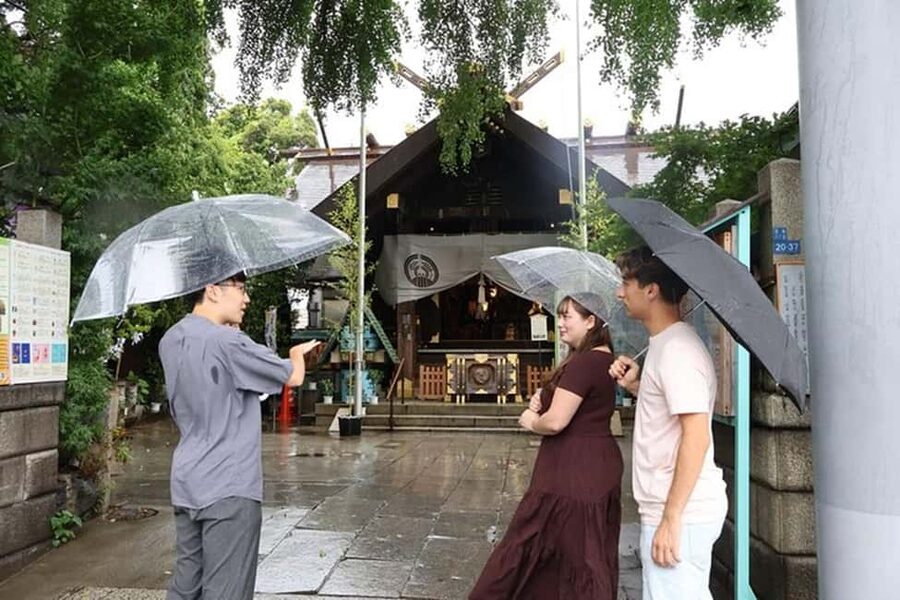
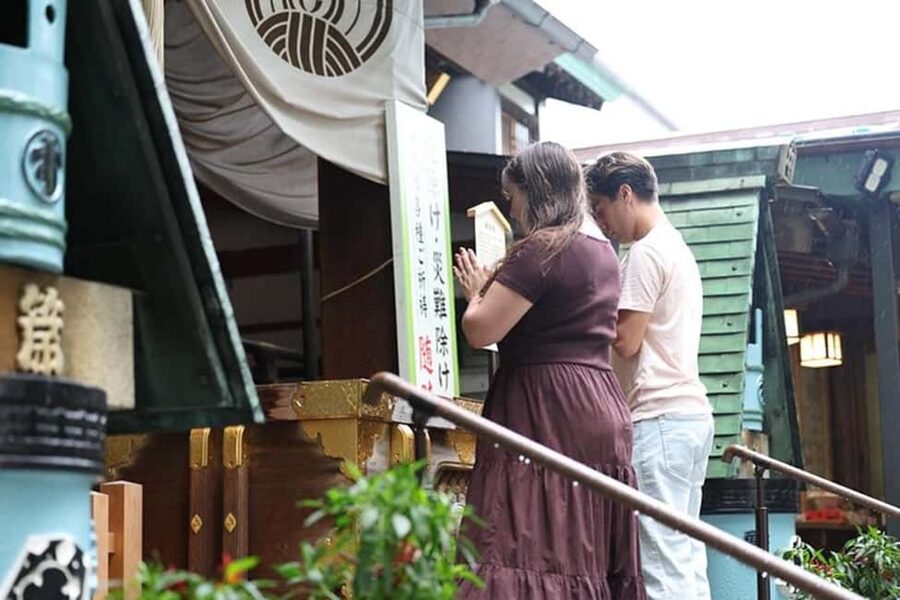
After the market building, the group visits Namiyoke Inari Jinja for about 10 minutes. This Shinto shrine adds a calm cultural stop to a route otherwise focused on food and commerce.
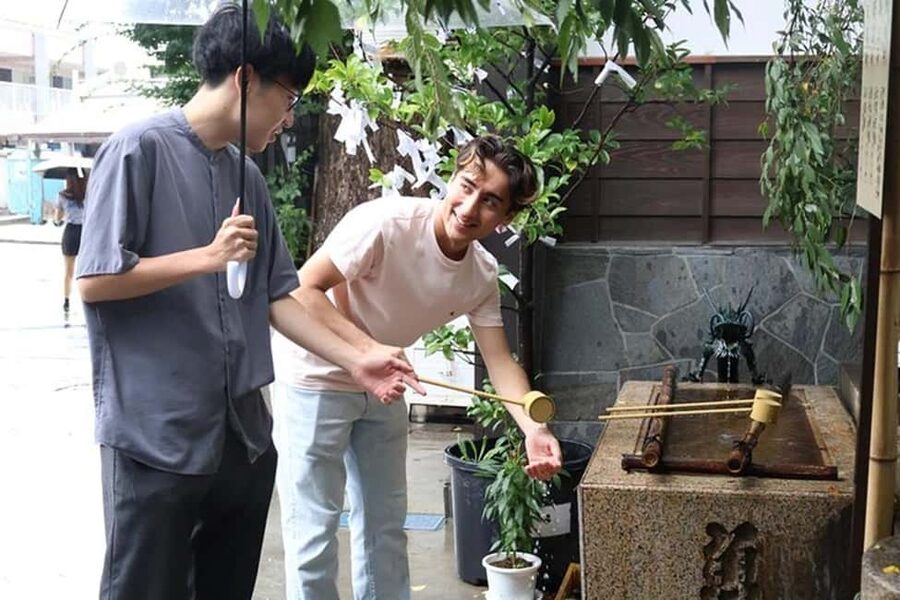
The visit is short, but it helps explain why religious sites appear so naturally in Japanese neighborhoods. You can ask your guide about shrine customs and the correct way to pray. Shuto was specifically praised for teaching those steps, which can make the stop feel more meaningful than simply taking a quick photo.
Do not expect a long historical lecture here. The scheduled time is only 10 minutes, and the tour has several other stops to cover. Still, the shrine gives you a useful change of pace and a chance to see a side of Tsukiji that you could easily miss if you only followed the food stalls.
If this is your first visit to a Shinto shrine, pay attention to the practical instruction. A guide can show you how to behave respectfully without turning the visit into a formal religious lesson.
More food tours in Tokyo:
- Tokyo: Shinjuku Food Tour (13 Dishes at 4 Local Eateries)
★ 5.0 · 6,603 reviews - Tokyo: Shinjuku Food Tour (15 Dishes and 4 Eateries)
★ 4.9 · 2,033 reviews - Best of Shinjuku: Izakaya Food Tour (4 Stops, 14+ Tastings)
★ 5.0 · 1,863 reviews - Eat and Drink Like a Local: Tokyo Ueno Food Tour-Taverns&Ramen
★ 5.0 · 957 reviews
Three local foods in the Outer Market
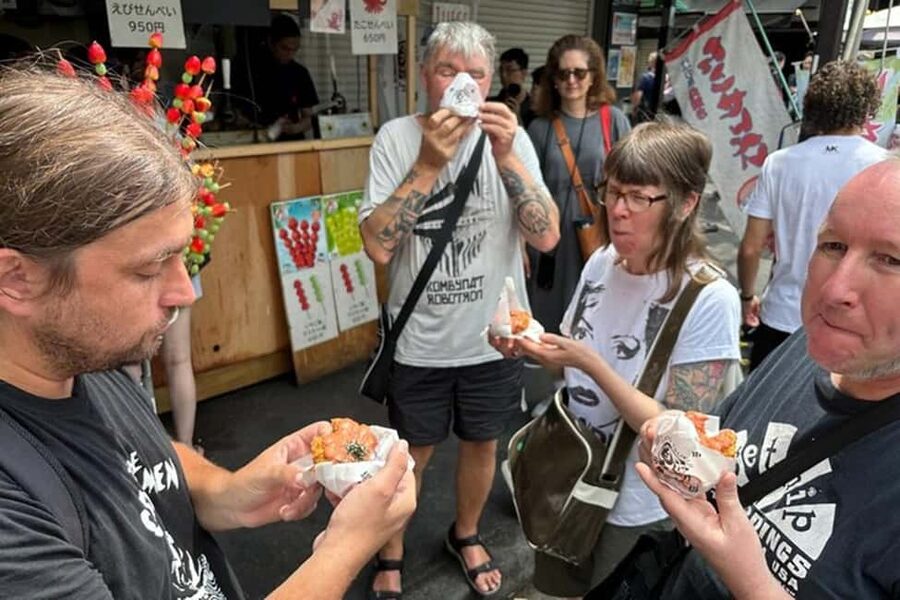
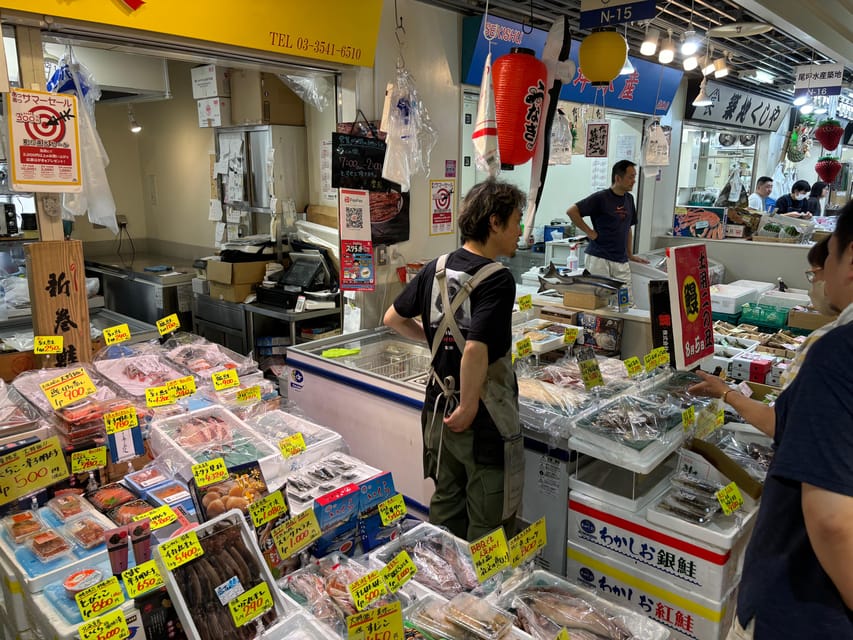
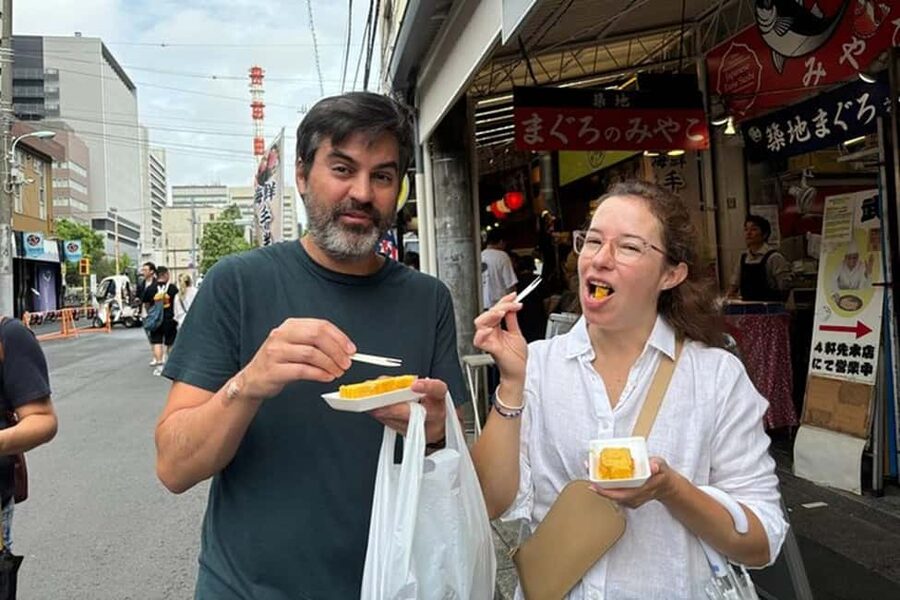
The main food section takes place in Tsukiji Outer Market and lasts about 55 minutes. This is where the tour delivers its clearest value: three local foods selected by the guide are included in the price.
The experience is not presented as an unlimited tasting tour. You receive three planned food stops, while any additional purchases are your responsibility. That makes the tour easier to budget, though you should leave room if you expect to buy drinks, souvenirs, or extra snacks.
The guide’s selection is important here. A local recommendation can save you from choosing at random, especially when several stalls appear to sell similar items. The guide can also explain what you are eating and why it matters to the area, though the quality of that explanation is not guaranteed to be equally strong on every departure.
One guest described trying a variety of foods and having enough time to see the market. Another praised the guide’s recommendations for food and drink. Those comments point to the best use of this tour: treat it as a guided introduction, then return later on your own for anything you want to explore at greater length.
The 55-minute schedule is a sensible compromise. You have time to eat and look around, but not enough time to wander every lane or stop at every appealing counter. If you are hungry, the three tastings may feel like a light meal. If you want a full lunch, plan to eat more afterward.
Market etiquette also matters. Tsukiji is a working food district, not just a photo backdrop. Listen to your guide about where to stand, when to move, and how to avoid blocking shop entrances. A private group can move neatly, but it still needs to respect the people working there.
Tsukiji Hongan-ji and Japan’s religious mix
The final major stop is Tsukiji Hongan-ji, with about 30 minutes for sightseeing. This Buddhist temple provides a clear contrast with the earlier Shinto shrine.
That pairing is one of the tour’s strongest ideas. You see two major strands of Japanese religious life during the same short walk, with the guide helping you understand the basic difference between the sites. The experience is not only about eating. It gives you a simple way to notice how food, neighborhood life, and religious customs sit close together in Tokyo.
Thirty minutes is a generous share of the itinerary, so this should feel less rushed than the shrine stop. You can take in the building, ask questions, and learn how to behave at a Buddhist temple. Shuto’s explanation of prayer customs at both locations suggests that some guides make this cultural contrast a real part of the tour rather than a quick stop for photographs.
At the same time, your expectations should match the tour’s size. This is a market walking tour with cultural visits, not a dedicated temple or architecture tour. If you want detailed religious history or an extended study of the building, you will need more time elsewhere.
The tour finishes at Tsukiji Station. That is convenient for continuing your day, though the activity does not include transportation beyond the walking route.
How much value do you get for $49?
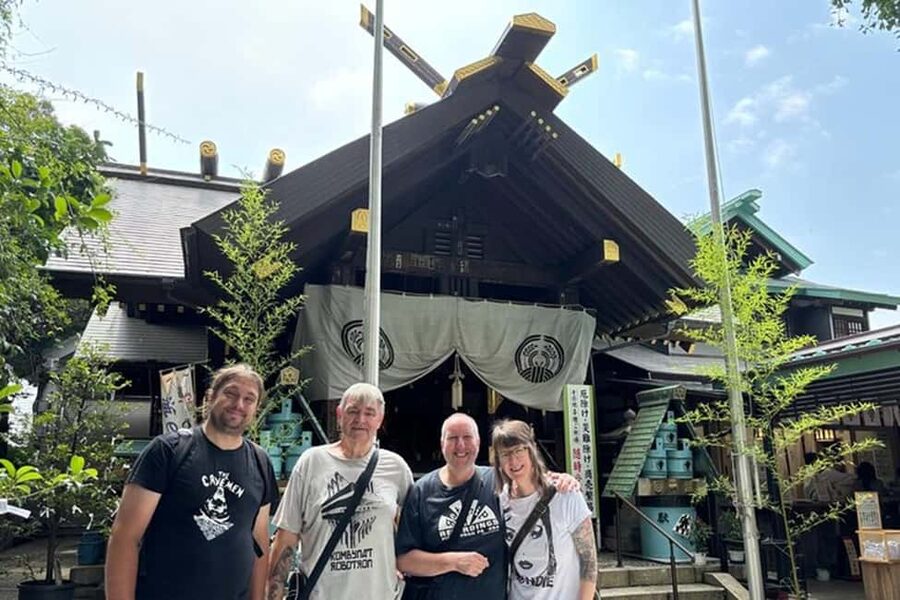
At $49 per person, the price includes a two-hour private walking tour, three selected food tastings, a local guide, and photos sent after the tour. The private arrangement is the key value point. You are not paying only for three bites of food. You are paying for someone to organize the route, explain the area, and help you make sense of unfamiliar stalls and customs.
For a private experience, the price is reasonable if you want guidance rather than a self-led snack stop. The food alone may not justify the cost, especially if you plan to buy a full meal afterward. The price makes more sense for first-time visitors who value personal attention and a ready-made route.
The included photos are a pleasant extra, but I would treat them as a bonus rather than a reason to book. The real question is how much you want from the guide. If you receive strong explanations about Tsukiji’s food culture, the shrine, and the temple, the tour can save you time and give your visit a useful framework.
The mixed feedback points to the main risk. Several guests praised the guides, the relaxed pace, and the food recommendations. One guest felt there was too little context about the market’s history and daily life, while another wanted more insider facts. That means the value is highest for people who want an easy introduction, not for those seeking a detailed specialist lecture.
Timing, pace, and practical limits
The activity lasts two hours, and the starting time depends on availability. Since the route includes food, you should consider how comfortable you are eating at the selected hour. If you prefer not to eat early, tell the guide as soon as you meet.
The tour begins at the scheduled meeting time. A 15-minute no-show window applies, and arriving late can reduce the time available for the route. If you are delayed, contact the provider using the provided email or emergency contact rather than waiting silently at the meeting point.
Because this is a private group, you can ask for a slower pace or more explanation. You should not assume that every stop can be extended, since the tour still needs to reach the station within two hours. The best approach is to tell the guide your priorities at the start: food, market customs, religious sites, or history.
The tour is wheelchair accessible, which is useful information for a market walk. The activity details do not describe the exact surface conditions or stall access, so discussing specific requirements in advance is sensible.
Free cancellation is available up to 24 hours before the tour for a full refund. You can also reserve now and pay later, which helps if your Tokyo schedule is still changing.
Who will get the most from this walk?
I would recommend this tour to first-time visitors who want a manageable introduction to Tsukiji without planning every food stop themselves. Families and couples may also appreciate the private pace, especially when some people want more explanation and others mainly want to sample food.
It suits you if you like a little structure but do not want a large group. The combination of three foods, a shrine, and a temple gives you several different experiences in a short window.
It is less suited to serious food hunters who want a long tasting session or to history fans who expect detailed research at every stop. The route is an introduction, and the commentary may be lighter than you hope. If you book, ask clear questions and tell the guide what kind of information you want.
Should you book the Tsukiji private tour?
Book it if you want a friendly, private orientation to Tsukiji, three planned food tastings, and a simple introduction to both Shinto and Buddhist customs. The $49 fee is easier to justify when personal attention and convenience matter to you.
Think twice if your main goal is an in-depth account of the market’s past and daily work. The strongest guide experiences include history, prayer instruction, and useful local recommendations, but the amount of detail can vary.
For most first visits, I see this as a good starting point rather than a complete Tsukiji experience. Let the guide help you get your bearings, enjoy the included foods, and note the stalls or dishes you want to revisit on your own.
FAQ
How long is the Tsukiji private tour?
The walking tour lasts two hours.
What foods are included?
Three local foods selected by the guide are included in the tour price. Additional food and drinks are not included.
Is this a private group tour?
Yes. The activity is for a private group with no other participants joining you.
Which languages are available?
The tour is offered with a live guide in English or Japanese.
Where does the tour start?
You meet the guide in front of the LAWSON Tsukiji 4 Chome Store.
Where does the tour finish?
The walk finishes at Tsukiji Station.
Which cultural sites are included?
The route includes Namiyoke Inari Jinja, a Shinto shrine, and Tsukiji Hongan-ji, a Buddhist temple.
Is the tour wheelchair accessible?
Yes, the activity information identifies the tour as wheelchair accessible.
Can I cancel for a full refund?
You can cancel up to 24 hours in advance for a full refund. If you do not arrive within 15 minutes of the meeting time without contacting the provider, it is treated as a no-show and no refund is provided.
More Shopping in Tokyo
- Tokyo: Tsukiji Fish Market Sushi Making Class with Pro Chef
★ 4.9 · 506 reviews - Tokyo Food Tour Taste Fresh Delights at Tsukiji Market
★ 5.0 · 429 reviews - Tokyo Tsukiji Fish Market Tour and Sushi Making Lesson
★ 5.0 · 390 reviews - Tsukiji Fish Market: Street Food & Culture Walking Tour
★ 4.8 · 259 reviews
More Markets in Tokyo
- Tsukiji Fish Market Guided Tour and Sushi Making with Pro Chef
★ 5.0 · 775 reviews - Tokyo: Tsukiji Fish Market Food and Culture Walking Tour
★ 4.7 · 757 reviews - Tsukiji Fish Market: Street Food & Culture Walking Tour
★ 5.0 · 669 reviews - Tsukiji Fish Market Small-Group Food Walking Tour
★ 5.0 · 621 reviews
Just added around Tokyo
- Narita Airport(NRT): Private Transfer to Tokyo/Yokohama 1-9pax★ 5.0 · 47 reviews
- Private Transfer from Narita Airport to Yokohama Port and City★ 4.5 · 17 reviews
- Private Arrival Transfer : Narita International Airport to Central Tokyo City★ 4.5 · 12 reviews
- [Narita Airport Terminals 1, 2] 40-60km Sawara Itako Historic Bike Tour★ 5.0 · 13 reviews
- 3 Day Japan Highlights Tour: Tokyo, Mt.Fuji, Nara, Kyoto, Osaka★ 5.0 · 22 reviews
- Small Town in the Big City: Tasting Tokyo’s Kichijoji★ 5.0 · 195 reviews
- Small Town in the Big City: Tasting Tokyo’s Kichijoji★ 5.0 · 16 reviews
- The 10 Tastings of Tokyo With Locals: Private Street Food Tour★ 5.0 · 48 reviews
Tsukiji Fish Market Tours, compared.
Tokyo Tsukiji Fish Market Food and Culture Walking Tour
Read our review →
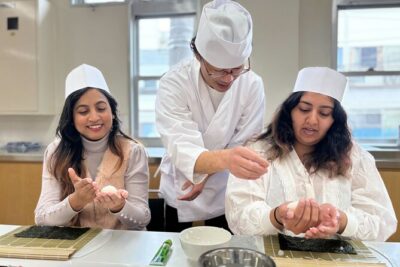
Tokyo Sushi Making Class in Tsukiji with Professional Chef
Read our review →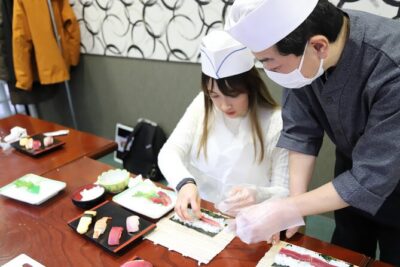
Tsukiji Fish Market Guided Tour and Sushi Making with Pro Chef
Read our review →Tsukiji Fish Market Food and Culture Walking Tour
Read our review →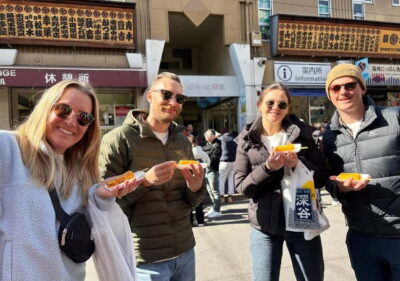
Tsukiji Fish Market: Street Food & Culture Walking Tour
Read our review →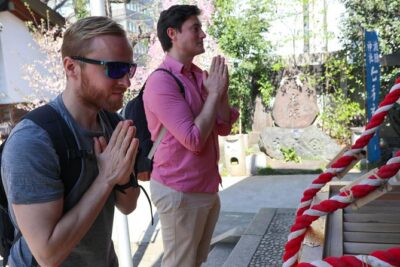
Tsukiji Fish Market Small-Group Food Walking Tour
Read our review →Browse the lists this tour appears in