
Reviewed · HIROSHIMA TOURS
Half Day Private Guided Walking Tour in Hiroshima City
Hiroshima becomes far more personal when your guide is Pancho, the son of A-bomb survivors. Over about four hours, you visit the Hypocenter, Atomic Bomb Dome, Peace Memorial Park, and lesser-known survivor sites while hearing family history tied to the city’s most painful day.
I like the small private format, which lets you ask questions and adjust the pace. I also like the human touches, including origami crane making and Pancho’s help finding a restaurant that suits your diet. The main drawback is price: at $200 per person, you still pay separately for lunch, transit, and the Peace Memorial Museum.
Key points to know before booking
- Pancho’s family connection: His perspective as the son of A-bomb survivors gives the tour a personal layer that a standard sightseeing walk cannot provide.
- A focused four-hour route: The tour links shrines, the Hypocenter, temples, the Atomic Bomb Dome, and the Peace Memorial Park.
- Three meeting choices: You can meet at the Shinkansen platform, at your hotel, or at another agreed location.
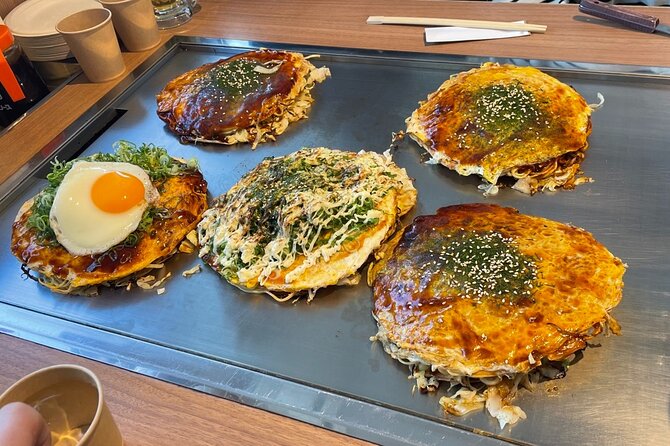
- Lunch is flexible: Pancho can point you toward Hiroshima-style okonomiyaki, ramen, or sushi, with vegetarian, vegan, and gluten-free options available.
- Extra costs matter: Lunch, public transportation, the ¥200 Peace Memorial Museum admission, and any private vehicle are not included.
- A serious but thoughtful experience: The subject is heavy, yet the tour also looks at survival, recovery, and the effort to build peace.
Why Pancho changes the feel of Hiroshima
Hiroshima is easy to visit on your own. The Atomic Bomb Dome is clear to find, the Peace Memorial Park is well marked, and the museum costs only ¥200. What you cannot get from signs alone is a personal explanation of how the bombing affected one family and how that memory continues across generations.
Pancho is an English-speaking certified guide and the son of A-bomb survivors. That does not turn the tour into a family memoir. Instead, it gives the places you visit a human frame. You hear the historical facts, then connect them to a family story and to the city’s long work of recovery.
This matters most at the less obvious stops. A shrine may look like any other Japanese shrine if you pass it without context. A tree may seem like an ordinary survivor in a city full of them. With Pancho, these places become part of a larger story about why Hiroshima was targeted, what endured, and how people rebuilt their lives.
The tour has earned a 5.0 rating from 30 reviews, with a 100 percent recommendation rate. More useful than the number itself is the pattern: Pancho is praised for being considerate, easy to communicate with, and able to connect family history with the places you see. He also helps make the tour more than a sad walk by including questions, local food, and origami.
More walking tours in Hiroshima:
- Hiroshima Historical Walking Tour – Why A-Bomb was Dropped
★ 4.8 · 893 reviews - Hiroshima Peace (Heiwa) Walking Tour at World Heritage Sites
★ 5.0 · 872 reviews - Hiroshima City 4hr Private Walking Tour with Licensed Guide
★ 5.0 · 437 reviews
Meeting at Hiroshima Station or your hotel
You have three meeting choices. If you arrive by bullet train from Osaka, Kyoto, or Tokyo, you can meet Pancho on the Shinkansen platform at Hiroshima Station. This is a smart choice for a day trip, since you do not need to find your hotel first.
You can also arrange a meeting at your hotel or another agreed location. The tour uses public transportation or a taxi from the station or hotel, rather than including a private vehicle. A private car can be arranged for an additional charge, but it is not part of the standard price.
Allow a little patience at the start. Hiroshima Station is a large transport point, and the meeting details matter. Pancho has used text messages and exchanged photos with visitors to make finding one another easier. Confirm the exact meeting place before you arrive, especially if you are coming directly from a train platform.
The station portion is listed as about 20 minutes, including meeting and getting organized. It is not a sightseeing stop in the usual sense, but it helps make the rest of the morning work smoothly.
Shirakami Shrine and the trees that survived
The first substantial stop is Shirakami Shrine. At a glance, it may resemble many Shinto shrines in Japan. Its importance comes from its local story and its connection to the events that led Hiroshima to become the target of the atomic bomb.
You also see trees that survived the blast. These living remnants give the history a physical scale. A photograph shows you what happened in an instant. A tree that continued growing afterward gives you something slower and more difficult to grasp: destruction was not the final chapter.
This stop takes about an hour, making it one of the tour’s main teaching periods. Expect plenty of explanation and time for questions. If you want a quick checklist of famous sights, this may feel slow. If you want to understand Hiroshima beyond the central park, it is one of the most valuable parts of the route.
The focus on resilience also keeps the tour from becoming only a procession of tragic sites. The bombing remains the subject, but the story includes survival and the city’s efforts to recover.
The Hypocenter, where the blast began
At the Hypocenter monument, you stand at ground level near the point directly below the atomic bomb’s detonation. The stop lasts about 10 minutes, and its short length is appropriate. This is a place for quiet attention rather than a long presentation.
Pancho uses photographs and the monument to explain what happened. The value here is precision. The Atomic Bomb Dome is the image most people associate with Hiroshima, but the Hypocenter brings you closer to the exact point from which the destruction spread.
You may find this stop more affecting than expected because it is not dressed up as a grand attraction. There is no elaborate display. The power comes from location, a marker, and the knowledge of what occurred there.
A few more Hiroshima half-days to weigh up
- Peaceful Hiroshima & Miyajima UNESCO 1 Day Bus Tour
★ 5.0 · 5,309 reviews - Hiroshima: Hiroshima and Miyajima UNESCO Sites 1-Day Tour
★ 4.9 · 2,330 reviews - Hiroshima / Miyajima Full-day Private Tour with Government Licensed Guide
★ 5.0 · 1,298 reviews - Hiroshima in a Nutshell: Morning Bike Adventure
★ 5.0 · 524 reviews
Saiko-ji Temple and physical evidence of the blast
Saiko-ji Temple provides another way to understand the bomb’s force. Here, the emphasis is on evidence of the heat and blast, rather than only on dates and broad historical events.
The visit lasts about 10 minutes. That is enough time to look closely and hear the explanation, though it is not a full temple tour. If you already know a great deal about Hiroshima, this stop may be brief. For most people, it helps turn an abstract account of pressure and heat into something more tangible.
The route works well because it does not rely on one landmark to explain everything. The shrine, surviving trees, Hypocenter, and temple each show a different part of the story.
Atomic Bomb Dome and the Peace Flame
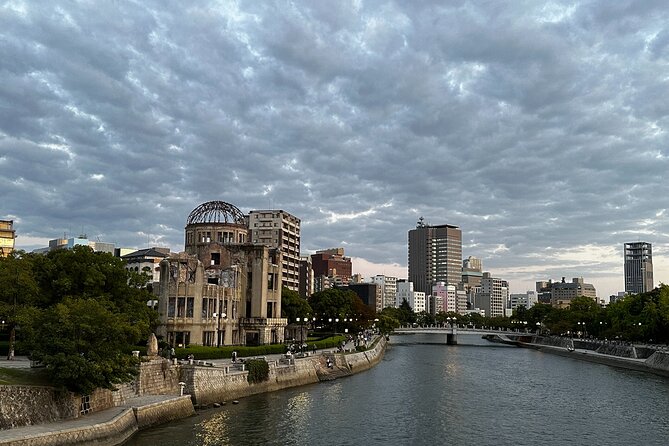
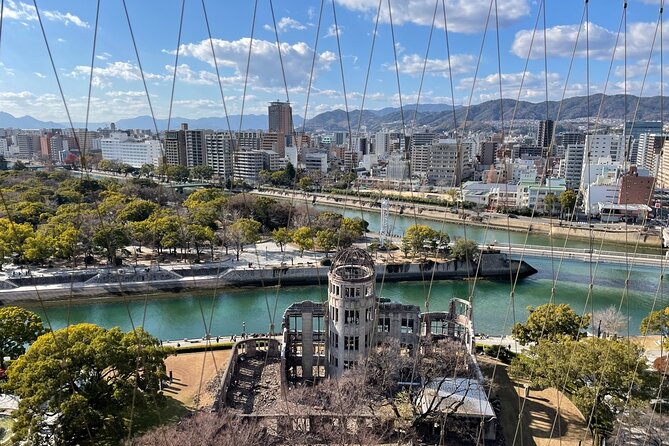
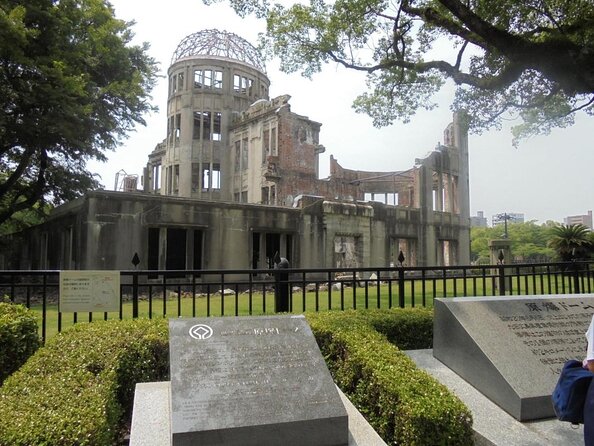
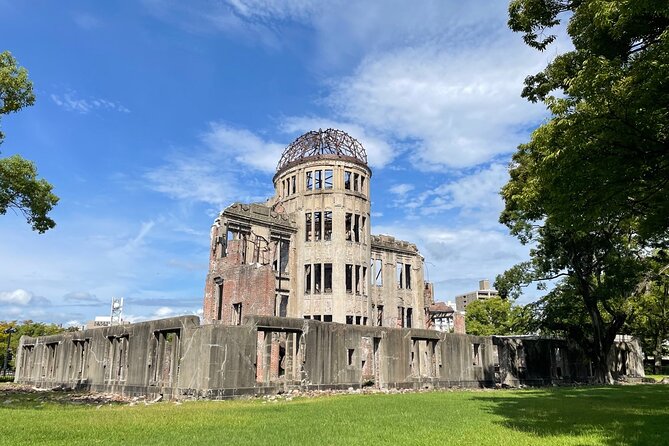
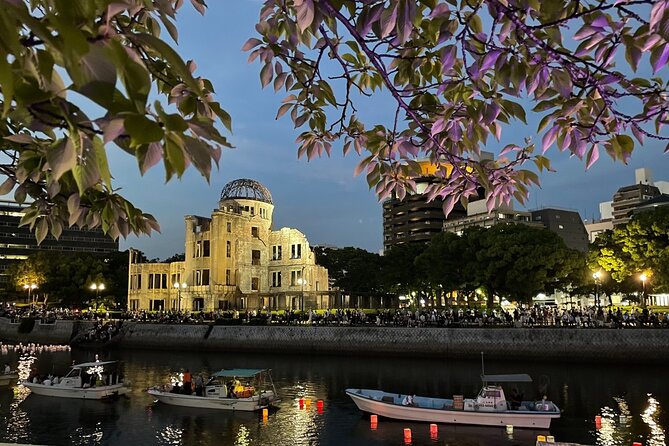
The Atomic Bomb Dome is the tour’s most recognizable structure. It was used for the first time in history as a reminder of the atomic bombing, and its damaged frame has become a symbol of Hiroshima’s call for peace.
You have about 20 minutes here. That gives you time to view the building and take photographs, while Pancho explains what you are seeing. The Dome can be crowded with people taking the same picture, so a private guide adds value by keeping your attention on the meaning of the site rather than only its appearance.
From there, you visit the Peace Flame. The stop is only about five minutes, but the flame has a special meaning tied to the city’s peace message and its continued burning. It is a compact stop, yet it fits naturally between the Dome and the wider memorial park.
Lunch near Peace Memorial Park
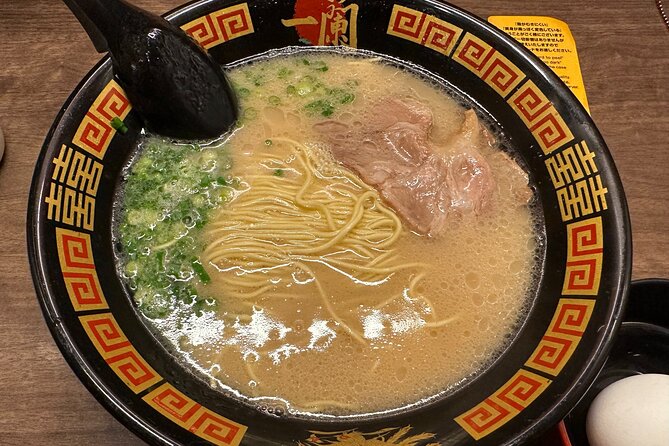
Lunch is not included, but Pancho helps you choose a nearby restaurant. The main local specialty is Hiroshima-style okonomiyaki, though ramen and sushi are also options.
This is a useful feature for a half-day tour. You do not have to spend time guessing which neighborhood or dish fits your schedule. You can also discuss dietary needs in advance. Vegetarian, vegan, and gluten-free choices may be available, though you should share restrictions before the tour rather than waiting until you sit down.
The listed lunch period is about 50 minutes. That is enough for a practical meal, not an elaborate food crawl. You pay for your own food and drinks, so budget accordingly.
I like this break because it gives the tour a change of pace. Hiroshima’s story is difficult, and a simple local meal lets you pause before returning to the memorial sites. It also gives you a chance to ask Pancho questions in a less formal setting.
The Rest House and a small hands-on moment
The Rest House of Hiroshima Peace Park is one of the surviving buildings from the bombing. Today it serves as a tourist information point and includes a small museum area.
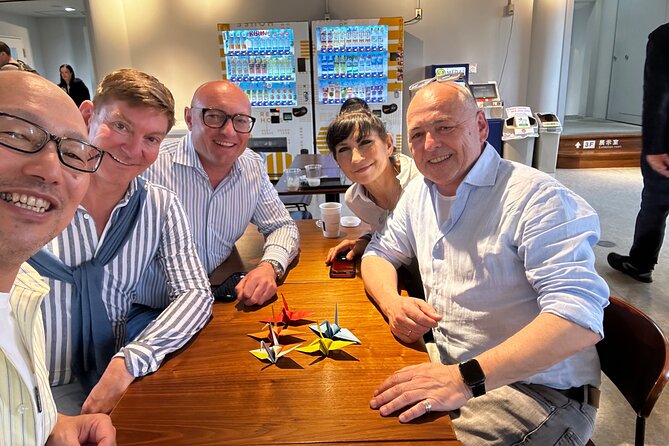
You may also have time for an origami experience. Pancho has taught visitors to make paper cranes, linking the activity to the story of a girl who folded cranes while hoping to recover from leukemia. The crane has become one of Hiroshima’s best-known symbols of peace and remembrance.
The stop lasts about 15 minutes, so do not expect a long museum visit. Think of it as a short pause with a chance to see another surviving structure, gather information, and take part in a simple activity.
The origami is a welcome change in tone. It does not make the subject lighter in a careless way. Instead, it gives you something to do with your hands while considering the human stories behind the memorials.
Children’s Peace Monument and the Cenotaph
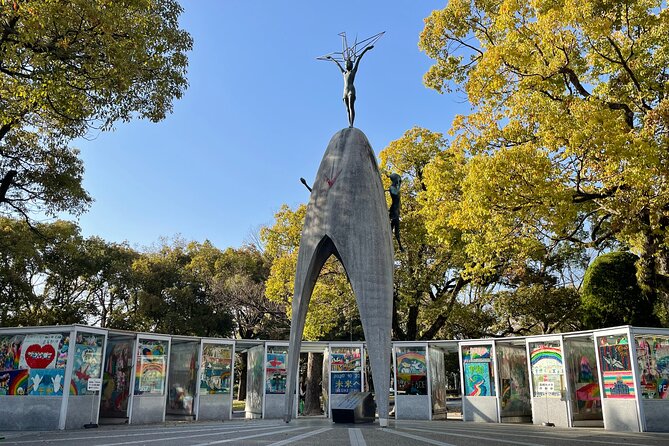
At the Children’s Peace Monument, Pancho explains the story of the girl who folded paper cranes in hope of recovering from leukemia. The visit lasts about 10 minutes.
This monument can be especially meaningful for families, though the story is not limited to children. It shows how Hiroshima’s memory has been shaped not only by military history, but also by the lives of ordinary people affected long afterward.
The final stop is the Cenotaph for the Atomic Bomb Victims, also called the Hiroshima Peace City Monument. Pancho explains the history of its shape and the idea behind its design. You will also learn how its form relates to remembrance and the city’s peace message.
The Cenotaph is a fitting place to end. After the exact point of the blast, physical evidence, surviving buildings, and personal stories, you finish with a memorial designed to remember the victims and express a hope that the event will not happen again.
What the $200 price really covers
The listed price is $200 per person, and it covers the guide fee. For a private four-hour tour, that is a significant cost, particularly because additional expenses remain.
You should add:
- Your lunch and drinks
- About $4 per person for public transportation
- ¥200 per person for the Hiroshima Peace Memorial Museum
- Any taxi fares used during the tour
- Extra payment if you choose private transportation
The value depends on what you want from Hiroshima. If you are comfortable reading signs, following maps, and visiting the museum alone, the price may seem high. The public sites themselves are inexpensive or free.
I see the strongest value for people who want context, conversation, and a flexible private schedule. You are paying for Pancho’s time, personal connection, local restaurant help, and the ability to ask questions as the route unfolds. A family or small group may find the experience easier to justify because everyone shares one guide.
The tour does not include the Peace Memorial Museum, which is an important point. You may want to visit it separately before or after the walk, depending on how much time you have and how much additional museum material you want.
Pace, transport, and who will enjoy it most
This is a walking tour supported by public transportation or taxis. The route includes several short stops, with the Shirakami Shrine visit taking the most time. Most people can participate, and the tour is near public transportation. Service animals are allowed.
The four-hour length suits a first visit, a stopover between trains, or a morning that leaves time for the museum later. It is also a good match if you want a serious introduction without giving up a full day.
You should book this tour if you:
- Want a private guide rather than a large group
- Prefer personal stories and discussion to a scripted overview
- Are visiting Hiroshima for the first time
- Want help with local lunch choices
- Have dietary restrictions to discuss in advance
- Appreciate a thoughtful pace at memorial sites
You may prefer independent sightseeing if you want to spend several hours inside the museum, move quickly between landmarks, or keep costs low. You should also think about the emotional weight of the subject. This is not a light city highlights tour. It includes painful history, personal loss, and places designed for remembrance.
The cancellation policy is practical: cancel at least 24 hours before the local start time for a full refund. Later cancellations and changes are not accepted.
Should you book Pancho’s Hiroshima walk?
Book it if you want Hiroshima explained by a guide with a direct family connection to the A-bomb survivors and you value time for questions. Pancho’s strongest contribution is not simply showing the Atomic Bomb Dome. It is connecting the major memorials with shrines, surviving trees, physical evidence, local food, and a family story.
The price is high once lunch, transit, and museum admission are added. Still, this is one of those tours where the guide matters more than the number of stops. If you want a personal, careful introduction to Hiroshima in four hours, it is a strong choice. If you mainly need transportation between famous sights, save your money and visit independently.
FAQ
How long does the Hiroshima walking tour last?
The tour lasts approximately four hours.
Where can I meet the guide?
You can meet at the Shinkansen platform in Hiroshima Station, at your hotel, or at another agreed meeting location.
Is the tour private?
Yes. Only your group participates in the private activity.
Is lunch included?
No. Lunch and drinks are not included. Pancho can introduce you to nearby restaurants serving Hiroshima-style okonomiyaki, ramen, or sushi.
Can the tour accommodate dietary restrictions?
Vegetarian, vegan, and gluten-free restaurant options are available. Share your dietary needs in advance.
Is public transportation included?
No. Public transportation costs about $4 per person and are paid separately. Taxi use may also cost extra.
Is the Hiroshima Peace Memorial Museum included?
No. Admission is separate and costs ¥200 per person.
Can I cancel for a full refund?
Yes. You must cancel at least 24 hours before the experience start time, based on local time. Cancellations or changes made later are not refunded or accepted.
Just added around Hiroshima
- The Peace Memorial to Miyajima : Icons of Peace and Beauty★ 4.5 · 31 reviews
- Shore Excursion from Hiroshima Port : Private Tour in Hiroshima★ 5.0 · 17 reviews
- Hiroshima Saijo Sake Tasting Tour with visit to 7 Breweries★ 5.0 · 104 reviews
- Hiroshima & Miyajima All-Inclusive Tour w/Licensed guide Pancho★ 5.0 · 54 reviews
- Hiroshima Country Cycling: Explore Rural Life 1 HR from City★ 5.0 · 22 reviews
- Okunoshima Rabbit Island Cycling Tour with Local Guide★ 4.5 · 17 reviews
- Private Full Day Hiroshima Tour★ 4.5 · 29 reviews
- Hiroshima Private Tour with a Local – Highlights & Hidden Gems★ 4.5 · 24 reviews
Hiroshima Tours, compared.

Peaceful Hiroshima & Miyajima UNESCO 1 Day Bus Tour
Read our review →
Hiroshima and Miyajima UNESCO Sites 1-Day Tour
Read our review →
Hiroshima Historical Walking Tour – Why A-Bomb was Dropped
Read our review →
Hiroshima Peace (Heiwa) Walking Tour at World Heritage Sites
Read our review →
Hiroshima in a Nutshell: Morning Bike Adventure
Read our review →
Hiroshima City 4hr Private Walking Tour with Licensed Guide
Read our review →

Japanesel Archery Experience HIROSHIMA CASTLE SHARAKU
Read our review →Browse the lists this tour appears in