
Reviewed · KYOTO TOURS
Discover Kyoto at Night by Bike
Kyoto changes after sunset. Lanterns replace the hard daylight, temple roofs take on a softer outline, and the city’s old lanes feel calmer from the seat of a bicycle. This small-group night ride links Fushimi Inari, Gion, Yasaka Pagoda, Ninenzaka, and other Higashiyama sights without making you follow the usual daytime crowds.
I especially like the chance to ride beside the river and see shrines and temples after dark. The bilingual guides, including Jaime and Juan on different departures, also add useful local context and take care with cycling safety. The main thing to consider is the balance between riding and talking. One guest found there was only about 1 hour and 45 minutes of actual cycling, with much of the rest spent stopped for explanations.
Key points at a glance
- Fushimi Inari after sunset: Spend about 40 minutes at Kyoto’s famous tunnel of torii gates, with admission included.
- Lantern-lit old streets: Miyagawa-cho, Gion, Yasui-Konpiragu, Yasaka Pagoda, and Ninenzaka bring traditional Kyoto into the evening.
- Small group size: The maximum is nine people, making it easier to stay together and ask questions.
- A real bike ride: You need a moderate level of fitness and should already be comfortable riding a bicycle.
- Practical inclusions: Your bicycle, entrance fees, and bottled water are covered in the $80 price.
- Weather matters: Poor weather can cancel the outing, with a new date or full refund offered.
Why Kyoto works so well after dark
Kyoto is famous for its temples and old wooden streets, but daylight often brings crowds, tour buses, and a steady stream of people moving between sights. This experience takes advantage of the quieter hours after 5:00 pm, when lanterns begin to glow and the city’s traditional districts take on a more intimate feel.
You are not simply being driven from one photo stop to the next. The bicycle gives you a close view of the streets between the major sights. That matters in Kyoto, where the short connections between temples, riverside paths, shrines, and old neighborhoods can be as interesting as the destinations themselves.
The advertised duration is about 3 hours and 45 minutes. The scheduled stops account for roughly 1 hour and 45 minutes, leaving a substantial amount of time for cycling, transfers, and guide commentary. That sounds like a good balance for anyone who wants a guided introduction rather than a fast-paced exercise ride.
Still, you should know what kind of tour this is. It is not a continuous pedal through Kyoto. Stops are used for explanations, orientation, and photos. One participant felt the guide talked too much and that the tour finished 45 minutes late. If you prefer more riding and less commentary, tell the guide early that you would like a brisker pace.
More bike days around Kyoto:
- Hidden Kyoto E-Biking tour
★ 5.0 · 1,843 reviews - Bike Tour Exploring North Kyoto plus Lunch
★ 5.0 · 1,087 reviews - Arashiyama Bamboo Forest & Hidden Gems Bike Tour (Early Bird)
★ 5.0 · 613 reviews
Starting near Kyoto Station at 5:00 pm
The meeting point is the 7-Eleven at 44-1 Higashikujō Kamitonodachō in Minami Ward, close to Kyoto Station and public transportation. The activity ends back at the same location, which makes the evening easier to plan. You do not need to arrange a separate ride back from Higashiyama.
The group can have no more than nine people. That is small enough for the guide to keep an eye on the riders, explain street crossings, and answer questions without the outing feeling like a large procession. One departure had just a single participant and still went ahead, although you should not assume every date will be private.
The tour includes the bicycle and bottled water. Entrance fees are also included, though the listed stops are mostly free to enter. Hotel transportation and guide gratuities are not included, so budget for your own way to the meeting point and a tip if the guide provides good service.
Bring clothing suited to the season. A cool evening can feel colder on a bicycle, and one person specifically advised choosing a warmer night. The tour requires good weather and may be canceled if conditions are poor.
Fushimi Inari’s orange gates in the evening
Fushimi Inari-taisha is the first major stop, with about 40 minutes set aside. This is Kyoto’s best-known Shinto shrine, famous for its thousands of orange torii gates climbing through the wooded hills.
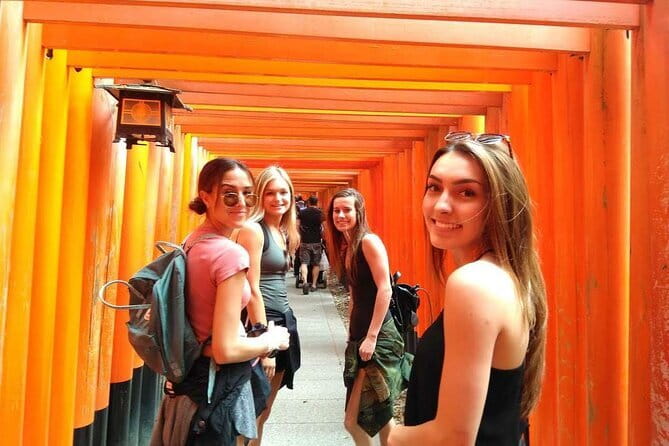
At night, the gates offer a different mood from the bright daytime approach. The repeated columns create long lines and deep shadows, while the lanterns add a warm glow. You will have time to walk among the gates, take photographs, and hear about the shrine’s role in Kyoto’s religious life.
The stop is free, and the guide’s presence is useful here because it can be easy to focus only on getting the perfect picture. Ask about the meaning of the torii gates and the shrine’s traditions. The 40-minute visit is long enough for a taste, but not enough to explore every path. If Fushimi Inari is a top priority for you, return during the day for a longer walk.
The bicycle portion also helps place the shrine in the wider city. Instead of treating Fushimi Inari as an isolated attraction, the tour connects it with the older neighborhoods farther north.
Miyagawa-cho and the Kamogawa side of Kyoto
The route then reaches Miyakawa-cho Dori, more commonly written Miyagawa-cho. This old district runs south of Gion and parallel to the Kamogawa River. After sunset, its lanterns and traditional buildings make it one of the more atmospheric parts of the ride.
The stop lasts about 15 minutes, so expect a short orientation and a chance to take in the setting rather than a long neighborhood walk. This is a good place to notice the contrast between the river, the narrow lanes, and the traditional entertainment district.
You may pass through streets associated with geisha culture, but this is not presented as a performance or a guaranteed encounter with geisha. Keep your camera respectful, follow the guide’s instructions, and remember that these are working neighborhoods, not open-air museum sets.
More evenings out in Kyoto:
- Kyoto: Gion Magical Night Walking Tour with Geisha Trivia
★ 4.9 · 2,393 reviews - Night Walk in Gion: Kyoto’s Geisha District
★ 4.5 · 2,003 reviews - Kyoto Night Foodie Tour in Gion (9+ dishes + 6 Sake tastings)
★ 5.0 · 1,762 reviews - Kyoto Gion Night Walk & Geisha District Guided Tour
★ 5.0 · 786 reviews
Gion and the quiet side of Hanamikoji
Gion receives about 10 minutes on the schedule. Its Hanamikoji street is lined with historic tea houses, known in Kyoto as ochaya, and is one of the city’s most recognizable traditional streets.
At night, the old facades and subdued lighting make the area especially photogenic. The short stop is best viewed as a guided look at the district rather than a full exploration. You will have time to understand the setting, take a few photographs, and continue on before lingering becomes difficult in a residential and working area.
This is one of the places where a guide can add real value. The streets may look simple at first glance, but the guide can explain how the tea houses function and why the district has such a strong place in Kyoto’s culture. At the same time, this is also where extended commentary could slow the tour. If you would rather keep moving, make that preference clear.
Yasui-Konpiragu and its unusual ritual
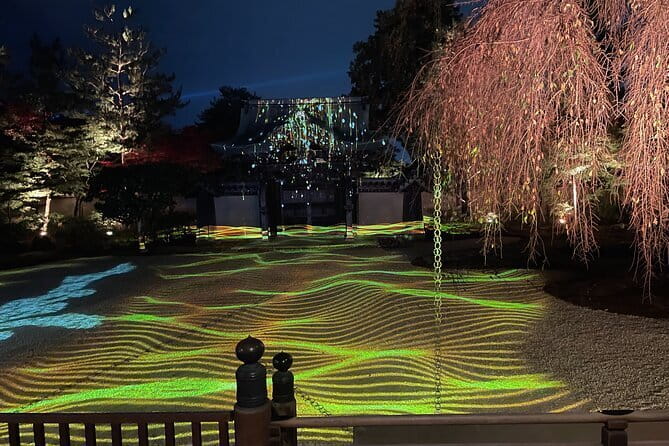
After riding through maiko and geisha alleyways, the tour stops at Yasui-Konpiragu for about 10 minutes. This small Shinto shrine is known for a striking tradition: people visit to cut ties with harmful relationships or habits and form better ones.
The shrine offers a more unusual cultural stop than a grand temple or famous viewpoint. You get a glimpse of the personal hopes people bring to religious places in Japan, not just the architectural side of Kyoto.
Admission is free. Ten minutes is enough for an introduction, though not for a long visit or a detailed ritual experience. The stop works well because it breaks up the better-known Gion and Higashiyama sights with something more distinctive.
Yasaka Pagoda and Kyoto’s best photo streets
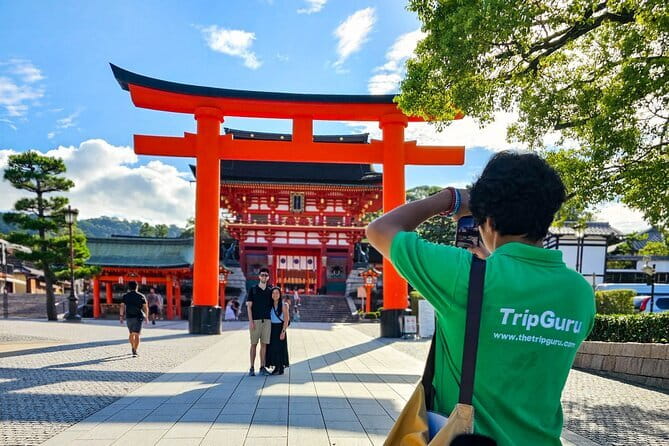
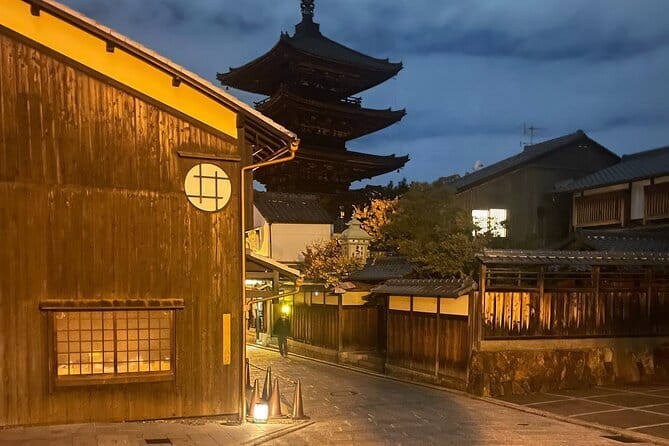
Hōkan-ji Temple, usually called Yasaka Pagoda, is one of the most photographed parts of Kyoto. The pagoda rises above narrow cobblestoned streets and traditional machiya townhouses, creating the classic Higashiyama scene many people hope to see.
The tour allows about 15 minutes here. That gives you a quick look at the pagoda and surrounding lanes, plus time for photographs. The area is compact but visually rich, especially after dark when the old streets feel less exposed than they do under bright daytime sun.
The bicycle is useful for reaching this area, but you should expect to walk the bike or leave it briefly while exploring the tightest lanes. Kyoto’s old slopes and stone streets are not suited to fast riding. Stay close to the guide and take care around pedestrians.
Ninenzaka, the evening photo stop

Ninenzaka is one of the two famous slopes in Higashiyama and is described as the best night scenery and photo area on the route. Traditional buildings line the slope, giving you one of Kyoto’s clearest views of an older streetscape.
The scheduled visit is about 15 minutes. This is enough for photographs and a short look, but not enough to browse every shop or wander through all of nearby Sannenzaka. If you want time for shopping, plan a separate daytime visit.
Ninenzaka can be tricky on a bicycle because of the slope, steps, and pedestrian traffic. The tour is best for riding to the area and then exploring on foot for a short time. Comfortable shoes matter more here than fancy cycling gear.
A final park with ponds and wooden bridges
The itinerary also includes a stop at a well-known Higashiyama park with cherry trees, ponds, and wooden bridges. The name and exact timing are not specified, so you should treat this as an additional scenic pause rather than plan your evening around a particular attraction.
This final setting provides a change from shrine gates and narrow lanes. Ponds and bridges give you a calmer place for photographs, while the trees add seasonal interest. Cherry blossoms are especially appealing in spring, but the park’s appeal does not depend only on blossoms.
Because the route already includes several short stops, the park may feel like a pleasant breathing space rather than a major sightseeing visit. Ask the guide how long you will have there on your date.
How much cycling is involved?
You need moderate physical fitness and solid bicycle skills. One participant advised against the tour for first-time riders, and that is sensible. Kyoto’s streets, slopes, crossings, and narrow historic lanes demand more than simply knowing how to balance on a bike.
The route is not described as a race or strenuous training ride. The stops break up the effort, and the guide is expected to help keep the group safe. Juan was specifically praised for making a rider feel secure, which is encouraging if you are comfortable cycling but unsure about navigating an unfamiliar city at night.
Still, you should be able to start, stop, turn, and ride in a group without hesitation. If you have not ridden for years, this is not the right place to relearn. The dark streets and uneven old lanes add a layer of difficulty.
One important point is the tour’s rhythm. The experience includes plenty of commentary and sightseeing stops, not just continuous riding. That is good for someone who wants cultural explanation, but less appealing if your main goal is covering a lot of ground by bicycle.
Is $80 a fair price?
At $80 per person, the value depends on how much help you want. You receive a bicycle, bottled water, entrance fees, a bilingual guide, and nearly four hours of organized time. The small group limit is important too. A self-guided evening ride would cost less if you already had a bicycle and knew Kyoto well, but it would not provide the same route planning or cultural explanation.
Most of the sights do not charge admission, so the price is mainly paying for the bike, guide, safety support, and structure. I think that is reasonable for a first evening in Kyoto, especially if you want several famous areas connected in one outing.
The value drops if you already know the city, dislike stopping for explanations, or want a workout. The complaint about excessive talking is worth taking seriously. The provider acknowledged the need to find a better balance, but the tour remains guide-led by design.
Who should book this night ride?
I would choose this experience if you are comfortable on a bicycle, want to see several Kyoto districts in one evening, and value stories along with scenery. It suits first-time visitors who want an introduction to Fushimi Inari, Gion, and Higashiyama without arranging every connection themselves.
It is also a good fit for solo participants. The small group format can make the evening feel personal, and the tour may still operate with only one person booked. Couples and small groups who prefer a quieter alternative to a large bus outing should also find the format appealing.
I would skip it if you are a beginner cyclist, need a firm finish time, or want nonstop riding. The tour can run long, and its many stops mean the bicycle is a way to connect the sights, not the sole focus of the evening.
You can cancel free of charge up to 24 hours before the 5:00 pm start for a full refund. Within 24 hours, changes and cancellations are not accepted, and bad weather or an insufficient number of bookings can also cause cancellation. In those cases, you are offered another date or a full refund.
Should you book Discover Kyoto at Night by Bike?
Book it if you want Kyoto’s old districts at their most atmospheric and you are a capable cyclist who enjoys a guide’s explanations. The route brings together Fushimi Inari’s torii gates, Gion’s tea-house streets, Yasui-Konpiragu’s unusual shrine tradition, and the classic Yasaka Pagoda and Ninenzaka views.
The strongest reasons to go are the nighttime setting, small group size, and the chance to see more than one part of Kyoto without relying on a taxi. Go in with the right expectation: this is a sightseeing ride with regular stops and commentary, not a fast cycling tour.
FAQ
Where does the Kyoto night bike tour start?
It starts at the 7-Eleven at 44-1 Higashikujō Kamitonodachō, Minami Ward, Kyoto, 601-8002, Japan. The location is near public transportation.
What time does the tour begin?
The tour starts at 5:00 pm and lasts approximately 3 hours and 45 minutes.
Where does the tour end?
The activity ends back at the starting meeting point.
What is included in the price?
The price includes use of a bicycle, all entrance fees, and bottled water. Hotel transportation and guide gratuities are not included.
How large is the group?
The tour has a maximum of nine participants.
Can I cancel for a full refund?
Yes. You can cancel at least 24 hours before the start time for a full refund. Cancellations or changes made within 24 hours are not refunded. If poor weather or an insufficient number of participants causes the tour to be canceled, you are offered another date or a full refund.
Just added around Kyoto
- Kyoto: Zen Meditation at a Private Temple with a Monk★ 5.0 · 25 reviews
- Your Private Vacation Photography Session In Kyoto★ 5.0 · 110 reviews
- Kyoto: Gion Geisha District & Sake-in-Hand Walking Tour★ 5.0 · 37 reviews
- Private Pewter Sake Cup Experience with a Kyoto Artisan★ 5.0 · 31 reviews
- Private Guided Traditional Buddhist Cooking in Japan★ 5.0 · 16 reviews
- Kyoto Wagashi(Japanese sweets) Cooking Class near Fushimiinari★ 5.0 · 60 reviews
- Traditional Japanese Music show & Experience Tour in Kyoto★ 5.0 · 57 reviews
- Kyoto:Family-Friendly Kimono & Yukata Experience at WARGO★ 5.0 · 147 reviews
Kyoto Tours, compared.


Fushimi Inari, Kinkakuji, Bamboo Grove 1 Day Bus Tour
Read our review →
Tea Ceremony in a Traditional Tea House in Kiyomizu
Read our review →
Kyoto Geisha Walking Tour: Gion District & Hidden Gems
Read our review →

Gion Magical Night Walking Tour with Geisha Trivia
Read our review →

Gion Geisha District Walking Tour – Stories of Geisha
Read our review →Browse the lists this tour appears in