
Reviewed · HIROSHIMA TOURS
Miyajima Highlights: Itsukushima Shrine & Island Nature
Miyajima is more than a famous torii gate in the water. This private tour helps you read the island as a sacred place, a living town, and a piece of Hiroshima’s cultural memory. Guides such as Masa, Aya, Yuka, and Masayo bring local family stories and personal ties to the city into the walk.
I like the private format, which lets you set the pace and ask the questions that matter to you. I also like the thoughtful care described by several guests, from extra parasols and neck coolers in hot weather to photography and advice for the rest of your Japan trip.
The main drawback is time. The train and ferry take about one hour each way, leaving roughly three hours on Miyajima itself. Tide levels can also affect how close you get to the floating torii gate, so keep your expectations flexible.
Key points to know before booking
- Local guides with personal Hiroshima connections: Masa, Masayo, Aya, and Yuka have been praised for connecting shrine history with family memory and everyday life.
- A focused Miyajima visit: You see Itsukushima Shrine, Daisho-in, Senjokaku Pavilion, the shopping street, and quieter areas in five hours.
- Public transport is part of the outing: Plan on about 45 minutes by train and 15 minutes by ferry in each direction.
- The private group format matters: You can adjust the walk toward history, photography, nature, or a slower, more reflective visit.
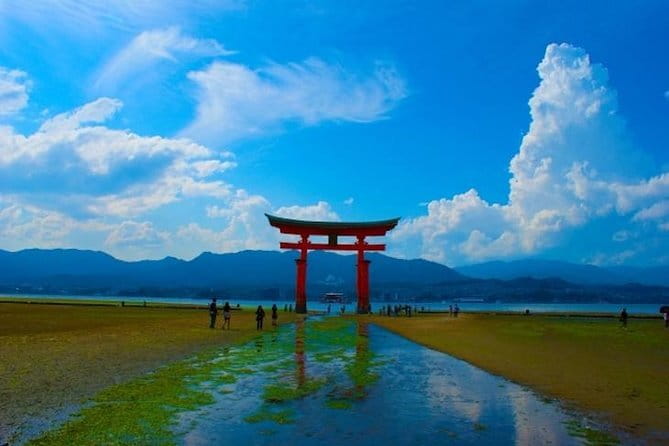
- The floating torii depends on the tide: It may be surrounded by water or accessible from the shore when the tide is low.
- Extra costs are separate: You pay transportation, Miyajima’s visitor tax, and any food, drinks, workshops, or direct boat options.
Why this Miyajima tour feels different
Many day trips to Miyajima become a race between the ferry terminal, the torii gate, and the shrine entrance. This one gives you a guide who can explain what you are seeing and why the island matters to people from Hiroshima.
That local connection is the heart of the experience. Masa, also known as Masayo Kobayashi, has been especially praised for sharing stories about growing up in Hiroshima and about her family’s connection to the city’s wartime past. Aya, Yuka, and other guides bring their own local perspective, so the tone is not a memorized lecture delivered at a series of photo stops.
You still see the famous sights, but you also get help noticing details you might otherwise pass. The guide can explain traditions, symbolism, shrine design, and the relationship between Miyajima’s natural setting and its spiritual importance.
The tour is conducted in English or Japanese and is fully private. That makes it a good fit if you want to ask basic questions without feeling rushed, or if your group has mixed interests. One person can focus on photography, another on history, and the guide can adjust the pace within the available time.
A few more Hiroshima half-days to weigh up
- Peaceful Hiroshima & Miyajima UNESCO 1 Day Bus Tour
★ 5.0 · 5,309 reviews - Hiroshima: Hiroshima and Miyajima UNESCO Sites 1-Day Tour
★ 4.9 · 2,330 reviews - Hiroshima / Miyajima Full-day Private Tour with Government Licensed Guide
★ 5.0 · 1,298 reviews
Getting from Hiroshima to Miyajima
The tour begins with a walking pickup from a central Hiroshima location. Listed pickup points include major hotels such as Hotel Granvia Hiroshima, Sheraton Grand Hiroshima Hotel, Hilton Hiroshima, RIHGA Royal Hotel Hiroshima, and Hotel Intergate Hiroshima. Pickup is also available from Hiroshima Station, the Hiroshima Peace Memorial Museum, and Hiroshima Port Cruise Terminal.
If your hotel or apartment is not on the stated list, you can request pickup by email if you are staying in central Hiroshima City. The pickup is on foot, so this is not a private car transfer.
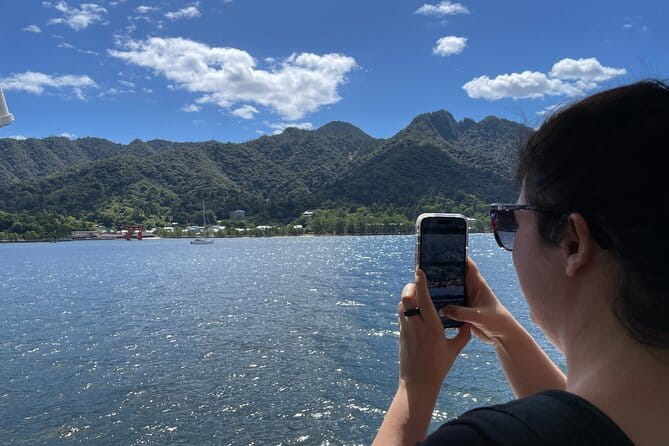
From central Hiroshima, expect about 45 minutes by train, followed by a ferry ride of about 15 minutes. The journey is not wasted time, but it does shape the day. You are spending close to two hours in transit, which means the island portion needs to stay focused.
The tour can use public transportation, or a taxi if you prefer. Transportation costs are not included in the $138 price, so budget for those separately. You will also pay Miyajima’s visitor tax, along with your own food and drinks.
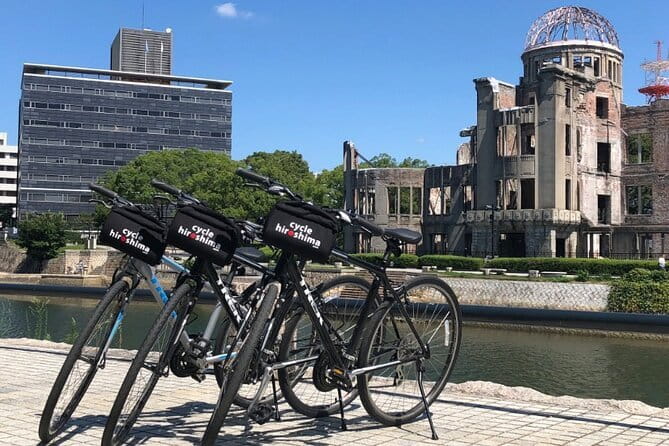
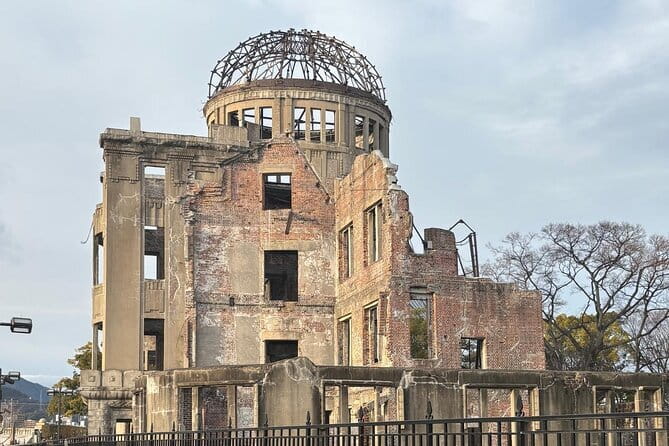
This timing makes the outing easiest as a dedicated half-day Miyajima visit. The guide specifically advises against trying to combine a full Peace Memorial visit with Miyajima in the same tight schedule. You can request Hiroshima Peace Memorial stops, but both places may feel rushed.
First look at Miyajima and the floating torii
Once you arrive, the tour begins with a short guided walk of about 20 minutes. This gives you time to get your bearings and understand the island’s setting before reaching the main shrine area.
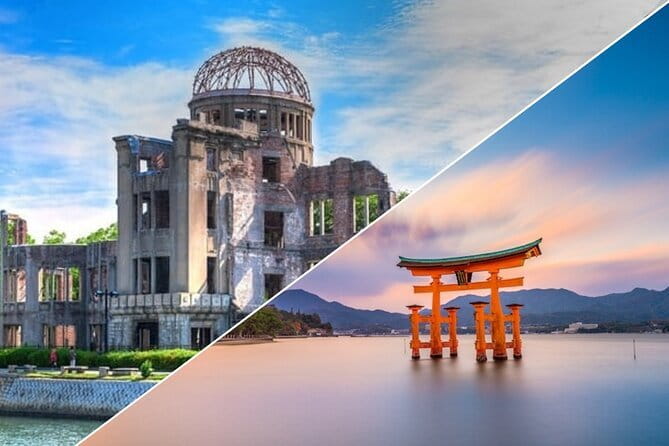
The floating torii gate is scheduled as a 10-minute photo stop and guided explanation. It is the image most closely linked with Miyajima, but the experience changes with the tide. At high tide, the gate appears to float offshore. At low tide, you may be able to walk closer across the exposed shore.
The guide will do their best to show the gate in favorable conditions, but no tour can control the water level. If seeing the gate surrounded by water is your main reason for booking, check the tide forecast and ask about the timing before you confirm.
Even when the tide is low, the gate remains an important part of the island’s religious design. Your guide can put the structure into the wider setting of Itsukushima’s sacred coastline instead of treating it as only a backdrop for photographs.
Itsukushima Shrine and the meaning of sacred Miyajima
The visit to Itsukushima Shrine lasts about 30 minutes. The shrine is a UNESCO World Heritage Site and the main historical focus of the tour.
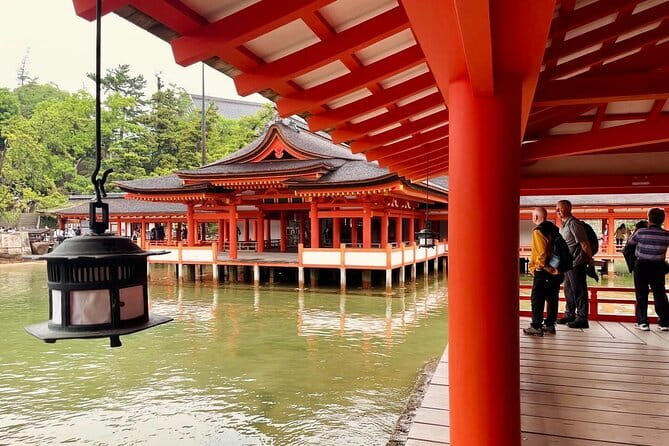
Your guide explains the island’s long-standing spiritual traditions and why Miyajima has been considered sacred for centuries. The value here is context. Without it, you may see bright vermilion buildings, water channels, and wooden walkways but miss how the shrine relates to the island’s religious identity.
The guide can also explain symbolism and traditions through stories shaped by local life. That personal approach is useful if you want more than dates and architectural labels. It helps connect the shrine to Hiroshima and to the people who continue to live around it.
Thirty minutes is enough for an introduction, but it is not an exhaustive study of every building or ritual. If you want to linger for quiet contemplation, photography, or detailed architecture, tell the guide early. The private format gives you some room, but the ferry schedule and the other planned stops still matter.
Same base, a completely different sort of day:
- Hiroshima Historical Walking Tour – Why A-Bomb was Dropped
★ 4.8 · 893 reviews - Hiroshima Peace (Heiwa) Walking Tour at World Heritage Sites
★ 5.0 · 872 reviews - Hiroshima in a Nutshell: Morning Bike Adventure
★ 5.0 · 524 reviews - Hiroshima City 4hr Private Walking Tour with Licensed Guide
★ 5.0 · 437 reviews
An hour at Daisho-in
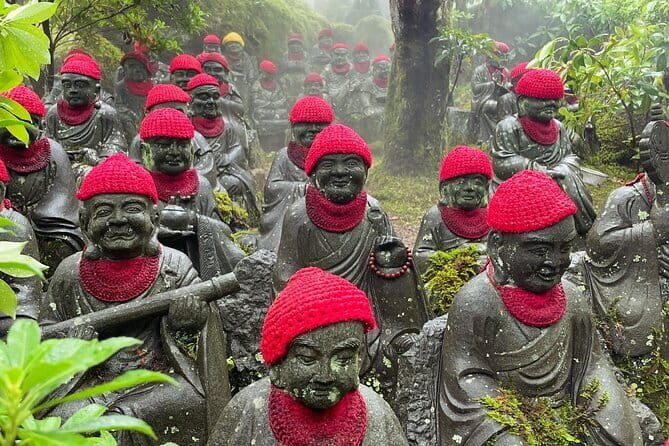
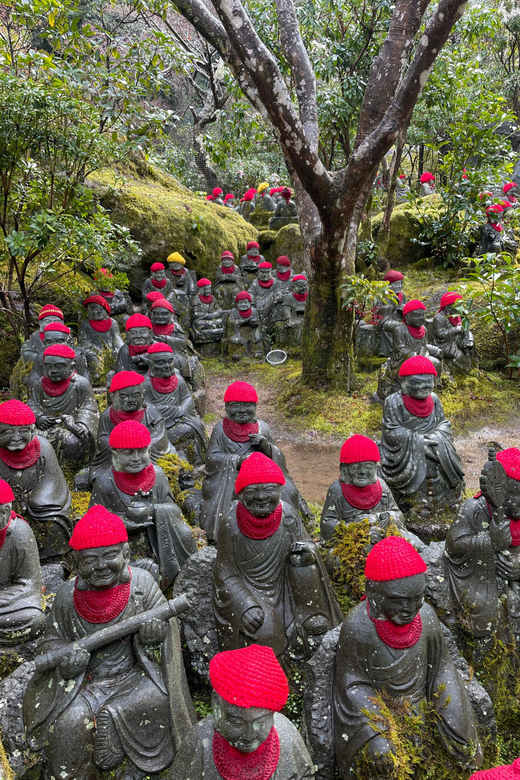
Daisho-in receives the longest stop, about one hour, and that is a sensible choice. The temple offers a different experience from Itsukushima Shrine, with more time for explanation, photographs, and a slower walk.
The tour description places Daisho-in among Miyajima’s major spiritual sites, and the guide explains how its buildings and traditions fit into the island’s religious life. The contrast between shrine and temple helps you understand that Miyajima is not a one-sight destination.
This is also where the guide’s style can make a real difference. Masa has been praised for explaining how the sites were built and for answering questions in a clear, patient way. Yuka has been praised for showing areas that would be easy to miss alone and for explaining the traditions connected with them.
The hour is not a hike up Mt. Misen. If you want to add that, you need to tell the guide in advance. A mountain excursion would require a different plan, so do not assume it will fit into the standard five-hour route.
Senjokaku Pavilion and a pause in the sightseeing rhythm
Senjokaku Pavilion is a short, 10-minute photo and explanation stop. Its open structure gives you another way to see Miyajima’s religious and architectural character without adding a long detour.
This stop is brief, so it works best as part of the larger sequence rather than as a major destination on its own. You will have time to take photographs and hear why the site matters, but not to settle in for a long visit.
That shorter pause helps keep the afternoon moving after the shrine and Daisho-in. If you prefer fewer stops and more time at one place, the guide can discuss adjustments, but the private format cannot eliminate the distance back to Hiroshima.
Omotesando Street and everyday Miyajima
The final Miyajima stop is Omotesando Shopping Street, with about 40 minutes to browse. This is where the island feels less like a collection of sacred monuments and more like a working community built around food, crafts, and daily commerce.
The guide can help you move beyond a quick walk through the shops by explaining local life and pointing out details you might not notice on your own. Food is not included, so this is the natural place to buy something if you want a snack or drink.
The schedule gives you time to look around, but not an unlimited shopping session. If you have a particular food interest or want to try an optional activity such as making momiji manju by hand, request it in advance. Workshops and similar events are not part of the standard tour.
Miyajima can become crowded around its best-known streets and monuments. The promise of quieter corners is therefore useful, but you should understand it correctly. This is not a wilderness excursion. It is a guided walking tour that makes room for less obvious lanes, natural scenery, and local details alongside the headline sights.
What the guide adds to Hiroshima’s story
The strongest part of this experience is the guide’s role as a bridge between Miyajima and Hiroshima. Several guides have been praised for warmth, patience, and clear English, but the more important point is how they connect the island to lived experience.
Masayo has shared personal stories about her family and Hiroshima’s wartime memory. That can give the day emotional weight, especially if you have already visited the Peace Memorial Museum or are trying to understand Hiroshima beyond its monuments.
The experience does not turn Miyajima into a lecture about the atomic bombing. The practical advice is to focus this tour on Miyajima and plan a separate block for the Peace Memorial area. That division usually makes for a better day, since both places deserve time and attention.
The guides also seem attentive to physical comfort. On an unusually hot day, Masa brought parasols and neck coolers. That does not guarantee special equipment for every departure, but it does suggest a thoughtful approach to heat and walking.
Photography is included, with the images supplied as data. This is a useful extra for couples, families, or solo visitors who want more than self-timer photographs. Confirm the details with the guide in advance if photography is important to you.
Is $138 a fair price?
At $138 per person, this is not the cheapest way to reach Miyajima. You still pay transportation, the visitor tax, and your own food and drinks. If you are happy to follow a map and read site signs, an independent visit will cost less.
The price makes more sense for a private group that wants interpretation, flexibility, and personal attention. You are paying for a local English-speaking guide, walking pickup, planning help, photography, and a route that combines major sites with less obvious parts of the island.
For a family, the private format may be worth more than a standard group excursion. The guide can keep people together, answer different questions, and adjust the walking speed. One family group specifically valued the way Masa handled a large party and offered useful advice for the rest of the trip.
I would see the tour as a value purchase rather than a budget outing. It is most worthwhile if you care about cultural background, want to ask questions, or feel that a famous place is more rewarding when someone helps you understand it.
Who should book this experience?
I would recommend it to first-time visitors to Hiroshima who want a well-organized introduction to Miyajima without rushing through it alone. It also suits people who have already seen the main sites but want more local context and quieter corners.
Families should consider it, especially if different ages or interests make independent planning difficult. The guide can offer structure while keeping the visit personal.
It is also a good fit for photographers, provided you understand the tide issue and tell the guide what you want to prioritize. The floating torii, shrine buildings, temple grounds, and natural scenery give you several kinds of subjects, though the five-hour schedule cannot provide unlimited time at each one.
You may want a different arrangement if your main goal is hiking Mt. Misen, taking a direct boat from the Peace Memorial area, or joining a hands-on workshop. Those options can be requested, but they are not part of the regular route and need advance planning.
Practical details before you go
The tour lasts five hours and is offered at different start times, subject to availability. It is a private group experience, with English and Japanese guiding.
Miyajima involves walking, ferry boarding, shrine and temple visits, and time outdoors. The activity is listed as wheelchair accessible, but you should still communicate your needs in advance so the guide can plan the route and transport details.
Free cancellation is available up to 24 hours before the start time for a full refund. You can also reserve now and pay later, which helps if your Hiroshima schedule is still shifting.
Tell the provider in advance about hiking, workshops, direct boats, photography priorities, or any mobility concerns. The more specific you are, the easier it is to use the private format well.
My verdict: a thoughtful way to see Miyajima
I would book this tour if I wanted Miyajima to feel like more than a checklist of shrine, torii, temple, and shopping street. Its best feature is the human explanation provided by Hiroshima-connected guides such as Masa, Aya, Yuka, and Masayo.
Book it when you value local stories, a flexible pace, and help finding details you could miss alone. Skip it if your priority is the lowest possible cost or a long Mt. Misen hike.
Plan one dedicated half-day for Miyajima, allow for the train and ferry, and check the tide before you go. With those expectations in place, this is a strong choice for a meaningful first visit to the island.
FAQ
How long does the Miyajima tour last?
The tour lasts five hours, including the train and ferry journeys between central Hiroshima and Miyajima.
How long does it take to reach Miyajima?
The train ride takes about 45 minutes, followed by a ferry ride of about 15 minutes. The same travel times apply on the return journey.
Is the tour private?
Yes. This is a private group tour, so the pace and focus can be adjusted to your interests within the available time.
Which languages are available?
The tour is offered in English and Japanese.
Is transportation included in the price?
No. Train, ferry, or taxi costs are separate. Miyajima’s visitor tax, food, and drinks are also not included.
Can I be picked up from my hotel?
Walking pickup is available from listed hotels and locations in central Hiroshima. If your hotel or apartment is not listed, you can request pickup by email if you are staying in central Hiroshima City.
Can I see the floating torii gate surrounded by water?
The guide will do their best, but the view depends on the tide. At low tide, the gate may not appear to float and could be closer to the shore.
Just added around Hiroshima
- The Peace Memorial to Miyajima : Icons of Peace and Beauty★ 4.5 · 31 reviews
- Shore Excursion from Hiroshima Port : Private Tour in Hiroshima★ 5.0 · 17 reviews
- Hiroshima Saijo Sake Tasting Tour with visit to 7 Breweries★ 5.0 · 104 reviews
- Hiroshima & Miyajima All-Inclusive Tour w/Licensed guide Pancho★ 5.0 · 54 reviews
- Hiroshima Country Cycling: Explore Rural Life 1 HR from City★ 5.0 · 22 reviews
- Okunoshima Rabbit Island Cycling Tour with Local Guide★ 4.5 · 17 reviews
- Private Full Day Hiroshima Tour★ 4.5 · 29 reviews
- Hiroshima Private Tour with a Local – Highlights & Hidden Gems★ 4.5 · 24 reviews
Hiroshima Tours, compared.

Peaceful Hiroshima & Miyajima UNESCO 1 Day Bus Tour
Read our review →
Hiroshima and Miyajima UNESCO Sites 1-Day Tour
Read our review →
Hiroshima Historical Walking Tour – Why A-Bomb was Dropped
Read our review →
Hiroshima Peace (Heiwa) Walking Tour at World Heritage Sites
Read our review →
Hiroshima in a Nutshell: Morning Bike Adventure
Read our review →
Hiroshima City 4hr Private Walking Tour with Licensed Guide
Read our review →

Japanesel Archery Experience HIROSHIMA CASTLE SHARAKU
Read our review →Browse the lists this tour appears in