
Reviewed · BAMBOO GROVE TOURS
Kyoto: Avoid the Crowds at the Hidden Gems of Arashiyama
Arashiyama is famous for its bamboo grove, but the best part of this four-hour walk comes after you leave the main crush of visitors. You’ll see the grove, then continue to Otagi Nenbutsuji’s 1,200 playful statues and Adashino Nenbutsuji’s solemn field of 8,000 stone images.
I like the mix of postcard views and quieter religious sites, and I like that guides such as Yoshi, Megumi, Kana, and Juraj have helped guests connect the temples with Japanese culture, Buddhism, food, and daily customs. The catch is simple: this is a walking tour with hills and uneven ground, so comfortable shoes are essential.
Key points at a glance
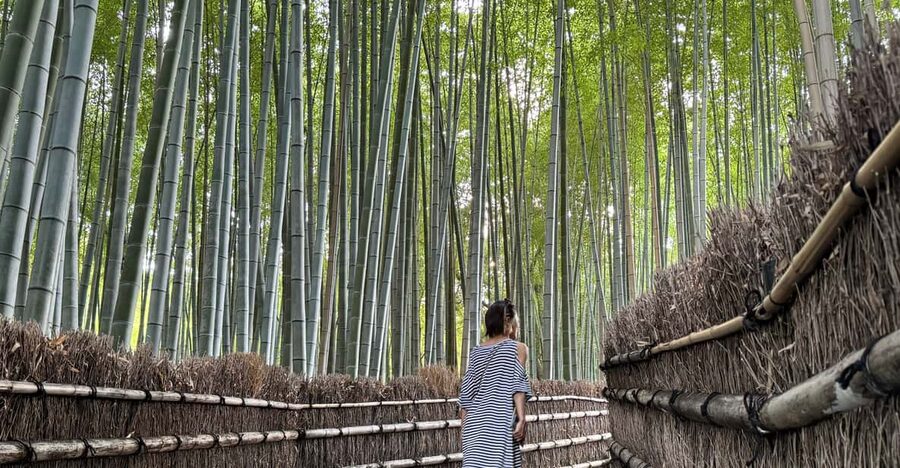
- A fuller Arashiyama picture: See Togetsu Bridge and the bamboo grove, then walk into the less crowded Okusaga area.
- Two very different temples: Otagi Nenbutsuji feels playful, while Adashino Nenbutsuji is quiet and reflective.
- Saga Toriimoto’s old street: Walk past traditional Japanese houses and stop at local shops, including a cocoon dolls shop and a Washi paper shop.
- Good guide contact: English and Japanese tours are available, with private and small-group formats for easier conversation.
- A real half-day walk: The route takes about four hours and includes a moderate amount of walking.
- Strong recent feedback: The experience has a 4.9 rating from 13 reviews, with particular praise for friendly guides and cultural explanations.
Why this route works better than a quick bamboo stop
Many Arashiyama visits focus on the bamboo grove, Togetsu Bridge, and the nearby shopping streets. Those sights are worth seeing, but they can leave you with only a narrow slice of the district. This route uses the famous spots as an introduction, then takes you toward Okusaga, where the mood becomes calmer and the sights more personal.
You meet your guide in front of the ticket gate at Saga Arashiyama Station. Look for the yellow sign with the DeepExperience logo. From there, the walk returns to the station at the end, so you do not need to work out a complicated final transfer.
The tour is offered in English or Japanese. A private or small-group format is available, which matters here because the temples reward questions. Guides have been praised for explaining Buddhist ideas, temple traditions, Japanese language, food, and customs rather than simply pointing out buildings.
The experience costs $83 per person. That is more than visiting the temples on your own, but the price includes a local guide and admission to both Otagi Nenbutsuji and Adashino Nenbutsuji. The value is strongest if you want help understanding what you see, or if you prefer a planned route through a district that can otherwise feel confusing and crowded.
More Hidden Gems Walks in Kyoto
- Kyoto Geisha Walking Tour: Gion District & Hidden Gems
★ 4.7 · 3,273 reviews - Private Kyoto Tour with a Local, Highlights & Hidden Gems, Personalised
★ 5.0 · 1,543 reviews - Arashiyama Bamboo Forest & Hidden Gems Bike Tour (Early Bird)
★ 5.0 · 613 reviews
Togetsu Bridge gives you the classic first view
The walk begins with Togetsu Bridge, Arashiyama’s best-known river crossing. The scheduled visit here is brief, about five minutes, so treat it as a first look and photo opportunity rather than a long riverside stop.
The bridge helps you understand why Arashiyama became such a popular sightseeing area. You get the river, surrounding hills, and a broad view that feels very different from the tight lanes around Kyoto Station or central Gion.
Do not expect a long pause at the bridge. The route moves on toward Arashiyama Park, where you’ll spend about ten minutes taking in scenic views. If you want carefully framed photographs, have your camera ready before the group starts moving.
Arashiyama Park and the bamboo forest
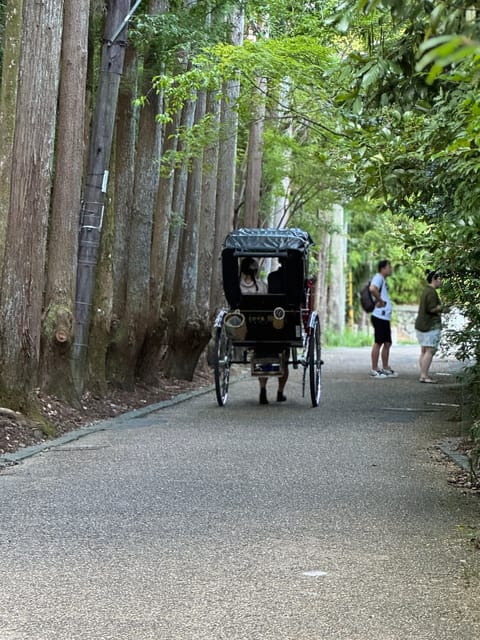
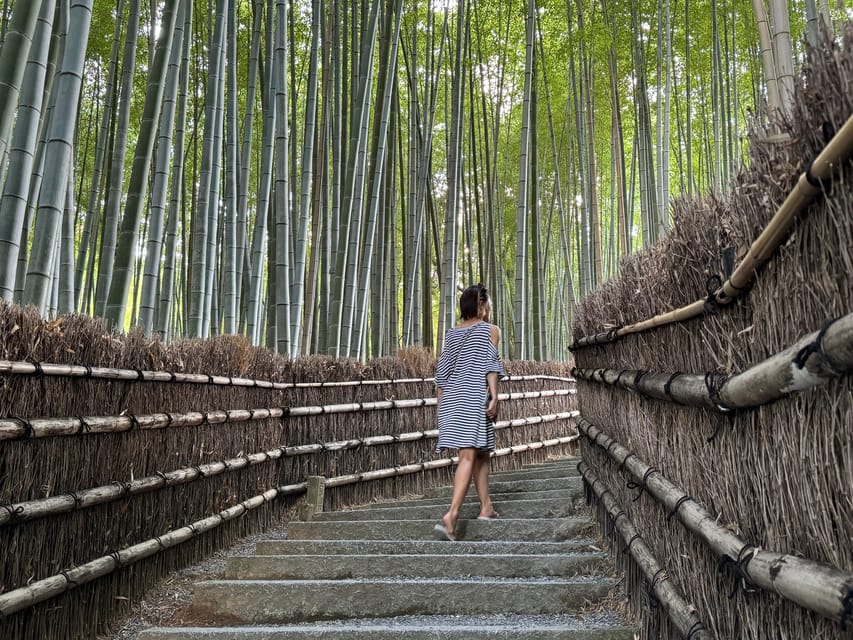
The walk includes an observatory area in Arashiyama Park, followed by a short photo stop in the bamboo forest. The bamboo is one of Kyoto’s most recognizable sights, and it deserves a place on your itinerary. Still, the stop is only about five minutes, so this tour is not designed for a slow, solitary walk among the stalks.
That short timing can be useful. You get the essential photograph without allowing one famous path to take over the whole afternoon. The guide then leads you beyond the familiar scene, which is the main reason to choose this experience over a simple bamboo-forest visit.
Expect other people in this part of Arashiyama. The tour’s promise is not an empty bamboo grove. It is a route that gives you the grove, then moves into places where the crowds generally thin.
Otagi Nenbutsuji and its 1,200 characterful statues
Otagi Nenbutsuji is the first major temple stop, with about 30 minutes set aside for a visit. Its collection of 1,200 stone figures is the visual surprise of the day. Instead of a row of identical statues, you’ll find figures with distinct expressions and personalities.
The statues are often described as whimsical, and that is the right way to prepare for this temple. Some look cheerful, some thoughtful, and some seem almost mischievous. The setting encourages you to slow down and look closely at faces, gestures, and small differences.
This is also where a guide can add real value. Without context, you may simply see hundreds of amusing stone figures. With an explanation of the temple and its Buddhist setting, the visit gains more meaning. You can ask questions as you walk, and the small-group format makes that easier than a large coach tour.
Admission to Otagi Nenbutsuji is included in the $83 price. That removes one practical task and means you can focus on the grounds rather than sorting out separate tickets.
More off-the-list walks in Kyoto:
- Kyoto: Hidden Gems E-Bike Tour with Local Japanese Guide
★ 4.9 · 189 reviews - Kyoto: Gion Hidden Gems & Geisha Culture Tour
★ 4.9 · 126 reviews - Highlights & Hidden Gems With Locals: Best of Kyoto Private Tour
★ 5.0 · 121 reviews - Kyoto: Hidden Gems E-Bike Tour Through Backstreets & Temples
★ 4.9 · 54 reviews
Adashino Nenbutsuji, a quieter field of memory
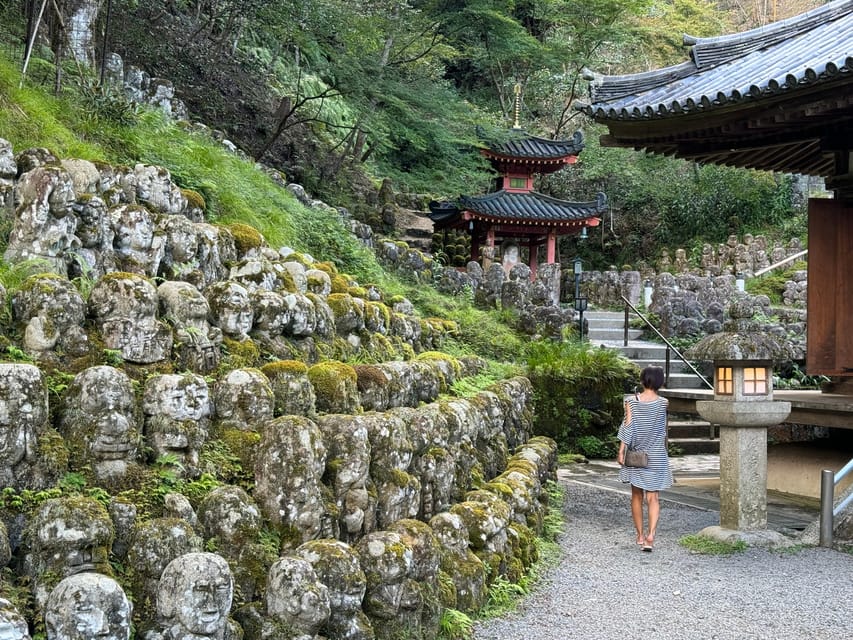
The next temple visit lasts about 30 minutes and takes you to Adashino Nenbutsuji. Its 8,000 stone images and pagodas create a very different mood from Otagi’s playful collection.
The figures commemorate people who were laid to rest in the Adashino area. You’ll see dense groupings of stone memorials and pagodas, with a sense of age and remembrance that asks for a quieter pace. This is one of the strongest reasons to book the full route. It gives you a religious site that is less about a single famous view and more about how Buddhism has shaped local memorial customs.
The contrast between the two temples works well. Otagi catches your eye with unusual faces. Adashino asks you to consider the many lives represented by the stones. A good guide can explain Buddhist philosophy, temple traditions, and different sects, subjects that several guides on this tour have handled in English.
Admission to Adashino Nenbutsuji is also included. Wear shoes that you can walk in comfortably, since the tour connects these temples on foot rather than treating them as isolated stops.
Saga Toriimoto preserves an older street
Between the temples and Seiryoji, the route passes through Saga Toriimoto Preserved Street. The guided walk here lasts about 30 minutes. Traditional Japanese houses line the street, giving you a clearer sense of the old village character of Saga.
This is not simply a photo stop. You’ll have a chance to see local shops, including a cocoon dolls shop and a Washi paper shop. Those small businesses add texture to the walk because they show craft traditions in a working setting rather than only in a museum display.
The street is also a good place to ask about everyday customs and local history. Your guide explains the development of Okusaga and Arashiyama as you go, linking the buildings and temples to the wider area.
There is no food or drink included, and the tour does not list a meal break. Bring water, especially in warm weather. You may find the shops tempting, but souvenirs are not part of the price, so plan to pay separately for anything you buy.
Seiryoji closes the cultural walk
The final temple stop is Seiryoji, with about 15 minutes scheduled for a visit. The tour does not give a detailed list of specific features here, so you should think of it as a final religious and architectural stop rather than a long guided exploration.
Its place near the end of the route gives your guide one more chance to tie together the temples, Buddhism, and the story of Saga. After Seiryoji, you return to Saga Arashiyama Station.
Finishing at the same station where you started is convenient. You can continue your Kyoto plans from there without arranging a pickup or figuring out where the guide has left you.
What the guides add to the walk
The strongest pattern in the feedback is the quality of the personal interaction. Yoshi was praised for explaining Japanese culture and history, and for helping with a taxi and a curry restaurant recommendation after the tour. Kana was described as a warm companion who answered questions about culture, history, and religion for a family traveling with two teenage and young adult sons.
Megumi received praise for her friendly manner, humor, and steady smile. Juraj was singled out for fluent Japanese, explanations of Buddhist philosophy and temple sects, and help communicating during the visit. Juliette guided in English and also spoke French, which could be useful for French-speaking visitors when available.
Guide assignments can change, so you should not book on the assumption that one named guide will lead your group. The useful takeaway is that the experience suits people who want conversation and explanation, not only directions from one stop to the next.
A private or small-group tour also helps if you have specific interests. You might ask about Buddhist memorial practices, Japanese crafts, local food, or the history of Okusaga. The more questions you bring, the more useful this format becomes.
Walking demands and who should book
The route lasts four hours and involves a moderate amount of walking. You should expect to move between the bridge, park, bamboo grove, two temples, preserved street, and Seiryoji rather than spending most of the time seated.
Comfortable walking shoes are important. The experience is not suitable for people with mobility impairments or wheelchair users, according to the tour information. Smoking is not allowed.
This tour is a good match for:
- First-time Kyoto visitors who want the famous bamboo grove plus less familiar temples
- People who prefer a guide-led walk to arranging several admissions and directions alone
- Visitors interested in Buddhism, Japanese customs, traditional houses, and local crafts
- Families and couples who enjoy asking questions during a small-group or private outing
- Photographers who want Togetsu Bridge, Arashiyama Park, bamboo, temples, and old streets in one route
It may not suit you if you want a relaxed afternoon with long pauses, a food-focused tour, or a short visit requiring little walking. The bamboo stop is brief, and the itinerary covers a lot of ground.
Is $83 a fair price for four hours?
At $83 per person, this is not the cheapest way to see Arashiyama. You can walk around the public areas on your own, and the listed price does not include food, drinks, or souvenirs.
The fee makes more sense when you count the two included temple admissions and the time saved by having a guide lead you from Saga Arashiyama Station through the district. You are also paying for interpretation, which is especially useful at Adashino Nenbutsuji and Otagi Nenbutsuji. The stone images can be fascinating without explanation, but their religious and local meaning is easier to grasp with context.
Small groups and private options improve the value for visitors who care about conversation. If you simply want a photograph at the bamboo grove, this is more than you need. If you want to understand why the temples differ and how the district developed, the price is easier to justify.
The flexible booking terms also reduce risk. You can cancel up to 24 hours before the activity for a full refund, and you can reserve now and pay later. Starting times vary, so check availability when choosing your date.
Practical tips for a better afternoon
Meet in front of the ticket gate at Saga Arashiyama Station, not at one of the temples. Arrive with enough time to spot the guide’s yellow DeepExperience sign.
Bring water and a camera. Since food and drinks are not included, eat beforehand or make your own plan for after the tour. A guide may offer a restaurant suggestion, as Yoshi did for one participant, but meals remain your responsibility.
Wear comfortable shoes from the start. The route includes a moderate amount of walking, and changing into better footwear halfway through is not an option.
Keep the short stops in mind. Togetsu Bridge, the park view, and the bamboo grove are handled quickly, while Otagi Nenbutsuji, Adashino Nenbutsuji, and Saga Toriimoto receive more time. This balance favors variety and cultural context over lingering at one viewpoint.
Should you book this Arashiyama walk?
Book it if you want more than the standard bamboo photograph. You’ll see the famous sights, then reach Otagi Nenbutsuji, Adashino Nenbutsuji, Saga Toriimoto, and Seiryoji with a guide who can explain the religious and local details.
I would especially recommend it for first-time visitors, couples, families, and anyone curious about Buddhist art and Japanese customs. The 4.9 rating from 13 reviews supports the strong impression of friendly guides and useful explanations.
Skip it if you have limited stamina, need wheelchair access, or want a slow, unstructured visit. For everyone else, $83 buys a well-planned half-day route through both the famous and quieter sides of Arashiyama.
FAQ
Where does the tour meet?
Meet your guide in front of the ticket gate at Saga Arashiyama Station. The guide will hold a yellow sign with the DeepExperience logo.
How long does the tour last?
The tour lasts four hours. Starting times vary, so check availability for your chosen date.
Which languages are available?
The tour is available in English and Japanese.
Is the tour private or shared?
Private and small-group options are available.
What admissions are included?
Admission to Otagi Nenbutsuji Temple and Adashino Nenbutsuji Temple is included.
What should I bring?
Bring comfortable walking shoes, water, and a camera.
Is the route suitable for wheelchair users?
No. The tour is not suitable for wheelchair users or people with mobility impairments.
More Bamboo Grove Walks
- Kyoto: Fushimi Inari, Kinkakuji, Bamboo Grove 1 Day Bus Tour
★ 4.8 · 4,316 reviews - Osaka/Kyoto:Kinkakuji,Arashiyama,FushimiInariShrine,NaraPark
★ 4.1 · 1,596 reviews - Kyoto/Osaka: Nara, Fushimi Inari Taisha, Arashiyama Bus Tour
★ 4.7 · 1,275 reviews - Kyoto Arashiyama Walking Tour: Bamboo, Monkeys, Gardens & Secrets
★ 5.0 · 1,216 reviews
Just added around Kyoto
- Kyoto: Zen Meditation at a Private Temple with a Monk★ 5.0 · 25 reviews
- Kyoto: Gion Geisha District & Sake-in-Hand Walking Tour★ 5.0 · 37 reviews
- Private Pewter Sake Cup Experience with a Kyoto Artisan★ 5.0 · 31 reviews
- Your Private Vacation Photography Session In Kyoto★ 5.0 · 110 reviews
- Private Guided Traditional Buddhist Cooking in Japan★ 5.0 · 16 reviews
- Kyoto Wagashi(Japanese sweets) Cooking Class near Fushimiinari★ 5.0 · 60 reviews
- Traditional Japanese Music show & Experience Tour in Kyoto★ 5.0 · 57 reviews
- Kyoto:Family-Friendly Kimono & Yukata Experience at WARGO★ 5.0 · 147 reviews
Bamboo Grove Tours, compared.

Fushimi Inari, Kinkakuji, Bamboo Grove 1 Day Bus Tour
Read our review →
Osaka/Kyoto:Kinkakuji,Arashiyama,FushimiInariShrine,NaraPark
Read our review →
Kyoto/Osaka: Nara, Fushimi Inari Taisha, Arashiyama Bus Tour
Read our review →
Kyoto Arashiyama Walking Tour: Bamboo, Monkeys, Gardens & Secrets
Read our review →
Arashiyama Bamboo, Temple, Monkeys, or Secret Sake Brewery
Read our review →
Arashiyama Bamboo Forest, Monkeys, Matcha & Temple Tour
Read our review →
Osaka/Kyoto: Arashiyama, Nara & Fushimi Inari Shrine w/Lunch
Read our review →
Nijo, Kinkaku-ji, Arashiyama, Kiyomizu & Fushimi Inari
Read our review →Browse the lists this tour appears in