
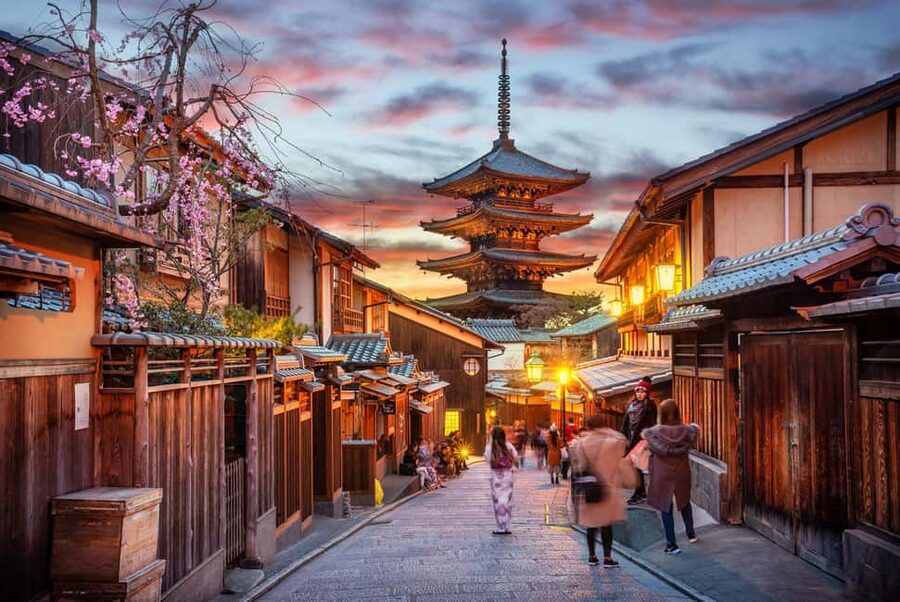
Reviewed · KYOTO TOURS
Kyoto: Gion Hidden Gems & Geisha Culture Tour
Gion is at its best when you leave the main road. This two-hour walk takes you from the willow-lined Shirakawa Canal through quiet lanes, old wooden townhouses, shrines, and the geisha district. You may even see a geisha or maiko heading to an evening appointment, though that is a lucky extra, not a promise.
I like the mix of well-known sights and quieter backstreets, and I like that the guides explain the customs behind geisha dress, dance, hair, and training rather than treating the district as a stage set. Guides such as Uta, Takumi, Dan, Mai, Wajid, and Alex have been praised for clear explanations, good pacing, and restaurant tips.
The main drawback is the pace. There is a lot to cover in two hours, and some stops are brief photo stops or pass-bys. You will walk on uneven streets and hills, so this is not a good choice for wheelchair users or anyone with limited mobility.
Key points to know before you book
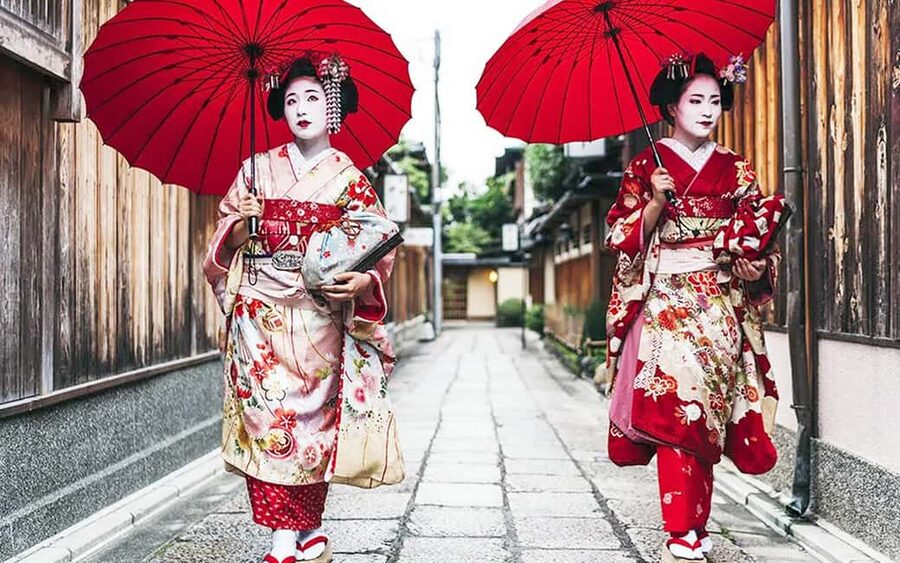
- Shirakawa Canal begins the walk beautifully: Willow trees, stone paths, and traditional tea houses provide one of Kyoto’s most photogenic settings.
- The route covers major sights quickly: You visit or pass Yasaka Shrine, Ninenzaka, Hōkan-ji, and Yasui Kompira-Gu before finishing on Hanamikoji Street.
- Geisha sightings are possible but never guaranteed: The guide explains geiko and maiko culture even if no one appears on the street.
- Evening tours have a special advantage: Several starting times are available, and later walks can feel calmer once daytime crowds have thinned.
- The guide makes the difference: Uta, Dan, Takumi, Mai, Wajid, Alex, and others have been praised for friendly storytelling, precise answers, and useful food recommendations.
- The price is easy to justify: At $23 per person, you are paying mainly for local context and route-finding, not admission to a major attraction.
Starting beside Shijo Bridge
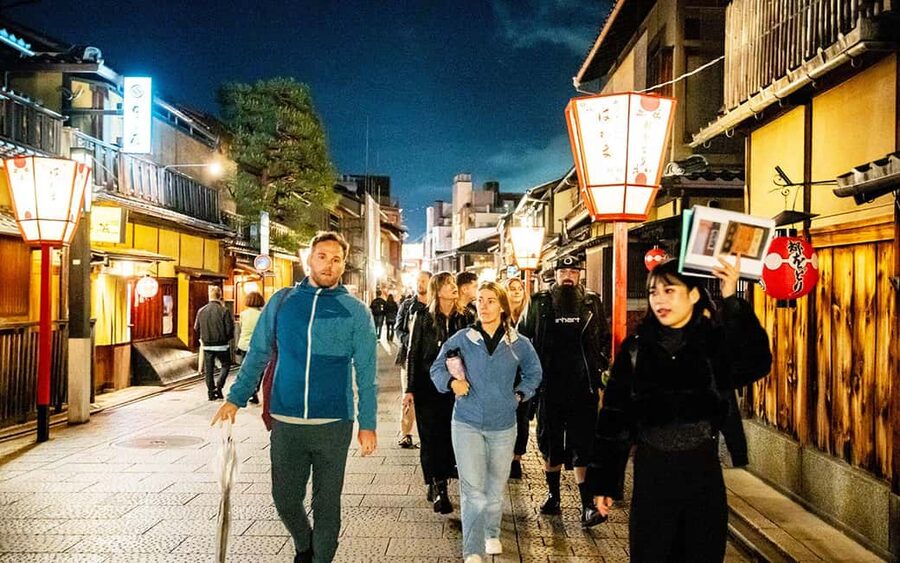
The meeting point is the McDonald’s at Shijo Ohashi, 105-1 Hashimoto-cho, Shimogyo-ku, Kyoto-shi. Look for a guide holding a Local Guide Stars sign beside the restaurant, not directly in front, since the entrance area can be crowded.
This is a practical meeting spot near the bridge and the Gion side of the river. Still, give yourself a few minutes to find the guide. The location is busy, and the sign matters.
The walk starts with a short orientation before heading toward Gion Shirakawa. Bring water, sunscreen, and comfortable walking shoes. The tour runs in the rain, so pack an umbrella or raincoat if the forecast looks poor.
More Hidden Gems Walks in Kyoto
- Kyoto Geisha Walking Tour: Gion District & Hidden Gems
★ 4.7 · 3,273 reviews - Private Kyoto Tour with a Local, Highlights & Hidden Gems, Personalised
★ 5.0 · 1,543 reviews - Arashiyama Bamboo Forest & Hidden Gems Bike Tour (Early Bird)
★ 5.0 · 613 reviews
Gion Shirakawa and the Shirakawa Canal
The Shirakawa Canal is one of the prettiest corners of Gion. Willow trees lean over the water, traditional tea houses line the route, and stone paving gives the street the old-Kyoto look many people hope to find.
This opening section is useful because it gives you a visual introduction to the district before the tour turns into a lesson in culture and architecture. The guide can point out the relationship between the canal, tea houses, and the work of the geisha district.
This is also a good place for photographs. Keep your camera ready, but remember that the walk continues at a steady pace. You will have time for pictures, but this is not a long photography stop.
The quiet mood can change depending on the time of day. An early or later departure may feel more peaceful, while popular hours can bring more people onto the canal path. Several accounts of evening walks describe the area as pleasantly quiet, which is one reason I would consider booking a later time.
Tatsumi-jinja, a small shrine with a local feel
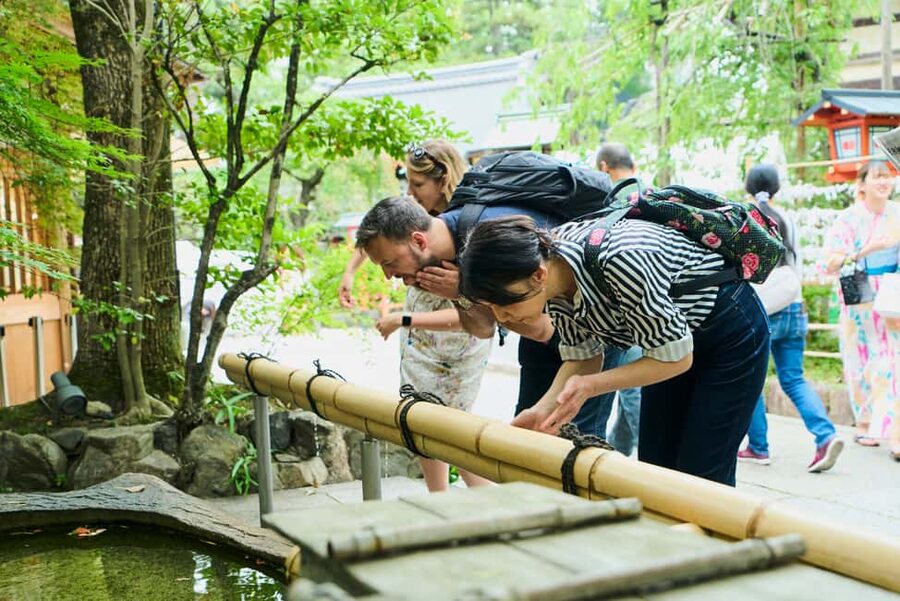
Tatsumi-jinja is one of the tour’s more intimate stops. Rather than presenting only the grandest temple and shrine sites, the route includes a smaller place of worship tucked into the Gion streets.
You stop for photographs and a guided explanation. The value here is not a long visit inside a vast religious complex. It is the chance to see how a shrine fits into the daily life and street pattern of an old neighborhood.
Listen closely to the guide’s explanation of the shrine’s role and the meaning of the details around it. Guides such as Dan and Wajid have been praised for explaining Japanese words and cultural ideas in clear English, which helps you understand what you are seeing instead of simply collecting pictures.
Yasaka Shrine and the wider Gion story

Yasaka Shrine gives the walk a larger historic setting. It is one of the important religious landmarks in this part of Kyoto, and the tour includes a visit with time for photographs and explanation.
This is where the guide can help connect the shrine to Gion’s identity. The district is not only a place for tea houses and evening appointments. It grew around religious sites, old roads, entertainment traditions, and long-standing neighborhood customs.
You should expect a concise visit rather than a full shrine tour. The route has many stops, and the guide must keep the group moving. That tradeoff works well if you are new to Kyoto and want a broad introduction. If you prefer to study one shrine at length, you may want to return on your own.
More off-the-list walks in Kyoto:
- Kyoto: Hidden Gems E-Bike Tour with Local Japanese Guide
★ 4.9 · 189 reviews - Highlights & Hidden Gems With Locals: Best of Kyoto Private Tour
★ 5.0 · 121 reviews - Kyoto: Hidden Gems E-Bike Tour Through Backstreets & Temples
★ 4.9 · 54 reviews - KIYOTO’s Kyoto Private E-Cycling Tour: Highlights & Hidden Gems
★ 5.0 · 48 reviews
Edo-period houses and quiet side streets
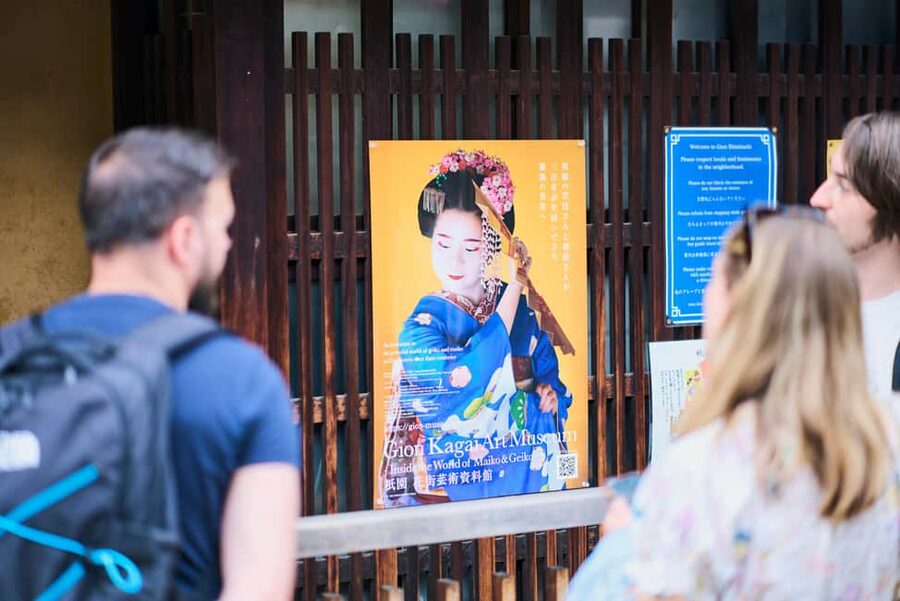
Between the major sights, the tour moves through lanes where old wooden townhouses show the shape of earlier Kyoto. These machiya-style buildings are part of what makes Gion feel distinct from a modern shopping street.
The guide’s presence is especially useful here. On your own, you may walk past a wooden façade without knowing what makes it notable. A local guide can draw your attention to the narrow frontage, timber construction, entrances, and the way homes and businesses once shared the same street.
The route also avoids making every moment a stop. You walk, look, and listen as the district changes around you. That rhythm suits Kyoto, where the best details are often found between headline attractions.
Keep your expectations realistic. This is a walking tour through public streets, not a visit inside private townhouses. You may see architectural features from outside, but the activity does not promise interior access.
Ninenzaka and Hōkan-ji’s famous pagoda
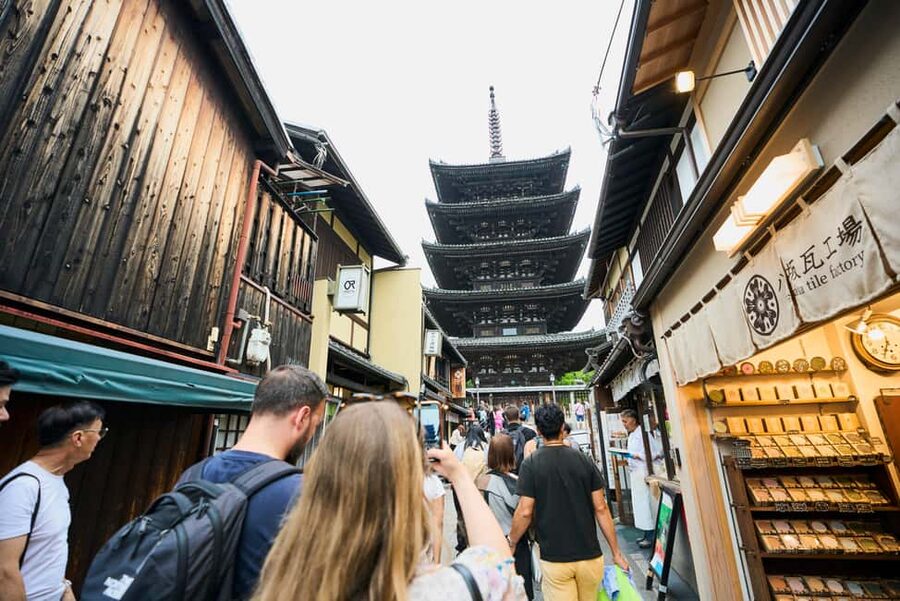
Ninenzaka brings a change of pace. The sloping street is known for traditional buildings, stone paving, and views toward Hōkan-ji Temple, often identified by its tall Yasaka Pagoda.
The route includes a guided walk and scenic views rather than a guaranteed extended temple visit. That distinction matters. You are seeing the street and its setting, learning how the area fits into old Kyoto, and stopping for photographs.
The slope and paving can be tiring, especially in summer heat or wet weather. Wear shoes with good grip, and do not treat the two-hour duration as a gentle stroll. One account specifically praised the quick pace needed to fit in all the stops. The guide may wait for the group, but you still need to be ready for continuous walking.
Ninenzaka can also be crowded. A later departure may help, but there is no promise that the street will be empty. The reward is the contrast between a busy famous lane and the quieter streets encountered elsewhere on the route.
Yasui Kompira-Gu and the meaning behind the visit
Yasui Kompira-Gu is another shrine stop, giving the tour a chance to discuss beliefs and customs beyond the geisha world. You visit with the guide and continue on foot.
The stop adds variety. Instead of moving from one photogenic street to another, the tour includes places where the guide can explain religious practice and local tradition. That wider context helps keep the experience from becoming a simple search for old buildings.
As with the other shrines, allow the guide to set the pace. You may have time for photographs and questions, but the tour is designed as a connected walk through Gion rather than a series of long visits.
Hanamikoji Street and the geisha culture lesson
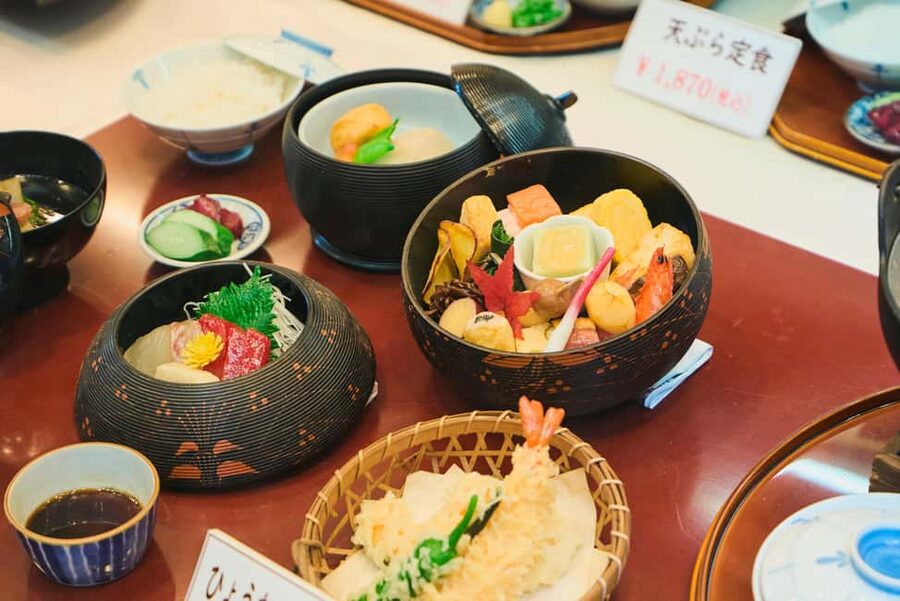
The tour ends on Hanamikoji-dori, the heart of Gion’s geisha district. This is the place where the walk’s main subject comes into focus.
Your guide explains the difference between geiko and maiko, the demanding training involved, and the traditions behind their dances. You also learn about kimono craftsmanship and the elaborate hairstyles that help create the formal appearance associated with the district.
This cultural explanation is more valuable than simply hoping to spot someone in costume. A geisha sighting can be exciting, but without context it is easy to mistake a working professional for a photo opportunity. The tour presents the district as a living workplace with rules and traditions, not just a backdrop.
You might see a geisha or maiko on the way to an evening engagement. Some tour times have produced such sightings, but you should book for the history and cultural explanation first. If you do see one, follow the guide’s direction and avoid flash photography. Flash is not allowed inside temples, and respectful behavior is important throughout Gion.
Hanamikoji is also a convenient finish before dinner. Guides have offered restaurant suggestions, and that practical advice can be worth plenty in a district where choosing a place to eat can feel confusing.
How the guides shape the experience
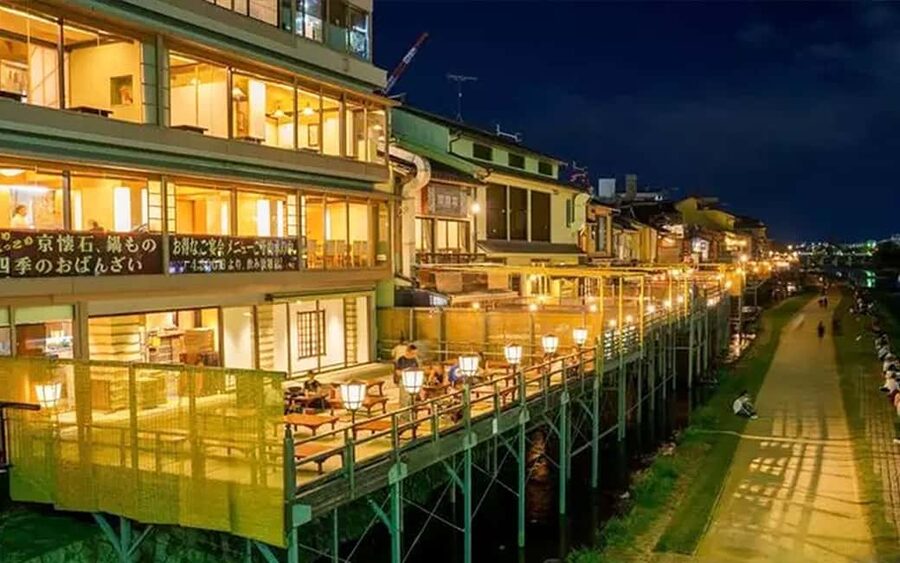
The tour uses English-speaking local guides, and the individual guide can affect the tone of the walk. Uta has been praised for warmth, clear explanations, and working well with children. Dan is noted for historical detail and restaurant suggestions, while Wajid has been praised for polished English and careful answers to questions.
Takumi is especially associated with lively explanations of geiko and maiko culture, along with the ability to keep a larger group involved. Alex has been praised for bringing stories about Yasaka Shrine, the lanes toward Kiyomizu-dera, and the tea houses to life.
You cannot choose a specific guide from the information provided, so book for the route and subject rather than a particular person. The repeated strengths are clear English, cultural explanations, patience, and a friendly manner.
The walking pace is also worth noting. One guide was praised for waiting until everyone had caught up before speaking, while another account described the pace as quick but necessary. Both points can be true: a good guide keeps the group together, but the itinerary still covers a lot of ground.
Is two hours enough for Gion?
Two hours is enough for a useful first look, not enough for a full study of Gion. The route covers the canal, two named shrines, Ninenzaka, Hōkan-ji, Yasui Kompira-Gu, old townhouses, side lanes, and Hanamikoji Street.
That is a generous list for a short walk. Several locations are photo stops or pass-bys, so you should not expect long periods at each place. The benefit is range. You see how the canal, shrines, temple streets, homes, and geisha district connect.
I would schedule this early in your Kyoto stay. The walk gives you a useful map of southern Gion and leaves you with places to revisit at your own pace. It also ends near restaurants, making it easy to continue the evening.
Who will get the most from this tour?
This is a strong choice for a first visit to Kyoto, especially if you want cultural background without committing to a full-day activity. It suits solo visitors, couples, families with older children, and anyone who wants help finding side streets that are easy to miss.
Families should note that the route is not simply a child-focused activity, but a guide who works well with children can make the explanations accessible. Children who enjoy stories, shrines, costumes, and old streets may have a good time.
The tour is less suitable for anyone with mobility limitations. The walk includes stone paving, slopes, and a steady pace. It is also not ideal if your main goal is guaranteed access to a geisha performance. This is a street walk with cultural interpretation, not a stage show.
What to bring and how to prepare
Wear shoes you can walk in for two hours. The route includes uneven surfaces and slopes, and wet conditions can make stone streets less comfortable.
Carry water and sunscreen, especially in warm or humid weather. Rain does not cancel the experience, so bring an umbrella or raincoat rather than hoping the weather changes.
Photography is allowed, but flash photography is not permitted inside temples. Keep your camera ready at scenic stops, then put it away when the guide is explaining a site or when the group is moving through narrow lanes.
The tour offers free cancellation up to 24 hours before departure and a reserve-now, pay-later option. Starting times vary, so check the available slot before booking. Later walks may offer a quieter atmosphere, while earlier departures may fit better with dinner plans.
Is $23 good value?
At $23 per person, this is inexpensive for a two-hour guided introduction to one of Kyoto’s most visited districts. You are not paying for admission to a major attraction or a formal geisha performance. You are paying for route planning, local explanation, cultural context, and the chance to ask questions as you walk.
That distinction makes the value easy to judge. If you already know Gion well and prefer to wander alone, the tour may add less. If you are new to Kyoto, the guide can save time and help you notice details you might otherwise pass without understanding.
The restaurant advice at the end is a useful extra, especially since the walk finishes in an area where you may want dinner. The price is also low enough to make this a sensible orientation activity on your first or second day.
Should you book the Gion Hidden Gems and Geisha Culture Tour?
Book it if you want a compact introduction to Gion with more substance than a photo walk. The strongest parts are the quiet lanes, shrine visits, old townhouses, and clear explanations of geisha culture. The possibility of seeing a geisha is a bonus.
Choose a later starting time if you like evening atmosphere and want a better chance of thinner crowds. Choose another activity if you need a slow pace, step-free access, or guaranteed entertainment involving geisha.
For most first-time visitors who can walk comfortably, $23 is a fair price for two hours of orientation, local stories, and practical Kyoto advice. It gives you enough background to return to Gion on your own with better eyes.
FAQ
Where does the Gion tour meet?
Meet beside the McDonald’s at Shijo Ohashi, located at 105-1 Hashimoto-cho, Shimogyo-ku, Kyoto-shi. The guide will hold a Local Guide Stars sign.
How long does the tour last?
The walking tour lasts two hours. Check the available starting times when booking.
Is the tour conducted in English?
Yes. The experience includes a live English-speaking local guide.
Will I definitely see a geisha?
No. You may see a geisha or maiko heading to an evening engagement, but sightings are not guaranteed. The guide explains geisha training, dances, kimonos, and hairstyles during the walk.
What should I bring?
Bring comfortable walking shoes, water, and sunscreen. If rain is expected, bring an umbrella or raincoat.
Is the tour suitable for wheelchair users?
No. The tour is not suitable for wheelchair users or people with mobility impairments. It includes walking through streets, lanes, and sloped or uneven areas.
More Geisha Experiences
- Kyoto: Gion Magical Night Walking Tour with Geisha Trivia
★ 4.9 · 2,393 reviews - Kyoto: Gion Geisha District Walking Tour – Stories of Geisha
★ 4.7 · 2,187 reviews - Best of Kyoto: Gion, Geisha, Pagodas & Cobblestones
★ 4.9 · 2,058 reviews - Night Walk in Gion: Kyoto’s Geisha District
★ 4.5 · 2,003 reviews
Just added around Kyoto
- Kyoto: Zen Meditation at a Private Temple with a Monk★ 5.0 · 25 reviews
- Kyoto: Gion Geisha District & Sake-in-Hand Walking Tour★ 5.0 · 37 reviews
- Private Pewter Sake Cup Experience with a Kyoto Artisan★ 5.0 · 31 reviews
- Your Private Vacation Photography Session In Kyoto★ 5.0 · 110 reviews
- Private Guided Traditional Buddhist Cooking in Japan★ 5.0 · 16 reviews
- Kyoto Wagashi(Japanese sweets) Cooking Class near Fushimiinari★ 5.0 · 60 reviews
- Traditional Japanese Music show & Experience Tour in Kyoto★ 5.0 · 57 reviews
- Kyoto:Family-Friendly Kimono & Yukata Experience at WARGO★ 5.0 · 147 reviews
Kyoto Tours, compared.


Fushimi Inari, Kinkakuji, Bamboo Grove 1 Day Bus Tour
Read our review →
Tea Ceremony in a Traditional Tea House in Kiyomizu
Read our review →
Kyoto Geisha Walking Tour: Gion District & Hidden Gems
Read our review →

Gion Magical Night Walking Tour with Geisha Trivia
Read our review →

Gion Geisha District Walking Tour – Stories of Geisha
Read our review →Browse the lists this tour appears in