
Reviewed · KYOTO TOURS
Kyoto: Hike and Hot Springs in Kurama
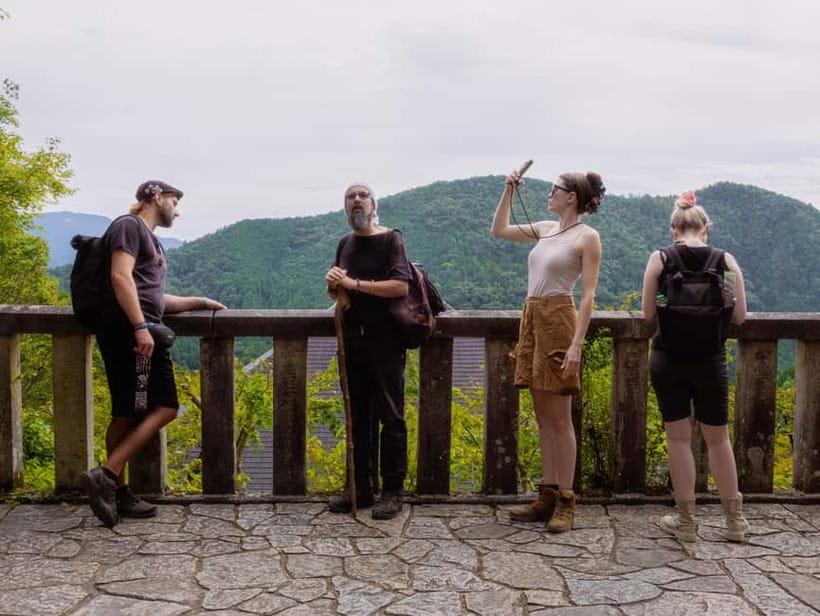
Mount Kurama gives you a quick escape from Kyoto’s crowded streets. You ride the Eizan railway into the northern mountains, follow a forest trail past sacred sites, and reach Kurama Temple high above the valley. The trip feels especially rewarding because it combines fresh mountain air and a real uphill hike with temples, shrines, legends, and local religious traditions.
I like the mountain train ride and the chance to see a quieter side of Kyoto without arranging the route yourself. I also like the guide-led stops at places many visitors would pass by, including sacred corners of the trail and sites connected with Reiki and local spiritual beliefs. The main catch is simple: this is a proper uphill walk, and the heat can make it tougher than the four-hour time label suggests.
Key points to know before you book
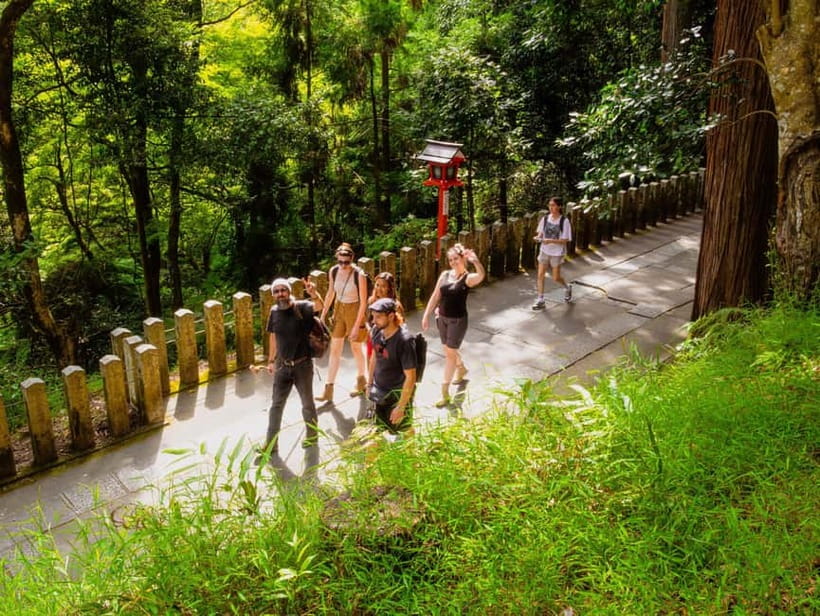
- The climb takes about 30 to 40 minutes: You will tackle many steps to reach the upper part of Kurama Mountain.
- The route joins nature with worship: Expect cedar forest, mountain views, Kibune Shrine, and Kurama Temple.
- The guides add real value: Philippe, Chris, Kevin, Salome, and others have been praised for local stories, cultural explanation, and flexible pacing.
- The hot spring is optional: The bath fee is extra, but a discounted ticket may be available through the guide.
- The tour ends in Kurama village: You receive guidance for lunch, the onsen, or the train back to Kyoto, but return transportation is not included.
- Fitness matters: Comfortable shoes, water, and long trousers are wise. The activity is not suitable for children under 11, wheelchair users, or people with mobility limits.
The Eizan train into Kyoto’s northern hills
Your meeting point is Demachiyanagi Station exit 7, in front of the Eizan railway. From there, the train carries you away from central Kyoto and into the wooded hills. The ride is part of the pleasure, not just a way to reach the trailhead. You get a gradual change from city streets to mountain villages and the narrow valley around Kibune and Kurama.
The train also helps this outing feel different from a standard temple circuit. Kyoto has no shortage of famous shrines, but the northern mountains give you a stronger sense of open space and quiet. You will still be visiting important religious sites, yet the setting is forested slopes and a legendary river rather than busy downtown lanes.
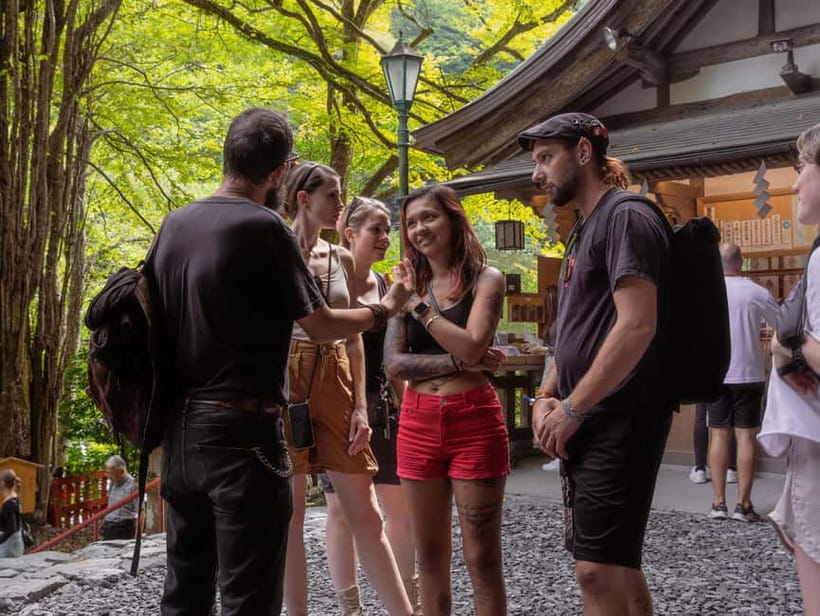
Your guide handles the transportation included in the experience and gets the walk underway after a short visit in the area. Since the tour is offered as a private or small-group outing, the pace may feel more personal than a large coach excursion. The exact balance depends on the group, but the guides have shown a willingness to stop, explain, and adjust the program.
More walks and treks around Kyoto:
- Fushimi Inari Hidden Hiking Tour (Private Option Available)
★ 5.0 · 1,750 reviews - Kyoto: 3-Hour Fushimi Inari Shrine Hidden Hiking Tour
★ 4.9 · 270 reviews - Kyoto Hiking Tour: The Nature and Legends of Kurama and Kibune
★ 5.0 · 75 reviews
Kibune Shrine and the start of the sacred trail
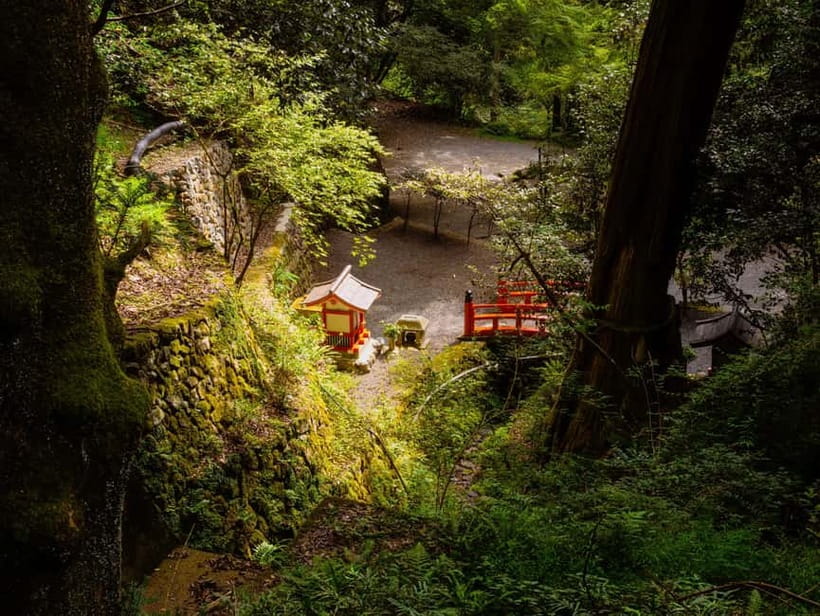
The route begins around Kibune, a small mountain settlement known for its shrine and river setting. The shrine is associated with prayers for good relationships, so you have a chance to make your own offering before heading uphill. This gives the walk a clear purpose: you are not simply climbing to a viewpoint, but moving through a place that remains important to local religious life.
I find this opening useful because it gives context to the trail ahead. You are introduced to the spiritual character of the area before the forest begins to take over. Your guide can explain the shrines, deities, customs, and legends, rather than leaving you to guess why a particular gate, stone, or building matters.
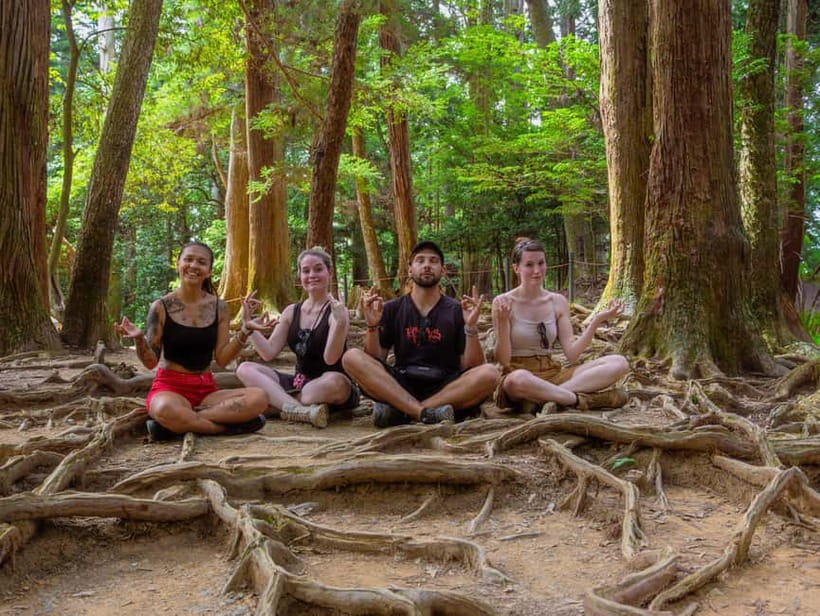
The trail itself is one of the best parts of the outing. Tall cedars shade the route, and the air becomes cooler and cleaner than in Kyoto’s center. You will want to keep your phone ready, but do not rush. Stops are built into the walk so you can catch your breath and take in the trees and valley.
The Mount Kurama climb: beautiful, but not a stroll
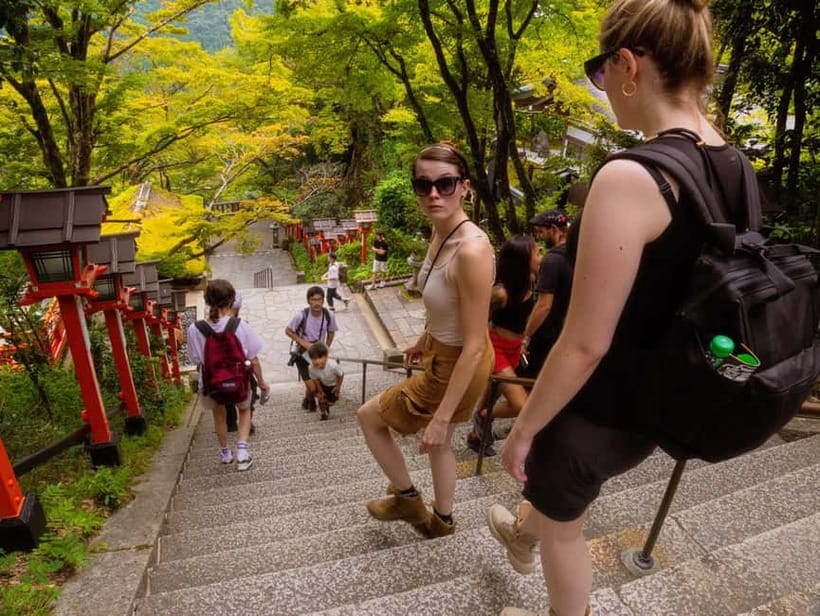
The climb to the upper temple area takes roughly 30 to 40 minutes, though your total time will depend on stops and group pace. The route includes a steady run of steps, so the phrase moderate hike should not be mistaken for an easy walk. You need a decent level of fitness and some experience with hiking.
The reviews of this experience are unusually consistent about the guides’ patience. Philippe is often singled out for explaining the temples, deities, Japanese customs, and mountain legends while allowing time to recover. Other guides, including Chris, Kevin, Salome, and Eric, have also been praised for making the walk friendly and informative.
That personal guidance matters here. The trail has spiritual features and lesser-known spots that are easy to miss if you are walking alone. One small-group outing even included a look at a crypt and maze beneath the temple area, though access to such places can depend on the day and the guide’s route.
The season changes the feel of the hike. Summer heat can make the steps much harder, so carry water and wear clothing that breathes. In winter, the forest can feel crisp and still, and light snow has occasionally added to the scenery. Spring and autumn should bring their own appeal, but the supplied information does not promise particular foliage conditions.
Long trousers are a smart choice if you want to reduce the chance of bug bites. Wear shoes with a firm sole. This is not the place for fashion footwear, loose sandals, or anything that makes stairs awkward.
Kurama Temple and the mountain’s spiritual pull
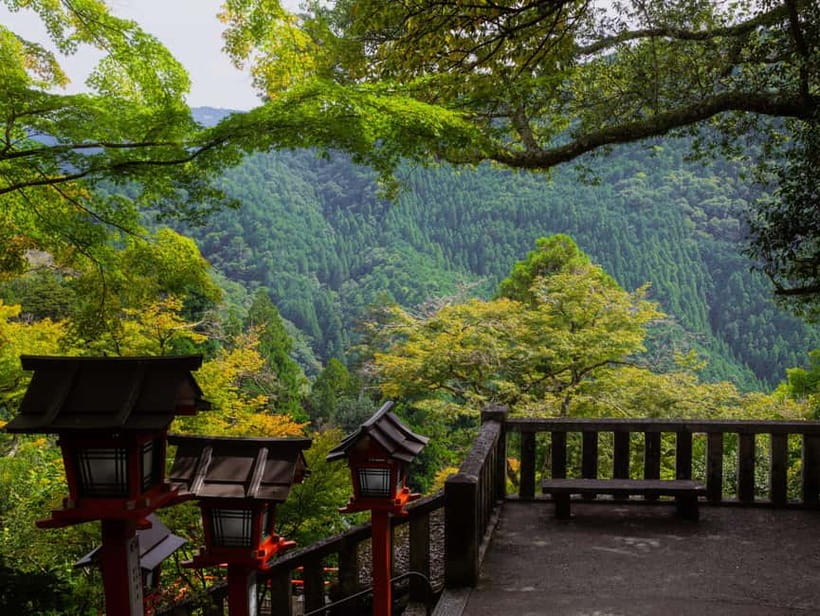
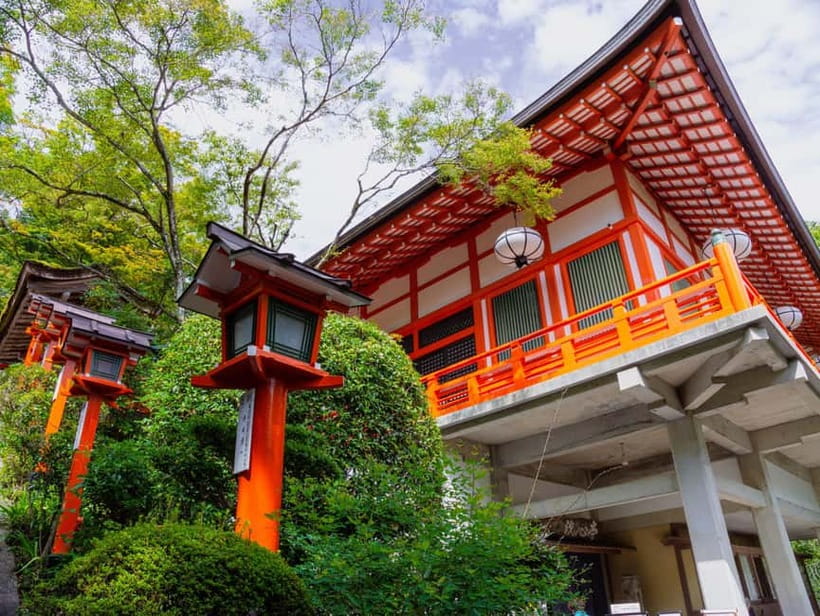
At the top, you visit Kurama Temple, with admission included in the tour price. The temple is the high point of the walk in both the physical and cultural sense. From the mountain, you can look down toward the valley, rest after the climb, and enjoy the change of pace from Kyoto’s urban sights.
Kurama is widely treated locally as a power spot, and the area has strong links with spiritual practice. One guide-led visit was particularly meaningful for a Reiki practitioner because Mount Kurama is connected with the origins of Reiki. Your guide can help explain these traditions without reducing the site to a quick photo stop.
The temple may not always look exactly as you expect. Maintenance work has at times covered parts of the building with scaffolding, limiting the view from outside. You can still enter the temple area and see other features, including a large bell higher on the hill, but construction is a reminder that historic places are working sites as well as tourist sights.
I like that the tour allows time to pause at the summit. Many organized day trips hurry from one landmark to the next. Here, the reward is partly the quiet moment after the climb, when you can breathe, look over the valley, and let the forest do its work.
More spa and hot spring stops in Kyoto:
- Guide tour of Japanese bathing culture at Funaoka Onsen
★ 5.0 · 15 reviews - From Osaka: Himeji Castle, Arima Onsen & Mt. Rokko Day Tour
★ 4.6 · 339 reviews - Osaka: Nara and Uji Day Trip with Deer Park and Hot Spring
★ 4.4 · 302 reviews - From Tokyo: Private Tour to Fuji/Hakone – Onsen, Art, Nature
★ 5.0 · 116 reviews
Descending to Kurama village
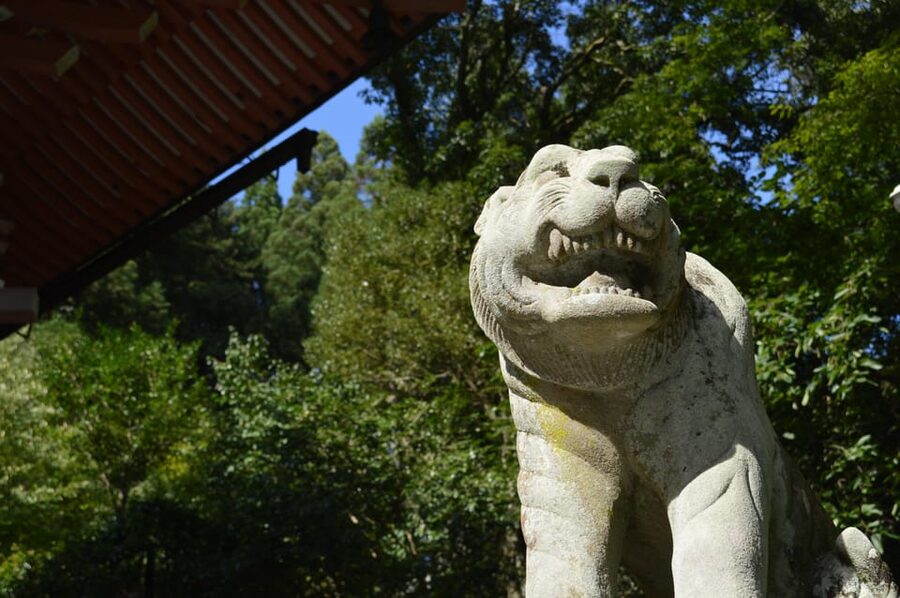
After the temple visit, you walk down toward the small village of Kurama. The descent is easier on your lungs but can still be demanding on knees, especially after the steps on the way up. Take care on uneven sections and do not assume the return is effortless.
Kurama village is where the formal guided portion ends. Your guide will explain your choices, which can include a late lunch, a stroll through the village, a visit to the hot spring, or the train back toward Kyoto. This open ending is useful because different people will want different finishes after a mountain walk.
Lunch is not included, and the available time may be limited by the four-hour schedule. If food is important to you, ask the guide early how much time you will have. The area has restaurants by the river, giving you a pleasant place to rest, but the tour does not promise a meal or reserve one for you.
Transportation back to the original meeting point is also not included. You will need to pay for your return train separately. That is not a serious flaw, but it belongs in your budget and schedule.
The Kurama hot spring: the best optional finale
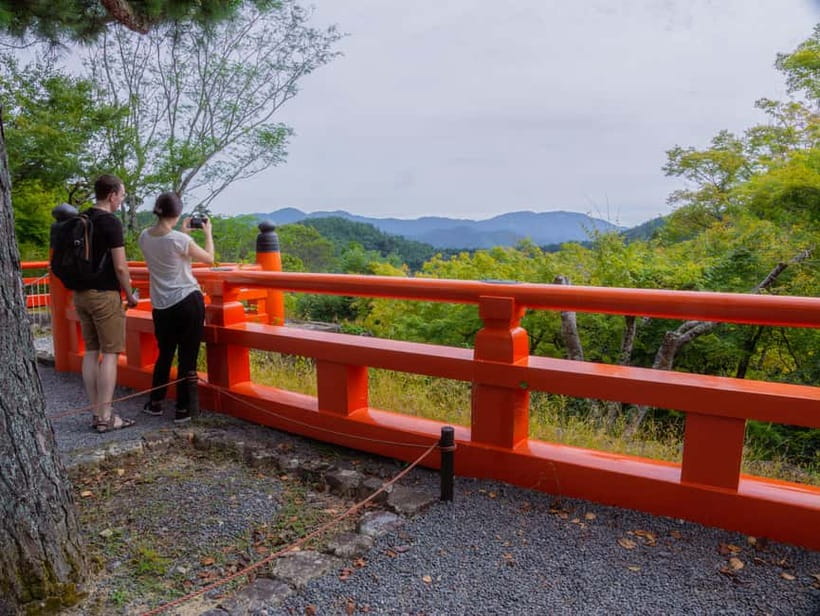
The Kurama Hot Spring is the natural finish for many people. The bath is known for an outdoor setting with mountain views, and the warm water can feel wonderful after the climb. The hot spring fee is extra, though the guide may offer a specially discounted ticket.
One important detail: the bath is an option after the guided walk, not part of the included tour price. Bring enough time and money if you want to use it. A hot spring visit also requires comfort with Japanese bathing customs, but the supplied activity details do not spell out the facility’s current rules, so ask your guide for practical instructions on the day.
I would choose the onsen if your schedule allows. It changes the outing from a hike followed by a train ride into a proper mountain day. Still, you should not feel pressured to add it. A late lunch and a slow village walk may suit you better, especially if you are tired or prefer to return to Kyoto promptly.
What the $80 price really covers
At $80 per person, the price includes the guide fee, temple admission, and transportation connected with the tour. Lunch, the hot spring, and transportation back to the meeting point are separate. The value depends heavily on how much you want from a guide.
If you only want to walk through the forest and visit Kurama Temple, you could likely plan the basic outing yourself. The extra cost buys structure and interpretation: someone who knows where to stop, explains the religious details, manages the mountain transport, and helps you choose what to do in Kurama.
That value is strongest in a private or small group. Philippe has been praised for adapting the walk, taking time with questions, and finding quiet or unusual places. Another guide customized the route when the party turned out to be very small. If you care about cultural explanation and a relaxed pace, the fee is easier to justify.
The tour also saves you the trouble of working out how Kibune, the trail, Kurama Temple, and the village fit together. You still need to budget for lunch, the return train, and the onsen if you choose it. Think of $80 as the cost of a guided mountain experience, not an all-inclusive day out.
Who should book this Kurama outing
I would recommend it to you if you have already seen Kyoto’s central temples and want a change of setting. It suits people who enjoy walking, Japanese religious history, forest scenery, and conversations with a local guide. It also works well for visitors who want a half-day activity instead of committing to a full mountain excursion.
You should be comfortable with sustained steps and uneven trail conditions. The experience is not suitable for wheelchair users, people with mobility impairments, children under 11, or people without hiking experience. Even fit walkers should respect the summer heat and bring water.
Small groups and private bookings are the strongest choice if you want to ask many questions or adjust the pace. English and French guiding is available. Guide quality can vary from one departure to another, but the most praised guides have been Philippe and Chris, along with Kevin, Salome, and Eric.
The main concern is that the activity is not perfectly controlled from start to finish. Weather, maintenance work, heat, and the group’s fitness can affect the day. One poor experience involved an inattentive guide, smoking on the trail, and drinking before the tour ended. That appears to be an exception among the supplied feedback, but it is fair to say that your guide has a large effect on the experience.
Practical tips for a smoother half-day
Wear comfortable shoes with good grip and choose long trousers if insects bother you. Carry water from the start, since the climb is short in distance but demanding in steps.
Ask about the end time if you want lunch or the hot spring. The four-hour duration covers the main guided outing, while the village choices can extend your day.
Keep some flexibility for the temple. Scaffolding or maintenance may affect what you can see, but the mountain setting, trail, bell, and surrounding sacred sites still give the visit value.
If you plan to use the onsen, bring what you need for that stop or ask the guide what the facility provides. The bath fee is not included, so keep extra cash or another accepted payment method available.
Should you book it?
Book this experience if you want a guided nature and culture break from central Kyoto, and you are ready for a real climb. The train ride, cedar forest, Kurama Temple, Kibune Shrine, and optional onsen create a satisfying half-day with several different moods.
Skip it if stairs are a problem, you dislike organized pacing, or you only want a quick temple visit. For capable walkers, the $80 price is reasonable because the guide adds local context and route knowledge that can be hard to find on your own. Add the hot spring if you want the most relaxing finish, but treat lunch and the return train as extra costs.
FAQ
How long does the Kurama hike tour last?
The guided experience lasts four hours. The exact starting time depends on availability, and time spent in Kurama village after the tour can extend your day.
Where does the tour meet?
The meeting point is Demachiyanagi Station exit 7, in front of the Eizan railway in Kyoto.
What does the $80 price include?
The price includes the guide fee, temple admission, and transportation included in the tour. Lunch, the hot spring fee, and transportation back to the meeting point are not included.
Is the hot spring included?
No. The Kurama Hot Spring is optional and costs extra. A special discounted bathing ticket may be available through the guide.
How difficult is the hike?
The hike requires a decent level of fitness. Climbing the steps to the mountaintop takes about 30 to 40 minutes, and the route is not suitable for people without hiking experience.
What should I bring?
Bring comfortable shoes and water. Long trousers are recommended if you want to help avoid bug bites.
What languages are available?
The tour is offered with live guides in English or French. Private and small-group options are available.
Just added around Kyoto
- Kyoto: Zen Meditation at a Private Temple with a Monk★ 5.0 · 25 reviews
- Kyoto: Gion Geisha District & Sake-in-Hand Walking Tour★ 5.0 · 37 reviews
- Private Pewter Sake Cup Experience with a Kyoto Artisan★ 5.0 · 31 reviews
- Your Private Vacation Photography Session In Kyoto★ 5.0 · 110 reviews
- Private Guided Traditional Buddhist Cooking in Japan★ 5.0 · 16 reviews
- Kyoto Wagashi(Japanese sweets) Cooking Class near Fushimiinari★ 5.0 · 60 reviews
- Traditional Japanese Music show & Experience Tour in Kyoto★ 5.0 · 57 reviews
- Kyoto:Family-Friendly Kimono & Yukata Experience at WARGO★ 5.0 · 147 reviews
Kyoto Tours, compared.


Fushimi Inari, Kinkakuji, Bamboo Grove 1 Day Bus Tour
Read our review →
Tea Ceremony in a Traditional Tea House in Kiyomizu
Read our review →
Kyoto Geisha Walking Tour: Gion District & Hidden Gems
Read our review →

Gion Magical Night Walking Tour with Geisha Trivia
Read our review →

Gion Geisha District Walking Tour – Stories of Geisha
Read our review →Browse the lists this tour appears in