
Reviewed · KYOTO TOURS
Kyoto: Traditional Tea Ceremony with Matcha & Sweets in Gion
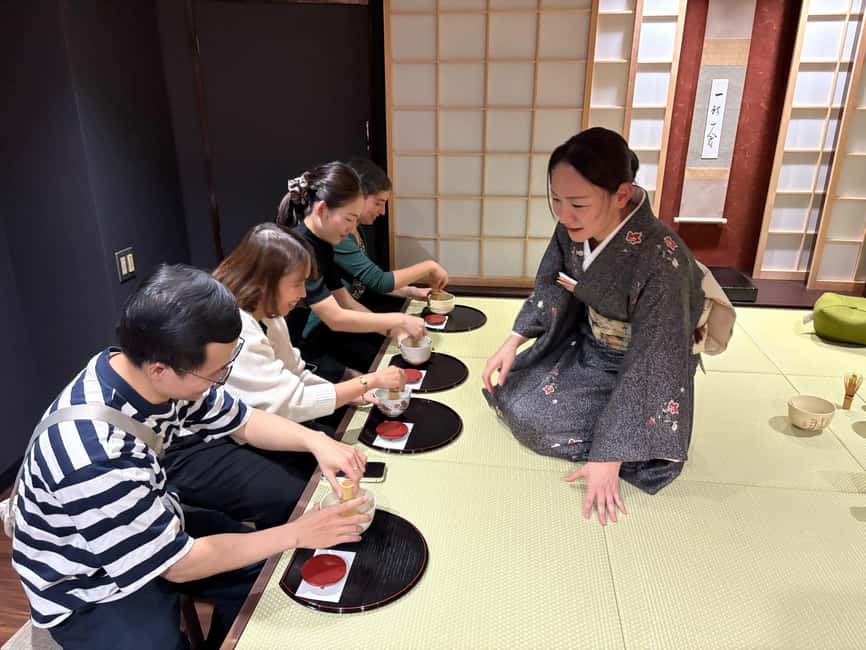
The best part of this Gion tea ceremony is that you do not have to sit stiffly on the floor to enjoy it. You watch a tea master prepare matcha up close, then make your own bowl in a chair-seated setting that feels calm and welcoming rather than severe.
I like two things in particular: the chance to taste sweets from long-established Japanese confectioners, and the practical recipe you can take home. Host Mai has been praised for her warm explanations and clear guidance. The main consideration is timing: depending on the option you choose, the session lasts from one hour to 150 minutes, and the kimono package has fixed tea ceremony times.
Key points at a glance
- Chair seating in Gion: You can enjoy the ceremony without kneeling on tatami.
- A real demonstration: Watch refined tea-making techniques performed close by a tea master.
- Hands-on matcha: Whisk your own bowl using tea sourced from a family-run local farm.
- Sweets with a purpose: Traditional Japanese confections are served as part of the tea ritual.
- Friendly English guidance: Learn about tea, Zen ideas, ceremony customs, and everyday matcha.
- Useful for first-timers: The mood is casual, and a Q&A gives you room to ask basic questions.
A gentle introduction to tea in historic Gion
Gion is a natural setting for this activity. Kyoto’s best-known traditional district is associated with wooden townhouses, tea culture, and old customs, so the subject fits the surroundings. Still, this is not a full walking tour of Gion. The focus stays indoors, in a quiet space where you can give your attention to the tea.
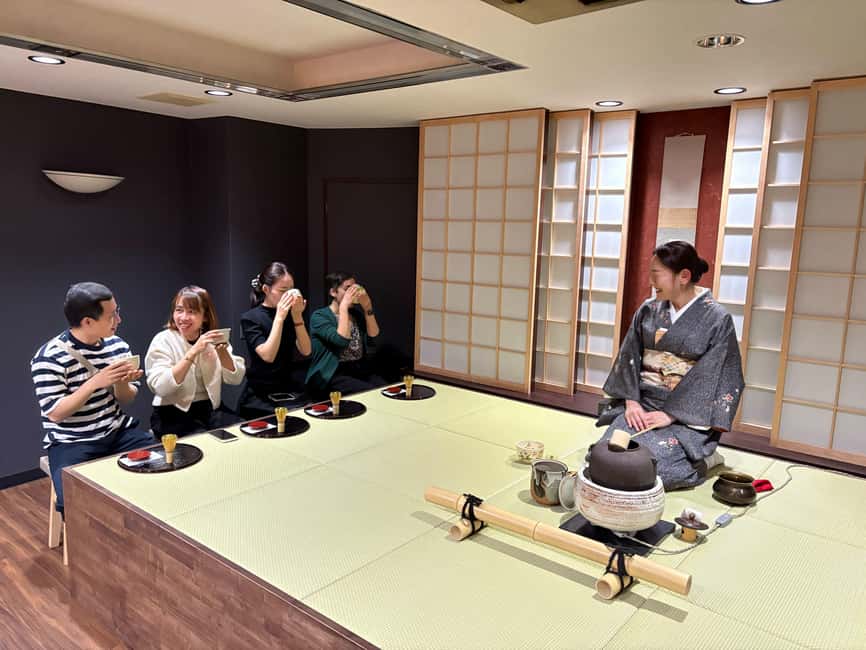
You begin by settling into a chair. That small detail matters. A traditional tea ceremony can require long periods of kneeling, which may distract you from the details or make the event uncomfortable. Here, the format opens the door to people with limited mobility, tired legs, or simply no desire to test their posture after a full day of sightseeing.
The atmosphere is deliberately relaxed. You will learn about the centuries-old practice of matcha, but you are not expected to know the rules before arriving. The aim is to explain the beauty of the ceremony without turning it into a test of manners.
That makes this a good choice if you want cultural context but prefer a plain spoken introduction. You can ask questions, watch closely, and take part without worrying about making a serious mistake.
More Tea Ceremonies in Kyoto
- Kyoto: Tea Ceremony in a Traditional Tea House in Kiyomizu
★ 4.9 · 3,519 reviews - Kyoto: Tea Ceremony Ju-An at Jotokuji Temple
★ 4.9 · 3,207 reviews - Kyoto: 45-Minute Tea Ceremony Lesson Experience
★ 4.3 · 2,378 reviews
Watching the tea master work
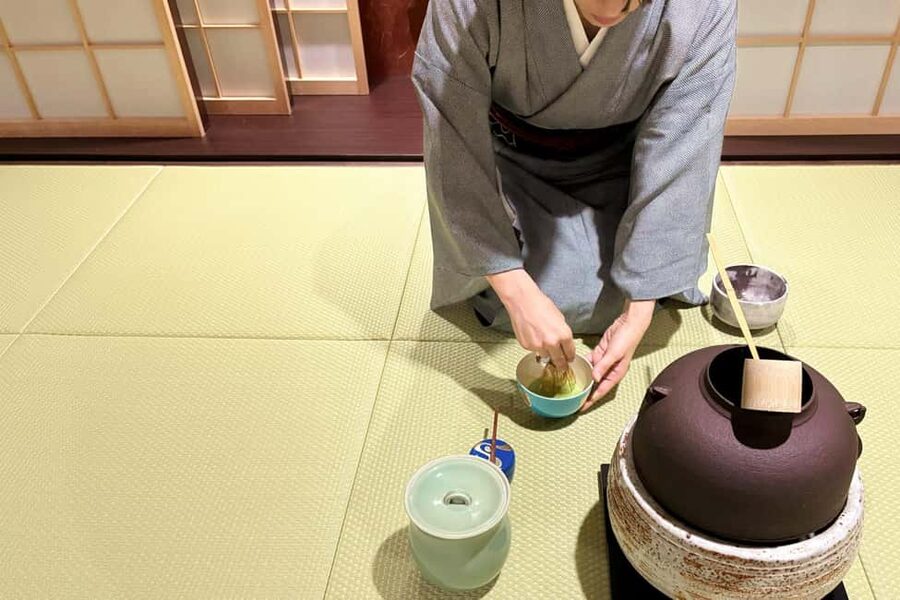
The first main part is observation. A tea master demonstrates the ceremony and prepares matcha using careful, measured movements. You get to see the details that can be missed in a crowded demonstration: the handling of the bowl, the rhythm of whisking, and the quiet order of the preparation.
The ceremony is not presented as a theatrical show. Its appeal is in the small gestures and the calm pace. You learn how Japanese tea culture connects with Zen ideas, hospitality, attention, and respect for the moment. The explanation gives those movements meaning instead of leaving you to guess why each step matters.
The English instruction is a real help here. You are not simply watching an unfamiliar custom in silence. The tea master explains the background and techniques, then leaves room for questions. One host named Mai has received particular praise for being approachable, warm, and clear in her explanations.
Do not expect an advanced study of every tea school or a long academic lecture. This is an introduction. If you already practice chanoyu or have attended formal ceremonies, you may find the material basic. For most first-time visitors to a tea ceremony, that is a benefit rather than a problem.
Traditional sweets before your own bowl of matcha
Japanese sweets are not just a side snack here. They help you understand how the tea ceremony balances flavors. Carefully selected confections from long-established Japanese makers are served before the matcha you prepare yourself.
The sweetness works with the bitter, grassy taste of matcha. That contrast is part of the pleasure, and it gives you a better sense of why sweets belong in the ceremony. You are not merely sampling a dessert and then drinking tea. You are learning how the two are meant to support each other.
The exact sweets are not specified in advance, so you should not book this expecting a particular pastry or seasonal shape. The selection is chosen by the tea master, which means the offering may vary. That is a small uncertainty, but it also keeps the tasting tied to the ceremony rather than a fixed tourist menu.
If you have a strong sweet tooth, the portions may feel modest. The purpose is taste and balance, not a full snack. Plan to eat before or after if you need a substantial meal.
Making matcha with tea from a family farm
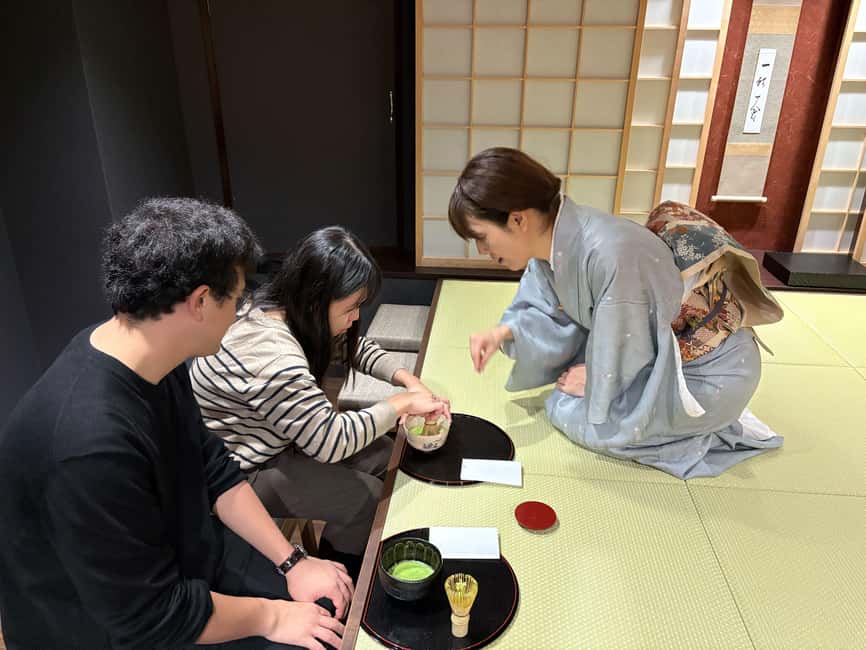
The hands-on part gives the activity its practical edge. After watching the tea master, you make your own bowl of matcha with powder sourced directly from a family-run tea farm.
This is where you move from watching to doing. You receive guidance on the basic method, including how to mix the powder into a smooth, frothy drink. A previous participant described learning how to mix quality matcha into bubbles, which captures the simple satisfaction of getting the texture right.
Matcha can look easy until you try it. The powder clumps, the whisking takes a little rhythm, and the final drink can taste too strong if the balance is off. Having the tea master guide you means you can correct your method instead of simply drinking a bowl and wondering what happened.
You also get the chance to compare your own result with the tea prepared during the ceremony. The point is not to produce a perfect bowl on the first attempt. It is to understand the process well enough to repeat it at home.
That repeatability is one of the strongest features of the session. You receive a simple matcha recipe for everyday use, so the activity does not end when you leave Gion. You can try the drink again after your trip, using the basic method rather than treating matcha as something available only in Kyoto.
Same base, a completely different sort of day:
- PERFECT KYOTO 1-Day Bus Tour
★ 5.0 · 13,518 reviews - Kyoto: Fushimi Inari, Kinkakuji, Bamboo Grove 1 Day Bus Tour
★ 4.8 · 4,316 reviews - Kyoto Geisha Walking Tour: Gion District & Hidden Gems
★ 4.7 · 3,273 reviews - Kyoto: Gion Magical Night Walking Tour with Geisha Trivia
★ 4.9 · 2,393 reviews
A question-and-answer session that keeps things human
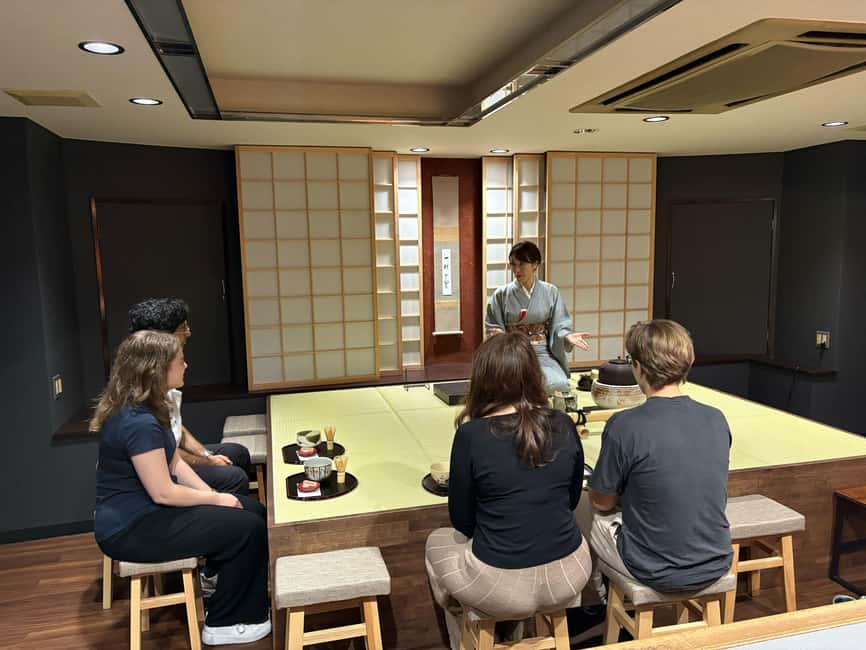
The closing Q&A is useful because tea ceremonies raise many small questions. You might want to know why the bowl is handled in a certain way, how matcha differs from ordinary green tea, or how formal the customs really are.
The supplied information does not promise a private question period, so the amount of time and personal attention may depend on the group. A small-group option is available, which should appeal to you if conversation and direct instruction matter more than the lowest possible price.
The tone is casual and friendly, not strict. That distinction is important. Some formal ceremonies ask you to follow a set of customs with little explanation. This activity explains the ideas behind the customs and lets you enjoy the setting without feeling watched for every small error.
I would still approach the ceremony with respect. The relaxed format does not mean the tradition is being treated as a novelty. It means the host is helping you understand it in a way that works for an international audience.
Is $22 a fair price?
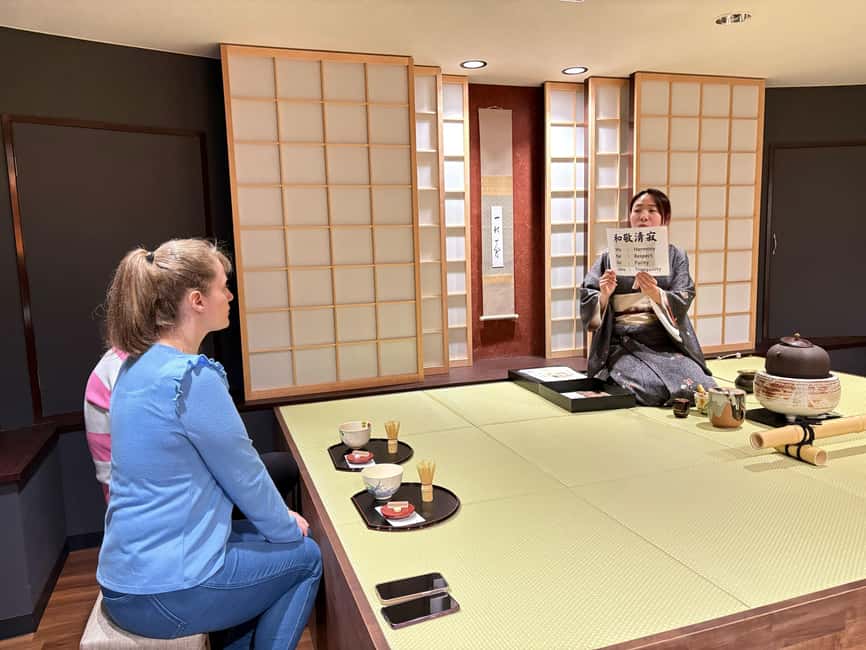
At $22 per person, this is a modestly priced cultural activity for Kyoto. The value comes from several pieces working together: an English-led explanation, a tea master demonstration, traditional sweets, your own bowl of matcha, and a recipe to use later.
A cheaper cup of matcha is easy to find. That is not really the comparison. The useful question is whether you want to learn what you are drinking and how the ceremony works. If so, the hands-on instruction gives this more value than a simple café stop.
The price is also reasonable for a short activity that fits neatly into a day of Gion sightseeing. You do not need to give up half a day unless you select an option toward the 150-minute end of the duration range. Check the exact option and start time before paying, since the activity is listed as lasting from one hour to 150 minutes.
A small group may cost more than a large, fast-moving demonstration if the options differ in price, but it can make the explanations easier to follow. If personal questions are important to you, choose the small-group option when available.
Choosing the kimono option
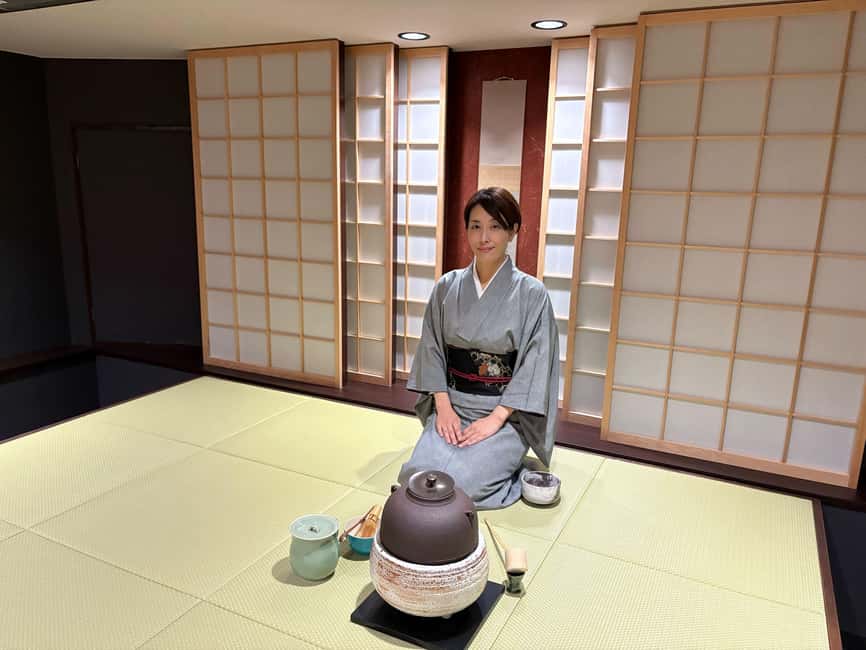
A kimono option is available, but it adds a separate set of timing rules. You first go to the Kimono Rental wargo Gion store, change there, and then walk to the tea ceremony meeting point. You are asked to arrive at the meeting point 10 minutes before the ceremony begins.
Your tea ceremony time is tied to the kimono start time:
- A kimono start at 11:00 leads to the 12:30 tea ceremony.
- A kimono start at 12:00 leads to the 14:00 tea ceremony.
- A kimono start at 14:00 leads to the 15:30 tea ceremony.
After the activity, the kimono must be returned by 5:30 p.m. This makes the package less flexible than the tea ceremony alone. Build the rest of your Gion plans around the fixed schedule, and leave enough time for changing, walking, and returning the outfit.
The meeting point can vary by option. For the kimono package, the supplied directions identify the Kimono Rental wargo Gion store on the fifth floor, with the tea ceremony location a few minutes away. Check your booking details carefully rather than assuming every option begins at the same place.
Wearing a kimono can add visual charm to the occasion, especially if you want photographs in Gion. It can also make walking and sitting more tiring, even with chair seating. Choose it because you want the clothing experience, not because it is required for the tea ceremony.
Who will enjoy this most?
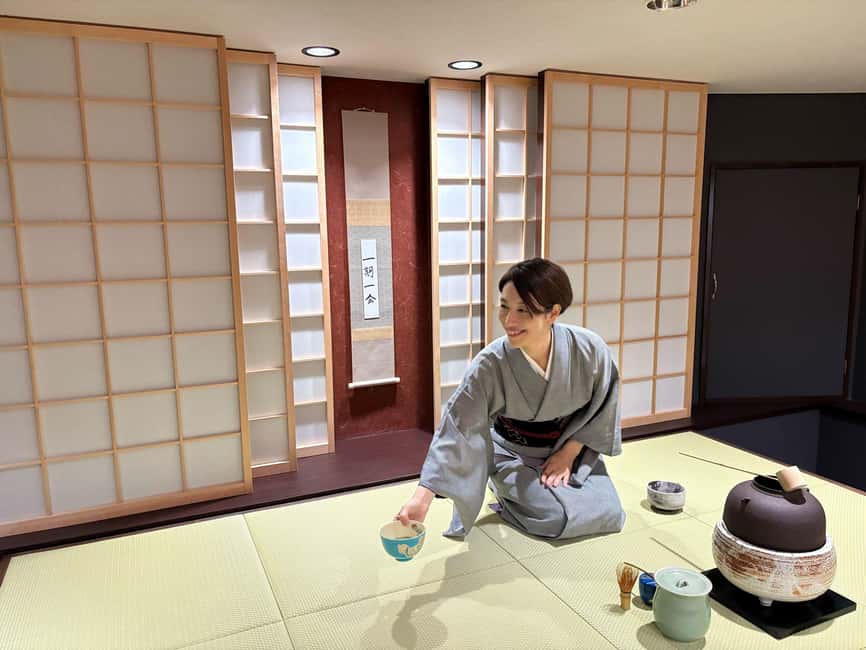
I would recommend this for a first visit to Kyoto, especially if you want one focused cultural activity rather than a packed day of sights. It gives you a clear look at tea customs and lets you participate without needing prior knowledge.
It suits couples, families with older children, and solo visitors who like guided activities with room for questions. The chair format is a strong advantage for anyone who finds floor seating difficult.
The experience may also work well as a slower break between Gion walks and temple visits. Tea, sweets, and a quiet room offer a change of pace from Kyoto’s busy streets.
Children need a little thought. Infants and toddlers are free, but they do not receive their own matcha to prepare. If they want to try, they must use a parent or guardian’s cup. Matcha contains a high level of caffeine, and it is not recommended for children under five.
If you dislike tea, the session may not be the best use of your time. The historical explanation and sweets add interest, but matcha remains the central subject. You should also consider the duration if you have a tight sightseeing schedule.
What I would know before booking
First, check the meeting point for the exact option you select. The location may vary, and the kimono package has its own starting point and walking instructions.
Second, confirm the duration and starting time. The activity can last from one hour to 150 minutes, so do not assume every departure follows the same pattern.
Third, decide if you want a relaxed introduction or a highly formal ceremony. This experience favors comfort, explanation, and participation. That is excellent for most people, but someone seeking a strict, traditional format may want a different style of ceremony.
Finally, think about caffeine. Matcha is not just a decorative green drink. It can be potent, and young children should not have it according to the supplied guidance.
Free cancellation is available up to 24 hours before the activity for a full refund. You can also reserve now and pay later, which helps if your Kyoto schedule is still changing.
My verdict on this Gion tea ceremony
I would book it if you want a friendly, practical introduction to Japanese tea culture. The chair seating, English guidance, sweets, and hands-on whisking make the ceremony approachable without stripping away its quiet character.
The $22 price is fair because you get more than a drink. You see the technique, learn why the customs matter, taste traditional sweets, make your own matcha, and leave with a recipe. The strongest part is the balance between respect for tradition and comfort for beginners.
Skip it if you want a long, highly formal ceremony, a full meal, or a flexible drop-in activity with no fixed timing. For everyone else, particularly first-time visitors to Kyoto, this is a thoughtful way to spend an hour or two in Gion.
FAQ
Where does the tea ceremony take place?
The experience takes place in Kyoto’s historic Gion district. The exact meeting point may vary depending on the option you book.
How long does the activity last?
The listed duration ranges from one hour to 150 minutes. Check the available options for the exact length and starting time.
Is the tea ceremony conducted in English?
Yes. English instruction is provided.
Do I have to sit on the floor?
No. The ceremony uses chairs instead of floor seating, making it easier for people who prefer not to sit on tatami or who have limited mobility.
What is included in the experience?
You receive matcha made with powder from a local family-run tea farm, guidance from a tea master, an explanation of tea history, a simple matcha recipe, and traditional Japanese sweets selected for the ceremony.
Can children take part?
Infants and toddlers are free. If they want to try making tea, they must use a parent or guardian’s cup and will not receive their own matcha. Matcha is not recommended for children under five because it is high in caffeine.
What happens with the kimono option?
You first go to the Kimono Rental wargo Gion store, change into the kimono, and walk to the tea ceremony meeting point. The ceremony time is fixed according to your selected kimono start time, and the kimono must be returned by 5:30 p.m.
Can I cancel or pay later?
You can cancel up to 24 hours in advance for a full refund. A reserve-now, pay-later option is also available.
More Dessert Tours in Kyoto
- Kyoto: Japanese Traditional Sweets Making and Tea Ceremony
★ 4.4 · 314 reviews - Kyoto Wagashi(Japanese sweets) Cooking Class near Fushimiinari
★ 5.0 · 60 reviews - Kyoto: Wagashi (Japanese sweets) Cooking near Fushimiinari
★ 5.0 · 40 reviews - Japanese Traditional Sweets ”Nerikiri” making
★ 4.3 · 17 reviews
More Geisha Experiences
- Kyoto: Gion Geisha District Walking Tour – Stories of Geisha
★ 4.7 · 2,187 reviews - Best of Kyoto: Gion, Geisha, Pagodas & Cobblestones
★ 4.9 · 2,058 reviews - Night Walk in Gion: Kyoto’s Geisha District
★ 4.5 · 2,003 reviews - Kyoto Night Foodie Tour in Gion (9+ dishes + 6 Sake tastings)
★ 5.0 · 1,762 reviews
Just added around Kyoto
- Kyoto: Zen Meditation at a Private Temple with a Monk★ 5.0 · 25 reviews
- Kyoto: Gion Geisha District & Sake-in-Hand Walking Tour★ 5.0 · 37 reviews
- Private Pewter Sake Cup Experience with a Kyoto Artisan★ 5.0 · 31 reviews
- Your Private Vacation Photography Session In Kyoto★ 5.0 · 110 reviews
- Private Guided Traditional Buddhist Cooking in Japan★ 5.0 · 16 reviews
- Kyoto Wagashi(Japanese sweets) Cooking Class near Fushimiinari★ 5.0 · 60 reviews
- Traditional Japanese Music show & Experience Tour in Kyoto★ 5.0 · 57 reviews
- Kyoto:Family-Friendly Kimono & Yukata Experience at WARGO★ 5.0 · 147 reviews
Kyoto Tours, compared.


Fushimi Inari, Kinkakuji, Bamboo Grove 1 Day Bus Tour
Read our review →
Tea Ceremony in a Traditional Tea House in Kiyomizu
Read our review →
Kyoto Geisha Walking Tour: Gion District & Hidden Gems
Read our review →

Gion Magical Night Walking Tour with Geisha Trivia
Read our review →

Gion Geisha District Walking Tour – Stories of Geisha
Read our review →Browse the lists this tour appears in