
Reviewed · HIROSHIMA TOURS
Hiroshima Private Walking Tour with a Local
Hiroshima’s best feature is not a fixed route. It is the chance to shape a walk around what you need, whether that means peace history, Japanese customs, local food, transport advice, or a gentle first look at the city. Your host may be Nora, Shinichi, Clara, Aimee-Linh, or another Lokafyer, and each brings a different point of view.
I like the private format, since your group can set the pace and ask direct questions. I also like the practical side: hosts can suggest restaurants, explain how to get around, and help you get oriented on your first day.
The main caution is simple: this is not a formal historian-led tour. Some hosts have strong subject knowledge, while others are international residents with limited background in Hiroshima’s past. If detailed historical interpretation is your main goal, you may want a specialist guide instead.
Key points to know before booking
- The route is built around you: Choose interests such as Hiroshima’s peace sites, food, culture, shopping, or everyday life.
- The walk lasts two to six hours: A short session gives you an overview, while a longer booking allows more time for conversation and paid attractions.
- The Peace Memorial Museum is the listed meeting point: Your tour can end elsewhere in Hiroshima if arranged ahead of time.
- Your host is a local resident, not necessarily Japanese-born: This can offer a fresh perspective, but guide quality and historical knowledge vary.
- Paid attractions, food, and transport cost extra: If you enter a museum or other attraction, you must cover your own admission and your host’s admission.
- The experience suits private groups: Children under three are free, service animals are allowed, and most people can take part.
A flexible first look at Hiroshima
This experience is built around conversation rather than a memorized script. You speak with the company before the walk, sharing your interests, preferred start time, meeting place, and useful details about your group. The host then shapes a private route.
That makes this a good match for you if you want help finding your feet in Hiroshima. You can ask where to eat, how transport works, which areas fit your schedule, or how to understand local customs. It feels less like ticking off sights and more like spending time with a well-placed local contact.
The format also allows you to set the pace. A family with teenagers may want extra explanation and short walking stretches. A couple with only one afternoon may prefer a quick orientation. A guest with mobility concerns can tell the host in advance and ask for a more manageable plan.
The tradeoff is that the experience has no standard sightseeing itinerary. You are not guaranteed a set list of major sites, and the depth of explanation depends on the person assigned to you. That lack of uniformity is part of the charm, but it is also the biggest risk.
More walking tours in Hiroshima:
- Hiroshima Historical Walking Tour – Why A-Bomb was Dropped
★ 4.8 · 893 reviews - Hiroshima Peace (Heiwa) Walking Tour at World Heritage Sites
★ 5.0 · 872 reviews - Hiroshima City 4hr Private Walking Tour with Licensed Guide
★ 5.0 · 437 reviews
Starting near the Peace Memorial Museum
The listed starting point is outside the Hiroshima Peace Memorial Museum at 1-2 Nakajimacho, in Naka Ward. This puts you in the heart of the city’s most important area for understanding Hiroshima.
If the museum is central to your plans, be clear about how much time you want inside. A two-hour walking tour leaves little room for a serious museum visit, especially if you want to read the displays carefully. One person who had limited time felt the museum needed more attention than the schedule allowed.
I would treat the meeting point as a useful starting landmark, not proof that the museum visit is included. Entrance fees are not part of the price. If you and your host enter a paid attraction, you pay both your own admission and the Lokafyer’s admission.
The museum itself can be emotionally demanding. A host may help give context before or after your visit, but you should not expect this walking experience to replace the museum’s detailed exhibits. Plan your timing with care, especially if Hiroshima is a short stop on a larger Japan trip.
What the custom route may include
There is no single stop-by-stop plan. Your route depends on the time you book and the interests you share beforehand.
You might focus on the Peace Memorial area and use the walk to connect the memorial sites with modern daily life in Hiroshima. You might ask for neighborhood suggestions, food advice, Japanese philosophy, local traditions, or help planning the rest of your stay. You can also ask to include a paid attraction, provided you cover the admission costs.
Some hosts have shown a range of nearby sights beyond the Peace Museum. Others have helped arrange a restaurant visit, walking with the group to a local place and assisting with ordering before the tour ended. That kind of practical help can be worth more than another standard photo stop.
One host, Nora, was praised for her work as an English and philosophy teacher and tea master. She has been able to discuss Japanese customs and difficult parts of Hiroshima’s story with families and teenagers in a patient, personal way. That is the sort of host who can turn a basic orientation into a memorable cultural conversation.
Other positive experiences came from hosts such as Shinichi, Clara, Aimee-Linh, and Saul. Shinichi was valued for showing places that a normal sightseeing company might skip. Clara adjusted the route to suit the group and offered restaurant help. Aimee-Linh paid close attention to a guest with mobility issues. Saul organized a personalized visit connected with Miyajima.
These examples also show why you should state your priorities clearly. If you want a history-focused walk, say so. If you want food, tea, family activities, or a slower pace, say that instead. The more precise you are before the tour, the better chance you have of being paired with a suitable host.
Hiroshima’s history needs the right guide
Hiroshima is not a city where a few dates and names are enough. The Peace Memorial Museum and surrounding sites call for care, accuracy, and sensitivity.
The company describes its hosts as people who offer a general city view and practical information from a local perspective. They are not required to be professional guides or specialists in Hiroshima’s history. Some have a strong background in history or Japanese culture. Others may simply have lived in Hiroshima for a limited period.
That distinction matters. A charming host can still be a poor fit if you expect a detailed account of the atomic bombing, postwar recovery, or the city’s political history. Two dissatisfied guests were paired with pleasant hosts who had little information about Hiroshima’s past. One host turned to Google for answers, while another had lived in the city for only two years.
I would not book this experience expecting a polished lecture. Instead, think of it as a private introduction led by someone who can help you understand how the city feels and functions today. You may get excellent historical context, as happened with hosts who taught history or Japanese philosophy, but that outcome is not guaranteed.
When booking, write a direct request such as: I want a host with strong knowledge of Hiroshima’s peace history and the museum area. Also mention whether you need English, Spanish, or another language. The service operates with a broad international host community, so your guide may be a long-term resident rather than a native of Hiroshima or Japan.
A few more Hiroshima half-days to weigh up
- Peaceful Hiroshima & Miyajima UNESCO 1 Day Bus Tour
★ 5.0 · 5,309 reviews - Hiroshima: Hiroshima and Miyajima UNESCO Sites 1-Day Tour
★ 4.9 · 2,330 reviews - Hiroshima / Miyajima Full-day Private Tour with Government Licensed Guide
★ 5.0 · 1,298 reviews - Hiroshima in a Nutshell: Morning Bike Adventure
★ 5.0 · 524 reviews
Why the private format can be worth $55
The listed cost is $55 per person, with group discounts available. For a private two-hour walk, that is not the cheapest way to see Hiroshima. You are paying for planning, personal attention, and the ability to shape the conversation, not for a long list of included admissions or transport.
The value improves when your group uses the host well. Ask for help with the rest of your stay. Get restaurant recommendations that fit your budget. Request advice on transport. Discuss which attractions deserve your limited time. A host who helps you order at a local restaurant or adjusts the walk for mobility needs is providing more than basic directions.
The six-hour option can offer better value if you want a fuller introduction and have several interests. Still, remember that this remains a walking tour. Food, drinks, entrance fees, and transport to attractions are not included. A plan involving distant sites or Miyajima can create extra costs and may require careful timing.
For a solo guest, the per-person price may feel high. For a family or small private group, the personal format and group discount can make more sense. Children under three are free, and children must be accompanied by an adult.
A guide who feels like a friend, with limits
The tone is deliberately informal. You are encouraged to speak with your host before the tour and share what interests you. During the walk, the best moments may come from questions and back-and-forth conversation rather than from formal commentary.
That style worked especially well for families. Nora, for example, was able to explain difficult subjects to teenagers with patience and warmth. Other hosts helped people feel comfortable on their first day in Japan by explaining customs and everyday details.
I like this approach when you want cultural context without a rigid script. You can ask why a custom matters, how a restaurant works, or what local life is like. You can also change direction if a topic catches your attention.
But a friendly conversation is not the same as expert guiding. One international resident may offer a useful outsider’s view of Hiroshima, while another may have little to add about its past. A host’s nationality alone does not tell you how good the tour will be. Ask for the experience you want, then judge the service on its stated purpose: a general, personal view of the city.
Hiroshima walking conditions and practical planning
Wear comfortable shoes. The tour operates in all weather, so you need clothing suited to the forecast. There is no vehicle or included transport, and you should not assume that every attraction can fit easily into the walking time.
Tell the company about mobility concerns before the day. Aimee-Linh received special praise for checking that a guest with mobility issues was comfortable throughout the walk. That does not guarantee a particular route, but it shows why advance information matters.
The experience is near public transportation, and most people can participate. Service animals are allowed. Since the tour is private, your group does not have to match another party’s pace or interests.
The end point is flexible. The listed ending is Hiroshima, but the tour may finish elsewhere in the city unless you request a specific location. This can be useful if you want to end near a restaurant or another planned activity. Confirm the final point ahead of time if you have a train, reservation, or timed admission afterward.
Can Miyajima be part of the plan?
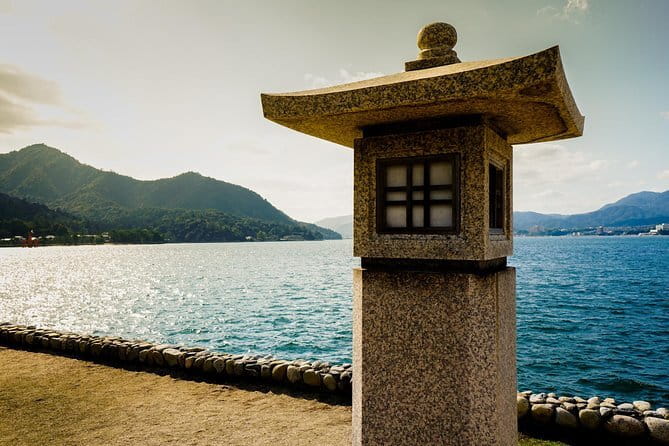
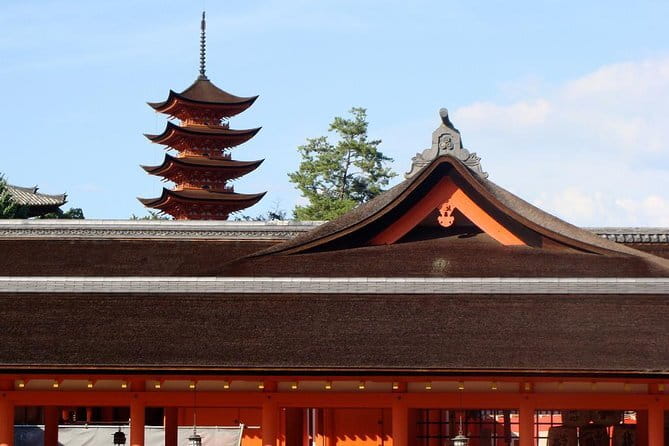
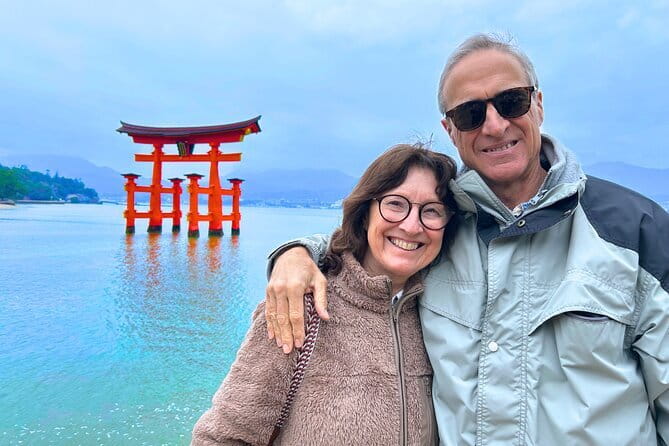
One personalized experience included Miyajima, the island known for the floating Torii gate and Itsukushima Shrine. The group also visited Momijidani Park and rode the cable car toward Mount Misen for wide views.
That sounds appealing, but it should not be treated as a normal part of this walking tour. The official format provides no transportation, and transport to attractions is not included. Miyajima requires extra planning, travel time, and likely separate costs. The Torii gate can also be affected by restoration work, as happened during one visit.
If Miyajima is your priority, ask about it before booking and confirm how the tour length, transport, and admission costs will work. For a short two-hour booking, it may be a poor fit. A longer session could allow more flexibility, but the practical details still need to be arranged in advance.
Who will get the most from this experience?
I would recommend this tour to you if you fit one or more of these descriptions:
- You want a private introduction on your first day in Hiroshima.
- You prefer conversation and local advice to a fixed sightseeing script.
- You have specific interests that do not fit a standard city tour.
- You are traveling with children and want the pace adjusted.
- You need help choosing restaurants or understanding transport.
- You want a flexible walk for a small private group.
- You are willing to accept some variation in guide quality.
I would be more cautious if your main goal is detailed academic history. In that case, book a specialist guide or a formal historical tour, then use this experience only for local orientation and everyday advice.
The overall rating is 4.5 from 19 ratings, which suggests a generally strong experience but also reflects the unevenness of the format. The best matches have included warm, highly prepared hosts such as Nora and Aimee-Linh. The weakest matches involved hosts with little local or historical knowledge.
Booking advice for a better match
Before paying, send a detailed note. Include your preferred start time, meeting location, group ages, walking ability, language needs, and top three interests.
Be specific about the Peace Memorial Museum. Say if you want time inside, a discussion before visiting, or only an exterior walk. If you want Miyajima, make it clear that this is a major priority and ask about transport.
Do not assume food, drinks, attraction tickets, or transit are included. Carry a plan for bad weather, wear good shoes, and leave space after the tour if you want to visit the museum at length.
Free cancellation is available when you cancel at least 24 hours before the start time. Changes made inside that window are not accepted, and late cancellations are not refunded.
Should you book the Hiroshima private walking tour?
Book it if you want a flexible, personal start to Hiroshima and value practical advice as much as formal sightseeing. The private setting, adjustable pace, and chance to meet hosts such as Nora, Shinichi, Clara, or Aimee-Linh can make your first hours in the city more useful and more human.
Skip it if you expect a guaranteed Japanese-born guide, a specialist lecture, or a fixed list of major sights. This is a local-host experience, and that means the quality depends heavily on the match.
For the best result, request a host with strong Hiroshima history experience, allow plenty of time for the Peace Memorial Museum, and treat the walk as an orientation rather than the whole story of the city.
FAQ
How long does the Hiroshima private walking tour last?
The tour lasts approximately two to six hours. The exact duration you choose affects how much ground you can cover and whether you have time for extended conversations or paid attractions.
Where does the tour begin?
The listed meeting point is the Hiroshima Peace Memorial Museum at 1-2 Nakajimachō, Naka Ward, Hiroshima, 730-0811, Japan.
Where does the tour end?
The tour ends in Hiroshima, but the final location may be different unless you request a particular ending point in advance.
Is transportation included?
No. This is a walking tour, and transportation to or from attractions is not included. Any transport costs are your responsibility.
Are entrance fees included?
No. If you choose to enter a paid attraction, you must pay your own entrance fee and the Lokafyer’s entrance fee.
Is the guide a professional historian or a Japanese native?
Not necessarily. Lokafyers are local residents and are not required to be professional guides or natives of Hiroshima. The company describes the experience as a general city overview with practical local information, so historical depth can vary.
Can children and service animals join the tour?
Children under three years old are free, and children must be accompanied by an adult. Service animals are allowed, and most people can participate.
Just added around Hiroshima
- The Peace Memorial to Miyajima : Icons of Peace and Beauty★ 4.5 · 31 reviews
- Shore Excursion from Hiroshima Port : Private Tour in Hiroshima★ 5.0 · 17 reviews
- Hiroshima Saijo Sake Tasting Tour with visit to 7 Breweries★ 5.0 · 104 reviews
- Hiroshima & Miyajima All-Inclusive Tour w/Licensed guide Pancho★ 5.0 · 54 reviews
- Hiroshima Country Cycling: Explore Rural Life 1 HR from City★ 5.0 · 22 reviews
- Okunoshima Rabbit Island Cycling Tour with Local Guide★ 4.5 · 17 reviews
- Private Full Day Hiroshima Tour★ 4.5 · 29 reviews
- Hiroshima Private Tour with a Local – Highlights & Hidden Gems★ 4.5 · 24 reviews
Hiroshima Tours, compared.

Peaceful Hiroshima & Miyajima UNESCO 1 Day Bus Tour
Read our review →
Hiroshima and Miyajima UNESCO Sites 1-Day Tour
Read our review →
Hiroshima Historical Walking Tour – Why A-Bomb was Dropped
Read our review →
Hiroshima Peace (Heiwa) Walking Tour at World Heritage Sites
Read our review →
Hiroshima in a Nutshell: Morning Bike Adventure
Read our review →
Hiroshima City 4hr Private Walking Tour with Licensed Guide
Read our review →

Japanesel Archery Experience HIROSHIMA CASTLE SHARAKU
Read our review →Browse the lists this tour appears in