
Reviewed · KYOTO TOURS
Kyoto Evening Gion Food Tour
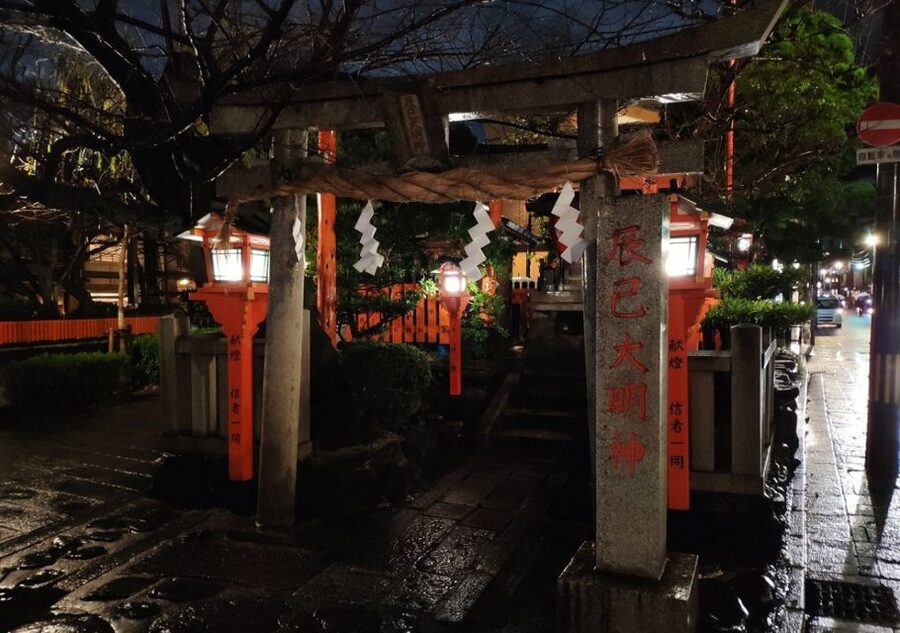
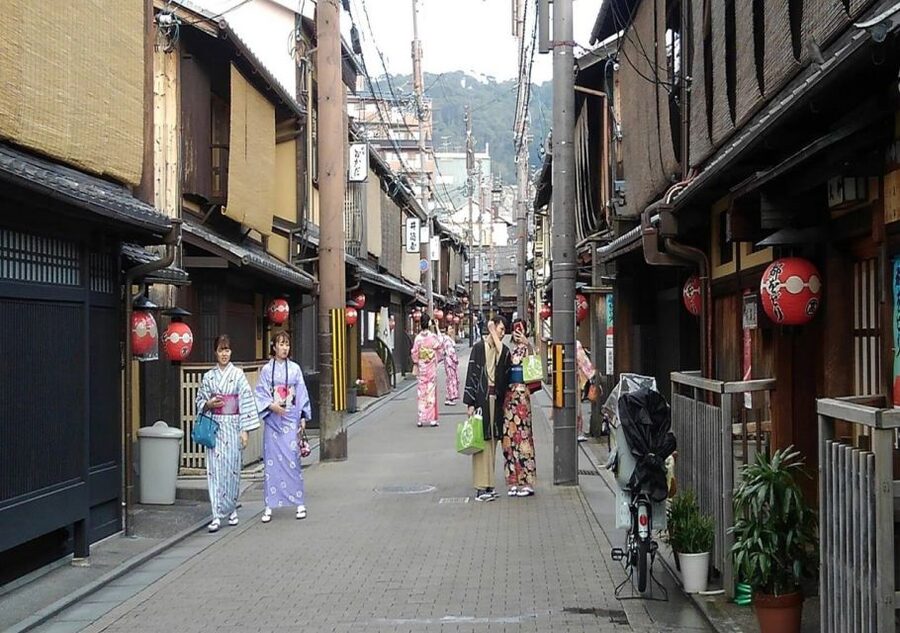
Kyoto’s Gion district after dark is the star of this three-hour outing. Lanterns glow along narrow lanes, old teahouses take on a softer look, and your guide explains how maiko and geiko culture works today. I like the blend of walking, local bites, and a proper 10-course dinner. I also like the small group, capped at 10 people.
The main thing to keep in mind is that this is not a snack crawl from start to finish. You make a few tasting stops, but most of the food arrives during the final kaiseki meal. At $216 per person, the price makes the most sense if you want cultural context and a full dining experience, not simply the cheapest way to sample Kyoto food.
Key points at a glance
- Lantern-lit Gion walk: Explore Gion and Shirakawa when the historic lanes are at their most atmospheric.
- Maiko and geiko insight: Learn about their training, work, artistry, and place in present-day Kyoto.
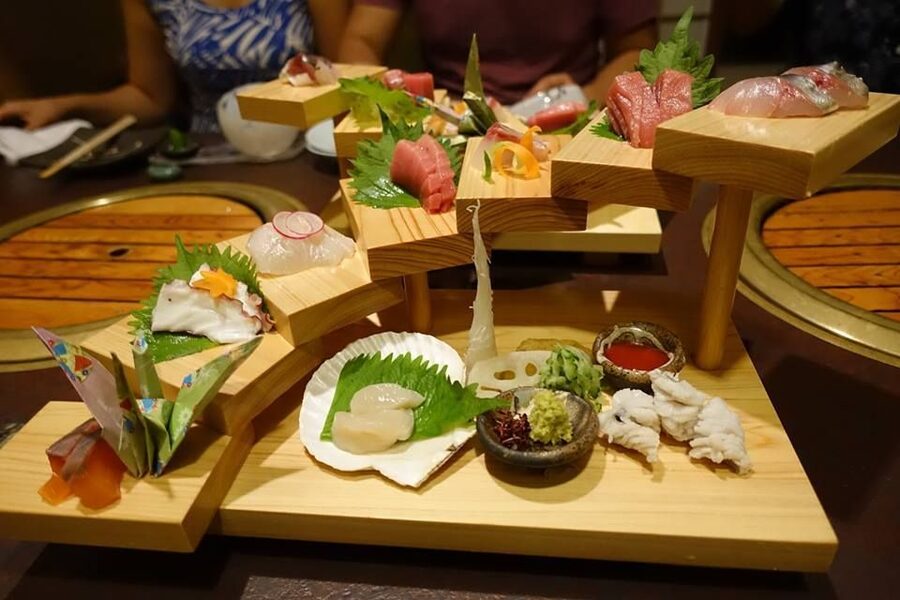
- Seasonal kaiseki dinner: Sit down to a 10-course meal built around regional ingredients and careful presentation.
- Small-group setting: The group is limited to 10, allowing more room for questions and conversation.
- A few snack stops: Try traditional Kyoto tastes along the route, though the main meal comes at the end.
- Strict departure time: Meet at the Japan Kanji Museum & Library and arrive early, since the guide waits no more than five minutes.
Gion after sunset, where the evening begins
You meet in front of the Japan Kanji Museum & Library in Gionmachi Minamigawa. The guide carries a sign, but do not cut this close: the tour leaves after five minutes, and hotel pickup is not included unless arranged for an extra charge.
The timing matters. Gion is a working neighborhood, not a stage set built solely for sightseeing. In the evening, the lanes fill with people heading to restaurants and teahouses, while lanterns bring out the details of wooden facades, tiled roofs, paper screens, and narrow passages.
Your guide leads you through Gion and Shirakawa on foot. Comfortable shoes are essential because this is a walking tour over several hours, and cobbled streets are part of the charm. You will want to keep your pace steady and leave room for pauses when the guide points out an old building or explains local customs.
The walk is especially useful if this is your first night in Kyoto. You get an early sense of how the traditional districts fit together, and the guide can also offer practical advice about moving around Japan. David specifically appreciated getting useful pointers on how to behave and get around without making social mistakes. That sort of advice can help you for the rest of your trip.
More Food Tours in Kyoto
- Kyoto Night Foodie Tour in Gion (9+ dishes + 6 Sake tastings)
★ 5.0 · 1,762 reviews - Kyoto: Gion Food Tour 13 Dishes at 4 Eateries
★ 5.0 · 408 reviews - Kyoto: Gion & Pontocho Food Tour with 13 Dishes
★ 4.9 · 235 reviews
Maiko and geiko culture beyond the costume
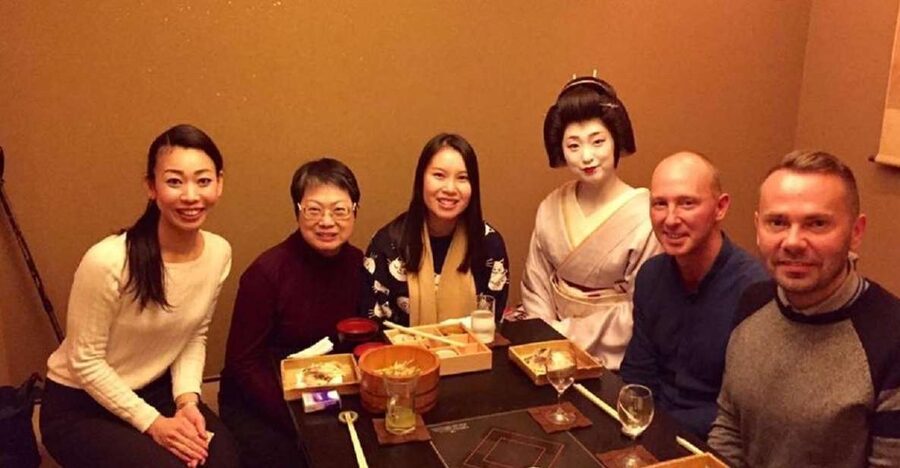
Many visitors arrive in Gion hoping to spot a maiko or geiko, but the culture is more than a kimono, white makeup, or a quick photograph. The guide explains the training, performance work, etiquette, and modern realities behind these professions.
The terms matter. A maiko is an apprentice geiko, while geiko is the Kyoto term commonly used for a professional entertainer known elsewhere in Japan as a geisha. Their work involves music, dance, conversation, and hospitality, with years of preparation behind it.
This part of the tour gives the streets a human context. Instead of treating Gion as a backdrop, you learn why the district looks and behaves as it does. You may see a maiko or geiko moving between appointments, but the experience does not promise a sighting. If you do see one, give her space and follow your guide’s advice about respectful behavior.
Several guides have earned strong praise for this part of the evening. Miki has been singled out for her clear explanations of Gion, food, and the geisha world. Sae has been praised for explaining the area, pointing out good places for snacks and souvenirs, and handling the group with care. Marie has also been described as professional, friendly, and well informed.
Your actual guide will depend on the date, so you should not book solely to meet one particular person. Still, the repeated pattern is useful: the guide is central to the experience. The lanes themselves are beautiful, but the evening becomes much more worthwhile when someone can explain what you are seeing.
Shirakawa’s architecture and quiet corners
Shirakawa gives the walking portion a slightly different mood from the main Gion streets. Water, traditional buildings, bridges, and lanterns create a calm setting, especially as the light fades.
The architecture is not something you rush past on the way to dinner. Your guide helps you notice proportions and materials that are easy to miss, from timber fronts to carefully maintained entrances. The walk also shows why Kyoto’s older districts remain so appealing, even when you are not entering a restaurant or teahouse.
Spring can add another layer. One April outing included cherry blossoms along the route, and the Gion streets can be lovely during that season. Still, the tour works in any season because the focus is on the district, its customs, and the evening atmosphere rather than a single seasonal sight.
Do not expect access to private teahouses or a guaranteed performance. The description supports a guided walk and cultural explanation, not a private meeting with geiko or maiko. That distinction is important if you are comparing this with a dedicated cultural performance.
Snack stops that introduce Kyoto flavors
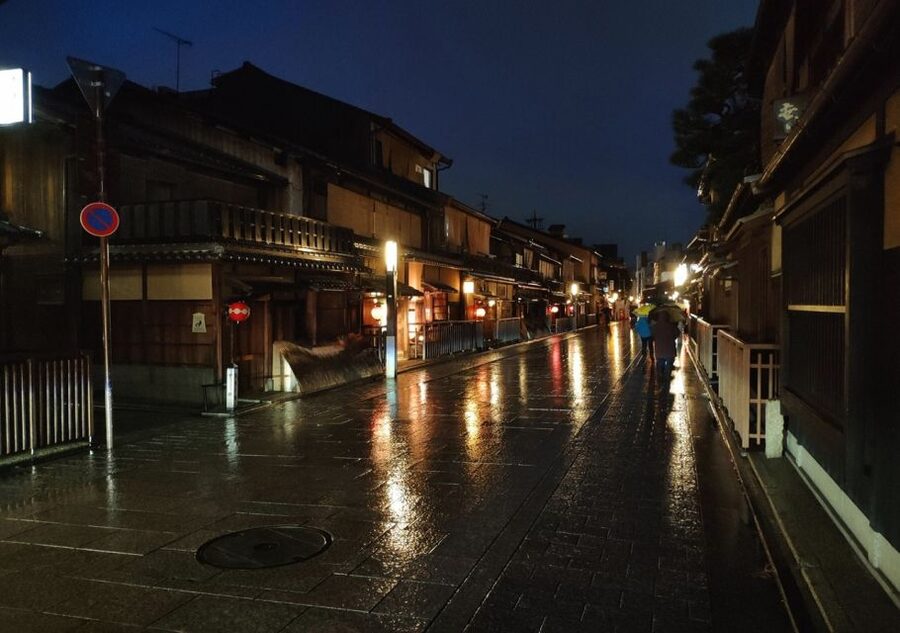
The route includes several chances to sample traditional Kyoto food. These stops break up the walk and give you small tastes of the local cooking style before the main dinner.
The exact shops and dishes can vary, so it would be wrong to promise a fixed menu. You might find familiar Kyoto specialties such as yuba or miso-based flavors, but the supplied details only confirm several snack samples rather than specific items at every stop.
This is one reason I would describe the tour as a Gion neighborhood walk with food, rather than a classic food crawl. One detailed account noted two small tasting bites in shops, with nearly all of the substantial food served at the restaurant. That does not make the tour poor value, but it changes the expectation.
If you want to eat your way through a market with many small portions, this may not be the right format. If you want a little tasting along the way, followed by a seated Japanese dinner and cultural talk, the balance works better.
The snack stops can also be useful for souvenir ideas. Sae was praised for taking the group to good places for snacks and souvenirs, which adds a practical shopping angle without turning the tour into a retail stop.
Same base, a completely different sort of day:
- PERFECT KYOTO 1-Day Bus Tour
★ 5.0 · 13,518 reviews - Kyoto: Fushimi Inari, Kinkakuji, Bamboo Grove 1 Day Bus Tour
★ 4.8 · 4,316 reviews - Kyoto: Tea Ceremony in a Traditional Tea House in Kiyomizu
★ 4.9 · 3,519 reviews - Kyoto Geisha Walking Tour: Gion District & Hidden Gems
★ 4.7 · 3,273 reviews
The 10-course kaiseki dinner
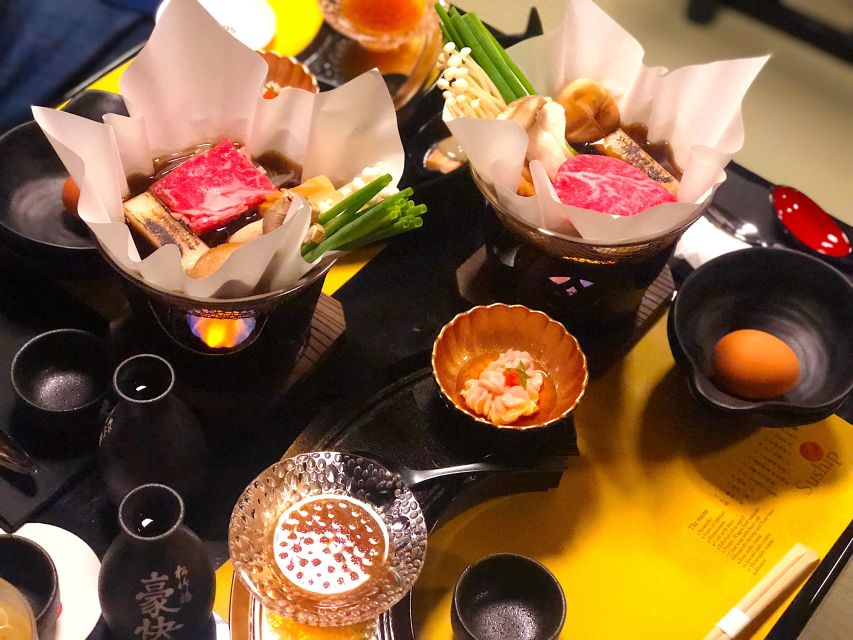
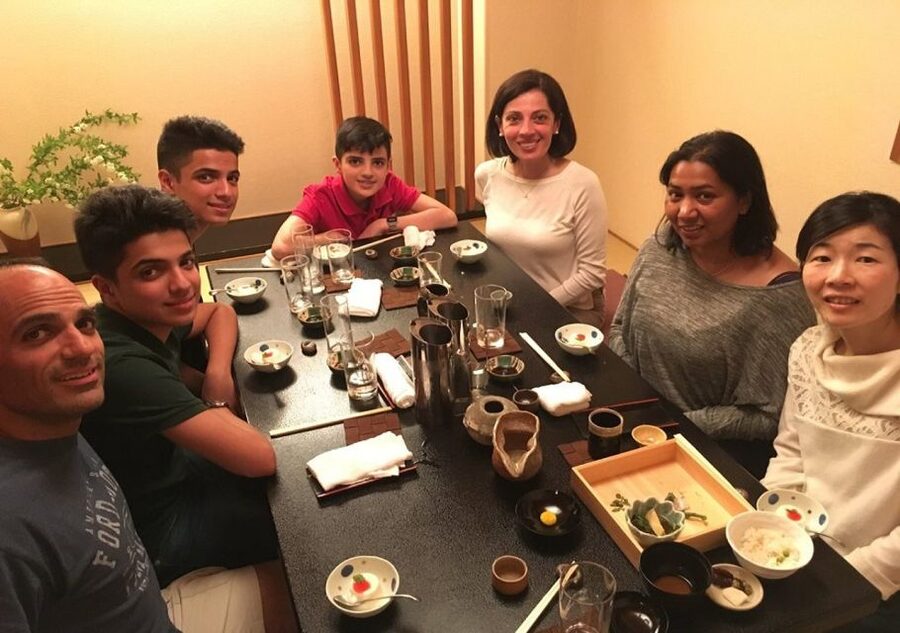
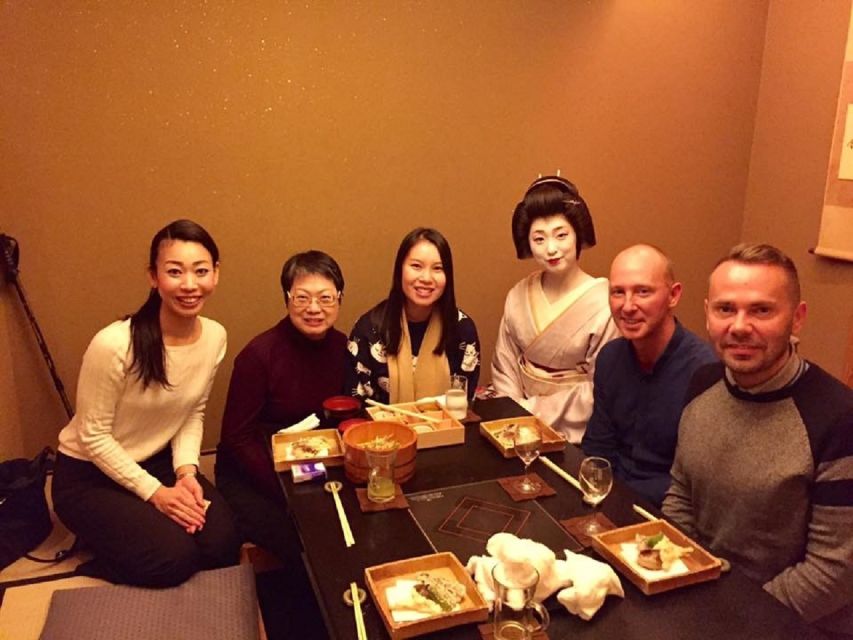
The final restaurant meal is the centerpiece. You receive a 10-course kaiseki dinner, dessert, and one drink. Kaiseki is built around seasonality, balance, presentation, and small portions, so the pleasure comes from the sequence and detail rather than one oversized main dish.
Expect dishes that may feature regional ingredients and seasonal preparation. The supplied description points to flavors such as miso, yuba, and grilled fish, with each course arranged on small Japanese ceramics. The exact menu will change, which is part of the point: kaiseki responds to the time of year and available ingredients.
This is a good chance to try foods you might not order alone. Yuba, for instance, has a delicate texture and mild flavor that can be easy to overlook on a menu. Kaiseki also shows how Japanese dining treats the plate as part of the experience, with color, shape, temperature, and serving vessel all playing a role.
The dinner has received some of the strongest praise. Jen called it unlike other meals she had in Japan, while Maria particularly enjoyed the fresh ingredients and the 10-course format. Jane described it as a feast for both the eyes and the mouth. Chuck praised the food and service, and Pavel found the dinner superb.
There is a useful note of balance here. The food has not impressed every person to the same degree. One guest found it good rather than exceptional, but still valued the attractive atmosphere and the guide’s company. That is a fair way to judge the meal: you are paying for a complete setting, service, cultural explanation, and carefully arranged courses, not just the raw cost of ingredients.
One drink is included. Additional drinks and food cost extra, so budget accordingly if you enjoy pairing dinner with several drinks. The included beverage keeps the package simple but does not make it an all-inclusive night out.
Dietary needs and the pace of the evening
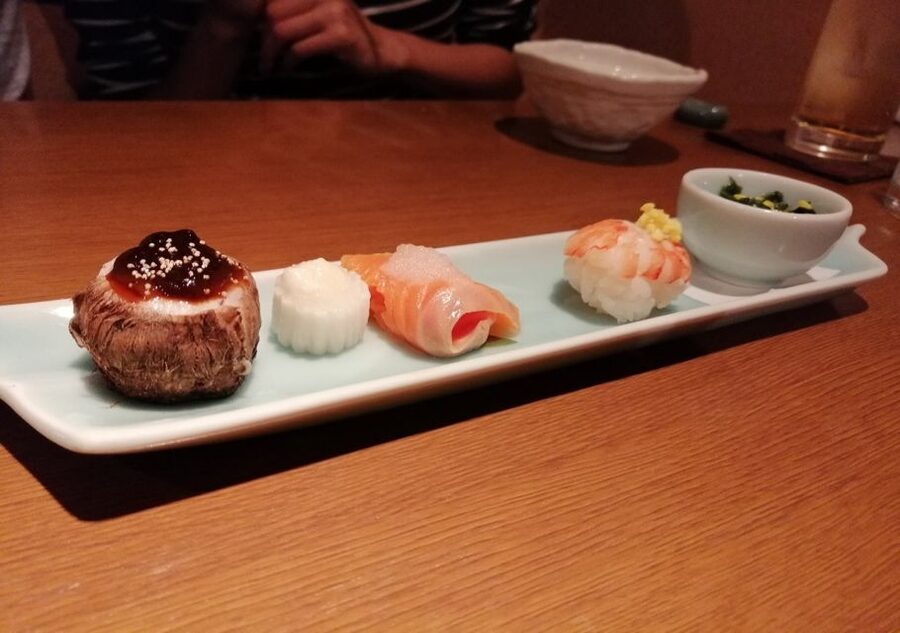
You should report allergies and dietary requirements when booking. A guide successfully managed several food restrictions for one group, which is encouraging, but you should still provide clear information in advance rather than waiting until you sit down.
The tour lasts three hours, and the small group limit of 10 helps keep the evening personal. A guide can answer questions more easily in a small party, and the pace is less likely to feel like a crowd being moved from one photo stop to another.
A minimum of two people per booking is required. That means solo visitors cannot book this experience under the stated terms unless they arrange to join someone else through a separate booking situation.
Participants aged 10 and over must provide a copy of passport information. Keep that requirement in mind when making plans for a family group. The tour can suit older children who enjoy food and walking, but the provider does not describe a separate children’s menu or special family format.
What $216 buys you in Kyoto
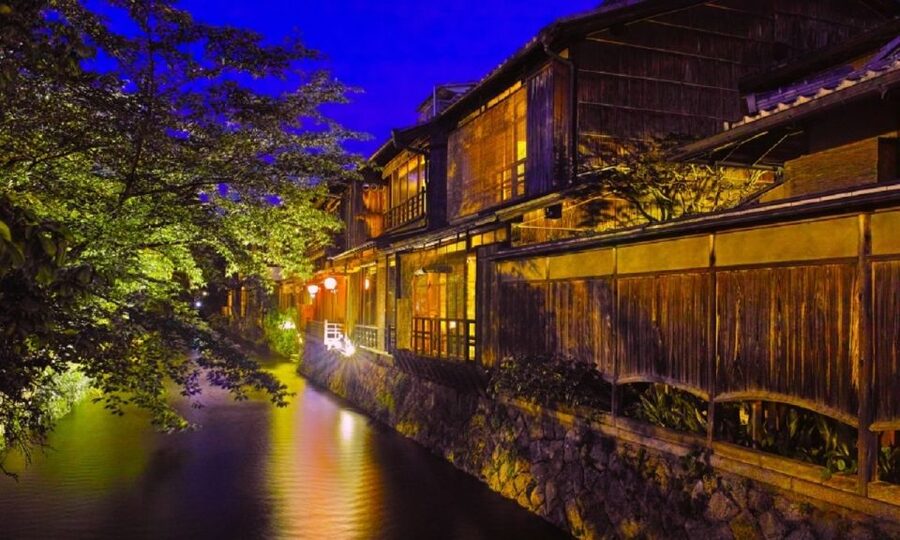
At $216 per person, this is a premium evening. The fee covers an English-speaking local guide, the walking tour, snack samples, a 10-course dinner, dessert, and one drink. You also avoid the uncertainty of choosing a kaiseki restaurant on your own, where menus and etiquette may feel difficult to judge.
The price is easier to defend if you value explanation. A restaurant alone might provide a beautiful meal, but it will not necessarily explain the history of Gion, the role of maiko and geiko, or the meaning behind the neighborhood’s design.
It is harder to justify if your main goal is quantity. The snack stops are limited, and the dinner is composed of small courses rather than large plates. You are buying a guided cultural evening with food, not an inexpensive dinner or a long list of street-food samples.
Transport is another cost to note. Hotel pickup is not included, and you pay your own transportation costs. The meeting point is central in Gion, but you should allow enough time to find the Japan Kanji Museum & Library before the start.
Free cancellation is available up to 24 hours before the tour for a full refund. You can also reserve now and pay later, which helps if your Kyoto schedule is still changing.
Who will enjoy this Gion food tour?
I would recommend it most to first-time Kyoto visitors who want a well-shaped introduction to Gion. You get history, architecture, food, and practical local advice in one evening, without having to arrange several separate activities.
It also suits people who are curious about maiko and geiko culture but want an explanation grounded in present-day life. The guide helps you look beyond the familiar image of Gion and understand the work and etiquette involved.
Food-focused visitors should read the format carefully. If your ideal food tour means six or eight substantial tastings, you may find this evening too restaurant-heavy. If you prefer a refined dinner with a few tastes along the way, it is a better match.
The tour can work well near the start of a Japan trip. David found the guide’s practical advice useful for the rest of his stay, and that is one of the less obvious benefits of a small group. You can ask questions about manners, transportation, and local customs before you have made a string of avoidable mistakes.
I would skip it if you dislike set-course meals, have complex dietary needs that cannot be clearly communicated, or want guaranteed contact with maiko or geiko. I would also think twice if $216 feels too high for one dinner, since the food stops are modest.
Should you book the Kyoto Evening Gion Food Tour?
Book this tour if you want a polished first evening in old Kyoto, with a guide who can explain Gion rather than simply point at it. The strongest reasons are the lantern-lit walk, the cultural background, and the 10-course kaiseki meal. The small group makes it easier to ask questions, and past guide assignments including Miki, Sae, Marie, and others have produced warm, informative evenings.
Set your expectations correctly. This is primarily a Gion and Shirakawa walking experience that finishes with a substantial dinner. If that sounds like the right mix, the fee can represent good value. If you want a pure food crawl, seek a tour built around many tasting stops instead.
FAQ
Where does the Kyoto Evening Gion Food Tour meet?
The meeting point is in front of the Japan Kanji Museum & Library at Gionmachi Minamigawa, Higashiyama Ward, Kyoto, Kyoto Prefecture 605-0074, Japan. Your guide will hold a sign.
How long does the tour last?
The experience lasts three hours. Starting times vary, so check availability when booking.
What food and drinks are included?
The package includes several snack stops, a 10-course dinner, dessert, and one drink. Additional drinks or food are not included.
Is hotel pickup included?
No. Hotel pickup can be arranged for an additional charge. Transportation costs are also not included.
Is the tour conducted in English?
Yes. The tour has a live English-speaking guide.
How many people are in the group?
The group is limited to 10 participants. A minimum of two people per booking is required.
What should I know before joining?
Wear comfortable shoes and inform the provider about food allergies or dietary requirements. Participants aged 10 and over must provide a copy of passport information. The guide waits no more than five minutes after the scheduled start time.
More Evenings Out in Kyoto
- Kyoto Gion Night Walk & Geisha District Guided Tour
★ 5.0 · 786 reviews - Kyoto Ghost Tour: Dark Tales, Urban Legends, Bamboo Forest Night
★ 5.0 · 625 reviews - Kyoto Bar Hopping Night Tour
★ 5.0 · 613 reviews - Kyoto Night All-Inclusive Eats and Streets, Gion and Beyond
★ 4.7 · 601 reviews
More Geisha Experiences
- Kyoto: Gion Magical Night Walking Tour with Geisha Trivia
★ 4.9 · 2,393 reviews - Kyoto: Gion Geisha District Walking Tour – Stories of Geisha
★ 4.7 · 2,187 reviews - Best of Kyoto: Gion, Geisha, Pagodas & Cobblestones
★ 4.9 · 2,058 reviews - Night Walk in Gion: Kyoto’s Geisha District
★ 4.5 · 2,003 reviews
Just added around Kyoto
- Kyoto: Zen Meditation at a Private Temple with a Monk★ 5.0 · 25 reviews
- Kyoto: Gion Geisha District & Sake-in-Hand Walking Tour★ 5.0 · 37 reviews
- Private Pewter Sake Cup Experience with a Kyoto Artisan★ 5.0 · 31 reviews
- Your Private Vacation Photography Session In Kyoto★ 5.0 · 110 reviews
- Private Guided Traditional Buddhist Cooking in Japan★ 5.0 · 16 reviews
- Kyoto Wagashi(Japanese sweets) Cooking Class near Fushimiinari★ 5.0 · 60 reviews
- Traditional Japanese Music show & Experience Tour in Kyoto★ 5.0 · 57 reviews
- Kyoto:Family-Friendly Kimono & Yukata Experience at WARGO★ 5.0 · 147 reviews
Kyoto Tours, compared.


Fushimi Inari, Kinkakuji, Bamboo Grove 1 Day Bus Tour
Read our review →
Tea Ceremony in a Traditional Tea House in Kiyomizu
Read our review →
Kyoto Geisha Walking Tour: Gion District & Hidden Gems
Read our review →

Gion Magical Night Walking Tour with Geisha Trivia
Read our review →

Gion Geisha District Walking Tour – Stories of Geisha
Read our review →Browse the lists this tour appears in