
Reviewed · KYOTO TOURS
Kyoto Portrait Tour with Kimono
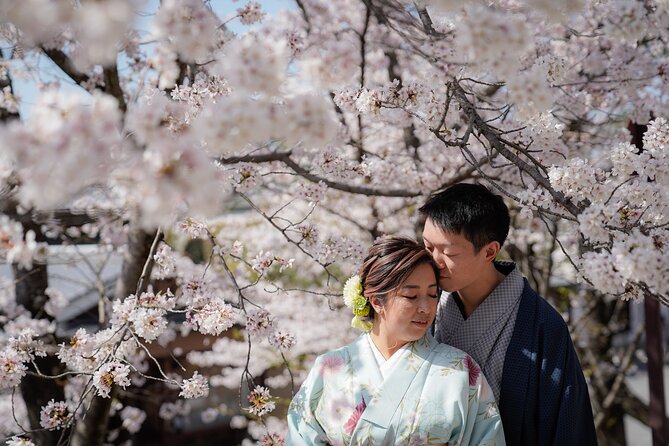
Kyoto’s best souvenir may be a set of photographs that shows you in a kimono beneath Yasaka Pagoda, along old stone lanes, and beside major shrines. This 90-minute portrait walk combines posing help with a gentle introduction to Gion and Higashiyama, so you are not simply standing in one studio or crowded photo queue.
I like the choice of a morning or afternoon session, since light can shape the entire look of your pictures. I also like the small maximum of six people, which gives the photographer time to work with each person. The main catch is clear: the kimono is not included, so you must arrange that separately and allow enough time before meeting the photographer.
Key points at a glance
- Six people maximum: A small group leaves more room for individual portraits, couples’ shots, and posing guidance.
- Six Kyoto locations: The route moves from Yasaka Shrine through Maruyama Park, Chion-in, Ishibe Alley, Nene-no-Michi, and Yasaka Pagoda.
- Kimono rental is separate: You choose a kimono from the shop you prefer, but the $85.87 tour price does not cover it.
- Morning or afternoon timing: Pick the session that best suits your preferred light and daily plans.
- Local photographers vary: Past bookings have included Yuta, Takuma, Mina, Cocoro, Soma, and Andy Yu Lei.
- Edited photos are included: The finished images are part of the package, not an extra purchase.
Why this Kyoto photo walk works
This experience is aimed at people who want more than a quick snapshot in traditional clothing. You walk through one of Kyoto’s most photogenic areas while a photographer looks for good angles, waits for clear backgrounds, and helps you pose.
That last part matters. Many people feel stiff in front of a camera, especially while wearing a kimono with unfamiliar sleeves and footwear. Guides such as Yuta and Takuma have been praised for being patient and making first-time photo sessions feel comfortable. Soma has also been singled out for knowing where to go and for keeping the time well spent.
The route is compact but varied. You get shrine gates, a traditional garden setting, a huge temple gate, narrow lanes, a flagstone road, and Kyoto’s famous five-story pagoda. The photographer can frame you against several different settings without requiring a long ride across the city.
At $85.87 per person, the value depends on what you want from the outing. It is not the cheapest way to see Gion, since you can walk through much of the area on your own. But you are paying for a guide, a dedicated photographer, posing help, a small group, and edited photographs. For a solo visitor or couple who would otherwise have to rely on phone selfies, that makes the price easier to justify.
More Kimono Experiences in Kyoto
- Kimono Tea Ceremony at Kyoto Maikoya, NISHIKI
★ 5.0 · 911 reviews - Kyoto: Kimono Rental with Hairstyling and Accessories
★ 4.8 · 653 reviews - Kyoto: Kimono Tea Ceremony at Orizuruya Gion
★ 4.9 · 618 reviews
What the kimono arrangement means
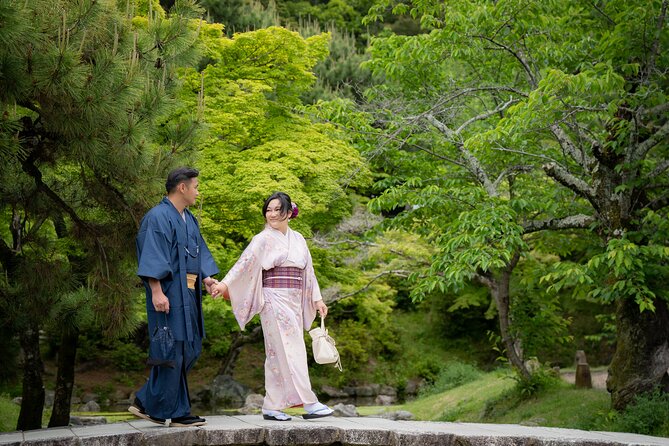
The kimono is the one important extra to plan. You are free to choose a rental shop, which gives you more control over color, style, budget, and timing. But that flexibility also means you must handle the rental yourself.
Do not treat the meeting time as the time to begin dressing. Arrange the kimono before you go to Yasaka Shrine, and leave enough time to walk to the western gate. The tour begins at the Yasaka Jinja Nishiromon Gate, at 625 Gionmachi Kitagawa in Higashiyama Ward.
The clothing changes how you move. A kimono looks wonderful in photographs, but walking between several locations may take longer than it would in ordinary clothes. Comfortable footwear, a water bottle, and attention to the weather will help, especially during a sunny afternoon session.
The tour does not promise a particular kimono shop. That is useful if you already have a rental booked or want to compare options. It is less convenient if you expect an all-in-one package.
Yasaka Shrine, the traditional opening frame
The first 20 minutes are at Yasaka Shrine, a strong place to begin because it gives your photos an immediate Kyoto feel. You can expect traditional shrine details, formal architectural lines, and a sense of arrival before the route turns toward quieter streets.
This is also a practical meeting location. The western gate is easy to identify, and the shrine sits close to the Gion area covered by the rest of the walk.
Your photographer may ask for several kinds of pictures here: full-length kimono portraits, closer images, and group shots. The setting works well for people who want a distinctly Japanese backdrop rather than a generic city street.
The drawback is that Yasaka Shrine is a famous site. It can be busy, and the photographer may need to wait for a clearer moment. One useful detail from the guide feedback is that Yuta was willing to wait for people to move before taking pictures. That patience can make a big difference in a place where an otherwise beautiful frame may include a line of passersby.
Maruyama Park and its garden setting
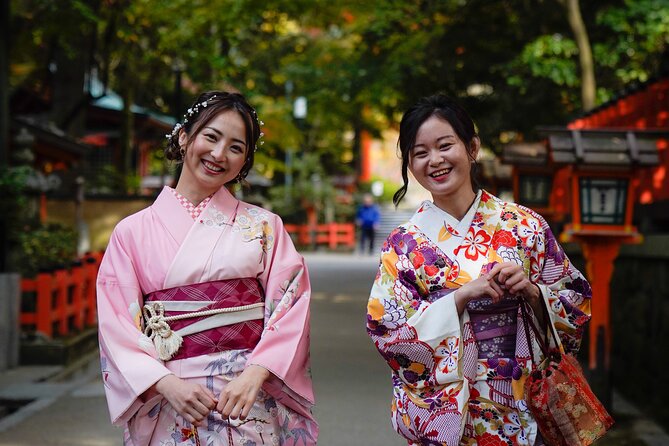
The next 20 minutes take you into Maruyama Park, Kyoto’s oldest park. The park offers a softer change of pace after the shrine, with traditional Japanese garden elements and open areas for less formal portraits.
Spring is especially attractive here when the cherry trees begin to bloom, while autumn brings its own color. Those seasonal details are not guaranteed, so you should think of them as timing bonuses rather than promises. The park remains useful outside peak seasons because it gives the photographer a different background from shrine buildings and narrow lanes.
This is one of the better places for relaxed pictures. You can walk, pause, and try different poses without every photograph needing to look ceremonial. If you are traveling as a couple or family, the park may also provide space for natural group images.
Because the tour allows only about 20 minutes here, you should not expect a long park visit or a full garden tour. The purpose is photography with some local context, not a detailed botanical or historical visit.
More kimono rentals in Kyoto:
- KYOTO Tea Ceremony with kimono near by Imamiya Jinjya Shrine
★ 5.0 · 343 reviews - Kyoto: Kimono and Tea Ceremony Experience at Cultural Asset
★ 4.3 · 306 reviews - Kyoto: Traditional Kimono Rental
★ 4.7 · 265 reviews - Kyoto: Kimono Tea Ceremony with Matcha and Sweet
★ 4.9 · 249 reviews
Chion-in’s giant Sanmon Gate
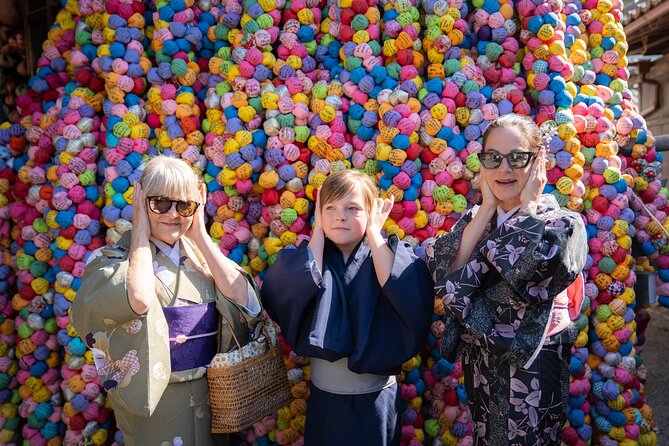
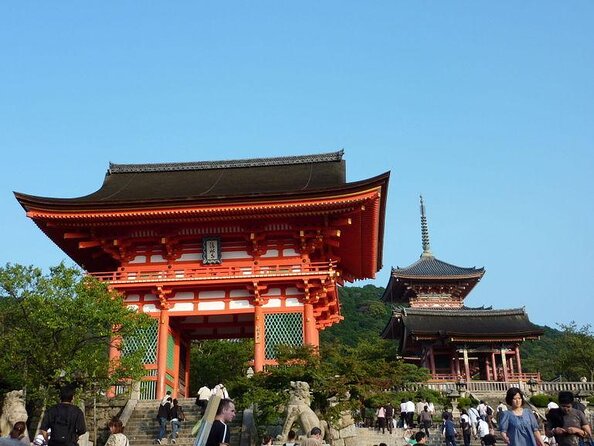
Chion-in receives another 20-minute stop, centered on its imposing Sanmon Gate. The gate is described as 24 meters high and 50 meters wide, and its scale gives your photographs a dramatic backdrop.
This stop adds a sense of history and ceremony to the route. A kimono portrait beneath such a large wooden gate can look very different from a picture taken in the more intimate streets of Gion.
You can also learn some history while the photographer works. That blend of short explanations and photographs is one of the stronger features of the experience. You are not being rushed from one camera position to the next with no sense of place.
The time is still limited. You may see the gate and its immediate setting rather than explore all of Chion-in. If your main goal is a temple visit, set aside separate time for a fuller look.
Ishibe Alley, where the route gets quieter
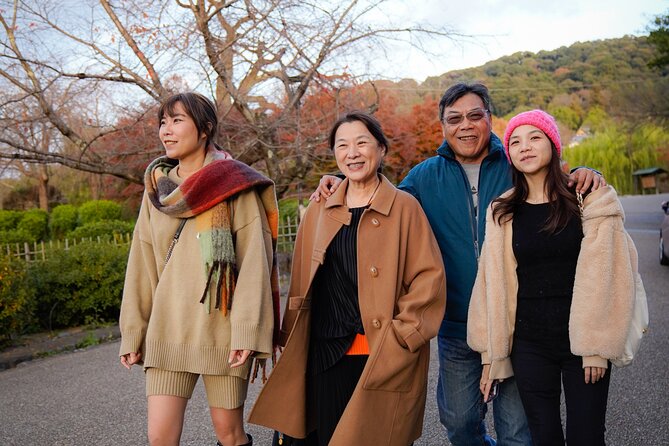
Ishibe Alley is a short 10-minute stop, but it may be one of the most atmospheric parts of the walk. The narrow alley is lined with traditional architecture and gives your photos a more intimate Kyoto setting.
This is where the route moves away from large landmarks and toward the old street character many people hope to find in Higashiyama. A kimono fits naturally with the wooden facades and quiet lane.
The short stop means the photographer needs to work efficiently. You may get a handful of carefully chosen positions rather than a long series of poses. The admission information for this stop says that any ticket is not included, so confirm the current access arrangements if that matters to your plans.
I would pay attention to your sleeves and stride here. Narrow lanes give the photographer strong lines, but they also offer less room for a large group to spread out. The six-person maximum helps, though a solo or couple booking will naturally feel less crowded.
Nene-no-Michi and the pace of old Kyoto
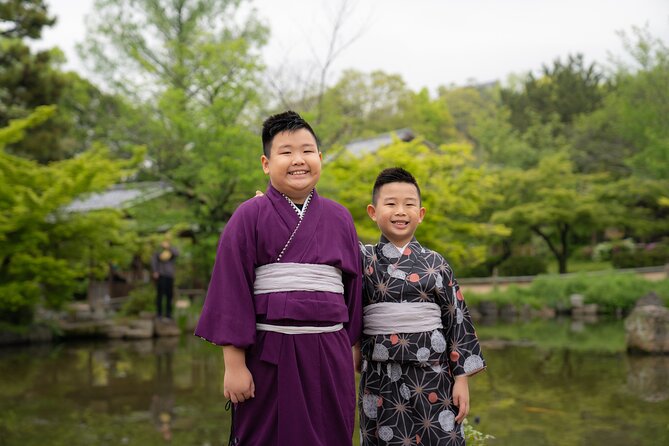
Nene-no-Michi is a flagstone walkway near Kodaiji. The 10-minute stop brings a different surface and rhythm to the photographs. Instead of a gate or shrine courtyard, you get a long traditional street that can frame walking shots and full-length kimono portraits.
The road is particularly attractive in autumn, when red leaves may appear along the route. It is also a popular walking area, so do not expect complete privacy. Your photographer may need to choose a quieter angle or wait for a gap.
This part of the tour is valuable because it helps your pictures feel like a walking memory rather than a collection of posed landmark shots. You can look down the lane, turn toward the camera, or walk with your group while the photographer works.
The nearby Kodaiji area gives you a useful orientation point for later sightseeing, even though a full visit to Kodaiji is not part of the 90-minute experience.
Yasakanoto and the final pagoda portrait
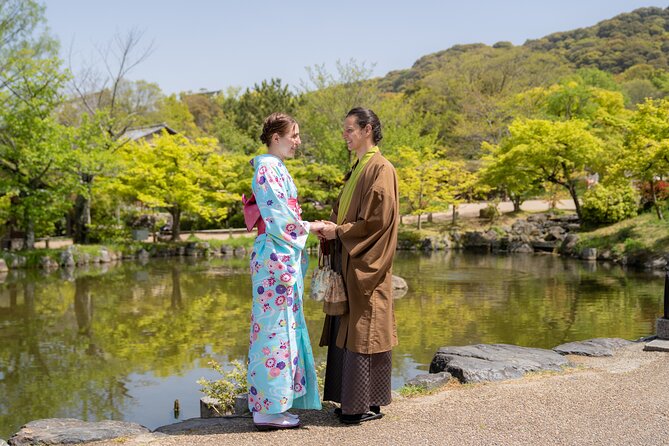
The tour ends at Hōkan-ji Temple, better known here through its Yasaka Pagoda. The pagoda is one of Kyoto’s most recognizable sights, and the photographer uses it as the final major backdrop.
This ending makes sense. After smaller streets and park scenes, the route finishes with a clear Kyoto symbol. You can expect photographs framed with the five-story pagoda, along with final local tips for exploring the area.
The end point is in front of Yasaka Pagoda at 38 Kiyomizu Yasaka-uecho in Higashiyama Ward. That is useful for continuing your day around the nearby streets and temples. The tour does not return you to the starting gate, so plan your next stop from the pagoda area.
Allow a little flexibility after the scheduled finish. The published route gives 10 minutes here, but photography can vary with crowds, group size, and how quickly everyone moves between locations.
The photographers and the personal feel
The photographer assigned to you can vary, but several names appear in the experience’s guide history. Yuta has been noted for explaining shrine details, offering posing tips, and waiting for people to clear from the frame. Takuma has been described as funny, patient, and good at keeping a rushed group moving without making the session feel tense.
Mina has been praised for scenic location choices, professional editing, and responsiveness after the walk. Cocoro has been described as punctual, efficient, friendly, and able to provide local insight while guiding a solo portrait session. One solo booking received more than 60 photographs, though you should not assume that exact number for every booking.
Soma is another name associated with strong local guidance and quick delivery of polished pictures. Andy Yu Lei has been described as accommodating when clients wanted to point out particular places for photographs.
These details suggest a useful strength: the experience is not built around a fixed studio script. Your guide may adjust poses and locations to the group, weather, crowds, and your comfort in front of the camera. Still, a named photographer is not guaranteed when you book, so do not reserve solely because you hope for one particular person.
Photo quality, posing, and edited delivery
The package includes professional editing, which is a key part of the value. You are not simply receiving unfiltered phone images. The photographer takes the pictures during the walk and prepares finished versions afterward.
The exact number of photos and delivery schedule are not specified. Some bookings have received images quickly, and one person noted more than 60 photographs, but those details should not be treated as a fixed promise.
You should tell the photographer early if you want certain combinations: solo portraits, couple pictures, family shots, or specific views of the pagoda. The guides have shown a willingness to help with posing, and clear requests make the 90 minutes more productive.
If you feel awkward posing, say so. The strongest praise for this experience centers on patience and comfort. That is especially useful for solo visitors who have no companion to take proper photographs.
Timing, group size, and practical value
You can choose a morning or afternoon session. Morning may appeal if you prefer softer light and want to get the photo walk done before a full day of sightseeing. Afternoon may fit better if you need time to arrange your kimono first or prefer later light.
The experience lasts about 1 hour and 30 minutes. Six locations in that time means the pace is purposeful. The three 20-minute stops receive most of the attention, while Ishibe Alley, Nene-no-Michi, and Yasakanoto each receive about 10 minutes.
A maximum of six people is a meaningful limit. In a large group, a portrait session can turn into a waiting exercise. Here, you have a better chance of getting individual attention, though a private booking would still offer the most control.
The route uses public streets and is near public transportation. Most people can participate, and service animals are allowed. The supplied information does not give a full accessibility assessment, so anyone concerned about walking, uneven surfaces, or kimono mobility should ask the operator before booking.
The cancellation terms are forgiving if your plans change early. You can cancel at least 24 hours before the local start time for a full refund. Changes or cancellations inside that window are not accepted for a refund.
Who should book this experience?
I would recommend it most strongly to solo visitors, couples, families, and first-time kimono wearers who want finished photographs without arranging a private photographer on their own.
It also suits anyone who wants a light walking introduction to Gion and Higashiyama. You will hear some local background while moving between scenic places, but you should not mistake this for a full historical tour of Kyoto.
You may want to skip it if your main goal is an in-depth temple visit, a long park stroll, or a private fashion shoot with complete control over every image. The route is short, the stops are timed, and the kimono costs extra.
The tour has a 4.9 rating from 48 reviews, with 96 percent recommending it. Those figures point to a strong record, but the two low ratings also underline the importance of reading the inclusions carefully. This is a photography tour, not a kimono rental shop. Clear expectations will help you get the value you are paying for.
Should you book the Kyoto kimono portrait walk?
Book it if you want professional, edited photographs in several classic Kyoto settings and you appreciate having a local person guide your poses. The combination of Yasaka Shrine, Maruyama Park, Chion-in, Ishibe Alley, Nene-no-Michi, and Yasaka Pagoda gives you a good range of backgrounds in a compact area.
Before paying, arrange your kimono separately, choose a session time that suits the light, and confirm where you will meet at the western gate of Yasaka Shrine. If you do those three things, the $85.87 price offers solid value for a solo visitor or couple who wants lasting pictures rather than ordinary sightseeing snapshots.
FAQ
Is the kimono included in the tour price?
No. The kimono is not included. You can choose one from your preferred rental store and must arrange that separately.
How long does the experience last?
The photography walk lasts approximately 1 hour and 30 minutes.
Where does the tour begin?
The meeting point is Yasaka Jinja Nishiromon Gate, also called the Western Tower Gate, at 625 Gionmachi Kitagawa in Kyoto’s Higashiyama Ward.
Where does the tour end?
The experience ends in front of Hōkan-ji Temple, also called Yasaka Pagoda, in Kyoto’s Higashiyama Ward.
How many people can join the tour?
The maximum group size is six people.
Are edited photographs included?
Yes. Professional edited photos and a guide are included.
Can I cancel for a full refund?
Yes, if you cancel at least 24 hours before the experience’s local start time. Cancellations or changes made less than 24 hours in advance are not accepted for a refund.
Just added around Kyoto
- Kyoto: Zen Meditation at a Private Temple with a Monk★ 5.0 · 25 reviews
- Kyoto: Gion Geisha District & Sake-in-Hand Walking Tour★ 5.0 · 37 reviews
- Private Pewter Sake Cup Experience with a Kyoto Artisan★ 5.0 · 31 reviews
- Your Private Vacation Photography Session In Kyoto★ 5.0 · 110 reviews
- Private Guided Traditional Buddhist Cooking in Japan★ 5.0 · 16 reviews
- Kyoto Wagashi(Japanese sweets) Cooking Class near Fushimiinari★ 5.0 · 60 reviews
- Traditional Japanese Music show & Experience Tour in Kyoto★ 5.0 · 57 reviews
- Kyoto:Family-Friendly Kimono & Yukata Experience at WARGO★ 5.0 · 147 reviews
Kyoto Tours, compared.


Fushimi Inari, Kinkakuji, Bamboo Grove 1 Day Bus Tour
Read our review →
Tea Ceremony in a Traditional Tea House in Kiyomizu
Read our review →
Kyoto Geisha Walking Tour: Gion District & Hidden Gems
Read our review →

Gion Magical Night Walking Tour with Geisha Trivia
Read our review →

Gion Geisha District Walking Tour – Stories of Geisha
Read our review →Browse the lists this tour appears in