
Reviewed · HIROSHIMA TOURS
Miyajima: Cultural Experience in Zen Temple
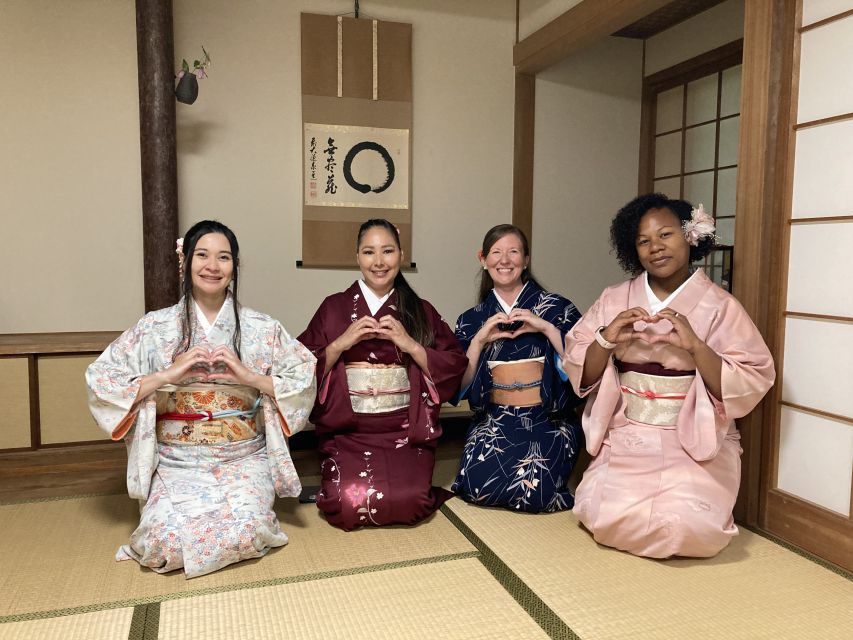
Miyajima’s Tokujuji Temple offers more than a quick costume photo. You choose a kimono, sit through the careful steps of a Ryurei-style tea ceremony, and make something by hand. The setting is calm, with a small Japanese garden that gives you a pleasant break from the island’s crowded main sights.
I like the patient dressing help and the fact that the staff take many photos for you, then send them by email or AirDrop. I also like the useful souvenirs: your own calligraphy, or an amulet assembled from kimono fabric, cord, and a wish-bearing rice scoop. The main consideration is mobility, since you must remove your shoes and the temple is not suitable for people with limited mobility.
Key points to know before booking
- Choose your cultural activity: Depending on the option you book, you can take part in tea, calligraphy, amulet making, or a combination.
- Wear a real kimono: Staff help you select the kimono, obi, and other pieces, then dress you carefully.
- Learn tea ceremony manners: You taste sweets and two bowls of matcha while watching and practicing the formal steps.
- Take home handmade work: Calligraphy includes Kanji and your name in Hiragana or Katakana. Amulet making produces a personal good-luck charm.
- Plan for photos: Staff photograph you in the garden and during parts of the activity, with images sent digitally.
- Allow up to two hours: The stated duration is one to two hours, and some sessions run longer when the group is enjoying the activities.
Why Tokujuji Temple makes a good Miyajima break
Miyajima is famous for the Itsukushima Shrine torii gate, deer, waterfront views, and busy shopping streets. Those sights are worth your time, but the island can feel crowded, especially around the main approach to the shrine. Tokujuji Temple gives you a reason to walk away from that center for a quieter cultural visit.
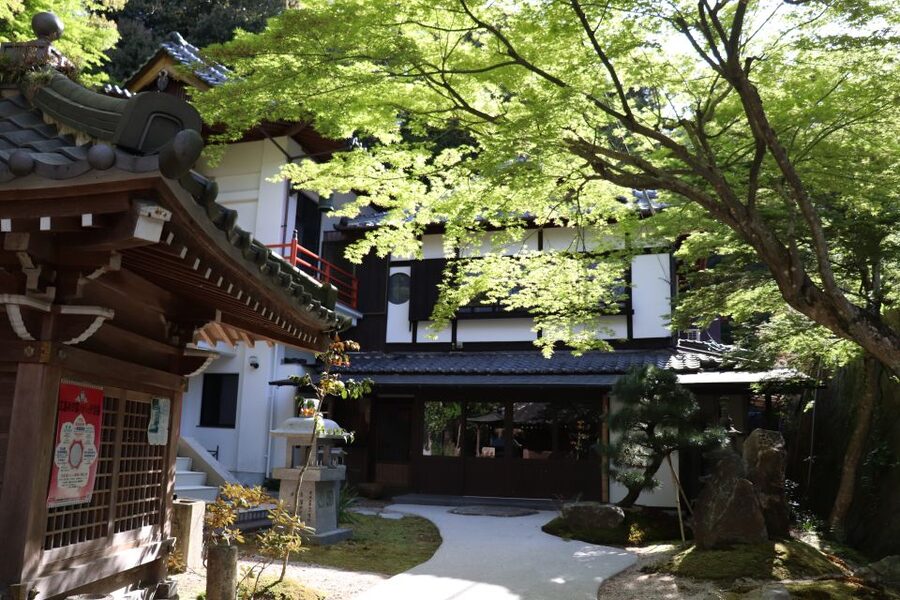
The experience takes place inside the temple and its garden. You remove your shoes before entering, so wear socks you will be comfortable showing. The garden is not simply a backdrop for a staged picture. It gives the activity breathing room, particularly after the focused movements of the tea ceremony or the concentration required for calligraphy.
The staff create a relaxed mood from the start. Several visitors found the kimono dressing especially enjoyable because the attendants explain each step and make you feel at ease. That matters if this is your first time wearing Japanese traditional clothing. You do not have to know how an obi should sit or how the layers fit. The staff handle that part.
English support is available, as is Japanese instruction. Yoko has been specifically praised for fluent English, and the wider team is described as clear, friendly, and patient. Still, the exact instructor can vary, so book this for the activity rather than for one named person.
A few more Hiroshima half-days to weigh up
- Peaceful Hiroshima & Miyajima UNESCO 1 Day Bus Tour
★ 5.0 · 5,309 reviews - Hiroshima: Hiroshima and Miyajima UNESCO Sites 1-Day Tour
★ 4.9 · 2,330 reviews - Hiroshima / Miyajima Full-day Private Tour with Government Licensed Guide
★ 5.0 · 1,298 reviews
Choosing and wearing your kimono
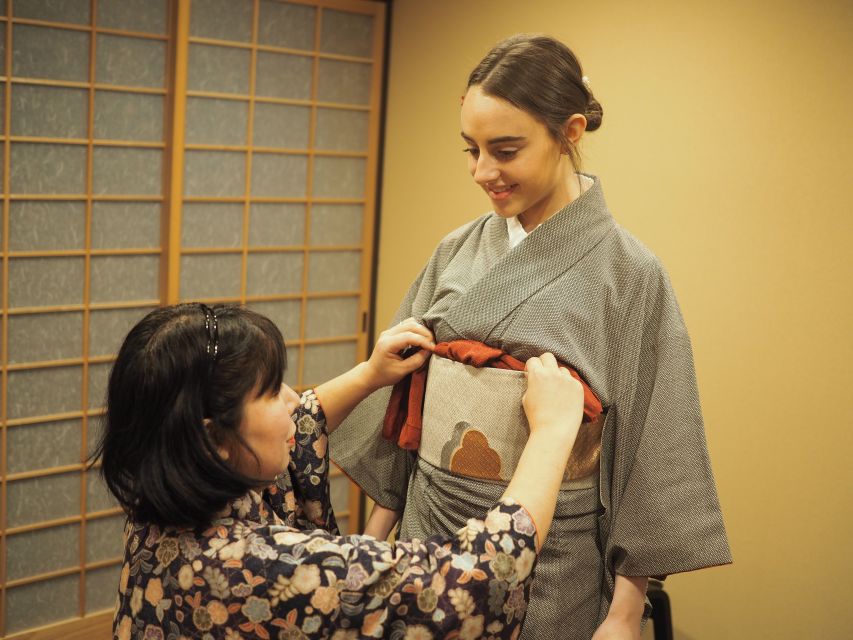
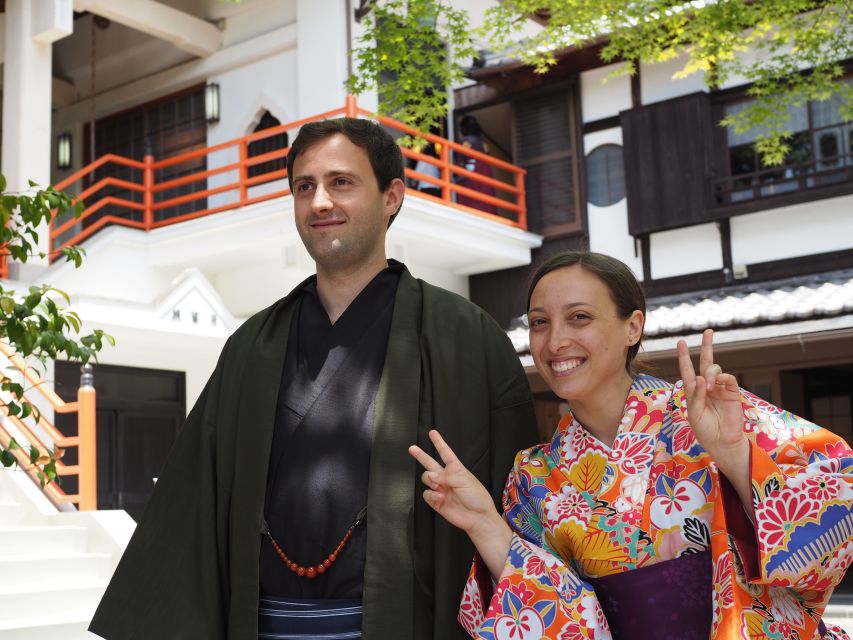
The kimono portion is often the emotional center of the visit. You choose your preferred kimono from the available selection, and staff help match it with an obi and other accessories. The dressing itself takes time, but that is part of the lesson. You see how much care goes into creating the finished look.
The staff are attentive without making the process feel hurried. This is useful for families, couples, and solo visitors who may feel uncertain about being dressed by someone else. A teenage boy, parents, grandparents, and a pre-teen have all been described as enjoying the experience, so it is not limited to one age group, aside from the rule that children under six cannot participate.
The clothing is also practical to consider. A kimono is fitted and formal, not loose sightseeing wear. You will spend time sitting and moving carefully. People with limited mobility should skip this activity, and anyone who finds getting down to floor level difficult should check the arrangement of the selected option before booking.
Once dressed, you have time for photographs. Staff suggest poses and locations, and they take pictures so you can enjoy the moment instead of handing your camera back and forth. This is one of the strongest values in the experience. You receive more than a few hurried snapshots, although the quality of outdoor images can depend on the light. One visitor found that some photos left the face too dark, so bright, direct sunlight is not guaranteed.
The Ryurei tea ceremony, with chairs instead of floor seating
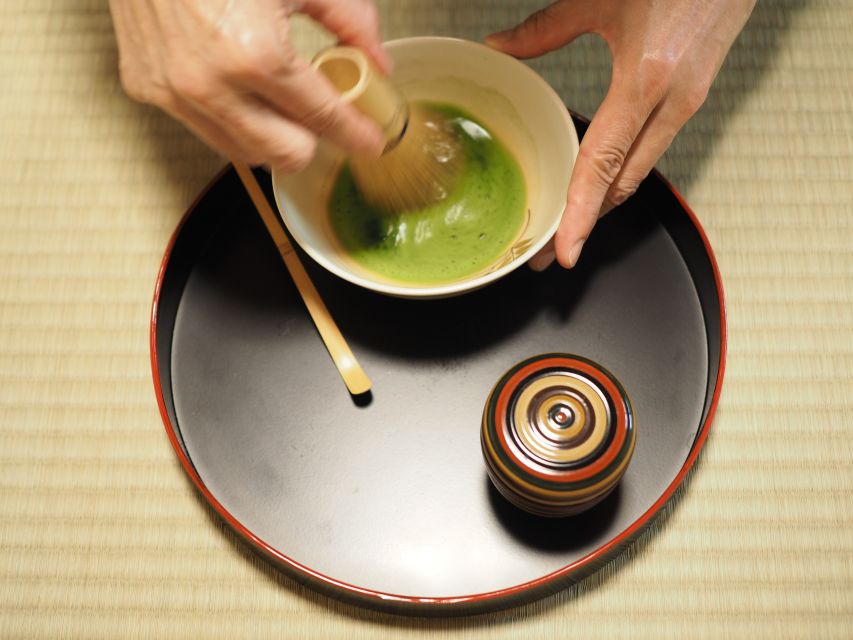
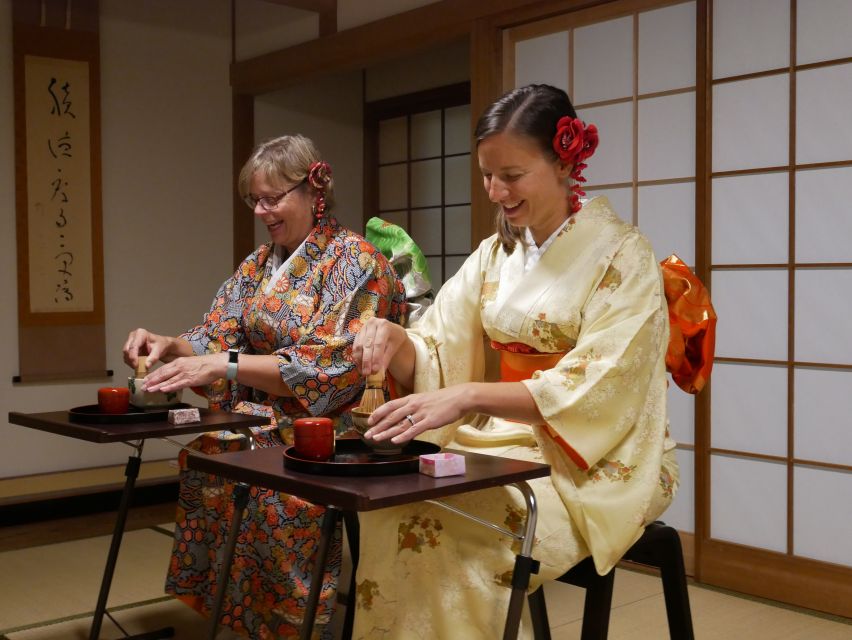
The tea ceremony follows the Ryurei style, meaning the host prepares tea at a table while you sit on chairs. This makes the ceremony easier for many people than a floor-based format, though the wider experience is still not recommended for people with mobility impairments.
The ceremony has a clear order. It begins with a greeting. The tea master purifies the utensils, prepares the matcha, cleans the tools, and closes the ceremony. Each action has a purpose, and you are shown how to receive and drink the tea properly.
You get two bowls of matcha and two types of sweets as part of the activity. The sweets provide a small contrast to the tea’s bitter edge, and they help you understand why the tea is served in that order. You also learn how to make matcha yourself, turning the ceremony from a demonstration into a hands-on lesson.
I like that the focus is not only on drinking tea. You learn the manners, timing, and care behind the service. The ceremony is quiet and measured, which makes it a useful change of pace from sightseeing. It is also a good option if you want an introduction to Japanese tea customs without committing to a long formal ceremony.
Do not expect a casual café stop. The procedures are precise, and you are asked to follow them. That formality is the point, but it may feel slow if all you want is a cup of matcha and a photo. For most visitors, the calm pace is one of the reasons the activity works.
Calligraphy that becomes a useful souvenir
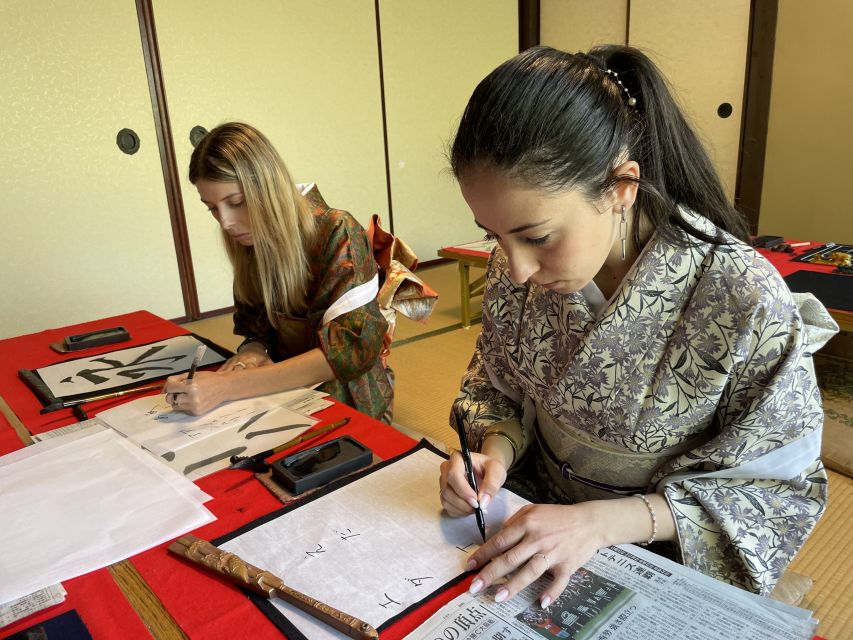
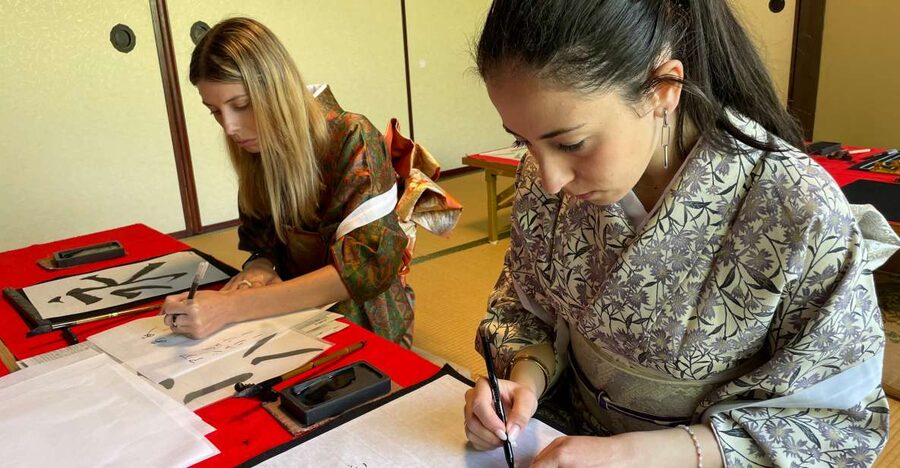
The calligraphy lesson is practical and beginner-friendly. Your instructor demonstrates how to draw the lines step by step, then gives you time to practice one or more Kanji, the Chinese characters used in Japanese writing.
You begin on practice paper. The instructor can prepare a sample of your name, then help you write your name in either Hiragana or Katakana, the two Japanese phonetic alphabets. You finish by signing your work in Japanese and wrapping it carefully to take home.
This makes the lesson more satisfying than simply copying one character once. You see the strokes, repeat them, make mistakes, and improve before producing the final piece. The activity has a quiet, almost meditative rhythm, and children old enough to participate can follow the clear instructions with help.
The supplies are included, so you do not need to bring brushes, ink, or paper. The final work is compact and easy to pack. If you want the most personal souvenir from the visit, calligraphy is probably the best choice. You leave with something you made, not just something you bought.
The lesson does require patience. Your first attempts may look uneven, and the goal is not perfect professional calligraphy. The value is in learning how the characters are built and leaving with a handmade record of your visit.
Same base, a completely different sort of day:
- Hiroshima Historical Walking Tour – Why A-Bomb was Dropped
★ 4.8 · 893 reviews - Hiroshima Peace (Heiwa) Walking Tour at World Heritage Sites
★ 5.0 · 872 reviews - Hiroshima in a Nutshell: Morning Bike Adventure
★ 5.0 · 524 reviews - Hiroshima City 4hr Private Walking Tour with Licensed Guide
★ 5.0 · 437 reviews
Amulet making with kimono fabric and a personal wish
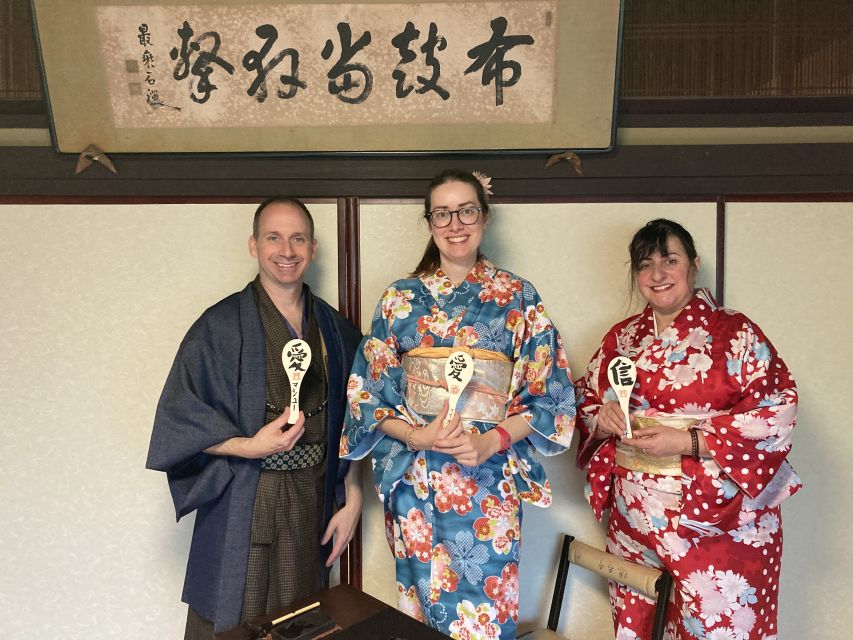
Amulet making offers a different kind of souvenir. You choose from more than 300 handmade amulet bags made from kimono fabric. The large selection means you can take time to find a color and pattern you like.
Next, you choose Kumihimo, a cord tied in a special way, and select a wish. You write or stamp that wish onto a miniature rice scoop, then put the pieces together to create your own amulet. When it is finished, you greet Kinseki Jizou, the Buddha at the temple, to report that you came to make a wish.
The steps give the activity a clear personal meaning. You are not simply assembling a decorative object. You choose the bag, cord, and wish, then connect the finished amulet with the temple’s Buddha. The result is a small, light souvenir with a story attached to it.
Amulet making takes place in the temple’s main hall. If you are choosing between this and calligraphy, think about what you want to remember. Calligraphy gives you a visible piece of your own writing. The amulet gives you a symbolic keepsake and a traditional object to carry.
Not every booking includes every activity. The description presents tea ceremony, calligraphy, amulet making, and kimono dressing as options or combinations, so read the exact package carefully before paying. This is the most important booking detail.
Garden photographs and the digital picture service
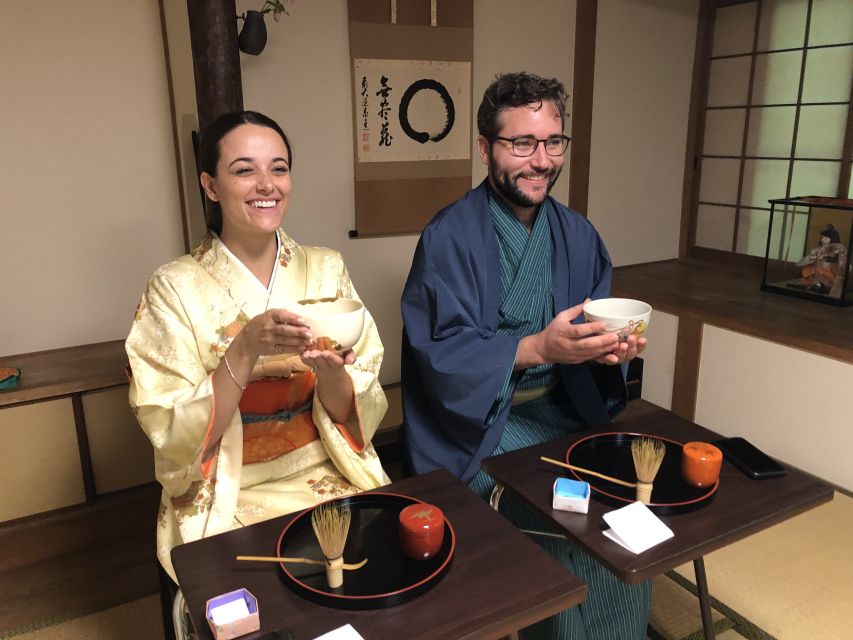
The garden photo session is built into the experience rather than treated as an afterthought. Once you are dressed, staff take pictures in the garden and suggest places or poses. They can also photograph you during the ceremony and other parts of the visit.
The biggest benefit is convenience. You can set your phone aside and enjoy being present while the staff record the day. Photos are sent by email or AirDrop on site, so check that you have a usable email address or a device that can receive the files.
Light can change the result. Outdoor pictures may look different depending on the time of day and cloud cover, and one visitor found that some faces were too dark. If photographs matter greatly to you, ask the staff to check the light before each set and take a quick look at important images while you are still there.
The garden itself is a strong reason to bring a camera, but do not treat the photo session as a professional portrait shoot. The staff make a real effort, and they take many pictures, but the quality will depend on conditions and the pace of the group.
How long the visit takes and what the $90 price covers
The listed price is $90 per person, with a duration of one to two hours. For Miyajima, that is a fair price if you want several elements together: traditional dress, instruction, food and drink, a temple setting, a handmade souvenir, and digital photographs.
The value is strongest when you book a combination such as kimono, tea, and calligraphy. Paying $90 for only a short costume change would feel less compelling. Paying it for a calm lesson, a formal tea presentation, your own artwork, and a photo session is easier to justify, especially since tools, sweets, and two bowls of matcha are included.
Some sessions last longer than the advertised 90 minutes. That can be a bonus if you have room in your schedule, but it can cause trouble if you have a tightly timed ferry, lunch reservation, or train connection. I would leave a generous buffer after the activity rather than planning your next stop immediately afterward.
The experience is available in small groups, which helps the instructors give individual help with clothing, brushwork, and tea preparation. Group size can vary, so do not assume every session will be private. One visitor happened to have a session alone, but that is not something to count on.
Free cancellation is available up to 24 hours before the start time, and you can reserve now and pay later. The meeting point may vary by the option booked, so confirm the location and arrive with enough time to find the temple.
Who will enjoy this most
I would recommend this to you if you want a cultural activity that is gentle, guided, and easy to remember. It works particularly well for:
- First-time visitors who want more than shrine photographs
- Couples looking for pictures in traditional dress
- Families with children aged six and older
- Solo visitors who want staff to take their photos
- Anyone who likes hands-on souvenirs
- People with a spare two-hour block on Miyajima
It is also a good choice for mixed-age families. The activities can be enjoyed at different levels, and the instructors provide close help. Calligraphy gives older children and adults something to concentrate on, while kimono dressing and the garden photos work well for the whole group.
I would think twice if you dislike formal procedures, have trouble sitting or moving in traditional clothing, or need to keep to a strict schedule. You must remove your shoes, and the activity is not suitable for people with mobility impairments. Children under six cannot participate.
Practical advice for a smoother visit
Wear comfortable socks, since shoes come off at the temple. Choose clothing that is easy to change out of, and avoid arriving with a packed schedule immediately afterward.
If you are visiting Miyajima for only one day, place this activity between major sights rather than at the end of a ferry connection. The session can run over the expected 90 minutes, particularly when the staff are taking photos or helping with several activities.
Decide what matters most before you book. If you want a writing souvenir, choose calligraphy. If you want a symbolic keepsake, choose the amulet workshop. If you want to understand the formality of Japanese hospitality, choose the tea ceremony. The best value comes from a package that combines your priorities.
The staff are patient with beginners, and clear English instruction is available. You do not need previous experience in tea, Japanese writing, or traditional dress. Come ready to follow directions and take your time.
Should you book this Miyajima temple experience?
Yes, if you have one to two hours and want a calm, personal activity rather than another quick sightseeing stop. The kimono dressing, careful tea ceremony, patient calligraphy instruction, garden photographs, and handmade souvenirs give the visit real substance.
I would book the combination that includes the activities you care about most, then leave extra time afterward. At $90, it is not a budget attraction, but the price covers instruction, materials, matcha, sweets, dressing help, photos, and a temple setting. For a first visit to Miyajima, this is a strong choice for families, couples, and solo visitors who want to take home more than a standard souvenir.
FAQ
Where does the cultural experience take place?
It takes place at Tokujuji Temple on Miyajima, in Japan’s Chugoku Region.
How long does the activity last?
The stated duration is one to two hours. Some sessions may last longer than the planned 90 minutes.
How much does the experience cost?
The listed price is $90 per person.
What activities can I choose?
Depending on the option booked, you can choose a tea ceremony, calligraphy lesson, amulet making, or a combination of activities while wearing a kimono.
Is kimono dressing included?
Kimono dressing is part of the experience options. You choose a kimono, and the staff help dress you and arrange the obi and other pieces.
Is the tea ceremony held on the floor?
The ceremony uses Ryurei style, with a table and chairs.
What is included with the tea ceremony?
You receive two types of sweets and two bowls of matcha tea. You also learn how to drink and prepare the tea.
Can I take home my calligraphy?
Yes. You practice Kanji and your name in Hiragana or Katakana, then sign and wrap your finished work to take home. Calligraphy tools are included.
How are the photos delivered?
The photos taken by the staff are sent by email or AirDrop on site.
Is the activity suitable for young children or people with limited mobility?
Children under six cannot participate. The activity is not recommended for people with limited mobility, and you must remove your shoes to enter.
Just added around Hiroshima
- The Peace Memorial to Miyajima : Icons of Peace and Beauty★ 4.5 · 31 reviews
- Shore Excursion from Hiroshima Port : Private Tour in Hiroshima★ 5.0 · 17 reviews
- Hiroshima Saijo Sake Tasting Tour with visit to 7 Breweries★ 5.0 · 104 reviews
- Hiroshima & Miyajima All-Inclusive Tour w/Licensed guide Pancho★ 5.0 · 54 reviews
- Hiroshima Country Cycling: Explore Rural Life 1 HR from City★ 5.0 · 22 reviews
- Okunoshima Rabbit Island Cycling Tour with Local Guide★ 4.5 · 17 reviews
- Private Full Day Hiroshima Tour★ 4.5 · 29 reviews
- Hiroshima Private Tour with a Local – Highlights & Hidden Gems★ 4.5 · 24 reviews
Hiroshima Tours, compared.
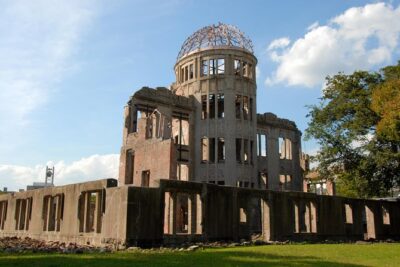
Peaceful Hiroshima & Miyajima UNESCO 1 Day Bus Tour
Read our review →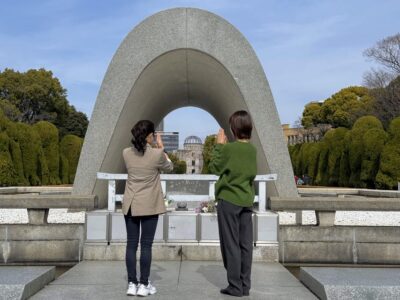
Hiroshima and Miyajima UNESCO Sites 1-Day Tour
Read our review →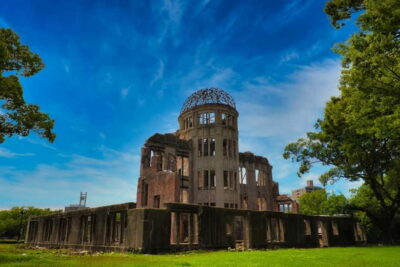
Hiroshima Historical Walking Tour – Why A-Bomb was Dropped
Read our review →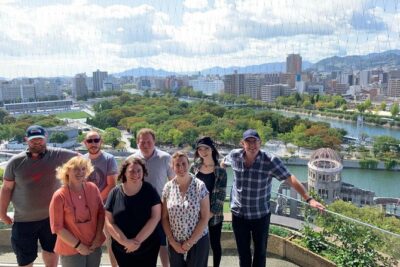
Hiroshima Peace (Heiwa) Walking Tour at World Heritage Sites
Read our review →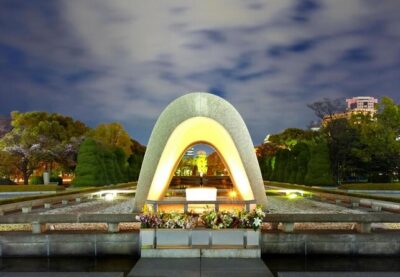
Hiroshima in a Nutshell: Morning Bike Adventure
Read our review →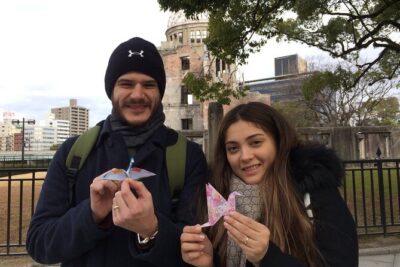
Hiroshima City 4hr Private Walking Tour with Licensed Guide
Read our review →
Japanesel Archery Experience HIROSHIMA CASTLE SHARAKU
Read our review →Browse the lists this tour appears in