
Reviewed · HIROSHIMA TOURS
Miyajima Highlights: Itsukushima Shrine & Island Nature
Miyajima’s famous torii gate is not a fixed postcard scene. At high tide, it appears to float offshore. At low tide, you can walk toward it and see its full size. This private tour adds the island’s quieter paths, old religious sites, local food, and personal stories to that familiar view.
I like the one-to-one guiding and the freedom to ask questions as you go. I also like the chance to see Daishoin Temple and Senjokaku, places that can get less attention than the shrine but give Miyajima much of its spiritual character.
The main consideration is cost. At $141.23 per person, this is not the cheapest way to reach Miyajima, and you still pay about ¥1,340 per person for public transportation. The value depends on how much you want cultural explanation and a flexible private walk rather than a simple ferry-and-sightseeing visit.
Key points to know before booking
- The tide changes the torii experience: High tide creates the floating-gate view, while low tide lets you walk near it.
- Your guide can shape the walk: The private format works well for families, cruise passengers, and visitors with specific interests.
- Daishoin Temple is a major part of the experience: Allow time for its many religious details and hillside setting.
- Public transportation is part of the tour: Expect trains, ferry travel, and walking rather than a private vehicle.
- The food street adds a local flavor: Omotesando is the place to look for oysters, conger eel rice bowls, and momiji manju.
- Guide quality is central to the value: Aya, Yuka, Masa, Masayo Kobayashi, and Mana have all led this experience, but the assigned guide may vary.
Why a private walk makes Miyajima easier to understand
Miyajima is easy to visit on your own, but it is not always easy to read. The island mixes Shinto worship, Buddhist practice, sacred natural places, food traditions, and a steady stream of day visitors. A guide helps connect those pieces.
This is not just a quick trip to the floating gate. You visit Itsukushima Shrine, Daishoin Temple, Senjokaku, Omotesando Shopping Street, and the port. Along the way, you can ask about the island’s religious role, its customs, and the meaning behind what you are seeing.
The private setup matters most if you have a family group, older relatives, children, or a strong interest in Japanese religion and history. You do not need to keep pace with strangers or wait through explanations that do not interest you.
The experience also suits a short Hiroshima stay. It lasts about five hours, and pickup is arranged on foot from a Hiroshima hotel or train station. The tour uses public transportation, so the journey itself becomes part of the day rather than something hidden behind a tour bus window.
A few more Hiroshima half-days to weigh up
- Peaceful Hiroshima & Miyajima UNESCO 1 Day Bus Tour
★ 5.0 · 5,309 reviews - Hiroshima: Hiroshima and Miyajima UNESCO Sites 1-Day Tour
★ 4.9 · 2,330 reviews - Hiroshima / Miyajima Full-day Private Tour with Government Licensed Guide
★ 5.0 · 1,298 reviews
Leaving Hiroshima by train and ferry
The meeting point is in Hiroshima City, with pickup from a hotel or train station on foot. From there, you travel toward Miyajima using public transportation. The listed transport cost is about ¥1,340 per person, not included in the tour price.
You should treat this as a walking tour with transit connections, not as a vehicle-based excursion. The listed timing gives about one hour for the movement toward Miyajima and another hour at the end to head toward Peace Memorial Park, depending on the plan for the day.
A direct boat to Peace Memorial Park is available as an option, taking about 45 minutes. Fast boats, direct boats, and taxis cost extra, with private transport listed at roughly ¥2,300 to ¥8,000 one way. Ask about the exact route and price before choosing this option.
The schedule can be arranged in a different order between Miyajima and Peace Park. Still, the main stops described here are on Miyajima, while the Peace Park portion is presented mainly as a possible onward destination. If seeing the Atomic Bomb Dome or Peace Memorial Museum is important to you, confirm exactly what the five-hour plan includes before booking.
Arriving on the sacred island
Miyajima has long been treated as a sacred island, and the tour introduces that idea early. The island’s name is commonly linked with its shrine, while its older spiritual identity is tied to the belief that this was an island of the gods.
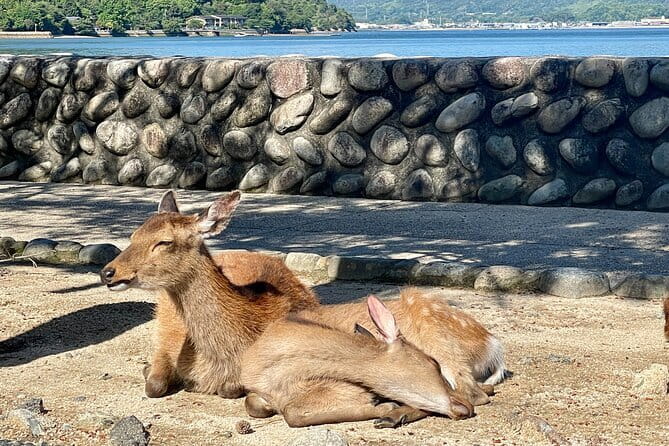
Deer appear around the island and are traditionally described as messengers of the gods. They are part of the setting, but you should remember that this is still an active public place, not a wildlife park. Your guide can help explain the island’s customs and the role these animals play in its identity.
The first thirty minutes on Miyajima are a useful orientation. Rather than rushing directly to the shrine, you begin to understand why the island has more to offer than a single photograph.
Reading the floating torii at different tides
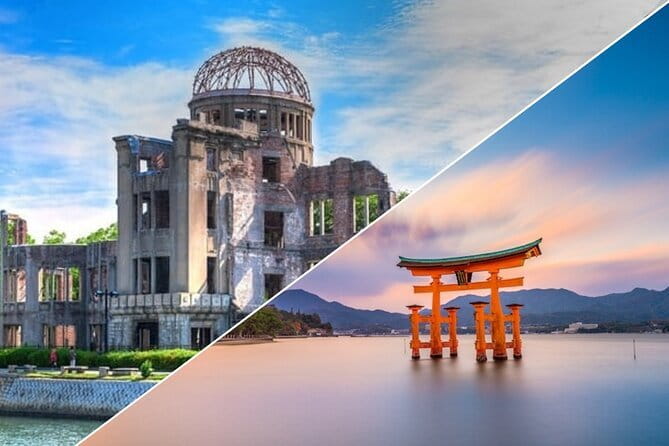
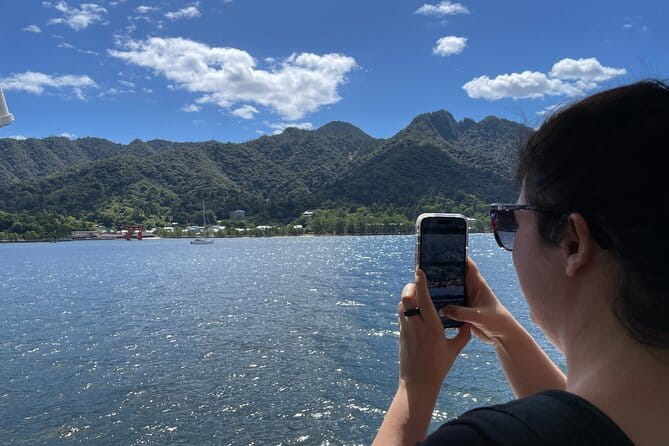
The great torii gate is the visual prize of Miyajima. At high tide, water surrounds it and creates the famous floating effect. At low tide, the water recedes and you can walk near the gate, which gives you a better sense of its scale and construction.
The tour allows about 15 minutes at the torii. That is enough for a focused visit, but the tide affects what you will see. If the floating view matters most to you, check the tide timetable and discuss the timing with your guide before the day begins.
Low tide is not a lesser experience. Standing near the gate changes your perspective. You see how large it is, how far it sits from the shrine, and how strongly the island’s appearance depends on natural movement.
The short time allocation also means you should not expect a long photo session here. The private guide can help you make the most of the timing, but the gate may be surrounded by other sightseers, especially during popular hours.
Same base, a completely different sort of day:
- Hiroshima Historical Walking Tour – Why A-Bomb was Dropped
★ 4.8 · 893 reviews - Hiroshima Peace (Heiwa) Walking Tour at World Heritage Sites
★ 5.0 · 872 reviews - Hiroshima in a Nutshell: Morning Bike Adventure
★ 5.0 · 524 reviews - Hiroshima City 4hr Private Walking Tour with Licensed Guide
★ 5.0 · 437 reviews
Itsukushima Shrine and the rhythm of the sea
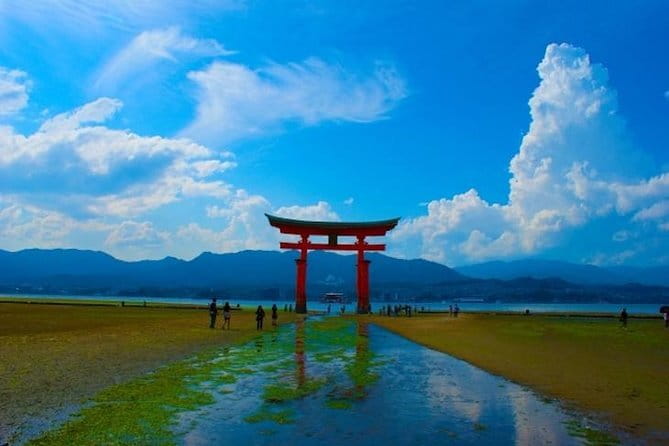
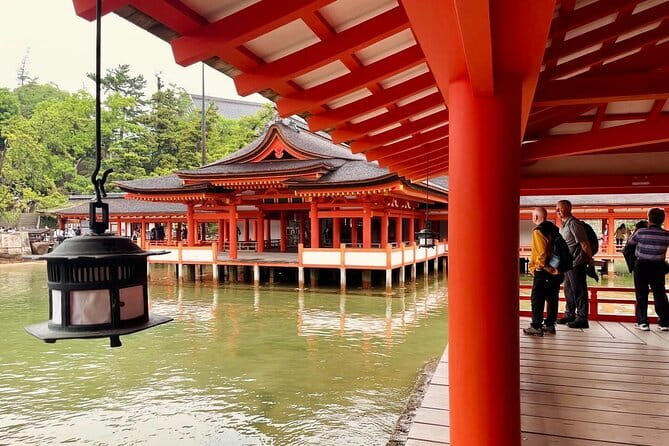
Itsukushima Shrine is the tour’s central cultural stop. The shrine is a UNESCO World Heritage site and a national treasure, built in a style that seems to float above the water when the tide is high.
Allow about 30 minutes inside the shrine. The key point is not just the architecture. Its appearance changes with the ebb and flow of the sea, so the same buildings can feel open and water-bound at one time, then grounded and more accessible later.
Your guide’s explanation is especially useful here. Without context, the shrine can look like a series of bright corridors, gates, and platforms. With a guide, you can ask about the island’s sacred status and the relationship between the shrine, the water, and the surrounding natural setting.
The admission fee is included for Itsukushima Shrine. That makes this a clear part of the tour’s paid value, though you still need to account for transport and food.
Daishoin Temple brings a quieter mood
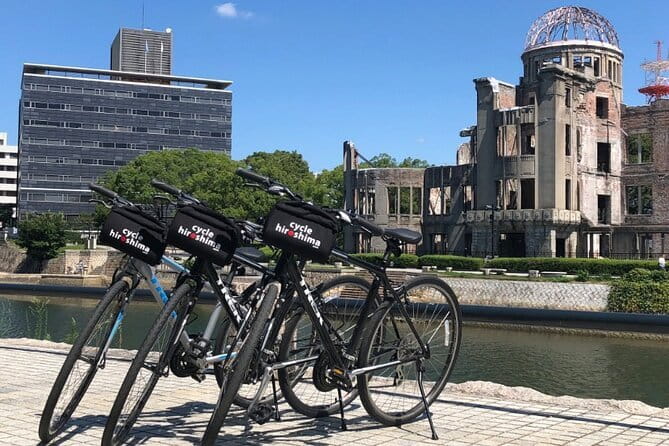
Daishoin Temple receives about 45 minutes, making it one of the most substantial stops. It is described as the oldest temple on Miyajima and sits among the island’s natural surroundings.
This is where the tour moves beyond the standard floating-gate photograph. Daishoin has many features to look at, and its connection with influential historical figures, including Shogun Hideyoshi, gives your guide plenty to explain.
I would pay close attention here rather than treating the temple as a quick second shrine. The setting, religious details, and long traditions give you a fuller picture of Miyajima. The tour’s private format is useful because you can ask about Buddhist practice, local beliefs, or the differences between the shrine and the temple.
There is no separate admission fee listed for Daishoin. The 45-minute visit is long enough to make the stop worthwhile, though anyone who wants a slow, detailed temple study may wish for more time.
Senjokaku and a wide, quiet interior
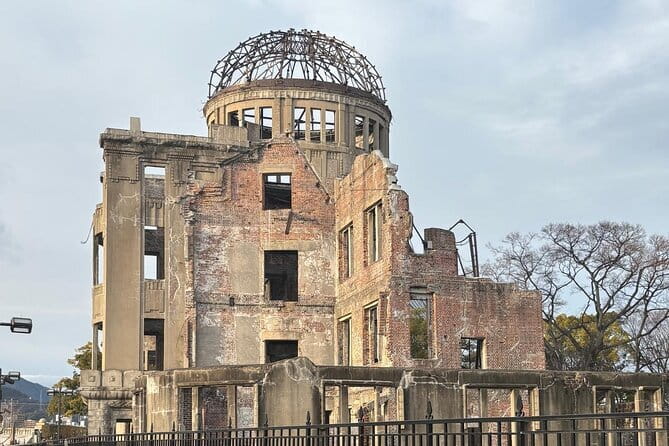
Senjokaku is another important stop, with about 20 minutes planned. It is part of the Itsukushima Shrine UNESCO site and dates to the 16th century.
The building is known for its large halls and open, wall-less spaces. Those broad interiors create a calm pause after the more structured shrine visit. Its construction was ordered by Shogun Hideyoshi, adding another layer to the island’s religious and political story.
Admission is not included here, so check the fee on the day. The short stop gives you time to see the space and hear its background, but not necessarily to linger.
This is a good example of why the private guide changes the day. A quick independent visit might leave you wondering why this large, unfinished-looking hall matters. The explanation helps turn a quiet building into a meaningful part of Miyajima’s past.
Omotesando Street, from sacred sites to island food
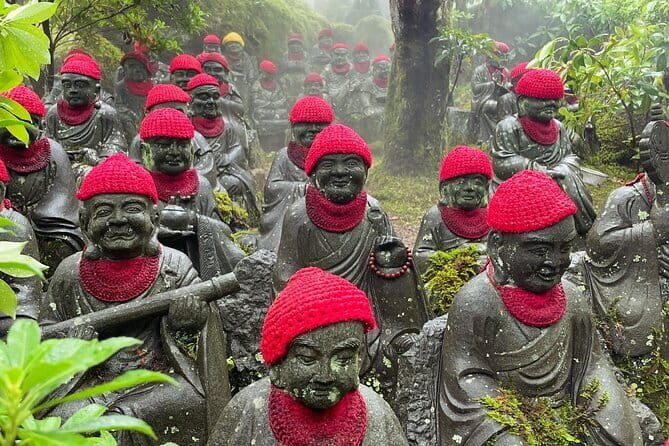
After the temples and shrine, Omotesando Shopping Street offers a change of pace. The 40-minute stroll passes food shops and souvenir stores selling Miyajima specialties.
Look for oysters, conger eel rice bowls, and momiji manju, the maple-leaf-shaped steamed buns associated with the island. Food and drinks are not included, so this is your chance to buy a snack or lunch at your own expense.
The street can feel more commercial than the religious sites. That is not necessarily a flaw. It shows how Miyajima serves both as a pilgrimage destination and as a living community with local products and everyday commerce.
If you have food interests, tell your guide early. The private format allows more room for questions and suggestions, although the tour does not promise a meal or tasting. Since the schedule is only five hours, a long sit-down lunch could reduce time at the shrine or temple.
What the five-hour schedule really gives you
The stated duration is approximately five hours, but the day includes transportation, ferry travel, walking, and several major sites. That makes the schedule useful for a broad introduction, not a slow, exhaustive study of the island.
The planned stop times add up to roughly three hours and 20 minutes, before the travel between Hiroshima and Miyajima. That leaves a reasonable amount of time for transit, orientation, and moving between sites, but delays or a long lunch could tighten the plan.
The order may change, and the tide may influence when you visit the torii. This flexibility is helpful, especially if you have a fixed cruise schedule or want to coordinate Miyajima with Peace Park.
Cruise passengers may find the five-hour format particularly practical. One published experience involved a mother and daughter with limited time in Japan, and the guide helped them manage the island visit. That does not guarantee a specific schedule for your ship, so give your arrival and departure times when arranging the tour.
The guides are a large part of the experience
The provider is Local Gem Tour Hiroshima, and the guide assigned to you may be Aya, Yuka, Masa, Masayo Kobayashi, Mana, or another member of the local team.
The strongest pattern in the guide feedback is personal care. Aya is described as punctual, friendly, professional, and willing to adjust the plan. Yuka helped a mother and daughter with island tickets and offered thoughtful assistance. Masa has led visits for people with a serious interest in Japanese history and shared family stories about the area.
Mana has also shared a personal account as a second-generation survivor of Hiroshima. That kind of story can make the Hiroshima portion more moving, but it is important not to assume every guide will offer the same family background or focus.
The guides have also worked with families and children, and one guide was praised for clear English and patience. If you have a specialist interest, such as religion, Hiroshima history, food, or family travel, mention it during the advance customization consultation.
Price, transport, and what you actually receive
At $141.23 per person, the price buys a private guide, advance customization, Itsukushima Shrine admission, and tour photo data. You are paying for time, interpretation, and flexibility rather than transport alone.
The extra public transportation charge of about ¥1,340 per person is important when comparing prices. Food and drinks are also separate, as are tips and any private transport. A direct boat or taxi can add several thousand yen each way.
For a couple or small family, the price may make sense if you want a guide’s full attention and need help fitting Miyajima into a tight Hiroshima schedule. For a solo visitor focused only on the torii gate, an independent visit will cost less.
The guide’s value rises if you enjoy asking questions. This is not a tour where you should simply follow along silently. Ask about the shrine’s construction, the tide, Buddhist and Shinto traditions, the island’s food, and the role of Miyajima in Hiroshima’s wider story.
Who should book this Miyajima tour?
I would recommend it most strongly to:
- First-time visitors who want context rather than a checklist of sights
- Families who prefer a private pace
- Cruise passengers with limited time
- People interested in Japanese religion and history
- Visitors who want to combine major sights with quieter areas
- Anyone who values personal stories and direct conversation
It may be less suitable if you want a long hike, extensive free time, or a full meal stop. The experience stays close to the main cultural sights, with only a limited amount of time for independent wandering.
Good walking ability is useful because the tour involves moving through the island and using public transportation. Most people can participate, and service animals are allowed. You should not join if you have cold symptoms.
My verdict: a strong choice for cultural context
Book this tour if you want Miyajima explained as a sacred island, not just photographed as the home of a famous gate. Its best features are the private guide, the flexible order, the time at Daishoin, and the chance to connect religious sites with local food and daily life.
Skip it if your priority is the lowest possible price or a completely self-directed day. Also confirm the Peace Park plan, tide timing, transport costs, and assigned guide before you commit.
For most people with half a day in Hiroshima, this is a well-shaped introduction. The torii gate gets you to Miyajima, but the guide, temple visits, and island stories are what make the trip worth the extra cost.
FAQ
How long does the Miyajima tour last?
The experience lasts approximately five hours.
Where does the tour begin?
Pickup is offered on foot from a hotel or train station in Hiroshima City.
Is this a private tour?
Yes. Only your group participates in the private activity.
Is transportation included?
No. The tour uses public transportation, and the transportation fee is listed at about ¥1,340 per person. Private options such as fast boats, direct boats, or taxis cost extra.
Is the entrance fee for Itsukushima Shrine included?
Yes. Admission to Itsukushima Shrine is included.
Is admission to Senjokaku included?
No. The admission fee for Senjokaku is not included.
Is food included?
No. Lunch, food, and drinks are not included.
Can the itinerary be customized?
Yes. Advance customization consultation is included, and the order of the Miyajima and Peace Park portions can be changed. Confirm the exact plan if Peace Park is important to you.
What happens if the weather is poor?
The experience requires good weather. If it is canceled because of poor weather, you will be offered another date or a full refund. You can also cancel up to 24 hours before the start time for a full refund.
Just added around Hiroshima
- The Peace Memorial to Miyajima : Icons of Peace and Beauty★ 4.5 · 31 reviews
- Shore Excursion from Hiroshima Port : Private Tour in Hiroshima★ 5.0 · 17 reviews
- Hiroshima Saijo Sake Tasting Tour with visit to 7 Breweries★ 5.0 · 104 reviews
- Hiroshima & Miyajima All-Inclusive Tour w/Licensed guide Pancho★ 5.0 · 54 reviews
- Hiroshima Country Cycling: Explore Rural Life 1 HR from City★ 5.0 · 22 reviews
- Okunoshima Rabbit Island Cycling Tour with Local Guide★ 4.5 · 17 reviews
- Private Full Day Hiroshima Tour★ 4.5 · 29 reviews
- Hiroshima Private Tour with a Local – Highlights & Hidden Gems★ 4.5 · 24 reviews
Hiroshima Tours, compared.

Peaceful Hiroshima & Miyajima UNESCO 1 Day Bus Tour
Read our review →
Hiroshima and Miyajima UNESCO Sites 1-Day Tour
Read our review →
Hiroshima Historical Walking Tour – Why A-Bomb was Dropped
Read our review →
Hiroshima Peace (Heiwa) Walking Tour at World Heritage Sites
Read our review →
Hiroshima in a Nutshell: Morning Bike Adventure
Read our review →
Hiroshima City 4hr Private Walking Tour with Licensed Guide
Read our review →

Japanesel Archery Experience HIROSHIMA CASTLE SHARAKU
Read our review →Browse the lists this tour appears in