
Reviewed · TOKYO TOURS
Samurai Ninja Museum Asakusa: Kid-Friendly Ninja Training
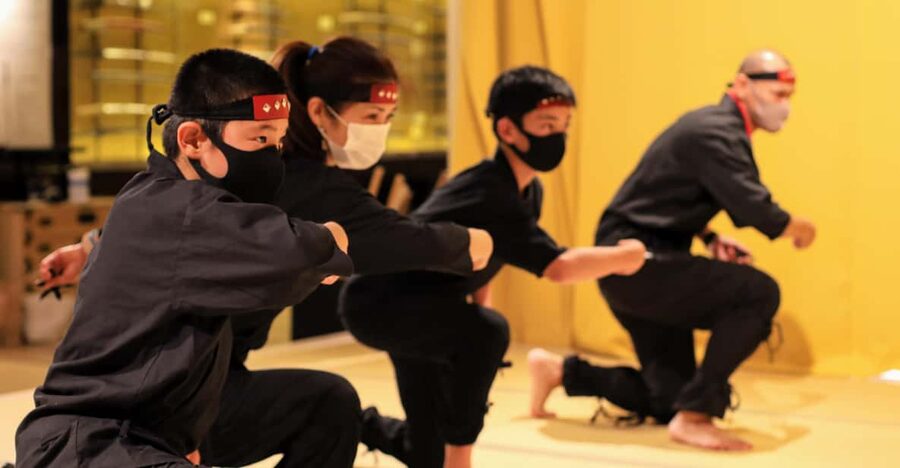
The best part of this Asakusa experience is that you do not just look at samurai and ninja displays. You put on a full ninja outfit, pick up a blowgun, and test your aim with a shuriken throwing contest. It turns a museum visit into a playful lesson in Japanese warrior culture.
I like the mix of hands-on activities and the ninja treasure hunt, which gives younger children something to do beyond simply looking at exhibits. I also like that an English-speaking guide leads the session, with Koki receiving special praise for clear explanations and a friendly manner.
The main drawback is value. At $56 per person, this is a short 75-minute activity, so families should book it for the fun and photos rather than expect a long museum tour or a full martial arts class. Children under 3 cannot join the ninja activity, though they can enter the venue.
Key points to know before booking
- Dress as a ninja: You wear a complete ninja outfit before taking part in the activities and photo session.
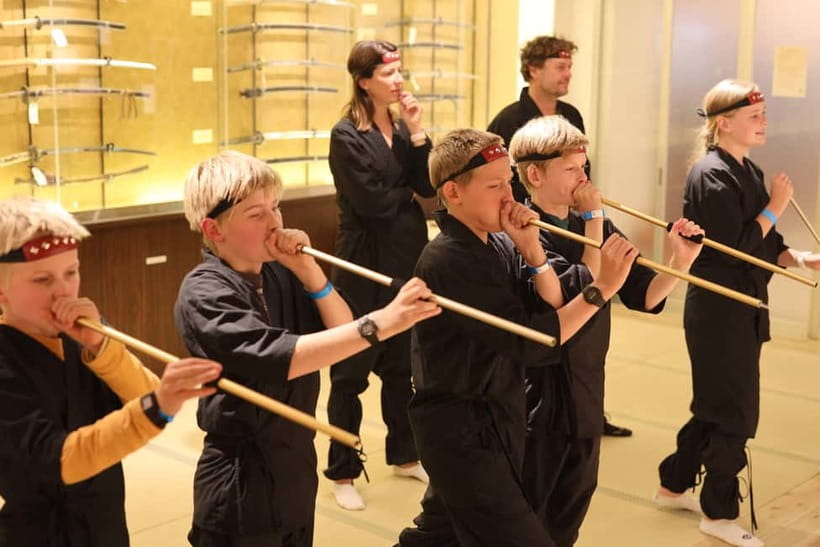
- Try two unusual activities: You practice with a ninja blowgun and throw ninja stars in a friendly competition.
- Treasure hunt for children: The hunt adds a simple game element that helps keep younger children involved.
- English explanations: The activity is conducted in English, and guide Koki is noted for clear, friendly instruction.
- Short, focused visit: The full experience lasts 75 minutes and includes museum admission.
- Check the age rule: Children under 3 may enter the venue but cannot participate in the ninja experience.
Putting on the ninja outfit in Asakusa
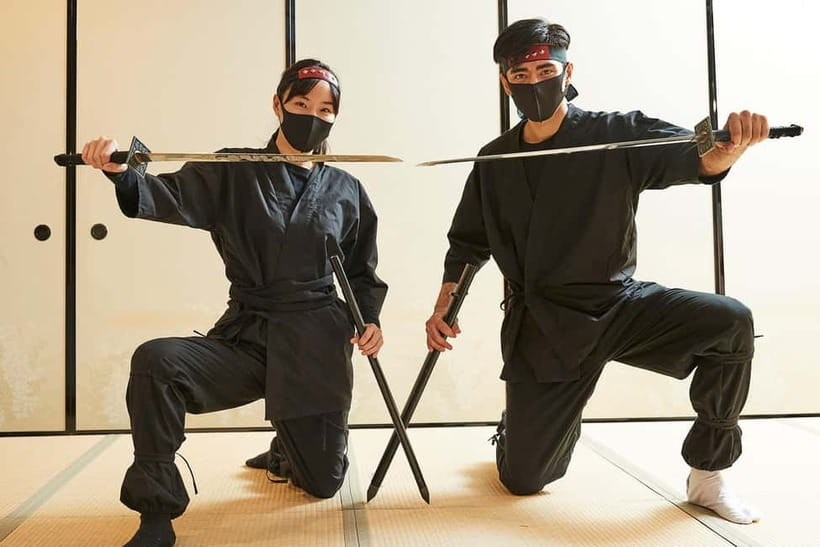
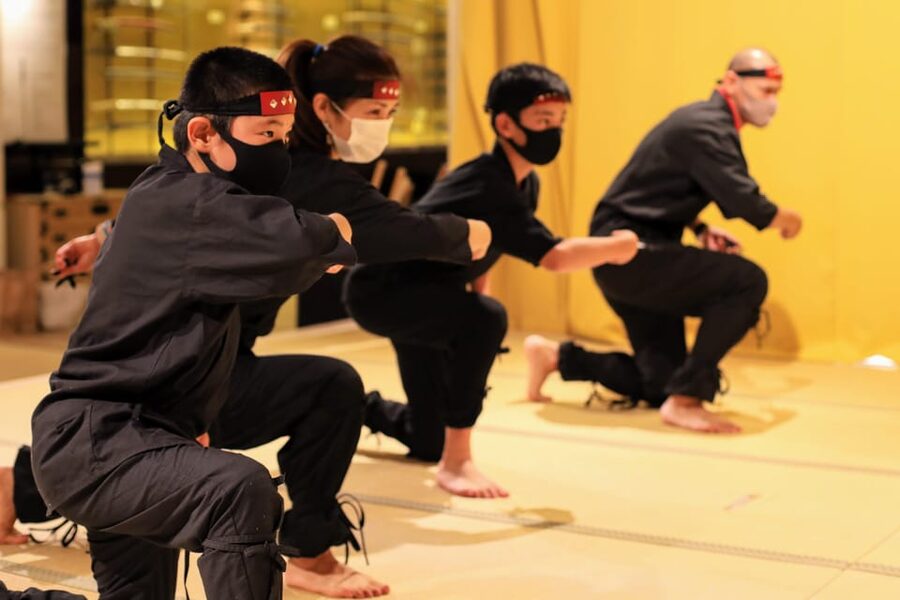
The experience begins with the part children usually anticipate most: changing into ninja clothing. A full outfit makes the activity feel different from a standard museum stop, especially for families who want photographs that capture more than a posed group picture in front of a display.
The clothing also gives the guide a useful way to introduce the idea of the ninja as a stealth warrior. You are not simply walking through a room and reading labels. You are taking part in a themed activity, with the outfit setting the tone from the start.
I would keep your expectations sensible. This is a cultural activity with play built into it, not a costume rental session for an entire day. The photo shoot is included, so you do not need to arrange a separate photography add-on, but the published details do not promise a long private photo session.
For children, the outfit helps bridge the gap between a museum and a game. A five-year-old may not care about a detailed explanation of Japanese military history, but that same child may pay close attention while dressed as a ninja and waiting for the next challenge.
More Samurai and Ninja Experiences in Tokyo
- Tokyo: Samurai Restaurant Show Ticket with 2 Drinks
★ 4.5 · 1,307 reviews - Tokyo: Samurai Ninja Museum Guided tour and Experience
★ 4.6 · 1,010 reviews - Tokyo: Samurai Sword & Archery Class from Samurai Descendant
★ 5.0 · 603 reviews
Learning ninja secrets through simple demonstrations
The session introduces ninja techniques in an accessible way. The aim is not to train you as a working martial artist. Instead, the guide explains selected parts of ninja culture and gives you safe, activity-based ways to try them.
That distinction matters when you decide who should book. Adults looking for a serious weapons course will probably find the session too light. Families, first-time visitors to Japan, and anyone who wants a memorable cultural stop in Tokyo are a better match.
The English-language format is useful here. You can follow the instructions without trying to translate every step, and children can take part directly. Koki is specifically praised for being kind and explaining things well, which is the sort of guide style that helps a mixed-age family stay engaged.
The activity appears designed around participation rather than long lectures. That makes the 75-minute length work well. You get enough time for several activities without committing half a day to a single indoor attraction.
The ninja star throwing competition
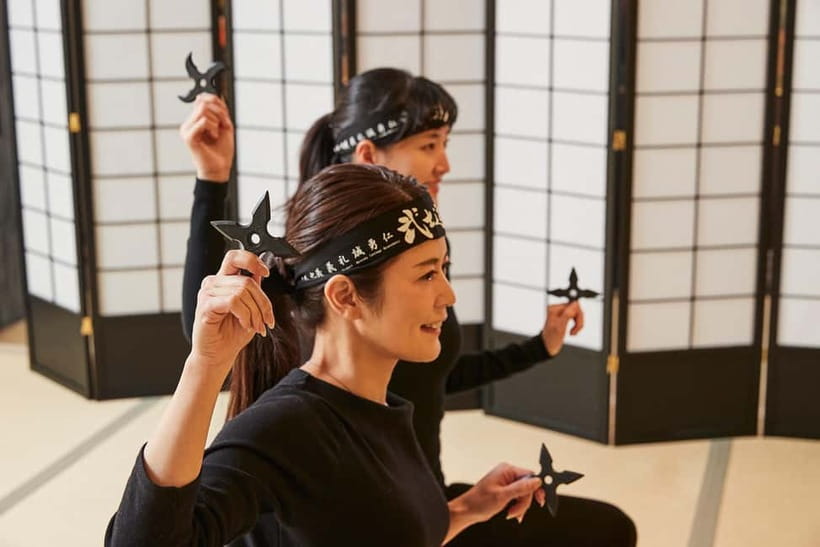
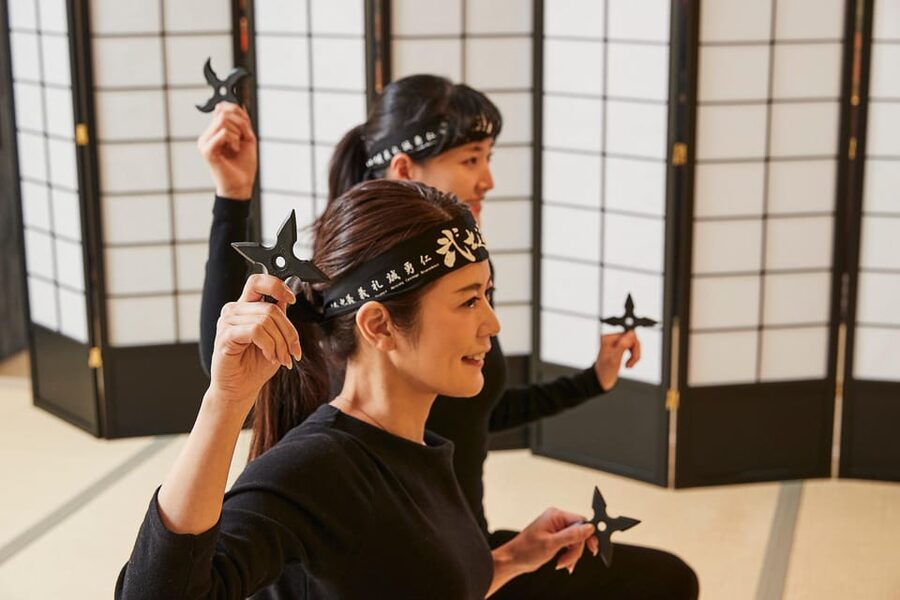
The shuriken, or ninja star, throwing contest is one of the clearest action points in the session. You get to test your accuracy, and the competitive format gives the activity a little energy without requiring advanced skill.
I like this element because it creates a shared family moment. Children can compete with parents, siblings can compare scores, and adults have a reason to join rather than simply watch from the side. The word competition should not lead you to expect a formal tournament. Think of it as a friendly challenge within a guided experience.
The activity is also easy to understand even if you know little about ninja traditions. The guide demonstrates what to do, then gives you a chance to try. That structure keeps the experience moving and avoids turning the session into a complicated lesson.
There is a practical point to remember: the fun depends partly on your attitude. If you want detailed information about the construction, use, and military background of shuriken, this experience may not go far enough. If you want to try throwing one in a controlled museum setting, it delivers a memorable change of pace.
Taking aim with the ninja blowgun
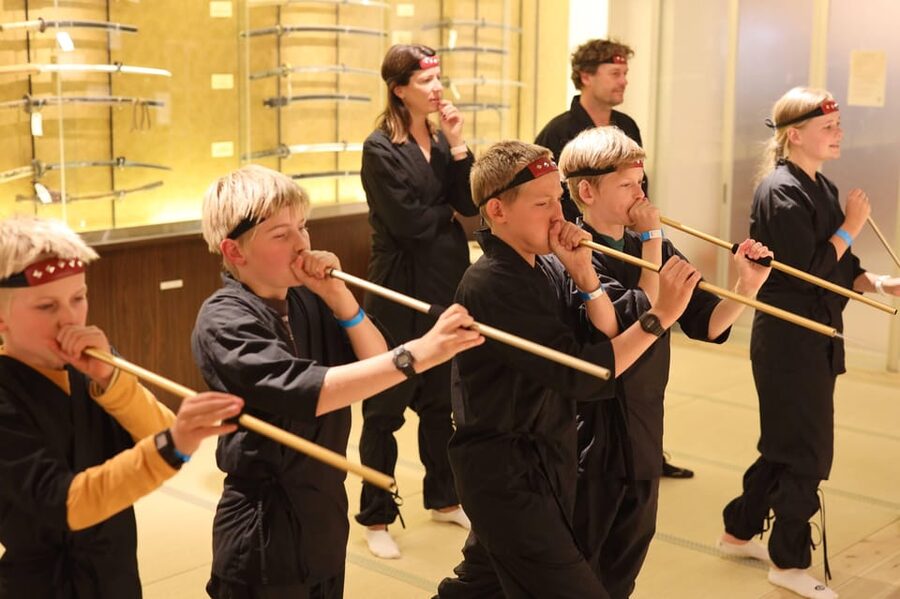
The blowgun adds a second skill test and keeps the session from feeling like one repeated activity. You practice precision in a different way, using breath and aim rather than the throwing motion needed for the ninja stars.
For children, this can be especially appealing because it feels unusual. Most families do not get many chances to try a blowgun during a city sightseeing day. The guide’s instructions matter, and the English-speaking format lets you understand how to take part before you begin.
I would treat this as a playful introduction, not a technical workshop. The provided details do not describe advanced lessons, lengthy practice rounds, or a formal scoring system for the blowgun. What you do get is a hands-on activity that adds variety and gives you another photo-worthy moment in costume.
Parents should stay engaged rather than assume the activity will entertain children without help. Younger participants may need encouragement to listen, take turns, and aim carefully. That is part of the appeal for families: you are doing something together, not dropping children into an unsupervised play area.
More samurai and ninja sessions in Tokyo:
- Best Samurai Experience in Tokyo
★ 5.0 · 458 reviews - Ninja Experience (Family Friendly) at Samurai Ninja Museum TOKYO
★ 5.0 · 441 reviews - Tokyo: Samurai Entertainment Night Show in Kanda Shrine
★ 4.6 · 417 reviews - Tokyo Sword Experience – includes Museum Ticket/Ninja Experience
★ 5.0 · 314 reviews
The treasure hunt that keeps children moving
The ninja treasure hunt is included in the price and is one of the most useful features for families with younger children. A hunt gives them a clear purpose as they move through the venue, rather than asking them to absorb information at an adult pace.
It also connects the museum setting with the ninja theme. You can look at displays, hear about warrior traditions, and then follow clues or search for the next part of the activity. The supplied information does not spell out the exact number of clues or the treasure itself, so do not book this expecting a large-scale escape room.
Instead, picture a compact, guided game within the museum experience. That is enough to break up explanations and maintain attention. The hunt was described as especially loved by children, and I can see why: it gives them a role in the visit.
This feature may be less important if your group is made up only of adults. Adults can still enjoy it as part of the theme, but the strongest reason to choose this activity is the way it gives children several different things to anticipate: dressing up, searching, throwing, aiming, and taking photographs.
What the museum visit adds
Admission to the Samurai and Ninja Museum is included. The museum portion gives context to the costume and activities, so the visit is not just a series of games with Japanese labels attached.
You can expect interactive exhibits connected with samurai and ninja traditions. The available information does not provide a full exhibit list, so I would not plan your day around particular armor, weapons, or named historical displays. The safe expectation is a compact cultural visit paired with live instruction.
That pairing is the real value. A conventional museum can be difficult for young children, while a themed activity can sometimes feel shallow. Here, the two are placed together. You get a chance to see displays and then take part in activities that make the subject easier to remember.
Still, the museum visit is not described as a long guided history tour. The 75-minute duration includes the outfit, instruction, treasure hunt, star throwing, blowgun practice, photo shoot, and museum admission. Time is therefore divided among several parts.
Is $56 per person good value?
At $56 per person, this is not a bargain attraction if you measure value by minutes inside a museum. Seventy-five minutes is a relatively short visit, and a family of four will feel the total cost quickly.
The price makes more sense if you count the complete package: museum entry, a full ninja outfit, guided instruction in English, shuriken throwing, blowgun practice, a treasure hunt, and a photo session. You are paying for a structured activity and a family memory, not simply admission to a collection of displays.
I would compare it with the cost of separate Tokyo attractions and the effort needed to keep children interested during a sightseeing day. If your children are excited by ninja stories, the activity can be worth the premium because it gives them a clear reason to participate.
The value is weaker for adults who want a detailed historical presentation or serious weapons practice. The positive comments focus on the instructor, the fun, and the explanations. One parent found it cute and enjoyable for a five-year-old but still felt it was somewhat expensive. That is a fair warning.
Group size, timing, and practical fit
The activity lasts 75 minutes, and starting times depend on availability. That makes it easy to fit into a day in Asakusa, especially if you want a compact indoor activity between other Tokyo sights.
The supplied booking details describe the experience as a small group limited to five participants, while also stating that the tour or venue may have a maximum of 20 people. Because those figures do not match, check the participant limit shown for your chosen date before paying. The smaller the actual group, the more personal the instruction is likely to feel.
An English-speaking live guide leads the session. English is the only language specified, so this is the safest choice for English-speaking families rather than a multilingual group seeking several language options.
The venue is wheelchair accessible. Children under 3 may enter but cannot join the ninja experience, so families with toddlers should plan for one adult to supervise while the older children take part.
Cancellation is flexible: you can cancel up to 24 hours before the activity for a full refund. A reserve-now, pay-later option is also available, which helps if your Tokyo schedule is still shifting.
Who will enjoy this most?
I would choose this for families with children old enough to follow instructions and enjoy a little competition. The five-year-old mentioned in the feedback had a good time, which suggests the activity can work for young children, though every child’s interest and attention span will differ.
It also suits visitors who want a light cultural experience rather than a formal lecture. You learn about ninja traditions through clothing, objects, demonstrations, and games. That approach can make a first introduction to Japanese warrior culture easier to remember.
Adults can enjoy it too, especially if they are happy to join the activities instead of standing back. The photo shoot gives couples and friends a chance to make the visit personal, while the shuriken and blowgun challenges offer a break from temples, shopping streets, and train rides.
I would skip it if you want a long museum visit, extensive historical detail, or advanced instruction. The experience is built for fun, participation, and family memories. Its strengths are clear, but they are not the same as the strengths of a serious history museum.
How the guides shape the experience
A good guide is important in a short activity because there is little time to recover from unclear directions or a flat presentation. The strongest praise here goes to the instructors, especially Koki, who is described as friendly and good at explaining the activities.
That matters more than it might at first appear. Children need quick, simple directions. Parents want to know what is safe and how the activity works. Adults often appreciate a bit of context before picking up unfamiliar equipment. A guide who can handle all three needs helps the session feel relaxed.
The available comments also describe the instructor as amazing and the explanations as very good. I would place this near the top of the reasons to book, along with the costume and hands-on activities.
Because the experience is live and guided, the exact feel may depend on the instructor assigned that day. Koki’s name is associated with the activity, but the supplied information does not promise that Koki will lead every session. Treat the guide’s friendly teaching style as a major feature, while understanding that the individual guide may vary.
Should you book the Asakusa ninja experience?
Book it if you want a short, cheerful activity that gives children a role in your Tokyo sightseeing. The full ninja outfit, treasure hunt, star throwing, blowgun practice, and included photographs create plenty of small moments to remember.
I would also book it for a family that has already seen several traditional sights and needs something more active. The museum admission adds cultural context, while the games stop the visit from becoming another quiet indoor tour.
Think twice if $56 feels high for a 75-minute session, or if your main goal is detailed samurai and ninja history. The price is easier to justify when you value a guided family experience and costume photos. For a child who loves ninja stories, that may be exactly the point.
FAQ
How long does the Samurai Ninja Museum experience last?
The ninja experience lasts 75 minutes, including the activities, museum admission, treasure hunt, and photo shoot.
What activities are included?
You can wear a full ninja outfit, learn basic ninja techniques, take part in a ninja star throwing competition, use a ninja blowgun, join a ninja treasure hunt, and have a photo session.
Is the experience suitable for children?
It is designed as a kid-friendly activity, and children can take part in the treasure hunt and hands-on challenges. Children under 3 cannot join the ninja experience, although they can enter the venue.
Is the activity conducted in English?
Yes. The experience has a live English-speaking guide, and English is the listed language.
Is museum admission included?
Yes. The entrance ticket and a complimentary tour of the Samurai and Ninja Museum are included.
Can I cancel the booking for a refund?
You can cancel up to 24 hours in advance for a full refund. A reserve-now, pay-later option is also available.
More Museums in Tokyo
- Tokyo: teamLab Planets TOKYO Digital Art Museum Entry Ticket
★ 4.6 · 9,779 reviews - Tokyo Studio Ghibli Museum and Ghibli Film Appreciation Tour
★ 4.5 · 421 reviews - Samurai Ninja Museum Asakusa: Samurai Sword Lesson & Tour
★ 4.8 · 306 reviews - Tokyo: Art Aquarium Museum GINZA Entry Ticket
★ 4.5 · 278 reviews
Just added around Tokyo
- Private Arrival Transfer : Narita International Airport to Central Tokyo City★ 4.5 · 12 reviews
- Narita Airport(NRT): Private Transfer to Tokyo/Yokohama 1-9pax★ 5.0 · 47 reviews
- Private Transfer from Narita Airport to Yokohama Port and City★ 4.5 · 17 reviews
- [Narita Airport Terminals 1, 2] 40-60km Sawara Itako Historic Bike Tour★ 5.0 · 13 reviews
- 3 Day Japan Highlights Tour: Tokyo, Mt.Fuji, Nara, Kyoto, Osaka★ 5.0 · 22 reviews
- Small Town in the Big City: Tasting Tokyo’s Kichijoji★ 5.0 · 195 reviews
- Small Town in the Big City: Tasting Tokyo’s Kichijoji★ 5.0 · 16 reviews
- The 10 Tastings of Tokyo With Locals: Private Street Food Tour★ 5.0 · 48 reviews
Tokyo Tours, compared.

Mt Fuji and Hakone 1-Day Bus Tour Return by Bullet Train
Read our review →

teamLab Planets TOKYO Digital Art Museum Entry Ticket
Read our review →
Mt Fuji & Hakone Cruise, Drum Show Bullet Train 1 Day from Tokyo
Read our review →
Sumo Show Experience with Chicken Hot Pot and a Photo
Read our review →
Shinjuku Food Tour (13 Dishes at 4 Local Eateries)
Read our review →
Tokyo Mt Fuji 5th St & Hakone Cruise Bus Tour w/Bullet Train
Read our review →
Flagship 2-Hours Official Street Go-Kart Tour – Tokyo Bay Shop
Read our review →Browse the lists this tour appears in