
Reviewed · NARA TOURS
Sushi Making Experience Luxury Course in Nara
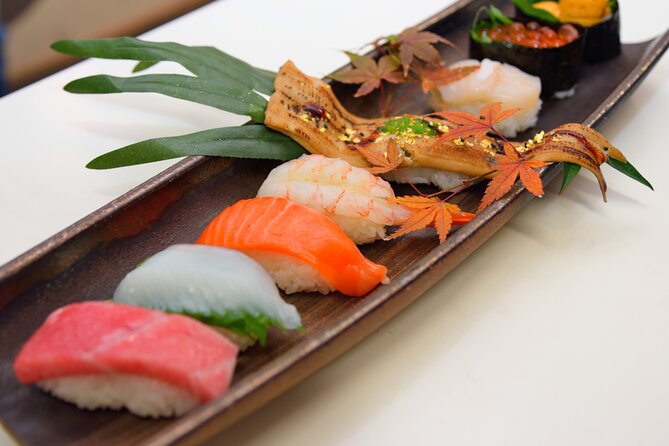
Nara’s Umemori Sushi School takes you past the usual assemble-and-eat cooking class. You work through the full process, from seasoning rice and grating fresh wasabi to slicing fish and shaping eight pieces of premium sushi. I like the hands-on format, and I especially like the chance to wear traditional Japanese clothing while learning the words and gestures tied to the craft.
I also like that the class welcomes beginners without talking down to more experienced cooks. Instructors can answer questions in English, and dietary arrangements are available with advance notice. The main consideration is timing: the class lasts only about 90 minutes, so arriving late can mean missing activities, with no partial refund.
Key points to know before booking
- You make sushi from the beginning: The class includes rice preparation, wasabi grating, fish cutting, and sushi shaping.
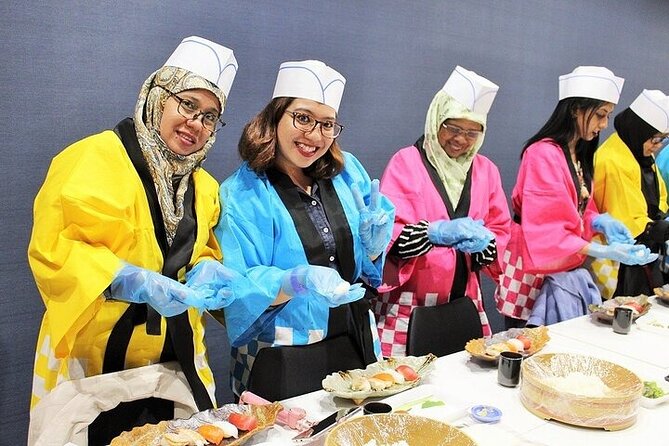
- Traditional clothing is part of the fun: You can choose from several rental garments before starting the lesson.
- Freshly grated wasabi adds a real Japanese touch: You experience its aroma and texture rather than using only prepared paste.
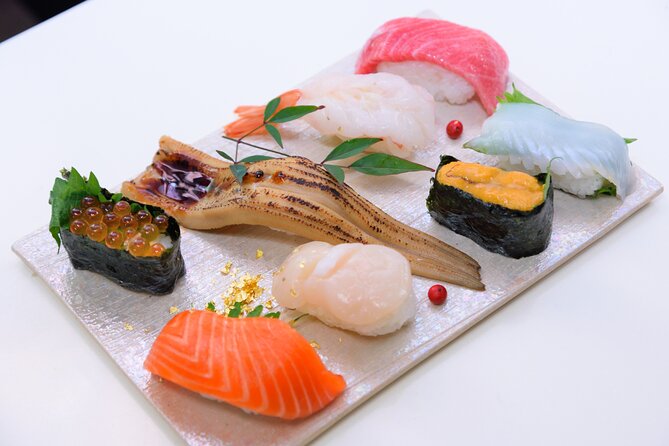
- Eight premium sushi pieces are included: Toppings may change with the season, and you can choose from options such as green onion and ginger.
- You leave with more than lunch: A certificate, souvenir photography, and practical techniques for home cooking are included.
- Dietary needs can be discussed in advance: Vegetarian, vegan, Muslim, allergy-friendly, non-raw, and gluten-free options are available.
Starting at 221 Hokkejicho in central Nara
The experience begins at 221 Hokkejicho, Nara 630-8001, and ends at the same location. The meeting point is near public transportation, and clear directions are provided, which matters in Nara’s older streets where a short walk can sometimes feel less direct than it looks on a map.
Give yourself plenty of time to arrive. If you are delayed by up to 15 minutes, contact the organizer at +81-742-34-5789. Arrivals more than 30 minutes late are treated as cancellations, and late arrivals may miss parts of the lesson without receiving a partial refund.
That strict rule makes sense for a timed class with other people at the table, but it is worth taking seriously. I would plan to arrive early, especially if you are fitting this between Nara’s temples, shopping, or a train connection.
The published maximum is 200 participants, although the experience is also described as offering small-group instruction. Ask about the group size for your chosen date if personal coaching is especially important to you.
More sushi classes in Nara:
- Sushi Making Tokyo Roll and Authentic Japanese Sushi Class
★ 5.0 · 3,971 reviews - Tokyo: Roll and Authentic Sushi Making Class in Asakusa
★ 4.9 · 1,957 reviews - Tokyo: Sushi Making Class in a Happi Coat near a Famous Spot
★ 4.9 · 1,377 reviews
Dressing for a hands-on sushi lesson
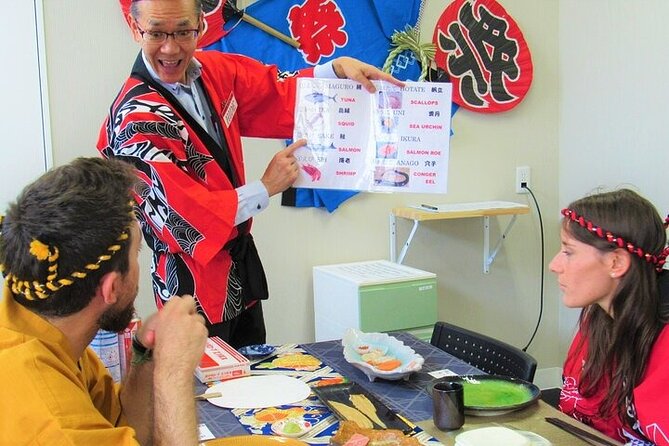
One of the more unusual parts of the class is the rental clothing. You can choose from several types of traditional Japanese attire before the lesson begins, giving the activity a stronger cultural feel than a standard cooking demonstration.
This is not just a photo prop. Wearing different clothing can help mark the class as a special occasion, particularly if you are visiting Nara as a couple, family, or small group. Souvenir photography is included, so you can record the moment without needing to balance a phone over your cutting board.
The clothing also creates a practical issue: cooking requires movement, careful handling, and attention to hygiene. The school is accustomed to hosting the activity, but you should follow the instructor’s directions about sleeves, positioning, and keeping the garment clear of ingredients.
There is no elevator in the building, though staff can help you up the stairs. If stairs are a concern, contact the school before booking rather than waiting until arrival.
Step 1: Preparing properly seasoned shari
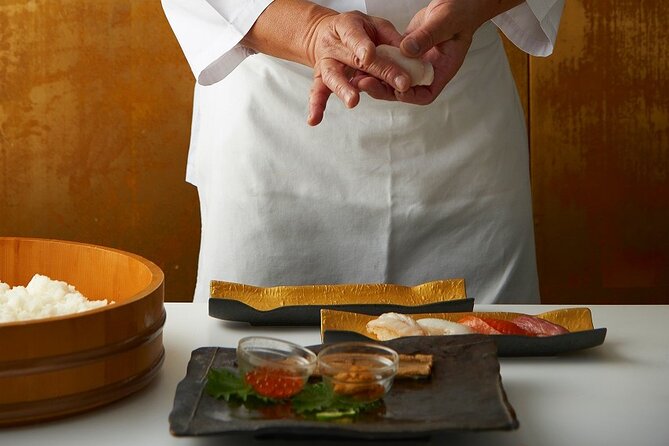
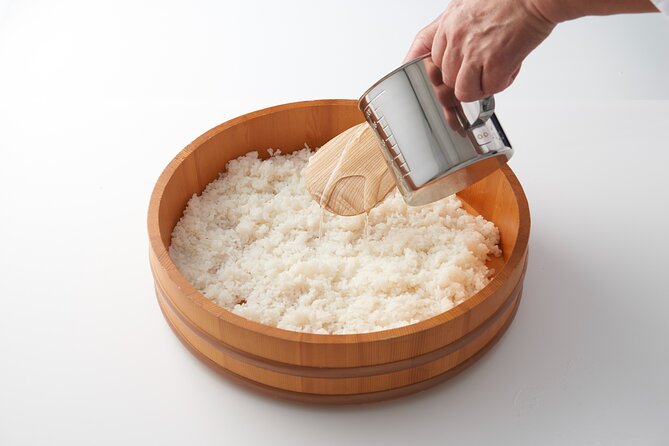
The class begins with shari, the seasoned rice used for sushi. This is an important choice because sushi rice is not simply plain rice with fish placed on top. Its texture, warmth, moisture, and seasoning affect how the finished piece holds together and how the fish tastes.
You learn the basic process for preparing the rice and seasoning it correctly. The lesson is useful at home because rice is often the part beginners underestimate. If it is too wet, too dry, too warm, or poorly seasoned, even good fish will not produce a satisfying piece of sushi.
The instructor’s role matters here. A written recipe can tell you quantities, but a teacher can show you the feel of the rice and the light handling needed to keep the grains from becoming heavy or mashed. The class is designed for beginners, so you do not need previous sushi-making experience to take part.
This opening stage also gives you a quick look at the discipline behind Japanese food preparation. The finished sushi may appear simple, but the foundation is precise.
Step 2: Grating fresh wasabi
Next comes fresh wasabi. You grate it yourself, experiencing the aroma that is often missing from the prepared green paste served outside Japan.
This is a small step, but it adds a memorable sensory detail to the class. Freshly grated wasabi has a different character from the familiar strong paste, and the process helps explain why wasabi is used in such measured amounts with sushi.
You also get a better sense of how Japanese cooking pays attention to preparation at the table. The ingredient is not treated as an afterthought. It has its own texture, fragrance, and place in the finished bite.
If you do not enjoy raw heat, do not assume you must use a large amount. Toppings and ingredients can be discussed with the instructors, and the school offers options for different dietary needs.
A few more Nara half-days to weigh up
- World Heritage Kyoto & Nara Uji Authentic Matcha Experience
★ 5.0 · 1,573 reviews - Nara Half Day Trip Walking Tour (Private Option Available)
★ 5.0 · 937 reviews - Nara Early Morning Tour (Kyoto or Osaka Departure Available)
★ 5.0 · 676 reviews - Osaka: Nara and Uji Day Trip with Deer Park and Hot Spring
★ 4.4 · 302 reviews
Step 3: Cutting sushi-grade seafood
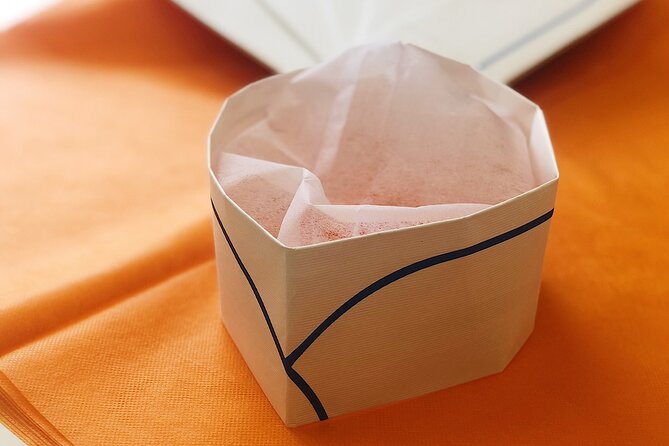
The fish preparation section introduces the care needed when handling sushi-grade seafood. You learn how to cut the fish for the pieces you will shape later, rather than simply placing a ready-made slice on rice.
That makes this class more useful than a quick workshop where the main task is arranging toppings. Cutting affects the size, shape, texture, and balance of each piece. The instructor can guide your technique and help you work safely with the knife.
Seasonal availability affects the toppings, so the exact seafood and garnishes may vary. You can choose from additions such as green onion and ginger, but the final selection depends on the season.
The word premium is part of the course description, and eight pieces are included. That is enough for a satisfying tasting portion and a chance to practice, though it is not a full multi-course Japanese meal. Tempura, tofu, pork shabu-shabu, drinks, and other optional dishes cost extra or are not included.
Step 4: Shaping nigiri by hand
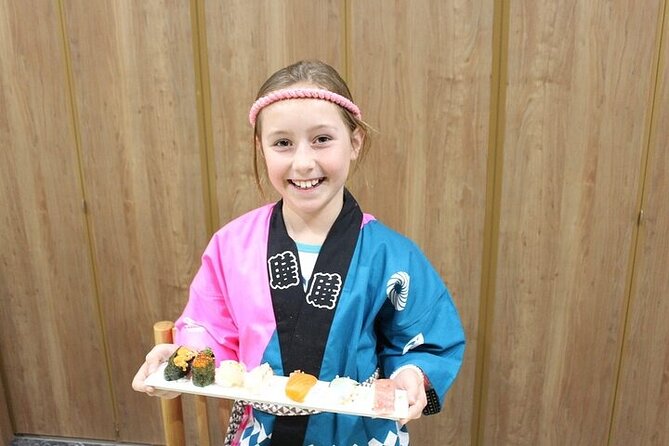
The heart of the lesson is shaping the sushi. You form the rice and assemble the fish and toppings into finished pieces, working toward the compact, balanced shape associated with nigiri.
This takes more control than it first appears. The rice must hold together without being compressed into a hard block, and the fish needs to sit neatly on top. You are not expected to produce a restaurant-perfect piece immediately. The value is in learning the movements under direct guidance.
The class uses authentic tools and techniques, so you get a better understanding of how sushi is made in Japan rather than simply copying a decorative arrangement. Instructors are prepared to guide different skill levels, and English is sufficient for questions and basic instruction.
One past participant specifically praised the teachers’ ability to explain the process in English. That makes this a practical option if you want instruction rather than a silent demonstration. The school’s staff member Okashi has also been singled out for making the activity lively, especially during the traditional clothing and cultural elements.
By the end, you have made eight pieces of sushi yourself. You eat what you prepare, which gives the lesson a clear reward, but the greater benefit is taking home a repeatable method.
A short cultural lesson with real context
Umemori Sushi School presents the activity as more than a recipe class. Alongside the food, you learn about sushi’s cultural role and the traditions connected with its preparation.
The cultural material is likely to be most useful for people who want context without committing to a long museum lecture. The class keeps the focus on doing: preparing rice, handling wasabi, cutting fish, and shaping sushi while learning why each stage matters.
That balance is one of the strongest reasons to book this instead of a generic cooking class. You get a taste of Japanese food culture through tools, ingredients, clothing, gestures, and table practice.
Still, the 90-minute duration limits how far the cultural discussion can go. If you want a full history of sushi, regional cuisine, or an advanced chef’s lesson, this course may feel brief. It is best understood as a compact introduction with plenty of practical work.
What the included meal is really worth
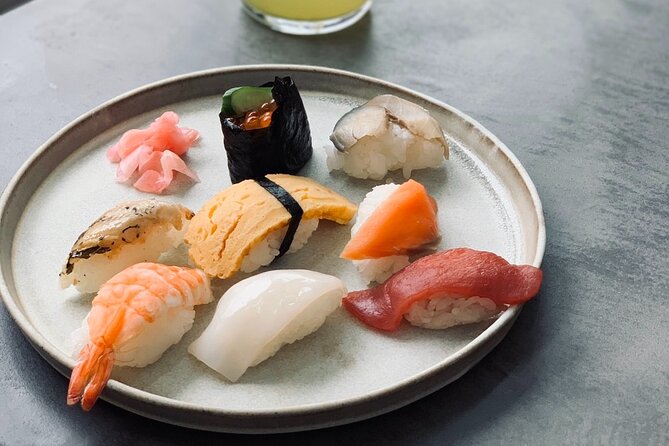
The price is $115.96 per person. That is not a cheap way to buy eight pieces of sushi, and you should not judge the cost as if this were simply a restaurant lunch.
You are paying for instruction, ingredients, use of tools, rental clothing, selected toppings, the sushi you prepare, a certificate, and souvenir photography. The class also gives you techniques you can use at home, which changes the value for anyone who enjoys cooking or wants a memorable activity rather than another meal.
I think the price makes the most sense for visitors who care about participation and cultural detail. If you only want to eat excellent sushi, a good restaurant may offer better value. If you want to understand how sushi is built and leave with a skill you can share, the class is easier to justify.
Drinks are not included. Neither are other Japanese dishes such as tempura, tofu, or pork shabu-shabu. Keep that in mind if you are expecting a broad meal. This is a focused sushi lesson, not a full food tour.
Dietary requests and practical comfort
The school can arrange vegetarian, vegan, Muslim, allergy-friendly, non-raw, and gluten-free options. You need to inform the organizer before the class so the ingredients can be prepared appropriately.
That flexibility is useful, but you should describe your needs clearly at booking. If you cannot eat raw fish, say so in advance rather than assuming you can change the menu on the day.
Service animals are allowed, and the location is near public transportation. The building has stairs and no elevator, although staff can help you go up. Those details are small, but they can determine whether the class fits comfortably into your day.
A mobile ticket is provided, and booking confirmation arrives at the time of booking. The experience has been booked, on average, about 40 days ahead, so I would not leave it until the last minute if your Nara schedule is fixed.
Who will get the most from this class
This is a strong pick for first-time sushi makers. The sequence is clear, the lesson is short enough to fit into a busy sightseeing day, and the instructors provide hands-on help rather than expecting you to know professional techniques.
It also suits couples and families who want an activity they can do together. Choosing clothing, selecting toppings, making the sushi, and taking souvenir photos give the class a social rhythm. Solo participants can take part as well, especially if they like structured activities.
Experienced home cooks may appreciate the rice, fish-cutting, and shaping techniques, though advanced sushi makers may find the class introductory. The available information describes personalized guidance for different skill levels, but the exact depth will depend on the instructor and class group.
I would be cautious about booking if you have a very tight schedule, dislike stairs, or want a substantial meal. The class is short, the late-arrival policy is strict, and the included food is limited to eight sushi pieces.
Booking, cancellations, and the best time to commit
Free cancellation is available when you cancel at least 24 hours before the local start time. Cancellations or changes made less than 24 hours ahead are not refunded or accepted, so check your Nara plans before making a firm reservation.
The experience is offered by Umemori Sushi School. Since the course is often booked well in advance, reserve once your sightseeing day is settled, then leave a generous buffer before and after the class.
A morning or afternoon time can work equally well, but the important point is not to place it next to a train departure or timed temple visit. The class itself lasts approximately one hour and 30 minutes, yet you should allow extra time for finding the meeting point, changing clothing, and walking onward afterward.
Should you book the Umemori Sushi School course?
Book it if you want to make sushi rather than simply eat it. The strongest parts are the full start-to-finish process, fresh wasabi, traditional clothing, English-friendly instruction, and the certificate and photos that make the experience easy to remember.
At $115.96, it is an activity purchase rather than a budget meal. The value improves if you care about Japanese food culture, want techniques for home use, or are looking for a structured break from temple sightseeing in Nara.
Skip it if your priority is a large meal, advanced chef training, or a flexible drop-in activity. For everyone else, especially beginners and first-time visitors to Japan, this is a practical and cheerful way to connect with sushi as a craft.
FAQ
Where does the sushi-making experience begin and end?
It begins at 221 Hokkejicho, Nara, 630-8001, Japan, and ends back at the same meeting point.
How long does the class last?
The experience lasts approximately one hour and 30 minutes.
How much does the experience cost?
The listed price is $115.96 per person.
How many sushi pieces are included?
The course includes eight pieces of premium sushi.
Are drinks included?
No. Drinks are not included.
Are other Japanese dishes included?
No. Tempura, tofu, pork shabu-shabu, and other optional menu items are not included.
Can people with dietary restrictions take part?
Yes. Vegetarian, vegan, Muslim, allergy-friendly, non-raw, gluten-free, and other options are available if you inform the organizer before the class.
What happens if I am late?
If you are delayed by up to 15 minutes, contact the organizer at +81-742-34-5789. Arrivals more than 30 minutes late are treated as cancellations, and late arrivals may miss activities without receiving a refund.
Can I cancel for a full refund?
Yes, if you cancel at least 24 hours before the experience start time. Cancellations or changes made less than 24 hours before the start time are not refunded or accepted.
Just added around Nara
- All must-sees in 3 hours – Nara Park Classic Tour! From JR Nara!★ 5.0 · 108 reviews
- Private Nara Tour and Sake Tasting (Departing from Kyoto/Nara)★ 5.0 · 40 reviews
- Hammer a Pattern on Your Ring Workshop★ 5.0 · 57 reviews
- Nara World Heritage PRIVATE TOUR★ 4.5 · 15 reviews
- Nara Sake Tasting Tour at Local Brewerie(tasting fee included)★ 5.0 · 12 reviews
- Nara Private Tour: Flexible Pickup from Kyoto, Osaka, or Nara★ 5.0 · 17 reviews
- Nara Highlight Walking Tour with Furoshiki Experience with Lunch★ 5.0 · 73 reviews
- Nara – Heart of Nature Cross Bike Tour★ 5.0 · 19 reviews
Nara Tours, compared.

World Heritage Kyoto & Nara Uji Authentic Matcha Experience
Read our review →
Nara Half Day Trip Walking Tour (Private Option Available)
Read our review →
Nara Early Morning Tour (Kyoto or Osaka Departure Available)
Read our review →
Nara and Uji Day Trip with Deer Park and Hot Spring
Read our review →
Kyoto/Osaka: Kinkakuji, Bamboo Forest, and Nara Deer Park
Read our review →
Nara 6hr Private Tour with Government-Licensed Guide
Read our review →
E-Bike Nara Highlights – Todaiji, Knives, Deer, Shrine
Read our review →
Nara Early Bird Tour (Kyoto Departure Option Available)
Read our review →Browse the lists this tour appears in