
Reviewed · TOKYO TOURS
Tokyo: 2-Hour Vegan and Vegetarian Ramen Guided Walking Tour
Four mini bowls, two ramen shops, and a train ride from Shibuya to Shinjuku give this vegan ramen tour more range than a single restaurant meal. You taste different styles while learning how Hokkaido and Tokyo helped shape Japan’s favorite noodle dish.
I like the useful variety: one stop focuses on Hokkaido-style ramen, while the other serves classic Tokyo tsukemen, or dipping ramen. I also like the practical guidance from English-speaking guides such as Brian, Makayla, Bunga, Frank, and Sahori, who explain the food as you go.
The main drawback is the pace. Two hours is enough for tasting, but not for lingering over full bowls or making a relaxed meal of it. You also pay $96 per person, and your train fare from Shibuya to Shinjuku is extra.
Key points at a glance
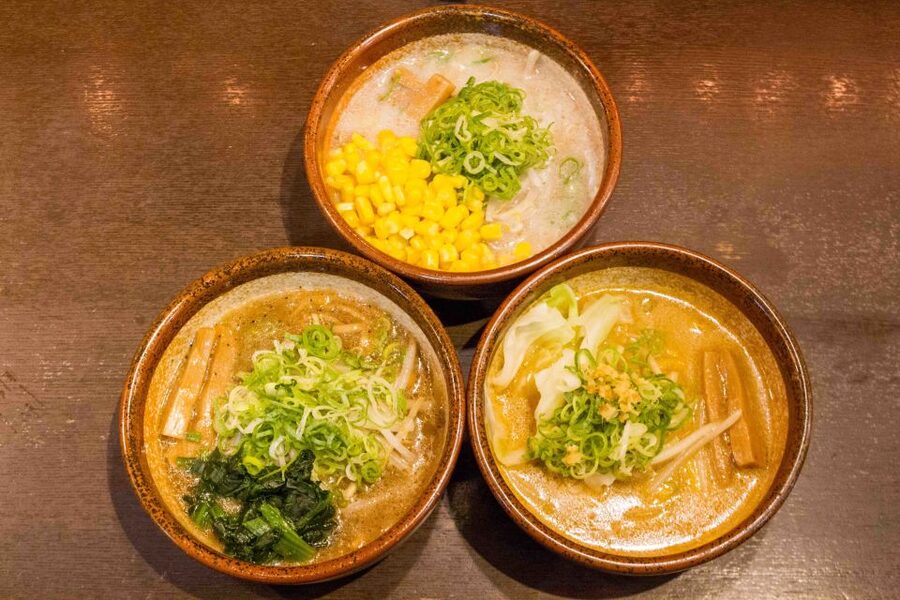
- Four mini bowls in one outing: Sample several flavors without committing to four full servings.
- Two major ramen traditions: Compare Hokkaido-style ramen with Tokyo-style tsukemen.
- Vegan by design: All four ramen tastings are vegan, with non-vegan broth options available for each.
- Gluten-free flexibility: Gluten-free noodles can be arranged, which helps diners with specific dietary needs.
- Shibuya to Shinjuku by train: The route links two famous Tokyo districts and adds a small piece of everyday city travel.
- Small groups or private tours: The format can suit couples, families, or small parties wanting direct access to an English-speaking guide.
Four small bowls, one useful ramen lesson
The best reason to book this experience is simple: ramen can be hard to explore on your own when you need vegan or vegetarian food. Tokyo has many ramen shops, but finding a place with suitable broth, noodles, and several plant-based choices takes research. This tour removes much of that guesswork.
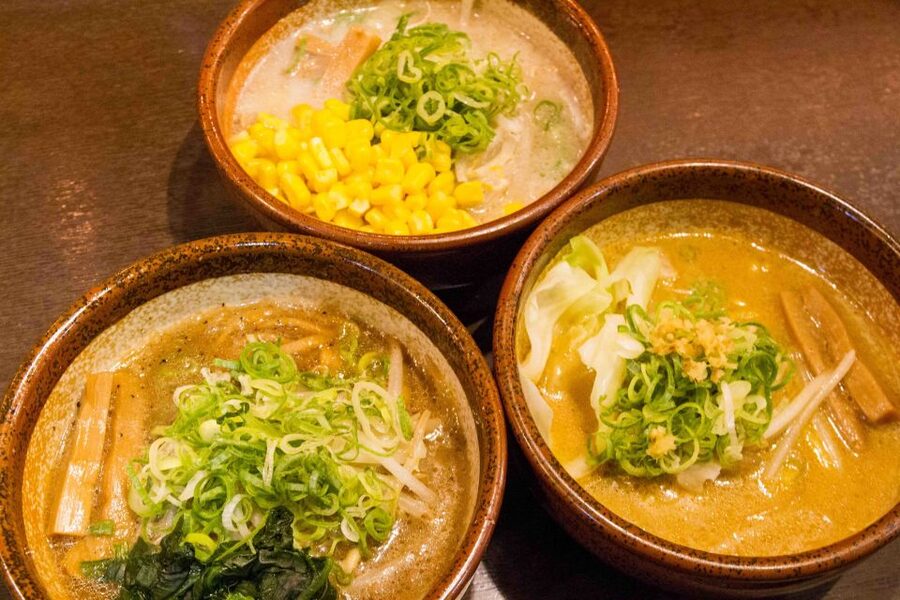
You receive four mini bowls rather than one large serving. That matters. Ramen is filling, and a full bowl at each stop would be far too much for most people. Small portions let you compare broths, toppings, textures, and regional styles while keeping enough appetite for the next taste.
The tour is presented as vegan, with non-vegan broth options available for each bowl. If your diet is vegetarian, you can ask about the suitable choices. If you need gluten-free noodles, those are also available. You should still explain your needs clearly when booking or meeting the guide, especially if you have an allergy rather than a preference.
This is a tasting tour, not a cooking class. You will learn about ramen’s origins and development, but the focus stays on eating at two working ramen shops in central Tokyo. That balance suits you if you want food history tied to actual dishes rather than a long lecture.
A few more Tokyo half-days to weigh up
- Shibuya Tokyo: Sushi Making Class (Vegan/Vegetarian/Halal)
★ 4.7 · 29 reviews
Meeting beside Hachiko in Shibuya
The tour begins in front of Shibu Hachi Box, across from the Hachiko statue. The guide waits farther to the left, under the word Shibu, holding a Tokyo Ramen Tours sign.
This is a busy meeting area, so allow time to find the exact spot. Hachiko is one of Tokyo’s most familiar landmarks, but the crowds around Shibuya Station can make a precise meeting point easy to miss. Look for the sign rather than assuming the guide will be directly beside the statue.
Starting in Shibuya works well for first-time visitors. You are already near one of Tokyo’s best-known crossings, department stores, and station routes. The experience does not spend its time sightseeing, but the opening walk gives you a sense of the district before the food begins.
Your guide speaks English. Past guides have included Brian, Makayla, Bunga, Frank, and Sahori, though the person leading your tour depends on the date. The small-group or private format should make it easier to ask questions about ramen, Japanese food culture, and places to eat later in your trip.
First stop: Hokkaido-style ramen in Shibuya
The first restaurant specializes in authentic Hokkaido-style ramen. Hokkaido is important in ramen culture, and the guide explains its role in the dish’s development and wider popularity.
You will taste mini bowls rather than order a standard full portion. The exact flavors can vary, but the purpose is comparison: notice how one regional style differs from the Tokyo bowl later in the outing. Your guide can also explain the making of ramen and the parts that shape its flavor.
This stop is useful because ramen is not one fixed recipe. Regional traditions change the broth, noodles, toppings, and overall character. Learning that while eating makes the information easier to remember. You are not simply told that Hokkaido has a major place in ramen history. You get a bowl connected to that tradition.
The practical value is strong for plant-based diners. You may have seen ramen described as vegetarian or vegan and still wondered what was in the broth. Here, the food is selected around those needs, and non-vegan broth alternatives are available if that better suits your diet.
Do not expect the first shop to deliver a full restaurant meal. Four mini bowls are the point. If you discover a favorite, you can ask the guide about returning for a regular serving later. Starting the tour early in your Tokyo stay is a smart move for this reason. You can use the rest of the trip to revisit the style you liked best.
The train ride from Shibuya to Shinjuku
The group travels by train from Shibuya to Shinjuku between the two ramen stops. Train fare is not included, so bring a transportation card or cash for the ticket.
This transfer is short in the grand scheme of a Tokyo day, but it is part of the experience. You move between two major districts instead of eating in one neighborhood and heading straight back to your hotel. It also gives the guide a natural chance to discuss Tokyo’s food culture and answer questions about what to eat and see nearby.
Keep your transport card ready. The tour price does not cover this small extra cost, and stopping to sort out a ticket can slow a compact two-hour schedule. You should also expect station walking, transfers, and the general movement that comes with crossing Tokyo by rail.
For some people, this is an advantage. You get a taste of how locals move through the city, and Shibuya and Shinjuku offer very different settings for exploring. For anyone with limited mobility, the train transfer and walking deserve careful thought. The activity is not suitable for wheelchair users.
More food tours in Tokyo:
- Tokyo: Shinjuku Food Tour (13 Dishes at 4 Local Eateries)
★ 5.0 · 6,603 reviews - Tokyo Tsukiji Fish Market Food and Culture Walking Tour
★ 5.0 · 3,184 reviews - Tokyo: Shinjuku Food Tour (15 Dishes and 4 Eateries)
★ 4.9 · 2,033 reviews - Best of Shinjuku: Izakaya Food Tour (4 Stops, 14+ Tastings)
★ 5.0 · 1,863 reviews
Second stop: Tokyo tsukemen in Shinjuku
The second shop focuses on classic Tokyo tsukemen. Instead of noodles sitting in broth, tsukemen serves the noodles separately, with dipping broth on the side.
That change in format gives you a clear contrast with the first stop. You control how much broth reaches each bite, and the noodles and dipping sauce can be considered separately. Since this is a mini tasting, the guide can point out how the style works without leaving you with an oversized portion.
Shinjuku is a fitting place for the second stop. It is another major Tokyo district, known for its dense mix of food, shopping, entertainment, and station traffic. The tour does not promise a broad Shinjuku sightseeing walk, so think of the neighborhood as the setting for the restaurant rather than a separate attraction.
The two-stop structure is one of the tour’s strongest features. You taste different approaches to ramen in a single afternoon or morning, then leave with a clearer sense of what you like. One bowl may appeal because of its broth, another because of its noodle texture, and the tsukemen may win you over simply because it eats differently.
What the guide adds beyond the noodles
A good food tour should help you understand what is in front of you. This one uses ramen to explain regional food traditions, the making of the dish, and the role of Tokyo and Hokkaido in ramen’s story.
Guides have also helped with wider Tokyo questions. Frank, for example, has been praised for answering questions about places to eat, see, and visit around the city. That can be especially useful early in your trip, when you are still working out how Tokyo’s neighborhoods fit together.
The strongest guides for this format are not just reciting dates. They connect the bowl to Japanese food culture and explain why different ramen styles matter. Bunga was described as fun and full of useful ramen information, while Makayla combined food lessons with an upbeat approach. Brian was noted for being friendly and attentive, and Sahori led an enjoyable outing for visitors who had just arrived after an overnight flight.
Guide quality can vary from one departure to the next, as it does with any guided activity. Still, the subject is narrow enough that a guide who cares about ramen can add real value. If you are curious, ask questions. The tour is better when you treat it as a conversation rather than a procession from one bowl to the next.
Vegan, vegetarian, halal, and gluten-free needs
This is a particularly useful choice for vegans and vegetarians who do not want to spend their Tokyo holiday hunting for suitable ramen. All four tasting bowls are vegan, and vegetarian diners have a clear starting point.
Gluten-free noodles are available, but you should make that request known ahead of time. The information provided does not explain how cross-contact is handled, so diners with celiac disease or serious allergies should ask the operator for precise details before booking.
Non-vegan broth options are available for each ramen. That means the tour can also work for mixed-diet groups, where one person wants vegan ramen and another wants to compare a traditional broth. The exact availability and preparation should be confirmed with the guide if your dietary needs are strict.
Halal ramen is not presented as a standard part of this tour. The operator has indicated that a halal-focused tour could be offered if demand grows, and halal ramen choices do exist in Tokyo. Do not book this experience assuming that a halal menu is included. Ask before you reserve.
Is $96 a fair price?
At $96 per person, this is not a budget ramen lunch. You are paying for four mini bowls, one drink, a guide, restaurant coordination, food explanation, and the convenience of finding suitable ramen in two districts.
The value depends on what you would otherwise need. If you are confident navigating Japanese menus and searching for vegan ramen, you may prefer to visit one shop on your own. If you want several styles, need plant-based options, and value an English-speaking guide, the price becomes easier to justify.
A full ramen bowl in Tokyo would normally cost less than the tour price, but that is not the right comparison. This is closer to a guided tasting with four samples and local food instruction. The train fare is extra, so keep that small cost in mind as well.
The one drink is included. The tour does not include a full meal beyond the four mini bowls, and large eaters may want another snack later. I would treat the experience as a well-organized introduction to ramen, not as the cheapest way to get lunch.
Timing, group size, and comfort
The tour lasts two hours. That is a neat length for a busy Tokyo schedule, and you can fit it between other plans. It also means the experience keeps moving, especially with a train ride and two restaurant stops.
Private and small-group options are available. A smaller group should make it easier to hear the guide in crowded areas and ask detailed questions about ingredients or food culture. If you are traveling with family or friends who have different diets, a private format may also feel more comfortable.
The exact start time varies, so check availability before booking. An 11 a.m. departure on a Monday can be especially calm, based on the way one outing worked, though you should not count on having the restaurants to yourself.
Because you may eat several bowls in a short time, arrive ready to taste rather than expecting a long sit-down meal. The tour suits people who enjoy sampling. It may be less appealing if you want to choose one giant bowl and linger over it.
Cancellation is free up to 24 hours before the start time, and you can reserve now and pay later. Those policies are useful when your Tokyo schedule is still shifting, but they do not change the need to check dietary arrangements in advance.
Who should book this ramen walk?
I would recommend it most strongly to:
- Vegans and vegetarians who want a reliable way to try several ramen styles.
- First-time Tokyo visitors who want food guidance in Shibuya and Shinjuku.
- Ramen fans who care about regional differences and noodle preparation.
- Couples or small groups with mixed dietary needs.
- People starting their trip who want ideas for restaurants to revisit later.
I would be more cautious if you use a wheelchair, need a fully accessible route, or want a leisurely full meal. The activity is not suitable for wheelchair users, and the two-hour schedule includes walking and a train transfer.
It is also not the best match if your only goal is the lowest possible price. You are paying for access, explanation, and food planning, not just noodles.
Should you book the Tokyo vegan ramen tour?
Book it if you want four carefully chosen tastes instead of one standard bowl, especially if vegan or vegetarian ramen is hard for you to locate. The contrast between Hokkaido-style ramen and Tokyo tsukemen gives the outing a clear purpose, and the guide helps turn lunch into a lesson you can use for the rest of your trip.
The best strategy is to schedule it early in your stay. Keep notes on your favorite bowl, ask where you can find similar ramen, and return later for a full serving if one style catches you.
Skip it if you prefer to eat slowly, dislike changing trains during a meal outing, or have strict allergy concerns that require more preparation details than the tour information provides. For most plant-based ramen fans, though, the mix of access, variety, and practical Tokyo food advice makes the $96 price reasonable.
FAQ
How long does the ramen tour last?
The tour lasts two hours.
Where is the meeting point?
Meet in front of Shibu Hachi Box, across from the Hachiko statue in Shibuya. The guide waits farther to the left under the word Shibu and carries a Tokyo Ramen Tours sign.
How many ramen bowls are included?
You receive four mini bowls of ramen.
Are the ramen bowls vegan?
Yes. The four tasting bowls are vegan. Non-vegan broth options are available for each bowl.
Are gluten-free noodles available?
Yes, gluten-free noodles are available. Tell the operator about this need when arranging your tour.
Does the tour include a drink?
Yes. One drink is included.
Is train fare included?
No. You pay for the train from Shibuya to Shinjuku separately. Bring a transportation card or cash for tickets.
What language does the guide speak?
The live guide speaks English.
Is the tour suitable for wheelchair users?
No. The activity is not suitable for wheelchair users.
More 2-Hour Experiences in Tokyo
- Tokyo: Flagship 2-Hour Street Go-Kart Tour by Street Kart
★ 4.9 · 94 reviews - Tokyo: Shinjuku Izakaya and Golden Gai Bar Hopping Tour (2h)
★ 4.9 · 67 reviews - Tokyo: 2-Hour Night Bike Tour of the City’s Hidden Gems
★ 4.9 · 25 reviews - Kyoto Gion: 2-Hour Geisha Culture & History Walking Tour
★ 5.0 · 1,186 reviews
More Walking Tours in Tokyo
- Tokyo: Imperial Palace and Shogun Historical Walking Tour
★ 5.0 · 2,251 reviews - Tokyo: Shinjuku Local Bar and Izakaya Guided Walking Tour
★ 4.9 · 1,794 reviews - Tokyo: Tsukiji Fish Market Food and Walking tour
★ 5.0 · 1,724 reviews - Tokyo: Asakusa Walking Tour with Sensoji Temple Visit
★ 4.8 · 1,583 reviews
Just added around Tokyo
- Private Arrival Transfer : Narita International Airport to Central Tokyo City★ 4.5 · 12 reviews
- Narita Airport(NRT): Private Transfer to Tokyo/Yokohama 1-9pax★ 5.0 · 47 reviews
- Private Transfer from Narita Airport to Yokohama Port and City★ 4.5 · 17 reviews
- [Narita Airport Terminals 1, 2] 40-60km Sawara Itako Historic Bike Tour★ 5.0 · 13 reviews
- 3 Day Japan Highlights Tour: Tokyo, Mt.Fuji, Nara, Kyoto, Osaka★ 5.0 · 22 reviews
- The 10 Tastings of Tokyo With Locals: Private Street Food Tour★ 5.0 · 48 reviews
- Small Town in the Big City: Tasting Tokyo’s Kichijoji★ 5.0 · 195 reviews
- Small Town in the Big City: Tasting Tokyo’s Kichijoji★ 5.0 · 16 reviews
Tokyo Tours, compared.

Mt Fuji and Hakone 1-Day Bus Tour Return by Bullet Train
Read our review →

teamLab Planets TOKYO Digital Art Museum Entry Ticket
Read our review →
Mt Fuji & Hakone Cruise, Drum Show Bullet Train 1 Day from Tokyo
Read our review →
Sumo Show Experience with Chicken Hot Pot and a Photo
Read our review →
Shinjuku Food Tour (13 Dishes at 4 Local Eateries)
Read our review →
Tokyo Mt Fuji 5th St & Hakone Cruise Bus Tour w/Bullet Train
Read our review →
Flagship 2-Hours Official Street Go-Kart Tour – Tokyo Bay Shop
Read our review →Browse the lists this tour appears in