
Reviewed · TSUKIJI FISH MARKET TOURS
Tokyo’s Kitchen: Tsukiji Market Food & Culture Walk
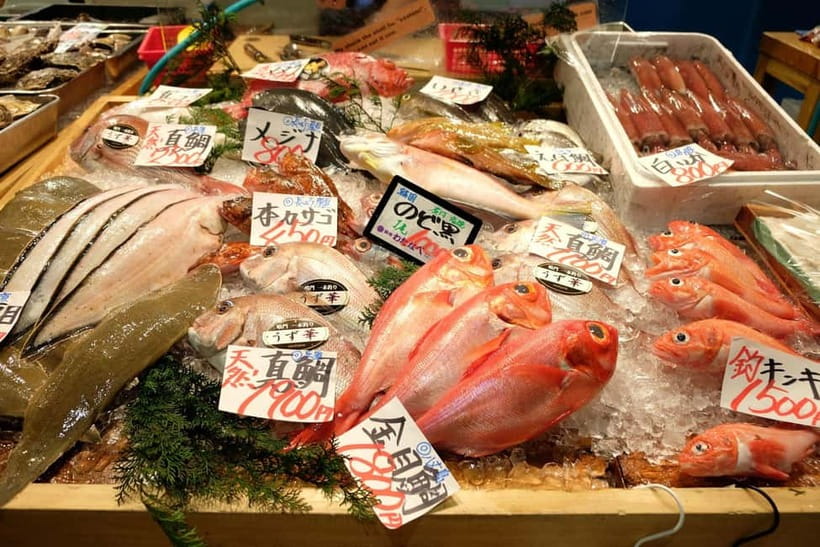
Tsukiji is at its best in the morning, when seafood stalls, snack counters, sweets shops, and tiny craft businesses are doing their daily work. This tour gives you a local guide to translate the signs, explain unfamiliar foods, and steer you through the market without letting you get swallowed by the crowds. The tastings are the main event, from sushi and sashimi to tamagoyaki, Wagashi, matcha, dashi, and other small bites.
I like the six-person limit, which lets your guide stop at busy stalls and answer questions without turning the walk into a parade. I also like the link between food and faith, shown through visits to Kabuki Inari Shrine and Namiyoke Inari Jinja. The main caution is simple: Tsukiji can be wet, crowded, and full of tempting food, so wear closed shoes and arrive hungry. Rain can also make the morning less comfortable.
Key points at a glance
- Small groups of six: A personal format makes it easier to keep up in crowded lanes and ask about unfamiliar foods.
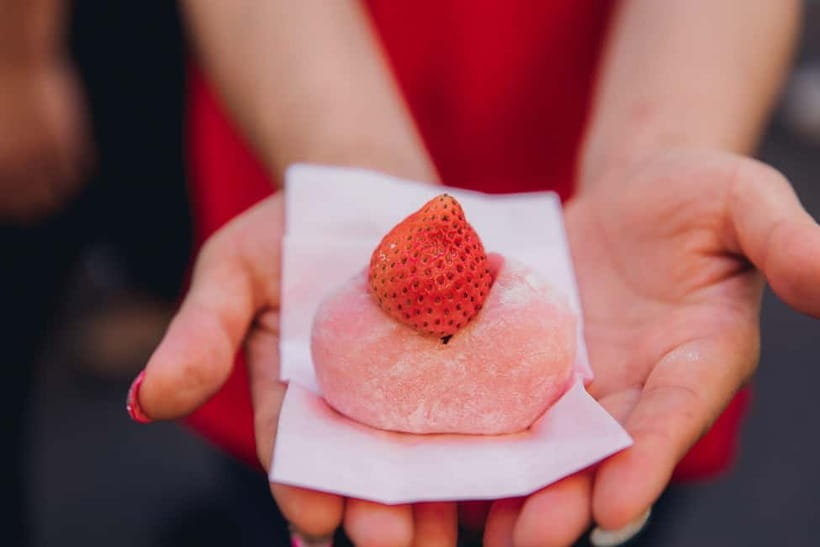
- More than a sushi stop: Tastings can include tamagoyaki, sashimi, Kobe beef, soybeans, matcha, dashi, mochi, Wagashi, and sake.
- Two shrine visits: Kabuki Inari Shrine and Namiyoke Inari Jinja connect the market to Japanese customs and spiritual life.
- Guides with market relationships: Guides such as Mikki, Oku, Mihori, Shino, Yumi, and Kyou have been praised for warm explanations and friendly vendor introductions.
- A useful first-morning activity: The three-hour walk helps you learn what to eat and how the market works before returning on your own.
- Good to know before booking: Vegetarian and vegan choices are possible with advance notice, but options may be limited in this seafood-focused market.
Tsukiji before breakfast: the right way to start
The tour begins at Higashi-ginza Station, Exit 3, at street level by the top of the escalator. Look for the Kabukiza Theatre on Harumi Street and the small shrine with its torii gate. This is a handy meeting point, but do not rush past the shrine. It sets the tone for the morning, bringing you from Tokyo’s theater district toward one of its best-known food quarters.
The timing matters. A morning start puts you in the market while food preparation and selling are underway. You will walk through open-air lanes filled with seafood, produce, sweets, seasonings, and kitchen goods. Some areas are crowded enough that it is easy to miss a stall or lose track of what you are looking at. A guide keeps the route moving and gives each stop a purpose.
I would not eat a full breakfast before meeting the group. The portions may be small at individual stalls, but the tastings add up. Several stops can include sushi, tamagoyaki, snacks, sweets, tea, and drinks. Think of the experience as a long series of samples rather than one sit-down meal.
More fish market mornings:
- Tokyo Tsukiji Fish Market Food and Culture Walking Tour
★ 5.0 · 3,184 reviews - Tokyo: Tsukiji Fish Market Food and Walking tour
★ 5.0 · 1,724 reviews - Tokyo: Tsukiji Fish Market Guided Walking Tour
★ 4.9 · 1,397 reviews
Kabuki Inari Shrine and the first cultural clues
Kabuki Inari Shrine is one of the first stops. It is connected to the Kabukiza Theatre, making it a fitting place to begin a walk that joins performance, food, and local custom. Here, your guide introduces simple Japanese rituals and explains how to show respect at a shrine.
You do not need prior knowledge of Shinto practice. The point is not to turn you into an expert in a few minutes. Instead, you learn the basic gestures and the meaning behind them, which makes later shrine visits around Japan less puzzling.
This short stop also helps prevent the market from feeling like a string of food counters. Japanese food culture includes preparation, presentation, gratitude, and respect for place. The shrine visit gives you that wider frame before the tasting begins.
The Tsukiji Outer Market food walk
Tsukiji Outer Market is not the former wholesale fish market that once hosted the famous tuna auction. That wholesale operation moved to Toyosu, but Tsukiji’s retail food district remains active and popular. The market you see on this walk is a collection of specialist stalls, food shops, counters, and small businesses that continue to serve both local cooks and curious visitors.
Your guide explains this change so you know what you are seeing. You are not entering the old wholesale auction floor. You are walking through the enduring food neighborhood around Tsukiji, where the appeal lies in the range of ingredients and the people who work with them.
This distinction matters when you set expectations. If you want to watch a full commercial fish auction, this is not that experience. If you want to taste food, learn how ingredients are used, and understand why Tsukiji still matters to Tokyo’s food scene, it is a much better match.
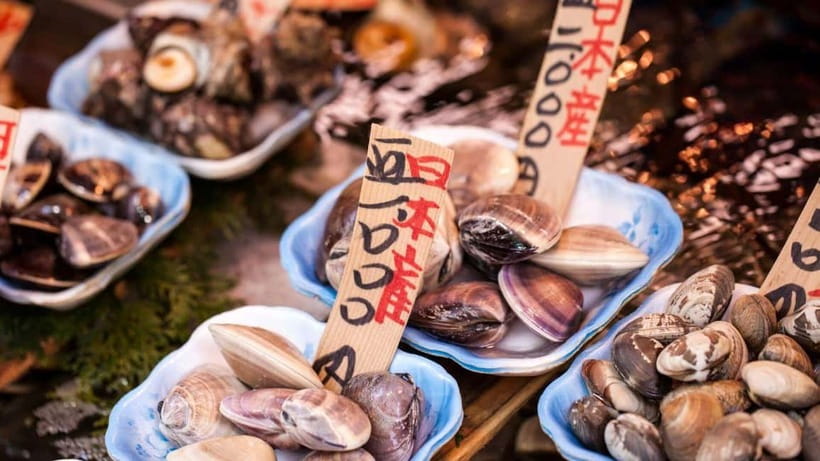
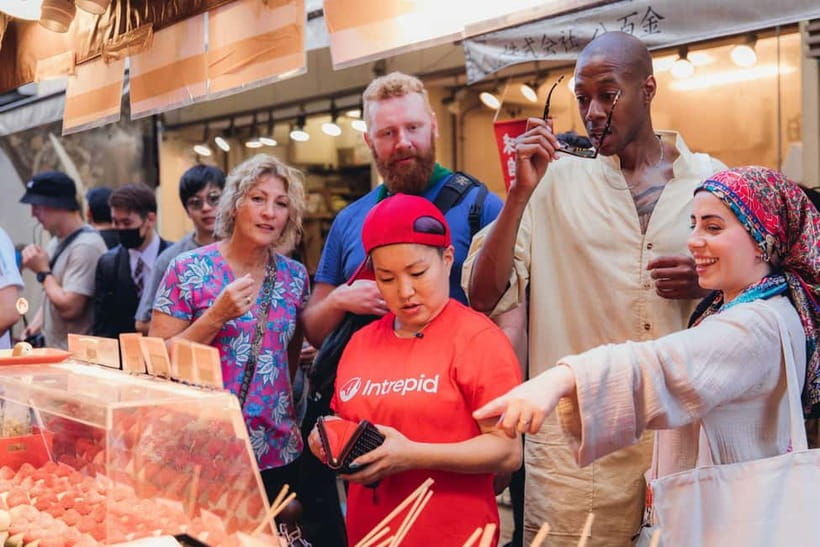
The lanes can feel crowded, and stalls may have queues. A guide is especially useful here because you can focus on the food instead of trying to decode every sign or decide which line is worth joining. Guides have taken small groups to see how tamagoyaki is made, introduced them to vendors, and pointed out products that are easy to overlook.
The market offers far more than raw fish. Depending on the day and the guide’s route, you might taste:
- Fresh sushi or sashimi
- Tamagoyaki, the sweet rolled omelet often served at market stalls
- Kobe beef on a skewer
- Seasonal Wagashi sweets
- Mochi and matcha
- Soybeans and other small snacks
- Dashi and related cooking ingredients
- Tea and other drinks
- Sake for adults aged 20 and over
The exact selection can change. This is a working market, not a fixed restaurant menu, and available samples depend on the stalls, season, and dietary needs of the group. That flexibility is part of the appeal, but it also means you should not book expecting a guaranteed list of every item.
How the tastings work
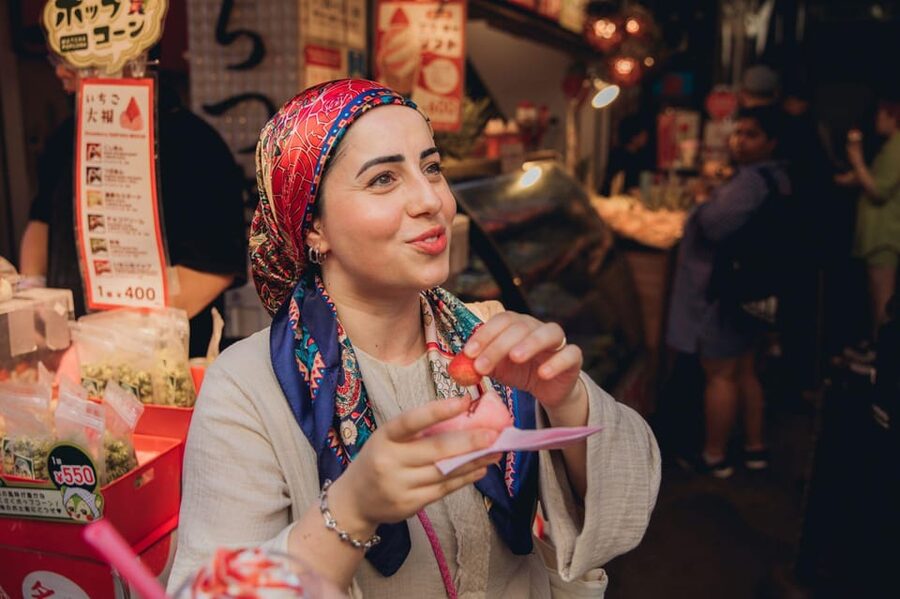
The food arrives in small quantities, which lets you try widely without committing to a large meal. That is useful if you are still learning what you like in Japanese cuisine. It also leaves room for surprises, such as pepper cola tea or a snack you would probably have walked past on your own.
Sushi and sashimi provide the clearest connection to the market’s seafood identity. Some tours finish with a larger serving of sushi, and one guide has had participants grind their own wasabi. That detail gives the meal a hands-on touch, but the precise final tasting can vary.
Tamagoyaki is another worthwhile stop. Seeing how the omelet is made helps you understand the care behind an item that can look simple in a display case. The same is true of Wagashi, where shape, color, texture, and season can carry meaning beyond sweetness.
I appreciate that the guide explains ingredients rather than simply handing you food. You learn what you are tasting, how it fits into everyday Japanese eating, and why craftsmanship matters. That turns each bite into a small lesson without making the walk feel like a classroom.
If you have dietary restrictions, tell the operator ahead of time. Vegetarian and vegan choices are available where possible, but the market’s main focus is seafood and related products, so the range may be limited. If you have a serious allergy, ask for specific confirmation before booking rather than relying on general menu flexibility.
More food tours in Tokyo:
- Tokyo: Shinjuku Food Tour (13 Dishes at 4 Local Eateries)
★ 5.0 · 6,603 reviews - Tokyo: Shinjuku Food Tour (15 Dishes and 4 Eateries)
★ 4.9 · 2,033 reviews - Best of Shinjuku: Izakaya Food Tour (4 Stops, 14+ Tastings)
★ 5.0 · 1,863 reviews - Eat and Drink Like a Local: Tokyo Ueno Food Tour-Taverns&Ramen
★ 5.0 · 957 reviews
A market guide makes a real difference
The best part of this experience may be the human connection. Guides including Mikki, Oku, Mihori, Shino, Yumi, and Kyou have been praised for being warm, funny, patient, and easy to understand. Oku, in particular, has used photos, maps, and models to explain the market and Japanese culture.
That personal style matters in Tsukiji. A guide who knows the vendors can make a stop feel less like a purchase and more like a brief welcome into the market community. It also helps with questions. You can ask about a fish, a sweet, a cooking ingredient, or a custom while the answer is still in front of you.
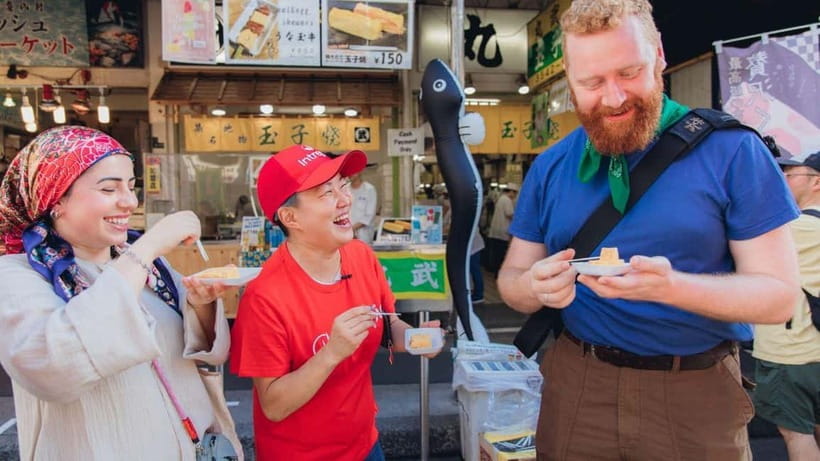
The small group format supports this. Six people is enough to share reactions and keep the walk lively, but small enough for the guide to notice if someone has a food concern or wants to look more closely. Some departures may have fewer than six people, which can make the experience even more relaxed.
There is one limit to keep in mind. This is a guided food and culture walk, not a behind-the-scenes tour of every working section of the market. You will see stalls and food preparation, but you should not expect access to restricted wholesale operations. One fair criticism is that some visitors may want more of the market’s working side.
Namiyoke Inari Jinja and the spiritual side of food
The walk continues to Namiyoke Inari Jinja, a shrine close to Tsukiji. This stop gives your guide room to explain the market’s connections to Buddhist beliefs and Shinto traditions, including ideas of respect, ritual, and gratitude.
The distinction between Buddhism and Shinto can be complicated, especially for a first-time visitor. You do not need to master it during this tour. What you gain is a practical sense of how spiritual customs appear in daily life, including food preparation and market traditions.
The shrine is also a welcome pause after the tight market lanes. Its design and quieter setting offer a change of pace. You can ask questions, practice the simple gestures you learned earlier, and see how the morning’s food theme connects to a larger sense of place.
This is one of the tour’s strongest features because it keeps Tsukiji from becoming a checklist of things to eat. You leave with a better idea of why food, seasonal ingredients, and respectful behavior carry so much weight in Japan.
What three hours and $80 buy you
The price is $80 per person for three hours. That is not the cheapest way to buy snacks at Tsukiji, and you could certainly wander through the market on your own for less. The value comes from the combination of tastings, translation, cultural explanation, and a route shaped by someone who knows the neighborhood.
If you are comfortable reading Japanese menus, choosing stalls, and managing crowds, self-guiding may suit you better. You will have more control over where you stop and how long you stay. You will also have to make every decision yourself, and you may miss foods or small shops that are not obvious from the main lanes.
For a first morning in Tokyo, I think the price is easier to justify. The tour gives you a working introduction to market etiquette and food vocabulary, then leaves you better prepared to return independently. The small group also makes the cost more reasonable than a large coach-style food tour, where personal questions and vendor interaction are harder.
The included food is the key value test. You receive multiple tastings, but this is not an unlimited meal. Come ready to sample rather than expecting a restaurant-sized breakfast. Additional food and drinks are not included, so keep some yen available if you want to buy something that catches your eye.
Weather, shoes, and practical comfort
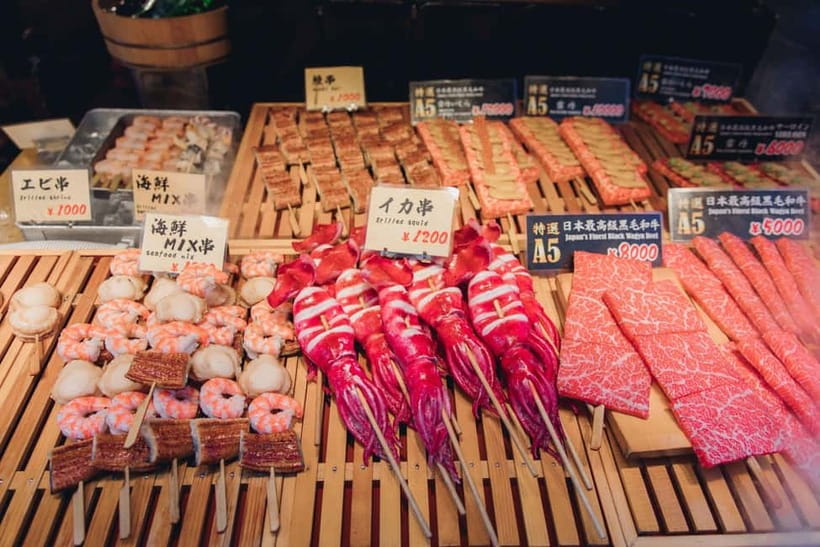
Wear closed-toe shoes, preferably comfortable sneakers. Tsukiji’s floors can be wet, and the market is easier to manage when you are not worrying about slippery sandals or exposed feet.
Rain and wind can affect the morning. One departure was made less comfortable because participants were poorly prepared for wet, windy weather. Bring suitable outerwear and check the forecast, especially if you are visiting in a cooler or rainy season.
The tour is family-friendly, with children aged five and under joining free. Tell the operator about a child under six when booking so the group can be planned properly. Alcoholic drinks are only for people aged 20 and over in Japan, and younger participants receive non-alcoholic alternatives.
Cancellation is flexible up to 24 hours before the start for a full refund, and you can reserve while paying later. Those policies are useful if your Tokyo schedule is still changing, but the practical details that matter most are footwear, weather, appetite, and dietary notice.
Who will enjoy this walk most
I would recommend this tour to first-time visitors who want an easy introduction to Japanese food without having to make every choice alone. It also suits anyone who likes small portions, local stories, and the chance to ask questions as they go.
Food-focused families can enjoy it, provided children are comfortable in crowded market lanes and interested in trying unfamiliar bites. Couples and solo visitors will appreciate the small group, especially if they want company without joining a large organized excursion.
The tour may be less suitable if you dislike seafood, do not want to eat in busy public areas, or hope to see the old tuna auction operation. Vegetarians and vegans should contact the operator in advance, since alternatives may be limited despite the effort to accommodate them.
I would also avoid scheduling this as your only activity on a day when you need to cross Tokyo immediately afterward. Three hours is manageable, but the tastings, questions, and market crowds can make the morning feel full. Give yourself room to enjoy it rather than watching the clock.
Should you book Tokyo’s Kitchen?
Book it if you want more than a quick look at Tsukiji. The strongest reasons are the tiny group, the range of tastings, and guides who can connect you with vendors and explain what you are eating. The shrine visits add a cultural layer that most independent market walks miss.
Skip it if you prefer complete freedom, already know Tsukiji well, or want a dedicated tour of wholesale fish operations. Also think twice if wet weather, crowded lanes, or seafood-heavy food choices will make the morning stressful.
For most first visits, this is a smart way to begin a Tokyo food itinerary. Start hungry, wear sensible shoes, tell the operator about dietary needs, and treat the $80 as payment for access, context, and confidence, not simply for a plate of sushi.
FAQ
Where does the tour meet?
Meet at Higashi-ginza Station, Exit 3, serving the Tokyo Metro Hibiya Line and Toei Asakusa Line. At street level, go to the top of the escalator in front of the Kabukiza Theatre, on the Harumi Street side, by the small shrine and torii gate.
Where does the tour finish?
The walk finishes at Tsukiji Fish Market.
How long is the experience?
The tour lasts three hours. Starting times vary, so check availability when booking.
What language is the tour offered in?
The tour is conducted in English by a live English-speaking guide.
How large is the group?
The group is limited to six participants.
What food and drinks are included?
Multiple tastings are included, such as fresh sushi, Japanese snacks, and seasonal Wagashi. Tastings may also include items such as tamagoyaki, sashimi, matcha, mochi, Kobe beef, dashi, and sake. Additional food and drinks are not included.
Can vegetarian or vegan diets be accommodated?
Vegetarian and vegan options are available where possible, but choices may be limited because Tsukiji is a seafood-focused market. Tell the operator about your needs ahead of time.
Are young children and alcoholic drinks permitted?
Children aged five and under join free if the operator is notified when booking. Guests must be at least 20 to drink alcohol in Japan, and anyone younger receives non-alcoholic alternatives.
More Shopping in Tokyo
- Tokyo: Tsukiji Fish Market Sushi Making Class with Pro Chef
★ 4.9 · 506 reviews - Tokyo Food Tour Taste Fresh Delights at Tsukiji Market
★ 5.0 · 429 reviews - Tokyo Tsukiji Fish Market Tour and Sushi Making Lesson
★ 5.0 · 390 reviews - Tsukiji Fish Market: Street Food & Culture Walking Tour
★ 4.8 · 259 reviews
More Markets in Tokyo
- Tsukiji Fish Market Guided Tour and Sushi Making with Pro Chef
★ 5.0 · 775 reviews - Tokyo: Tsukiji Fish Market Food and Culture Walking Tour
★ 4.7 · 757 reviews - Tsukiji Fish Market: Street Food & Culture Walking Tour
★ 5.0 · 669 reviews - Tsukiji Fish Market Small-Group Food Walking Tour
★ 5.0 · 621 reviews
Just added around Tokyo
- Private Arrival Transfer : Narita International Airport to Central Tokyo City★ 4.5 · 12 reviews
- Narita Airport(NRT): Private Transfer to Tokyo/Yokohama 1-9pax★ 5.0 · 47 reviews
- Private Transfer from Narita Airport to Yokohama Port and City★ 4.5 · 17 reviews
- [Narita Airport Terminals 1, 2] 40-60km Sawara Itako Historic Bike Tour★ 5.0 · 13 reviews
- 3 Day Japan Highlights Tour: Tokyo, Mt.Fuji, Nara, Kyoto, Osaka★ 5.0 · 22 reviews
- Small Town in the Big City: Tasting Tokyo’s Kichijoji★ 5.0 · 195 reviews
- Small Town in the Big City: Tasting Tokyo’s Kichijoji★ 5.0 · 16 reviews
- The 10 Tastings of Tokyo With Locals: Private Street Food Tour★ 5.0 · 48 reviews
Tsukiji Fish Market Tours, compared.
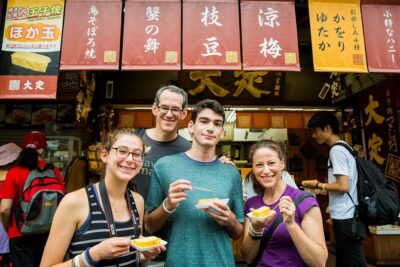
Tokyo Tsukiji Fish Market Food and Culture Walking Tour
Read our review →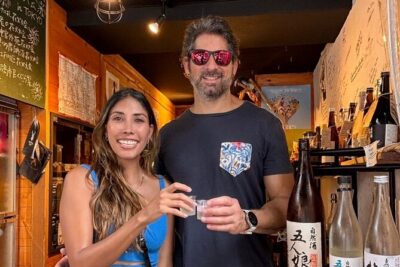
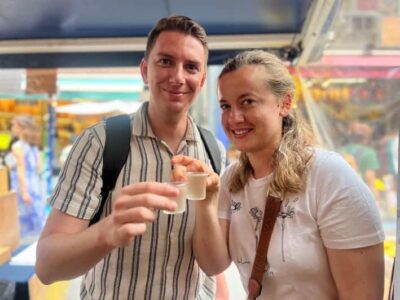
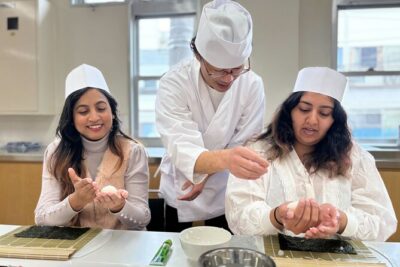
Tokyo Sushi Making Class in Tsukiji with Professional Chef
Read our review →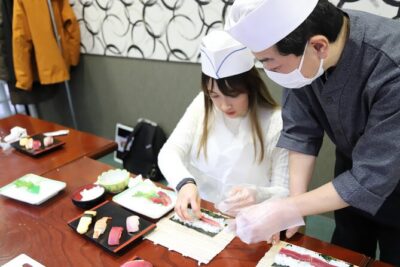
Tsukiji Fish Market Guided Tour and Sushi Making with Pro Chef
Read our review →Tsukiji Fish Market Food and Culture Walking Tour
Read our review →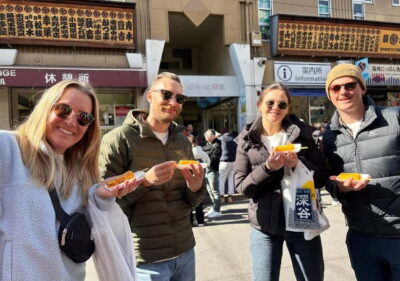
Tsukiji Fish Market: Street Food & Culture Walking Tour
Read our review →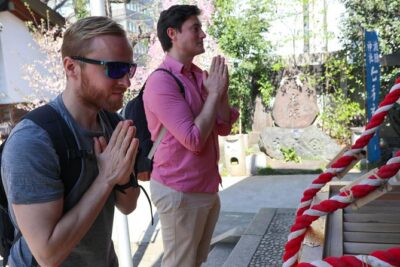
Tsukiji Fish Market Small-Group Food Walking Tour
Read our review →Browse the lists this tour appears in