
Reviewed · IMPERIAL PALACE TOURS
Tokyo: Imperial Palace East Gardens and Tokyo Station Tour
The best part of this walk is the sharp change of scene: you begin among Edo Castle ruins and quiet gardens, then finish beneath the grand red-brick roofline of Tokyo Station. In less than three hours, you move from samurai-era Japan to the polished business district of present-day Tokyo.
I like the clear route and the way the stops connect. I also like the guide-led storytelling, especially with Yuki, whose explanations turn castle walls, guardhouses, and garden design into scenes you can picture. The main consideration is the moderate amount of walking, with much of the value coming from the guide’s commentary rather than from admission to a paid attraction.
Key points at a glance
- Edo Castle in the East Gardens: See gates, guardhouses, stonework, the former keep site, and a scale model of the castle.
- Ninomaru Garden: A calm garden stop that shows how design and politics once met inside the shogun’s castle grounds.
- Nijubashi and Kokyo Gaien: Enjoy some of the most recognizable palace-area views before continuing toward Marunouchi.
- Marunouchi in ten minutes: Walk from the palace grounds into Tokyo’s modern office and art district.
- Tokyo Station finish: End at the restored red-brick station, a fitting final chapter to the city’s transformation.
- Yuki’s storytelling: Her humor, clear explanations, and sense of place received especially strong praise.
From Wada-kura Fountain Park to Edo Castle
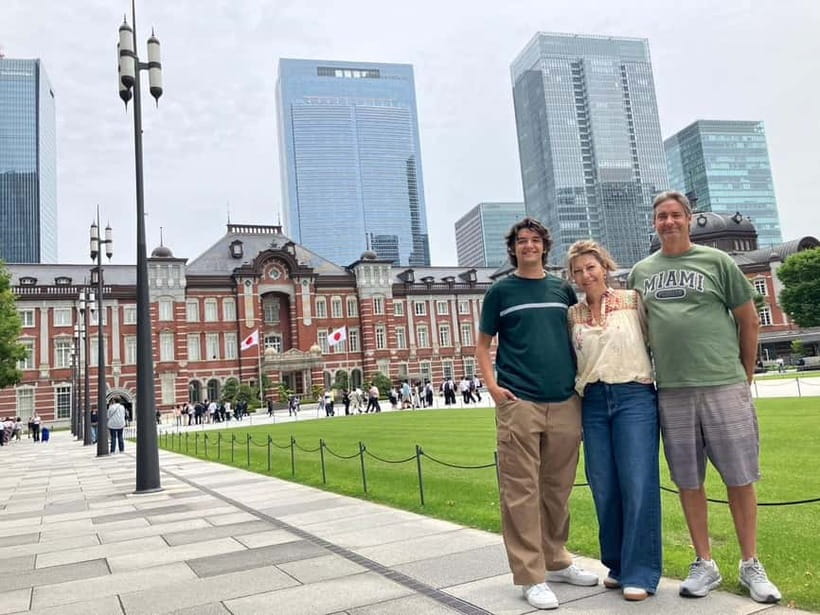
The meeting point is the Starbucks at Wada-kura Fountain Park, beside the Imperial Palace area. That gives you a practical place to meet your guide before entering the historic grounds, though you should still allow time to find the exact starting point in Tokyo’s large central district.
The walk begins near the East Gardens, where the old castle precincts are easier to understand when someone points out what has survived and what has disappeared. Tokyo’s Imperial Palace is not simply a royal residence viewed from behind barriers. The East Gardens occupy part of the former Edo Castle, the seat of the Tokugawa shoguns, so the route lets you read the ground as an old political center.
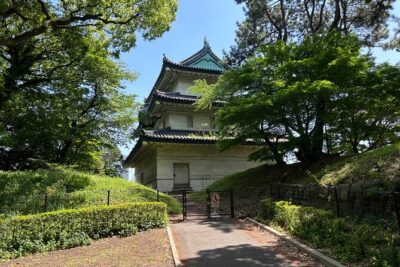
The Ote-mon Gate is one of the important first stops. Gates were not just entrances. They controlled movement into the castle and helped protect the people and power inside. A guide can explain why the approach, walls, and guard positions mattered, details that are easy to miss if you are walking alone with only a camera.
You then encounter the Hyakunin Bansho Guardhouse, another useful reminder that this was a working fortress as well as a place of ceremony. Its name and purpose connect the site to the layers of security once used around Edo Castle. The tour includes cultural context about samurai-era architecture and the shogunate, so this is a good choice if you want more than attractive stone walls and trimmed trees.
More Imperial Palace visits:
- Tokyo: Imperial Palace and Shogun Historical Walking Tour
★ 5.0 · 2,251 reviews - Tokyo: Imperial Palace Japanese History Walking Tour
★ 4.9 · 987 reviews - Tokyo: Imperial Palace and Shogun Walking Tour
★ 4.9 · 935 reviews
Ninomaru Garden and the East Gardens
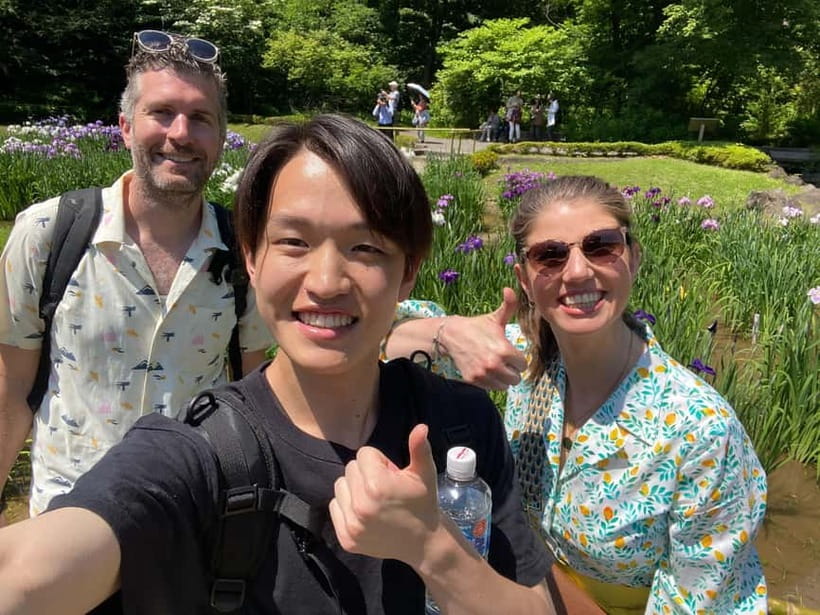
Ninomaru Garden provides a welcome change of pace. After the formal gates and defensive remains, you reach a garden setting where paths, plantings, water, and views show a different side of castle life.
I like this part because it keeps the tour from becoming a string of military facts. Japanese garden design is not an unrelated decoration here. It belonged to the same world of power, rank, taste, and controlled movement that shaped the castle grounds.
The East Gardens visit lasts about 30 minutes as a guided sightseeing stop, though the full experience continues beyond that section. Your guide may help you connect the garden’s layout with the larger castle compound and the changing role of the site through Japan’s imperial and shogunate eras.
The Edo Castle main keep scale model adds useful visual help. The original keep is no longer standing, and a model gives you a sense of the size and importance of the structure. For many people, this will be more useful than a long verbal description. You can see how the former castle fit together before looking at the remaining grounds.
You also pass through the Honmaru area, the castle’s central compound. The exact condition of the site means that imagination matters. This is where a guide earns the tour price by helping you picture buildings and activity that are no longer present.
Seeing the palace area and Nijubashi
The route also takes in the surrounding palace grounds and Kokyo Gaien National Garden. The scenery changes here. Instead of staying among the more enclosed garden spaces, you get broader views and a better sense of the Imperial Palace’s place in central Tokyo.
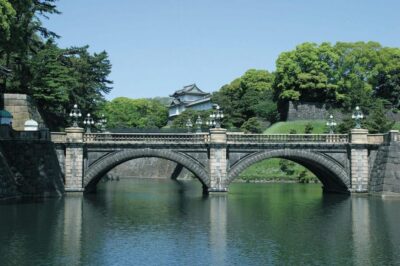
One highlight is the view toward Nijubashi Bridge. This is one of the palace area’s familiar photo spots, but the view is more meaningful when you understand its connection to the palace grounds and imperial symbolism. Bring a camera, but give yourself time to listen before taking the standard picture.
The palace area can feel spacious, and the open setting is part of its appeal. It also means sun and weather can affect the experience. Wear a hat, use sunscreen, carry water, and dress for the forecast. Comfortable shoes matter more than stylish ones here. The walk is not described as strenuous, but you should expect a moderate amount of time on foot.
Flash photography and smoking are not allowed. Backpacks are also listed as prohibited, so pack with care and do not arrive assuming a daypack will be acceptable. The tour is wheelchair accessible, although the information provided does not describe every surface or slope along the route. If you need specific access details, confirm them before booking.
A ten-minute walk into Marunouchi
After the palace grounds, the tour heads on foot toward Marunouchi. The listed transfer takes about ten minutes, but the real point is the change in atmosphere.
Marunouchi is one of Tokyo’s key business districts, with large office buildings, polished streets, public art, and a strong connection to the city’s financial life. Here you see how Tokyo developed around its old center rather than simply replacing it. The palace grounds preserve the memory of Edo, while Marunouchi shows the capital as a modern commercial city.
This section is useful for people who want a balanced view of Tokyo. If your interests are only gardens or castles, the architecture portion may feel less essential. I think it earns its place because it gives the walk a clear before-and-after structure: fortified castle town, imperial capital, modern metropolis.
The guide also discusses modern architecture and art in Marunouchi. The available details do not specify individual buildings or artworks, so you should think of this as a guided district walk rather than a museum visit. You will not be entering a major indoor collection as part of the tour. Instead, the guide helps you notice the public-facing design and urban character around you.
A few more Tokyo half-days to weigh up
- Mt Fuji and Hakone 1-Day Bus Tour Return by Bullet Train
★ 5.0 · 26,383 reviews - 1-Day Tokyo Bus Tour
★ 5.0 · 14,250 reviews - Tokyo: TOKYO SKYTREE® Admission ticket
★ 4.5 · 11,192 reviews - Tokyo: teamLab Planets TOKYO Digital Art Museum Entry Ticket
★ 4.6 · 9,779 reviews
Arriving at restored Tokyo Station
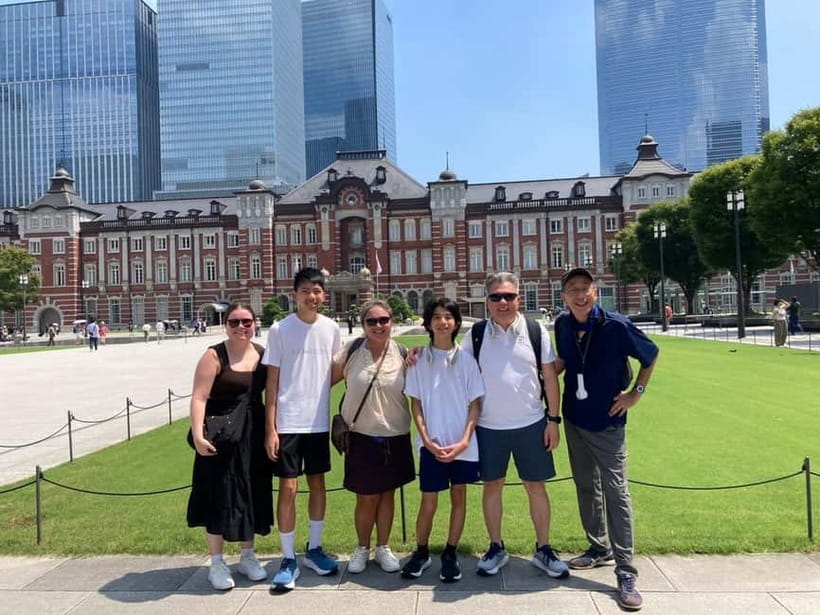
The final stop is Tokyo Station, where the tour ends. The station’s red-brick exterior provides a strong visual finish after the gardens and castle remains.
Tokyo Station represents movement, connection, and the city’s modern identity. Ending here also makes practical sense. You finish in a major central location rather than returning to the palace grounds, so you can continue sightseeing, find food, or make your next connection from the station area.
The station exterior is the focus. The tour does not promise an extended interior visit or train-station orientation, so set your expectations accordingly. Still, the restored facade is an impressive conclusion, especially after seeing the older structures that shaped the area.
I like the way this ending gives the tour a story rather than a simple endpoint. You start with the Tokugawa shogunate, pass through imperial settings and public gardens, cross into Marunouchi, and finish at a building linked with modern Tokyo. That sequence helps you understand the city’s changes without requiring a full-day museum visit.
What the guide adds for $38
The price is $38 per person for 150 minutes. Since the East Gardens have no admission fee, you are paying mainly for the guide, the route, and the interpretation.
That can be a fair deal if you want context. The castle remains are spread through a large area, and many features are subtle. Without explanation, you may see a gate, a wall, a garden, and a model without understanding how they fit together. A good guide turns those pieces into a usable picture of Edo Castle and its role in Japanese history.
Yuki is the named guide most closely associated with the experience. Her style is described as clear, humorous, kind, and organized. Her explanations help you picture Tokyo as it was 400 years ago, which is exactly the kind of service this tour needs. The strongest praise centers on her ability to explain each section in an easy-to-follow way without making the subject feel dry.
The tour has a perfect 5 rating from 16 reviews, with repeated praise for Yuki’s historical explanations, humor, hospitality, and ability to make a first visit feel manageable. That does not remove the usual limits of a short group walk, but it does suggest that the guiding is the central strength.
You can also book a guide speaking English, Japanese, Spanish, Chinese, or French. Check the available language and start time when choosing your date. The experience lasts 150 minutes, so it fits well into a morning or afternoon without taking over your day.
Who will get the most from this walk
I would recommend this tour to you if you enjoy understanding places rather than simply photographing them. It suits first-time visitors to the Imperial Palace area, people interested in Edo-period politics, and anyone who wants both historic sites and modern Tokyo in one outing.
It is also a good fit if you have limited time. The route covers several related areas without asking you to plan the connections yourself. You see the East Gardens, castle remains, Ninomaru Garden, Honmaru, palace-area views, Marunouchi, and Tokyo Station in one organized walk.
Families and mixed-interest groups may appreciate the range. One person can focus on samurai history, another on garden design, and another on architecture and city life. The humor and clear explanations associated with Yuki may also help younger visitors stay engaged.
I would be more cautious if you want a slow garden visit with lots of independent photography. A guided route keeps you moving, and 150 minutes is enough for an overview rather than a long, unhurried study of every corner. You should also reconsider if moderate walking in the sun is difficult for you, even though the tour is listed as wheelchair accessible.
Practical advice before you book
Wear comfortable shoes and weather-appropriate clothing. Add a hat, sunscreen, and water, especially on hot or bright days. The open palace grounds can feel very different from the shaded garden areas.
Bring a camera, but remember that flash photography is not allowed. Do not bring a backpack, and avoid smoking during the experience. The supplied information does not explain storage arrangements, so plan your belongings before meeting the guide.
The route begins at Starbucks Coffee Imperial Palace Outer Garden Wada-kura Fountain Park and finishes at Tokyo Station. Those are different locations, which is useful if you want to continue into Marunouchi afterward. It also means you should not expect to end where you started.
The tour is offered with free cancellation up to 24 hours before the start time for a full refund. You can also reserve now and pay later, which helps if your Tokyo schedule is still changing. Start times depend on availability, so check the date and language before confirming.
Should you book this Imperial Palace and Tokyo Station tour?
Book it if you want a compact, guided explanation of how Edo Castle, imperial Tokyo, Marunouchi, and Tokyo Station connect. The price is sensible when you value clear interpretation, and the route gives you a broad view of central Tokyo without requiring a full day.
The strongest reason to choose it is the guide-led storytelling, particularly if Yuki is leading your departure. Her humor and plain explanations help turn ruins and garden paths into something you can picture.
Skip it if you prefer exploring at your own pace, need a long garden visit, or want an interior tour of Tokyo Station. For everyone else, this is a well-shaped introduction to Tokyo’s old center and its modern face.
FAQ
How long does the Imperial Palace and Tokyo Station tour last?
The tour lasts 150 minutes, or two and a half hours.
Where does the tour begin?
It begins at Starbucks Coffee Imperial Palace Outer Garden Wada-kura Fountain Park.
Where does the tour finish?
The tour finishes at Tokyo Station.
Is admission to the Imperial Palace East Gardens included?
Yes. Entry to the East Gardens requires no admission fee, and the guided visit is included.
Which languages are available?
Live guides are available in English, Japanese, Spanish, Chinese, and French. Check availability for your chosen date.
Is the tour wheelchair accessible?
Yes, the activity is listed as wheelchair accessible.
What should I bring?
Wear comfortable shoes and weather-appropriate clothing. A hat, camera, sunscreen, and water are recommended. Backpacks, smoking, and flash photography are not allowed.
Just added around Tokyo
- Private Arrival Transfer : Narita International Airport to Central Tokyo City★ 4.5 · 12 reviews
- Narita Airport(NRT): Private Transfer to Tokyo/Yokohama 1-9pax★ 5.0 · 47 reviews
- Private Transfer from Narita Airport to Yokohama Port and City★ 4.5 · 17 reviews
- [Narita Airport Terminals 1, 2] 40-60km Sawara Itako Historic Bike Tour★ 5.0 · 13 reviews
- 3 Day Japan Highlights Tour: Tokyo, Mt.Fuji, Nara, Kyoto, Osaka★ 5.0 · 22 reviews
- Small Town in the Big City: Tasting Tokyo’s Kichijoji★ 5.0 · 195 reviews
- Small Town in the Big City: Tasting Tokyo’s Kichijoji★ 5.0 · 16 reviews
- The 10 Tastings of Tokyo With Locals: Private Street Food Tour★ 5.0 · 48 reviews
Imperial Palace Tours, compared.
Imperial Palace and Shogun Historical Walking Tour
Read our review →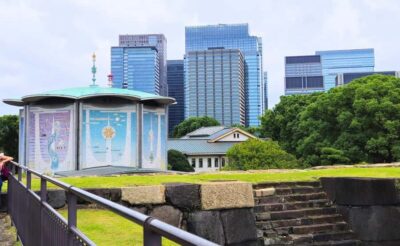

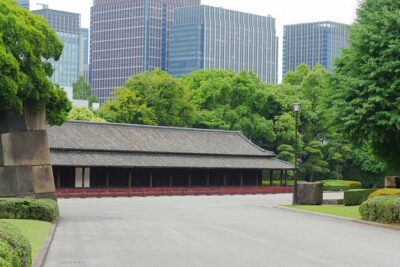
Imperial Palace East Garden and Edo Castle Walking Tour in Tokyo
Read our review →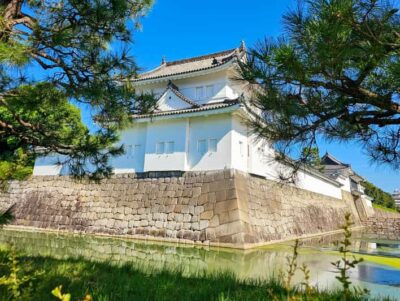
Imperial Palace & Nijo Castle Guided Walking Tour
Read our review →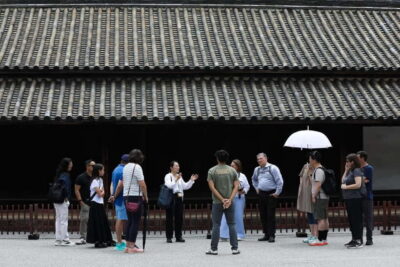
Imperial Palace, Sensō-ji Temple, & Tokyo Tower Tour
Read our review →
Tokyo Castle, Imperial Palace, Shogun & Garden Walking Tour
Read our review →Browse the lists this tour appears in