
Reviewed · TOKYO TOURS
Tokyo: Samurai Ninja Museum Guided tour and Experience
The most entertaining part of this Tokyo museum visit comes after the history lesson: you throw ninja stars, put on samurai armor, wear a real helmet, and pose with a metal sword. I like the hands-on activities and the way guides such as Kenny, Nami, Shin, and Megan turn a short visit into something easy to follow.
I also like the clear English explanations, especially when the guide separates popular movie myths from the actual roles of samurai and ninja. The main drawback is scale: this is a compact, roughly one-hour experience, not a large museum you will spend half a day exploring. Group sizes can also exceed the 15-person booking limit shown for one booking channel.
What makes this tour worth your time
- You handle history, not just look at it: Try shuriken throwing, wear samurai gear, and hold a metal sword.
- Armor and weapons anchor the tour: See samurai helmets, armor, swords, and other equipment while your guide explains their purpose.
- English guidance keeps the story clear: Guides including Kenny, Nami, Shin, Nami, and Megan are praised for lively explanations and humor.
- The pace suits families: The tour usually takes about an hour, with enough time for history and activities without tiring younger children.
- It works well for teens: Dressing up and trying ninja skills gives older children something to do while they learn.
- The price is modest for Tokyo: At $27 per person, the included guide and activities make this a reasonable short stop.
Entering Tokyo’s Samurai Ninja Museum
This experience takes place in Tokyo, on Honshu, at the Samurai Ninja Museum. The setting is in a convenient shopping area with access by train or taxi, so it can fit neatly into a day built around shopping, food, or nearby sightseeing.
I would plan this as a one-hour cultural stop rather than a major museum outing. That distinction matters. You are paying for a guided presentation with activities, not for hours of quiet gallery time or a large collection spread across many rooms.
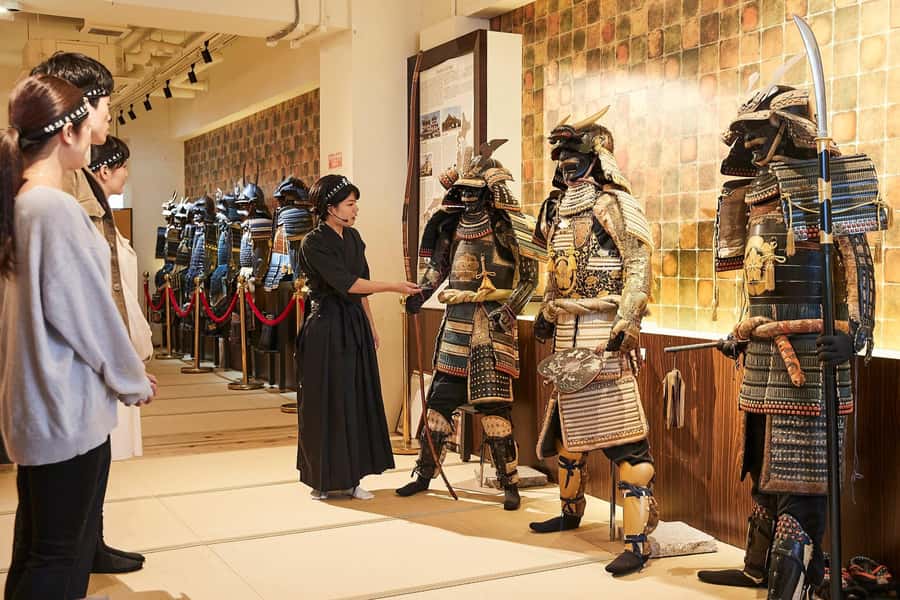
The visit begins with the museum exhibits and an introduction to the samurai and ninja. Your English-speaking guide explains what you are seeing and places the equipment in the wider story of Japanese history. The guides use humor and questions to keep the group involved, which helps if you are not normally drawn to historical displays.
The style is informal and direct. Guides such as Kenny and Nao are praised for being funny, while Nami, Shin, Megan, Leon, and others are described as clear and enthusiastic. Names can vary by departure, but the important point is that the guide leads the visit rather than leaving you to read labels on your own.
More Samurai and Ninja Experiences in Tokyo
- Tokyo: Samurai Restaurant Show Ticket with 2 Drinks
★ 4.5 · 1,307 reviews - Tokyo: Samurai Sword & Archery Class from Samurai Descendant
★ 5.0 · 603 reviews - Best Samurai Experience in Tokyo
★ 5.0 · 458 reviews
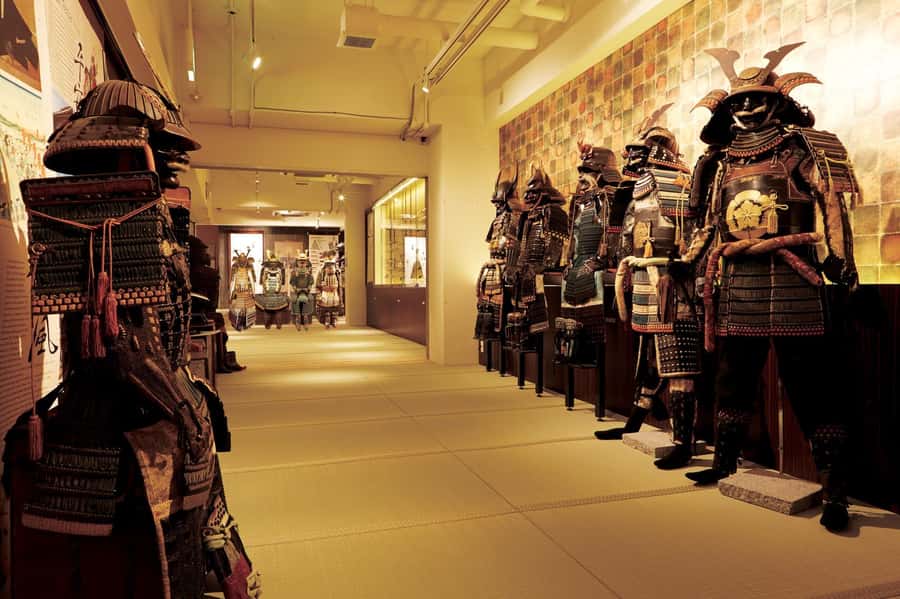
Samurai armor, helmets, and swords up close
The museum displays samurai equipment, including armor, helmets, and swords. These objects give the first part of the visit its focus. Instead of hearing only broad stories about warriors, you get a chance to look at the protective gear and weapons connected with them.
I find this useful because armor can look decorative from a distance. With a guide beside you, it becomes easier to think about the materials, design, and purpose of each piece. The helmets are especially good photo subjects, but the value is not just visual. The guide explains how samurai lived and how their role changed over time.
The history section covers major events, samurai culture, weapons, and the period after the samurai had disappeared from public life. One especially useful feature is the effort to correct familiar movie ideas. If your picture of samurai comes mostly from films, you may leave with a more measured view of how these figures fit into Japanese society.
The ninja section deals with their role in the past and the mystery surrounding them. It is presented as part of Japanese history rather than only as pop-culture entertainment. That balance helps keep the visit from becoming a simple costume photo session.
Still, keep your expectations in check. The tour gives you an accessible introduction, not an academic study. A history enthusiast may want more detail than can fit into an hour, but the short format works well for a first look.
A guided history lesson that keeps moving
The guide-led format is the heart of the activity. You move through the exhibits while hearing stories about samurai life, ninja methods, weapons, armor, and important events. The explanations are in English, and the guides are selected for their ability to make the material easy to understand.
I like that the visit does not rely on a long speech at the beginning. The subject changes as you move through the displays, then the activities give you a chance to reset your attention. For children, this helps prevent the usual museum problem of eyes glazing over after ten minutes.
The tour also leaves room for humor. Kenny is praised for mixing comedy with solid explanations, while other guides are described as welcoming, patient, and enthusiastic. That tone can make a major difference in a group setting. A dry presentation about armor may lose a child, but a funny explanation followed by a practical activity can bring attention back quickly.
Group size is worth noting. The booking information allows a maximum of 15 people through one booking source, but the museum accepts bookings from other sites, so your full experience may include more than 15 participants. A large group can make costume time and star throwing feel less personal, although the guide still leads the activities for everyone.
Dressing as a samurai
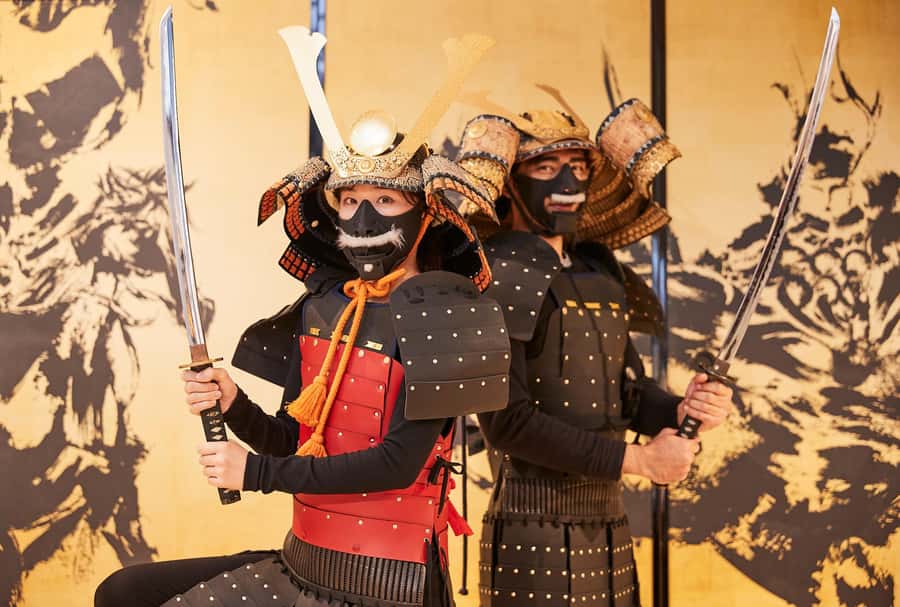
The samurai portion lets you dress in samurai gear, wear a real samurai helmet, and hold a metal samurai sword. This is the moment when the museum visit becomes especially memorable for families and groups of friends.
You do not simply look at a suit of armor behind glass. You get the chance to put on the gear and pose for photographs. The helmet and sword make the pictures more striking, and children often treat this as the highlight of the visit.
I would not book this solely for a full historical costume reconstruction. The experience is designed for participation and photographs, not for a long lesson in how armor was fitted or worn in battle. But as a short activity, it gives the displays a personal connection. After holding the sword and wearing the helmet, you are more likely to remember the equipment discussed earlier.
The dress-up also suits mixed-age groups. Younger children can enjoy the role-play, teens get a good photo opportunity, and adults can join in rather than simply watching from the side. Several family accounts describe children staying engaged from start to finish, which is a strong reason to place this on a Tokyo schedule with kids.
More samurai and ninja sessions in Tokyo:
- Ninja Experience (Family Friendly) at Samurai Ninja Museum TOKYO
★ 5.0 · 441 reviews - Tokyo: Samurai Entertainment Night Show in Kanda Shrine
★ 4.6 · 417 reviews - Tokyo Sword Experience – includes Museum Ticket/Ninja Experience
★ 5.0 · 314 reviews - Samurai Ninja Museum Asakusa: Samurai Sword Lesson & Tour
★ 4.8 · 306 reviews
Throwing shuriken like a ninja
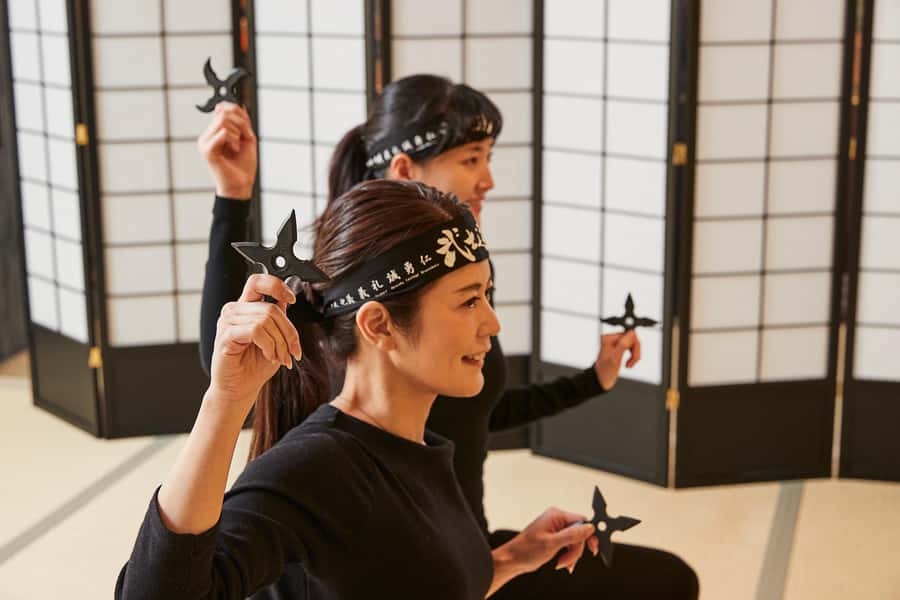
The ninja star activity, using shuriken, comes near the end of the experience. You receive instruction and try to hit the target. It is simple, safe, and playful, but it gives the tour a satisfying finish.
I like the way this activity tests accuracy rather than requiring any special fitness. You do not need to be athletic or experienced. The appeal is in trying, missing, adjusting, and trying again. Some sessions turn it into a small contest, and if you win, you may get to keep your star, according to the activity details supplied for the tour.
This is also the part most likely to appeal to children who might not care about a display case. The family-friendly pacing lets them learn first and then do something with their hands. Teens often appreciate it for the same reason.
The ninja star throwing is still a short activity, so do not expect a full martial arts class. It is a supervised introduction built around fun and photos. Its value comes from adding action to the historical tour, not from teaching a complete ninja skill set.
How the hour is paced
The visit is generally described as about an hour long. That is a useful length in Tokyo, where you may want to fit several stops into one day. It is long enough to cover samurai and ninja history, view the equipment, dress up, and try shuriken without taking over your schedule.
The order may vary, but you can expect a pattern like this:
- A guided introduction to the museum and its subject
- Explanations of samurai armor, helmets, swords, weapons, and important events
- Context about ninja and their historical role
- A samurai dress-up session with helmet and metal sword
- Supervised shuriken throwing
The activity is not too short for the price, but it is not an all-day museum experience. I would pair it with nearby shopping or a meal rather than travel across Tokyo for this stop alone. The location in a shopping area makes that easy, based on the supplied details.
A short guided format also means you should arrive ready to pay attention from the start. There is limited time for lingering. If you want to study every piece in detail, you may feel rushed. If you want a lively introduction with a few memorable activities, the timing is a strength.
Is $27 a fair price?
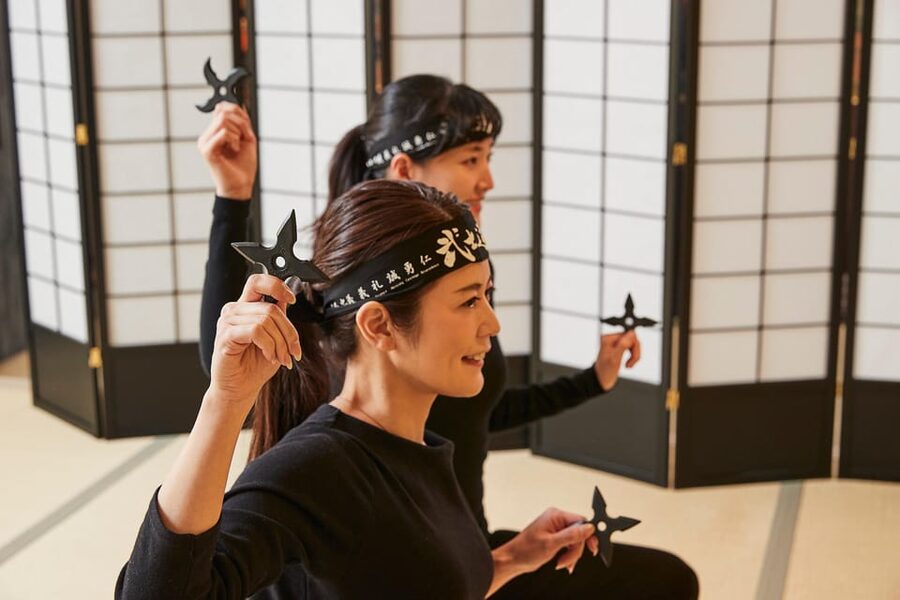
At $27 per person, the price is reasonable for Tokyo if you value the guide and activities. The admission includes entry, an English-speaking guided tour, shuriken throwing, and the samurai dress-up session. You do not have to pay separately for the main interactive elements.
The value is strongest for families. A child who would not enjoy a standard museum can take part in two activities and still receive a clear lesson about Japanese history. For adults, the price is fair if you want an accessible overview rather than a specialist presentation.
Solo visitors and serious history fans should think about what they want. If you mainly want to see a large collection of original artifacts, this may feel limited. If you want someone to explain the displays and help you connect them to samurai and ninja culture, the cost makes more sense.
The high overall rating of 4.6 from 1,010 ratings supports the idea that the tour delivers what it promises: a fun, informative hour. I would still judge it by the format. It is a compact activity with strong interaction, not a deep museum study.
Best for families, teens, and first-time Tokyo visitors
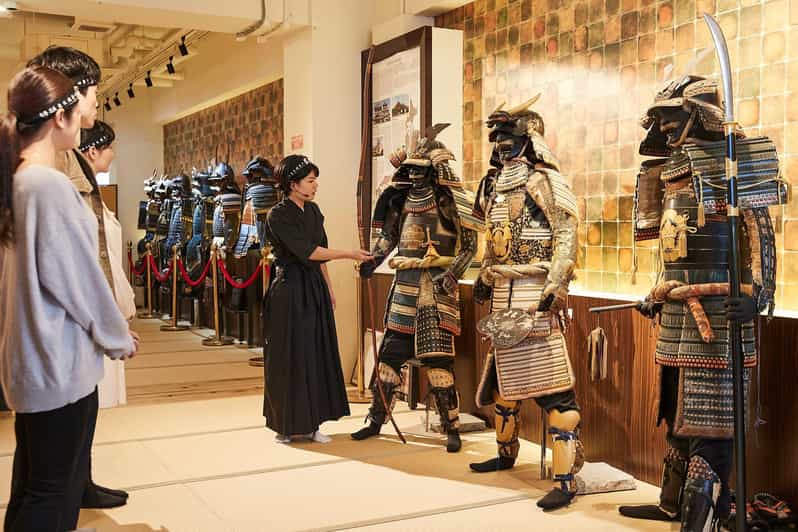
This is one of the easier cultural activities to recommend to families. Children can dress up, hold the sword, and throw shuriken, while adults receive enough historical context to make the visit worthwhile. The guide-led format also means you do not need to prepare by reading about samurai beforehand.
Teens are another good match. The photo opportunities feel less childish than some family attractions, and the ninja activity adds a competitive edge. If your teenager likes Japanese history, anime, films, or martial arts, this gives those interests a real-world setting.
I would also recommend it to first-time Tokyo visitors who want a quick introduction to a famous part of Japanese culture. The guide helps you sort out fact from legend, and the tour does not demand a full day.
It may be less suitable if you dislike group activities, costume photos, or guided storytelling. The museum visit is social and participatory. You will get more from it if you are willing to join in rather than stand back.
Practical booking advice
The experience is offered in English, and the supplied information identifies the provider as GLOBA Inc. Several guides are praised by name, including Kenny, Nami, Shin, Megan, Nao, Leon, and Hashan, though you should not assume a particular guide will lead your session.
One booking channel permits a maximum reservation of 15 people, but other booking sites are accepted and the total group may be larger. If a small group is important to you, check the current booking details before paying.
You can reserve now and pay later, which helps if your Tokyo plans may shift. Cancellation is allowed up to 24 hours in advance for a full refund. These terms are useful for a busy city itinerary, especially if you are arranging several timed activities.
The museum is in Tokyo and is described as easy to reach by train or taxi. No special equipment is listed for you to bring. The main provided elements are the museum entry, guide, samurai clothing and gear, metal sword, helmet, and shuriken activity.
Should you book the Samurai Ninja Museum tour?
I would book this tour if you want a lively, family-friendly introduction to samurai and ninja culture, especially if your group includes children or teens. The mix of armor, English storytelling, costume photos, and shuriken throwing gives you more than a basic museum admission for $27.
I would skip it if you want a large museum collection, a long quiet visit, or specialist-level historical detail. The compact one-hour format has limits, and a bigger group may reduce individual attention.
For most first-time visitors, though, it is a good-value Tokyo stop. You learn something useful, get memorable photographs, and leave with a better sense of where the samurai and ninja fit into Japan’s past. That is a solid return for one hour.
FAQ
Where does the Samurai Ninja Museum tour take place?
The experience takes place at the Samurai Ninja Museum in Tokyo, on Honshu, Japan.
How much does the experience cost?
The listed price is $27 per person.
How long does the tour take?
The tour is described in the supplied information as about one hour long.
Is the tour conducted in English?
Yes. Entry includes a guided tour with an English-speaking guide.
What is included in the ticket?
The ticket includes museum entry, the English-guided tour, a ninja star throwing experience, and a samurai experience.
Can I dress as a samurai?
Yes. The samurai activity allows you to dress in samurai gear, wear a real samurai helmet, and hold a metal samurai sword.
Can I throw ninja stars?
Yes. Shuriken, or ninja star, throwing is included as a supervised activity.
How many people can be reserved through GetYourGuide?
A maximum of 15 people can be reserved through GetYourGuide. The museum accepts bookings through other sites, so the complete group may contain more participants.
Can I reserve now and pay later?
Yes. The reserve and pay later option lets you hold a place without paying on the day of booking.
What is the cancellation policy?
You can cancel up to 24 hours before the experience for a full refund.
More Museums in Tokyo
- Tokyo: teamLab Planets TOKYO Digital Art Museum Entry Ticket
★ 4.6 · 9,779 reviews - Tokyo Studio Ghibli Museum and Ghibli Film Appreciation Tour
★ 4.5 · 421 reviews - Tokyo: Art Aquarium Museum GINZA Entry Ticket
★ 4.5 · 278 reviews - Samurai Ninja Museum Asakusa: Kid-Friendly Ninja Training
★ 4.7 · 67 reviews
Just added around Tokyo
- Private Arrival Transfer : Narita International Airport to Central Tokyo City★ 4.5 · 12 reviews
- Narita Airport(NRT): Private Transfer to Tokyo/Yokohama 1-9pax★ 5.0 · 47 reviews
- Private Transfer from Narita Airport to Yokohama Port and City★ 4.5 · 17 reviews
- [Narita Airport Terminals 1, 2] 40-60km Sawara Itako Historic Bike Tour★ 5.0 · 13 reviews
- 3 Day Japan Highlights Tour: Tokyo, Mt.Fuji, Nara, Kyoto, Osaka★ 5.0 · 22 reviews
- The 10 Tastings of Tokyo With Locals: Private Street Food Tour★ 5.0 · 48 reviews
- Small Town in the Big City: Tasting Tokyo’s Kichijoji★ 5.0 · 195 reviews
- Small Town in the Big City: Tasting Tokyo’s Kichijoji★ 5.0 · 16 reviews
Tokyo Tours, compared.

Mt Fuji and Hakone 1-Day Bus Tour Return by Bullet Train
Read our review →

teamLab Planets TOKYO Digital Art Museum Entry Ticket
Read our review →
Mt Fuji & Hakone Cruise, Drum Show Bullet Train 1 Day from Tokyo
Read our review →
Sumo Show Experience with Chicken Hot Pot and a Photo
Read our review →
Shinjuku Food Tour (13 Dishes at 4 Local Eateries)
Read our review →
Tokyo Mt Fuji 5th St & Hakone Cruise Bus Tour w/Bullet Train
Read our review →
Flagship 2-Hours Official Street Go-Kart Tour – Tokyo Bay Shop
Read our review →Browse the lists this tour appears in