
Reviewed · KYOTO TOURS
Kyoto E-Bike Tour of Hidden Gems, Backstreets and Temples
Kyoto reveals itself quickly from an e-bike. In four hours, you move from the old lanes of Gion Shirakawa to Zen temples, Shinto shrines, the Imperial Palace, and the Philosopher’s Walk without spending the morning waiting for buses. I especially like the small maximum group of eight, which makes it easier to stay with the guide, and the fact that a good e-bike is supplied instead of leaving you to find one on your own.
I also like the mix of famous sights and quieter corners. Guides named Ben, Jay, and Yuki have been praised for clear English, local knowledge, humor, and useful advice about food and places to visit later. The main caution is that this is not four hours of effortless pedaling: you will also walk at several stops, and you need to be at least 145 centimeters tall with a moderate level of fitness.
Key points to know before you book
- Seven major Kyoto stops: The route includes Gion Shirakawa, Nanzen-ji, Heian Shrine, Honen-in, Shimogamo Shrine, Kyoto Imperial Palace, and Philosopher’s Walk.
- E-bikes and helmets are included: You do not need to arrange rental equipment separately.
- A compact morning schedule: The tour starts at 9:00 a.m. and returns to the Kyoto Tourist Lounge in Gion after about four hours.
- English-speaking local guides: Ben, Jay, and Yuki are named in the feedback, with special praise for their history, culture, and restaurant advice.
- Some walking is part of the ride: Wear comfortable shoes, even though the bicycle does much of the work.
- Weather matters: Poor conditions can lead to a route change, a new date, or a full refund.
Why an e-bike works so well in Kyoto
Kyoto is a spread-out city. Its temples and shrines sit in different districts, and ordinary sightseeing can involve a string of buses, crowded platforms, and long walks between stops. An e-bike gives you a better sense of the city as a whole. You cover more ground than on foot, but you still move slowly enough to notice canals, old streets, temple gates, and wooded paths.
The electric assistance matters most when you are trying to fit several districts into one morning. One guide-led ride takes you through southern and central Kyoto, then toward the northern side of the city and the eastern temple district. You do not need to plan the route or keep checking a map. The guide leads, and the small group makes it easier to keep the pace together.
This is also a useful first activity in Kyoto. The route gives you a quick orientation to several parts of town, and the guides can point out places worth returning to later. The four-hour timing leaves the rest of the day open for a museum, a market, another temple, or a long lunch.
The tradeoff is that a bike tour has a set rhythm. You will see each stop, hear an explanation, take photos, and move on. If you prefer to spend half a day inside one temple complex, this will feel rushed. If your priority is to see a broad slice of Kyoto in limited time, the pace is a strength.
More Hidden Gems Walks in Kyoto
- Kyoto Geisha Walking Tour: Gion District & Hidden Gems
★ 4.7 · 3,273 reviews - Private Kyoto Tour with a Local, Highlights & Hidden Gems, Personalised
★ 5.0 · 1,543 reviews - Arashiyama Bamboo Forest & Hidden Gems Bike Tour (Early Bird)
★ 5.0 · 613 reviews
Starting in Gion Shirakawa at 9:00 a.m.
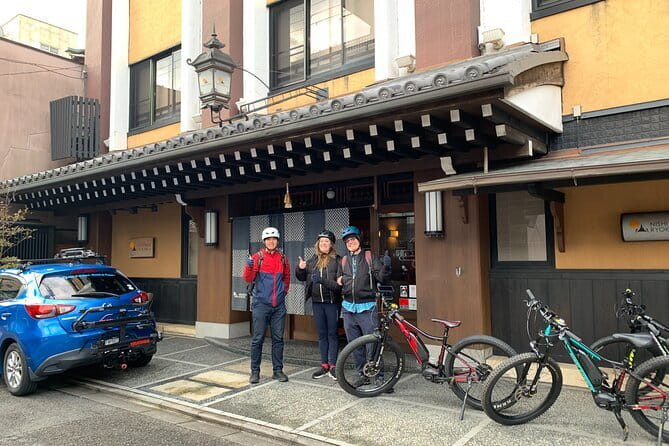
The meeting point is the Kyoto Tourist Lounge Gion, at Pare Gion, 557-4 Komatsu Cho. The tour starts at 9:00 a.m., so plan enough time to reach the address and get ready before departure.
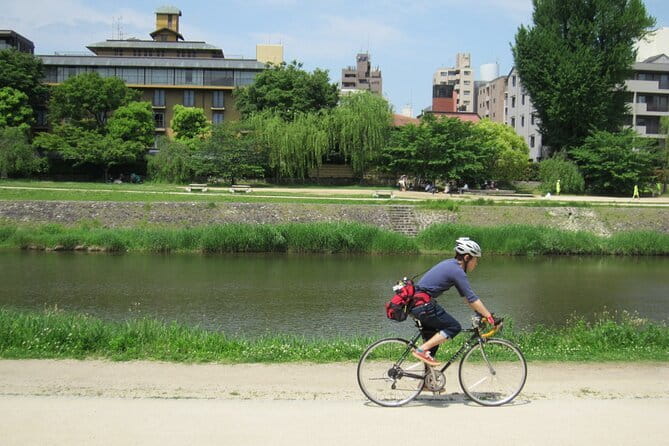
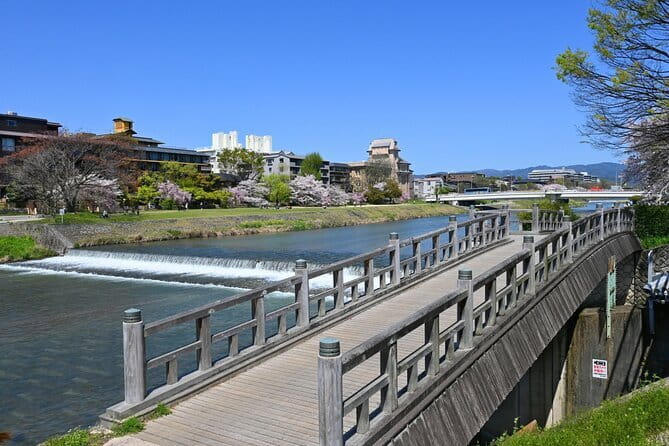
Gion Shirakawa is a fitting starting point. Along the Shirakawa Canal, traditional buildings and quiet water create one of Kyoto’s most photogenic scenes. The area gives you an early look at the city’s older character without requiring a long transfer from the meeting point.
You have about 30 minutes here. That is enough for an introduction, photos, and a first explanation of Kyoto’s streets and customs. The guide can also help you settle into the group before the ride becomes more substantial.
Remember that Gion is a working district, not a theme park. Keep your voice low, avoid blocking narrow lanes, and follow any posted requests about photography. The tour is more enjoyable when you treat the neighborhood as a place where people live and work.
Nanzen-ji and the eastern temple district
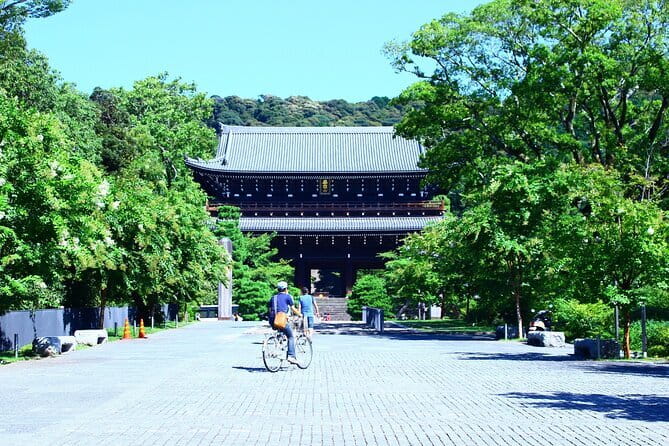
The next 30-minute stop is Nanzen-ji, one of Kyoto’s major Zen temples at the foot of the Higashiyama mountains. Its scale and traditional architecture give you a change of mood from the intimate streets of Gion.
Nanzen-ji is valuable on a short tour because it offers both a grand setting and quieter spaces. You can expect time to look around the temple grounds and hear about Zen Buddhism and the role of temples in Kyoto’s story. The surrounding area also makes a good transition into the eastern side of the city.
The stop is listed as free, but not every part of a temple complex is always covered by a general grounds visit. Honen-in later in the route specifically has an admission charge not included, so bring money if you want to enter any paid area there.
Heian Shrine’s large red-and-white entrance
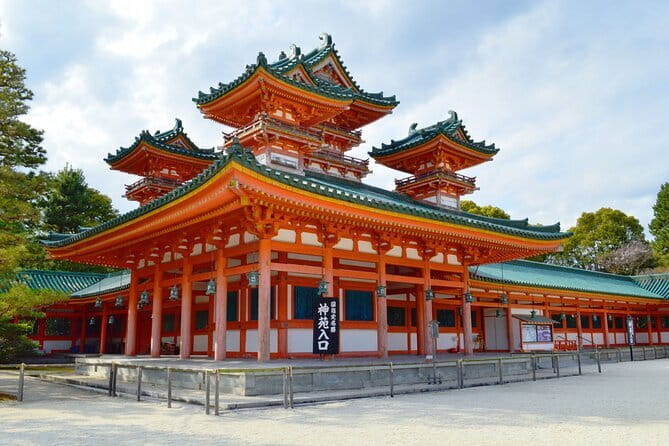
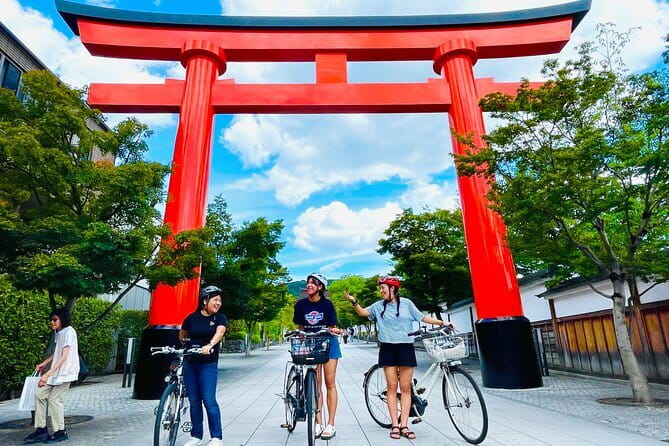
Heian Shrine follows with another 30-minute stop. Its red and white architecture has a very different feel from Nanzen-ji’s Zen setting, making the contrast useful. Here, you get a look at a major Shinto site and a chance to discuss how Shinto shrines differ from Buddhist temples.
The shrine is known for classical-style architecture and gardens. The schedule gives you time for photos and a guided introduction, though not the sort of leisurely visit you would have if you came alone. The gardens are an important part of the attraction, but the supplied details do not promise a full garden visit or include a separate garden admission.
This is one reason the guide adds value. A quick stop can otherwise become little more than a photograph at a gate. With a guide such as Ben, Jay, or Yuki, you can ask questions about Japanese culture and religion while the details are still fresh.
More off-the-list walks in Kyoto:
- Kyoto: Hidden Gems E-Bike Tour with Local Japanese Guide
★ 4.9 · 189 reviews - Kyoto: Gion Hidden Gems & Geisha Culture Tour
★ 4.9 · 126 reviews - Highlights & Hidden Gems With Locals: Best of Kyoto Private Tour
★ 5.0 · 121 reviews - Kyoto: Hidden Gems E-Bike Tour Through Backstreets & Temples
★ 4.9 · 54 reviews
Quiet paths at Honen-in
Honen-in gets about 20 minutes, making it the shortest stop. The temple is known for tree-lined paths and a calm setting, and its quieter atmosphere helps balance the larger, more formal sites earlier in the morning.
The visit includes time to walk through the grounds and learn about Honen’s teachings. Admission is not included here, so check with the guide about what the ticket covers and have cash or another accepted payment method ready if you want to enter a paid area.
The short timing is the main limitation. Honen-in rewards a slow walk and close attention to its setting, but this tour treats it as one piece of a wider route. I would think of it as a peaceful pause rather than a full temple visit.
Ancient woodland around Shimogamo Shrine
The ride then heads to Shimogamo Shrine, with about 30 minutes to explore. This is one of Kyoto’s oldest and most respected Shinto shrines, surrounded by ancient forest and quiet paths.
For you, this stop adds a different type of scenery. Instead of a canal or a large formal gate, you get a more wooded setting and a sense of sacred space shaped by trees. It also takes the tour farther from the most familiar central Kyoto sights.
The route covers a lot of ground in one morning, and this is where the electric bicycle earns its keep. You are not simply moving between two nearby attractions. You are connecting districts that would take more planning and energy to combine on foot.
Kyoto Imperial Palace inside Kyoto Gyoen
The 30-minute visit to Kyoto Imperial Palace takes place within Kyoto Gyoen National Garden. The palace was the former residence of Japan’s imperial family, and its traditional architecture offers a look at the political and ceremonial side of Kyoto.
The surrounding garden is part of the appeal. After temple courtyards and shrine grounds, the open green setting gives you room to breathe and take in the scale of the former imperial center. The guide can place the palace in the wider story of Japan and Kyoto.
The schedule is enough for an introduction and photos, but it is not designed for an exhaustive palace visit. If the Imperial Palace is your main interest, you may want to return later with more time. If you want a broad first look, the stop works well.
Philosopher’s Walk and the final ride
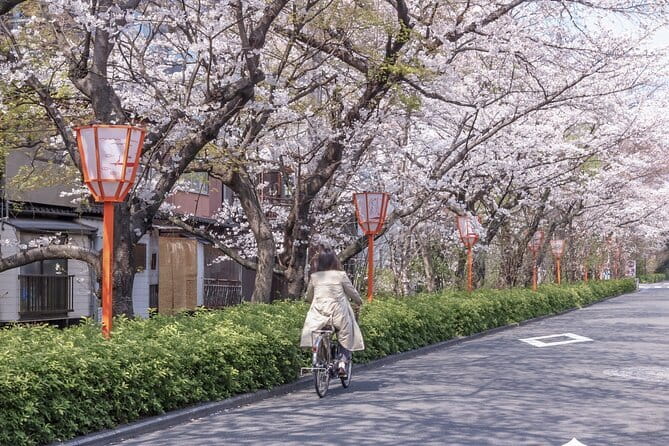
The Philosopher’s Walk is the last listed stop and receives about 30 minutes. This scenic path follows a canal and is lined with cherry trees and traditional tea houses. Its name comes from philosopher Nishida Kitaro, giving the route a small piece of modern intellectual history as well as natural beauty.
The path is particularly appealing during blossom season, but timing matters. A guide described late March as a period when some trees had begun to show flowers, with fuller bloom expected about a week later. That is a useful reminder not to book solely on the hope of peak blossoms. The canal and trees remain attractive even when the flowers are not at their best.
Because this is a bike tour, you should follow instructions carefully around pedestrians. Parts of the route may call for walking the bicycle or moving at a slower pace. The supplied experience details confirm that walking is part of the tour, so comfortable shoes are important.
After the final stop, the activity returns to the original Gion meeting point. The listed stop times add up to three hours, leaving roughly an hour for cycling, orientation, transitions, and questions. That is a full morning, but the schedule is sensibly built around short visits rather than long periods at one site.
What the guides add to the morning
The strongest part of this experience is the guide. Ben is repeatedly praised for his English, humor, local insight, and ability to explain history in an approachable way. Jay is also described as clear and well informed about Japan, Kyoto, and religion. Yuki is identified as a Kyoto local who explains Japanese culture well and offers practical suggestions about restaurants and shopping.
Guide quality can vary from one departure to another, so you should not assume you will receive a particular person. Still, the named feedback gives you a clear picture of the kind of guiding the operator aims to provide: informative without being stiff, open to questions, and connected to daily life in Kyoto.
This matters because several stops are experienced from the outside or within a short time frame. A local explanation can turn a red gate, canal, or wooded path into something more meaningful. You also have a chance to ask questions about customs, food, and where to go next.
Bikes, fitness, and group size
The e-bike rental is included in the $70 price, along with bicycle use and an English-speaking guide. Helmets are included according to the experience details, and the bicycles have been described as new or easy to use.
You do not need to be a serious cyclist. The electric assistance makes the ride easier, and one detailed account specifically found the bikes manageable without much fitness. That does not mean the tour is suitable for everyone. You still need to mount, steer, stop, ride in city conditions, and walk around the sights.
The minimum height is 145 centimeters, and the tour is not recommended for children under 12. A moderate fitness level is expected. If you have concerns about cycling, balance, or walking, ask the operator before booking.
A maximum of eight people is a real advantage. You are less likely to be separated from the guide, and questions are easier to ask than in a large procession of bicycles. The compact format also suits anyone who wants personal guidance without booking a private tour.
Is $70 a fair price?
At $70 per person, this is not the cheapest way to see a few Kyoto temples. You are paying for more than transportation, though. The fee covers the e-bike, helmet, route planning, English guidance, and a small group that connects seven different sights in one morning.
I see the best value here for a first visit or a short stay. If you have only a day or two in Kyoto, covering Gion, the eastern temples, the Imperial Palace area, and the northern shrine district independently could take several separate trips. The tour also saves you the work of researching bike routes and working out which roads link the sights.
The value is weaker if you already know Kyoto well, dislike fixed schedules, or want long visits inside individual temples. Honen-in has an additional admission cost, and insurance is not included. The provider also states that it accepts no responsibility for injuries, illness, accidents, or lost or damaged belongings, so you should take normal care with your valuables and consider your own insurance needs.
Practical booking advice
Confirmation is provided when you book, and the meeting point is near public transportation. The activity uses a mobile ticket, which is handy, but keep your phone charged and accessible at the start.
Wear comfortable shoes, modest clothing suitable for temple and shrine visits, and clothes that work for several hours outdoors. Bring water, sun protection, and a small way to carry personal items securely. These are practical suggestions for a bicycle morning, not extra equipment supplied by the operator.
The route can be changed or canceled because of severe weather or other safety concerns. If the operator cancels for poor weather, you are offered another date or a full refund. You can cancel for a full refund up to 24 hours before the 9:00 a.m. start time. Cancellations within 24 hours and late changes are not refunded.
Who should book this Kyoto e-bike tour?
I would choose this tour if you want a fast, well-guided introduction to Kyoto and like the idea of seeing the city between the famous sights. It suits couples, friends, and independent visitors who want local context without committing to a full-day group excursion.
It is especially useful early in your stay. You can get your bearings, note places you want to revisit, and ask Ben, Jay, Yuki, or another guide for practical ideas about food and the rest of Kyoto.
I would skip it if you want complete freedom at each temple, cannot comfortably cycle and walk for four hours, or are under 145 centimeters tall. Also think twice if your schedule is built around peak cherry blossoms, since flowering dates vary and the route cannot guarantee a specific bloom period.
For most suitable riders, I consider $70 reasonable. You get a capable e-bike, a route that would be awkward to plan alone, and a local English-speaking guide who can connect architecture, religion, and everyday Kyoto. The result is a lively morning that shows you far more than a single temple visit.
FAQ
How long does the Kyoto e-bike tour last?
The tour lasts approximately four hours, beginning at 9:00 a.m. and returning to the original meeting point.
Where does the tour start?
It starts at the Kyoto Tourist Lounge Gion, at 557-4 Komatsu Cho, Pare Gion 101, Higashiyama, Kyoto.
Where does the activity end?
The tour ends back at the meeting point in Gion.
Which sights are included?
The route includes Gion Shirakawa, Nanzen-ji Temple, Heian Shrine, Honen-in, Shimogamo Shrine, Kyoto Imperial Palace, and Philosopher’s Walk.
Is the e-bike rental included?
Yes. Bicycle use is included, and helmets are provided as part of the bicycle equipment.
Is the tour conducted in English?
Yes. An in-person English-speaking guide leads the experience.
How many people can join the tour?
The maximum group size is eight people.
Are children allowed to join?
Riders must be over 145 centimeters tall, and the activity is not recommended for children under 12.
What happens if the weather is poor?
The experience requires good weather. If it is canceled because of poor conditions, you will be offered another date or a full refund. You can also cancel at least 24 hours before the start for a full refund. Cancellations within 24 hours are not refunded.
More E-Bike Rides in Kyoto
- E-Bike Tours of the highlights of Kyoto!!!
★ 5.0 · 291 reviews - Kyoto: City Secrets eBike Tour
★ 4.9 · 196 reviews - Pedal Adventure Kyoto’s iconic landmarks on an e-bike tour
★ 5.0 · 189 reviews - Arashiyama Bamboo Forest E-Biking Tour
★ 5.0 · 183 reviews
More Bike Tours in Kyoto
- Hidden Kyoto E-Biking tour
★ 5.0 · 1,843 reviews - Bike Tour Exploring North Kyoto plus Lunch
★ 5.0 · 1,087 reviews - 5 Top Highlights of Kyoto Full Day Bike Tour (E-bike option)
★ 5.0 · 511 reviews - Full Day Biking Tour Exploring the Best of Kyoto
★ 5.0 · 498 reviews
Just added around Kyoto
- Kyoto: Zen Meditation at a Private Temple with a Monk★ 5.0 · 25 reviews
- Kyoto: Gion Geisha District & Sake-in-Hand Walking Tour★ 5.0 · 37 reviews
- Private Pewter Sake Cup Experience with a Kyoto Artisan★ 5.0 · 31 reviews
- Your Private Vacation Photography Session In Kyoto★ 5.0 · 110 reviews
- Private Guided Traditional Buddhist Cooking in Japan★ 5.0 · 16 reviews
- Kyoto Wagashi(Japanese sweets) Cooking Class near Fushimiinari★ 5.0 · 60 reviews
- Kyoto:Family-Friendly Kimono & Yukata Experience at WARGO★ 5.0 · 147 reviews
- Private Cooking Class Udon in Kyoto Japan★ 5.0 · 23 reviews
Kyoto Tours, compared.


Fushimi Inari, Kinkakuji, Bamboo Grove 1 Day Bus Tour
Read our review →
Tea Ceremony in a Traditional Tea House in Kiyomizu
Read our review →
Kyoto Geisha Walking Tour: Gion District & Hidden Gems
Read our review →

Gion Magical Night Walking Tour with Geisha Trivia
Read our review →

Gion Geisha District Walking Tour – Stories of Geisha
Read our review →Browse the lists this tour appears in