
Reviewed · FUSHIMI INARI TOURS
Kyoto Guided Walking Tour: Secret Zen Garden and Fushimi Inari
Fushimi Inari is famous for its thousand vermilion torii gates, but this tour gives you a better way to reach them. You first pass through quieter temple grounds and a lesser-known Zen garden, then approach the shrine by a route that includes viewpoints and small shrines many people skip.
I especially like two things here: the small group of no more than eight, which makes questions and pace changes practical, and the way the walk links Zen Buddhism with Shinto worship instead of treating Kyoto’s religious sites as photo stops. The main caution is physical: hills, steps, and a moderate amount of walking are part of the deal.
Key points at a glance
- Komyo-in’s quiet garden: Spend time in a peaceful sub-temple garden that is easy to miss on a first visit to Kyoto.
- A less crowded approach to Fushimi Inari: Reach the famous shrine through smaller paths and side sites before joining the well-known torii route.
- Yotsuji viewpoint: Stop at a mountain crossroads for a broad view over Kyoto.
- Guides who explain the setting: Mika, Kenta, and Naomi are among the guides associated with this experience, with clear explanations and flexible pacing.
- Morning timing: Meet at 9:00 am, when the early part of the walk can feel calmer than the shrine’s busiest periods.
- A real walking commitment: The tour lasts about four hours and includes uphill sections, so comfortable shoes are essential.
Why this Kyoto walk feels different
Many first-time Kyoto visits follow a simple pattern: arrive at a major temple, take photos, move on, and repeat. This walk has a more thoughtful rhythm. It begins near Tofuku-ji, one of Kyoto’s important Zen temples, then moves through nearby religious sites before reaching Fushimi Inari.
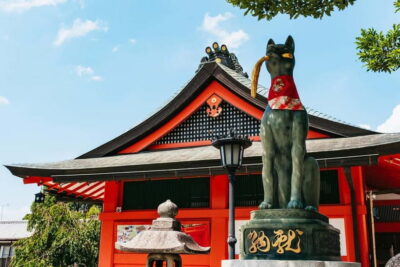
That order matters. Tofuku-ji and Komyo-in give you a quiet introduction to Buddhist ideas and garden design. By the time you reach Fushimi Inari, you have seen a different side of Japanese religious life, one tied to Shinto shrines, fox imagery, prayers, charms, and torii gates.
I also like that the route does not depend only on Kyoto’s biggest sights. The walk includes Gaun-kyo Bridge, Araki Shrine, Kumataka Shrine, and the Yotsuji viewpoint. These stops add texture to the famous destinations. You get a sense of how a major shrine complex connects with wooded hills and small devotional sites.
The tour is designed for a maximum of eight people. That is small enough for a guide to answer questions without turning the walk into a public speech. It also helps with pace. One detailed account describes the guide adjusting the walk for uphill sections and allowing more or less time at each stop, a useful feature on a route where fitness levels can vary.
More ways to walk Fushimi Inari:
- Kyoto: Fushimi Inari, Kinkakuji, Bamboo Grove 1 Day Bus Tour
★ 4.8 · 4,316 reviews - Fushimi Inari Hidden Hiking Tour (Private Option Available)
★ 5.0 · 1,750 reviews - Kyoto/Osaka: Nara, Fushimi Inari Taisha, Arashiyama Bus Tour
★ 4.7 · 1,275 reviews
Starting near Tofuku-ji at 9:00 am
You meet at the FamilyMart near Tofuku-ji, at 12-chome-232 Honmachi in Kyoto’s Higashiyama Ward. The early start is useful because the tour has several stops and finishes at Fushimi Inari rather than returning to the meeting point.
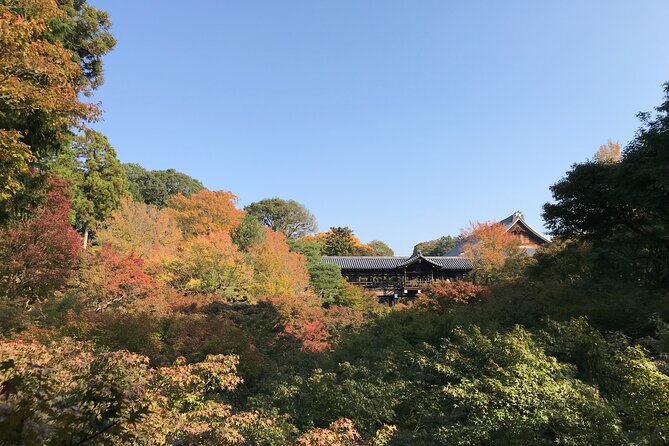
The first named stop is Gaun-kyo Bridge. It takes only about five minutes, but it offers a fine opening view over the wooded valley, including Tsutenkyo Bridge and the maple trees below. In autumn, this area is particularly scenic. At other times of year, the bridge still gives you a sense of the temple district’s natural setting.
Do not expect a long pause here. This is more of a viewpoint and orientation stop than a major visit. Your guide can use it to explain where you are and how Tofuku-ji fits into Kyoto’s Zen tradition before the walk continues.
The route then reaches a significant Zen temple founded in the 13th century. The supplied schedule does not name this stop separately, but it is clearly part of the Tofuku-ji area and provides the broad religious setting for the morning. If you are new to Zen Buddhism, this context helps you understand why gardens, quiet spaces, and carefully framed views matter so much in Japanese temple design.
Komyo-in and the value of a quiet garden
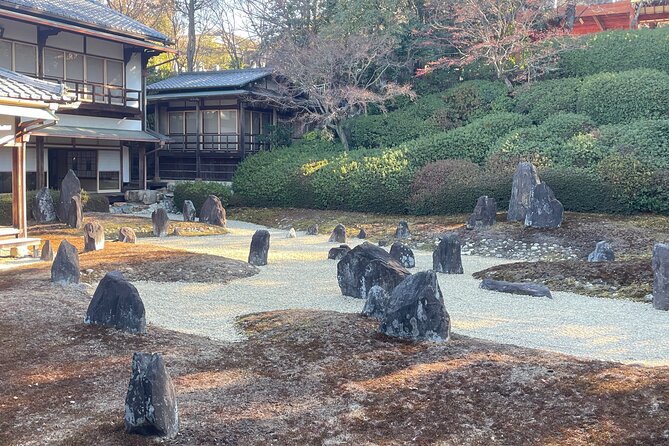
Komyo-in is the emotional center of the first half of the walk. This sub-temple is known for its Zen garden and calm atmosphere, and the visit lasts about 25 minutes with admission included.
That amount of time is short enough to fit a half-day route but long enough to pause properly. You can look at the garden, listen to an explanation, and enjoy the stillness without having to work out the symbolism on your own. A guide can point out how the garden invites attention to shape, space, and seasonal change.
Komyo-in is also valuable because it offers a contrast with Fushimi Inari. At Fushimi, the visual impact comes from thousands of gates and a steady climb. At Komyo-in, the appeal is restraint. The garden asks you to slow down.
The quiet setting is not guaranteed at every moment, of course. Kyoto’s temples can become busy, and garden beauty changes with weather and season. Still, the tour’s timing and small size give you a better chance of enjoying this stop without the pressure of a large group.
If you want a long, meditative stay in one garden, this tour may feel too brisk. The visit is part of a wider route, not a private meditation session. For most people, though, 25 minutes is a sensible compromise.
Araki Shrine and the move toward Fushimi
Araki Shrine comes next, with about 10 minutes set aside. It is associated with prayers for love, strong relationships, and general well-being. That makes it a personal stop, particularly for couples or anyone interested in the everyday side of Japanese shrine practice.
Small shrines such as Araki are easy to overlook when you are focused on Kyoto’s headline attractions. A guide can explain what people come to pray for and how the site differs from the larger shrine complex ahead. You will not spend a long time here, but the stop adds a human dimension to the morning.
This is also where the tour begins to shift from temple culture to shrine culture. The distinction can be confusing at first. A clear guide helps you notice the change in setting, customs, and religious symbols without turning the walk into a lecture.
Past accounts of the tour highlight guides including Mika, Kenta, and Naomi. Mika is especially noted for using simple notes and illustrations to make history easier to follow, while Kenta is described as attentive to questions and walking pace. The individual guide matters here because the sites are more rewarding when someone explains what you are seeing.
More walking tours in Kyoto:
- Kyoto Geisha Walking Tour: Gion District & Hidden Gems
★ 4.7 · 3,273 reviews - Kyoto: Gion Magical Night Walking Tour with Geisha Trivia
★ 4.9 · 2,393 reviews - Kyoto: Gion Geisha District Walking Tour – Stories of Geisha
★ 4.7 · 2,187 reviews - Night Walk in Gion: Kyoto’s Geisha District
★ 4.5 · 2,003 reviews
Reaching Yotsuji for a Kyoto view
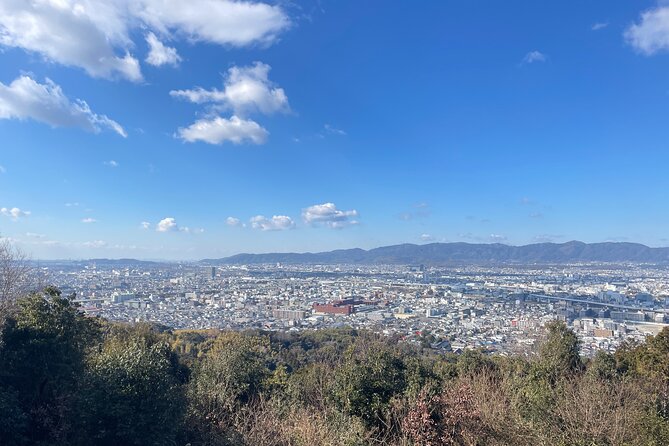
Yotsuji, or Four-Way Crossroad, is one of the most useful stops on the Fushimi Inari climb. The schedule allows about 20 minutes here, enough for a break and a look across Kyoto.
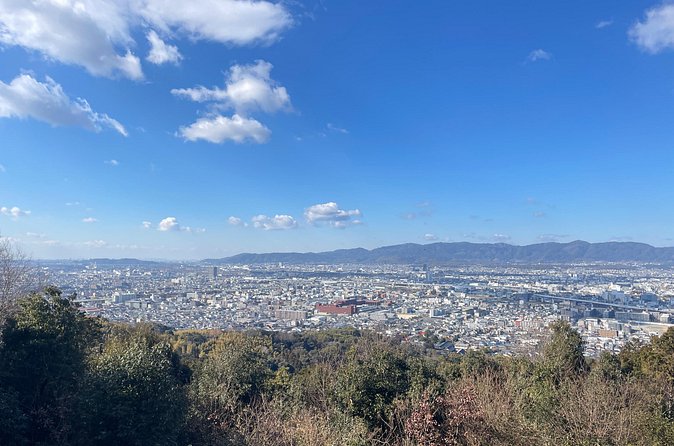
The walk uphill is not a minor detail. You should expect a moderate physical effort, and the route includes hiking and steps. Yotsuji gives you a reason to pause rather than treating the climb as a race. The view also helps you understand the scale of Kyoto. From the wooded slope, the city opens below you in a way that is quite different from a street-level temple visit.
This section may be the tour’s biggest test for anyone with limited mobility or poor footwear. Wear shoes with good support, and bring water. The tour operates rain or shine, so wet paths or warm weather can make the ascent harder.
The reward is not only the view. You are seeing Fushimi Inari as a hillside pilgrimage route, not just as the famous entrance lined with gates. That fuller perspective is one of the strongest reasons to choose this walk.
Kumataka Shrine and the quieter side of the mountain
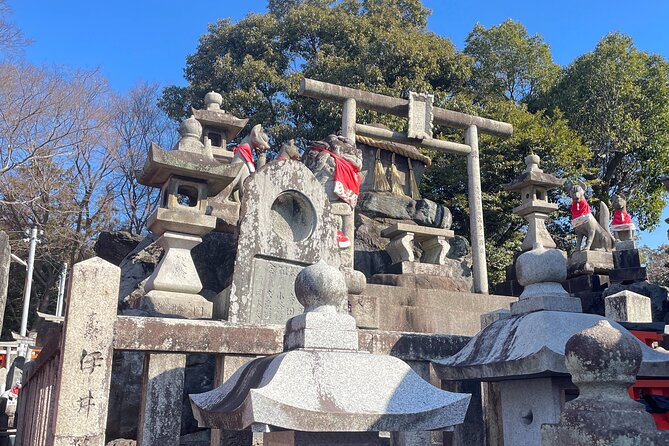
Kumataka Shrine is a secluded site with a peaceful, spiritual atmosphere. The stop lasts about 15 minutes and takes you away from the most crowded part of the torii-gate path.
The exact feel of a small shrine can be hard to describe in a schedule. You might find Kumataka more interesting for its quiet setting than for a single grand structure. It offers a pause from the main route and shows how Fushimi Inari includes many smaller places of worship beyond the best-known gates.
This stop also supports the tour’s main idea: you can see the iconic shrine without spending the entire morning in the busiest corridor. The route does not eliminate crowds altogether, especially near the most famous gates, but it gives the visit more variety.
If your main goal is to photograph every section of the torii tunnel, the 15-minute stop may seem like time taken away from that. If you value atmosphere and explanation, it is time well spent.
Fushimi Inari’s sacred core
The route continues to the Okusha Worship Center, also called Nosatsusho in the supplied details. Here you can learn about sacred ofuda, omamori charms, and goshuin shrine stamps. The stop lasts about 10 minutes.
This is a useful practical addition because it explains the shrine as an active place of worship. Fushimi Inari is not simply a backdrop for photographs. People come to pray, receive protective objects, and mark their visit with a stamp. A guide can help you understand these items and the role they play without leaving you to guess.
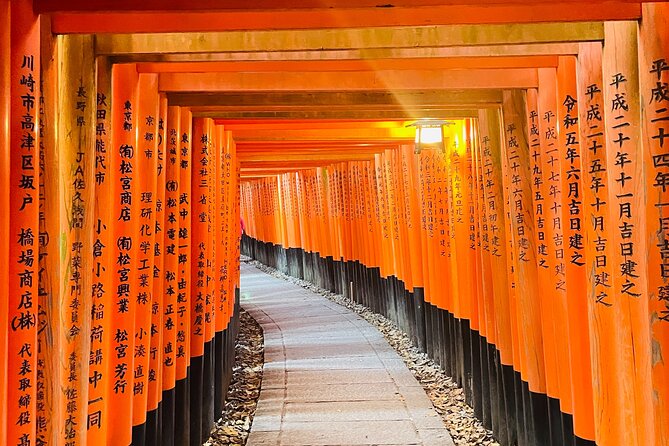
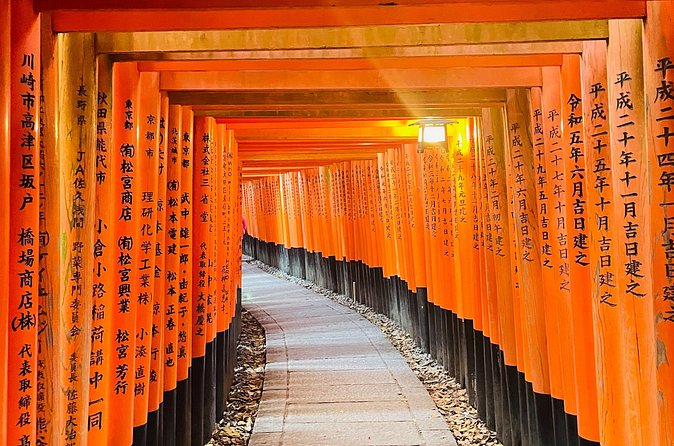
The Senbon Torii, or Thousand Torii Gates, follows as a major highlight. The schedule does not assign a separate duration, which suggests that the gates form part of the walking route rather than a single timed stop. You will pass through the famous vermilion tunnel as the path rises through the forest.
The gates are striking, but the experience is more complicated than the photos suggest. Popular sections can become crowded, and stopping for a clear picture takes patience. The quieter approach earlier in the tour helps, but you should still expect more people once you reach the best-known stretch.
The main sanctuary and the finish at the Outer Oratory
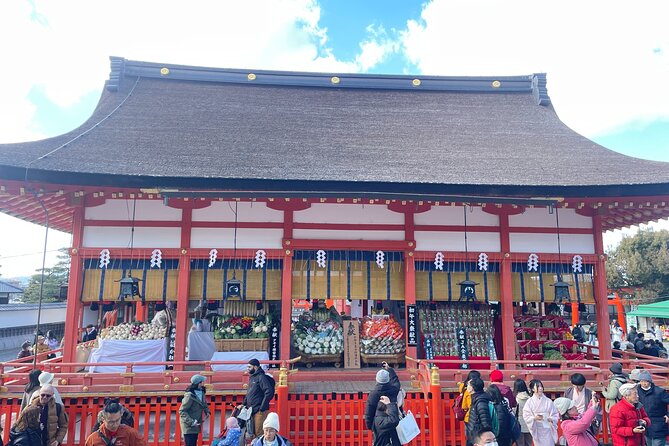
The final listed stop is Fushimi Inari Taisha Honden, the main sanctuary. About 10 minutes is planned here. This is the place for worship, and it gives you a calmer counterpoint to the gates and fox statues that dominate most photographs.
The tour ends at the Outer Oratory in Fushimi Inari Shrine. That is convenient if you plan to continue exploring the shrine on your own, meet someone nearby, or make your way onward by public transportation. It also means you should not book the tour expecting to finish where you started.
The four-hour duration includes walking between stops, explanations, brief visits, and uphill sections. The named stop times add up to less than the full tour length because the route itself takes time. This is not a hop-on, hop-off sightseeing circuit. You are moving through Kyoto under your own power.
What the $78.83 price buys you
At $78.83 per person, this is not the cheapest way to see Fushimi Inari. You can visit the shrine independently without paying an admission fee, and you could walk through the gates using a map.
The value comes from the route and interpretation. You are getting a planned connection between Tofuku-ji, Komyo-in, smaller shrines, and Fushimi Inari. You also avoid spending hours researching which side paths to take and how the temple and shrine areas fit together.
The small group improves that value. With up to eight people, the guide can answer questions and adjust the pace more easily than on a large coach tour. The experience also includes admission to Komyo-in, while the shrine stops themselves are free.
I would consider the price reasonable if you want cultural context and a confident route through an unfamiliar part of Kyoto. It is less attractive if you already know the area, prefer to explore alone, or mainly want a quick photograph at the torii gates.
Who will enjoy this walk most
I would recommend this experience to a first-time Kyoto visitor who wants a guided introduction to Zen and Shinto sites without spending a full day on a bus. It also suits couples, culture-focused visitors, and people who prefer smaller groups.
You should be comfortable walking uphill for several hours. The tour calls for a moderate fitness level, and the guide’s flexibility helps, but it does not remove the physical demands. Comfortable walking shoes are essential.
The walk may suit you particularly well if crowds bother you. The quieter early stops and lesser-used paths can make the morning feel calmer before you reach the most popular torii gates. You should not expect total solitude, but the route offers more breathing room than a direct visit to the main shrine entrance.
It is also a good fit if you like asking questions. Guides such as Mika, Kenta, and Naomi have been praised for clear explanations, strong English, and an easy manner. That personal contact is a large part of what you are paying for.
Practical details before you book
The tour begins at 9:00 am and lasts about four hours. It starts at the FamilyMart near Tofuku-ji and finishes at the Outer Oratory of Fushimi Inari Shrine.
A mobile ticket is provided, and confirmation is issued when you book. The tour runs in all weather, so check the forecast and dress for rain or sun. Because the route includes temple grounds, forest paths, hills, and shrine approaches, comfortable shoes matter more than stylish ones.
You can cancel for a full refund if you do so at least 24 hours before the local start time. Changes or cancellations made inside that window are not accepted for a refund.
Should you book the Tofuku-ji and Fushimi Inari walk?
Book it if you want more than the standard Fushimi Inari photo stop. The combination of a quiet Zen garden, smaller shrines, a hilltop view, and the famous torii gates gives you a fuller morning and a better sense of Kyoto’s religious traditions.
Skip it if you want to move at your own speed, avoid hills, or spend most of your time at the main shrine. At nearly $79, the tour earns its price through guidance and route planning, not admission tickets.
For most first-time visitors who have four hours to spare and can manage the climb, I would choose it. Start early, wear good shoes, and let the guide handle the details while you pay attention to the changing mood from quiet garden to sacred mountain path.
FAQ
How long does the Kyoto walking tour last?
The tour lasts approximately four hours.
What time does the tour start?
The start time is 9:00 am.
Where does the tour meet?
The meeting point is the FamilyMart at 12-chome-232 Honmachi, Higashiyama Ward, Kyoto, near Tofuku-ji.
Where does the tour finish?
The tour ends at the Outer Oratory of Fushimi Inari Shrine.
How many people can join the tour?
The maximum group size is eight travelers.
Is the tour suitable for people with limited fitness?
The tour requires a moderate fitness level and includes a moderate amount of walking and hiking, including uphill sections.
What should I wear?
Wear comfortable walking shoes. The tour operates rain or shine, so weather-appropriate clothing is also important.
Are admission fees included?
Admission to Komyo-in Temple is included. The listed stops at the shrines and Fushimi Inari have no admission fee.
Can I cancel for a full refund?
Yes. You must cancel at least 24 hours before the local start time to receive a full refund. Cancellations or changes made less than 24 hours before the start are not accepted for a refund.
Just added around Kyoto
- Kyoto: Zen Meditation at a Private Temple with a Monk★ 5.0 · 25 reviews
- Kyoto: Gion Geisha District & Sake-in-Hand Walking Tour★ 5.0 · 37 reviews
- Private Pewter Sake Cup Experience with a Kyoto Artisan★ 5.0 · 31 reviews
- Your Private Vacation Photography Session In Kyoto★ 5.0 · 110 reviews
- Private Guided Traditional Buddhist Cooking in Japan★ 5.0 · 16 reviews
- Kyoto Wagashi(Japanese sweets) Cooking Class near Fushimiinari★ 5.0 · 60 reviews
- Traditional Japanese Music show & Experience Tour in Kyoto★ 5.0 · 57 reviews
- Kyoto:Family-Friendly Kimono & Yukata Experience at WARGO★ 5.0 · 147 reviews
Fushimi Inari Tours, compared.

Fushimi Inari, Kinkakuji, Bamboo Grove 1 Day Bus Tour
Read our review →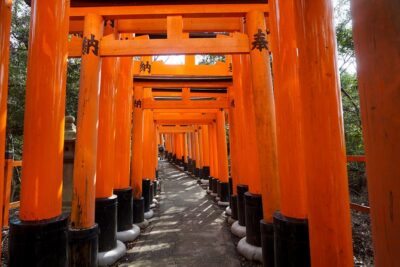
Fushimi Inari Hidden Hiking Tour (Private Option Available)
Read our review →
Kyoto/Osaka: Nara, Fushimi Inari Taisha, Arashiyama Bus Tour
Read our review →
Osaka/Kyoto: Arashiyama, Nara & Fushimi Inari Shrine w/Lunch
Read our review →
Nijo Castle, Kiyomizu & Fushimi Inari Guided Tour
Read our review →
Nijo, Kinkaku-ji, Arashiyama, Kiyomizu & Fushimi Inari
Read our review →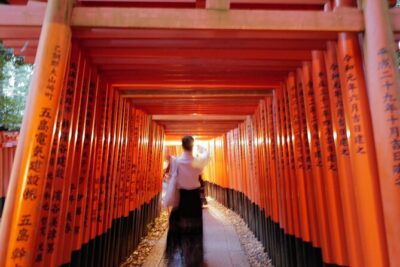
Browse the lists this tour appears in