
Reviewed · KYOTO TOURS
Gion Walking Tour, Geisha Show and Japanese Game in Kyoto
The most memorable part of this Kyoto experience is the small-group maiko meeting. After an hour among Gion’s lanes, temples, shops, and historic streets, you sit down for a dance, questions, tea, and a traditional fan game with a geisha apprentice. It feels far more personal than watching a stage performance from the back of a large hall.
I like two things in particular. First, guides such as Ai, Rin, Yoshino, Soichiro, and Hikaru are praised for explaining etiquette and translating clearly. Second, the tour lets you ask direct questions rather than simply watch a rehearsed show. The main consideration is the price: at $108 per person for two hours, it is not a casual sightseeing walk, and one person found the stops at designated shops unnecessary.
Key points to know before booking
- The group has a maximum of six people, allowing a more personal question-and-answer session.
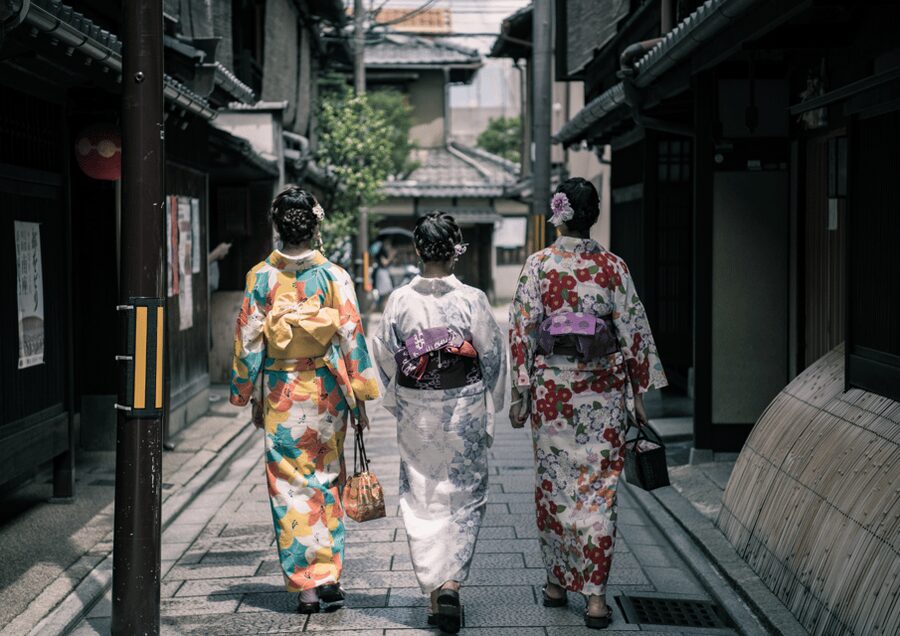
- The first hour explores Gion on foot, including quieter lanes and cultural points beyond the main street.
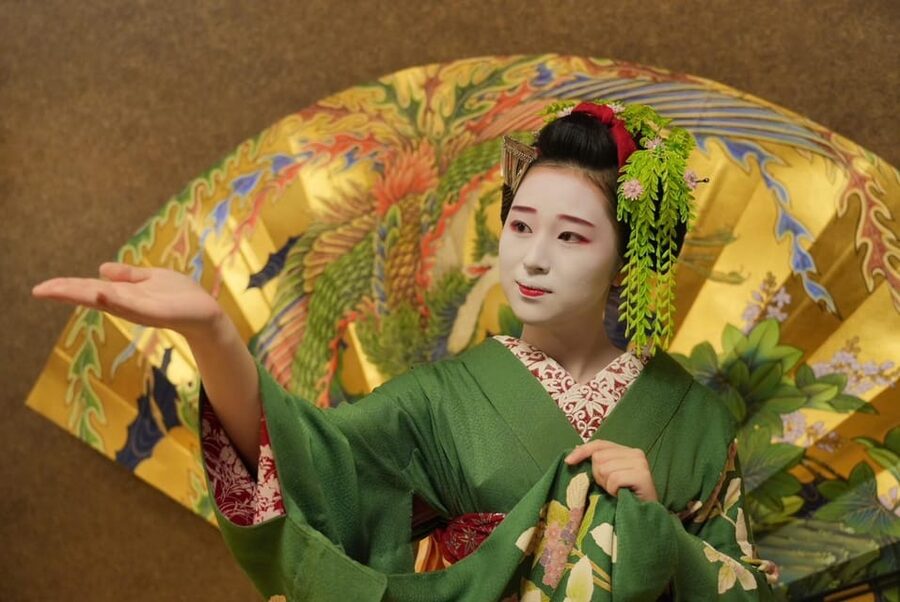
- The second hour includes a maiko dance, questions about maiko and geiko life, and a traditional fan game.
- Tea and a Japanese snack are included, while extra food and other personal spending are not.
- English-speaking guides translate during the maiko meeting, helping you ask questions and follow the answers.
- The meeting point is easy to identify, at the Izumo-no-Okuni Statue above Gion Shijo Station, where the guide holds a white GuideMe Japan board.
Why the maiko meeting matters
Gion is one of Kyoto’s most famous districts, but simply walking through it can leave you with more questions than answers. You may see beautifully dressed performers moving between appointments, yet the setting is not designed for casual conversation or photographs. This experience gives you a respectful, arranged way to learn about the tradition.
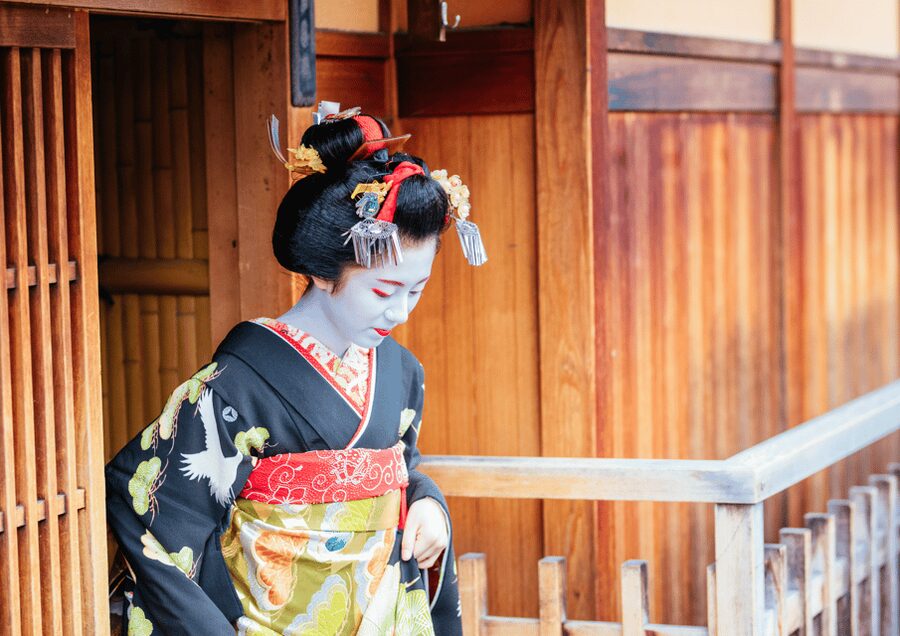
The maiko is a geisha apprentice. During the second hour, she performs a traditional dance, answers questions about her current life, and joins you for a Japanese fan game. The appeal is not just the dance itself. You get context about the clothing, customs, training, and distinction between maiko and geiko through the guide’s translation.
That direct exchange is the heart of the tour. You can ask what daily life is like, how the arts are learned, or what the different stages mean. The exact conversation will depend on the questions asked, but the format gives you time to move beyond a staged cultural display.
The group limit of six matters here. A large audience can make a question session feel formal and rushed. With only a few people, you have a better chance to listen closely, ask something specific, and enjoy the playful side of the meeting.
More geisha-district evenings:
- Kyoto Geisha Walking Tour: Gion District & Hidden Gems
★ 4.7 · 3,273 reviews - Kyoto: Gion Magical Night Walking Tour with Geisha Trivia
★ 4.9 · 2,393 reviews - Kyoto: Gion Geisha District Walking Tour – Stories of Geisha
★ 4.7 · 2,187 reviews
Starting at the Izumo-no-Okuni Statue
The tour begins at the statue of Izumo-no-Okuni, located just above Gion Shijo Station. This is a practical meeting point because it is tied to a clear public landmark rather than an obscure side street. Look for the guide holding a white board marked GuideMe Japan.
Arrive with enough time to locate the statue and settle in. The experience lasts two hours, and the walking portion begins promptly. Since the tour ends at Hangesho, you should also avoid making tight plans immediately afterward until you know exactly where your group finishes.
The statue provides a fitting opening. Izumo-no-Okuni is linked with the origins of kabuki, and the location places you near one of Kyoto’s important performing-arts districts. The tour is not only about spotting people in traditional dress. It sets Gion within Japan’s wider history of dance, theater, music, and refined hospitality.
One hour through Gion’s main streets and quieter lanes
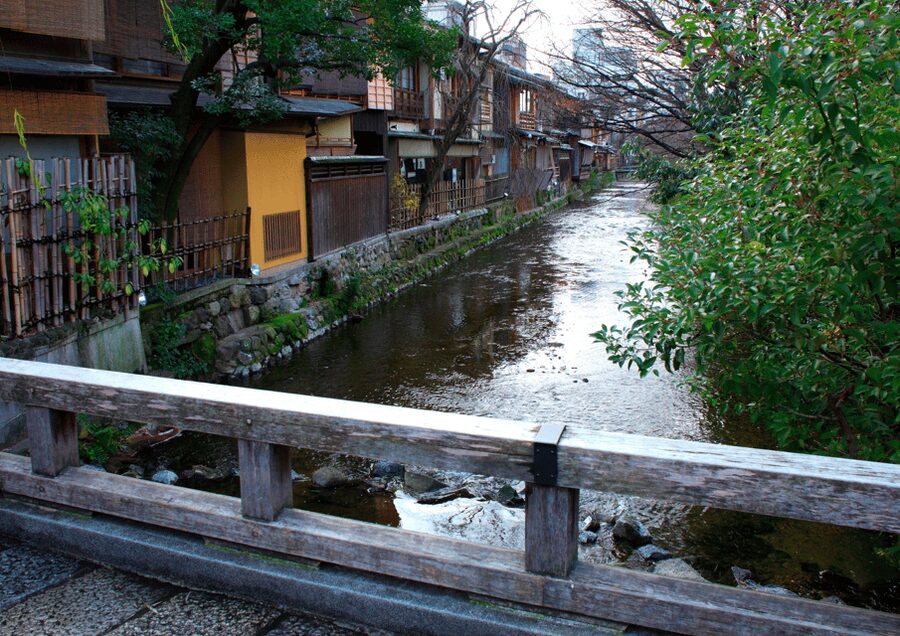
The first hour is a guided walk through Gion. You explore the main area, then move into less crowded lanes and other points of interest. The balance is useful because the big streets show you the district’s public face, while the quieter routes help you understand its atmosphere and layout.
Several guides have been praised for pointing out details that are easy to miss during independent sightseeing. Ai has taken groups through alleyways and explained when photographs are appropriate. Soichiro has discussed the history and culture of geikos and the local meaning of shops and products. Other guides named by participants include Rin, Yoshino, Tang, Hikaru Kuroki, and Tommy.
Guide quality matters more here than on a basic orientation walk. Gion’s signs and streets do not always explain the role of the buildings around you, and the district’s traditions are easy to oversimplify. A good explanation helps you separate everyday souvenir shopping from objects that also have meaning for local families.
The walk can include shops selling engraved chopsticks and Japanese sweets, as well as a temple and quieter sections of Gion. These stops give the guide a chance to explain how local life and visitor interest overlap. One useful detail from the experience is that products sold to visitors can also have a place in the guide’s own family life, which makes the discussion more grounded than a standard shopping stop.
There is one small caveat. A stop at designated shops may not appeal to everyone. One participant specifically disliked these pauses, so if you prefer uninterrupted walking, ask at the start how much time will be spent inside shops. The available information does not indicate that purchases are required, but extra spending is not included.
What makes Gion worth seeing with a guide
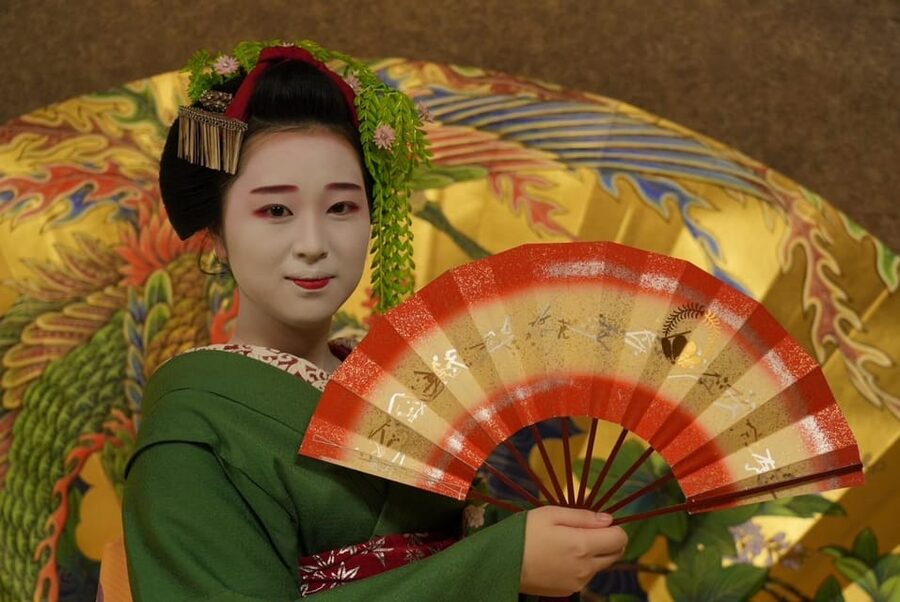
Gion is not a museum set. It is a living district with working restaurants, private establishments, religious sites, shops, and narrow streets. That means independent wandering can be pleasant, but it can also leave you unsure about where photography is welcome or how to behave around people working in the area.
This is where the guide adds real value. You receive practical advice on when it is acceptable to take pictures and how to follow local etiquette. That is especially important in a district associated with maiko and geiko, where careless photography can cause problems.
You also gain a better sense of the difference between seeing Gion and understanding it. A guide can explain why certain lanes are quieter, what kinds of businesses operate there, and how the district connects to Kyoto’s traditional arts. The walk is only an hour, so do not expect a full study of the neighborhood. Think of it as a focused introduction before the main meeting.
The pace should suit most people who can manage a one-hour city walk. The supplied details do not give a specific accessibility plan, so if you need particular assistance, confirm that before booking.
More walking tours in Kyoto:
- Night Walk in Gion: Kyoto’s Geisha District
★ 4.5 · 2,003 reviews - Kyoto Gion Geisha District Walking Tour – The Stories of Geisha
★ 5.0 · 1,441 reviews - Nishiki Market Brunch Walking Tour (7 Tastings + Brunch)
★ 5.0 · 1,355 reviews - Kyoto Arashiyama Walking Tour: Bamboo, Monkeys, Gardens & Secrets
★ 5.0 · 1,216 reviews
Tea, a Japanese snack, and the maiko dance
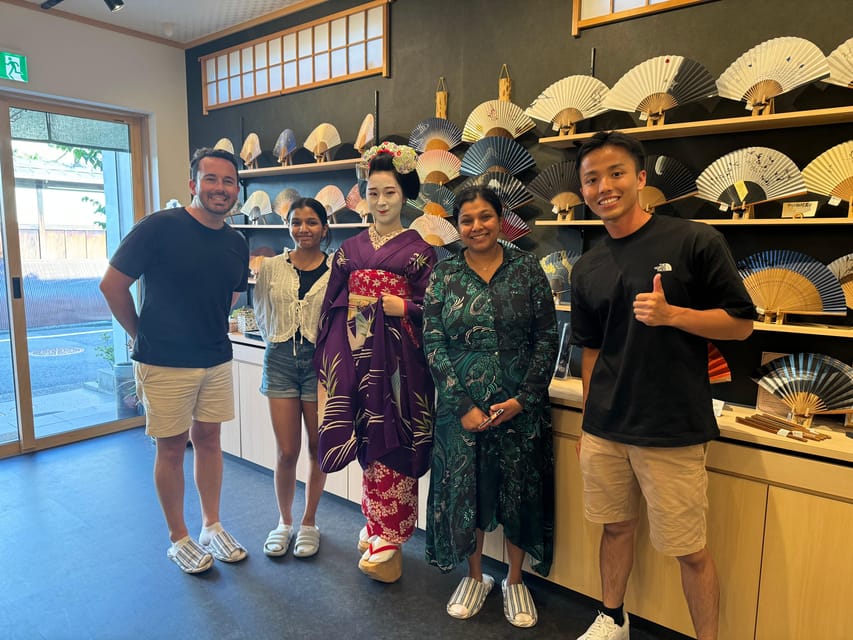
The second hour shifts from walking to a seated cultural experience. Tea and a Japanese snack are included, giving you a simple pause before the performance. One description of the setting places the group on pillows in a separate room inside a fan shop, a detail that helps explain the intimate, traditional feel.
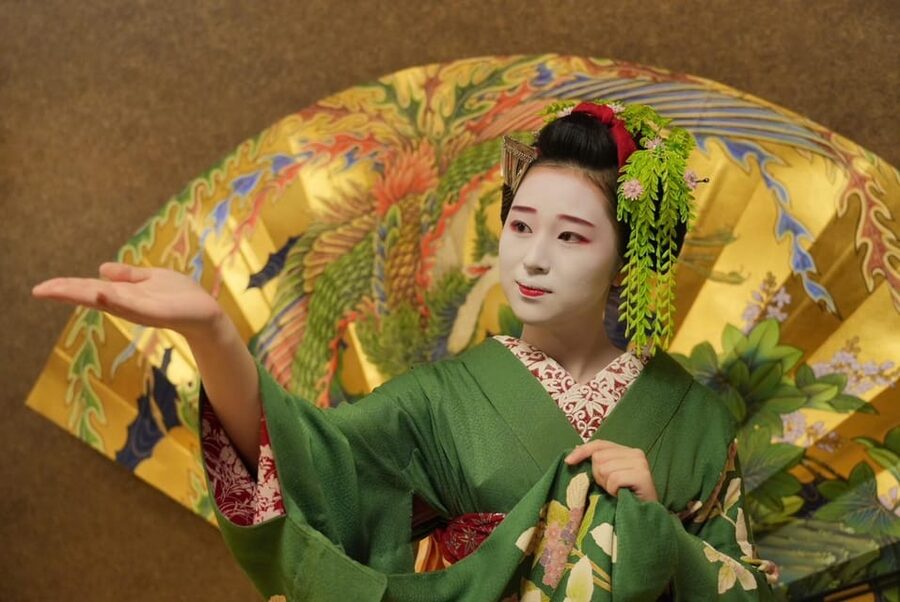
The maiko then performs a dance. This is not described as a large theater production, and that is part of the appeal. You are close enough to notice the controlled gestures, formal posture, costume, and careful movement. The small setting also lets you focus on the discipline behind the elegance.
The dance is followed by a question-and-answer session. Your guide translates between English and Japanese, allowing the conversation to move naturally. Participants have singled out patient translation by Ai and smooth interpretation by Rin, especially during detailed questions about maiko and geiko life.
Do not expect the maiko to provide unlimited access to every subject or a private conversation about anything you choose. This is a cultural presentation arranged for a small group, and respectful questions are the right approach. The benefit is that you can ask about the parts of the tradition that interest you most instead of receiving only a fixed script.
Photography is also part of the experience according to the supplied accounts. The guide helps explain the relevant etiquette, and there may be time for photographs with the maiko after the performance. Follow the guide’s instructions rather than assuming that every moment is photographable.
The traditional Japanese fan game
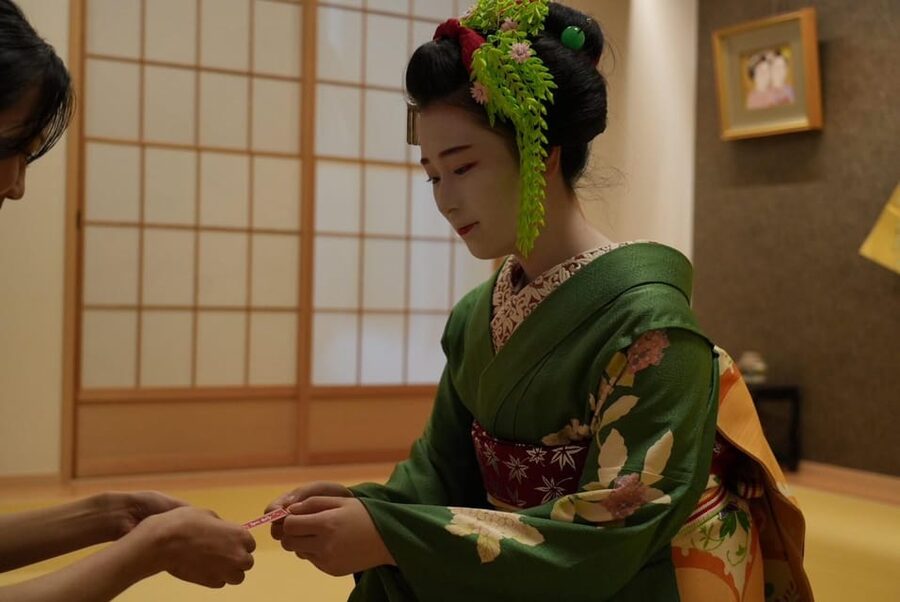
The fan game adds a welcome change of pace after the formal dance. You play directly with the maiko, using a traditional Japanese fan. It is simple enough to be fun for families, but it also reveals how Japanese entertainment can combine grace, timing, and humor.
This is not a passive performance. You take part, and you may discover that elegance does not guarantee a high score. One participant joked about scoring zero, which tells you something useful: the game is meant to be enjoyed, not mastered.
Families appear to fit the format well. A group with a tween and teen enjoyed both the show and the game, and another guide was especially kind to a young child. Still, the tone is cultural and polite rather than a loud, high-energy activity. Children who can listen during the dance and take turns during the game should get the most from it.
The fan game also helps break down the distance between audience and performer. After watching a highly controlled dance, you share a light moment together. That contrast is one reason the experience feels more memorable than a short photo stop.
How much value do you get for $108?
At $108 per person, this is a premium two-hour experience. You are paying for more than a walk through Gion. The fee includes a one-hour guided walk, a one-hour maiko presentation, English interpretation, tea, a Japanese snack, and the fan game.
The six-person maximum is central to the value. If this were a large group, the direct questions and game would lose much of their appeal. A smaller group also gives the guide room to adjust explanations, help with etiquette, and make sure everyone has a turn.
The price will make the most sense if you have a serious interest in Kyoto’s traditional arts or want one carefully arranged cultural encounter during a short visit. It may feel high if you mainly want general sightseeing, since Gion can be explored independently and the walk lasts only one hour.
There are no extra food costs built into the tour beyond the included tea and snack. Additional expenses, including food, are your responsibility. The designated shop stops may also tempt you to spend more, though buying something is not listed as part of the activity.
For a honeymoon, anniversary, or once-only Kyoto visit, the personal setting may justify the cost. A signed fan was treasured by one participant, but it is not listed as an included item, so do not book on the assumption that a signed souvenir comes with every reservation.
Which guide might lead your group?
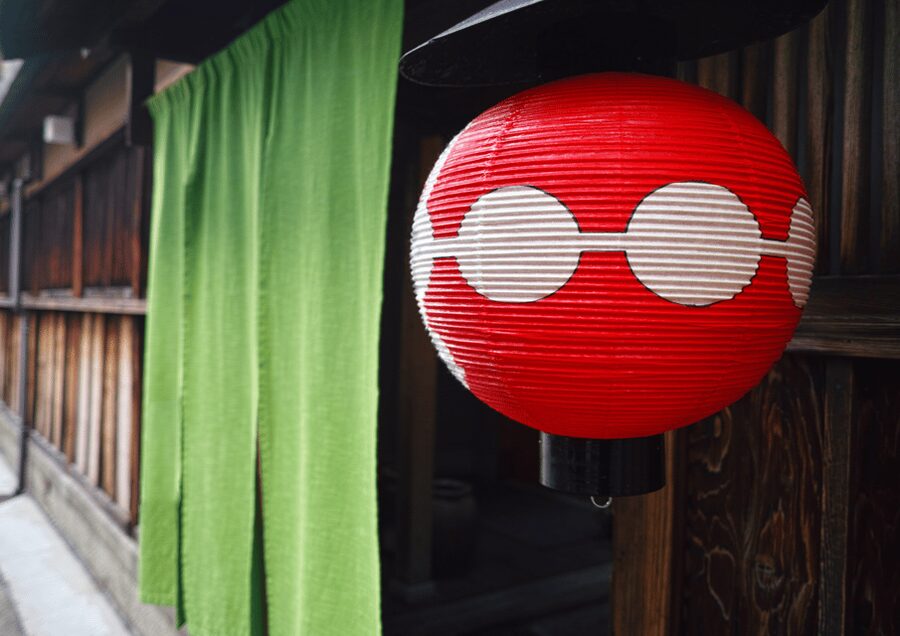
Guide assignments can vary, but several names have appeared with strong praise for warmth, clear English, and local insight. Ai has been noted for finding quieter streets, explaining photography rules, and making the walk feel personal. Rin has helped with translation during the maiko session and has worked with Yoshino on the cultural explanations.
Soichiro has been praised for his explanations of Gion’s history and the culture of geikos. Yoshino has been especially welcoming with families and younger children. Tang, Hikaru Kuroki, and Tommy have also led highly regarded experiences.
You cannot choose a particular guide based on the information provided, so treat these names as examples of the team rather than a guarantee. The useful point is that the guide is not just a person who leads you from one address to another. The guide explains etiquette, adds local context, and interprets the conversation.
Who should book this Gion experience?
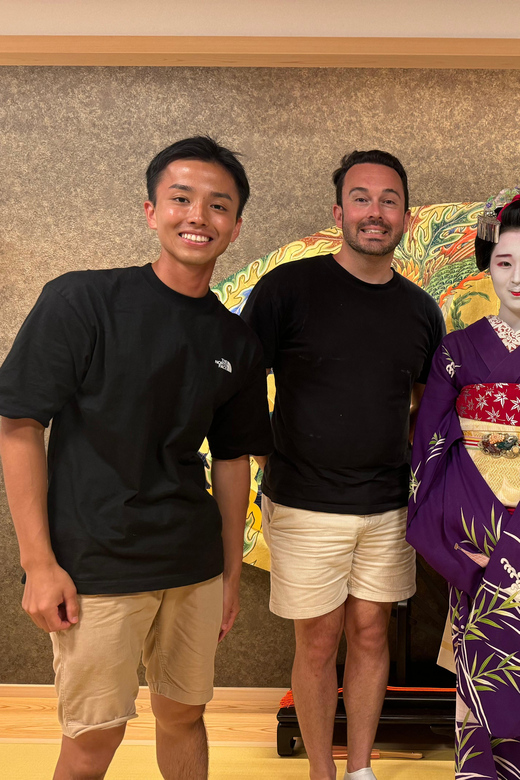
I would choose this tour if you want a direct cultural encounter and prefer a small group to a large show. It fits first-time Kyoto visitors who want help reading Gion, as well as returning visitors who have already seen the main streets and now want more context.
It is also a good match for families with older children, couples marking a special trip, and anyone curious about the work and daily life of maiko and geiko. The fan game keeps the event from becoming too formal, while the questions provide substance for adults.
You may want another option if you dislike structured activities, shopping stops, or staged cultural presentations. The show is arranged for visitors, so it should not be mistaken for an accidental glimpse into an evening appointment in Gion. Its strength is that it offers a respectful, planned way to learn and participate.
The English-speaking format is important. If you cannot follow English comfortably, the question session will lose much of its value. The tour is limited to six people and lasts two hours, so it works well as one focused Kyoto activity rather than a full-day program.
Practical details before you reserve
The meeting point is the Izumo-no-Okuni Statue above Gion Shijo Station. Find the guide with the white GuideMe Japan board. The tour finishes at Hangesho, so check your onward route after the activity rather than assuming you will return to the station.
The duration is two hours, divided into one hour of walking and one hour with the maiko. Starting times vary, so check availability for your date. The tour is conducted in English and is offered as a small group with no more than six participants.
You can cancel up to 24 hours in advance for a full refund. A reserve-now, pay-later option is also available, which helps if your Kyoto schedule is still changing. These policies are useful, but the main booking decision should be based on your interest in the subject and the value you place on a small, personal setting.
Should you book it?
Book this experience if you want more than a quick look at Gion. The best reasons are the six-person group, patient English translation, useful etiquette guidance, close-up dance, direct questions, and the chance to play a traditional fan game with a maiko.
At $108, it is a considered purchase, not a bargain walk. I would skip it if you want only free sightseeing or dislike organized cultural shows. But if you are curious about Kyoto’s traditional arts and want a respectful, well-explained meeting rather than a distant performance, this is one of the more distinctive two-hour choices in Gion.
FAQ
Where does the Gion tour begin?
It begins at the Izumo-no-Okuni Statue above Gion Shijo Station. The guide will hold a white board marked GuideMe Japan.
Where does the experience finish?
The tour finishes at Hangesho.
How long does the activity last?
The experience lasts two hours. The first hour is a guided walk through Gion, and the second hour is the maiko dance and cultural meeting.
What language is the tour conducted in?
The tour is conducted in English with a live English-speaking guide.
How large is the group?
The group is limited to six participants.
What happens during the walking portion?
You walk through the main area of Gion while learning about its history, culture, districts, shops, temples, and traditional arts. The route can also include quieter streets.
What happens during the maiko session?
You watch a traditional dance, ask questions about the maiko’s current life, and take part in a traditional Japanese fan game.
Are tea and snacks included?
Yes. Tea and a Japanese snack are included.
Is additional food included?
No. Extra food and other additional expenses are not included.
Can I cancel for a refund?
Yes. You can cancel up to 24 hours in advance for a full refund.
More Shows in Kyoto
- Kyoto Gion Cultural Walk & Geisha Show with Dining Options
★ 5.0 · 518 reviews - Kyoto Gion Cultural Walk & Geisha Show with Dining Options
★ 5.0 · 483 reviews - 1 Hour Geisha Show in Kyoto
★ 5.0 · 452 reviews - Kyoto: Samurai Kenbu Traditional Sword Dancing Show
★ 4.5 · 426 reviews
Just added around Kyoto
- Kyoto: Zen Meditation at a Private Temple with a Monk★ 5.0 · 25 reviews
- Kyoto: Gion Geisha District & Sake-in-Hand Walking Tour★ 5.0 · 37 reviews
- Private Pewter Sake Cup Experience with a Kyoto Artisan★ 5.0 · 31 reviews
- Your Private Vacation Photography Session In Kyoto★ 5.0 · 110 reviews
- Private Guided Traditional Buddhist Cooking in Japan★ 5.0 · 16 reviews
- Kyoto Wagashi(Japanese sweets) Cooking Class near Fushimiinari★ 5.0 · 60 reviews
- Traditional Japanese Music show & Experience Tour in Kyoto★ 5.0 · 57 reviews
- Kyoto:Family-Friendly Kimono & Yukata Experience at WARGO★ 5.0 · 147 reviews
Kyoto Tours, compared.


Fushimi Inari, Kinkakuji, Bamboo Grove 1 Day Bus Tour
Read our review →
Tea Ceremony in a Traditional Tea House in Kiyomizu
Read our review →
Kyoto Geisha Walking Tour: Gion District & Hidden Gems
Read our review →

Gion Magical Night Walking Tour with Geisha Trivia
Read our review →

Gion Geisha District Walking Tour – Stories of Geisha
Read our review →Browse the lists this tour appears in