
Reviewed · HIROSHIMA TOURS
Hiroshima History Tour : A-Bomb Dome, Peace Memorial & City
The most meaningful part of this Hiroshima tour is the guide’s personal connection to the city. Some guides, including Masa, are second-generation atomic bomb survivors or have family members affected by the bombing. You are not simply walking between memorials. You are hearing how Hiroshima’s past has been remembered inside Japanese families and how the city lives with that memory today.
I especially like two things here: the private format, which lets you ask difficult questions without holding back a large group, and the flexible pace. I also like that the tour reaches beyond the Peace Memorial Park to Hiroshima Castle and Shukkei-en Garden. The main consideration is walking time. Add public transport or a taxi when needed, and remember that those costs are extra.
Key points before you book
- Personal family connections: Some Hiroshima-born guides are second-generation atomic bomb survivors.
- Several major sights in one afternoon: The route can include the museum, park, A-Bomb Dome, castle, and Shukkei-en Garden.
- Masa is a frequent guide: She speaks English well, explains difficult subjects with care, and gives useful local advice.
- Private and adjustable: Your group sets the pace, asks the questions, and can shape the emphasis.
- Entry tickets are included: Museum and Shukkei-en Garden admission are covered in the price.
- Plan for transport costs: Walking is central, but taxis, trams, buses, and other fares are not included.
A personal way to understand Hiroshima
Hiroshima is easy to visit badly. You can take a quick photograph at the A-Bomb Dome, walk through the park, and leave with a handful of dates and names. The facts matter, but they do not always explain what the bombing meant to families, neighborhoods, and the city that followed.
This tour gives you time to ask what the standard displays cannot answer. Your guide may explain how memories were passed down, what daily life in Hiroshima is like now, and how local people connect the bombing to the city’s message of peace. The tone is serious, but it is not a history lecture without a human voice.
Masa has been especially effective with families, older people, and visitors arriving from cruise ships. She has helped with train tickets, adjusted routes in rainy weather, and even prepared a Japanese taxi card for a group returning to port. Those small acts matter in a city where the emotional weight of the visit can be considerable.
The guide’s role is not to tell you what to feel. It is to give you context, answer questions patiently, and let you take in the sites at your own speed.
More history-led days in Hiroshima:
- Hiroshima Historical Walking Tour – Why A-Bomb was Dropped
★ 4.8 · 893 reviews - Hiroshima Peace (Heiwa) Walking Tour at World Heritage Sites
★ 5.0 · 872 reviews - Miyajima Half-day Trip Historical Walking Tour
★ 5.0 · 284 reviews
Starting with the Peace Memorial Museum
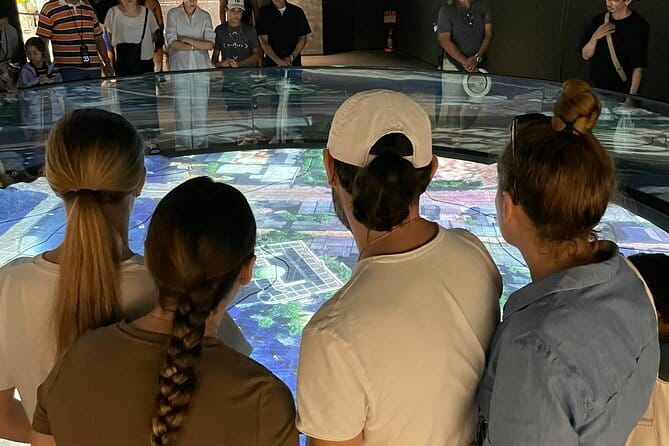
The Peace Memorial Museum is usually the heart of the tour. About an hour is set aside for a guided visit, though the museum contains enough material to occupy far longer. The exhibits focus on the bombing, its human cost, the effects on survivors, and the city’s call for peace.
A guide is useful here because the museum can feel compressed and emotionally heavy. Your guide can point out details you might pass quickly and explain the wider setting without turning the visit into a dry classroom session. With a private group, you can pause when something needs more time or move on when you need a break.
Expect difficult material. This is not a light sightseeing stop, and it should not be treated as one. Families with children can still find the tour appropriate, but parents should decide how much museum content their children are ready to see.
The museum is closed for renewal from February 16 through February 21. If your visit falls in that period, confirm how the route will be adjusted before booking. The other memorial sites remain important, but the museum closure changes the balance of the afternoon.
Peace Memorial Park and the A-Bomb Dome
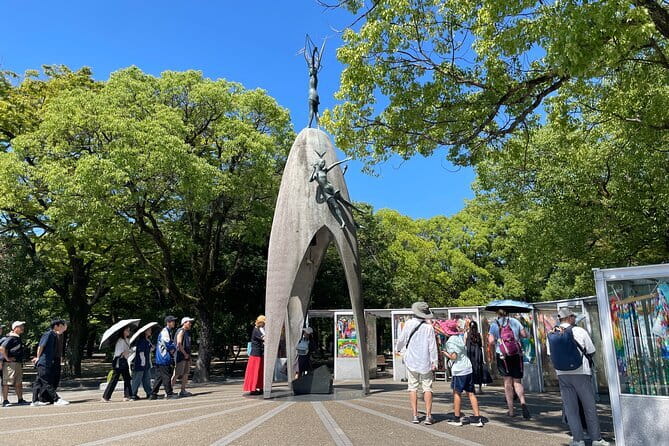
After the museum, the tour continues through Peace Memorial Park. The planned guided portion is about 15 minutes, with time for photographs and reflection. In practice, the private format means your guide can spend more or less time at particular memorials depending on your interests and energy.
The park is not just a green pause between indoor visits. It brings the city’s central message into public space. Memorials, names, flowers, and the river create a setting where the scale of the bombing becomes easier to consider without rushing from one display to the next.
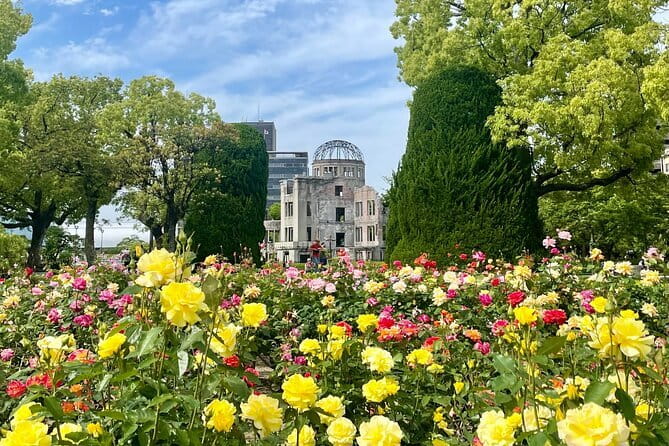
The A-Bomb Dome is the most recognizable structure in Hiroshima’s peace district. Its damaged frame survived the blast and now serves as a World Heritage Site. Your guide can explain its place in the city’s story and help you understand why the preserved ruins remain central to Hiroshima’s identity.
You will have a chance to take photographs, but this is a place where quiet attention feels more fitting than a quick photo stop. The tour leaves room for both.
Smaller memorial stops and local context
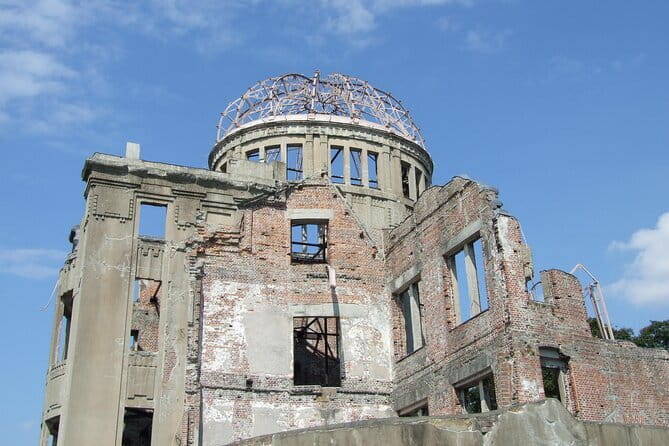
The route includes additional visits and short guided stops around the peace area, including a stop of about 10 minutes. The supplied schedule does not name every one of these locations, so the exact sequence may depend on your starting point and your group’s interests.
That flexibility is useful. You might spend more time on the memorials, ask about Japanese customs, or shift the focus toward modern Hiroshima. Past tours with Masa have included explanations of Japanese culture and even details about the Japanese alphabet, showing how easily the conversation can move beyond the main subject.
This is one reason a private guide can offer more than a large bus tour. You can ask a question that has just occurred to you instead of waiting for a scheduled stop. You can also request food recommendations, a useful bonus for planning the rest of your stay.
A few more Hiroshima half-days to weigh up
- Peaceful Hiroshima & Miyajima UNESCO 1 Day Bus Tour
★ 5.0 · 5,309 reviews - Hiroshima: Hiroshima and Miyajima UNESCO Sites 1-Day Tour
★ 4.9 · 2,330 reviews - Hiroshima / Miyajima Full-day Private Tour with Government Licensed Guide
★ 5.0 · 1,298 reviews - Hiroshima in a Nutshell: Morning Bike Adventure
★ 5.0 · 524 reviews
Hiroshima Castle adds a different side of the city
Hiroshima Castle provides a sharp change in mood. The tour includes a visit and guided sightseeing, along with a photo stop. After the solemn memorial district, the castle helps place Hiroshima in its longer history as a Japanese city, not only as the site of a wartime tragedy.
The castle section also gives your legs and mind a different rhythm. You are still learning, but the focus broadens to local culture and the city’s earlier identity. The tour does not treat Hiroshima as a single historical event frozen in 1945.
The exact amount of time here can vary. A three-hour schedule may require a brisker visit, especially if you spend a full hour at the museum. If the castle matters greatly to you, say so in advance. The itinerary is designed to change with your priorities.
Shukkei-en Garden is worth protecting time for
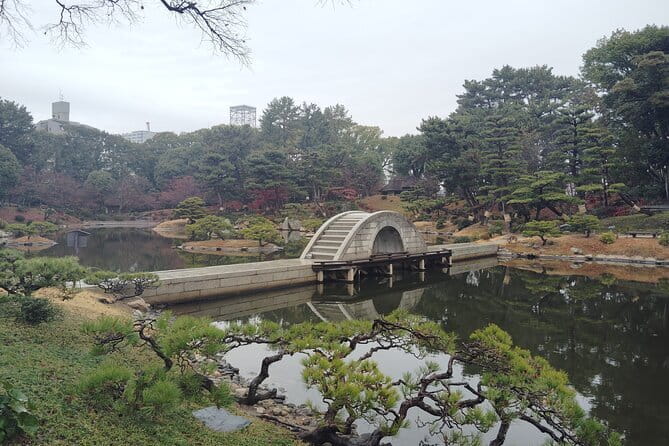
The final major stop is Shukkei-en Garden, with about an hour listed for the visit, a break, photographs, and guided sightseeing. I would make an effort to keep this stop in the plan.
The garden offers a calmer ending after the memorials. Its paths and designed scenery give you space to process the day while seeing another part of Hiroshima’s cultural life. Several visitors have found this stop easy to underestimate, especially on a short city visit, but the garden helps create a fuller picture of Hiroshima.
It is also a practical place to slow the pace. Older people may appreciate the break after the walking and museum visit, while families can reset before continuing their day. The private guide can adjust the length if your group is tired or wants to stay longer.
If you choose the three-hour version, ask how much time will be available at Shukkei-en Garden. The four-hour option gives the route more breathing room, though the final plan still depends on pickup location and transport.
What the private format really changes
The price is $103 per person. That is not the cheapest way to see Hiroshima’s memorial district, and you can visit several sites independently. The value comes from the guide’s time, interpretation, local connection, photography, and ability to change the route for your group.
For a solo visitor, couple, or small family, a private tour can be a good use of money if you want conversation rather than a fixed script. You are paying for a personal guide who can explain sensitive material in English or Japanese and respond to your questions as they arise.
The included tickets also help. Admission to the Peace Memorial Museum and Shukkei-en Garden is covered, so you are not adding those costs on the day. Transportation is not included, however. The tour may use a tram, bus, or taxi, and you pay those fares separately.
The private setup is particularly useful for mixed-age groups. One group with two people in their late 40s and two nearly 80-year-olds was able to keep a manageable pace, with adjustments made along the way. You should still expect a good amount of walking, so wear comfortable shoes and tell the guide about mobility concerns before the tour.
Pickup and timing in central Hiroshima
Pickup is on foot from a long list of central locations, including Hiroshima Station, Hotel Granvia Hiroshima, Sheraton Grand Hiroshima Hotel, Hilton Hiroshima, RIHGA Royal Hotel Hiroshima, Hiroshima Orizuru Tower, the Peace Memorial Museum, and other central hotels.
If your hotel or Airbnb is not listed, send the location in advance. Pickup may be possible if you are staying in central Hiroshima City. Cruise ship passengers should provide their port details so the meeting plan can be arranged properly.
The tour lasts three to four hours. Starting times depend on availability, and the departure point can affect the route. A pickup near the station may require more transport planning than one near the Peace Memorial Park.
You can reserve now and pay later, and cancellation is free up to 24 hours before the start for a full refund. Wheelchair access is available, but because the route involves walking and may use public transport, discuss your needs before the day rather than assuming every part will feel equally easy.
How Masa guides the experience

Masa is the guide name most associated with this experience. Her strengths are clear: she speaks English well, explains history carefully, answers questions without rushing, and brings a personal family connection as a second-generation survivor descendant.
Her approach also extends beyond the central subject. She can discuss Japanese culture, the alphabet, local food, and practical ways to get around Hiroshima. That makes the tour useful both emotionally and logistically.
The best guides know when to speak and when to leave a quiet place quiet. Masa’s style, as shown through her work with families, older visitors, and cruise passengers, is patient and attentive. She has adjusted plans for rain, helped with tickets, and kept the route moving without making people feel pushed.
You may be assigned another Hiroshima-born guide, since the provider has several local guides. The shared feature is a close connection to Hiroshima, but the exact personality and storytelling style will vary.
Who should book this Hiroshima tour?
I would choose this tour if you want the Peace Memorial Museum explained in context, if you have sensitive questions, or if you prefer a private conversation to a large group. It suits solo visitors, couples, families, older people, and cruise ship passengers who want more than a short organized stop.
It is also a good choice for a first visit when you want to combine the major peace sites with the castle and garden. The route gives you a broad introduction to Hiroshima in one half-day.
I would think twice if you want to spend several hours slowly reading every museum display. The schedule covers a lot, and even four hours may feel tight if you linger at every stop. Independent visitors who prefer complete control may also find the $103 price higher than simply paying individual admissions and using local transport.
For most people, the tour works best on the first day in Hiroshima. You get the essential memorial sites, a local introduction, and practical suggestions for food and further sightseeing.
Should you book it?
Book this tour if you want Hiroshima explained through both public history and family memory. The personal connection of guides such as Masa gives the visit a human scale, while the private format lets you set the pace and ask honest questions.
Choose the four-hour option if the museum, castle, and Shukkei-en Garden all matter to you. Choose the three-hour version if the Peace Memorial Museum and park are your priority, and confirm how much garden time remains.
The strongest reason to book is not simply the list of stops. It is the chance to understand how Hiroshima remembers, grieves, rebuilds, and speaks to the future through someone who knows the city from within.
FAQ
How long does the Hiroshima history tour last?
The tour lasts three to four hours. The available starting times depend on the date you choose.
Is this a private tour?
Yes. The tour is private for your group, and no other participants join.
Which languages are available?
The tour is offered in English and Japanese.
Does the tour include Peace Memorial Museum admission?
Yes. Entry to the Hiroshima Peace Memorial Museum is included.
Is Shukkei-en Garden admission included?
Yes. The entry ticket to Shukkei-en Garden is included.
Are transportation costs included?
No. If the route uses a taxi, tram, bus, or other public transport, your group pays those costs separately.
Is the Peace Memorial Museum always open during the tour?
The museum is closed for renewal from February 16 through February 21. Check your date and confirm the adjusted plan if you visit during that period.
Just added around Hiroshima
- The Peace Memorial to Miyajima : Icons of Peace and Beauty★ 4.5 · 31 reviews
- Shore Excursion from Hiroshima Port : Private Tour in Hiroshima★ 5.0 · 17 reviews
- Hiroshima Saijo Sake Tasting Tour with visit to 7 Breweries★ 5.0 · 104 reviews
- Hiroshima & Miyajima All-Inclusive Tour w/Licensed guide Pancho★ 5.0 · 54 reviews
- Hiroshima Country Cycling: Explore Rural Life 1 HR from City★ 5.0 · 22 reviews
- Okunoshima Rabbit Island Cycling Tour with Local Guide★ 4.5 · 17 reviews
- Private Full Day Hiroshima Tour★ 4.5 · 29 reviews
- Hiroshima Private Tour with a Local – Highlights & Hidden Gems★ 4.5 · 24 reviews
Hiroshima Tours, compared.

Peaceful Hiroshima & Miyajima UNESCO 1 Day Bus Tour
Read our review →
Hiroshima and Miyajima UNESCO Sites 1-Day Tour
Read our review →
Hiroshima Historical Walking Tour – Why A-Bomb was Dropped
Read our review →
Hiroshima Peace (Heiwa) Walking Tour at World Heritage Sites
Read our review →
Hiroshima in a Nutshell: Morning Bike Adventure
Read our review →
Hiroshima City 4hr Private Walking Tour with Licensed Guide
Read our review →

Japanesel Archery Experience HIROSHIMA CASTLE SHARAKU
Read our review →Browse the lists this tour appears in