
Reviewed · KYOTO TOURS
Japanese Sake Breweries Tour in Kyoto Fushimi
Fushimi is Kyoto’s sake quarter, where old storehouses, canals, brewery buildings, and tasting rooms tell a very drinkable story. This three-hour walk visits Gekkeikan’s 1637 brewery, Kizakura, and several sake stops, with enough samples to help you notice how different bottles can taste.
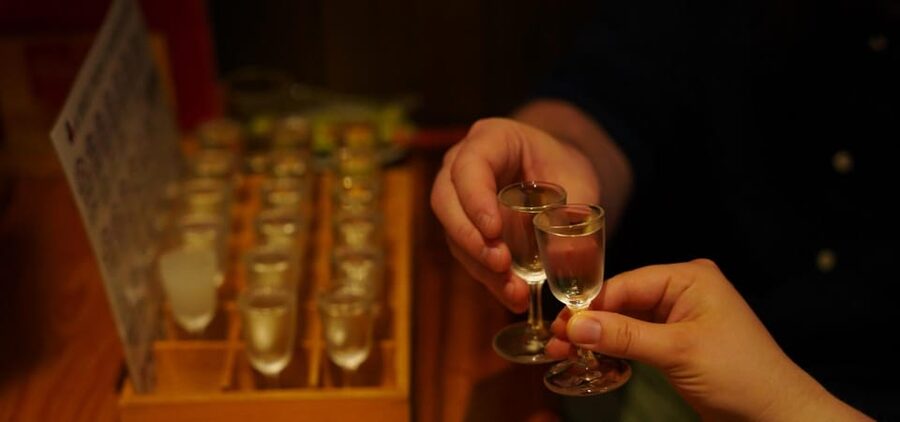
I like the mix of hands-on tasting and local history, especially the Gekkeikan museum and former brewery buildings. I also like the small extras: a commemorative cup, Kyoto beer, sake ice cream, and a final three-sake flight at Ginjo Shubo Aburacho.
The main caution is the guide. Musaki, also called Bob, has earned praise for his sake background and friendly one-on-one approach, but one recent guest found the explanations too light. If you want a serious lesson in brewing methods and flavor profiles, ask questions as you go.
Key points at a glance
- Gekkeikan dates to 1637: The museum gives the tour its strongest look at old sake-making methods.
- Four main tasting settings: You visit Gekkeikan, Kizakura, Fushimi Saka Gura Kouji, Fushimi Yume Hyakushu, and finish at Aburacho.
- You sample more than sake: The inclusions cover Kyoto beer, sake ice cream, and several sake flights.
- Fushimi’s waterways matter: The district once moved sake, rice, and people between Fushimi and Osaka by boat.
- The tour costs $80 for three hours: That can be fair if you value the guide, admissions, and samples, but less so if you mainly want to walk and buy drinks.
- Under-20 visitors can join: Alcohol is replaced with juice or non-alcoholic choices, as Japanese law prohibits drinking under age 20.
Why Fushimi is the right place for a sake tour
Fushimi is not just a collection of bars with Japanese labels on the wall. It is one of Japan’s best-known sake-producing areas, and the district still connects its drink to old transport routes, brewery buildings, and local businesses.
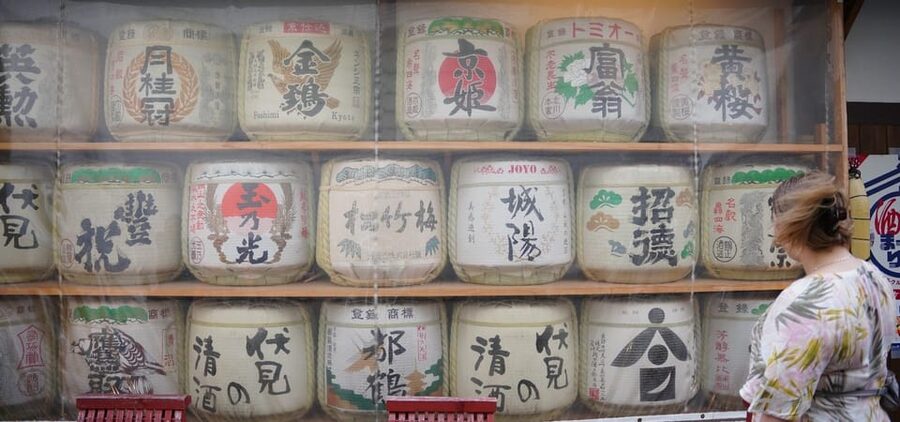
The walk begins at Chushojima Station, beside the sake barrel object outside the north ticket gate. This detail matters because another station with the same name, JR Sumiyoshi Station, can cause confusion. Look for the guide holding a sign marked 888.
From the station, the group walks only about five minutes to the first major stop. The short distances keep the outing easy, though you should still wear comfortable shoes. This is a walking tour through city streets, not a coach trip between distant breweries.
I like this setup because you see Fushimi as a working district rather than a single attraction. The walk between tastings gives you a chance to notice the older buildings and waterways, while the tastings give the place a clear purpose.
More drinks-led nights in Kyoto:
- Kyoto Night Foodie Tour in Gion (9+ dishes + 6 Sake tastings)
★ 5.0 · 1,762 reviews - 3-Hour Kyoto Insider Sake Brewery Tour with Tastings & Pairings
★ 5.0 · 917 reviews - Arashiyama Bamboo, Temple, Monkeys, or Secret Sake Brewery
★ 4.8 · 886 reviews
Gekkeikan Museum and the 1637 brewery story
The Gekkeikan Okura Sake Museum receives about 35 minutes of guided attention. It is the tour’s best opportunity to understand how sake was made before modern production took over.
Gekkeikan was established in 1637, so the name gives the visit a useful historical anchor. The museum is included in the price, and you receive a commemorative Gekkeikan sake cup. That cup is a small but practical souvenir, especially if you enjoy collecting food and drink items rather than generic tourist merchandise.
You can expect traditional brewing tools and an explanation of the production process, though the amount of detail depends heavily on the guide. I would not assume that the museum tour alone will explain every stage or every flavor term. If you are new to sake, ask direct questions about rice, fermentation, sweetness, dryness, aroma, and the differences between the samples.
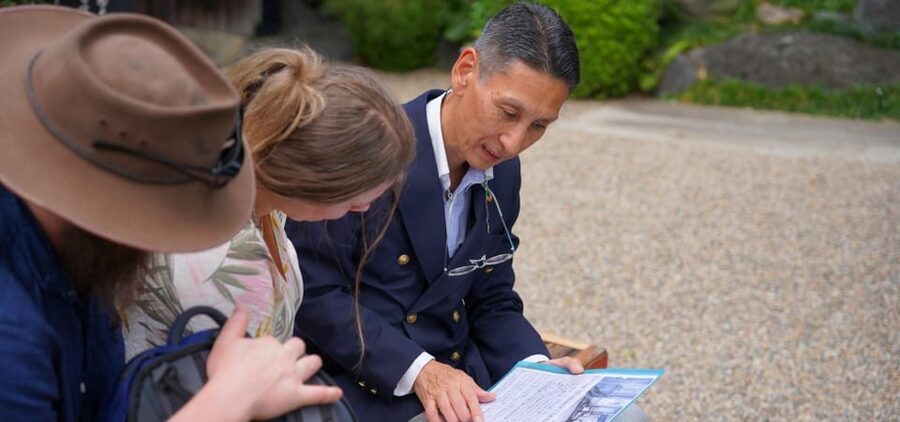
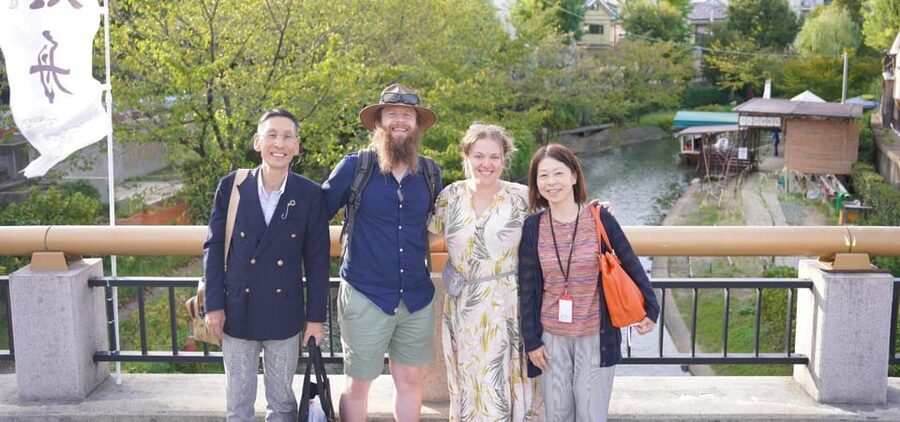
This is also where the guide can make or break the experience. Musaki, known as Bob to some groups, previously worked in sake brewing. That background can add real value when he explains what you are looking at. Several participants found him informative and appreciated his knowledge of the area. At the same time, one guest felt the commentary was limited to getting the group from one stop to the next.
My advice is simple: do not remain passive here. Ask what makes Fushimi sake different, what to smell before tasting, and which styles are being poured. A good question can turn a quick museum visit into the lesson you hoped for.
Kizakura Kappa Country and Kyoto beer
The next stop is Kizakura Kappa Country, with about five minutes listed for a guided visit. Kizakura is interesting because it is tied not only to sake but also to local beer. The tour includes one glass of Kyoto Beer from Kizakura Brewery.
That beer adds a welcome change of pace. After tasting rice-based alcohol, a small glass of beer lets you compare a different brewing tradition without leaving the Fushimi area. It also helps make the tour more appealing to people in a mixed group, especially if one person is more interested in beer than sake.
The stop itself is brief, so you should not expect a long brewery presentation here. Think of it as a short introduction and a chance to taste a local product. If beer is your main interest, this tour may feel sake-heavy. If you like seeing how one producer works across both drinks, it is a useful contrast.
Fushimi Saka Gura Kouji and the 17-brewery idea
After another short walk, you spend about 25 minutes at Fushimi Saka Gura Kouji. The venue was created with support from 17 breweries belonging to the Fushimi Sake Brewers Association.
This makes the stop useful for comparing producers in one place. Sake can vary widely in aroma, sweetness, body, and finish, and a multi-brewery setting gives you a better chance to notice those differences than a single tasting room would.
The supplied details do not specify every sake poured at this stop, so do not expect a fixed list of labels. Your guide should help explain what you are sampling, but the quality of that explanation may vary. If the pour arrives without much context, ask for the brewery name and the basic style.
I see this as one of the places where the $80 price can begin to make sense. You are not paying only for a drink. You are paying for access to several sake settings, admission to the museum, and a local guide who can connect the names and buildings.
Still, value depends on your goals. If you already know sake and are comfortable choosing bottles on your own, you may prefer spending the same money on a self-guided tasting. If you are starting from zero, the organized route saves you from guessing what to order.
A few more Kyoto half-days to weigh up
- Kyoto: Insider Sake Brewery Tour with Sake and Food Pairing
★ 5.0 · 704 reviews - Kyoto Sake Brewery & Tasting Walking Tour
★ 5.0 · 623 reviews - Kyoto: Fushimi Sake Brewery Tour – 18 Tastings in 2.5 Hours
★ 4.7 · 36 reviews - KYOTO Sake Tasting Tour at Local Breweries(tasting fee included)
★ 5.0 · 16 reviews
Fushimi Yume Hyakushu and the old transport route
Fushimi Yume Hyakushu occupies the former Gekkeikan head office, built during the Taisho period. The tour allows about 35 minutes here, including sake ice cream.
The building gives the outing a different feel from the museum. Instead of focusing only on tools and production, you get a sense of how sake businesses operated in an older commercial district. Fushimi Yume Hyakushu also connects with the area’s river transport story.
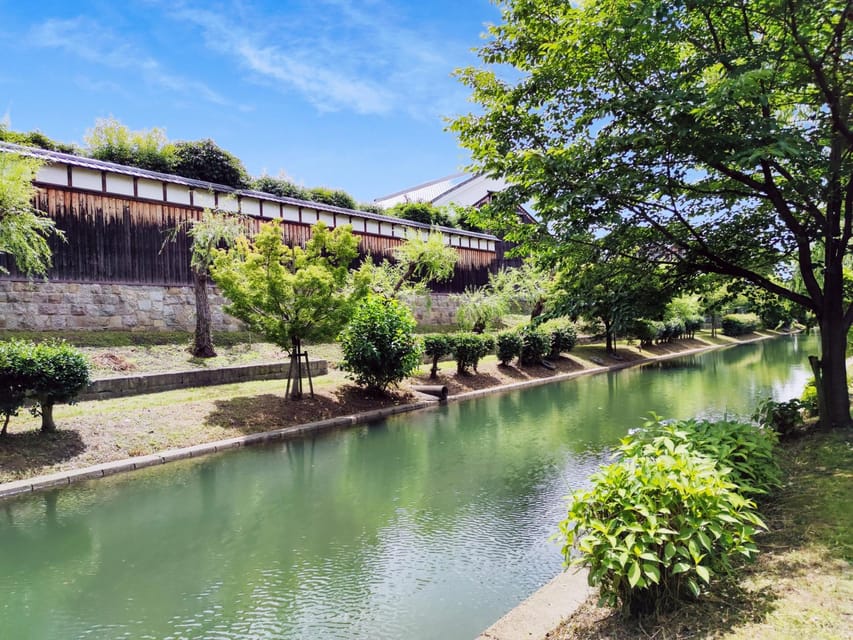
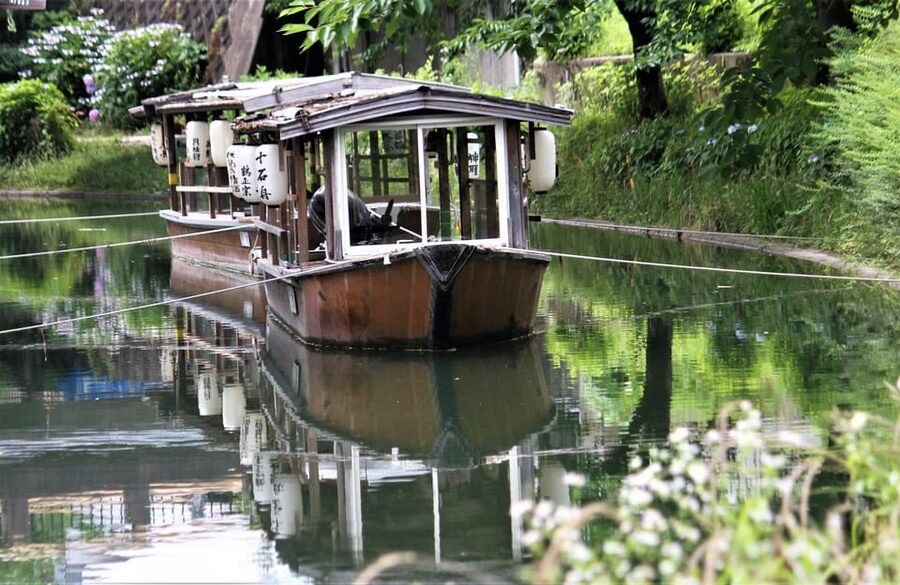
From the Edo period through the end of the Meiji era, boats carried people, sake, rice, and other goods between Fushimi and Osaka. That makes the local waterways more than pretty scenery. They explain why Fushimi developed as a major sake center in the first place.
A Jukkokubune boat ride may be available as part of the wider visit, but the boarding fee is not included. You pay 1,500 yen at the dock. The boat is optional, and the walking tour can continue without it. I would ask the guide about the boat early, since one participant said it was not mentioned during the experience.
The sake ice cream is a playful stop rather than a major tasting lesson. I like it because it breaks up the alcohol sampling and gives you a sweet local-style snack. It is also useful for anyone under 20, who can join the tour but cannot legally drink.
The final flight at Ginjo Shubo Aburacho
The tour finishes at Ginjo Shubo Aburacho, also written as Aburacho. The guided time here is about 40 minutes, making it the longest tasting stop of the afternoon.
Included here is a flight of three Japanese sake types. Another three-sake tasting is included at Gekkeikan, so you have a chance to compare at least six pours across the tour. The tasting is more useful if you slow down and pay attention to each glass rather than treating it as a race to the next sample.
You can look for differences in aroma, sweetness, dryness, weight, and aftertaste. Even if you do not know the technical terms, notice which sake feels light, which seems fuller, and which leaves a sharper finish. Ask the guide to identify each pour before you taste it.
This stop also reveals the tour’s biggest weakness. One participant received three samples but felt there was no explanation of what they were drinking. That is frustrating for a first-time sake drinker, because the whole point of a guided tasting is to connect the glass with the style and production choices behind it.
I would make the tasting interactive. Ask which sample is the driest, which is best with food, and which one represents a typical Fushimi style. If the guide gives clear answers, this final stop can be the most practical part of the afternoon. If not, you may still enjoy the drinks, but you will leave with less knowledge than expected.
What the $80 price really covers
At $80 per person, this is not a cheap walk. The price includes the Gekkeikan museum admission, a commemorative cup, one Kyoto Beer, sake ice cream, a three-sake tasting at Aburacho, and another three-sake set at Gekkeikan.
You also receive the structure of a three-hour route through several locations. That matters in Fushimi, where a first-time visitor may not know which brewery buildings are open, which tasting rooms are worth entering, or how the old transport story fits the streets around them.
The price does not include food and drink purchases at the breweries or restaurants. The Jukkokubune boat also costs an extra 1,500 yen. Budget for those separately if you want to add the boat or buy bottles and snacks.
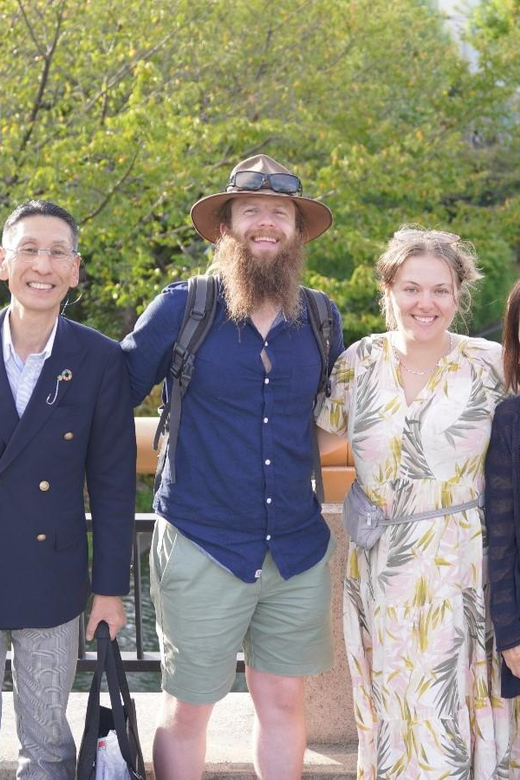
I consider the cost reasonable for someone who wants a guided introduction, especially if the group is small. One participant had a private-feeling tour because no other people joined that departure. A small group gives you more time to ask questions and can make tastings less rushed.
The value drops if your guide offers little commentary. You could walk between many of the stops yourself, and you would then be paying mostly for admission and included samples. For that reason, the guide’s ability to explain sake is central to the booking decision.
Languages, age rules, and practical planning
The tour is offered in English, Chinese, and Japanese. You should confirm the language and starting time when booking, since the exact departure time depends on availability.
Participants under 20 may join, but Japanese law prohibits them from drinking alcohol. Non-alcoholic drinks and juice are available, so families with older children can still take part, though the experience is clearly built around sake.
People over 80 are listed as unsuitable for the tour. The route is on foot, with several five-minute walks between locations, so comfortable footwear is sensible. The tour lasts three hours and ends at Aburacho rather than returning you to the station.
Cancellation is free up to 24 hours before the start, and you can reserve now and pay later. Those policies help if your Kyoto schedule is still changing, but they do not change the basic need to reach the correct station entrance on time.
Who will enjoy this Fushimi afternoon
I would choose this tour if you are new to sake and want someone to organize the introductions for you. The museum, brewery buildings, tastings, and canal-side history create a useful first look at Fushimi without requiring you to plan each stop.
It also suits anyone who likes food and drink experiences with a strong sense of place. The Kyoto Beer, sake ice cream, old Gekkeikan office, and former shipping route keep the afternoon from becoming six glasses in a row.
It is less suitable if you want a technical brewing course. The advertised route includes guided visits, but the depth of instruction can depend on the person leading your group. Ask questions and be ready to request details about each pour.
I would also think twice if you dislike optional costs appearing along the way. The boat is not included, and purchases at the sake venues are extra. The main package is clear, but your final spending can rise if you add the boat or take bottles home.
Should you book the Fushimi sake breweries tour?
Book it if you want a convenient, three-hour introduction to Fushimi with several included tastings and a guide who can put the district into context. The strongest elements are the Gekkeikan museum, the old brewery buildings, the six specified sake samples, and the chance to compare sake with Kyoto beer.
Before you commit, accept that the experience may be more of a guided tasting walk than a detailed brewing seminar. If your guide is Musaki, also called Bob, ask him early about his brewing background and use the tastings to prompt specific explanations.
For the best value, arrive at the correct Chushojima meeting point, wear good walking shoes, keep 1,500 yen available for the boat if you want it, and treat each sample as a question rather than just a drink. That approach gives you the best chance of leaving with both a pleasant afternoon and a clearer sense of what you like.
FAQ
Where does the tour begin?
The meeting point is beside the sake barrel object outside the north exit ticket gate at Chushojima Station. Look for the guide holding a sign marked 888. Do not confuse this station with JR Sumiyoshi Station, which has the same station name.
How long does the tour last?
The tour lasts three hours. It begins at Chushojima Station and finishes at Ginjo Shubo Aburacho.
Which languages are available?
The live guide can conduct the tour in English, Chinese, or Japanese.
Is the Gekkeikan Sake Brewery Museum admission included?
Yes. Admission to the Gekkeikan Sake Brewery Museum is included, along with a commemorative Gekkeikan sake cup.
What drinks and tastings are included?
The inclusions are one glass of Kyoto Beer at Kizakura Brewery, a three-sake tasting set at Gekkeikan, and a three-sake tasting set at Aburacho. Sake ice cream at Fushimi Yume Hyakushu is also included.
Is the Jukkokubune boat ride included?
No. The boarding fee is separate and costs 1,500 yen, payable at the boat dock.
Can someone under 20 join the tour?
Yes, participants under 20 can join. They cannot legally drink alcohol in Japan, but non-alcoholic drinks and juice are available.
Can I cancel the booking?
You can cancel up to 24 hours before the tour for a full refund. The tour also offers a reserve-now, pay-later option.
More Sake Tasting in Kyoto
- Private Tea Ceremony and Sake Tasting in Kyoto Samurai House
★ 5.0 · 163 reviews - Advanced Kyoto Insider Sake Tasting Experience
★ 5.0 · 44 reviews - Kyoto: Gion Evening Walk with Hidden Gems, Geisha & Sake
★ 5.0 · 41 reviews - Kyoto: Gion Geisha District & Sake-in-Hand Walking Tour
★ 5.0 · 37 reviews
More Food Tours in Kyoto
- Kyoto Nishiki Market Food and Culture Walking Tour
★ 5.0 · 412 reviews - Kyoto: Gion Food Tour 13 Dishes at 4 Eateries
★ 5.0 · 408 reviews - 1.5-Hour Kyoto Insider Sake Experience with 7 Tastings & Pairings
★ 5.0 · 297 reviews - Kyoto: Insider Sake Experience with 7 Tastings and Snacks
★ 5.0 · 266 reviews
Just added around Kyoto
- Kyoto: Zen Meditation at a Private Temple with a Monk★ 5.0 · 25 reviews
- Kyoto: Gion Geisha District & Sake-in-Hand Walking Tour★ 5.0 · 37 reviews
- Private Pewter Sake Cup Experience with a Kyoto Artisan★ 5.0 · 31 reviews
- Your Private Vacation Photography Session In Kyoto★ 5.0 · 110 reviews
- Private Guided Traditional Buddhist Cooking in Japan★ 5.0 · 16 reviews
- Kyoto Wagashi(Japanese sweets) Cooking Class near Fushimiinari★ 5.0 · 60 reviews
- Traditional Japanese Music show & Experience Tour in Kyoto★ 5.0 · 57 reviews
- Kyoto:Family-Friendly Kimono & Yukata Experience at WARGO★ 5.0 · 147 reviews
Kyoto Tours, compared.


Fushimi Inari, Kinkakuji, Bamboo Grove 1 Day Bus Tour
Read our review →
Tea Ceremony in a Traditional Tea House in Kiyomizu
Read our review →
Kyoto Geisha Walking Tour: Gion District & Hidden Gems
Read our review →

Gion Magical Night Walking Tour with Geisha Trivia
Read our review →

Gion Geisha District Walking Tour – Stories of Geisha
Read our review →Browse the lists this tour appears in