
Reviewed · FUSHIMI INARI TOURS
Best of Kyoto: Red Gates of Fushimi Inari & Kiyomizu Temple
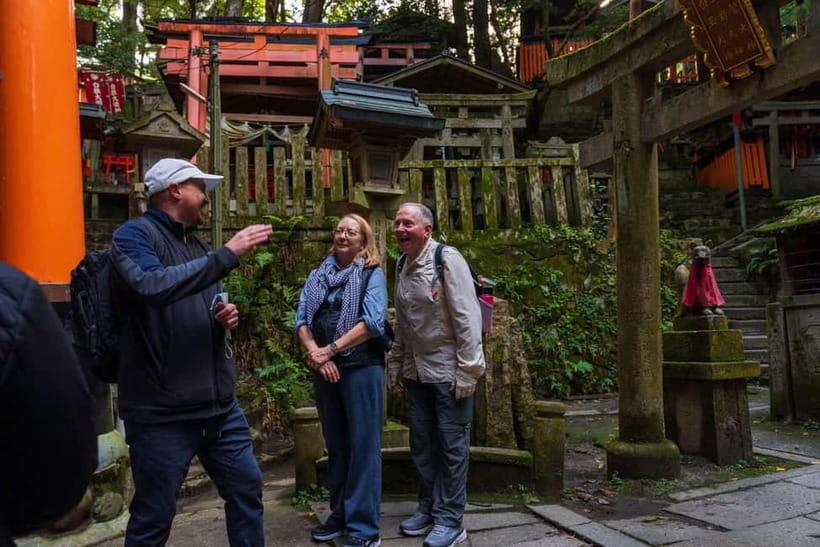
Kyoto’s famous red torii gates are at their best before the day gets noisy. This three-hour tour takes you through Fushimi Inari Taisha early, then on to Kiyomizu-dera, giving you a calm first look at two of Japan’s most important sights.
I like the crowd-saving start and the fact that your guide handles the taxi from Fushimi Inari to Kiyomizu Temple. I also like the practical finish near a coffee shop, where you can collect tips for restaurants, cafes, and bars before starting the rest of your day.
The trade-off is simple: this is a walking-heavy morning with many stairs and 10,000 or more steps. Some shops may still be closed because of the early start, and the tour is not suitable for people with mobility impairments.
Key points at a glance
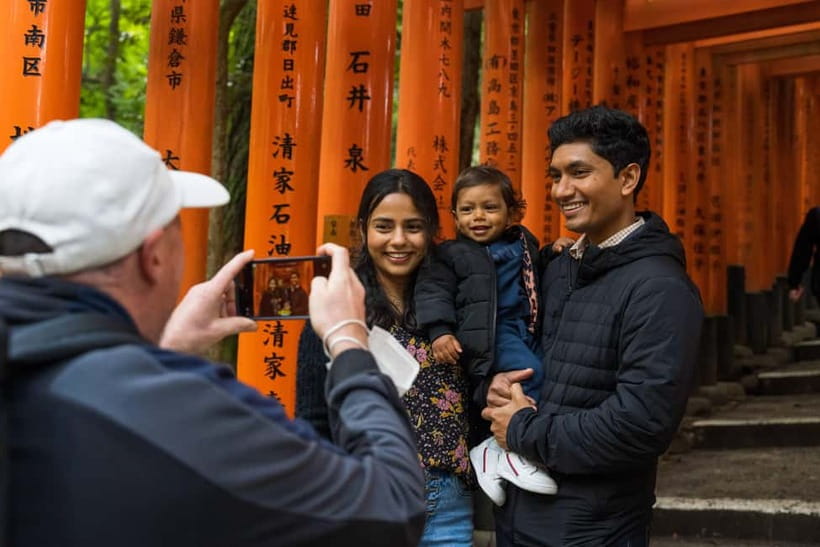
- Early access to Fushimi Inari: Walk beneath the famous orange-red torii gates before the largest crowds arrive.
- Two essential Kyoto sights: Visit Fushimi Inari Taisha and Kiyomizu-dera in one compact morning.
- History with a guide: Learn about Buddhism, shrine traditions, architecture, and the meaning behind the places you see.
- Transport and admissions included: Train fares, the taxi transfer, entry fees, and your guide are covered in the price.
- Higashiyama streets included: See preserved lanes around Sannenzaka and Ninenzaka, with time for photos.
- A useful local finish: End at % ARABICA Kyoto Higashiyama and get food and drink suggestions for later.
Why this early Kyoto tour works
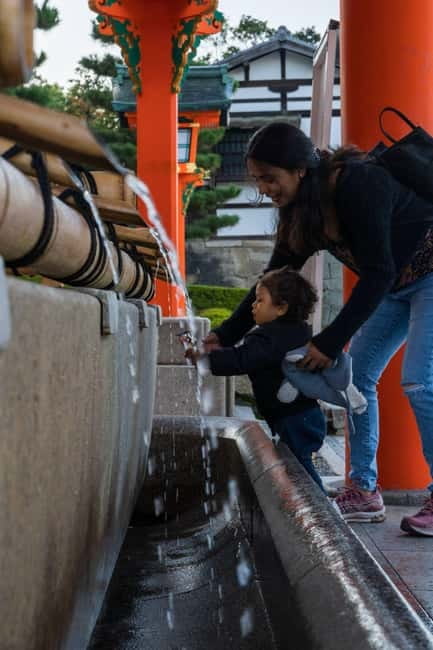
Kyoto is not short on famous sights. The problem is fitting them together without losing half your morning to transport, queues, and map checking. This tour solves part of that problem by linking Fushimi Inari with Kiyomizu-dera, two places that many first-time visitors want to see.
The price is $58 per person. That is fair if you value a guide and want the main transport costs handled for you. A self-guided visit can cost less, but you would need to arrange your own train, find your way between the two sites, pay the relevant entrance fees, and supply the historical context yourself.
The tour lasts three hours, so it is not a slow, all-day study of either site. Think of it as a focused introduction. You see the major areas, hear the stories that help them make sense, take photographs, and finish with enough of the day left for more of Kyoto.
The small-group or private format is also worth noting. Group size can affect how easily you hear the guide and how quickly you move through narrow lanes. A private booking gives you more control, while a small group may offer a lower-cost way to share the experience.
More ways to walk Fushimi Inari:
- Kyoto: Fushimi Inari, Kinkakuji, Bamboo Grove 1 Day Bus Tour
★ 4.8 · 4,316 reviews - Fushimi Inari Hidden Hiking Tour (Private Option Available)
★ 5.0 · 1,750 reviews - Kyoto/Osaka: Nara, Fushimi Inari Taisha, Arashiyama Bus Tour
★ 4.7 · 1,275 reviews
Meeting at JR Inari Station
You meet in front of the entrance to JR Inari Station at the time shown on your voucher. Look for a small mailbox and a public phone next to each other. The meeting point is at one of the two stated starting options, both described as Inari Station.
Do not treat the start time as a loose suggestion. Early access is one of the main reasons to book this tour, and a late arrival could cut into the visit. Give yourself enough time to reach the station, find the entrance, and locate the mailbox and phone.
Wear comfortable shoes and light, comfortable clothes. This is not a stroll around flat city streets. You will climb stairs, walk on shrine and temple paths, and cover at least 10,000 steps according to the activity information.
Walking through Fushimi Inari’s red gates
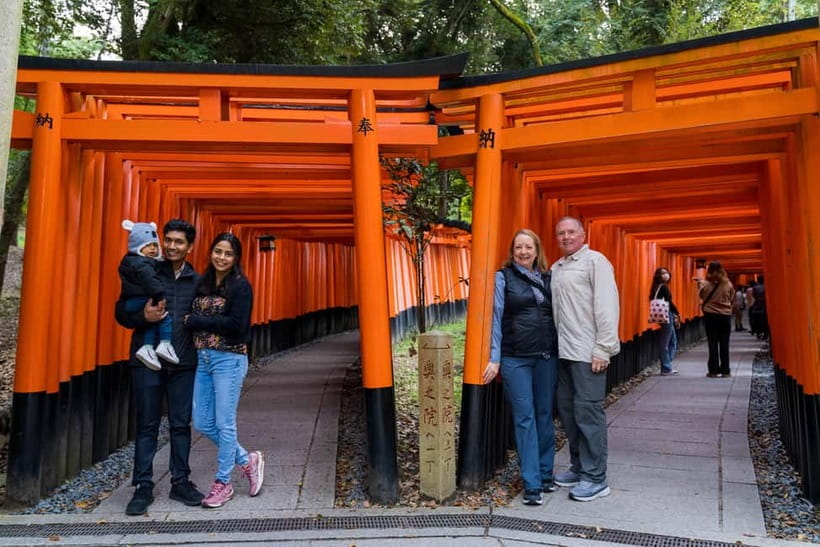
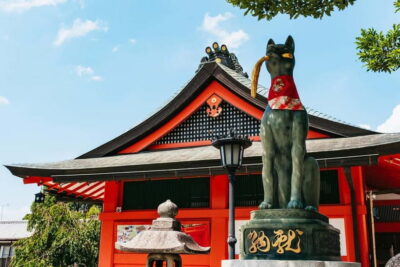
Fushimi Inari Taisha is the natural first stop. Its long lines of orange-red torii gates are among Kyoto’s most recognizable sights, and the early morning light can cast strong shadows across the paths. The color, repetition, and quiet mountain setting give the visit a very different feel from a quick photograph at the entrance.
Your guided visit here lasts about 50 minutes. That is enough time to walk through the key section of the torii gates, stop for photographs, and hear about the shrine’s religious role. Fushimi Inari is dedicated to Inari, a Shinto deity associated with rice, prosperity, and business, though the supplied tour details focus more broadly on the cultural and historical meaning of the site.
The main advantage of coming early is space. You have a better chance of taking photographs without a solid wall of people behind you, and you can pay attention to the gates instead of simply keeping pace with a crowd. That quiet atmosphere is a real part of the experience.
There is a catch. The shops around popular sights may not yet be open. One person who took the tour liked the lack of crowds but wished the shops were operating. If you want a lively morning snack stop, the early schedule may disappoint. If you want clear paths and cleaner photographs, it is a good bargain.
You should also be clear about what 50 minutes means. Fushimi Inari’s torii gates continue far beyond the short section most visitors see, and a three-hour tour cannot cover every path. This visit gives you a strong introduction rather than a full hike through the entire shrine area.
The taxi connection to Kiyomizu-dera
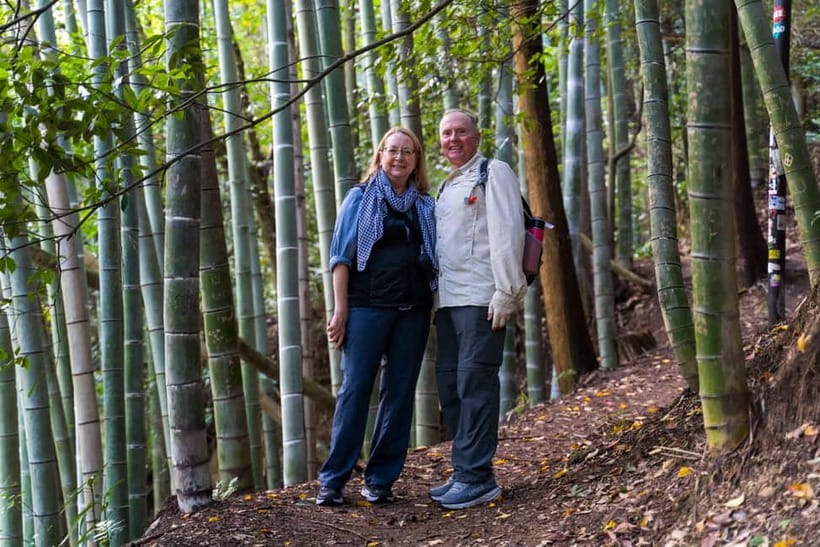
After Fushimi Inari, the tour includes a taxi to Kiyomizu Temple. This is one of the more useful details in the package. You do not have to work out a bus connection, compare routes, or stand on a busy street trying to identify the right stop.
Taxi fare is included, along with train fares and entry fees. That makes the $58 easier to judge. The tour is not simply a guide meeting you at a shrine. It includes the basic movement between the two main stops, which can make a short morning feel much more orderly.
The exact traffic conditions and transfer time are not specified, so you should not plan a tight reservation immediately after the tour. The advertised duration is three hours, but city traffic and group movement can affect the finish.
A few more Kyoto half-days to weigh up
- PERFECT KYOTO 1-Day Bus Tour
★ 5.0 · 13,518 reviews - Kyoto: Tea Ceremony in a Traditional Tea House in Kiyomizu
★ 4.9 · 3,519 reviews - Kyoto Geisha Walking Tour: Gion District & Hidden Gems
★ 4.7 · 3,273 reviews - Kyoto: Tea Ceremony Ju-An at Jotokuji Temple
★ 4.9 · 3,207 reviews
Kiyomizu-dera and Kyoto from above
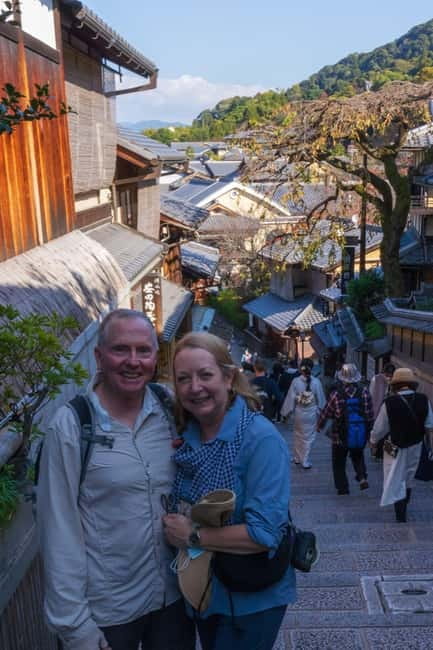
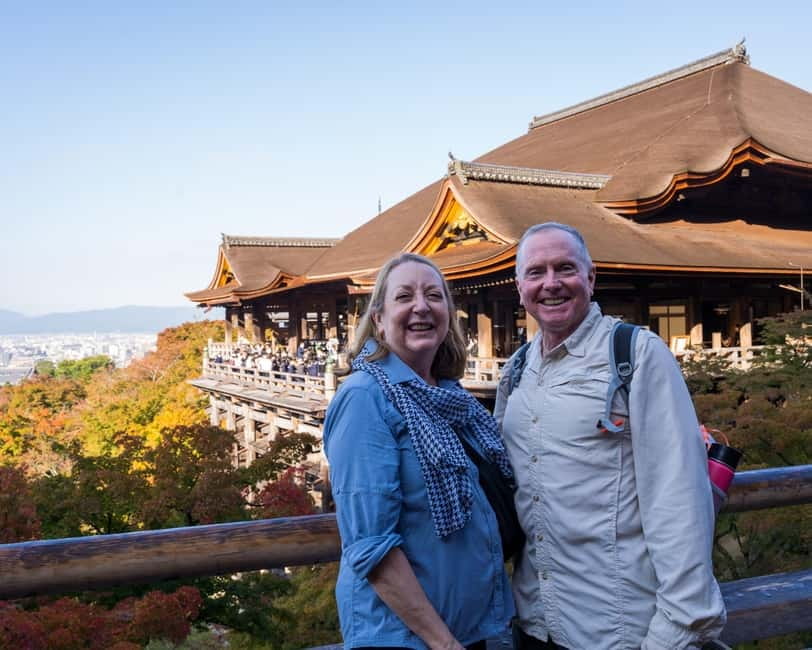
Kiyomizu-dera is the second major stop, with a guided visit lasting about one hour. The temple is one of Kyoto’s best-known landmarks, and its high position gives you broad views over the city.
The tour description highlights the temple’s red structure, its architecture, and the views from the grounds. Your guide also explains Buddhist traditions and the historical role of the temple. That context matters here. Without it, Kiyomizu-dera can become a sequence of attractive buildings and photo stops. With an explanation, you can better understand why the site has such lasting importance.
Kiyomizu means pure water, and the temple is associated with the Otowa Waterfall. The supplied information does not confirm exactly which parts of the complex you will visit, so it is best to think of this as a guided introduction to the temple grounds rather than a promise of every feature.
You will encounter stairs here. The combination of Fushimi Inari and Kiyomizu-dera makes the morning physically demanding, even though the tour is only three hours. Take the step count seriously, especially in warm weather or if you have already spent several days walking around Kyoto.
The reward is the view. From Kiyomizu-dera, you can look across Kyoto’s roofs and wooded hills, with the city spreading below the temple grounds. The view is one of the reasons this site deserves a place on a first visit, but it is the guide’s explanation of Buddhism and local customs that gives the stop more substance.
Sannenzaka, Ninenzaka, and the preserved lanes
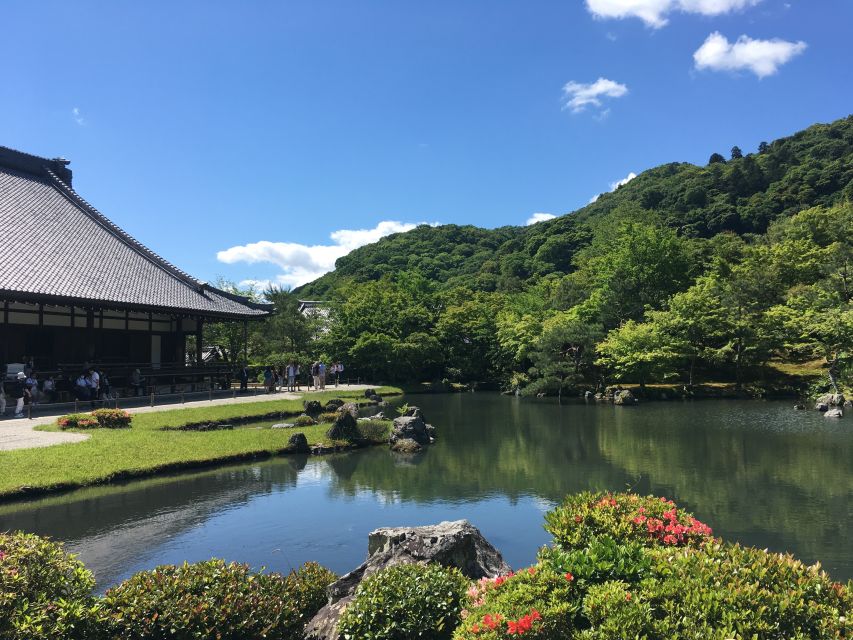
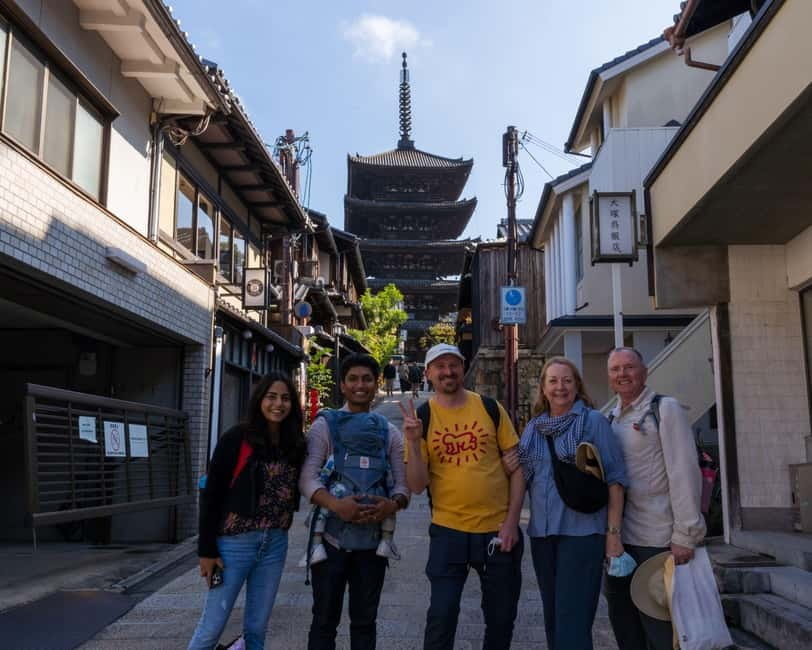
The tour also includes a 30-minute photo stop in the Higashiyama area. This is where the morning shifts from major religious sites to Kyoto’s old-fashioned street atmosphere.
Sannenzaka and Ninenzaka are known for narrow lanes, wooden buildings, pagodas, cafes, and small shops. The preserved architecture gives you a sense of Kyoto before modern streets and large commercial blocks took over the center.
Thirty minutes is enough for photographs and a short look around, but not enough for serious shopping or a long cafe break. That limitation is worth knowing before you book. The area rewards a slower return visit, when you can browse at your own pace and see which shops are open.
The early timing creates an interesting trade. You get quieter lanes and better photo conditions, but some businesses may still be preparing for the day. I would use the tour to get your bearings, then return later if these streets appeal to you.
The guide makes the difference
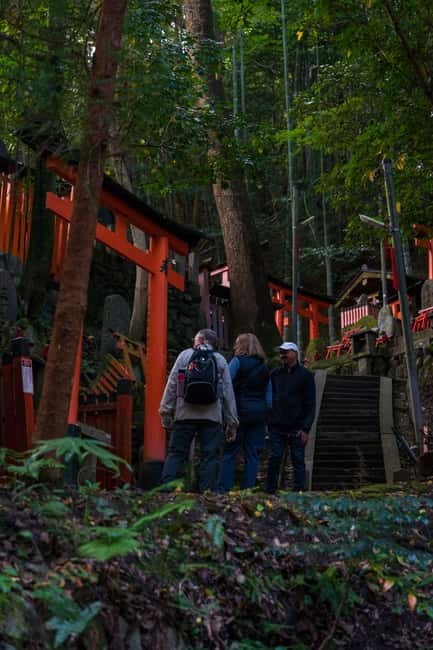
The value of this experience depends heavily on the person leading it. The activity is offered in English or French, and the guide is expected to explain the traditions and history rather than simply point out buildings.
Shanda has been described as friendly, positive, patient, and clear. She allowed time for photographs while still explaining the meaning of each stop. Diana has also been singled out for interesting explanations of both Fushimi Inari and Kiyomizu-dera, with the early schedule helping her group avoid the worst crowding.
Those details suggest the tour works best when the guide balances information with breathing room. You do not want a lecture that keeps you from taking pictures, but you also gain little from paying for a guide who rushes you past the details.
The rating is 4.8 from 36 reviews, and the strongest praise centers on the guides, the early start, and the value for money. That is useful evidence, but guide quality can vary by date and assignment. If a particular guide matters to you, you can ask whether Shanda or Diana is available, though availability is not guaranteed.
What the $58 price really covers
At $58, the tour is best judged as a convenience package. You receive a live guide, train fares, the taxi between the two main sights, and entrance fees. You also get a planned route that links two locations without requiring you to manage every transition.
You are not paying for food or drinks, and hotel pickup and drop-off are not included. The meeting point is at JR Inari Station, and the tour finishes at % ARABICA Kyoto Higashiyama. You will need to arrange your own way to the start and onward travel after the finish.
The final location is useful. You can stop for coffee or breakfast after the tour, then continue exploring Higashiyama. The guide also offers local tips for restaurants, cafes, and bars, so it is worth staying through the end rather than slipping away after the last photograph.
For a private or small group, the price becomes more attractive if you want personal attention. For a larger group, the main value is the transport planning and historical guidance. If you are comfortable navigating Kyoto by yourself and prefer a slow pace, self-guided visits may suit you better.
Timing, pace, and physical effort
The early start is the tour’s main strength, but it shapes the whole morning. You need to get up early, reach Inari Station on time, and accept that breakfast may come later. In return, you get a calmer first look at Fushimi Inari and a better chance of clear photographs.
The walking is steady. The tour information warns of quite a few stairs and 10,000 or more steps. Comfortable shoes are essential, and this is not a good choice if stairs or extended walking are difficult for you.
You should also leave room in your schedule after the advertised three hours. The end point is known, but the exact finish can shift with traffic, group pace, and time spent at the sites. Do not book a fixed activity immediately afterward unless you have a generous buffer.
The tour suits an active first-time visitor who wants two major sights explained in one morning. It is less suitable for someone who wants long cafe stops, extensive shopping, or a slow photographic study of every lane.
How to get the most from the morning
Arrive early enough to find the meeting point without stress. Bring water, wear shoes with good support, and keep your hands free for walking and photographs.
Listen for the guide’s practical suggestions as well as the historical explanation. The promised restaurant, cafe, and bar tips can help you plan the rest of the day, especially if Kyoto is new to you.
Use the early visit as an introduction to Higashiyama, not the final word. If you like Sannenzaka or Ninenzaka, return later for more time. The guided 30-minute photo stop shows you the area, but it cannot replace an unhurried wander.
The tour allows time for photos, which is important at both major stops. Still, do not expect unlimited time at every viewpoint. The schedule has to move from Fushimi Inari to Kiyomizu-dera and then through Higashiyama within three hours.
Should you book Best of Kyoto?
Book this tour if you want a well-organized morning covering Fushimi Inari and Kiyomizu-dera, especially if you value clear explanations and dislike sorting out Kyoto transport. The early start, included taxi, and guide-led visits make the $58 price reasonable for many first-time visitors.
It is particularly well suited to active walkers, couples, families with older children, and anyone who wants to see the major sights before the crowds build. The guides Shanda and Diana have received especially strong praise for warmth, clear explanations, and allowing time for photographs.
Think twice if you have mobility limits, dislike stairs, or want a relaxed breakfast and shopping morning. Also reconsider it if you prefer to explore at your own pace. For everyone else, this is a practical way to begin a Kyoto visit: two essential places, useful local advice, and enough of the afternoon left to keep exploring.
FAQ
Where does the tour begin?
Meet your guide in front of the entrance to JR Inari Station at the time shown on your voucher. Look for a small mailbox and a public phone next to each other.
How long does the tour last?
The tour lasts three hours. The stated itinerary includes about 50 minutes at Fushimi Inari, one hour at Kiyomizu-dera, and a 30-minute photo stop.
Are transport and entrance fees included?
Yes. Train fares, taxi fares, entry fees, and the guide are included. Food, drinks, hotel pickup, and hotel drop-off are not included.
Is the tour offered in English?
Yes. Live guiding is available in English and French.
Is this tour suitable for people with mobility impairments?
No. The tour includes quite a few stairs and at least 10,000 steps, so it is not suitable for people with mobility impairments.
Can I cancel or pay later?
You can cancel up to 24 hours in advance for a full refund. Reserve now and pay later is also available, allowing you to hold a place without paying at the time of booking.
Just added around Kyoto
- Kyoto: Zen Meditation at a Private Temple with a Monk★ 5.0 · 25 reviews
- Kyoto: Gion Geisha District & Sake-in-Hand Walking Tour★ 5.0 · 37 reviews
- Private Pewter Sake Cup Experience with a Kyoto Artisan★ 5.0 · 31 reviews
- Your Private Vacation Photography Session In Kyoto★ 5.0 · 110 reviews
- Private Guided Traditional Buddhist Cooking in Japan★ 5.0 · 16 reviews
- Kyoto Wagashi(Japanese sweets) Cooking Class near Fushimiinari★ 5.0 · 60 reviews
- Traditional Japanese Music show & Experience Tour in Kyoto★ 5.0 · 57 reviews
- Kyoto:Family-Friendly Kimono & Yukata Experience at WARGO★ 5.0 · 147 reviews
Fushimi Inari Tours, compared.

Fushimi Inari, Kinkakuji, Bamboo Grove 1 Day Bus Tour
Read our review →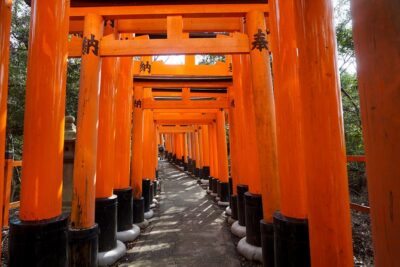
Fushimi Inari Hidden Hiking Tour (Private Option Available)
Read our review →
Kyoto/Osaka: Nara, Fushimi Inari Taisha, Arashiyama Bus Tour
Read our review →
Osaka/Kyoto: Arashiyama, Nara & Fushimi Inari Shrine w/Lunch
Read our review →
Nijo Castle, Kiyomizu & Fushimi Inari Guided Tour
Read our review →
Nijo, Kinkaku-ji, Arashiyama, Kiyomizu & Fushimi Inari
Read our review →
Browse the lists this tour appears in