
Reviewed · IMPERIAL PALACE TOURS
Full Tokyo: Meiji Shrine, Imperial Palace, Asakusa & Skytree
Tokyo is a city of sharp contrasts, and this tour puts them side by side: Shibuya Crossing’s moving crowds, the quiet wooded grounds of Meiji Shrine, the Imperial Palace exterior, old Asakusa, and the high-rise view from Skytree. I like that you travel between stops by train, giving you a useful look at how Tokyo works. I also like the optional Japanese lunch and the chance to finish high above the city.
The catch is the pace. Seven hours covers a lot of ground, but some stops can feel brief, especially Shibuya and the Imperial Palace. The Skytree visit is an option, not an automatic part of every booking, so check your selection carefully before you set out.
Key points to know before booking
- Five very different sides of Tokyo: Shibuya, Meiji Shrine, the Imperial Palace, Akihabara, and Asakusa each show a distinct part of the city.
- Train travel is built in: Tickets for transfers between the stops are included, and the guide handles the route.
- Skytree requires the right option: You can finish at Tokyo Skytree, but entry is available only if you purchased the Skytree ticket.
- The tour is active: Expect walking, station transfers, stairs or platforms, and a full seven-hour day. Comfortable shoes matter.
- Lunch is optional: Choose the lunch package if you want a traditional Japanese meal, or use the two hours in Asakusa on your own.
- English and Spanish guiding: Guides named in the tour feedback include Oliver, Jorg, Melody, Erik, George, and Burt.
A fast, useful introduction to Tokyo
This is a sightseeing sweep rather than a slow cultural walk. You get a first look at several major districts, then let the guide explain what you are seeing as the day moves along. For a first visit, that broad range can be useful. You can identify the areas you want to return to later.
The tour begins at the Hachiko Statue beside Hachiko Square. This is an easy landmark to recognize, but Shibuya Station can be confusing, so allow time to locate the meeting point. From there, the group uses public transport and walks through the city.
The guide speaks English or Spanish, depending on your booking. The strongest feedback focuses on guides who made the day clear and comfortable. Oliver was praised for handling a New Year’s Eve visit, while George was singled out for explaining Japanese culture. Burt was described as especially easy to talk with. Those names give you an idea of the guiding team, though you should not assume a particular guide will lead your departure.
More Imperial Palace visits:
- Tokyo: Imperial Palace and Shogun Historical Walking Tour
★ 5.0 · 2,251 reviews - Tokyo: Imperial Palace Japanese History Walking Tour
★ 4.9 · 987 reviews - Tokyo: Imperial Palace and Shogun Walking Tour
★ 4.9 · 935 reviews
Shibuya Crossing: a quick look at Tokyo’s famous intersection
Your first sight is Shibuya Crossing, one of the world’s best-known pedestrian intersections. The tour presents it as a scenic drive and viewing stop, not as a long neighborhood visit. That distinction matters.
You should expect time for a look and photographs rather than an extended exploration of Shibuya’s shops, side streets, or observation points. One past participant found the stop much shorter than expected, describing it as a brief drive-by. The published route allows around 40 minutes for the first transfer and Shibuya portion, but the exact time at the crossing can vary with traffic and group movement.
I like starting here because it gives you an immediate sense of Tokyo’s scale and energy. Still, if Shibuya is a top priority, plan to return on your own. This tour gives you an introduction, not a full Shibuya experience.
Meiji Shrine: Tokyo quiets down
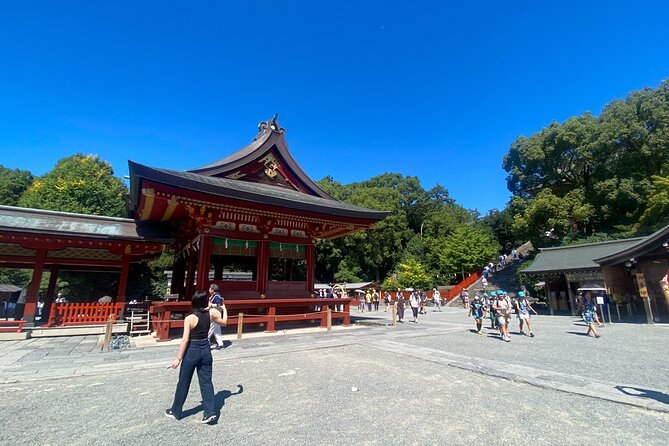
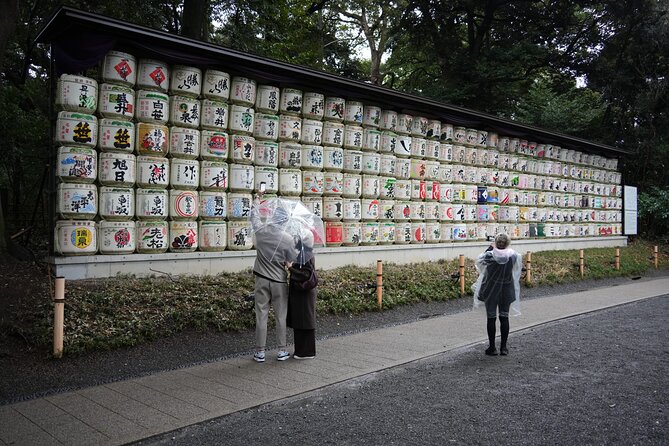
The shift from Shibuya to Meiji Shrine is the tour’s first major change of mood. The shrine sits among thick trees in central Tokyo, making the walk feel far removed from the traffic and tall buildings nearby.
You have about 70 minutes for a guided visit. That is one of the more generous stops on the route, and the early start can help. An 8 a.m. departure reached Meiji Shrine before the crowds became heavy, making the visit more peaceful. If you value atmosphere and want time to look around, an early start is worth considering.
Meiji Shrine is dedicated to Emperor Meiji and Empress Shoken, though the tour details do not promise a particular depth of historical explanation. Your guide should introduce Shinto customs and point out the main features of the grounds. You may see visitors approaching the shrine respectfully, making offerings, or taking part in a ceremony, depending on the date.
New Year’s Eve can bring a very different scene. One guide, Oliver, led a group that saw local shrine and temple customs during the holiday. That is a reminder that seasonal timing can shape this visit. The shrine may feel calm on an ordinary morning, but major Japanese holidays can bring large local crowds.
Wear shoes you can walk in. The route includes a substantial shrine-ground walk, and you will spend much of the day moving between stations and sights.
The Imperial Palace exterior and what you will not see
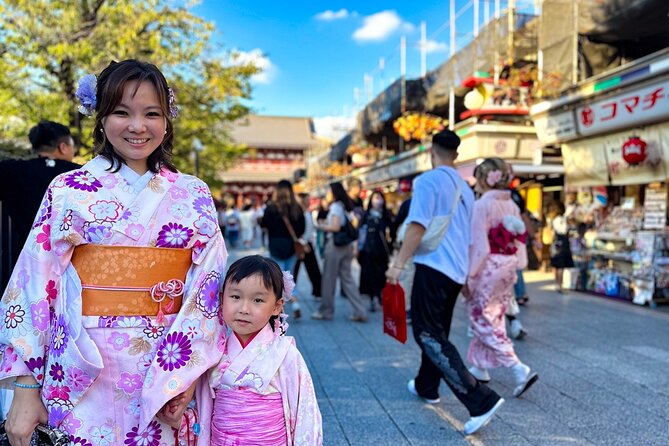
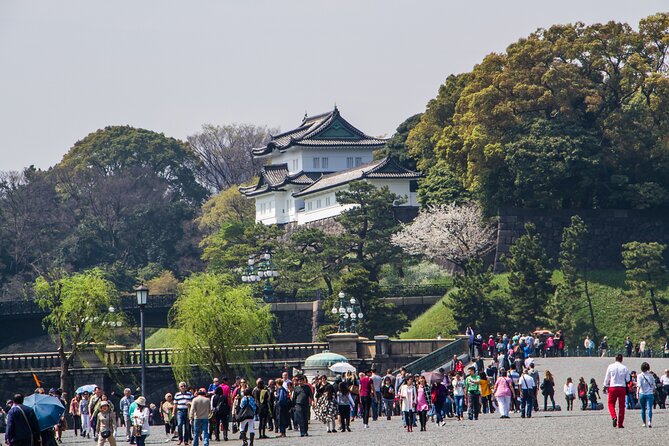
After Meiji Shrine, you take another train transfer to the Imperial Palace area. The scheduled guided stop is about 30 minutes, with time for photographs of the exterior and the surrounding gardens.
This is a photo stop, not a palace interior tour. You should not expect access to private buildings or a long garden visit. One dissatisfied participant felt the palace portion was shorter than the stated timing, so keep expectations modest. The value here is seeing one of Tokyo’s most important official sites while your guide explains its place in the city.
The palace grounds also provide a visual pause between the shrine and the older neighborhoods later in the day. You get a sense of how Tokyo combines formal government spaces with dense urban districts. If you want an unhurried walk around the palace gardens, you will need a separate visit.
A few more Tokyo half-days to weigh up
- Mt Fuji and Hakone 1-Day Bus Tour Return by Bullet Train
★ 5.0 · 26,383 reviews - 1-Day Tokyo Bus Tour
★ 5.0 · 14,250 reviews - Tokyo: TOKYO SKYTREE® Admission ticket
★ 4.5 · 11,192 reviews - Tokyo: teamLab Planets TOKYO Digital Art Museum Entry Ticket
★ 4.6 · 9,779 reviews
Akihabara from the train and street route
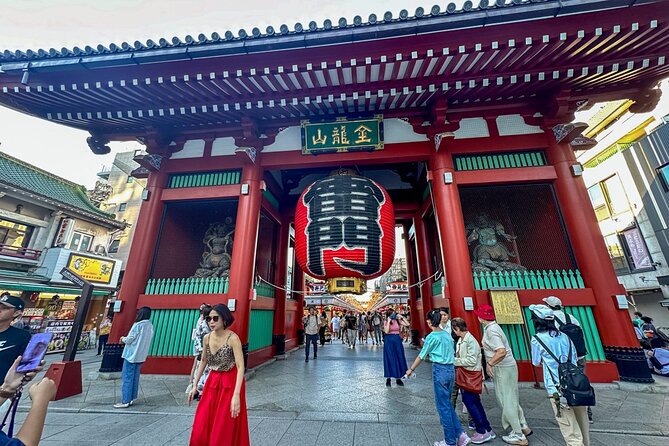
The next stop is Akihabara, Tokyo’s famous technology and pop-culture district. On this tour, you pass through it by train and scenic route rather than taking a dedicated walking tour.
That means you get the colorful streets and general atmosphere, but not much time for electronics stores, game shops, anime stores, or themed cafés. The area is included to show another side of Tokyo, not to satisfy a specialist’s full shopping list.
I see this as a useful orientation stop. Akihabara contrasts sharply with Meiji Shrine and the Imperial Palace. You may decide it deserves a return visit, especially if you have a personal interest in Japanese games, animation, or technology.
Two hours in Asakusa and Senso-ji Temple
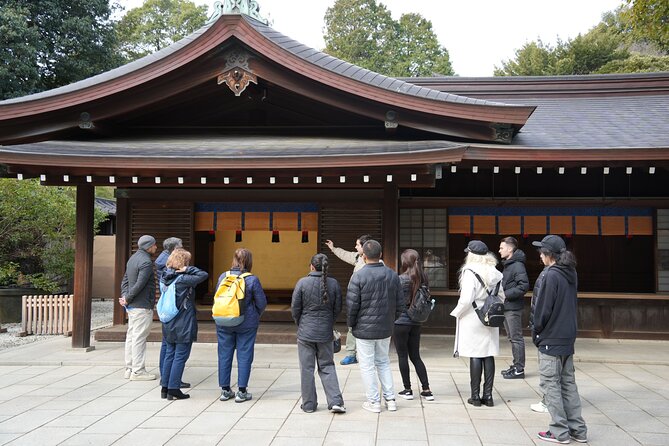
Asakusa is where the tour slows down. You have up to two hours for lunch and free time, making it the longest stay in one district.
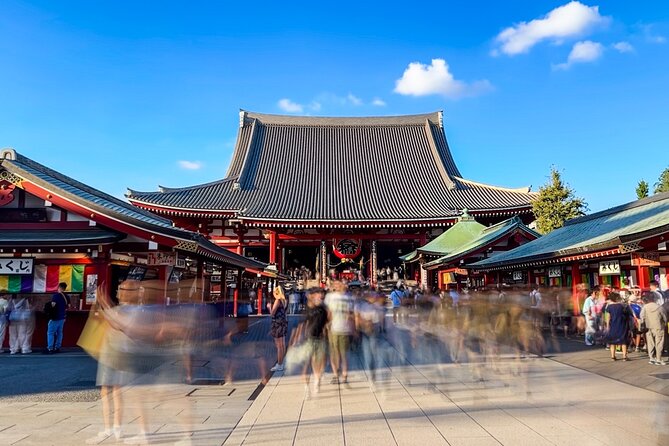
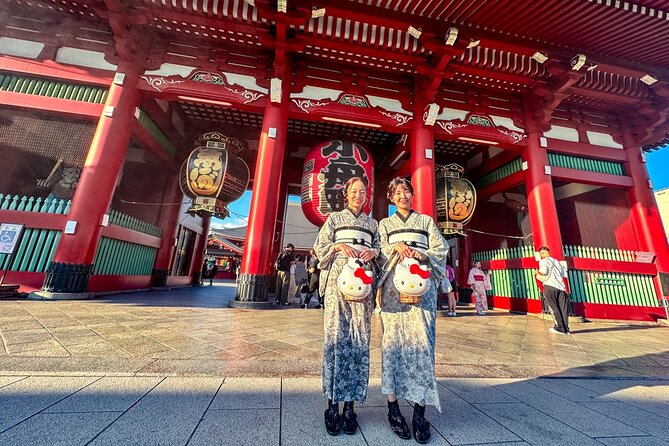
The main sight is Senso-ji, Tokyo’s oldest and most famous Buddhist temple. Its large entrance gate, busy approach, and temple buildings give you a strong introduction to traditional Tokyo. The area also has shops and food options, though the exact places you visit depend on the guide and the time available.
This is the part of the tour where expectations need careful handling. One participant felt there was not enough time at Senso-ji and wanted more explanation of the temple’s features. If you want a detailed temple lesson, ask questions as you go and stay close to the guide. The schedule includes free time, so the group may divide between lunch, temple viewing, and independent wandering.
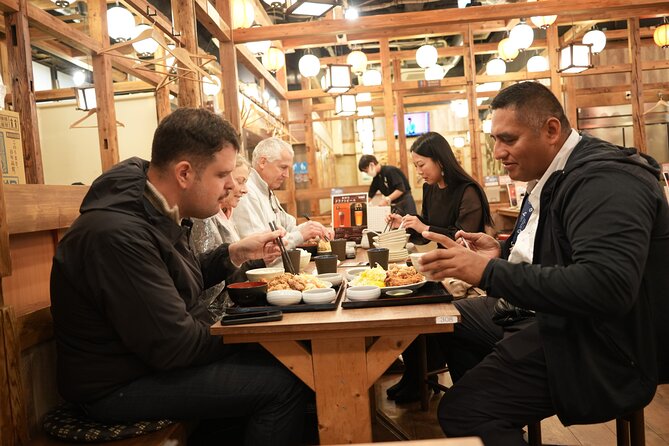
The lunch option gives you a traditional Japanese meal at a local restaurant. A Portuguese-speaking participant found the meal delicious and well served, while another person felt the lunch was rushed because of the meeting schedule. Both points are useful. The meal can make the day easier, especially if you do not want to search for food in a busy district, but you may have less freedom than you would with an independent lunch.
If you skip the meal, you gain more control over your time. You can concentrate on Senso-ji, browse the area, or find your own food. If you choose lunch, keep your watch handy and return to the meeting point promptly.
Tokyo Skytree: the grand finish, if you select it
The day ends at Tokyo Skytree, where the observation deck offers wide views over Tokyo. From high above the city, the earlier stops begin to make geographic sense. You can look back across the enormous urban area and understand how far you have traveled during the day.
Skytree is not included with every booking. You need to select the option that includes admission, and the tour ends at the tower or in Asakusa depending on your arrangement. The important rule is simple: you cannot decide at the last minute to enter without having purchased the ticket beforehand.
The tower is a strong finish because it changes the scale of the day. Meiji Shrine feels enclosed by trees, Senso-ji feels tied to older Tokyo, and Skytree gives you the city as a whole. If the weather is clear, the observation deck is likely to be one of the most memorable parts of the route. The tour information promises panoramic city views, but visibility will naturally depend on conditions.
Train transfers are part of the experience
The included train tickets are one of the practical strengths of this tour. Tokyo’s rail system can look intimidating at first, particularly when you are trying to reach a meeting point, change lines, and keep up with a group. Having the guide lead the transfers reduces that pressure.
The route includes several train journeys, with listed transfer times of about 40, 45, 35, and 30 minutes. These are not wasted hours. They show you how the city connects its districts, but they also consume a meaningful part of a seven-hour tour.
A guide who handles the tickets can be especially helpful for a first day in Tokyo. One participant specifically valued the support with train travel and the clear balance between walking and public transport. You should still expect to walk at stations and through the sights. This is not a coach tour with a vehicle waiting outside every landmark.
The group also needs to move together. A participant who found the tour rushed felt that free time and sightseeing were not always balanced. If you walk slowly, tell the guide early. One positive account praised a guide for adjusting to people who could not keep up with the fastest walkers, but you should not rely on every group moving at the same pace.
What the $69 price really buys you
At $69 per person, the base price is reasonable if you want orientation, transport help, and a guided route through several major areas. The value improves if you are visiting Tokyo for the first time and would otherwise spend time working out the train connections yourself.
The price is less attractive if you expect a deep tour of every sight. Shibuya and Akihabara are brief, the Imperial Palace is mainly an exterior stop, and Asakusa includes free time rather than constant guiding. You are paying for coverage and convenience, not long visits at each landmark.
Add the lunch option only if a planned meal suits your style. It saves you from making a food decision in the middle of a packed day, but it can feel hurried. Add Skytree if the observation deck is important to you. Without that option, you should not assume the tower admission is covered.
The tour also offers free cancellation up to 24 hours before the start and a reserve-now, pay-later choice. Those terms help if your Tokyo plans are still changing, but the main value question remains the same: do you want a guided overview or independent time?
Who will enjoy this seven-hour route
I would recommend this tour to first-time Tokyo visitors who want to see the city’s headline sights in one day. It suits you especially well if public transport feels daunting, if you want English or Spanish guidance, or if you have limited time in Tokyo.
It also works for people who want a mix of modern Tokyo, Shinto tradition, Buddhist culture, official architecture, and city views. The contrasts are the point. You go from Hachiko Statue to a forest shrine, then from palace walls to Akihabara and an old temple district.
I would be cautious if you prefer slow travel. You will not have enough time for a relaxed exploration of every stop. This is also a poor fit for wheelchair users, as the experience is not suitable for wheelchair access and involves walking and train transfers.
Bring water, sunscreen, a hat, and a camera. You will be outdoors at several points, and the day can feel long in warm weather. Check the starting time carefully, since availability varies.
Should you book Full Tokyo?
Book it if you want a well-organized first look at Tokyo and understand that the route is fast. The strongest reasons are the included train tickets, the range of neighborhoods, the peaceful Meiji Shrine visit, and the optional Skytree finish. The guides named in the feedback, including Oliver, George, Burt, Jorg, Melody, and Erik, were often praised for warmth, cultural explanations, and practical help.
Skip it if you want detailed time at Senso-ji, a full Shibuya visit, or a careful palace tour. In that case, choose fewer sights and explore them independently. For everyone else, select the Skytree ticket if the view matters, decide in advance about lunch, and treat the day as a lively Tokyo sampler rather than a slow cultural study.
FAQ
Where does the tour begin?
The meeting point is next to the Hachiko Statue at Hachiko Square.
How long does the tour last?
The experience lasts seven hours.
Which languages are available?
Live guiding is available in English and Spanish.
Are train tickets included?
Yes. Train tickets for transfers between the itinerary points are included.
Is lunch included?
Lunch is included only if you select the lunch option when booking.
Is Tokyo Skytree admission included?
Skytree admission is included only with the option that specifically includes the entrance ticket.
Can I enter Skytree without selecting that option?
No. You can enter only if you purchased the Skytree ticket option in advance.
Where does the tour end?
The route ends at Tokyo Skytree or Asakusa, with the exact drop-off depending on the selected arrangement.
What should I bring?
Bring comfortable shoes, a hat, a camera, sunscreen, and water.
Is the tour suitable for wheelchair users?
No. The experience is not suitable for wheelchair users.
Just added around Tokyo
- Private Arrival Transfer : Narita International Airport to Central Tokyo City★ 4.5 · 12 reviews
- Narita Airport(NRT): Private Transfer to Tokyo/Yokohama 1-9pax★ 5.0 · 47 reviews
- Private Transfer from Narita Airport to Yokohama Port and City★ 4.5 · 17 reviews
- [Narita Airport Terminals 1, 2] 40-60km Sawara Itako Historic Bike Tour★ 5.0 · 13 reviews
- 3 Day Japan Highlights Tour: Tokyo, Mt.Fuji, Nara, Kyoto, Osaka★ 5.0 · 22 reviews
- Small Town in the Big City: Tasting Tokyo’s Kichijoji★ 5.0 · 195 reviews
- Small Town in the Big City: Tasting Tokyo’s Kichijoji★ 5.0 · 16 reviews
- The 10 Tastings of Tokyo With Locals: Private Street Food Tour★ 5.0 · 48 reviews
Imperial Palace Tours, compared.
Imperial Palace and Shogun Historical Walking Tour
Read our review →

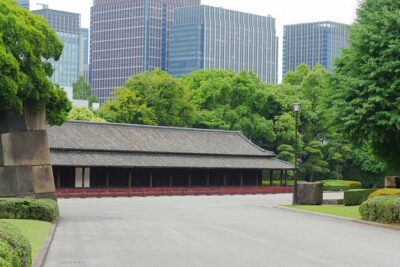
Imperial Palace East Garden and Edo Castle Walking Tour in Tokyo
Read our review →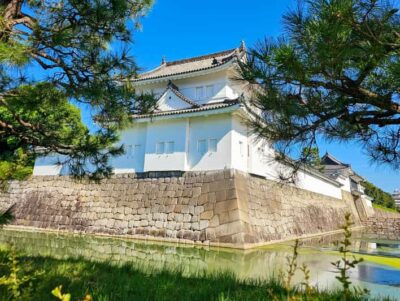
Imperial Palace & Nijo Castle Guided Walking Tour
Read our review →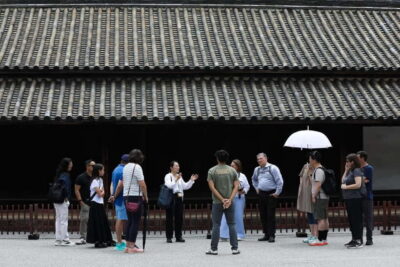
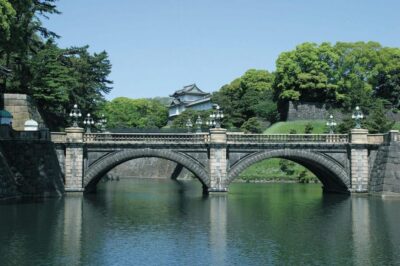
Imperial Palace, Sensō-ji Temple, & Tokyo Tower Tour
Read our review →
Tokyo Castle, Imperial Palace, Shogun & Garden Walking Tour
Read our review →Browse the lists this tour appears in