
Reviewed · HIROSHIMA TOURS
Hiroshima and Miyajima 1 Day Cruise Tour
Hiroshima and Miyajima make a powerful pair: one is a quiet island of shrines, deer, and sea views, while the other asks you to face one of the darkest moments of modern history. This private 7 to 8 hour tour links both without making you figure out the trains and ferries yourself.
I like the two boat rides, especially the route from Miyajima toward Peace Memorial Park, which gives you a different view of Hiroshima than you get from the streets. I also like the flexible format. Guides such as Tom, Kumi, Yuki, Akie, and Momoko have adjusted the pace, helped with luggage problems, and tailored stops to the group.
The main caution is the word cruise. This is not a leisurely sightseeing vessel with commentary and deck service. It uses regular ferries, and one disappointed participant found that distinction important. The Peace Memorial Museum is also self-guided, so your guide cannot talk with you throughout the galleries.
Key points to know before you book
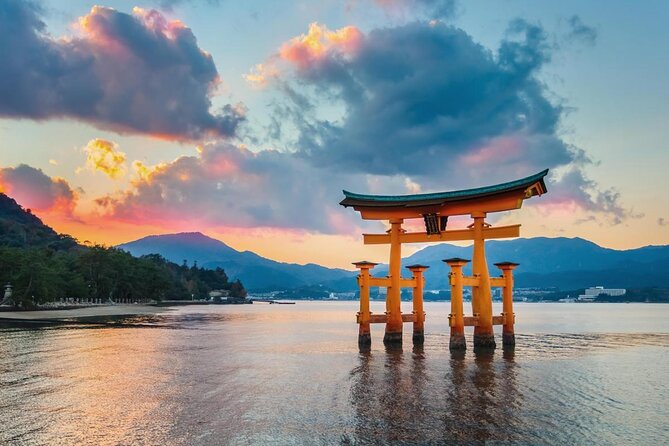
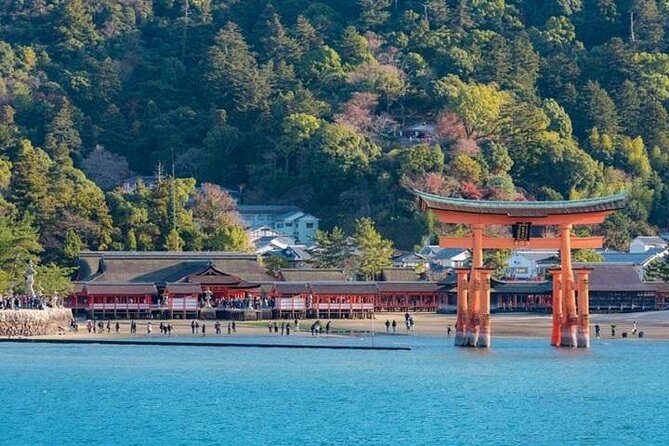
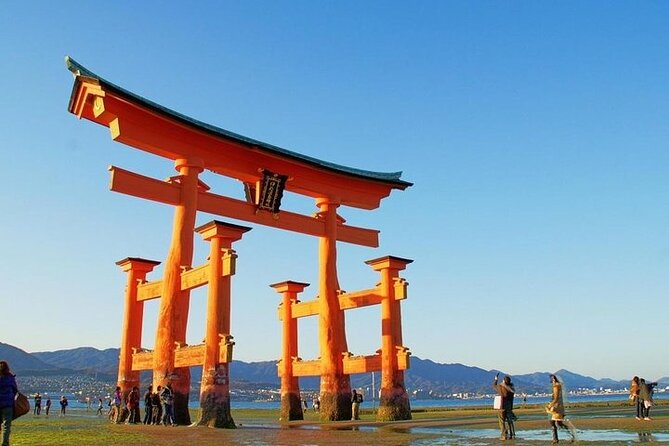
- Miyajima comes with two classic sights: the island’s free-roaming deer and Itsukushima Shrine, famous for its large torii gate that appears to float at high tide.
- Two ferry rides replace a long transfer: the included boat from Hiroshima to Miyajima and the ferry from Miyajima directly to Peace Memorial Park.
- The tour is private: only your own group takes part, which makes it easier to adjust the pace or request a change.
- Hiroshima’s memorial sites need emotional room: the museum and park are moving, sometimes painful, and not just quick photo stops.
- The $163.40 price includes useful transport: local train fare, both listed ferry rides, shrine and museum admission, and an English-speaking guide, but not lunch.
- The timing is tight but sensible: the listed visits add up to about four and a half hours, with the remaining time used for travel between Hiroshima and Miyajima.
Why this Hiroshima and Miyajima pairing works
If you have only one day in the area, this route covers the two places you most want to understand. Miyajima gives you beauty and tradition. Hiroshima gives you remembrance and a clear look at how the city has chosen to face its past.
The private setup matters here. You are not folded into a large coach group, and the guide can help decide how long to spend at each place. Arki, for example, was praised for managing the schedule so the day never felt rushed at the end. That is useful because the itinerary has several moving parts: a local train, a ferry to Miyajima, sightseeing on the island, a second ferry to Hiroshima, and visits to the museum and park.
The day begins at 8:45 am, and the activity ends back at the meeting point. The exact meeting location is not provided in the tour details, so read the confirmation carefully and arrive early. Missing the start would be especially troublesome on a day built around timed public transport.
The tour is best understood as an efficient private introduction, not a slow island holiday. You will see the essential places, but you will not have unlimited time for shopping, a long meal, or a relaxed walk through every corner of Miyajima.
A few more Hiroshima half-days to weigh up
- Peaceful Hiroshima & Miyajima UNESCO 1 Day Bus Tour
★ 5.0 · 5,309 reviews - Hiroshima: Hiroshima and Miyajima UNESCO Sites 1-Day Tour
★ 4.9 · 2,330 reviews - From Hiroshima: Hiroshima & Miyajima 1 Day Tour with Lunch
★ 4.7 · 395 reviews
Miyajima: deer, sea air, and a famous torii gate
Miyajima is a small island less than an hour from Hiroshima. Its most famous view is the great torii gate of Itsukushima Shrine, which can appear to float offshore when the tide is high.
That changing relationship between land and water is part of the appeal. You approach the island by ferry, so the shrine and surrounding coast are introduced from the sea rather than from a city street. The boat ride is practical transportation, but it also gives you the scenic arrival this place deserves.
Wild deer are another part of Miyajima’s character. They wander through areas of the island, and the setting feels more open and natural than central Hiroshima. The tour allows about an hour at Miyajima as a general stop, plus a separate hour for Itsukushima Shrine. That makes it possible to enjoy the island atmosphere and still enter the shrine, though the pace will not suit anyone hoping to explore every lane and shop.
Bring sensible shoes and keep your attention on the time. The island portion can feel short because there is much to see, and the ferry departure is not something you want to miss. If shopping or local food matters greatly to you, use the flexible format to ask your guide about the best use of your available time.
Lunch is not included. That is both a cost and a freedom. You pay for your own meal, but you can ask your guide for a recommendation rather than settling for the first place you see. Milky was singled out for suggesting a delicious lunch, and that kind of local help can save time on a busy sightseeing day.
Itsukushima Shrine and the floating gate
Itsukushima Shrine is the historic heart of Miyajima. The island is formally called Itsukushima, but Miyajima, meaning Shrine Island, is the name most people use.
The shrine’s position beside the water is what makes it special. Its buildings and gate were designed to be experienced in connection with the sea, and the approach by ferry reinforces that idea. Admission is included, so you do not need to arrange a separate ticket during the day.
Expect the shrine visit to last about one hour. Your guide can provide context and point out details you could easily pass without noticing. The guide’s role is especially useful here because the site is not just a single photo stop. It is a place where architecture, worship, and the island’s setting fit together.
Tides can affect the view of the torii. The tour description highlights the floating effect at high tide, but the precise tide conditions for your date are not given. If that view is your main reason for booking, check the day’s tide information separately and understand that the appearance from shore will change.
The ferry from Miyajima to Hiroshima
The second boat ride is one of the tour’s most useful features. Instead of returning to the starting point and arranging another transfer across Hiroshima, you take a ferry from Miyajima directly toward Peace Memorial Park.
This saves effort and creates a natural transition between the two halves of the day. You leave the shrine island behind and see Hiroshima from the river and sea. The city views are not the same as a formal harbor cruise, but they give the day a welcome change of pace.
Here is where expectations matter. The experience is marketed as a cruise-style sightseeing day, but the boat transport is a ferry ride. There is no promise of a narrated cruise, special vessel, or extended time on deck. If you want an actual cruise with onboard commentary, this is not that product.
I still see the ferry as a strong practical choice. It cuts out a troublesome transfer and lets the tour connect Miyajima directly with the memorial area. Just book it for the route and views, not for luxury boat service.
Same base, a completely different sort of day:
- Hiroshima / Miyajima Full-day Private Tour with Government Licensed Guide
★ 5.0 · 1,298 reviews - Hiroshima Historical Walking Tour – Why A-Bomb was Dropped
★ 4.8 · 893 reviews - Hiroshima Peace (Heiwa) Walking Tour at World Heritage Sites
★ 5.0 · 872 reviews - Hiroshima in a Nutshell: Morning Bike Adventure
★ 5.0 · 524 reviews
Hiroshima Peace Memorial Museum: a difficult but necessary hour
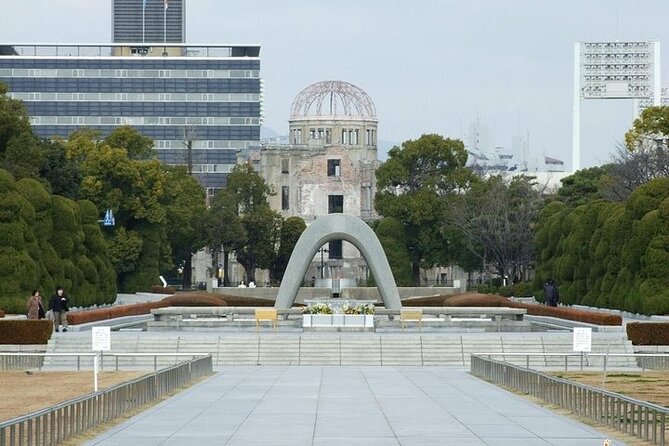
The Peace Memorial Museum is the most emotionally demanding stop. It opened in 1955 and was designed by architect Tange Kenzo. Its exhibits focus on the atomic bombing of Hiroshima and its effect on ordinary people.
You should expect the museum to be serious, graphic, and upsetting in places. One hour is enough for a focused visit, but not enough to read every display at length. The museum is self-guided, so you move through the galleries on your own rather than listening to a running explanation from your guide.
That arrangement can be a benefit. You can pause at material that matters to you and move more quickly past sections you find too painful. It also means that your guide’s main teaching time is before or after the museum, not inside every gallery.
Several guides have made this stop more meaningful by helping visitors understand the broader effect of the bombing. Arki was praised for making sure the day ended with a better understanding of the long effects of war on families. Tom was described as helping create a day that felt moving but hopeful. Those comments point to the best use of a guide here: not replacing the museum, but helping you process what you see.
Do not treat the museum as a quick box to check. The exhibits concern real lives, suffering, and survival. Give yourself a little quiet time afterward in the park.
Peace Memorial Park and the Atomic Bomb Dome
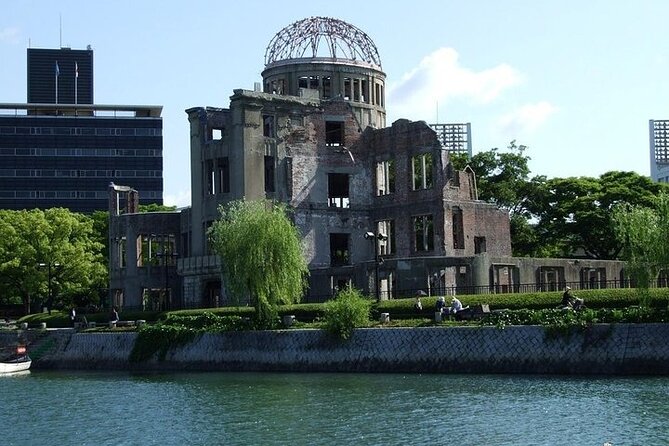
Peace Memorial Park covers more than 120,000 square meters and provides space to walk, think, and place the museum in a wider setting. The park is one of the city’s most recognizable areas, yet its purpose is not simply scenic.
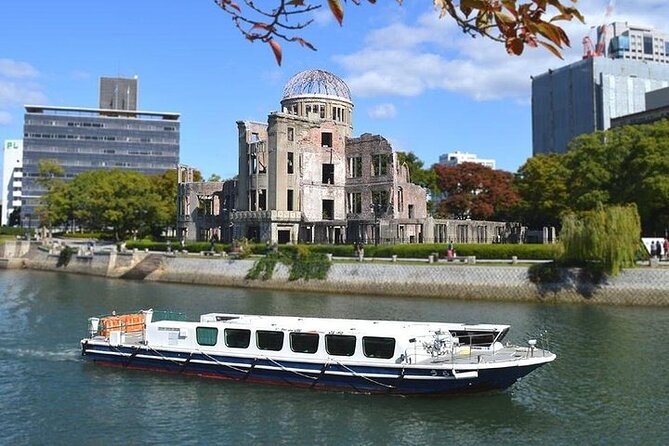
The Atomic Bomb Dome is the visual anchor. It was near the blast’s center when the bomb was dropped at 8:15 am on August 6, 1945. The building survived in damaged form and now serves as a symbol of Hiroshima and a focus for prayers for world peace.
The tour allows about one hour for Peace Memorial Park and 30 minutes at the Atomic Bomb Dome. That split makes sense. The park contains several points of interest, while the dome is best approached slowly, with time to look at the structure and consider its setting beside the water.
The dome is free to view from outside. The park is also free, while the museum admission is included. These sites do not need elaborate sightseeing machinery. A good guide can help you understand what you are seeing, then give you room to stand quietly.
The order of the memorial stops may vary with the guide’s plan and the day’s transport. The listed schedule presents each as a separate visit, but the experience should be treated as a connected walk through Hiroshima’s memorial district.
The guides are the heart of the experience
The strongest part of this tour is the human guide. Names attached to especially positive experiences include Rimona, Milky, Arki, Tom, Tomo, Chikako, Yuki, Kumi, Akie, and Momoko.
Their strengths differ, but the pattern is clear. Good guiding here means explaining the historical sites in plain English, keeping the schedule under control, answering questions, and noticing what your group needs. Kumi was praised for friendly engagement and strong English, while Chikako handled the pace well for a group with a small child.
Momoko also helped with a luggage problem, which shows the practical value of having someone local beside you. You are not only paying for facts. You are paying for help with a complicated day in an unfamiliar place.
English ability may vary by guide. One unhappy experience described the English as weaker than expected and found the day boring. That is worth taking seriously because the tour depends on explanation, especially around the memorial sites. The provider should confirm an English-speaking guide, but communication quality can still vary from one person to another.
You can request changes in advance, and the guide may also adjust the schedule on the day. You can skip a stop without a refund, swap in another place, or request an additional site by paying any added admission and transport costs yourself.
Is $163.40 good value?
At $163.40 per person, this is not the cheapest way to see Hiroshima and Miyajima. The value comes from the private format and the transport bundle rather than from a low entry price.
The package includes the local train, the free local ferry from Hiroshima to Miyajima, the ferry from Miyajima to Peace Memorial Park, Itsukushima Shrine admission, Peace Memorial Museum admission, and an English-speaking guide. Lunch is extra.
If you are comfortable planning Japanese trains and ferries, you could likely arrange the basic route independently for less. You would then need to manage the schedule, tickets, transfers, directions, and historical context on your own. This tour earns its price when you value a full day with personal guidance and want to avoid wasting time between the island and the memorial district.
The private pricing can be awkward for solo visitors. One solo participant felt the cost was effectively doubled, so ask how the rate applies to your party before booking. Group discounts are available, making the cost easier to justify for a small group.
Who will get the most from this day?
I would choose this tour if you have one day in Hiroshima and want both major sights without planning the route yourself. It is particularly suitable for families, couples, and small private groups that want a flexible pace.
It also suits people who want historical explanation around the memorial sites but prefer to explore the museum galleries quietly on their own. The guides can add human context while the museum gives you time to read and reflect.
You may want another plan if you dislike public ferries, expect a true sightseeing cruise, or want a long, unhurried visit to Miyajima. The schedule is full, and much of the remaining time after the listed visits is spent traveling.
The emotional weight matters too. This is not a light sightseeing day with one serious stop added for balance. Hiroshima’s museum, park, and dome can stay with you long after you leave. That is a reason to go, but you should be ready for it.
Practical details that shape the day
The start time is 8:45 am, and the full activity lasts roughly seven to eight hours. The listed visit times are approximately one hour at Miyajima, one hour at the museum, one hour at Peace Memorial Park, one hour at Itsukushima Shrine, and 30 minutes at the Atomic Bomb Dome.
The balance of the day is travel time. That includes the local train and both ferry rides, so do not assume you can add several extra sights without making the schedule harder. The provider allows changes, but added admissions and transportation may cost extra.
Most people can take part, and the meeting area is near public transport. Arrive on time, since this is a coordinated day rather than a hop-on, hop-off outing.
Weather matters because ferries and outdoor sightseeing are central to the route. If poor weather cancels the activity, you are offered another date or a full refund. If the minimum number of participants is not reached, you are offered another date or experience, or a full refund.
The experience is non-refundable for ordinary cancellations or amendments. That makes travel insurance or a firm itinerary especially useful if your plans may change.
Should you book Hiroshima and Miyajima in one day?
Book it if you want a private, guided introduction to Hiroshima’s two essential destinations and value the direct ferry connection between them. The combination of Miyajima’s shrine and deer with the Peace Memorial Museum and Atomic Bomb Dome gives you a fuller sense of the region than either half alone.
I would be most likely to book with two or more people, since the solo pricing can feel steep. I would also send requests in advance, including your preferred pace, lunch interests, family needs, or any stop you would like to change.
Skip it if you want a real cruise, a long free afternoon, or the lowest possible cost. For everyone else, this is a well-planned day with strong guides, useful transport, and enough flexibility to make a serious subject feel personal rather than rushed.
FAQ
How long does the Hiroshima and Miyajima tour last?
The tour lasts approximately seven to eight hours. It begins at 8:45 am and ends back at the meeting point.
Is this a private tour?
Yes. Only your own group participates in the activity.
What transportation is included?
The price includes the local train fee, the local ferry from Hiroshima to Miyajima, and the ferry from Miyajima to Peace Memorial Park.
Is lunch included?
No. Lunch is not included, although you can ask your guide for help choosing where to eat.
Are admission fees included?
Admission to the Hiroshima Peace Memorial Museum and Itsukushima Shrine is included. Miyajima, Peace Memorial Park, and the Atomic Bomb Dome are listed with free admission.
Can the schedule be changed?
You can request changes in advance, and the guide may be able to adjust the schedule on the day. You can skip a stop or exchange it for another place, but skipped stops are not refunded. New stops may require extra admission and transportation fees.
What happens if the tour is canceled?
If bad weather causes cancellation, you are offered a different date or a full refund. If the minimum number of participants is not met, you are offered a different date or experience, or a full refund. Ordinary cancellations and amendments are non-refundable.
Just added around Hiroshima
- The Peace Memorial to Miyajima : Icons of Peace and Beauty★ 4.5 · 31 reviews
- Shore Excursion from Hiroshima Port : Private Tour in Hiroshima★ 5.0 · 17 reviews
- Hiroshima Saijo Sake Tasting Tour with visit to 7 Breweries★ 5.0 · 104 reviews
- Hiroshima & Miyajima All-Inclusive Tour w/Licensed guide Pancho★ 5.0 · 54 reviews
- Hiroshima Country Cycling: Explore Rural Life 1 HR from City★ 5.0 · 22 reviews
- Okunoshima Rabbit Island Cycling Tour with Local Guide★ 4.5 · 17 reviews
- Private Full Day Hiroshima Tour★ 4.5 · 29 reviews
- Hiroshima Private Tour with a Local – Highlights & Hidden Gems★ 4.5 · 24 reviews
Hiroshima Tours, compared.

Peaceful Hiroshima & Miyajima UNESCO 1 Day Bus Tour
Read our review →
Hiroshima and Miyajima UNESCO Sites 1-Day Tour
Read our review →
Hiroshima Historical Walking Tour – Why A-Bomb was Dropped
Read our review →
Hiroshima Peace (Heiwa) Walking Tour at World Heritage Sites
Read our review →
Hiroshima in a Nutshell: Morning Bike Adventure
Read our review →
Hiroshima City 4hr Private Walking Tour with Licensed Guide
Read our review →

Japanesel Archery Experience HIROSHIMA CASTLE SHARAKU
Read our review →Browse the lists this tour appears in