
Reviewed · HIROSHIMA TOURS
Hiroshima: Miyajima Peace Memorial Icons of Peace and Beauty
Hiroshima is at its most powerful when you see its two defining sides in one day: the quiet sorrow of the Peace Memorial Park and the graceful beauty of Miyajima Island. This tour links both without asking you to decode tram routes, ferry schedules, shrine tickets, or the best streets for local snacks.
I especially like the careful pacing and the public transport help. Guides such as Ken, or Kensuke, are praised for keeping groups moving without making the day feel rushed, and for adding personal stories and practical food advice. I also like the contrast between the museum’s difficult subject matter and Miyajima’s sea views, temples, shops, and maple-leaf cakes.
The main caution is stamina. This is an eight-hour day with considerable walking, standing, trams, and ferries. Some people may want more time in the Peace Memorial Museum or on Miyajima, while the fixed schedule means you cannot linger everywhere.
Key points to know before booking
- Two major Hiroshima experiences in one day: Visit the Peace Memorial Park and Museum in the morning, then cross to Miyajima for its shrine and island streets.
- Public transport is part of the tour: Tram and ferry fares are covered, and the guide handles much of the route planning and ticket work.
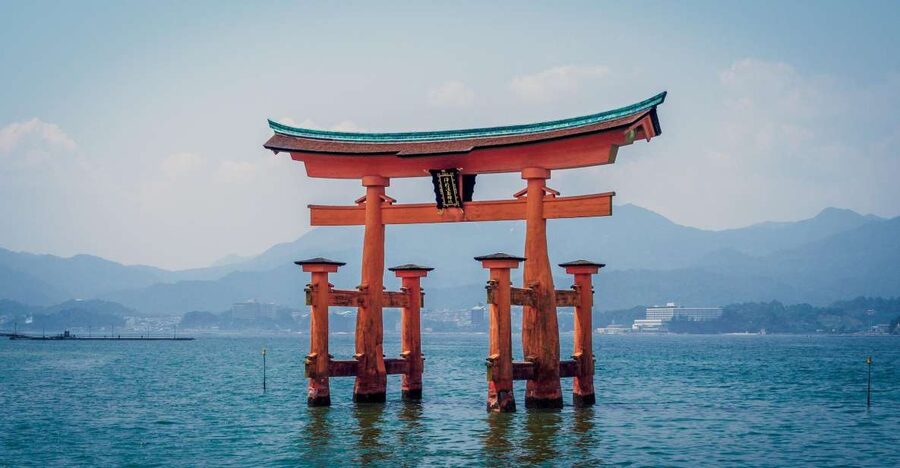
- Itsukushima Shrine is the visual centerpiece: At high tide, its buildings appear to float above the Seto Inland Sea.
- Guides add real value: Ken is frequently praised for clear English, local insight, timing, photos, and thoughtful help with food and transport.
- You get independent time: The Miyajima schedule includes lunch and about an hour to browse shops, tea houses, sweets, and handicrafts.
- Plan for a full walking day: Comfortable shoes are essential, especially if you have mobility concerns.
Why this Hiroshima and Miyajima pairing works
You could visit these places independently. Hiroshima’s tram system and ferry connections are manageable, and both destinations are well known. But combining them in eight hours takes planning, especially when you want time for the museum, shrine, lunch, and a little wandering.
This experience is useful because the two halves speak to each other. Hiroshima’s morning is about memory, loss, responsibility, and the hope for peace. Miyajima’s afternoon brings you to old Shinto architecture, wooded hills, sea air, traditional food, and craft shops. The shift in mood is not meant to erase the morning. It gives you space to think about it.
The meeting point is the 7-Eleven directly outside Peace Memorial Park, specifically the Hiroshima Motoyasubashi East Store. From there, you meet your guide and begin on foot and by public transport. The experience finishes at Hiroshima Station, a helpful arrangement if you are catching a train after the tour.
The price is $163 per person. That is not the cheapest way to see Hiroshima, but it is reasonable if you value a small group, a live guide, included tram and ferry fares, shrine admission, and someone who keeps the day on track. Lunch is extra, as are personal purchases. If your party is only one person and the minimum of two is not met, the operator may offer another date, ask for a 16,000 yen solo supplement, or issue a full refund.
A few more Hiroshima half-days to weigh up
- Peaceful Hiroshima & Miyajima UNESCO 1 Day Bus Tour
★ 5.0 · 5,309 reviews - Hiroshima: Hiroshima and Miyajima UNESCO Sites 1-Day Tour
★ 4.9 · 2,330 reviews - Hiroshima / Miyajima Full-day Private Tour with Government Licensed Guide
★ 5.0 · 1,298 reviews
The Peace Memorial Park sets the tone
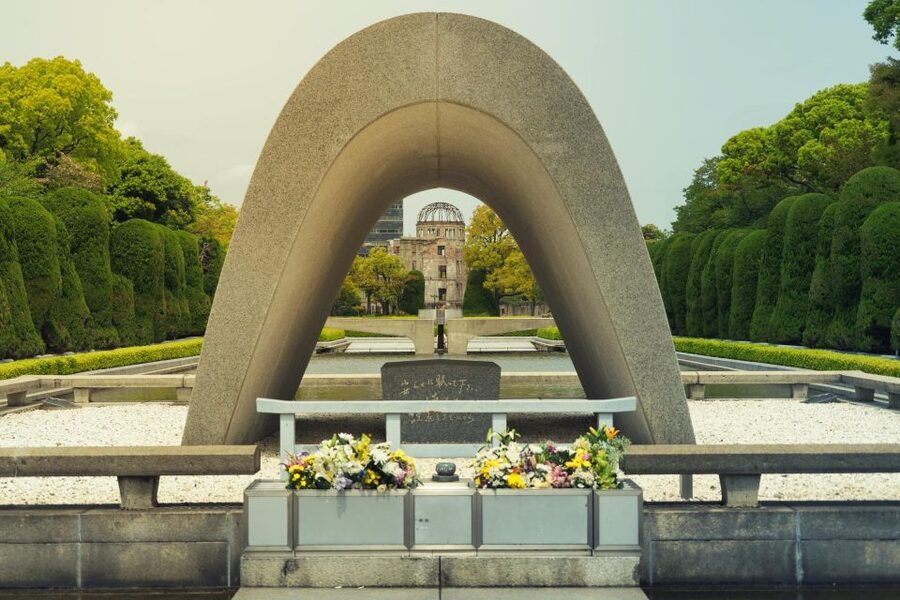
The first major stop is Hiroshima Peace Memorial Park, a broad, quiet area beside the river. You begin here with a guided visit of about 30 minutes, then continue to nearby memorial sites.
This is not a place to rush through while taking a few photographs. The park asks you to slow down. Your guide can provide context for the monuments and explain how the different parts of the memorial area connect. The experience is more useful than simply walking from one marker to another because the history is complicated, emotional, and easy to reduce to a few familiar images.
You will see the Cenotaph for the A-bomb Victims, where paper cranes express a shared wish for peace. The Flame of Peace burns nearby, linked to the hope for a world without nuclear weapons. These are quiet spaces, so respectful behavior matters. Keep your voice low and allow yourself time to look rather than trying to fill every moment with conversation.
The tour description gives about 30 minutes for the park portion. That is enough for a guided introduction and the central memorials, but not enough for every corner. If you already know you want extended time for reflection or photographs, a self-guided return visit would be worthwhile.
The Atomic Bomb Dome and the city’s surviving memory
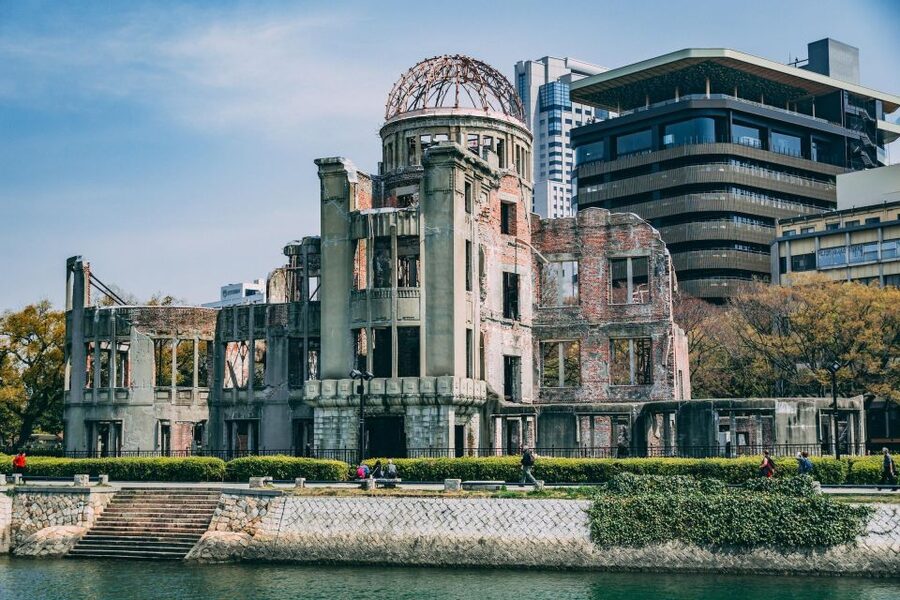
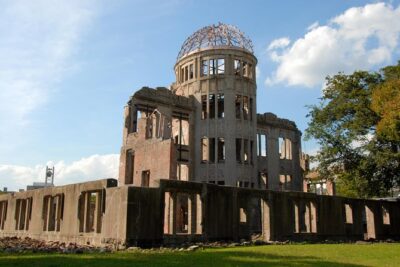
The Atomic Bomb Dome is one of Hiroshima’s most recognizable sights. The damaged structure remains close to the park, and its exposed frame makes the destruction of August 6, 1945 feel immediate rather than distant.
The guide spends around 30 minutes here, explaining the building’s place in Hiroshima’s story and its present role as a UNESCO World Heritage Site. This is an important moment for asking questions. The Dome is visually striking, but its meaning is not self-explanatory. A good guide helps you understand what you are seeing without turning the site into a photo stop.
Several people who booked this experience specifically valued the explanations of differing perspectives on the bombing and the way the guide connected the memorials to Hiroshima’s present-day message. Ken has also shared family context, including the fact that his grandmother saw the mushroom cloud from the bombing. A personal detail like that can make the past feel closer, but the subject remains serious. This is a place for care, not theatrical storytelling.
The Peace Memorial Museum requires attention
The Hiroshima Peace Memorial Museum is the emotional center of the morning. The guided visit lasts about an hour and presents the atomic bombing of Hiroshima and Nagasaki through objects, accounts, photographs, and historical explanation.
You should expect difficult material. The museum is not designed as light sightseeing, and some displays may be upsetting. Your guide can help frame what you are seeing and answer questions, but you will also need quiet time to take it in at your own pace.
An hour gives you a useful introduction, especially if the guide points out the most important sections. It may feel short if you want to read every panel carefully. One visitor specifically felt the museum portion could have been longer, so I would not book this tour expecting a slow, exhaustive museum visit. The advantage is that you still see the park and Dome before continuing to Miyajima.
The schedule’s order is sensible. You encounter the historical material first, while the afternoon offers a change of setting rather than an abrupt end to the day. Guides have been praised for handling this transition with compassion and for discussing the subject without turning it into a lecture.
Same base, a completely different sort of day:
- Hiroshima Historical Walking Tour – Why A-Bomb was Dropped
★ 4.8 · 893 reviews - Hiroshima Peace (Heiwa) Walking Tour at World Heritage Sites
★ 5.0 · 872 reviews - Hiroshima in a Nutshell: Morning Bike Adventure
★ 5.0 · 524 reviews - Hiroshima City 4hr Private Walking Tour with Licensed Guide
★ 5.0 · 437 reviews
The ferry ride gives you a needed pause
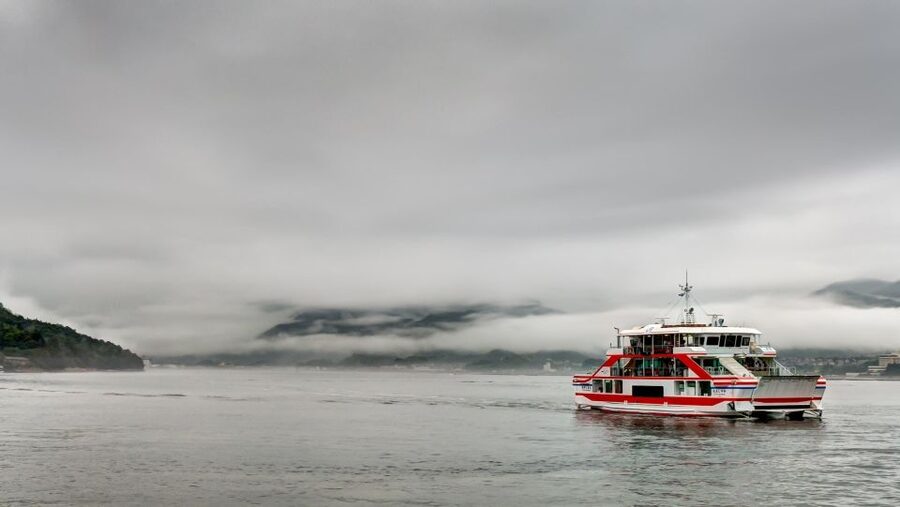
After the Hiroshima memorial sites, you travel toward Miyajima using public transportation. The tour includes tram and ferry fares, and the ferry crossing is one of the pleasures of the day. The route opens the view toward the Seto Inland Sea and creates a natural pause between the morning’s memorials and the island’s shrines and shops.
Transport is one of the strongest reasons to choose a guided day. Hiroshima and Miyajima are connected, but you still need to watch the time, find the right platforms, manage tickets, and keep the group together. Ken is repeatedly praised for getting tickets in advance or handling them efficiently, reducing time spent in lines.
The itinerary allows about an hour for the ferry portion. Exact timing can depend on the day’s transport schedule, so treat that as a planning block rather than a promise of uninterrupted time on the boat. The ferry is public transport, not a private cruise, but that is part of the experience. You are moving through the same system used by local passengers.
Itsukushima Shrine appears to float at high tide
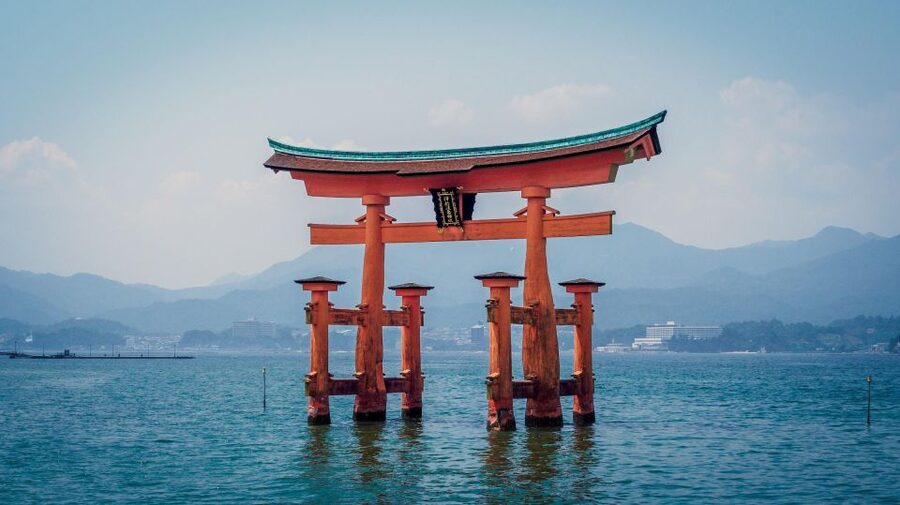
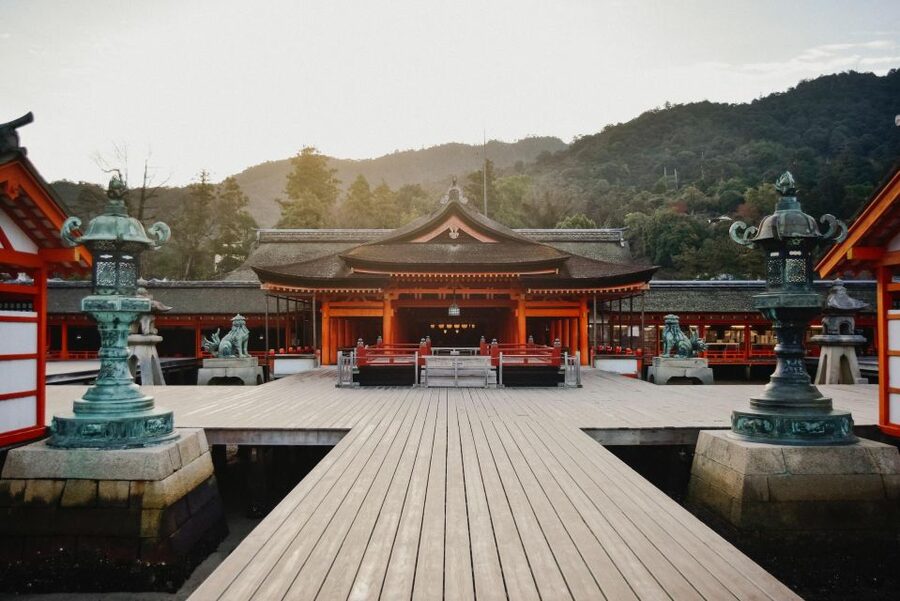
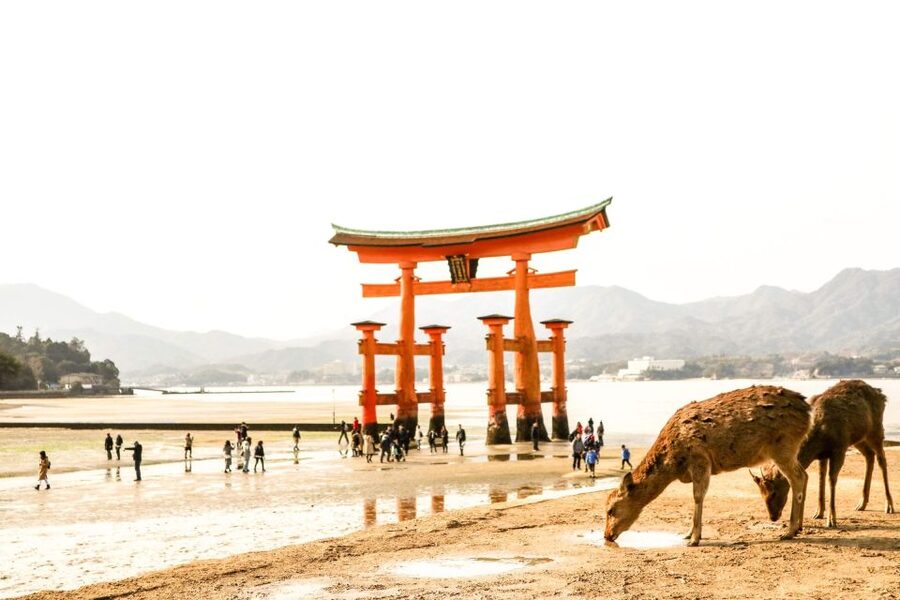
On Miyajima, the main stop is Itsukushima Shrine, visited with a guide for about 45 minutes. The shrine was built at the edge of the Seto Inland Sea, and at high tide its red-orange structures seem to hover above the water.
Tide conditions make a real difference here. At high tide, the floating effect is most obvious and the famous view is at its most dramatic. At lower water, you see more of the shoreline and the supporting structures. Neither condition makes the shrine uninteresting, but you should keep your expectations tied to the tide rather than assuming the torii will always be surrounded by water.
The guide explains the shrine’s purpose and the details of Shinto practice, helping you notice the architectural choices rather than simply photographing the sea gate. The visit includes entrance fees, which saves you another queue and keeps the group moving.
Miyajima can be crowded, especially during popular seasons. Several guides, particularly Ken, are praised for avoiding the worst waits and approaching busy sites at sensible times. Still, no guide can empty a famous shrine. Expect other people, and be ready to stay with the group around narrow walkways and ticket points.
Senjokaku Pavilion offers a quieter architectural stop
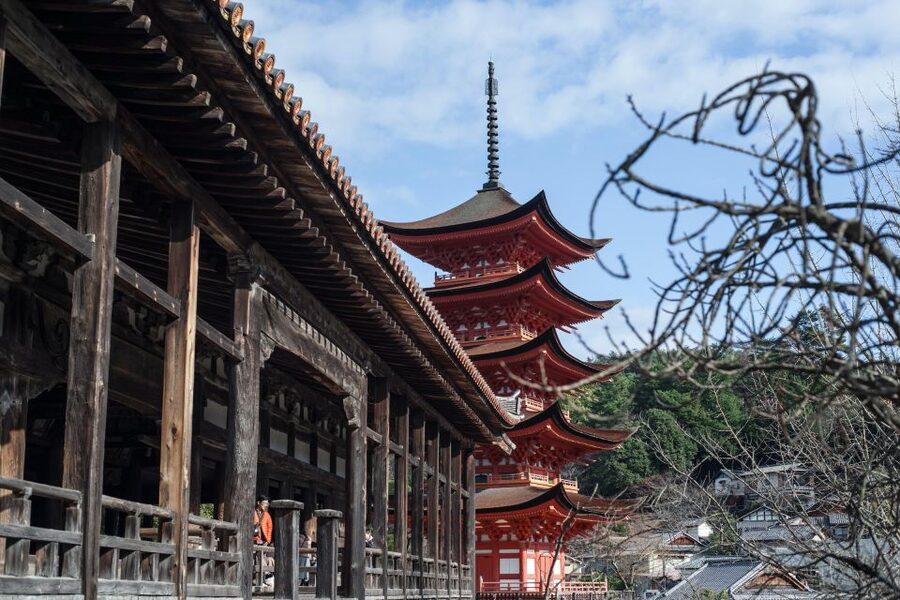
The next guided visit is Senjokaku Pavilion, also called the Pavilion of Heavenly Spirits, for about 45 minutes. Its broad wooden design and tatami interiors offer a different view of traditional Japanese architecture.
This stop is valuable because Miyajima is more than one famous shrine gate. Senjokaku gives you a calmer place to notice proportions, timber construction, open space, and the relationship between a religious building and its setting. The visit also helps break up the day after the solemn museum and the busy shrine area.
The itinerary names this as Senjokaku Pavilion, while the description also refers to Tenshinkaku. Confirm the exact local naming with your guide when you meet. The important point is the traditional pavilion visit, not getting hung up on a translation.
Lunch on Miyajima is simple, local, and separate
Lunch is allocated about 45 minutes and is not included in the price. That gives you freedom to choose according to appetite, budget, or dietary needs rather than being locked into a prepaid meal.
Miyajima is a good place to sample local food. One highlighted treat is Momiji Manju, a maple-leaf-shaped cake with sweet or savory fillings. You can also ask your guide for suggestions, and Ken has been praised for recommending restaurants and helping arrange suitable choices. One group received a vegan lunch option, which is useful if you have dietary restrictions, though you should still state those needs before the tour begins.
Some people have enjoyed an eel meal on the island, but the provided information does not promise a particular restaurant or dish. Think of lunch as a flexible stop, not a food tour. Bring a little patience during busy periods, since popular island eateries may take time.
Miyajima’s streets reward an unhurried walk
After lunch, you spend about an hour walking around Miyajima with the guide, followed by another hour of free time. This is where the experience becomes less formal.
The guided walk can take you through streets lined with small shops, tea houses, food stalls, and boutiques selling handcrafted items. You might find wooden goods, local souvenirs, sweets, and other traditional crafts. The island’s charm comes from the mix of sacred buildings, sea views, wooded slopes, and ordinary commercial life.
The free hour is especially useful. You can revisit a shop, buy Momiji Manju, sit down for tea, or take photographs without having to listen to a running explanation. Guides have also helped with photos, including finding good angles and taking pictures for people in the group. If you collect stamps, mention it early. Ken has pointed out stamp spots that are easy to miss.
You also have access to the hills and natural areas behind the shrine, but this should not be confused with a long mountain hike. The schedule is already full, and the tour data does not promise a summit visit or cable-car ride. Wear comfortable shoes and use the free time according to your energy.
What the guide adds to the day
The strongest feature of this experience is the guide. Ken, also called Kensuke, receives especially consistent praise for clear English, preparation, humor, local suggestions, and careful timing. Minori is also described as kind and well informed, while Alex is praised for being respectful, attentive, and helpful.
A good guide matters here for more than facts. You are moving between tram stops, ferries, shrine gates, museum exhibits, and lunch. The guide can collect or organize tickets, explain where to go, answer questions, watch the clock, and help you avoid unnecessary waiting.
The tour is available in English and Spanish. Private or small-group formats are offered, so check the exact option before booking. A small group gives you more room to ask questions, while a private format may suit families or couples who want more control over the pace.
The professional photo option is separate from the basic inclusions. It pairs the history-focused visit with guide-photographers who take photographs at the Peace Memorial Park and Miyajima. If you want the day documented, this could be appealing, but confirm the cost and what number of edited images are included before paying for it.
Who should book this Hiroshima day tour?
I would choose this tour if you have one full day in Hiroshima and want the essential memorial sites plus Miyajima without managing the connections yourself. It is especially useful for first-time visitors, people traveling on a tight schedule, and anyone who wants historical explanation rather than silent sightseeing.
It also suits you if you enjoy a social small-group setting and appreciate practical help. The guide may recommend restaurants, answer broader questions about Japanese life, help with photos, and adjust small details when possible.
I would hesitate if you prefer long, independent museum visits or slow photography. The eight-hour plan covers a lot, and one hour at the museum and one hour of free time on Miyajima may feel brief. It is also not ideal for anyone who struggles with extended walking, stairs, standing, or public transport changes. Comfortable shoes are not optional.
Practical details worth knowing
The tour lasts eight hours and finishes at Hiroshima Station. It begins at the 7-Eleven outside Peace Memorial Park, not at the station, so allow time to reach the meeting point.
The $163 price includes the guide, tram and ferry fares, entrance fees for the Peace Memorial Park and Itsukushima Shrine, and free time for personal exploration. Lunch, snacks, and souvenirs cost extra.
Cancellation is free up to 24 hours before departure, and you can reserve now and pay later. Starting times vary, so check the available schedule for your date.
The overall rating is 4.9 from 361 ratings, and transport receives a perfect score from 86 percent of people who rated that part. The practical message is clear: the route planning and timing are central to the experience, not minor extras.
Should you book it?
Book this Hiroshima and Miyajima tour if you want a thoughtful overview with the difficult morning handled respectfully and the beautiful afternoon made easy. The guide quality, especially Ken’s careful organization and strong English, appears to be the biggest reason to pay for the service.
Skip it if you want to set your own pace, spend half a day in the museum, or explore Miyajima until evening. For most first visits, though, the combination is hard to beat: memorials, museum context, a ferry ride, a floating shrine, traditional architecture, local sweets, and time to wander, all in one well-managed day.
FAQ
How long does the Hiroshima and Miyajima tour last?
The experience lasts eight hours.
Where does the tour begin?
It begins at the 7-Eleven Hiroshima Motoyasubashi East Store, directly outside Peace Memorial Park.
Where does the tour finish?
The tour finishes at Hiroshima Station.
What languages are available?
Live guides are available in English and Spanish.
Are tram and ferry fares included?
Yes. Public transportation fares for the tram and ferry are included.
Are entrance fees included?
Yes. Entrance fees to the Peace Memorial Park and Itsukushima Shrine are included.
Is lunch included?
No. Lunch is not included, and the Miyajima lunch stop lasts about 45 minutes.
Is there free time on Miyajima?
Yes. The schedule includes about one hour of free time for personal exploration, in addition to guided sightseeing and lunch.
Is the tour private or shared?
Private and small-group options are available. Check the option selected when booking.
What happens if I book alone and the minimum group size is not met?
You may be offered an alternate date, asked to pay a 16,000 yen solo supplement, or given a full refund.
Just added around Hiroshima
- The Peace Memorial to Miyajima : Icons of Peace and Beauty★ 4.5 · 31 reviews
- Shore Excursion from Hiroshima Port : Private Tour in Hiroshima★ 5.0 · 17 reviews
- Hiroshima Saijo Sake Tasting Tour with visit to 7 Breweries★ 5.0 · 104 reviews
- Hiroshima & Miyajima All-Inclusive Tour w/Licensed guide Pancho★ 5.0 · 54 reviews
- Hiroshima Country Cycling: Explore Rural Life 1 HR from City★ 5.0 · 22 reviews
- Okunoshima Rabbit Island Cycling Tour with Local Guide★ 4.5 · 17 reviews
- Private Full Day Hiroshima Tour★ 4.5 · 29 reviews
- Cultural Activities :Kimono, tea ceremony, Calligraphy and Amulet★ 5.0 · 44 reviews
Hiroshima Tours, compared.
Peaceful Hiroshima & Miyajima UNESCO 1 Day Bus Tour
Read our review →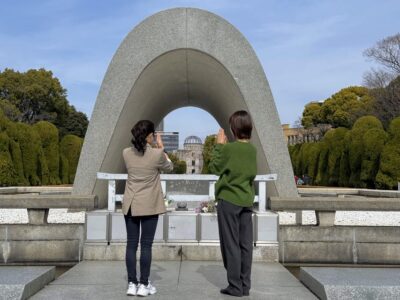
Hiroshima and Miyajima UNESCO Sites 1-Day Tour
Read our review →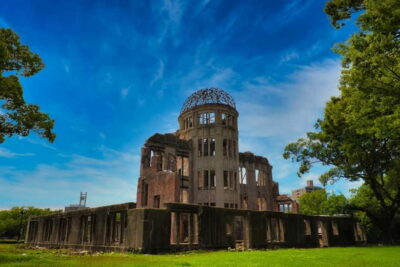
Hiroshima Historical Walking Tour – Why A-Bomb was Dropped
Read our review →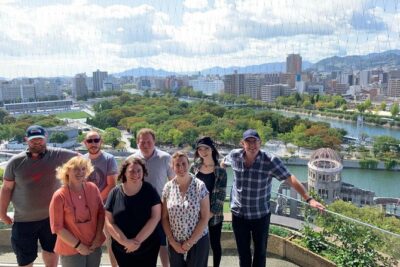
Hiroshima Peace (Heiwa) Walking Tour at World Heritage Sites
Read our review →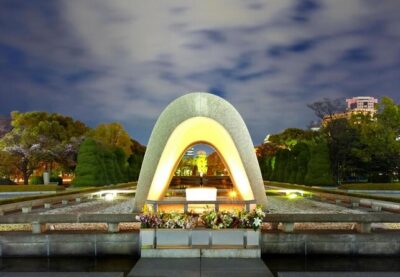
Hiroshima in a Nutshell: Morning Bike Adventure
Read our review →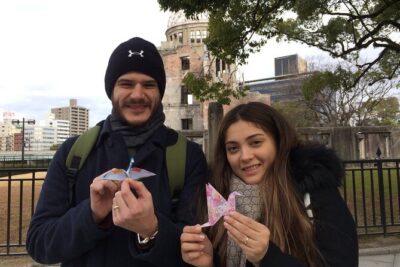
Hiroshima City 4hr Private Walking Tour with Licensed Guide
Read our review →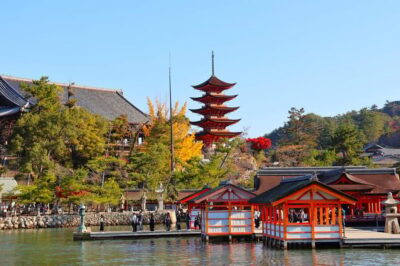

Japanesel Archery Experience HIROSHIMA CASTLE SHARAKU
Read our review →Browse the lists this tour appears in