
Reviewed · HIROSHIMA TOURS
Hiroshima: Traditional Japanese Archery Experience
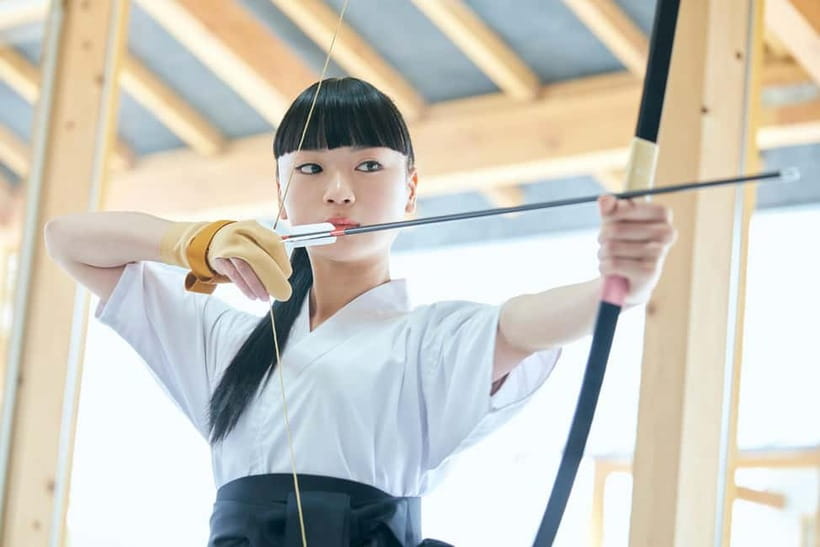
Kyudo is not simply Japanese archery with unusual equipment. Every movement follows a formal routine, from handling the bow to releasing the arrow. You dress in dogi and hakama, learn the basic sequence, then shoot at a target in a small range near Hiroshima Castle. I like the strong sense of ritual and the chance to wear authentic clothing. I also like that complete beginners get to shoot arrows right away, instead of spending a long session only watching.
The main consideration is that one hour passes quickly. The activity is technical, and communication may rely partly on a translation app. The range is described as wheelchair accessible, but the experience is not recommended for people with limited mobility, and you should wear trousers rather than a skirt or shorts.
Key points at a glance
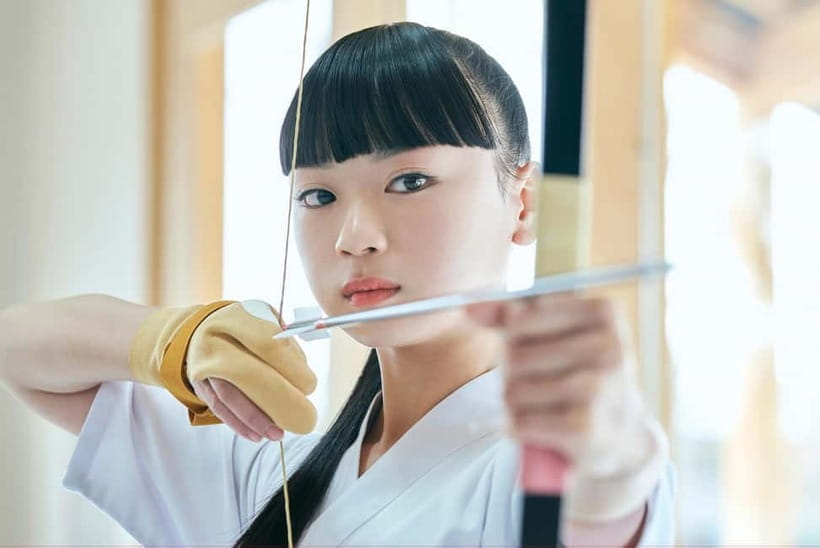
- Traditional dress is part of the lesson: You wear dogi upper-wear, hakama lower-wear, and kyudo equipment.
- You shoot as a beginner: Unlike formal kyudo training, this session lets first-timers pull and release arrows during the same visit.
- Small groups keep the coaching personal: A maximum of four participants means plenty of instruction and shooting time.
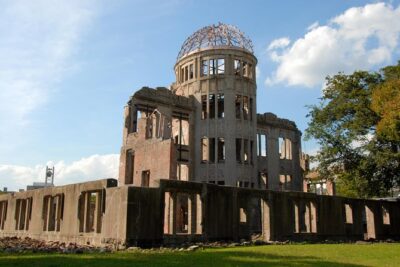
- The Atomic Bomb Dome is close: The meeting point near Hiroshima Castle is about a 15-minute walk from the dome.
- The challenge is precision, not brute force: Your success depends on posture, sequence, and calm focus.
- Translation apps may help: Some sessions use phone translation, though the instructions remain clear enough for many participants.
Kyudo near Hiroshima Castle, not a standard archery class
This experience takes place at Hiroshima Castle SHARAKU, with the meeting point listed as Hiroshima Castle Sannomaru. Look for the store named HIROSHIMA CASTLE SHARAKU inside a shopping mall.
The location works well in a day of sightseeing. From the Atomic Bomb Dome, it is roughly a 15-minute walk, so you can pair the session with Hiroshima’s central sights without arranging a separate ride. Hotel pickup and drop-off are not included, and there is no food or drink provided, so treat this as a focused activity rather than a half-day outing.
The small group limit matters. With no more than four participants, the instructor can watch your stance, hand position, and release instead of giving only a general talk to a crowd. Some sessions have had two instructors, and solo bookings may feel close to a private lesson if no other participant joins.
The language setup is practical rather than polished. English is listed as the activity language, but some instructors have limited spoken English. Translation apps, including phone-based translation, may be used to explain the finer points. I would not let that put you off, but you should expect demonstrations, gestures, and repeated practice to do some of the work.
A few more Hiroshima half-days to weigh up
- Peaceful Hiroshima & Miyajima UNESCO 1 Day Bus Tour
★ 5.0 · 5,309 reviews - Hiroshima: Hiroshima and Miyajima UNESCO Sites 1-Day Tour
★ 4.9 · 2,330 reviews - Hiroshima / Miyajima Full-day Private Tour with Government Licensed Guide
★ 5.0 · 1,298 reviews
Changing into dogi and hakama
The first part of the hour is devoted to changing, closing, and taking photos. The remaining 45 minutes cover instruction, practice, and target shooting.
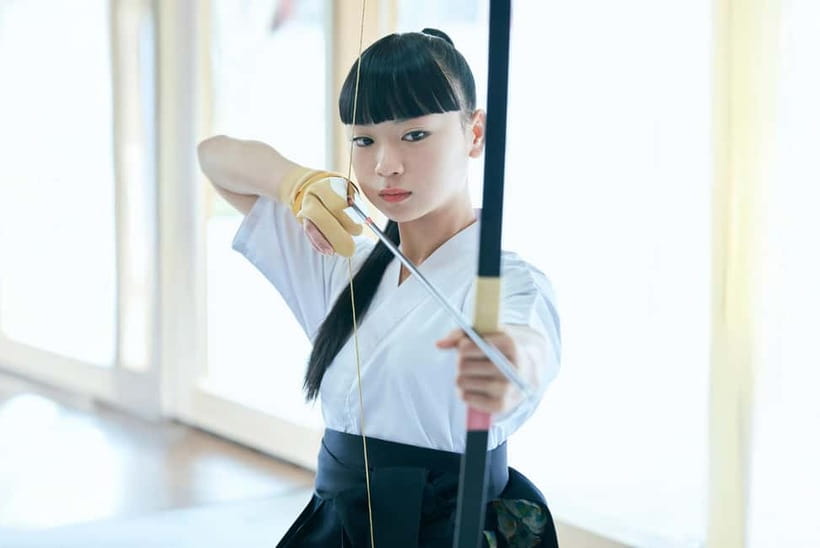
You are fitted with traditional tools and clothing, including a dogi top and hakama trousers. The outfit is not just for a photograph. Hakama changes how you move, and part of the lesson is learning to manage your posture and footwork while wearing it. That gives the session a more authentic feel than putting on a costume for a quick picture and moving straight to a modern bow.
Wear trousers under your clothing, or at least choose practical clothes that make changing easy. Skirts and shorts are not recommended. If you have limited mobility, think carefully before booking. Although the activity information says the venue is wheelchair accessible, the experience itself is not recommended for people with mobility impairments. Getting changed and following the formal movements may be difficult.
The photos at the end are a useful part of the visit. You leave with a visual reminder of the activity, but the main value is that the clothing helps you understand kyudo as a disciplined practice rather than a casual shooting game.
Learning the formal sequence
Before you shoot, the instructor explains what kyudo is and demonstrates the basic movements. Kyudo uses a Japanese bow, but the defining difference from Western archery is the formal sequence surrounding each shot.
You learn to respect the equipment, the target, and the people sharing the range. The point is not only to fire an arrow as quickly as possible. You must pay attention to stance, loading, drawing, aiming, and release. The routine can feel strict at first, especially if you arrived expecting a simple lesson in aiming.
That precision is what makes the experience interesting. The bow and arrow are easy to recognize, but the process is new. You may find that a small change in posture affects the entire shot. The instructors demonstrate each step, then correct you as you practice.
Some instruction may include a short explanation of Japanese archery, samurai, or the different types of bows. The amount of historical background can vary, so book this for hands-on kyudo rather than a full lecture on battlefield archers. If military history is your main interest, you may wish the session spent more time on that subject.
Shooting arrows as a complete beginner
Formal kyudo normally requires students to master basic movements before they pull a full bow and shoot. This introductory experience takes a more welcoming approach. You get the chance to shoot arrows during the first visit, even if you have never held a Japanese bow.
That makes the class accessible, but not easy. The target is closer than the distance used in professional kyudo, yet that does not remove the challenge. You still need to coordinate a series of unfamiliar movements, and hitting the target can take time.
I like this balance. You are not left waiting for a future lesson before enjoying the sport, but the activity does not pretend that accuracy comes instantly. Many participants begin to hit the target after repeated practice, sometimes within about 30 minutes. The moment an arrow lands well feels earned because you have followed the full sequence to get there.
The experience can work for adults, families, and teenagers. One family used the session as a friendly contest, and parents reported that children and adults could take part together. The group format may add a little pressure, but it can also make the final target practice more fun.
Same base, a completely different sort of day:
- Hiroshima Historical Walking Tour – Why A-Bomb was Dropped
★ 4.8 · 893 reviews - Hiroshima Peace (Heiwa) Walking Tour at World Heritage Sites
★ 5.0 · 872 reviews - Hiroshima in a Nutshell: Morning Bike Adventure
★ 5.0 · 524 reviews - Hiroshima City 4hr Private Walking Tour with Licensed Guide
★ 5.0 · 437 reviews
Why the small target still feels difficult
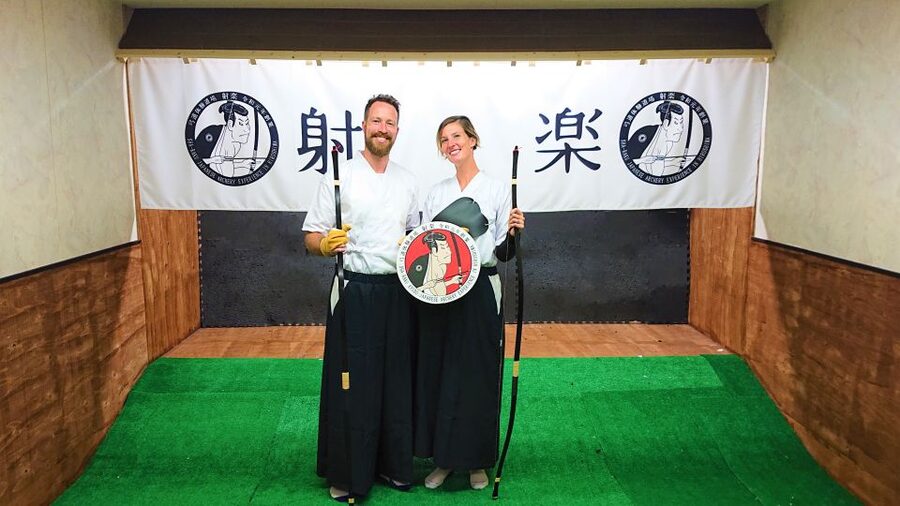
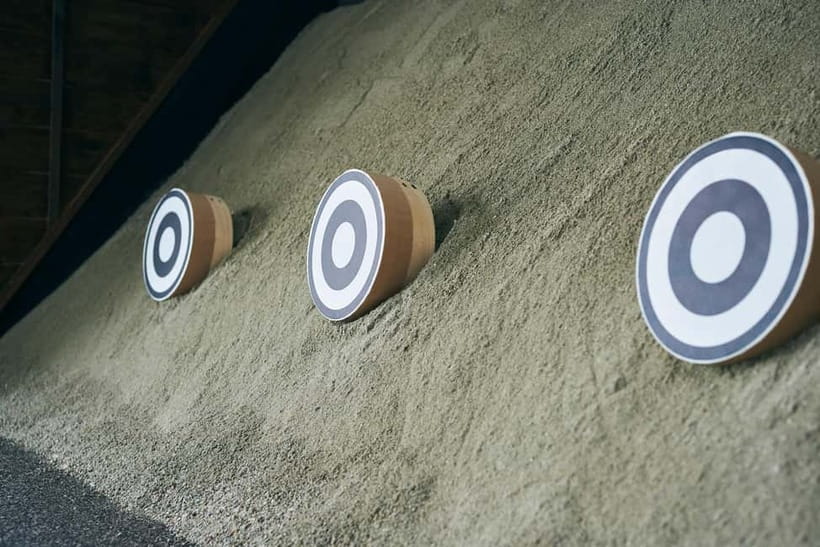
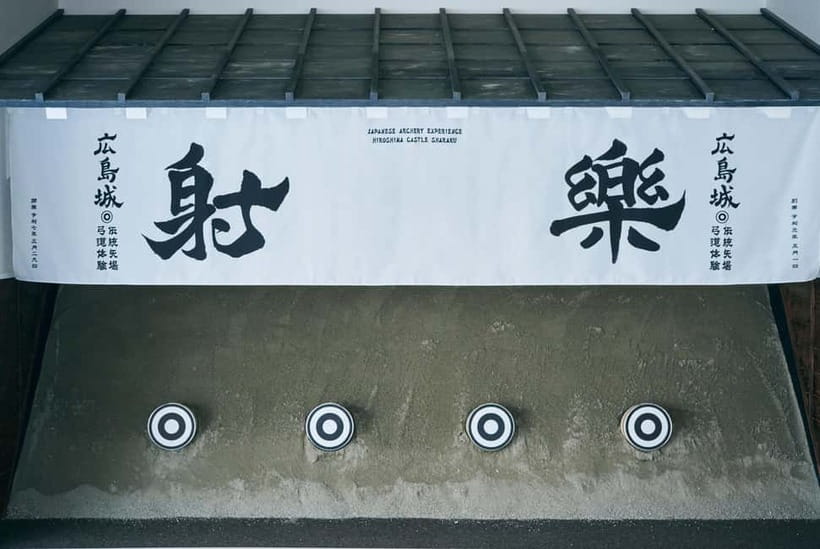
The range uses a mini-sized kyudo ground, and the targets are closer than those used in the formal sport. That makes sense for a short introductory session, but do not confuse a short range with an easy one.
Kyudo asks for concentration. You must remember the instructions, control your body, and release the string at the right moment. A target can look large enough from nearby, yet your arrow may still miss because your form changed slightly.
There is also a small physical risk. In rare cases, the bowstring may strike your arm or wrist and cause swelling. Follow the instructor’s directions closely and pay attention to arm position. This is not a reason to avoid the experience, but it is useful to know before you book.
The activity is not built around speed. You may shoot several rounds and improve gradually. That suits people who enjoy learning a skill, but it may disappoint anyone wanting a quick, effortless photo opportunity with a bow.
Patient instruction and the role of translation
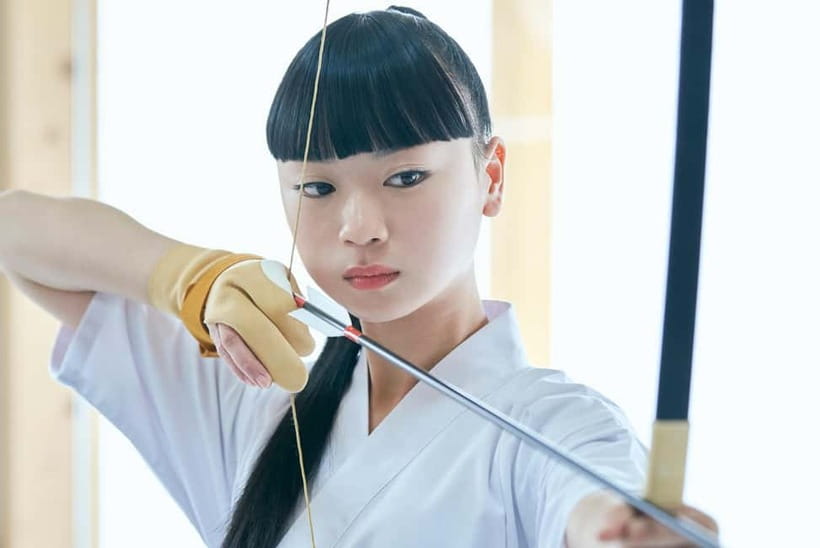
The strongest part of the session is the coaching. Instructors are described as patient, friendly, and willing to correct participants through repeated attempts. Kenji-san has been singled out for clear guidance, samurai-related explanations, and a playful shooting contest.
You may not receive every explanation in fluent spoken English. Several sessions have used a translation app on the instructor’s phone, and this has generally been enough to communicate the steps. Demonstrations are especially important here because kyudo is a physical skill. You can watch the movement, copy it, then receive a correction.
I would prepare for a few moments of confusion. The sport has numerous rules, and one participant wished that practical notes, including clothing guidance, had arrived earlier. Read all pre-session messages as soon as you receive them, especially the advice about suitable clothing.
The language limitation has one upside: the class stays active. You spend less time listening to a long speech and more time watching, trying, and adjusting. Still, if you want detailed discussion of kyudo philosophy or Japanese military history, ask questions early and use the translation tool when needed.
Forty-five minutes of practice, then photos
The published schedule gives you 45 minutes for practice and target shooting, followed by 15 minutes for changing, closing, and photos. That is a fair split for a one-hour introduction, but expect the shooting portion to feel short once you start improving.
The lesson usually moves from explanation to demonstration, then to hands-on attempts. You learn how to handle the bow and arrow, follow the shooting sequence, and make adjustments. After practice, you shoot at the target in a more relaxed rhythm.
A small competition may be included when several people attend. It is not presented as a serious tournament. It gives families or friends a simple goal and adds energy after the formal instruction. Solo participants may instead receive more direct practice, depending on the group that day.
The closing photos are worthwhile, especially if you enjoy cultural activities that give you something tangible to remember. Just keep your expectations clear: this is a compact introduction, not a full afternoon course. Several people wished they could stay longer because the activity became more enjoyable after the technique started to feel familiar.
Is $41 a fair price?
At $41 per person, the value is good if you want three things in one short activity: traditional clothing, expert-led instruction, and actual target shooting. The price includes the tools, costumes, and one hour of the experience. You do not need to rent equipment or arrange transport to a separate site.
The cost is less attractive if you are comparing it with a simple tourist photo session. You are paying for a structured martial-art introduction, and the formal teaching is the reason to book. The activity also includes enough arrows for repeated practice, rather than one symbolic shot.
The small group limit strengthens the value. A class of up to four gives you a better chance of receiving corrections and shooting several rounds. If you are the only person booked, the session can feel very personal. If your group fills, you still share the range, but the format remains much smaller than a typical workshop.
Free cancellation is available up to 24 hours before the start for a full refund, and you can reserve now and pay later. Check the available starting times before booking, since the one-hour duration alone does not tell you what fits your Hiroshima schedule.
Who will enjoy this Hiroshima activity?
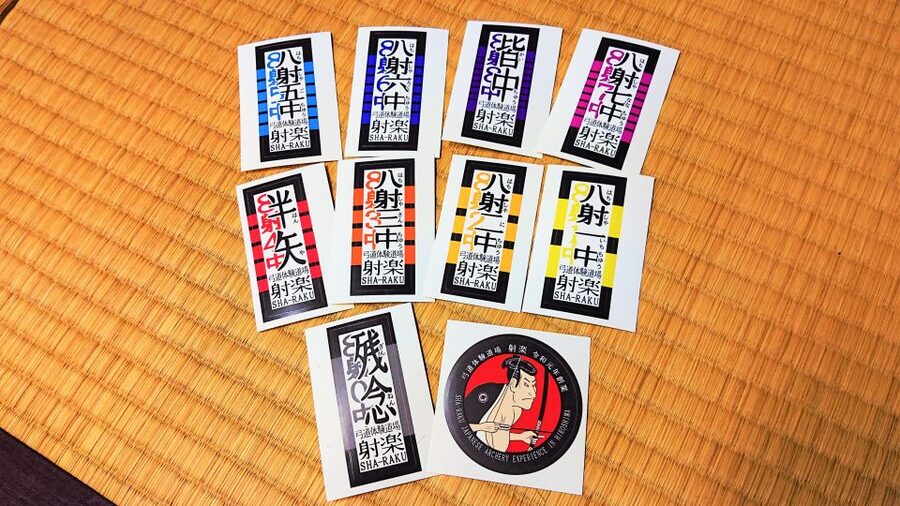
I recommend it most strongly to first-time archers, families with older children or teenagers, couples, and anyone looking for a quieter cultural activity between major sightseeing stops.
You do not need previous archery experience. In fact, the beginner-friendly format is one of the best reasons to choose it. You can enjoy the ritual and the clothing without committing to a long course.
It also suits people who like patient, technical instruction. The session rewards concentration more than athletic strength. You might miss repeatedly at first, then begin to hit the target as the sequence settles into your body.
I would be more cautious if you have limited mobility, dislike formal rules, or want a long historical talk. The activity is active and structured, and communication may involve translation software. It is also not ideal if you need a fully flexible schedule because the hour includes changing time as well as shooting.
Practical details before you book
The meeting point is Hiroshima Castle Sannomaru, at the HIROSHIMA CASTLE SHARAKU store in a shopping mall. Allow enough time to find the shop, particularly if you are walking from the Atomic Bomb Dome.
The session lasts one hour. About 15 minutes cover changing, closing, and photographs, leaving about 45 minutes for instruction and shooting. Food and drinks are not included.
Wear trousers instead of a skirt or shorts. Follow the instructor’s instructions carefully to reduce the chance of the string catching your arm or wrist. Translation apps may be used, so keep your phone available if needed.
The activity is described as wheelchair accessible, but it is not recommended for people with limited mobility. If this is important for you, confirm the physical setup and changing arrangements before paying.
Should you book the kyudo experience?
Book it if you want a hands-on Japanese tradition, not just another sightseeing stop. The clothing, formal movements, small group, and chance to shoot as a beginner give the hour real substance.
I especially like it for families and couples because the friendly competition adds a shared goal, while solo participants may receive very focused instruction. The price is reasonable for the equipment, costume, and number of shooting attempts.
Skip it if you want a long session, a detailed history of Japanese warfare, or an easy activity with little physical coordination. For most visitors who can manage the movements and enjoy learning by doing, this is a memorable Hiroshima add-on, close to the Atomic Bomb Dome and far more engaging than a quick photo in traditional dress.
FAQ
How long does the Hiroshima kyudo experience last?
The experience lasts one hour. Around 45 minutes are used for practice and target shooting, while 15 minutes cover changing, closing, and taking photos.
How much does the activity cost?
The price is $41 per person.
Do I need previous archery experience?
No. The activity is designed for complete beginners, and you can shoot arrows during the session without prior kyudo training.
Where is the meeting point?
Meet at Hiroshima Castle Sannomaru, at the HIROSHIMA CASTLE SHARAKU store inside a shopping mall.
Is the experience close to the Atomic Bomb Dome?
Yes. The archery location is about a 15-minute walk from the Atomic Bomb Dome.
What should I wear?
Pants are recommended instead of skirts or shorts. You will change into a dogi upper garment and hakama lower garment for the activity.
Is the activity available in English?
English is listed as the activity language. Translation apps may be used to help with communication and instruction.
Can people with limited mobility join?
The activity information says the venue is wheelchair accessible, but the experience is not recommended for people with limited mobility. Check the physical requirements before booking if this applies to you.
Just added around Hiroshima
- The Peace Memorial to Miyajima : Icons of Peace and Beauty★ 4.5 · 31 reviews
- Shore Excursion from Hiroshima Port : Private Tour in Hiroshima★ 5.0 · 17 reviews
- Hiroshima Saijo Sake Tasting Tour with visit to 7 Breweries★ 5.0 · 104 reviews
- Hiroshima & Miyajima All-Inclusive Tour w/Licensed guide Pancho★ 5.0 · 54 reviews
- Hiroshima Country Cycling: Explore Rural Life 1 HR from City★ 5.0 · 22 reviews
- Okunoshima Rabbit Island Cycling Tour with Local Guide★ 4.5 · 17 reviews
- Private Full Day Hiroshima Tour★ 4.5 · 29 reviews
- Cultural Activities :Kimono, tea ceremony, Calligraphy and Amulet★ 5.0 · 44 reviews
Hiroshima Tours, compared.
Peaceful Hiroshima & Miyajima UNESCO 1 Day Bus Tour
Read our review →
Hiroshima and Miyajima UNESCO Sites 1-Day Tour
Read our review →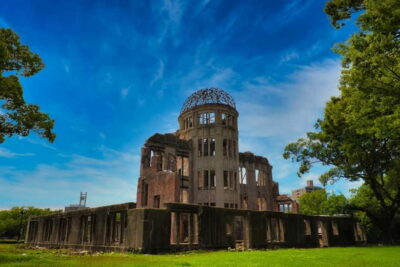
Hiroshima Historical Walking Tour – Why A-Bomb was Dropped
Read our review →
Hiroshima Peace (Heiwa) Walking Tour at World Heritage Sites
Read our review →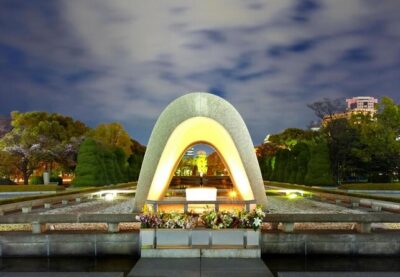
Hiroshima in a Nutshell: Morning Bike Adventure
Read our review →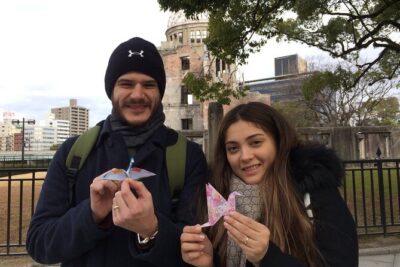
Hiroshima City 4hr Private Walking Tour with Licensed Guide
Read our review →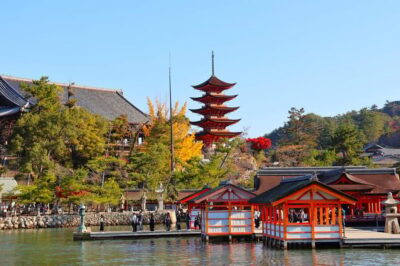
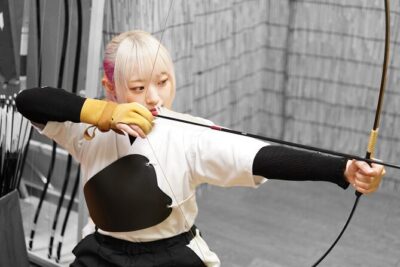
Japanesel Archery Experience HIROSHIMA CASTLE SHARAKU
Read our review →Browse the lists this tour appears in